
The Illusion Of Preparedness: Why Your Basic List Fails

What Most People Actually Put On Their List
You want to feel in control. That’s the real reason you’re building this. But most couples build a list that makes them feel prepared while doing almost nothing to prevent actual problems. They write down phone numbers for the caterer, florist, and venue coordinator, then call that done. This is security theater.
The standard list fails because it confuses vendor contact information with emergency response. You’re documenting who to call after something breaks, not who handles it when it breaks. A caterer’s number matters only if the caterer still has time to fix the problem. By the time you dial, the damage is already set.
The Hidden Cost Of Reacting Instead Of Preventing
Emergency response borrows a concept from systems engineering called “mean time to recovery.” In wedding day operations, this is the gap between when a problem emerges and when someone who can actually solve it knows about it. Every minute in that gap costs you options.
Your best people are already working. The venue coordinator is managing setup. The photographer is shooting. The catering manager is plating food. When you need to reach someone, they’re either unavailable, their phone is on silent, or they’re already dealing with three other problems. You’re not adding a fourth problem to their list. You’re creating a chain where the person you reach has to find the person who can fix it, then wait for them to act. The mechanism is simple: establish a single point of contact who knows every contingency before the day starts, not someone you discover exists when everything falls apart.
The Contingency Matrix Protocol: Prioritizing Your Contacts
Who Answers When Everything Breaks
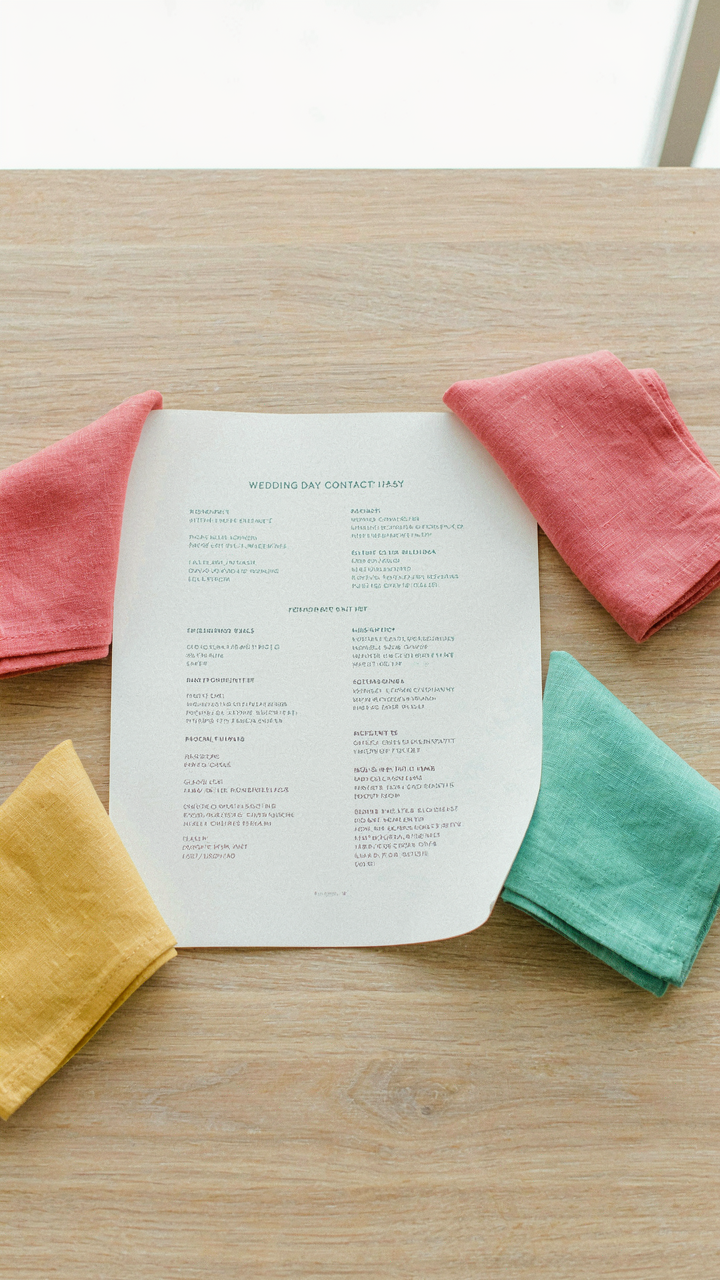
You want this list because you’re terrified of looking incompetent in front of people who matter. The real mechanism is simple: a crisis on your wedding day moves fast, and slow decisions compound damage. You need people ranked by response speed and decision authority, not by how close they are to you emotionally. Military strategy calls this “command hierarchy”—your emergency contact list needs the same structure. The person who can make a call in 30 seconds replaces the person who needs to consult three relatives.

Tier 1 contacts are your decision-makers under pressure. These are people who know your priorities, answer their phones, and move without committee approval. Your wedding coordinator if you have one, your partner’s parent who stays calm, your best friend who thinks operationally. Not everyone who loves you belongs here. You need people who default to action over emotion, who won’t spiral into “what should we do” conversations while your vendor cancels. Keep this tier to three to five people maximum. More than that dilutes accountability.
Your Second Wave Of Execution
Tier 2 contacts handle specific failures once Tier 1 decides the play. They execute delegated tasks: calling the caterer, managing guest communication, arranging transport, handling photography pivots. These people aren’t making strategy calls—they’re running the assigned mission. Choose people based on their actual reliability, not sentiment. Someone who texts back inconsistently costs you more than someone you like who vanishes at 2 PM. The mechanism here is workload distribution. Your Tier 1 people can’t manage eight simultaneous fires. Tier 2 absorbs the execution load so Tier 1 stays focused on decisions.
Document what each Tier 2 person owns before the wedding. Not a vague “help with logistics”—specific assignments. One person owns vendor communication, another owns guest flow, another owns timeline adjustments. When a crisis hits, you text the person who owns that problem. No ambiguity. No wasted time explaining who does what. Your contacts aren’t a list to feel organized about—they’re a response system that prevents problems from becoming disasters.
Bridal Emergency Kits: The Physical Manifestation Of Preparedness

What Actually Goes In The Kit
You want the kit because it signals control. Here’s what most people miss: a bridal emergency kit isn’t about coverage like medical triage uses it. It’s about removing decision friction in the 90 seconds when your dress tears or your makeup runs. You need tools that solve the specific failure modes of a wedding day, not generic first-aid supplies.
- Sewing kit with thread colors matching your dress: Pre-threaded needles in ivory, white, champagne, and nude prevent fumbling when seams split. Include a thimble and small scissors for precision work without damaging fabric.
- Blotting papers and powder: Oil control matters more than lipstick touch-ups. Keep translucent powder and oil-blotting sheets in your purse for forehead and T-zone management between photos.
- Stain treatment stick and white cloths: Wine, food, and makeup transfer happen. Fels-Naptha or similar stick treatments work on fresh stains before they set into expensive fabric.
- Safety pins and fashion tape: Wardrobe malfunctions require instant fixes. Tape secures plunging necklines and loose hems. Safety pins anchor bouquets and hold layers in place under pressure.
- Pain relief and blister supplies: New shoes cause problems. Include gel insoles, blister pads, ibuprofen, and antacids for stress-induced stomach issues that derail timelines.

Physical redundancy matters more than comprehensiveness. Your maid of honor carries a duplicate kit. Your coordinator holds a third. This isn’t paranoia. It’s distribution of failure points so one person’s lost bag doesn’t cascade into three crises.
Where It Lives And How You Access It
Don’t store the kit where you can’t reach it. The mistake everyone makes is treating the emergency kit like luggage—packed away until crisis mode makes access slow. Your maid of honor should carry it in her purse. Your coordinator should have it in the bridal suite. You keep a small personal version in your clutch or with whoever walks you down the aisle.
Accessibility beats completeness. A kit you can’t touch in 60 seconds might as well not exist. Label everything. Use a clear cosmetic bag so you spot what you need without dumping the contents. Brief your maid of honor on what’s where before the day starts. The kit works only if someone knows to grab it when you need it.
The “Distributed Intelligence” Model: Everyone’s A Sensor

Decentralized Information Flow Wins
You want a contact list that makes you look prepared and keeps you from looking like you dropped the ball. The real mechanism is this: you need information flowing to you faster than problems can compound. Military operations use decentralized command because no single person can monitor every sector. Your wedding day emergency contact list works the same way. You place informed people at different stations—ceremony site, venue entrance, parking, reception—so threats surface before they escalate into chaos. Each person becomes a sensor reporting upward.

Centralized communication fails under pressure. One coordinator managing fifty phone calls becomes a bottleneck. Instead, assign specific people to monitor specific zones and give them a single, clear channel to reach you or your designated crisis lead. They report observed problems, not solutions. You respond with decisions. This structure means your point person hears about the catering truck running two hours late before guests start complaining about hunger, not after resentment spreads through the reception.
Empowering Key Personnel As First Responders
Skip the myth that your wedding day emergency contact list exists to notify people after something breaks. That’s reactive and useless. Real contacts are people authorized to act before you’re even aware a problem exists. Your venue coordinator doesn’t wait for your approval to redirect guests to an alternate entrance if the main door jams. Your florist doesn’t call asking permission to substitute flowers if the original delivery arrives damaged. They act within predefined boundaries and inform you after.
Identify four to five people who understand your priorities and give them explicit authority. Write down their decision scope: what they can fix without consulting you, what requires your input, and what needs immediate escalation. Your wedding planner handles timing shifts and vendor coordination. Your best man handles guest flow and mood. Your mother handles family logistics. Your venue contact handles facility issues. Each person knows their lane and their limits. When crisis hits, decisions happen in seconds instead of minutes because someone’s already empowered to move.
Day Of Wedding Essentials: Beyond The Obvious

The Gaps Nobody Plans For
You’re afraid something will break and nobody will know who to call. That’s the real reason you’re reading this. The mechanism is simple: weddings expose every single person on your vendor list as a specialist who only knows their domain. Your florist doesn’t know your caterer’s backup. Your caterer doesn’t know your photographer’s assistant’s number. Coordination breaks at the edges.

Build a contact map that names the person responsible for each failure mode, not just each vendor. A failure mode is what happens when one person becomes unavailable. Your photographer goes dark? Your second shooter steps in, but does your planner know the second shooter’s direct number? Your venue loses power? Your caterer needs the backup generator contact immediately, not your venue manager’s office number during lunch. Map the actual decision-maker for each crisis, not the front desk.
Vendor Chains Of Command
Most wedding emergency lists are incomplete because they stop at the vendor, not the vendor’s backup. This is a supply chain problem. In logistics, a supply chain failure cascades because nobody identified the secondary and tertiary fulfillment paths. Your wedding day operates the same way. You need the florist’s owner, the florist’s lead designer, and the florist’s delivery driver’s direct number, because the crisis determines who you actually need.
Create a separate row for each vendor that lists primary contact, backup contact, and their specific responsibility during the crisis. Your caterer’s manager handles staffing shortages. Your caterer’s kitchen lead handles food prep disasters. Your caterer’s logistics coordinator handles delivery timing. One contact isn’t enough. Write down what each person fixes when they’re the one you reach. Test these numbers five days before the wedding, not five minutes before the ceremony.
The “Communication Cascade” Framework: Who Calls Who, When?

The Hub And Spoke Model
You’re reading this section because you want to feel in control on a day when chaos will test that illusion. The real mechanism is a military one: the hub and spoke communication structure, borrowed from command and control strategy. Your wedding day emergency contact list operates as a hub. One person receives the problem. One person decides the response. One person communicates the decision outward. This eliminates the telephone game. It stops three people from calling the florist with three different instructions. The hub is typically the best man, maid of honor, or wedding coordinator. They are not involved in ceremony duties at the moment the crisis hits. They have authority to make calls. They have the couple’s trust.

The spoke system means information flows inward to the hub, then outward from the hub only. The caterer does not call the photographer. The venue manager does not call the transportation company. They call the hub. The hub evaluates the severity and determines who else needs to know. This creates decision velocity. You do not waste time on group texts. You do not have conflicting decisions cascading through vendors. The hub has a typed list of every vendor, every backup vendor, and their call sequence. They know the order before the day starts. They execute without deliberation.
Parallel Paths Without Overlap
Most couples build contact lists that look like telephone directories. Wrong. You need parallel communication paths that never intersect unless the first path fails completely. Path one is your primary chain: main point of contact calls hub, hub calls secondary contacts. Path two exists independently. It activates only if path one is unreachable within a defined time window, typically fifteen minutes. A backup venue contact is separate from your main venue contact. A backup florist contact is someone who works at the shop but was not your primary liaison. This is not about redundancy for comfort. This is about ensuring the message reaches someone who can act, because the first person will sometimes be unreachable.
Document the activation protocol in writing. Include the specific trigger: “If main contact does not respond by 1:45 PM, activate backup contact without waiting for approval.” This removes hesitation. This removes the need to escalate to the couple during the crisis. The backup contact receives a heads-up call the morning of the wedding, briefed on the emergency contact system but not told to expect a problem. They know their role. They know they might receive a call. They know what information they need to provide when that call comes. The hub carries two phones on the wedding day: the primary phone and a second phone with a different carrier to avoid network failures during high-traffic moments.
Bridal Suite Checklist: Your Command Center Setup

The Physical Space That Runs Your Day
You want the bridal suite to feel calm and controlled because chaos is expensive and visible. In military operations, a command center is the physical location where information flows in and decisions flow out. Your bridal suite serves the same function. It’s where your emergency contact list lives, where phones stay charged, and where one person can see the full picture when something breaks.

Set up a table near an outlet with copies of your contact list, a charging station for phones, a notebook, and a clock everyone can see. Post the list on the wall or keep printed copies in two locations within the suite. Someone needs a clear sightline to incoming messages and calls. This isn’t decoration. It’s infrastructure.
Chain Of Command For Information Flow
Most couples assign a “point person” and leave it vague. That’s how critical information gets lost between three people who each think someone else handled it. You need explicit roles: one person monitors incoming calls and texts, one person delivers information to you, one person executes the decision you make. These aren’t fancy titles. They’re job descriptions.
The monitor takes notes on every incoming message with a timestamp. The messenger reads it back to you and confirms what you’ve decided. The executor acts and reports completion back to the monitor so the chain closes. Rotate these roles only if your backup knows the protocol cold. One chain, one direction of information. No improvisation when the ceremony starts in ninety minutes.
Wedding Contact List Template: Customization For Chaos
Data Points That Actually Matter
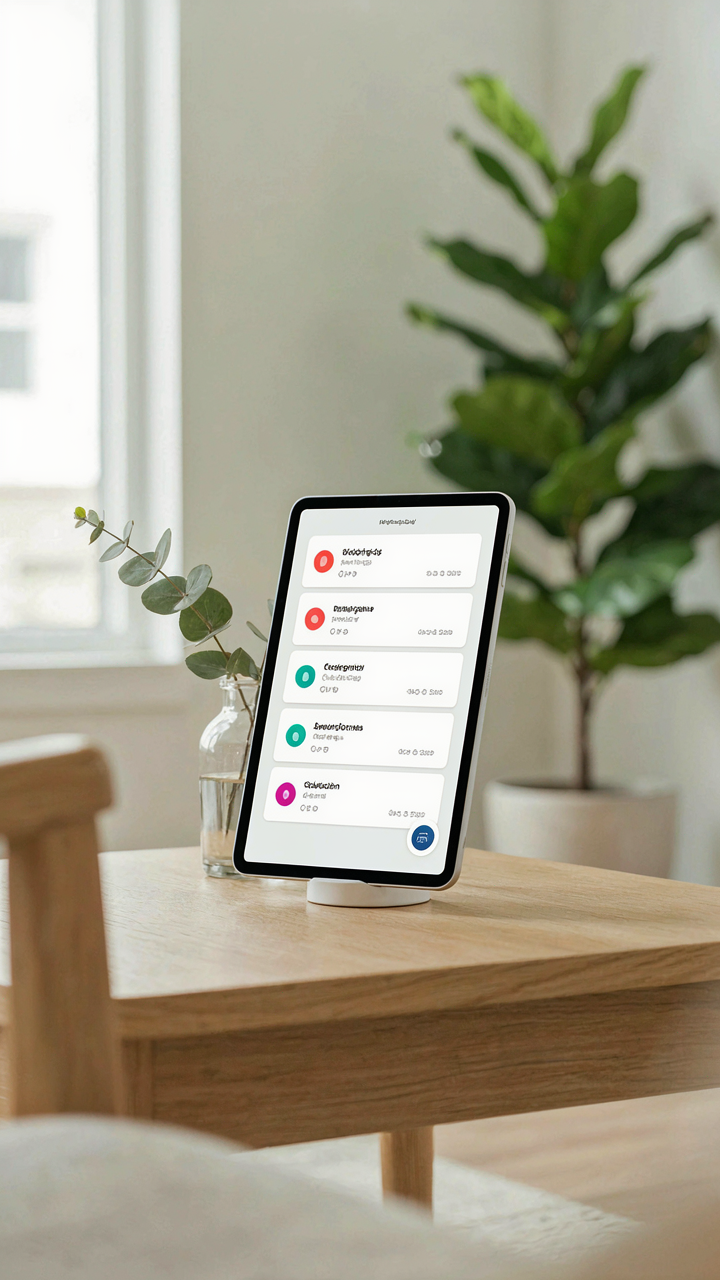
You want this list because you’re afraid of looking unprepared if something breaks. The real mechanism is information density under stress. When chaos hits, your brain doesn’t retrieve data efficiently. You need every contact entry to answer one specific question immediately without interpretation.
- Full legal name and phonetic spelling: Eliminates confusion when you’re shouting over noise or reading to someone unfamiliar with the name. Include both cell and landline where available.
- Role and backup name: State exactly what they do (photographer, caterer, venue contact) and list who covers if they’re unreachable. No guessing about hierarchy.
- Multiple phone numbers and email: Cell fails. Landline fails. Email gets checked. List all three channels for critical contacts like your venue and catering lead.
- Arrival time and location specifics: Note when they’re scheduled to arrive and where they park or enter. Prevents time waste hunting for people on the grounds.
- Known allergies or access needs: Medical information, dietary restrictions they need to know, or mobility requirements belong here. Prevents assumptions that cost time.
- One contact person per vendor: Wedding day isn’t the time to call a business line. Get the actual person’s direct number and their manager’s backup number.

Every blank on this template answers a decision you’ll need to make in real time. Missing information isn’t harmless. It forces you to problem-solve when you should be executing. The template wins when you can read one line and know exactly what to do next.
Redundancy Through Medium, Not Repetition
Everyone says make backups. They don’t say why that matters or how to actually do it. Emergency contact systems fail not from bad information but from access failure. You need the list accessible through two independent channels because one will definitely be unavailable when you need it most.
Your phone dies or gets destroyed. Your cloud service goes down or you lose signal. Your printed copy stays in a backup location you can’t reach in time. The solution isn’t printing three copies of the same list. It’s storing complete contact data in fundamentally different formats and locations. One person carries a digital version on a backup phone. Another person holds the printed version. A third has a cloud link texted to them before the day starts. If any single system fails, two others remain live. Build this redundancy into your roles before the wedding, not during it.
The Post Mortem Rehearsal: Stress Testing Your System

Run The Scenarios That Scare You
You want to believe your list won’t fail because believing that means you’ve solved the problem and can stop thinking about it. The mechanism that matters is friction under pressure. In military strategy, this is called the OODA loop—Observe, Orient, Decide, Act. Your emergency contact list either collapses that loop or extends it. You compress it by forcing the people on your list to actually execute their roles before the wedding day arrives.

Schedule a dedicated 30-minute call or meeting with your core contacts two to three weeks before the wedding. Walk through specific failure scenarios: vendor no-show, key family member injury, severe weather, sudden illness of a wedding party member. Have each person verbalize what they’d actually do, not what they think they should do. This exposes the gaps between assumption and reality.
Tighten The Response Chain
Most advice here is garbage—it says “communicate clearly” or “make sure everyone knows their job.” That’s useless because people hear instructions and still fumble under stress. The real problem is decision latency. Every second spent figuring out who does what is a second closer to cascade failure.
After running scenarios, update your contact list with specific decision trees attached to each person’s role. Don’t write “call florist if flowers don’t arrive.” Write “If flowers don’t arrive by 1 PM, venue coordinator texts florist at 555-0147, then immediately loops in wedding planner.” Assign one person the authority to make each category of decision without waiting for approval. Remove the debate. When crisis hits, you execute the protocol you already validated.
Your Biggest Obstacle Isn’t The Problem Itself, But Your Naive Belief That A Static List Can Solve A Dynamic Crisis

You’ll build your wedding day emergency contact list today. Then you’ll forget it exists. The real work isn’t creating the list—it’s treating it like a living document that changes as your vendors change, as your priorities shift, as reality refuses to cooperate with your June fantasy. Test your communication chain now. Call three people. See what actually happens when chaos interrupts their Tuesday. That gap between your plan and their chaos is where weddings truly break or hold together. Stop planning for the wedding you want. Start planning for the disaster you’ll actually get.