What Is A Wedding Photography Shot List And Why Every Couple Needs One
The Purpose Of A Wedding Photography Shot List And How It Saves You Money
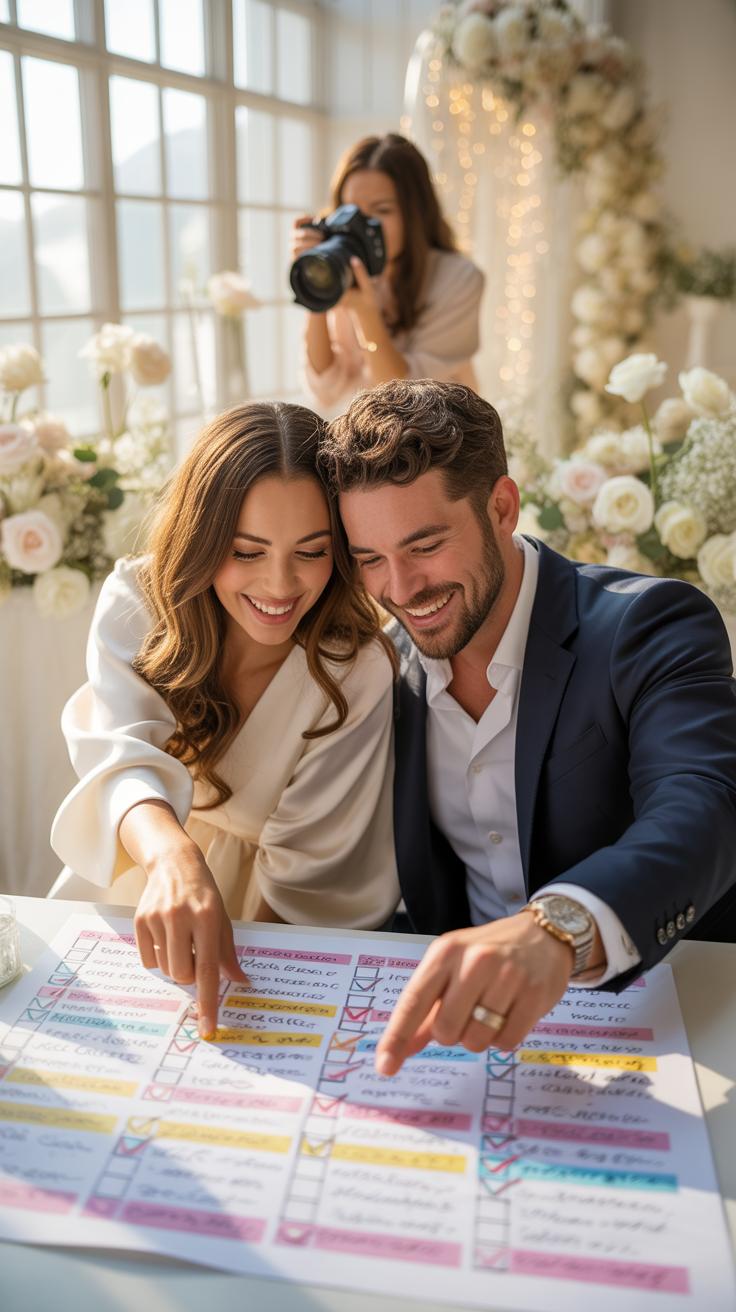
A wedding photography shot list serves as a strategic roadmap for your wedding day. It documents every essential person, moment, and detail the photographer must capture. Without this document, photographers work on instinct alone. This often leads to missed moments with key family members. A formal list ensures the professional covers your specific priorities efficiently. This tool prevents chaos during high pressure transitions.
Budget couples often hire photographers for shorter time blocks to save on costs. Every minute of a four hour package carries a high dollar value. A shot list eliminates guesswork and prevents time waste. It allows the photographer to move quickly between setups. Efficient shooting reduces the need for overtime fees. You get the maximum number of usable images within your restricted and paid timeframe.
How A Shot List Helps Budget Couples Communicate Clearly With Their Photographer
Clear communication prevents expensive misunderstandings between couples and vendors. You must define your expectations before the ceremony begins. A written list acts as a contract of intent. It identifies specific family dynamics or unique cultural traditions the photographer might not know. This document removes the burden of direction from the couple on their wedding day. You can focus on the event while the pro follows the plan.
Lower cost photographers may have less experience managing large crowds or complex schedules. A detailed list provides them with necessary structure. It creates a shared language regarding wedding portrait poses and group combinations. You avoid the stress of remembering names and groupings in the moment. This professional alignment ensures the final gallery meets your vision. Tactical planning leads to better results regardless of the total budget.

Building Your Wedding Photography Checklist From The Ground Up
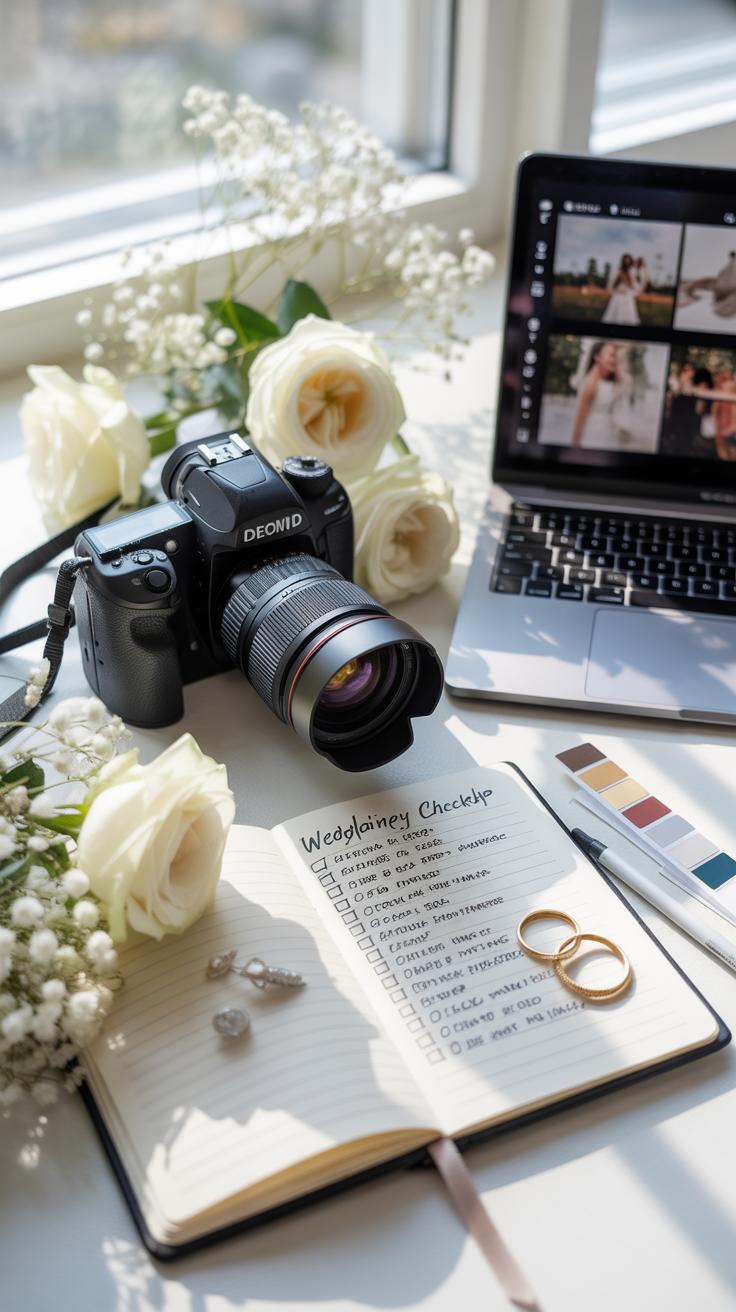
How To Organize Your Wedding Photography Checklist By Timeline And Location
Efficient photography relies on chronological planning. You must group your requested shots by the physical location and the specific time of day. This prevents the photographer from hauling gear back and forth between sites. Start with the preparation phase at the hotel or home. Move next to the ceremony venue for wide shots. Follow with the reception space for detail images before guests arrive at the hall.
Mapping your checklist to the event timeline ensures no one misses key moments. Logistical gaps happen when couples list shots randomly. Define the transition points where the light changes significantly. High sun at noon requires different positioning than the golden hour at sunset. Align your group portraits with the arrival of family members to avoid delays. Rationalizing your list by flow maximizes the hourly rate of a budget photographer.
Free Tools And Templates Budget Couples Can Use To Create Their Checklist
Budget couples should avoid expensive planning software. Standard cloud based spreadsheets offer the best functionality for zero cost. These platforms allow real time sharing with your photographer and wedding party. Use columns to track the priority level of each shot. Tag each row with the required participants. This system keeps the production moving without extra paper or expensive apps.

Digital templates from photography blogs provide a solid baseline for your list. Do not use complex design tools that require a steep learning curve. Focus on simple document editors that work on mobile devices. You need to access the checklist during the rehearsal and on the wedding day. Clear formatting helps the photographer scan the list quickly. Choose a tool that allows for easy checkboxes and offline access.
Essential Wedding Photos Shot List The Must Have Moments You Cannot Miss
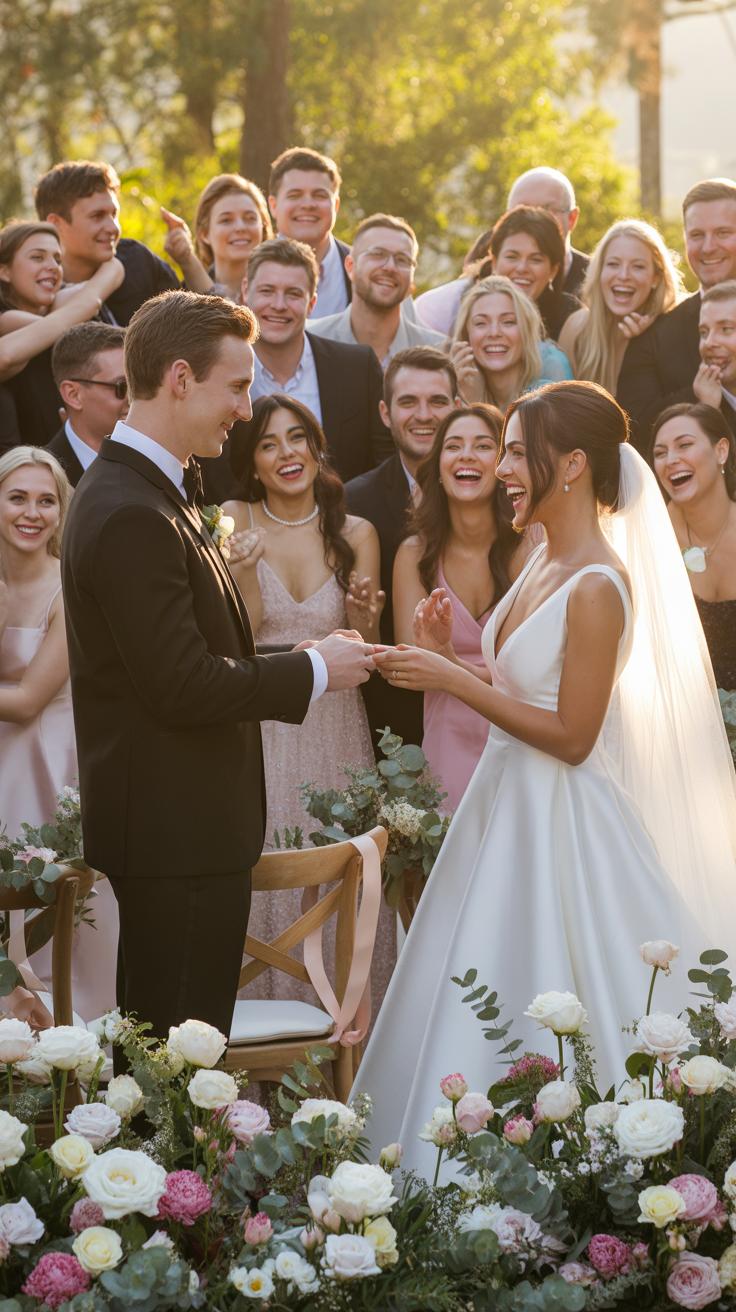
Ceremony Moments Every Wedding Photos Shot List Should Include
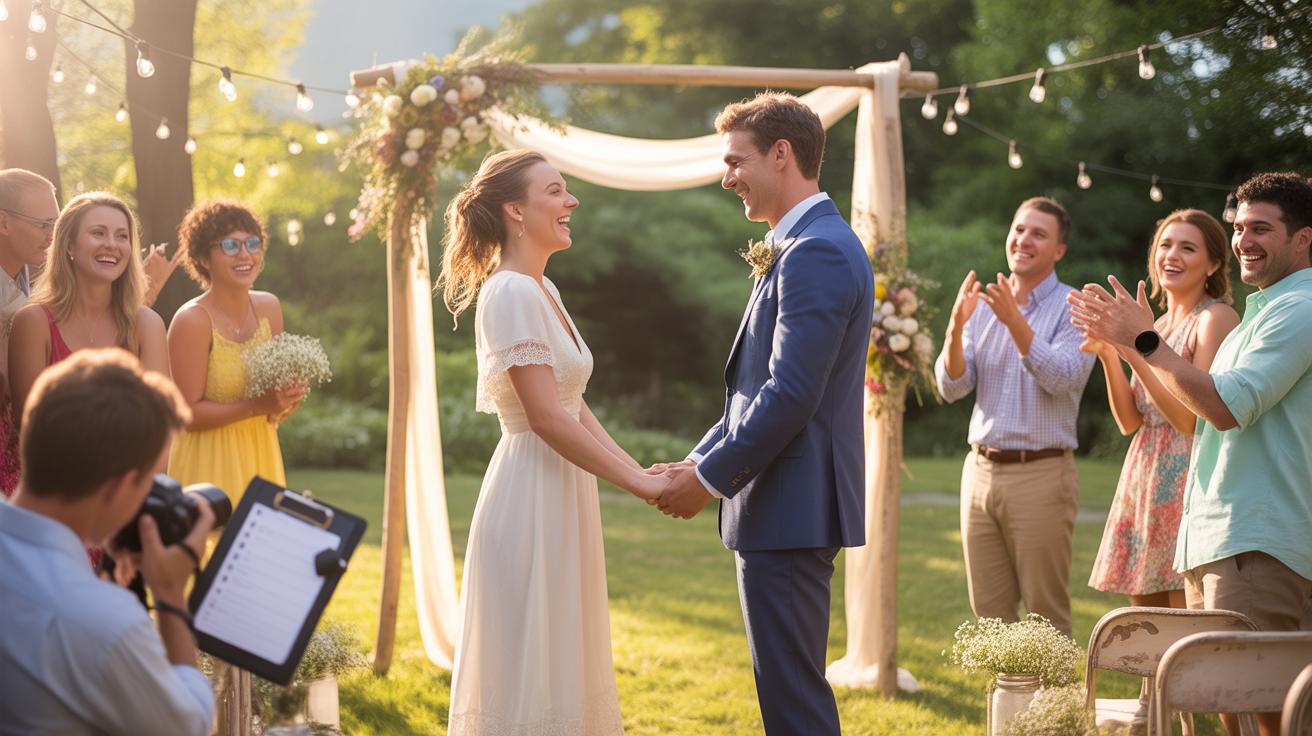
The ceremony moves fast and offers no second chances. You must document the entrance, the exchange of legal vows, and the final exit. Budget photographers need a clear roadmap to prioritize these high-stakes minutes. Focus on clear sightlines and positioning before the music starts. This ensures the professional captures the emotional gravity and the legal union without missing a beat.
- The Processional: Capture the entrance of the wedding party and the walk down the aisle. This shot documents the anticipation and the first look at the couple in the ceremony space. It requires a fast shutter speed to avoid blur as the subjects move toward the lens.
- The Vow Exchange: Focus on the tight shots of the couple faces during the verbal commitment. This is the core of the event and the most significant legal moment. Position the photographer at an angle to see both profiles clearly without blocking the view of the guests.
- The Ring Placement: Get a close-up photo of the hands as the rings are exchanged. This specific detail shot symbolizes the formal union and the transfer of jewelry. It requires a steady hand or a tripod to ensure the focal point remains sharp on the small metabolic details.
- The First Kiss: Timing is everything for this mandatory photograph. It signifies the end of the ceremony and the transition to the marriage. The photographer must be ready to shoot in burst mode to capture the exact second the contact occurs and the immediate reaction after.
- The Recessional: Document the couple walking back up the aisle as a married unit. This shot typically shows the highest level of joy and relief. Wide angles work best here to include the cheering guests and the overall atmosphere of the ceremony venue in the background.
Lighting conditions in churches or outdoor parks vary wildly. Instruct your photographer to test the light levels fifteen minutes before the start. Use a wedding photography checklist to track these specific shots during the event. This prevents the loss of key memories due to poor planning or technical errors. Accurate shots of the ceremony are the foundation of any wedding album.
The best thing about a picture is that it never changes, even when the people in it do. Planning your moments ensures that your most precious memories remain priceless long after the day is done.
Reception Highlights That Belong On Every Budget Wedding Shot List
Reception coverage focuses on planned events and candid interactions. Start with the grand entrance and the first dance to establish the energy of the party. These shots require mid-range zoom lenses to capture the movement across the dance floor. Budget couples should prioritize these formal events early in the evening. This allows you to release the photographer before the expensive overtime hours begin.

Document the toasts and the cake cutting with clear, unobstructed views. Group photos at guest tables provide a record of everyone who attended without requiring a formal studio setup. Use natural light or bounce flash to avoid harsh shadows on the faces of your guests. These photos serve as a historical record of the celebration. Keep the list short to ensure the photographer stays focused on quality over quantity.
Wedding Group Photos How To Plan Family Formals Without Wasting Time
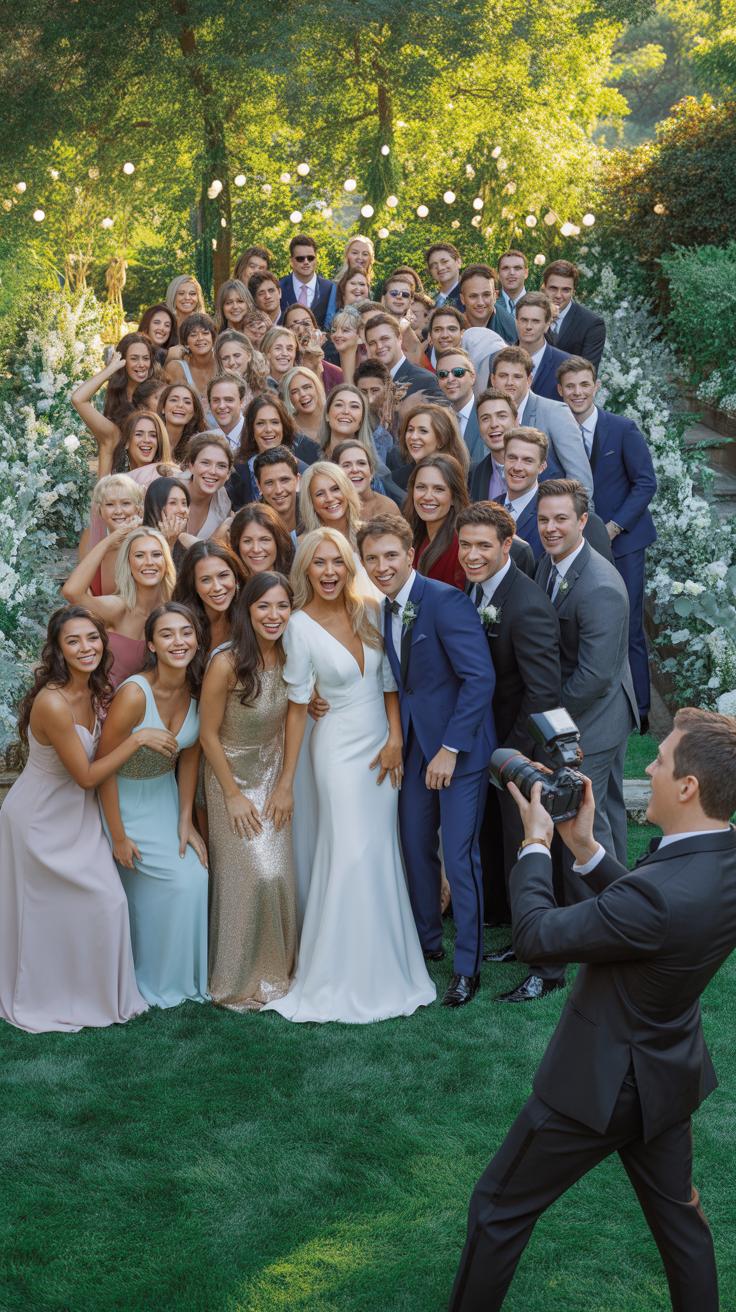
How To Build A Logical Wedding Group Photos List That Keeps Things Moving
Standardize your list by starting with the largest groups and subtracting people. Begin with the full extended family. Release distant relatives to the reception immediately after their shot. This strategy clears the room fast. It prevents bored guests from wandering off or talking. Work down to the smallest core units like parents and siblings. Move from the oldest guests to the youngest guests.
Efficiency requires a written document for the photographer. Do not rely on memory or verbal cues. Organize the names by relationship and side of the family. Clear categories stop confusion during the transition between shots. Grouping similar people together reduces the need for constant repositioning. Every second saved keeps the schedule on track. Proper planning ensures you capture every essential person without missing a single shot.
Tips For Managing Large Family Groups And Reducing Portrait Session Overruns
Assign a loud family member as a wrangler. This person must know the faces of both families. They gather people for the next shot while the current photo happens. This creates a staging area for guests. It stops the photographer from acting as a coordinator. The photographer must focus only on the lens and lighting. A dedicated wrangler keeps the heavy momentum needed for large groups.

Enforce a strict no-phones policy during formals. Extra cameras distract guests and cause eye-line issues. People look at the wrong lens which ruins the professional shot. Tell guests to keep their devices away until the session ends. Choose a location with simple backgrounds and no obstacles. Obstacles slow down the physical movement of elderly guests. Flat ground and nearby seating areas keep the process fast and safe for everyone.
Wedding Portrait Poses That Look Stunning Without Needing A Big Budget
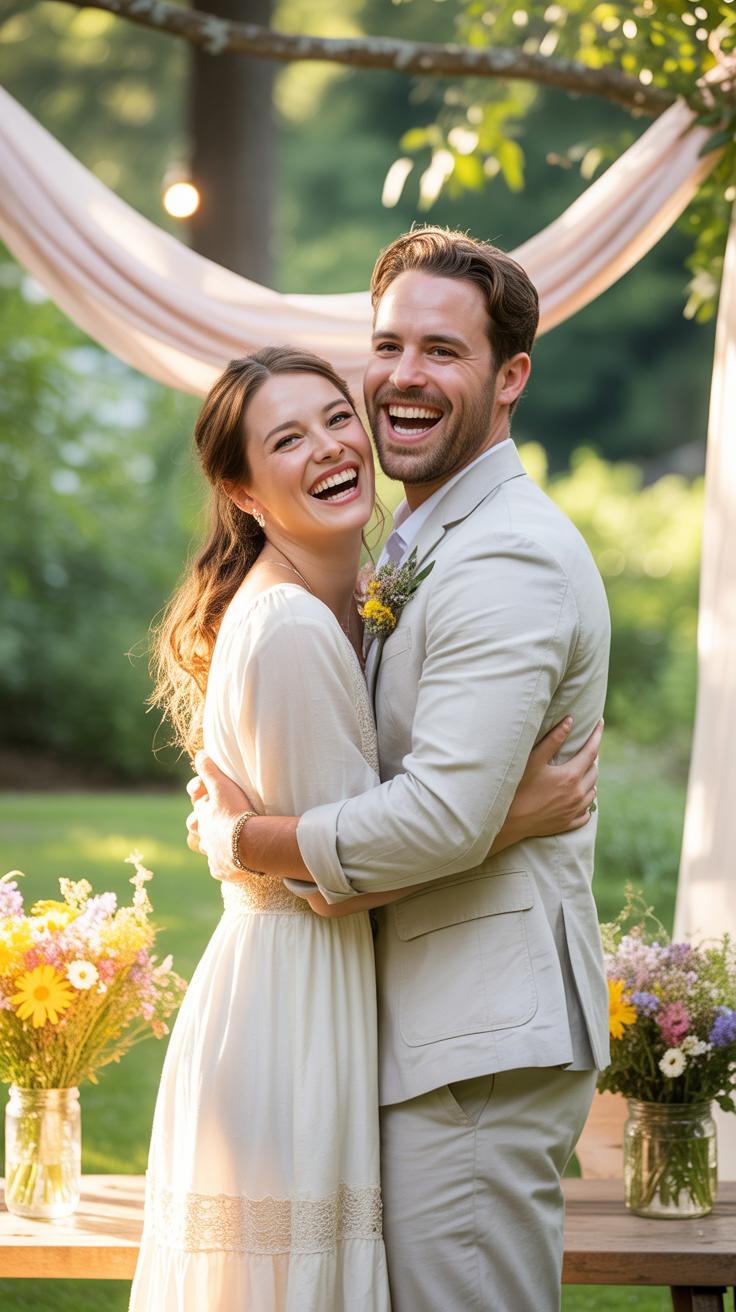
Natural And Candid Wedding Portrait Poses That Work For Every Couple
Traditional wedding photography relies on stiff poses. Modern couples achieve better results with movement. Walking side by side creates dynamic lines in the frame. This technique forces the body into a natural stride. It eliminates the awkwardness of standing still. Have the couple look at each other rather than the camera. This shifts the focus from the lens to the personal connection.
Interaction yields superior images compared to static placement. Ask the couple to whisper or share a private joke. This movement triggers genuine facial expressions. Small physical touch points like holding hands or a hand on a shoulder add stability. Avoid over-complicating the stance. Simple actions produce clean results. Consistent movement prevents the subjects from looking or feeling like statues during the portrait session.
How To Use Your Venue’S Existing Light And Space To Elevate Portrait Shots
Light quality dictates the final photo value more than gear. Use window light for interior portraits. North-facing windows provide soft and even illumination. This light mimics expensive studio modifiers at zero cost. Position the couple at a forty-five degree angle to the glass. This creates depth through gentle shadows on the face. Avoid direct midday sun which creates harsh lines and squinting.

Utilize architectural elements to frame the subjects. Open doorways and long hallways provide natural leading lines. These lines draw the eye directly to the couple. Symmetry in building design creates a professional look without extra props. Use plain walls as neutral backdrops to keep the focus on the wedding attire. Identifying these spots early saves time. Efficient use of the environment maximizes your total shot count.
Wedding Picture Poses For Couples Who Feel Awkward In Front Of The Camera
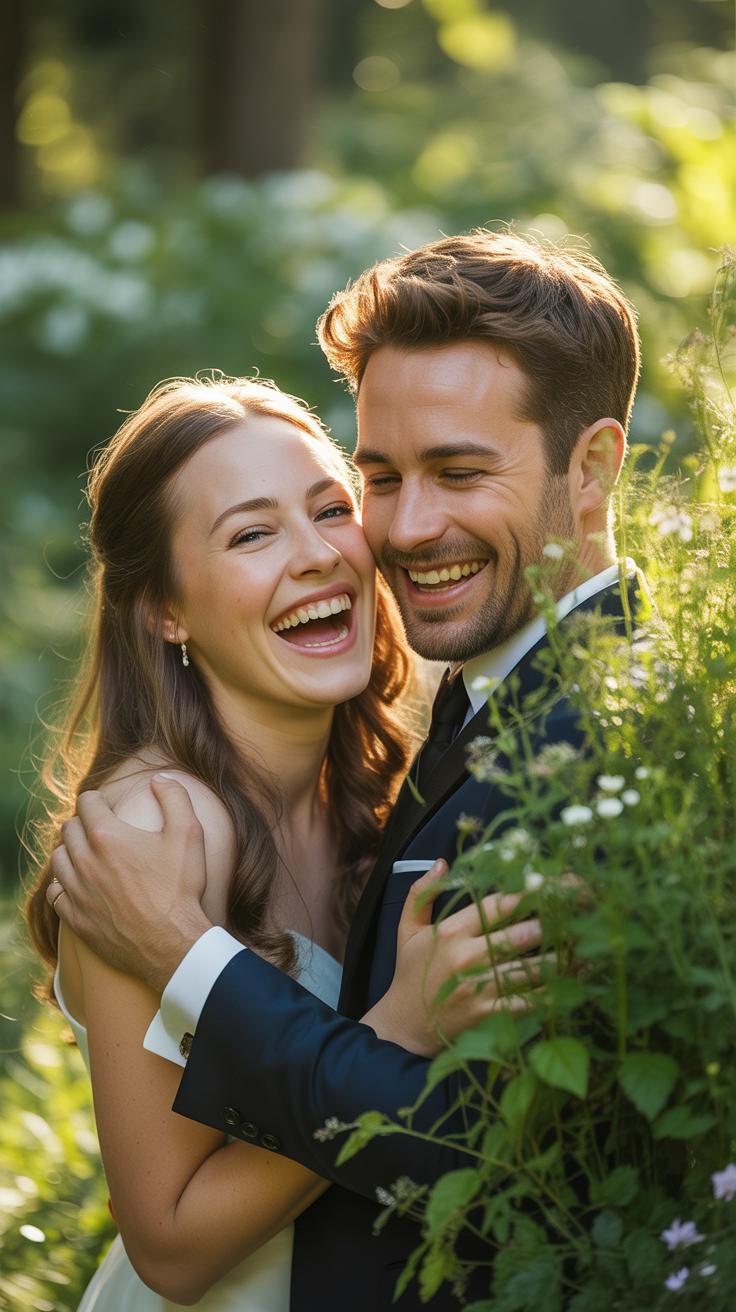
Simple Wedding Picture Poses That Feel Natural And Relaxed For Shy Couples
Static posing often creates tension in the face and body. Movement solves this problem by distracting the brain from the camera lens. Use the walking pose to create a fluid look. Hold hands and walk slowly toward the photographer or away from them. This action forces the body to shift weight naturally. It prevents the stiff posture common in forced portraits.
Direct eye contact with a lens feels confrontational for many people. Focus on your partner instead of the camera. Use the forehead touch or the nuzzle to create a sense of privacy. These poses use physical contact to ground you. Small actions like adjusting a lapel or holding a forearm provide a purpose for your hands. Intention creates a better photo than a blank stare.
How To Practice Posing Before Your Wedding Day To Build Confidence And Comfort
Practice your poses in front of a full length mirror at home. Identify your natural posture and where you carry tension. Most people shrug their shoulders when they feel nervous. Practice dropping your shoulders and lengthening your neck. Check how your hands look when they are resting. Knowing your physical habits allows you to correct them quickly during the actual photo session.
Use your phone to take test shots during your practice sessions. Set a timer and try different angles to see what looks best. Pay attention to your chin height and foot placement. Shift your weight to your back foot to create a more flattering silhouette. Consistent repetition builds muscle memory. This preparation ensures you do not have to think about your body on the wedding day.
Wedding Details Photography Capturing The Small Touches That Tell Your Story
Which Wedding Details Photography Shots To Prioritize On A Tight Budget
Budget couples must focus on items that carry the highest emotional and financial value. High-end photographers spend hours on small items, but limited time requires a strict hierarchy. Prioritize items that define the visual theme and personal history of the day. This approach ensures your wedding photography checklist covers the essentials without wasting expensive billable minutes on minor decor.
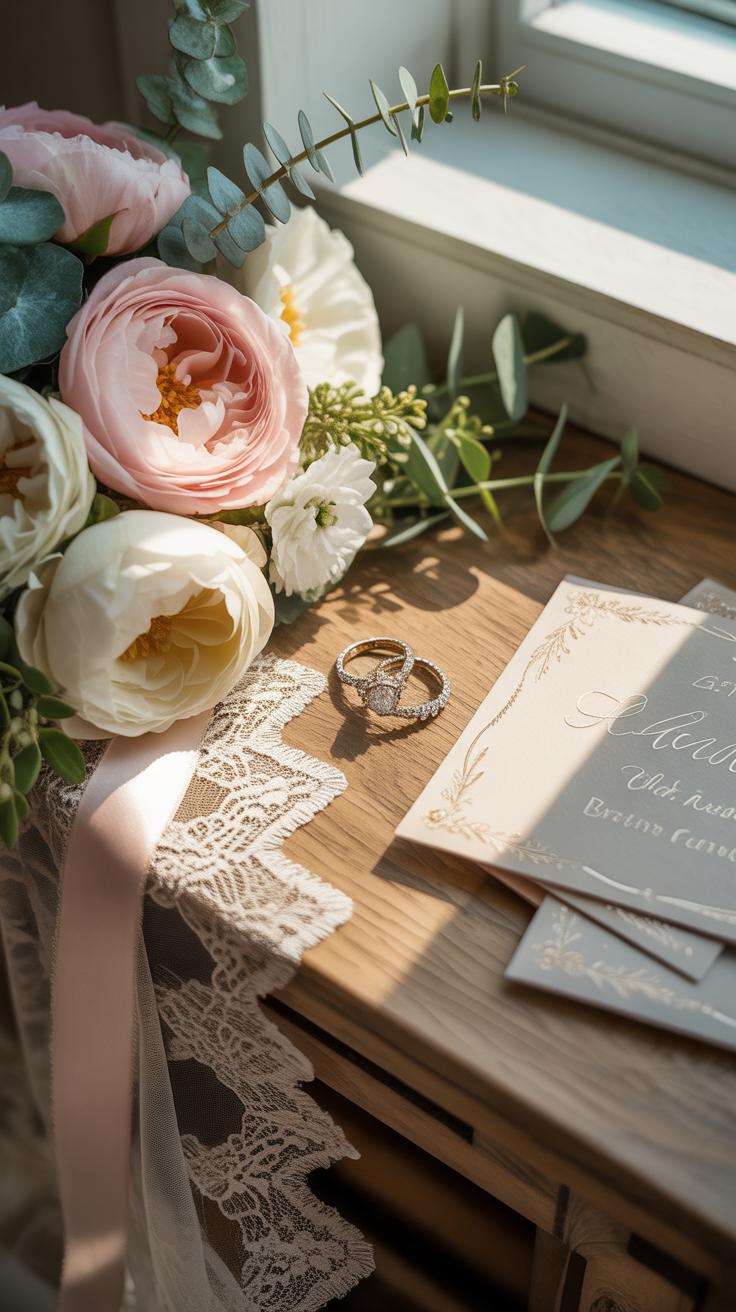
- The Wedding Stationery: Capture one clean set of the invitation, RSVP cards, and envelopes. Use a flat lay style on a neutral surface to highlight the typography and paper texture. This shot documents the official start and design aesthetic of the entire event.
- Engagement and Wedding Rings: Place all three rings together for a single, focused macro shot. Use the invitation or a piece of fabric as a backdrop. This remains the most symbolic detail shot and serves as a permanent record of your physical commitment.
- Bridal Accessories: Group the shoes, jewelry, and perfume bottles in one frame. This saves time compared to shooting each item individually. These elements represent your personal style and the effort put into the wedding day wardrobe and overall presentation.
- The Bridal Bouquet: Photograph the flowers before the ceremony starts while they are still fresh and hydrated. Natural light from a nearby window provides the best clarity. This shot preserves the colors and floral textures that will eventually fade after the wedding.
- Table Place Settings: Detail one complete reception table setup including the centerpiece, menu, and glassware. This captures the design labor and color palette of your reception. It provides a clean record of your vision before guests arrive and disrupt the symmetry.
Avoid shooting every single table or minor signage to save time. Focus on the primary artifacts that represent your investment. Instruct the photographer to use natural light to minimize equipment setup time. This strategy maximizes the output of your wedding photography shot list while staying within your budget. Efficient shooting allows the professional to transition quickly to more important event coverage and candid moments.
How To Prepare Your Wedding Details In Advance For Faster, Better Photography
Preparation eliminates delays during the high-pressure morning hours. Gather all flat lay items like invitations, rings, and jewelry into one designated box. Place this box in the getting-ready room before the photographer arrives. This tactical move prevents the professional from hunting for items. It allows them to start working immediately upon arrival, maximizing every paid minute of their specialized time.

Efficiency also depends on the physical condition of your materials. Remove all tags from shoes and plastic packaging from accessories the night before. Clean your rings with a soft cloth to ensure they shine under macro lenses. Provide a clean, clutter-free space near a window for the photographer to work. These small actions ensure the quality of your wedding details photography without requiring extra hours of labor.
Wedding Photography Styles Explained Choosing The Right Fit For Your Budget
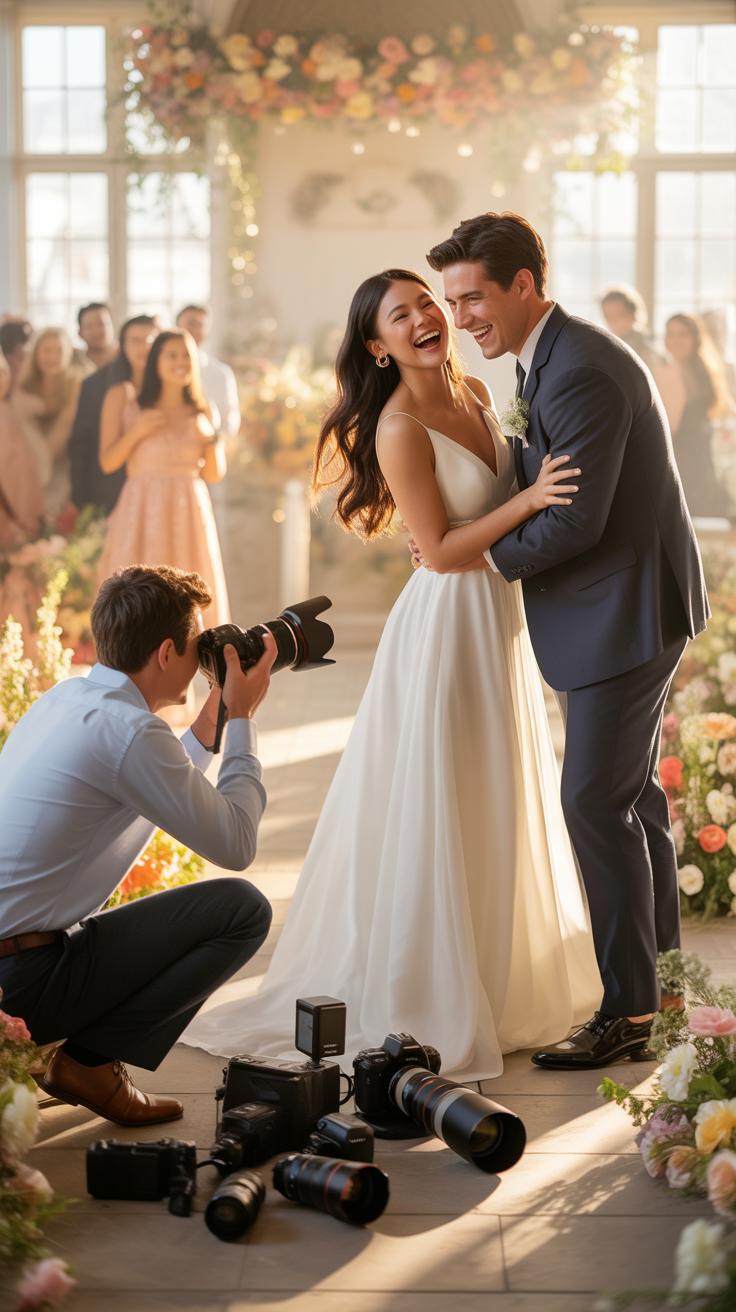
Documentary Vs. Traditional Wedding Photography Styles And What Each Costs
Documentary photography records events as they happen without interference. This style requires a skilled photographer to anticipate movement and lighting changes instantly. Most budget couples find this style more expensive. It demands higher technical skill and more post-production work to cull thousands of candid frames. You pay for the artist’s eye and their ability to capture raw emotion without directing the subjects.
Traditional photography follows a predictable script based on posed portraits. The photographer controls the environment and directs the couple. This method is often cheaper because it follows a standard checklist. It consumes less time in editing because the lighting and posing are controlled at the source. Most entry-level photographers start here. It offers a safe result for families who want classic, structured portraits for their albums.
How Your Chosen Photography Style Should Shape What Goes On Your Shot List
A documentary approach requires a shorter shot list to allow the photographer freedom. If you micromanage a candid shooter with a long list, you kill their ability to find organic moments. Focus your list only on essential family groupings and ceremony milestones. Trust the professional to capture the story between those fixed points. This strategy ensures you get the unique shots that define the documentary style you purchased.

Traditional styles demand a highly detailed shot list to be effective. You must specify every family combination and physical pose you expect. Because this style relies on direction, the photographer needs your input to manage time efficiently. Use a rigid checklist to ensure no high-stakes portrait is missed during the session. Clear instructions prevent confusion and keep the timeline moving during the formal photo hour on your wedding day.
Wedding Photos Poses And Bonus Shots To Add When You Have Time To Spare
Creative Wedding Photos Poses That Add Personality Without Extra Cost
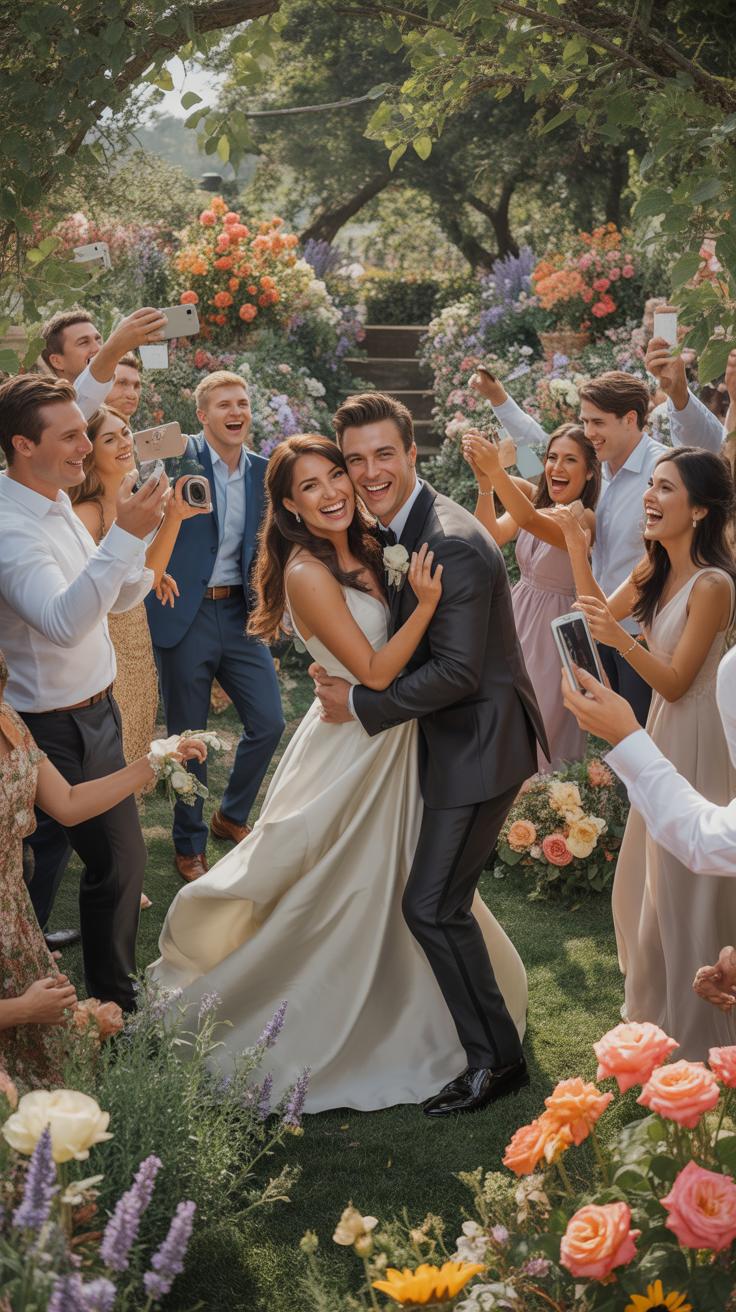
Couples often stick to static poses because they fear looking awkward. You can break this pattern by using movement. Walking toward the camera or away from it creates natural fabric motion and relaxed facial expressions. This technique requires zero props or expensive equipment. It relies entirely on your interaction with the environment. Lean into physical touch like holding hands or resting heads together to capture genuine connection.
Focus on the architecture of your venue to frame your shots. Stand in doorways or under arches to use natural leading lines. These elements act as free design tools that direct the eye toward the subject. Sit on steps or benches to vary heights and avoid a repetitive look. These poses look professional but cost nothing. Simple shifts in body weight and eye contact can change the entire mood.
How To Build A Secondary Shot List For Spontaneous And Bonus Moments
A secondary shot list captures transitions between main events. Successful photographers call these “in-between” moments. You must identify parts of the day where guests interact naturally without direction. This includes the walk from the ceremony to the cocktail hour or the moments right after the first dance. These shots provide a candid look at the wedding day. They fill gaps in the visual story without adding time.
Assign a friend to watch for these moments if your professional photographer has limited hours. Focus on guest reactions during speeches or children playing on the dance floor. These spontaneous images often carry more emotional weight than formal portraits. Documentation should be quick and unobtrusive to keep the schedule on track. Use this list as a backup plan when the primary schedule runs faster than anticipated.
Frequently Asked Questions

What is a wedding photo shot list and why do couples need one?
A wedding photo shot list is a comprehensive checklist of specific moments, people, and details you want your photographer to capture throughout your celebration. For couples on a budget, this document is essential for organization. It ensures that no vital memories are missed during the whirlwind of the big day, allowing you to relax knowing that your most cherished family portraits and ceremony highlights are officially scheduled for documentation.
How do we create an effective wedding photo shot list on a budget?
To create a practical wedding photo shot list, start by prioritizing “must-have” moments over “nice-to-have” ones. Categorize your list by timeline stages, such as getting ready, the ceremony, and the reception. Focus on high-impact shots that capture the emotion of the day. By providing a clear, streamlined guide, you help your photographer work more efficiently, which is especially important if you have booked them for a limited number of hours.
Can a detailed shot list help us save money on professional photography?
Absolutely. Sharing a concise wedding photo shot list with your photographer allows them to manage their time effectively, potentially reducing the total hours needed for coverage. If you are hiring a student or a family friend to save money, a structured list provides the professional guidance they need to succeed. It eliminates guesswork and prevents time-wasting transitions, ensuring you get high-quality images of every important detail without paying for unnecessary overtime.