The Charm Behind Wedding Disposable Camera Ideas And Why Couples Still Love Them
Modern weddings rely heavily on digital perfection. High resolution sensors and instant editing create a polished look. Disposable cameras offer a sharp contrast to this clean style. They use physical film and fixed plastic lenses. This setup produces grain and light leaks. These visual traits represent a specific era of analog photography. Couples choose this method to break away from the sterile feel of smartphone photos.
Film photography requires patience because you cannot see the results immediately. This delay creates a sense of anticipation after the event ends. The physical act of winding the film and clicking a tactile shutter button engages guests. It forces people to focus on the frame instead of a screen. Using film connects the wedding to a historical period before digital dominance. This nostalgic appeal remains a top reason for their return.
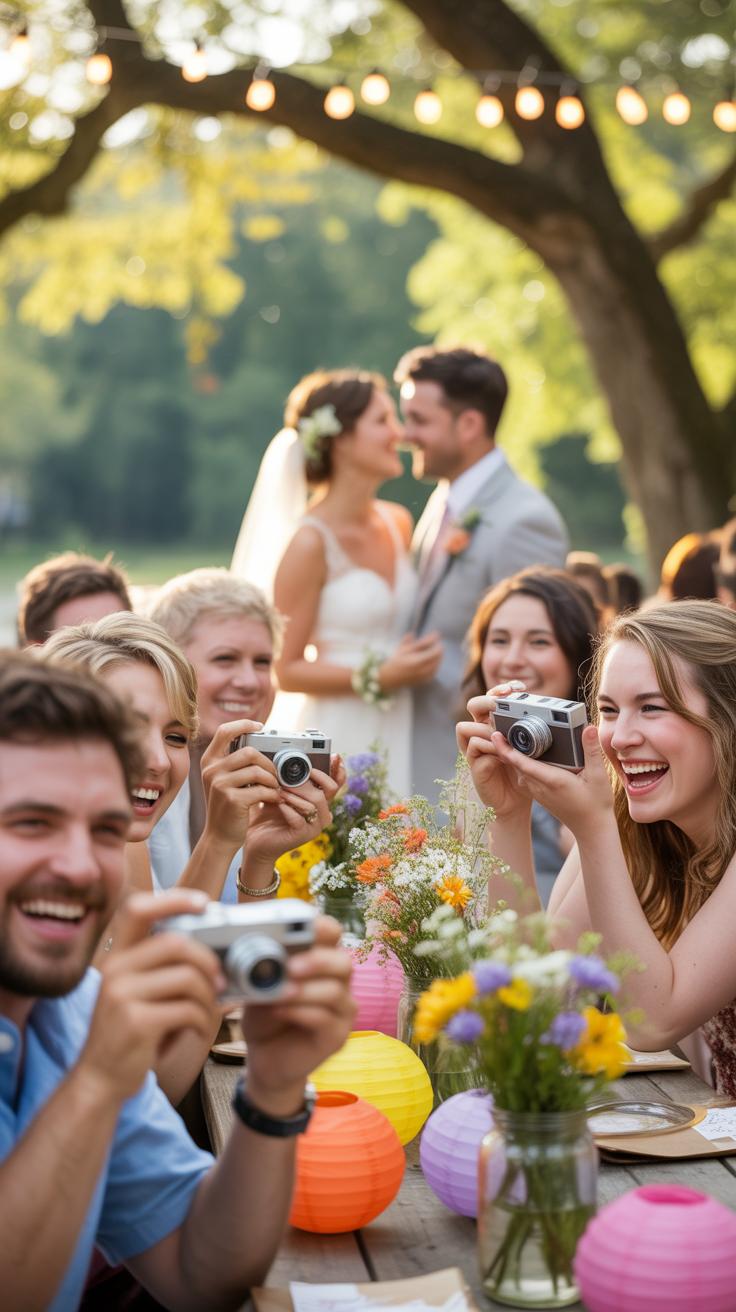
Professional photographers follow a strict shot list. They focus on key milestones like the first kiss or cake cutting. Guests with disposable cameras fill the gaps between these major events. They capture raw interactions at the tables or on the dance floor. These cameras move where a professional cannot always be. You get a different perspective of the party from the eyes of your friends.
The limited number of exposures makes every shot count. Guests tend to wait for a specific moment before they press the shutter. This intent leads to authentic photos of laughter and real emotion. Digital photos often feel staged because people can take hundreds of them. A disposable camera removes the pressure of looking perfect. It documents the real atmosphere of the reception without any digital filters or artificial enhancements.

What You Need To Know Before Buying Disposable Cameras At Wedding Scale
Guidance On Camera Quantity Based On Guest Count
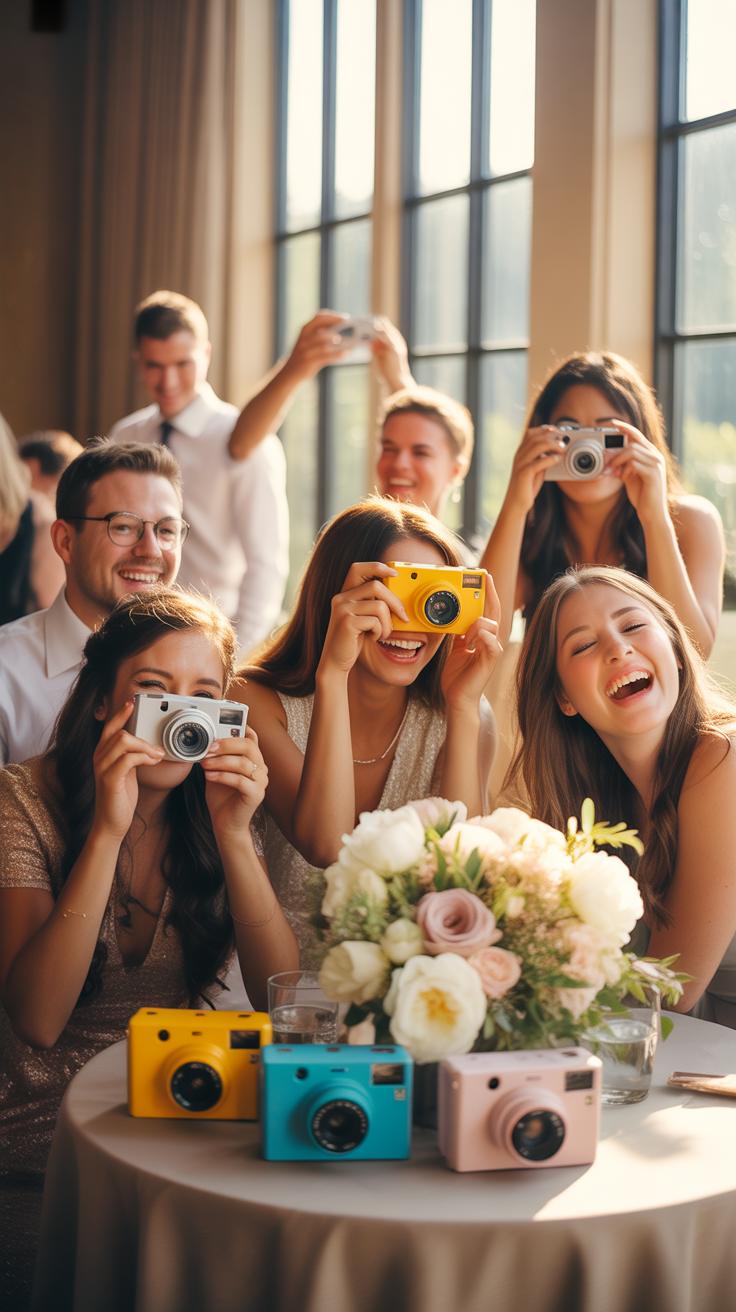
Calculate your order based on seating arrangements rather than individual heads. Most planners place one camera per table of eight to ten guests. Buying one for every person is a waste of money and resources. This strategy ensures active participation without creating a massive backlog at the photo lab. Limit your total count to twenty or thirty units for a standard one hundred person wedding.
Focus on high traffic areas if you do not want cameras at every table. Place five units at the bar and five near the dance floor. This tactical placement captures specific energy from different angles. You will save money by avoiding cameras that sit unused in quiet corners. Monitor your budget closely because development costs often exceed the initial price of the hardware. High volume orders require a clear plan.
Choosing The Right Brand And Film Speed For Your Venue
Select a camera with 400 or 800 ISO film for most wedding environments. Indoor receptions have low light levels that require high sensitivity. Lower ISO ratings like 100 or 200 will result in dark and grainy images unless you shoot in direct sunlight. Stick to established brands like Fujifilm or Kodak to ensure reliable mechanical flash performance. Cheap off-brand units often have high failure rates during the winding process.

Match your hardware to the specific lighting of your venue. Outdoor morning ceremonies can handle color film with lower speeds and higher contrast. Receptions held after sunset absolutely require a built-in flash and 800 ISO film for usable results. Check the expiration dates on every unit before you buy in bulk. Expired film loses sensitivity and produces muddy colors. Technical precision determines if your photos are clear or useless.
How To Choose And Display Wedding Disposable Cameras That Match Your Theme
Selecting Camera Styles Colors And Custom Wraps
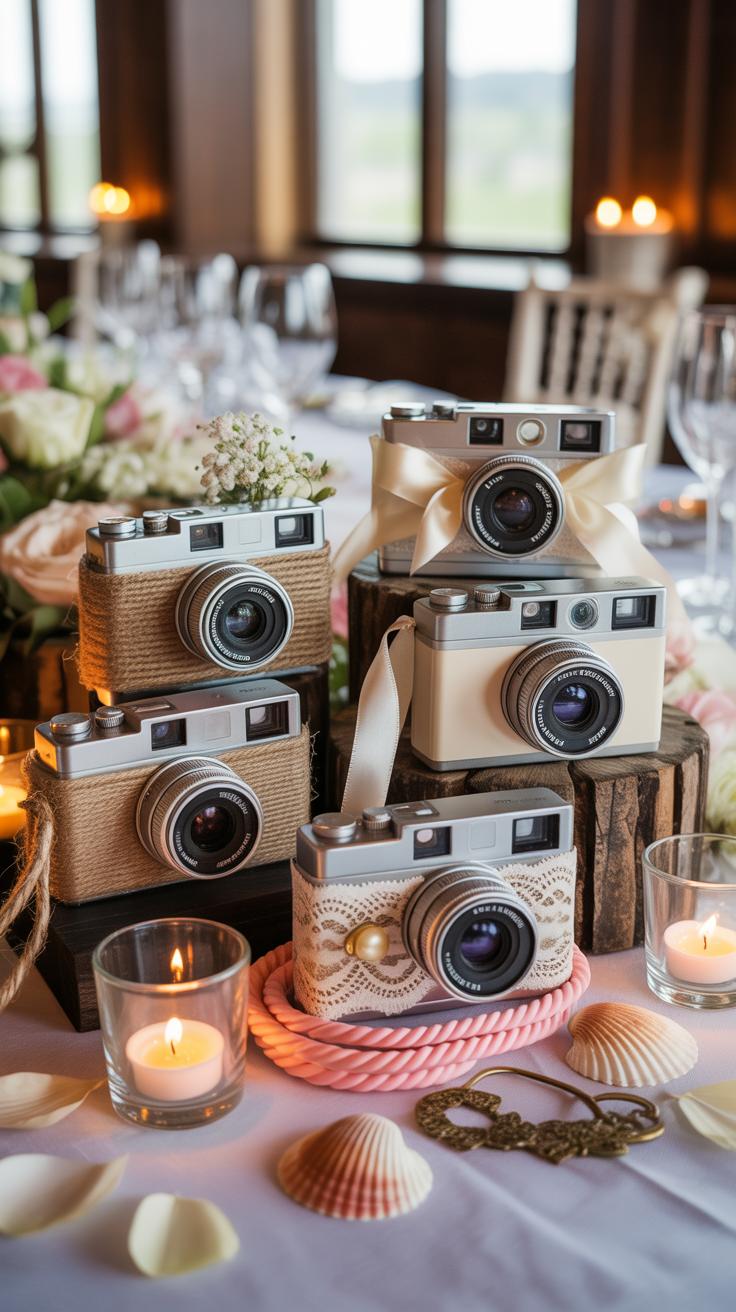
Standard disposable cameras often feature bright brand colors like yellow or green. These clash with most wedding color palettes. You should purchase cameras with neutral shells or apply custom adhesive wraps. Modern suppliers offer matte black, white, or metallic finishes. Ensure the wrap does not block the flash sensor or the lens. A poorly applied wrap will ruin every photo taken by your guests.
Heavy cardstock covers provide a durable finish for high use environments. Choose patterns that mirror your stationary or invitation suite. For a vintage look, select wraps that mimic 1960s rangefinder designs. Always prioritize the film speed inside the unit over the exterior look. You need 400 or 800 ISO film for indoor receptions. Style matters but image quality remains the primary goal for this purchase.
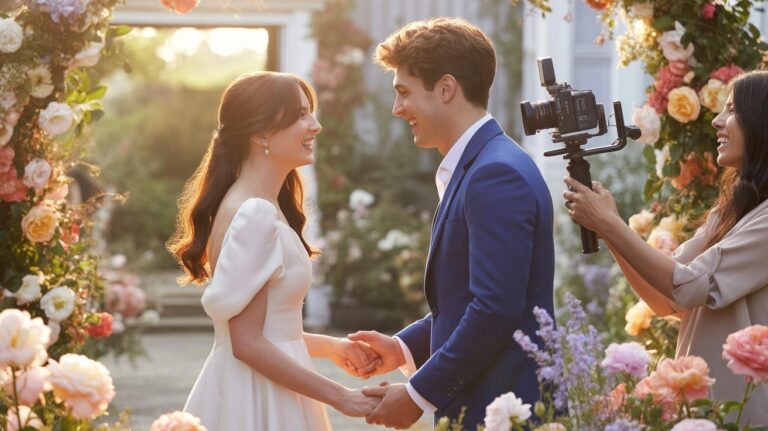
Capture the moments that the professional eye might miss by giving your guests the chance to document the day’s true spirit. Each candid click preserves a fleeting memory that will become a timeless treasure in your first family album.
Presentation Ideas For Showcasing Cameras As Part Of Your Overall Decor
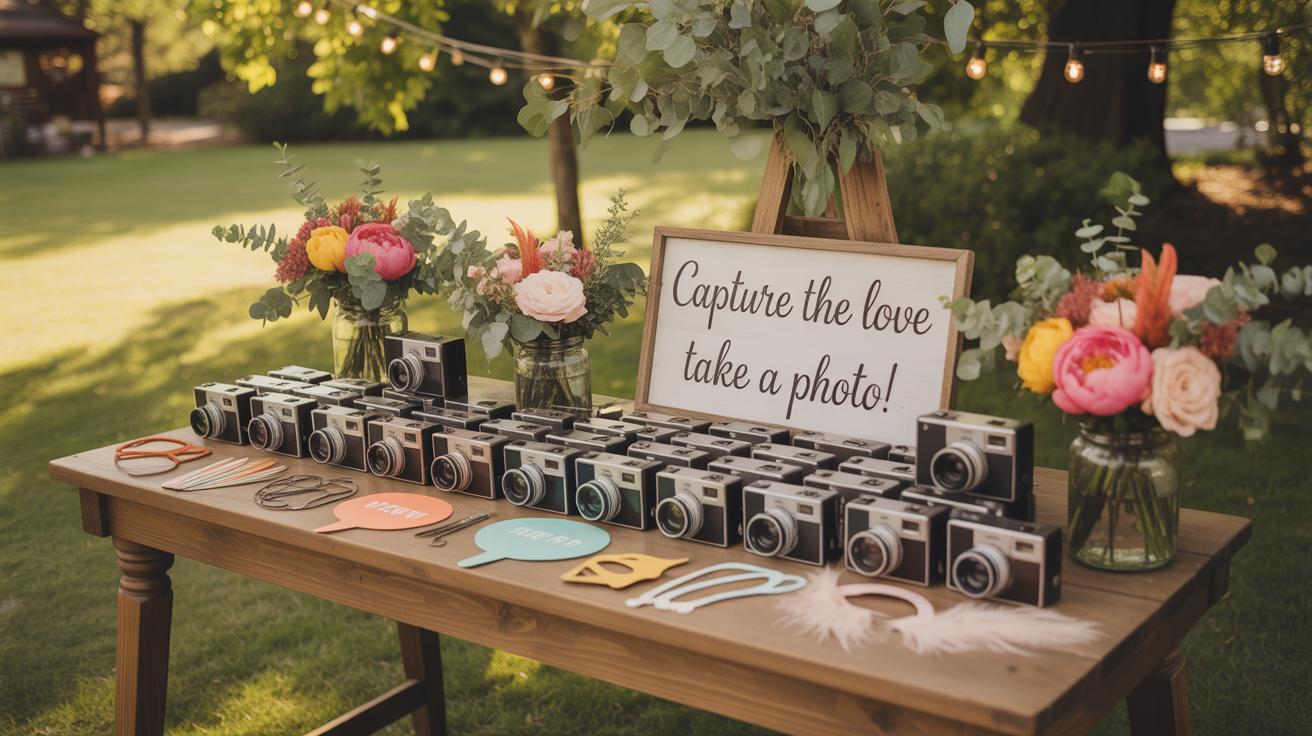
Do not hide cameras in a corner. Place them where guests naturally gather. Use tiered acrylic risers for a modern look or wooden crates for a rustic theme. Align cameras in rows to create a clean visual line. This makes the station look intentional rather than cluttered. Clear signage must accompany the display. Tell your guests exactly what to do with the units.

Incorporate cameras into the centerpieces for maximum engagement. Place one unit at every table next to the floral arrangements. Use small brass easels to hold instruction cards. This setup encourages guests to take candid photos of their immediate group. Avoid placing cameras near open flames or spilled liquids. High heat can damage the film inside the camera. Maintain a dry area for all camera storage and display.
Setting Up Disposable Cameras At The Wedding Reception Station Layout And Placement
Where To Position Your Camera Station For Maximum Guest Engagement
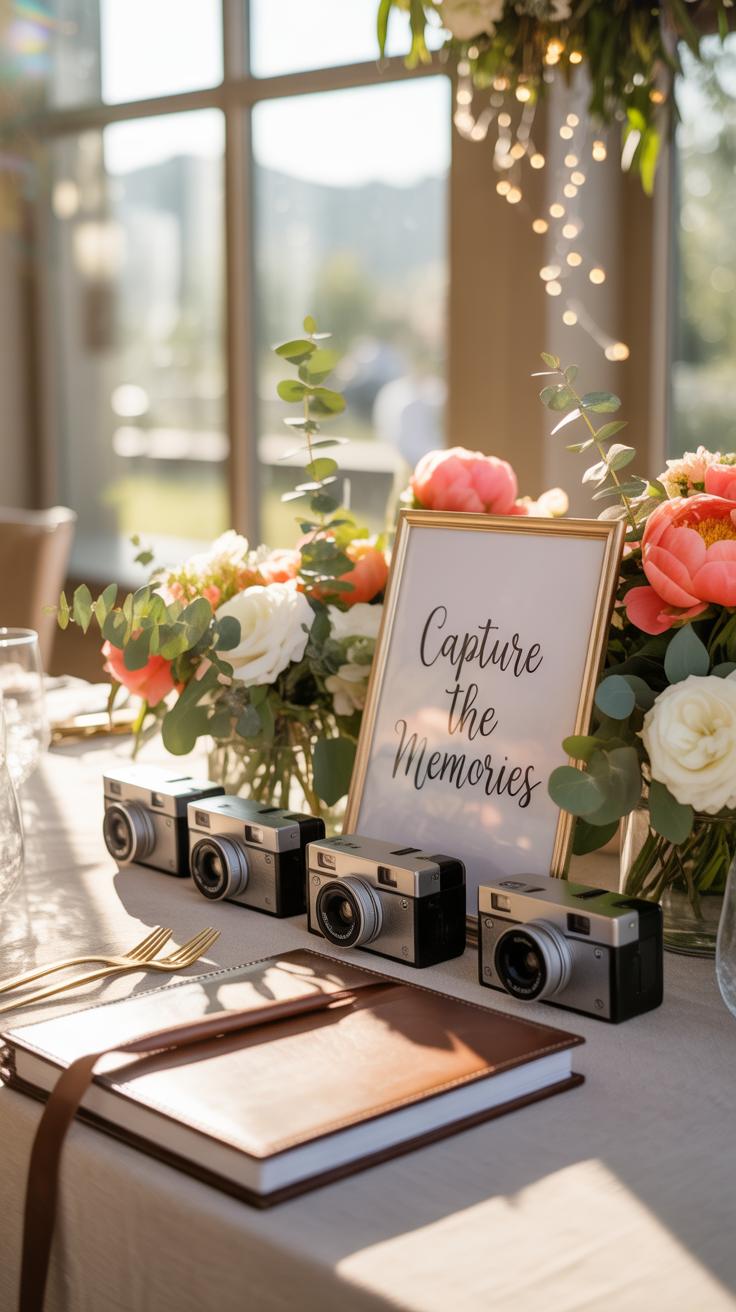
Strategic placement determines your photo yield. Position the primary camera station in a high-traffic zone near the entrance or the bar. Guests naturally congregate in these areas during the cocktail hour. High visibility ensures every guest sees the cameras before the main event begins. This early exposure encourages guests to grab a unit and begin documenting the evening immediately without technical hesitation.
Avoid placing cameras only on dining tables. Table-bound cameras often result in repetitive shots of half-eaten food and seated guests. A central station encourages movement and diverse perspectives. Ensure the lighting at the station is sufficient so guests can read instructions. If the venue has multiple rooms, place a secondary smaller basket near the dance floor. This captures the high-energy moments that table cameras miss entirely.
Essential Items To Include Alongside Cameras At Your Reception Station
A functional station requires more than just hardware. You must provide clear logistics and tools to ensure the cameras return to you at the end of the night. Use rigid signage to explain the process quickly. Guests need to know if they should keep the camera all night or return it after a certain number of shots. Preparation prevents equipment loss and ensures you collect every single roll.
- Instructional Signage: Use a bold sign to explain how to operate the flash. Many guests forget that indoor film requires extra light to resolve an image. Keep the text short and use high-contrast fonts for readability in dim reception lighting.
- Return Basket: Place a dedicated tray or bin clearly labeled for finished cameras. This prevents guests from leaving expensive film on random tables or taking them home by mistake. A centralized drop-off point simplifies the cleanup process for your wedding coordinator.
- Flash Reminders: Small tents or stickers should remind guests to turn on the flash. Without a flash, indoor reception photos will turn out black and unusable. This simple tactical reminder saves fifty percent of your film budget from being wasted on dark frames.
- I Spy Game Cards: A printed list of prompts encourages guests to look for specific moments. Include items like a group shot of childhood friends or the couple laughing. These prompts turn photography into an interactive activity and ensure a variety of unique content.
- Marking Pens: Provide permanent markers so guests can write their names or table numbers on the camera body. This helps you identify who took which photos later. It adds a personal layer to the development process and helps you organize your digital or physical gallery.

Organize these items to facilitate a quick flow of people. Group the cameras on one side and the instruction cards on the other. Use heavy holders for the signs so they do not tip over during the rush. A clean layout looks professional and signals to guests that these cameras are a key part of the event. Proper organization reduces your post-wedding workload significantly.
Creative Wedding Ideas With A Disposable Camera That Go Beyond The Basics
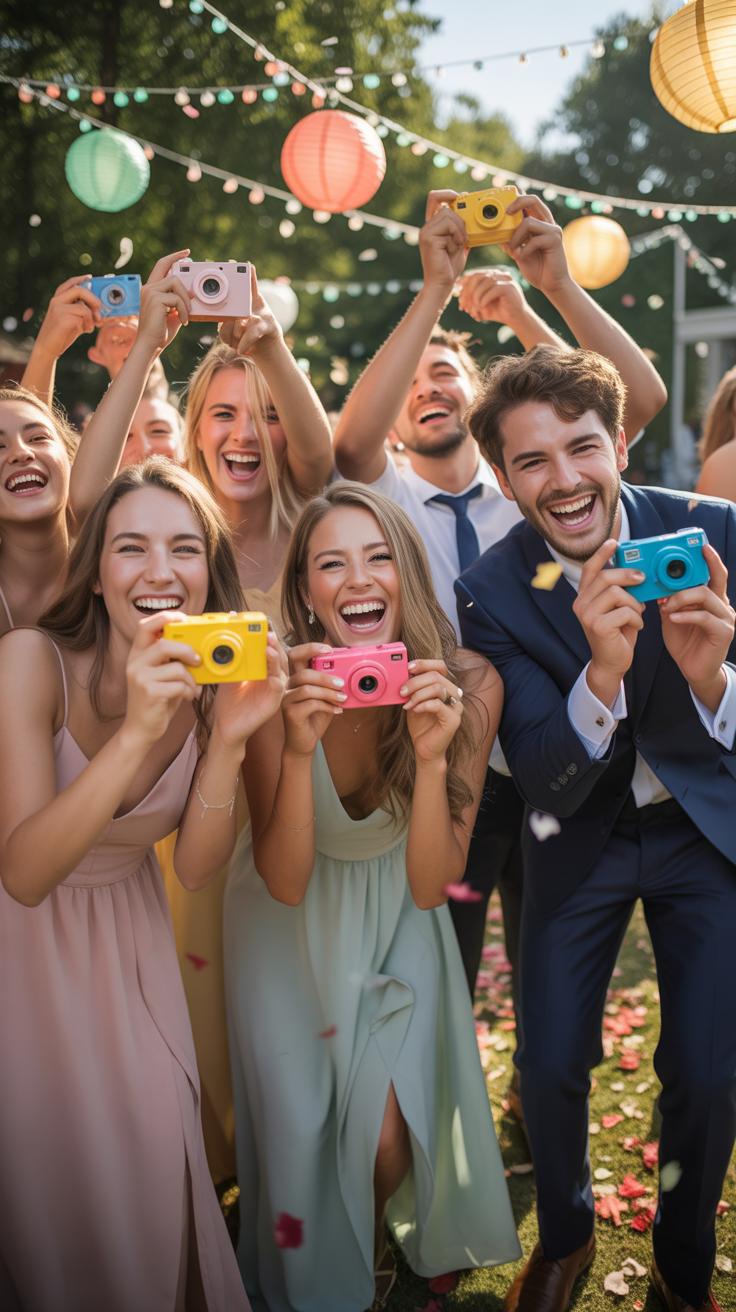
Standard guest photography often lacks direction. Use a photo prompt card display to focus the efforts of your guests. These cards act as a scavenger hunt and guide the lens toward specific moments. You tell them what to capture rather than leaving it to chance. This method ensures you get a wide variety of shots instead of repetitive portraits. It turns a passive activity into an engaging wedding game.
Place these prompt cards next to the Disposable Cameras At Wedding Reception stations. Assign tasks like capturing the oldest couple dancing or a secret handshake between friends. You control the narrative of your wedding album before the film is even developed. High quality prompts reduce film waste on blurry or redundant images. This tactical approach yields a high return on your investment in Wedding Cameras For Guests.
Maximize your Wedding Disposable Camera Ideas by including them in welcome bags. This strategy puts a camera in the hands of guests the moment they arrive at the hotel. It captures the pre-wedding excitement that the official photographer often misses. Early distribution encourages guests to document the entire weekend journey. You get a raw look at travel experiences and informal gatherings before the main ceremony begins.

Alternatively, place Wedding Disposable Cameras directly on ceremony seating for immediate use. Guests can capture the processional and the couple at the altar from unique angles. This provides multiple viewpoints of the same significant moments. It works best for outdoor ceremonies with ample natural light. You turn every attendee into a field reporter. This ensures that every perspective is recorded from the first guest arrival to the final exit.
Writing Signage And Instructions For Wedding Cameras For Guests Who Are Unfamiliar With Film
Guidance On What Your Guest Station Sign Should Say To Encourage Participation
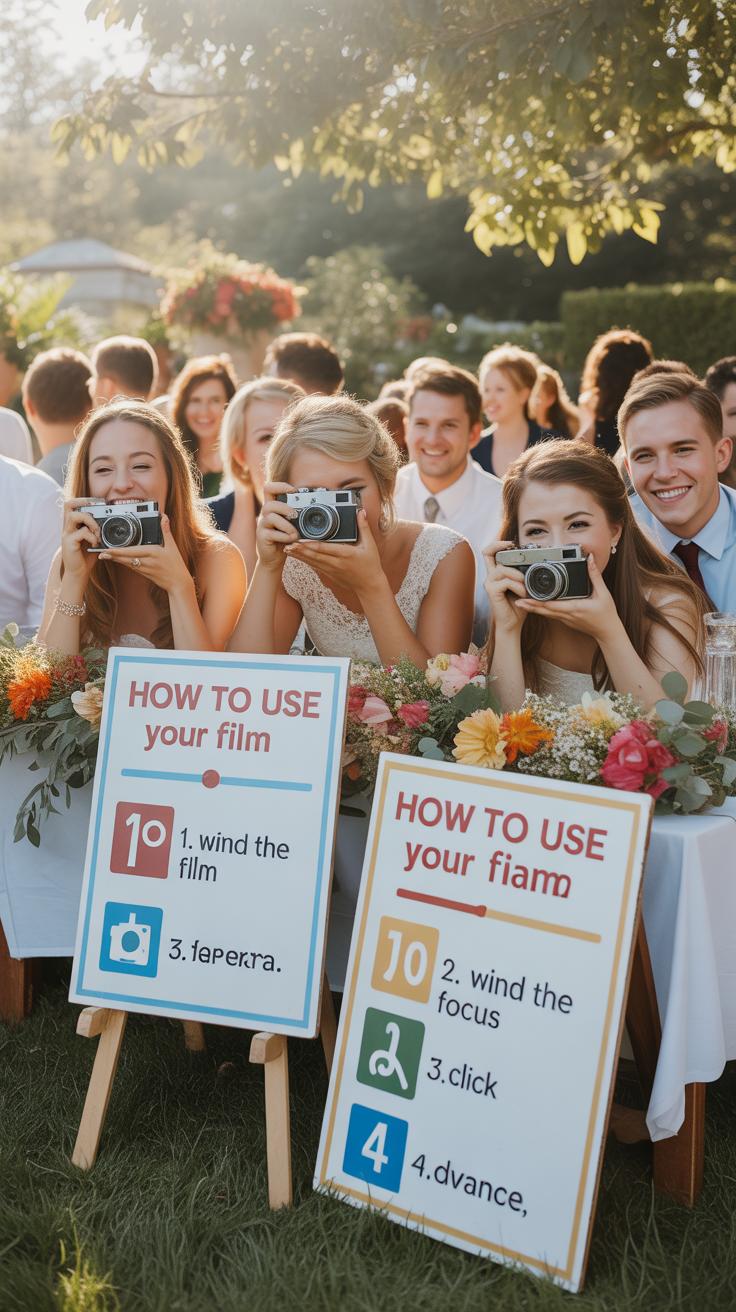
Effective signage dictates user behavior. Your sign must command attention and state a clear purpose. Use bold typography and high contrast colors to ensure visibility in low light. Tell guests why these cameras exist. Mention that you want to see the night through their eyes. This creates a sense of responsibility. Clear calls to action prevent guests from ignoring the equipment.
Establish boundaries to protect your investment. Direct guests to capture specific moments like candid dancing or table interactions. Instruct them to leave the camera at the station or a designated drop box when finished. High quality signage reduces confusion and increases the number of usable frames. Professional signage also prevents guests from taking the hardware home as a souvenir by mistake.
Simple How To Instructions To Help Guests Use Disposable Cameras Correctly
Modern guests often forget how analog film works. Most digital users expect the sensor to compensate for low light automatically. Film has fixed sensitivity. You must provide a manual checklist to ensure every shot is exposed correctly. Place these steps directly next to the cameras. Use large fonts and simple icons. This prevents wasted film and blurry, dark, or unusable photos.
- Wind the Dial: Guests must rotate the plastic thumbwheel until it locks. This advances the film to the next frame. Many users forget this step and attempt to press the shutter button repeatedly without success. Explain that the camera will not fire unless wound.
- Power the Flash: Most indoor wedding venues are too dark for standard film. Guests must slide or press the flash button and wait for the light. Instruct them to look for the tiny glow on top of the camera. This indicates the capacitor is ready.
- Distance Matters: Film lenses have a fixed focal length. Tell guests to stay between four and ten feet from the subject. Getting too close results in blurry faces. Standing too far away makes the flash ineffective. Correct distance ensures the subject remains Sharp and well lit.
- Keep Fingers Clear: The lens sits in the center of the camera body. Users accustomed to smartphones often wrap their fingers around the frame. This obstructs the lens and ruins the shot. Remind guests to hold the camera by its sides to keep the view clear.
- Find the Viewfinder: Digital users look at a screen by habit. Explain that they must look through the small rectangular window on the back. Emphasize that what they see in the plastic window is what the film captures. This helps with centering and framing the shot.

Standardize the handoff process to maximize your return. Place a prominent container for finished cameras. Label this box clearly so guests do not leave cameras on random tables. Remind them not to try and open the camera body. Light leaks destroy undeveloped film instantly. Direct instructions protect the physical assets and the latent images stored inside. Follow these steps to get the best results.
Turning Disposable Camera Wedding Tables Into A Fun Wedding Game Experience
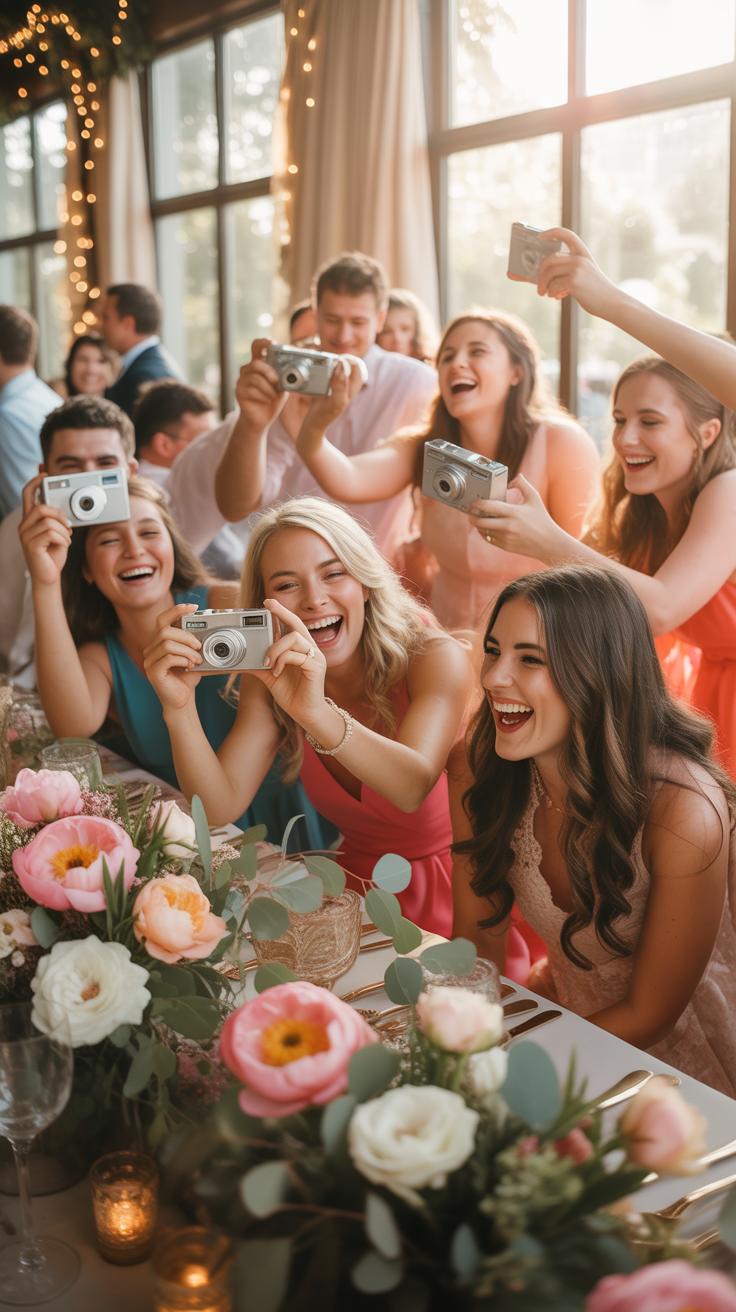
How To Design A Disposable Camera Scavenger Hunt Or Photo Challenge For Reception Guests
Turn static tables into active zones by placing a written photo prompt list next to each camera. Guests need clear instructions to move beyond standard selfies. Create a checklist of specific moments like a group hug, the oldest couple dancing, or a specific floral detail. These prompts force guests to move around the room and focus on unique angles. Tactical prompts ensure you receive a variety of shots.
Design the game cards using high-contrast fonts for easy reading in dim reception lighting. Avoid complex rules that slow down the party. Stick to five or ten simple objectives per camera. Place these cards directly under the camera or prop them up in a small stand. This setup signals that the camera is a tool for a mission. It prevents guests from wasting film on meaningless or blurry floor shots.
Offering Small Prizes Or Recognition To Encourage Guests To Complete Their Roll Of Film
Incentives drive guest participation and ensure every frame of the expensive film gets used. Announce the photo game during the reception to build momentum. Clearly state that the first table to finish their roll wins a small reward. Use tangible items like a bottle of premium spirits or a gift card. Tangible stakes turn a passive activity into a competitive team event for everyone at the table.

Public recognition often works better than physical gifts for evening transitions. Have the DJ or emcee shout out the most active photographers throughout the night. This keeps the energy high and reminds guests to keep clicking. Explain that the best shots will appear in the final printed wedding album. Guests value being part of the official legacy of the event. Recognition creates a sense of purpose for every guest holding a camera.
After The Wedding Developing Your Disposable Camera Wedding Photos And Preserving The Memories
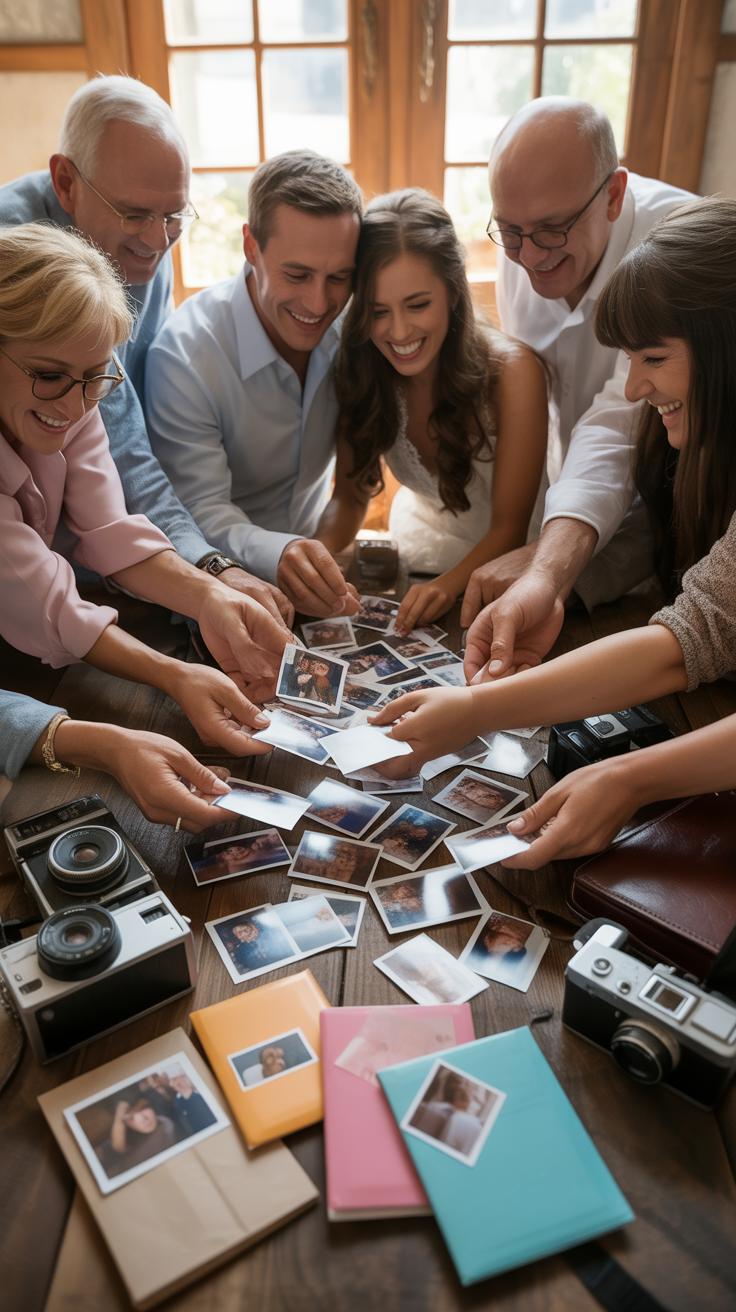
Ship your cameras to a dedicated film lab for the best results. Local pharmacies and big-box retailers rarely process film on-site anymore. They often send reels to third-party facilities, which increases the risk of lost footage. Professional labs offer superior scanning equipment and manual color correction. This ensures your grainy reception shots look intentional rather than under-exposed. Demand high-resolution digital scans during the initial checkout process.
Budget for development costs immediately after the event. A single camera typically costs between fifteen and twenty dollars to process and scan. Ask the lab for a bulk discount if you have more than ten units. Request a digital transfer via a secure link to speed up the delivery. Avoid ordering physical prints until you see the digital files. You only want to pay for the shots that actually turned out well.
Organize your digital files into a shared online gallery for all participants. Guests want to see the candid moments they captured during the reception. Use a platform that allows comments so friends can add context to the photos. This creates a digital time capsule that supplements your professional wedding album. Physical prints belong in a dedicated guest-focused photo book. Keep this book on your coffee table for easy viewing.

Create a physical wall display using a grid layout for a modern look. Select the best candid shots and print them on matte paper to minimize glare. High-quality scans allow for larger prints without losing too much detail. Frame these shots in simple black or wood frames to match your home decor. This technique turns raw wedding energy into permanent art. Rotate the photos annually to keep the memories fresh and engaging.
Frequently Asked Questions

What exactly is a disposable camera wedding guest station?
A guest station is a dedicated area at your reception where you provide single-use cameras for friends and family to document the night from their perspective. This is one of the most popular disposable camera wedding ideas because it encourages guest interaction. By creating a beautiful display with clear instructions, you invite everyone to capture candid, nostalgic moments that a professional photographer might miss during the celebration.
How can I encourage guests to take great photos at the station?
To get the best results, place clear instructional signage at your station explaining how to use the flash and where to leave the cameras once they are full. Many creative disposable camera wedding ideas involve inclusive scavenger hunts, where you provide a list of specific moments for guests to “capture,” such as a group selfie, the cake cutting, or the dance floor action, ensuring you get a wide variety of fun shots.
Is setting up a camera station an affordable option for most couples?
While the initial cost of purchasing bulk cameras is relatively low, you should budget for the specialized development fees and digital scanning later on. To save money, consider placing only two cameras per table or centralizing them at one decorated station rather than buying one for every single guest. This approach keeps your wedding budget in check while still providing that charming, retro aesthetic that film photography offers.