The Un Generic Opening: Hooking Your Audience Without The Fluff
What Everyone Says That Falls Apart
You’re scared your opening will feel cheap because the budget is small. That fear is the problem, not the solution. Most budget wedding scripts fail because they copy the emotional manipulation of high budget ceremonies, where production value masks hollow writing. On a tight budget, your only asset is authenticity. Generic openings drain that asset fast.
The typical approach is catastrophic. Officiant scripts are plagued with borrowed sentiment: “We gather here today,” “love is patient and kind,” the eternal mention of soulmates. These lines work in no budget because they work in every budget, which means they register as background noise. The mechanism is simple: shared language loses power through repetition. Your audience has heard these words at five previous weddings. They’re not listening anymore.
The Observation That Actually Lands
Start with something only these two people and these specific people would recognize. This isn’t about being clever. It’s about signal specificity from information theory: the more targeted your message, the less noise it cuts through to reach the audience. A budget ceremony has one advantage over expensive productions: intimacy. Use it. A true detail about the couple, a moment they shared, a contradiction in their personalities that makes them work together. Something that makes attendees lean in because they recognize truth, not because they recognize the script template.
This mechanism replaces generic emotional appeal with earned credibility. When you name something real about the couple in the first sixty seconds, two things happen simultaneously: you establish that you know them, and you signal to the audience that this ceremony won’t be a recitation. The opening observation becomes proof that the person conducting this ceremony has done actual work. From there, every sentence carries weight because you’ve already broken the pattern. Your second sentence will land harder because your first one didn’t sound like a hundred other ceremonies.
Scarcity As A Superpower: The Minimalist Marriage Officiant Script

Delete Everything That Isn’t A Decision Point
You’re afraid a short script makes you look cheap. That’s the real problem here. In economics, scarcity increases perceived value, and your wedding officiant script operates on the same principle. Every word you remove makes the remaining words matter more. The common advice to “add personal touches” and “tell stories” is incomplete. Those touches mean nothing if they’re buried under filler. Cut the opening pleasantries. Cut the weather observations. Cut the joke that lands sideways. Keep only the moments where the couple or guests actually make a choice or feel something shift.

A tight script forces the officiant to land every line. There’s no recovery time, no drift into safe territory. The mechanism is simple: constraint creates focus, focus creates impact. Your ceremony doesn’t need ten minutes of setup to reach one moment of real weight. It needs three minutes of setup and one moment that actually sticks. Remove every segment that doesn’t move the couple or witnesses from one emotional state to another. What remains is the script that works.
Depth Over Padding Moves The Room
Brevity doesn’t eliminate emotion, it concentrates it. A single well-placed sentence about why these two people matter to each other hits harder than a paragraph of general marriage philosophy. Don’t mistake length for substance. The officiant who speaks for five minutes but says nothing real loses the room. The one who speaks for three minutes and lands two true lines owns it. Your budget constraints actually force you toward the better script, not away from it.
The tactic here is specificity without excess. Name one thing unique about the couple. State one genuine observation about their relationship. Ask one meaningful question of the witnesses. Then move to the vows and the pronouncement. Every sentence should carry weight or purpose. Scrap the template language about “love’s journey” and “two hearts becoming one.” Replace it with the actual reason these people chose each other, stated plainly in the officiant’s voice. The script that feels real and moves fast is the one that survives editing. Build toward the pronouncement with no noise in between.
The “Authenticity Algorithm”: Crafting A Personalized Wedding Officiant Speech Template

Mine The Story Nobody Tells
You want people to remember your ceremony because you’re terrified of sounding like every other wedding video on YouTube. The mechanism is simple: specificity beats eloquence. Borrow from narrative design—the field that maps character arc onto audience retention. Your couple has an arc. Most officiants skip it entirely and recite boilerplate about love. You extract three concrete moments from their actual timeline, then weave those moments into the speech structure. This is how you convert a generic script into something guests reference years later.

Start by interviewing the couple separately. Ask them: How did you meet? What almost didn’t happen? What changed your mind about the other person? Write down exact phrases they use, not your cleaned-up version. If the groom says “I knew she was different because she called me out,” use that language. If the bride says “He showed up even when it was inconvenient,” lock that in. These become the bones of your script.
Specificity Over Sentiment
The common advice says “mention their hobbies and inside jokes.” That’s incomplete. Generic references still sound generic. You need to identify what their relationship actually solved for each person.
- The Before Problem: What was their life missing or struggling with before they met? Frame this neutrally and briefly, never as criticism.
- The Recognition Moment: The exact instant one of them realized this person was different. Get the sensory detail if they offer it.
- The Commitment Test: A specific decision they made together that showed their priority. Not vague promises—real choices they made.
- The Shared Value: One thing they both believe in that shapes how they treat each other. This becomes your throughline.
- The Future Anchor: What they’ve explicitly said they want to build together. Not “happiness”—actual goals or visions they’ve named.
When you structure your script around these five elements, you stop performing sentiment and start reporting truth. The audience feels the difference because you’re not asking them to imagine what love looks like—you’re showing them what it looks like for these two specific people. Your speech becomes a case study instead of a greeting card.
Borrowed Brilliance: Engineering Memorable Wedding Vows For Officiant

Iterate Before You Speak
You want the script to feel personal without costing extra money. The real mechanism here is that most officiants write once and call it done. Product development uses iteration cycles to eliminate friction between intent and execution. Your vows work the same way. Write a draft, read it aloud to someone outside the couple, mark where your voice trips or the logic breaks. Rewrite that section. Test again. The couple benefits because weak phrasing gets caught before the ceremony, not during it.
Iteration isn’t about perfection. It’s about removing obstacles between what you mean and what the couple hears. A script that lands clearly costs nothing extra to produce. It just requires you to treat the words as a prototype instead of a finished product. Read your script aloud three times minimum. Mark every phrase that makes you pause, every sentence longer than one breath. Delete or restructure those spots. This single discipline separates scripts that resonate from scripts that get forgotten before the reception.
Strip Friction From The Story
The couple’s actual need is simple: they want to feel seen in the ceremony without paying for custom writing. Generic scripts force officiants to insert their names and dates into templates, which creates a gap between the words and the moment. Eliminate that gap by building the script around one core truth about their relationship that you actually know. Not a generic observation about love. A specific mechanism from their story.
Ask the couple two questions before you write anything: “What decision did you make that brought you together?” and “What do you do together that nobody else sees?” Their answers become the skeleton of your vows. One sentence about the decision. One sentence about the private habit. One sentence about what comes next. That structure costs nothing, requires no research beyond their words, and makes the ceremony feel authored for them specifically. The script becomes load-bearing instead of decorative.
Beyond The Script: The Officiant As Experience Architect, Not Reader
Presence And Delivery Amplify Even Simple Words
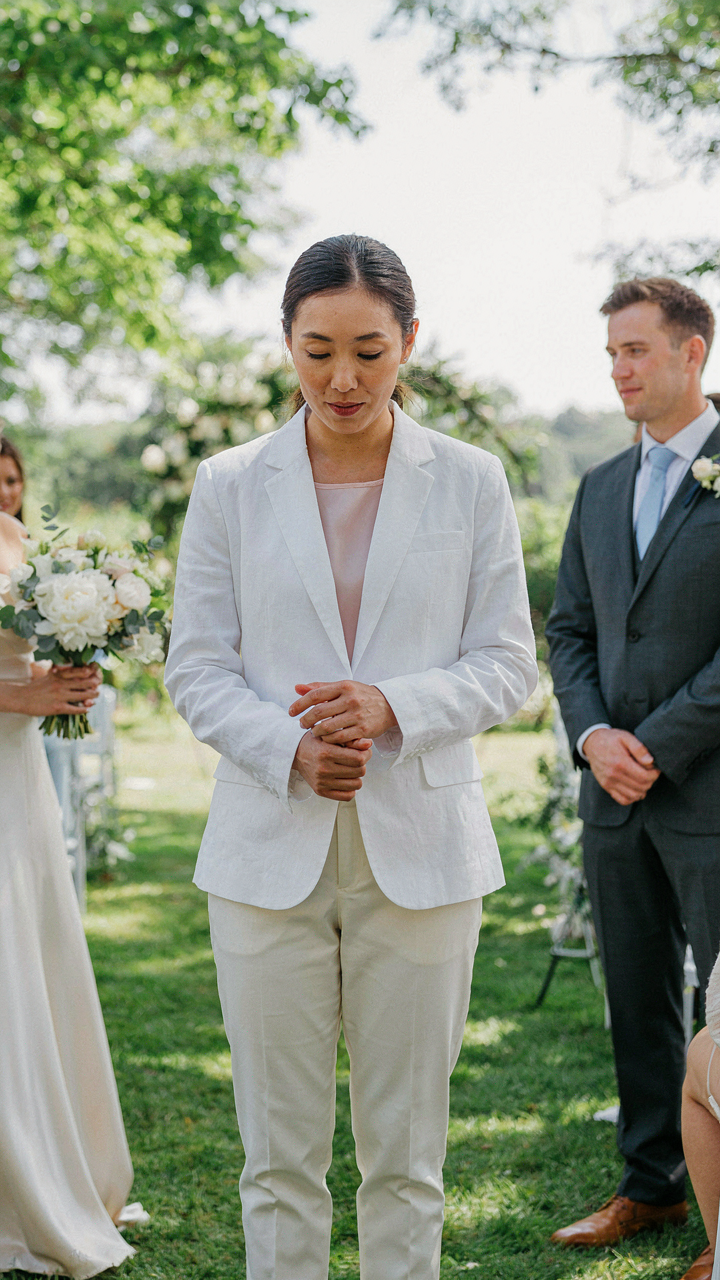
You want this section because you’re worried a bare-bones script will feel cheap. The mechanism is that delivery compensates for word count. Theater borrowed the concept of “blocking”—the spatial and physical choreography that transforms text into presence. Your officiant’s blocking is their position, stillness, and how they move through the ceremony space. A five-minute script delivered with intentional pauses, eye contact, and vocal modulation reads as substantial. A twenty-minute script read flat reads as filler. Budget ceremonies fail not because the words are short but because the officiant treats the script like a press release instead of a moment to hold.

An officiant who knows their script can look at the couple instead of the page. They control breath, tempo, and silence. They plant themselves physically and let the words land. This shifts the couple’s perception from “we’re rushing through this” to “this person is present with us.” The script length becomes irrelevant when the delivery suggests care rather than obligation. Train your officiant to rehearse the script aloud minimum three times before the ceremony, marking pauses where they’ll make eye contact.
Master Vocal Cadence, Eye Contact, And Pacing
Cadence is the rhythm and pitch variation that keeps language from becoming monotone. Most officiants flatten their cadence because they’re nervous or reading. The fix is mechanical: the officiant speaks slower than feels natural, lands emphasis on the couple’s names and key phrases, and uses silence as punctuation. When they say “I now pronounce you married,” that phrase should live in their body. Not rushed. Not performed. Spoken with the weight of what it means.
Eye contact is not about looking warm. It’s about triangulation. The officiant looks at one person, then the other, then back. This creates a feedback loop where the couple feels seen rather than processed. Pacing means controlling the gap between phrases and letting moments breathe instead of filling space with filler words. The officiant should practice in front of a mirror or recording device to catch verbal tics like “um” or rushed transitions. These small mechanical adjustments turn a budget script into an experience that feels intentional.
The “Fun Wedding Officiant Script” Deception: Real Joy Vs. Forced Gimmicks
Where Humor Actually Lives
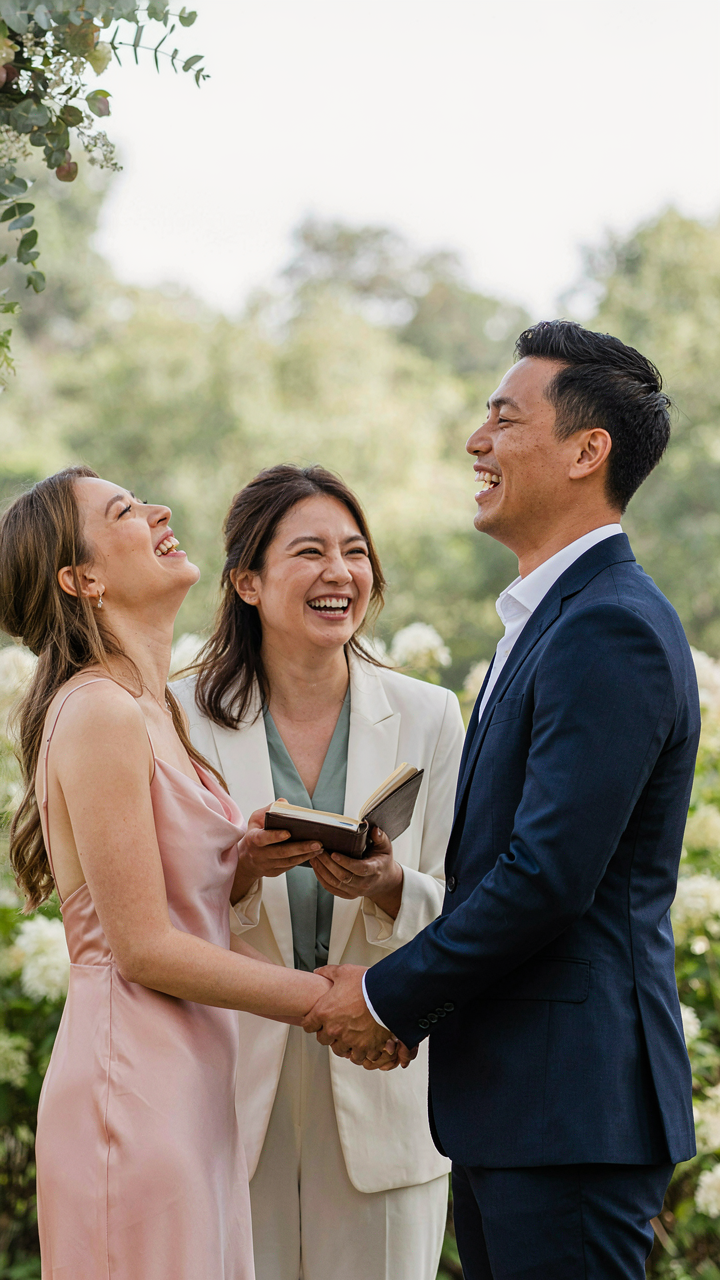
You want the script to feel fun because you’re afraid a budget ceremony will feel cheap. The mechanism at work here is borrowed from comedy writing: humor requires specificity, not formula. Generic wedding jokes land flat because they’re not about the actual people in the room. The officiant who cracks a scripted one-liner about “ball and chain” marriages kills the moment because nobody knows who he’s talking about. Real laughter erupts when the joke connects to something only this couple, this family, this moment can access.

The mistake most budget scripts make is treating humor as decoration. They paste in jokes as if they’re adding garnish to a plate. Instead, humor should emerge from the relationship between the officiant and the couple. An officiant who knows the couple’s origin story can reference an inside detail that lands harder than any pre-written punchline. The script works because it’s custom. The moment feels alive because it’s specific.
Laughter Without The Applause Trap
Authentic moments don’t perform for the audience. They speak to the couple. This distinction separates weddings that feel genuine from ones that feel like theater productions. When an officiant pauses for a laugh after a joke, they’re signaling that the joke was the point, not the couple. Budget ceremonies actually win here because they force authenticity. There’s no budget for a comedy writer or a professional entertainer, so the officiant must draw humor from actual knowledge of the people involved.
The protocol is straightforward: ask the couple for two to three real moments or quirks you can weave into the script naturally. These become touchstones the audience recognizes, which makes lighter moments land harder. Don’t engineer punchlines. Let moments breathe. When you reference something true about how they met or a habit they share, the room feels the specificity and responds accordingly. That’s the mechanism: familiarity breeds authenticity, which breeds genuine response.
Leveraging Constraints: An Ordained Minister Wedding Script Advantage
Scarcity Forces Real Decisions
You want to feel like you’re choosing freely. Budget constraints kill that feeling fast. But here’s the mechanism: fewer options demand clearer focus, and clearer focus produces more impactful choices. This is basic economics. When you have unlimited resources, you optimize for everything at once. When you don’t, you optimize for what actually matters. Your script stops trying to be everything and becomes something specific.

A tight budget forces you to cut filler. Generic phrases disappear. Placeholder sentiment gets replaced with real detail. The couples who write the best scripts aren’t the ones with the most money to hire expensive writers. They’re the ones who had to make every word count because they couldn’t afford waste.
Personal Details Over Production Value
Forget the advice that says budget scripts need flashy structure to compensate. That’s wrong. A ceremony isn’t a production value exercise. It’s a communication event. Turn your limitation into specificity. Instead of buying elaborate ceremonial language, you mine the couple’s actual story.
Reference a specific moment from their relationship. Name the friend who introduced them. Quote something they actually said to each other. These details cost nothing and outperform generic metaphors every time. The script becomes a mirror of who they are, not a template stretched to fit them. This is what separates a script people remember from one they forget during the vows.
The “Best Wedding Officiant Script” Is A Myth: Optimize, Don’t Idolize
Know Your Audience Before You Write A Word
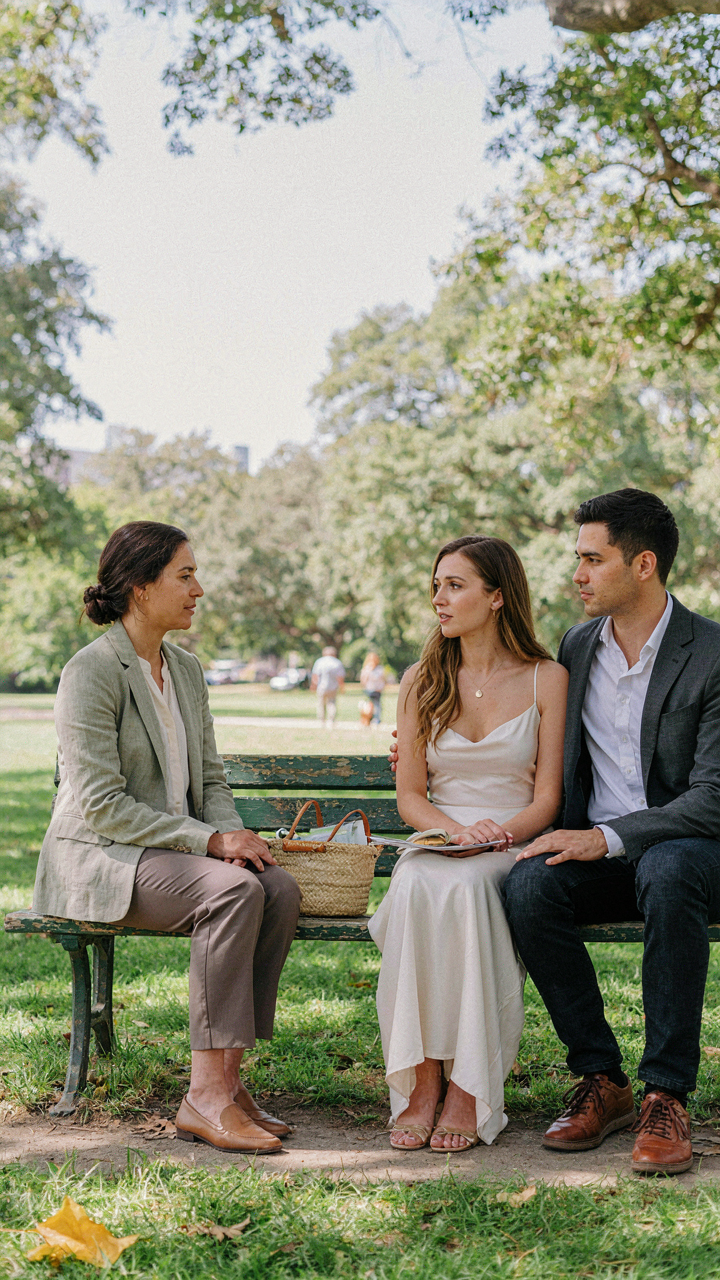
You want a template because templates feel safe. They promise you won’t mess up. But a script that works for a Catholic mass won’t work for a backyard ceremony with fifteen people. Context shifts everything. The real mechanism here borrows from signal processing: noise increases when the message doesn’t match the channel. A formal, flowery script in an intimate garden reads as performative. A casual, joke-heavy script at a formal church feels cheap. Your job isn’t to find the perfect words. Your job is to match the script’s tone, length, and structure to the specific couple, venue, and guest composition you’re actually working with.

Start by asking hard questions before you write anything down. How many guests? Indoor or outdoor? Religious or secular? Does the couple want humor or reverence? What’s the couple’s personality like in regular conversation? Most officiants skip this work and grab a template instead, then wonder why the ceremony feels generic. The script that costs less to write is the one built on facts about these specific people, not borrowed from a stranger’s wedding that happened three states away. Budget ceremonies often win here because the officiant has fewer distractions and more reason to pay attention to what actually matters.
Rigidity Kills Authenticity Faster Than Bad Timing
Most advice tells you to memorize your script word-for-word. That’s incomplete. A memorized script makes you brittle. If you fumble a line, you panic. If the couple gets emotional and needs a pause, you push through. If a guest’s phone rings and breaks the moment, you can’t adapt. The real move is to memorize structure, not sentences. You internalize the flow, the key moments, the transitions. Then you speak naturally within that frame. This is the difference between reciting and officiating.
Write your script with key points, not word-for-word dialogue. Mark where you pause. Mark where you make eye contact with the couple. Mark where you invite the audience to respond. This approach saves money too because you spend less time perfecting prose and more time understanding pacing. When you know what comes next but not exactly how you’ll say it, you respond to the room in real time. The couple feels like you see them, not like they’re props in your performance. That authenticity doesn’t require a higher budget. It requires a different approach to preparation.
Post Ceremony Echo: Ensuring Lasting Impact Beyond The Vows
The Final Statement That Sticks
You want people to remember what you said, not forget it by the time they reach the cocktail hour. That’s the real fear here. Most officiants close with generic sentiment because they’ve never been trained to do anything else. They default to “please join us for the reception” or some variation of blessing that lands nowhere.

The mechanism is recency bias paired with emotional saturation. Your last words occupy the freshest neural real estate before guests shift into eating and drinking mode. A closing statement works when it does two things: it echoes a specific detail from the ceremony itself (not general marriage wisdom) and it leaves people with a single, concrete image they can hold. This isn’t about being poetic. It’s about being precise enough that the couple hears themselves in your words, not a template.
The Actionable Final Thought
Good advice tells people what to think; actionable advice tells people what to do next, and budget ceremonies can’t afford the gap between those two. Your closing statement should plant a single behavior the couple executes within forty eight hours of the ceremony. This creates momentum and proves the ceremony had weight beyond decoration.
The behavior should be small enough to complete without friction but meaningful enough that it reinforces the vows. Examples: a written note exchanged that night, a specific conversation they’ll have before bed, or a symbolic action tied to something stated during the ceremony. Name it explicitly in your closing words so there’s no ambiguity. The couple walks away with a protocol, not a platitude, which means the ceremony continues working after you leave the space.
The Lasting Echo: Crafting A Memorable Budget Ceremony Closer

What Actually Sticks With Guests
You’re worried nobody will remember your ceremony because you didn’t spend five figures on it. That’s backwards. Memory works like retention in economics: diminishing returns kick in fast. A two-thousand-dollar ceremony and a twenty-thousand-dollar ceremony create the same neural imprint if the script lands. The mechanism is specificity. Generic language evaporates. Personal detail, spoken clearly, embeds itself. Your budget constraint forces you to cut everything except what matters. That’s an advantage.
The closing thirty seconds of your officiant script determine whether guests leave talking about the couple or the production quality. A budget ceremony wins when the script reflects actual people, not a template filtered through ten weddings. Name one specific thing about how the couple met. Reference one real conversation you had with them. Acknowledge one sacrifice they made for each other. These cost nothing and they outweigh every production choice on the venue floor.
The Final Mechanism You Control
Forget the common advice that a good closer should be “uplifting” or “poetic.” Neither matters. What matters is closure. Your script needs a clear protocol: state what just happened, state what comes next, remove ambiguity. In ceremony physics, you are the anchor point between before and after. The closer is where you make the before feel real and the after feel inevitable.
The last action your script performs should be a direct instruction. Not “may I present Mr. and Mrs.” but “Turn around. Face your people. Walk.” Specificity in action beats sentiment every time. Your budget officiant script survives not because it moved people emotionally, but because it moved them forward without confusion. Write the final line with one job: tell them exactly what to do next.
The True Budget Isn’t Money, It’s Emotional Capital. Spend It Wisely Or Settle For Forgettable

Most couples waste their officiant script budget on length and flowery language nobody remembers. The real spend happens when you force yourself to write something honest instead of safe. Stop padding with clichés. Write one story that matters. One vow that cuts through noise. One line guests repeat for years. Your guests don’t need a perfect ceremony. They need to feel something real, and that costs you nothing but courage. A cheap script reads cheap. An authentic one reads expensive, no matter what you paid.