The Timeless History Behind Wedding Invitations With Wax Seal
How Wax Seals Became A Symbol Of Formality And Romance
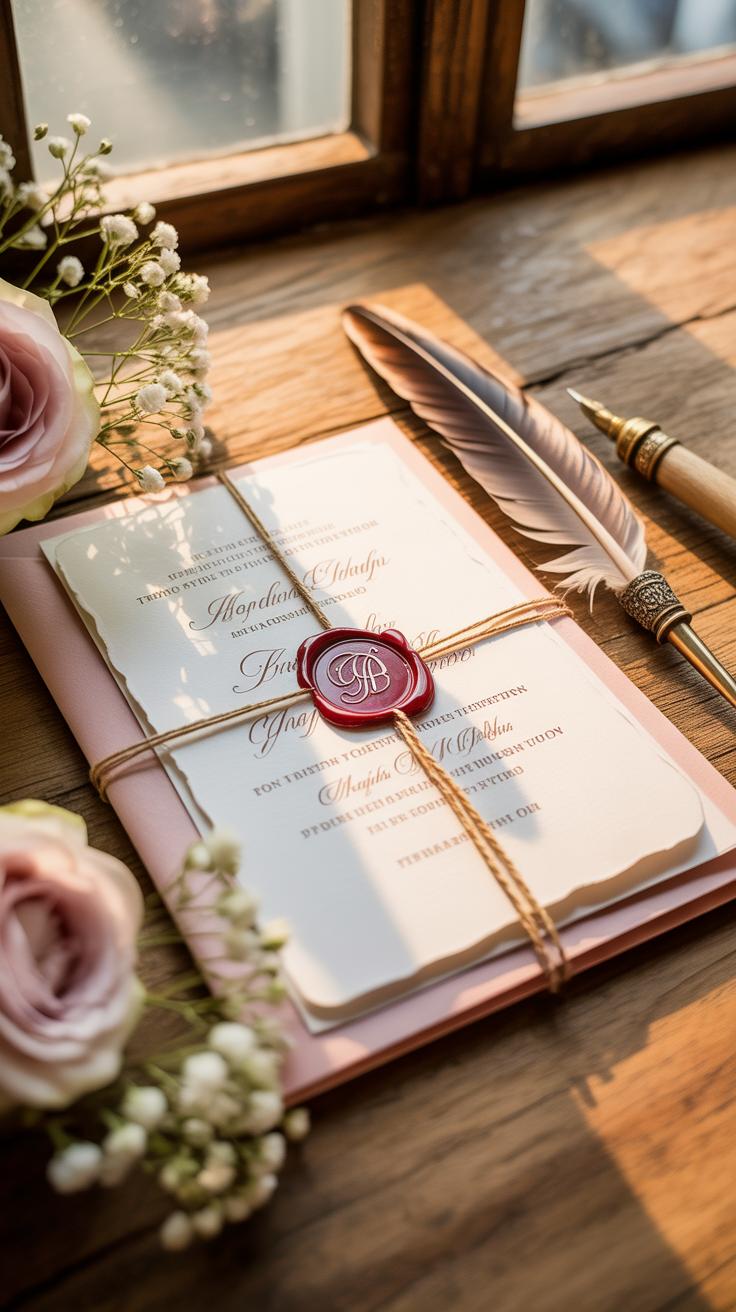
Wax seals started as a legal necessity in the Middle Ages. Nobles and clergy used them to prove their identity. Most people could not write their names. A unique crest pressed into hot lead or beeswax served as a valid signature. This method protected the privacy of sensitive letters. If the seal arrived broken, the receiver knew someone had compromised the message inside.
Modern weddings use these seals to signal status. The practice moved from government use to social etiquette during the Victorian era. It signifies that the contents are important and personal. Using a seal creates an official barrier between the envelope and the invited guest. It mimics the practices of old royal courts. This history makes the invitation feel like a formal decree rather than a standard card.
Why Couples Are Reviving This Centuries Old Tradition Today
Couples choose wax seals because they add a physical weight to paper. Digital communication is fast and cheap. Physical mail feels rare and valuable. A wax seal forces the guest to pause. It creates a tactile experience that email cannot match. Modern wax materials are more flexible than historical formulas. This allows the seals to survive the modern postal system without cracking or breaking apart.
Customization is the primary driver for this revival. Technology allows couples to create bespoke dies with personal monograms or family crests. This adds a specific layer of branding to the wedding. It ties the stationery together with a consistent visual mark. The act of melting wax and stamping each piece shows a commitment to detail. It communicates a high level of investment in the guest experience from the very first contact.
Choosing The Right Wax For Your Wax Seal Wedding Invitations
Flexible Wax Vs. Traditional Sealing Wax: Which One Works Best For Mailing
Traditional sealing wax contains high amounts of shellac and resin. This mixture creates a hard and brittle finish. It breaks easily when handled. Historically, people used this wax to prove a letter remained unopened. If the seal arrived broken, the recipient knew someone tampered with the contents. Do not use this type for modern mailing. Sorting machines at the post office will crush and shatter it.
Flexible wax uses a plastic or glue base. It bends without snapping. This material survives the high speed rollers used in mail sorting centers. You can press this wax using glue gun sticks or melting spoons. It stays bonded to the paper throughout the shipping process. Use flexible wax for any invitation sent through the postal service. It ensures the design reaches your guests in one piece.
Top Wax Colors That Complement Every Wedding Palette
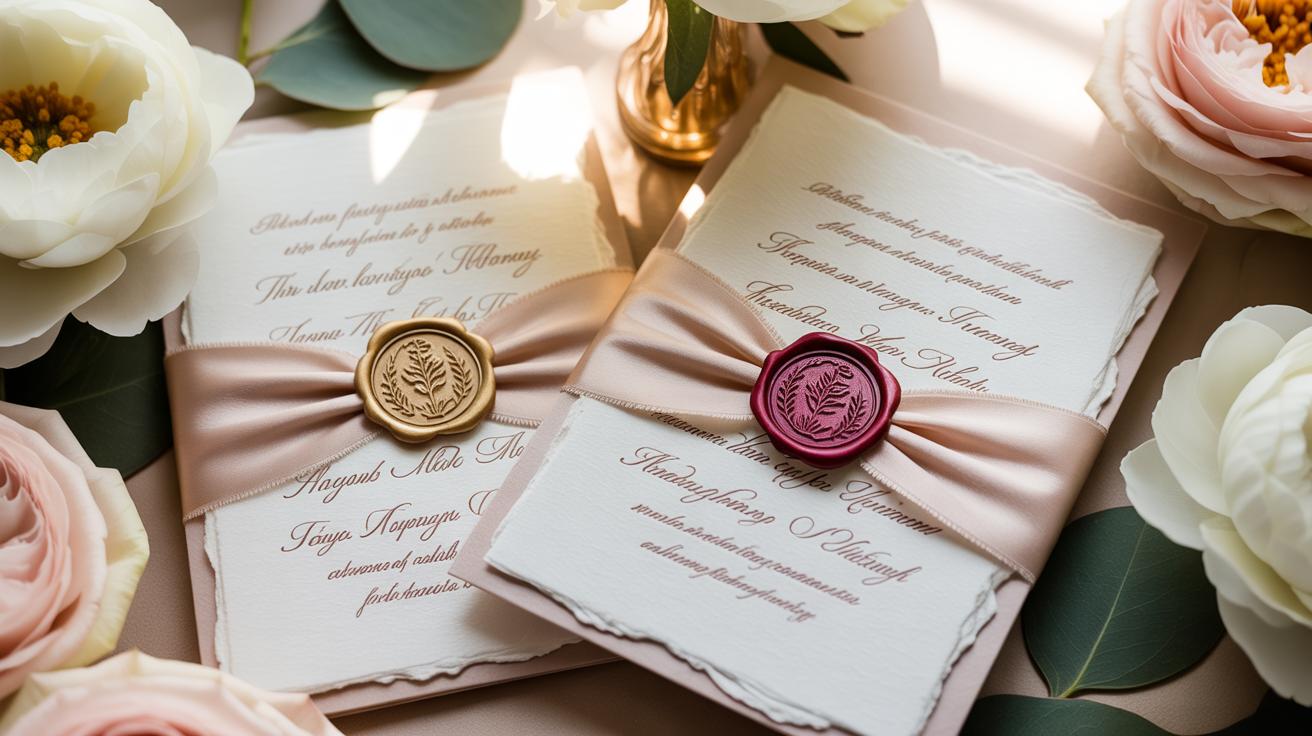
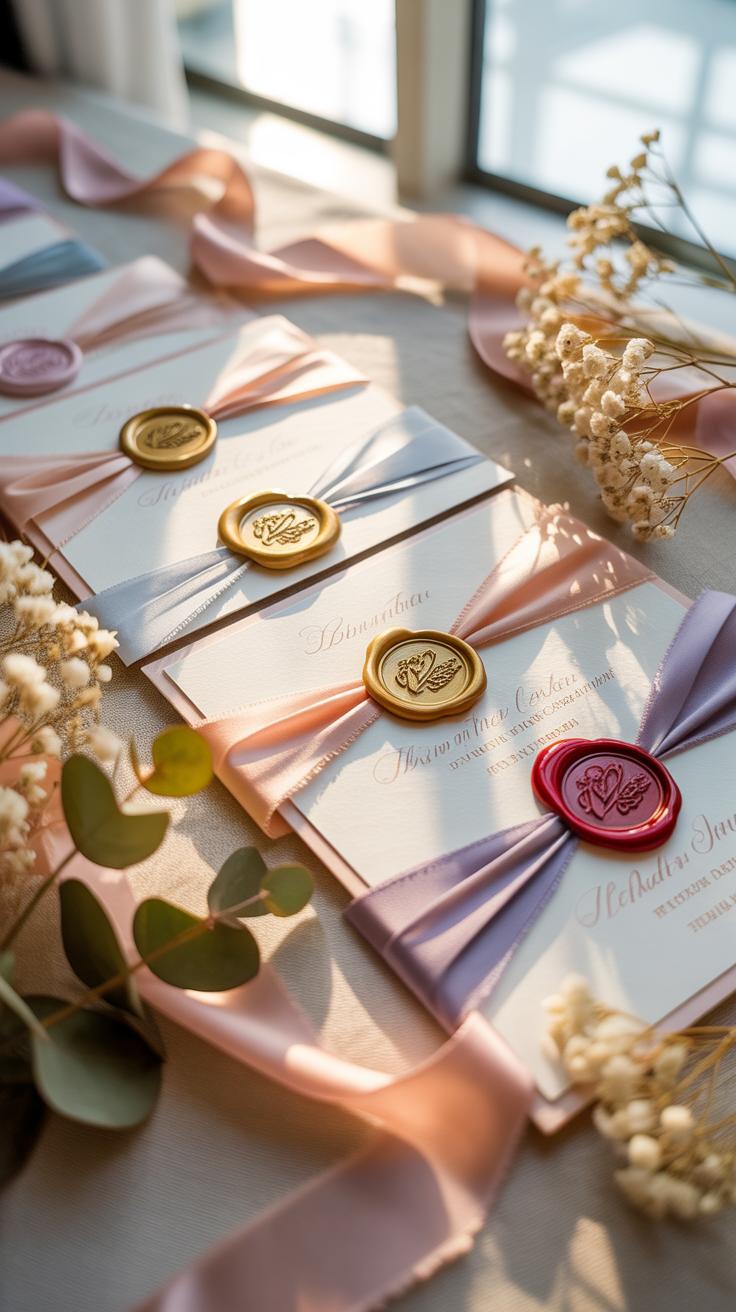
Color choice dictates the formal tone of your invitation suite. Metallic tones offer a classic look that pairs well with heavy cardstock. These shades reflect light and show the detail of your custom crest clearly. Monochromatic palettes use wax that matches the envelope color for a modern feel. This creates a clean and high end appearance. Choose a color that provides enough contrast to be visible.
- Antique Gold: This metallic shade offers a timeless and formal appearance. It works best with high quality cream or white paper. The deep pigment captures every fine line of a family crest or monogram.
- Champagne: A lighter version of gold that provides subtle elegance. It fits neutral palettes and minimalist designs. This color bridges the gap between modern style and traditional luxury without overwhelming the other design elements.
- Deep Burgundy: This color pulls from historical Victorian influences. It creates a bold contrast against light envelopes. Use it to add weight and a sense of importance to formal evening wedding invitations and ceremonies.
- Copper: Use this earthy metallic for autumn or rustic events. It provides a warm tone that complements natural paper textures and wood elements. It offers an industrial yet sophisticated finish that stands out against white mailing envelopes.
- Vellum White: A semi translucent wax that works well with floral additions. It mimics the look of frosted glass or parchment. This choice is ideal for layering over dried petals or thread for a delicate aesthetic.

Select your wax color based on the overall legibility of the seal. Darker waxes like navy or forest green require deep engravings to remain visible. Lighter or metallic waxes highlight the shadows within the wax impression. Test your chosen color against the envelope paper before a full production run. This ensures the wax does not bleed oils or stain the paper. Consistency in color builds a cohesive brand for your event.
Stamp Designs That Elevate Your Wedding Invitations Wax Seal
Monogram And Initial Stamps For A Personalized Touch
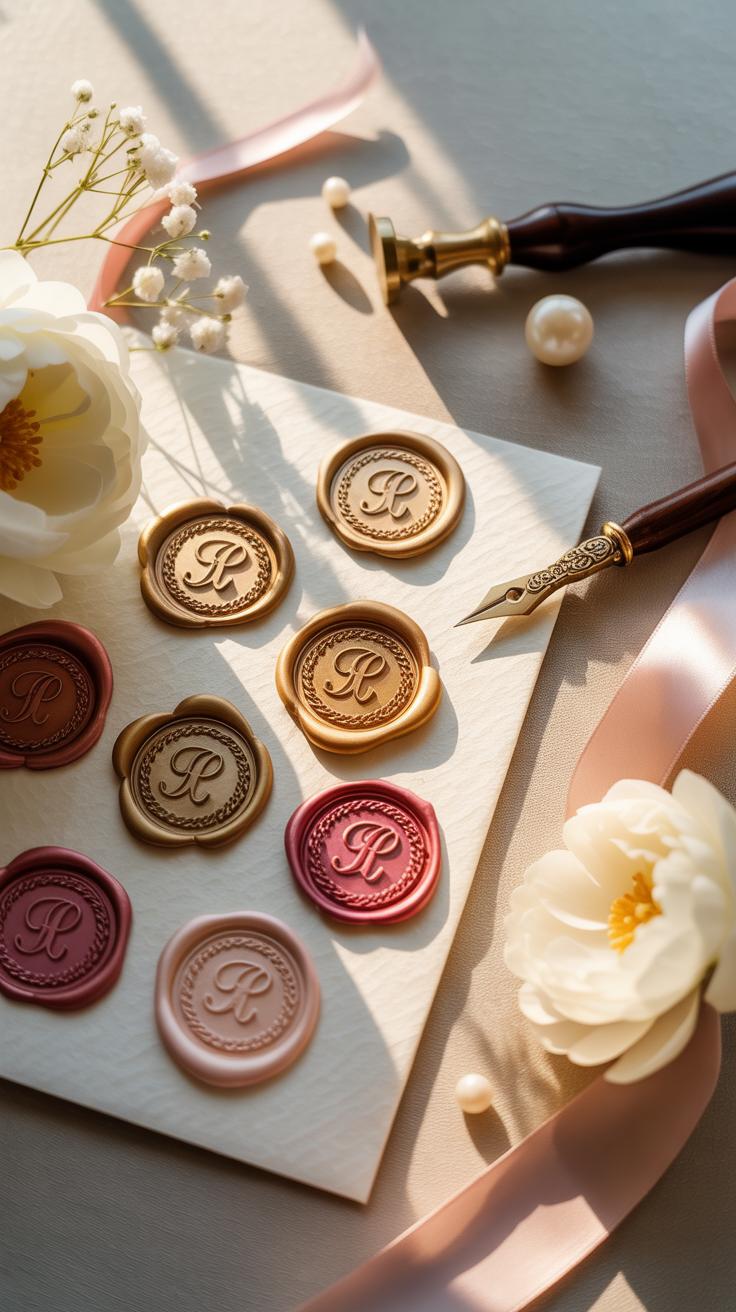
Monogram stamps serve as a legal and social signature. They link your modern wedding invitations wax seal to historical European traditions. Standard designs use a single initial for the family name or two initials for the couple. Custom brass dies ensure crisp edges and deep impressions. Select a font that matches your primary typography to maintain brand consistency across all wedding stationery pieces.
Personalization increases the perceived value of your elegant wax seal invitations. High quality engraving allows the wax to release cleanly without sticking to the metal. Use modern sans serif fonts for a clean look. Use copperplate script for a formal aesthetic. Position the seal precisely over the envelope flap or vellum wrap. This creates a secure and official bond that guests notice immediately upon delivery.
A guest’s first glimpse of your wedding should be like opening a cherished treasure from another era. The simple elegance of a wax seal transforms a paper invitation into a timeless heirloom of love.
Floral Botanical And Crest Stamp Designs For Every Wedding Theme
Botanical stamps offer a timeless aesthetic for matrimonio all aperto or garden events. Popular choices include sprigs of rosemary, lavender, or eucalyptus. These designs work well with organic wax shapes. They provide a tactile element that complements lace wedding invitation textures. Ensure the stamp depth is sufficient to capture fine leaf details. Deep engravings produce the best visual results on textured paper stocks.
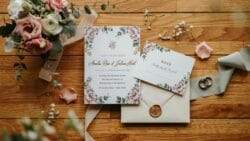
Crest designs provide a formal structure for dream wedding decorations and stationery. You can choose a pre made family crest or a floral wreath. These designs signify heritage and tradition. Use metallic waxes like gold or bronze to highlight the intricate details of the shield or wreath. This adds a layer of sophistication to your wax sealed wedding invitation. Match the crest scale to your envelope size for balance.
Dream Wedding Decorations Coordinating Wax Seals With Your Full Stationery Suite
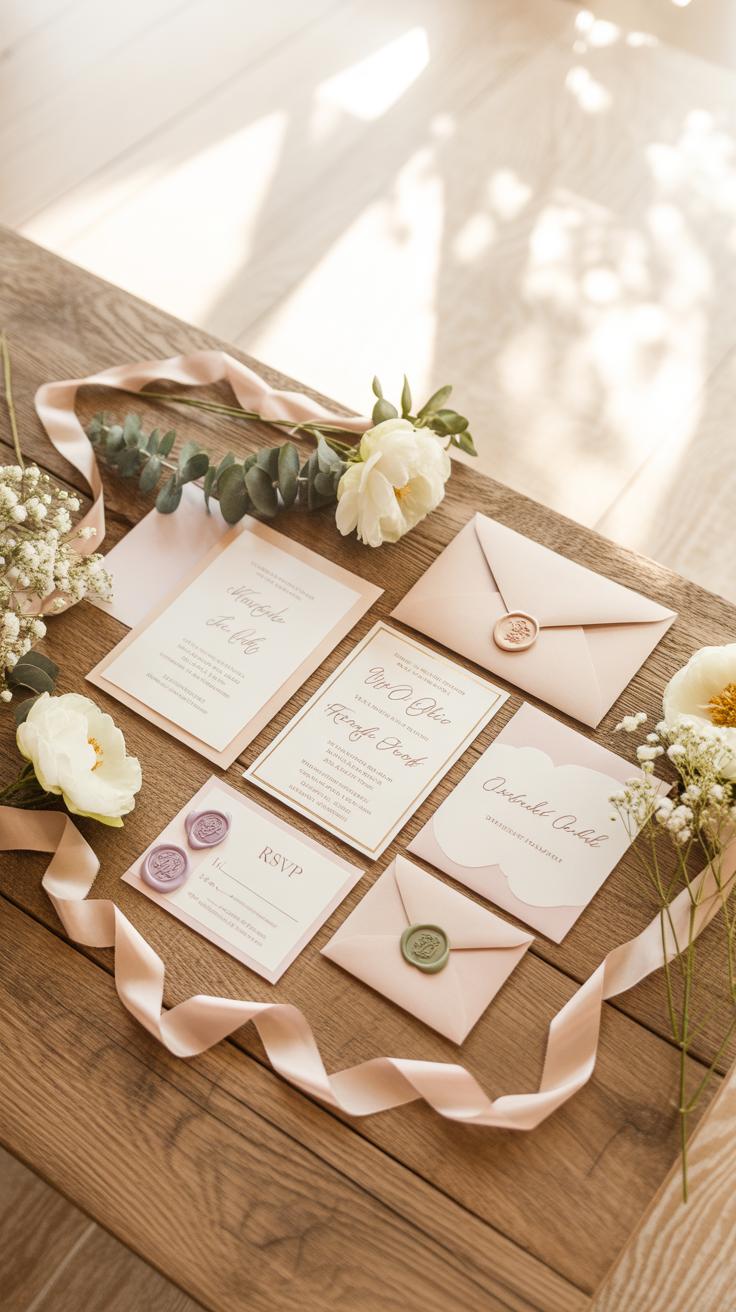
Matching Wax Seals To Your Envelope Liners, Ribbon, And Paper Stock
Consistency creates luxury. Professionals match the wax color to the darkest pigment in your envelope liner. This creates a grounded visual anchor. If you use a heavy cotton paper stock, select a flexible wax. Cheap brittle wax cracks during mail sorting. High-quality flexible waxes contain resins that grip fiber-heavy papers. This ensures the seal stays intact from the post office to the recipient.
Texture dictates the ribbon choice. Pair silk chiffon ribbons with translucent wax for a soft look. Use velvet ribbons with metallic gold or bronze wax for high contrast. Ensure the wax temperature is correct before pouring onto fabric. Wax that is too hot will bleed into the ribbon fibers and ruin the edge. Always press the seal firmly to create a clean border against the textured paper surface.
How Wax Seals Tie Together Save The Dates, Programs, And Menu Cards
The wax seal acts as a visual logo for the wedding. Use the same crest or monogram design across all printed materials. Start with the save-the-dates to establish the brand. Repeat this element on day-of items like ceremony programs and dinner menus. This repetition signals a high level of planning. It guides guests through the event using a familiar and recurring physical symbol.
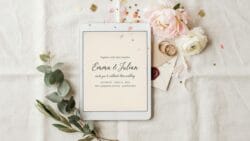
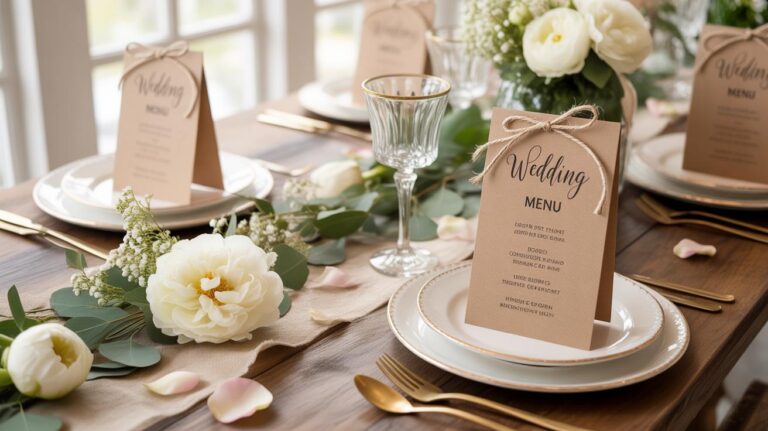
Placement strategy is vital for a cohesive suite. Position seals on the top center of menu cards to secure sprigs of greenery or place cards. For programs, use the seal to bind multiple pages or vellum overlays. Keep the color palette identical across all items. Sudden shifts in wax shade look like an oversight. A unified seal design creates a professional and polished atmosphere for the entire wedding day.
What Makes A Wax Sealed Wedding Invitation Feel Truly Luxurious
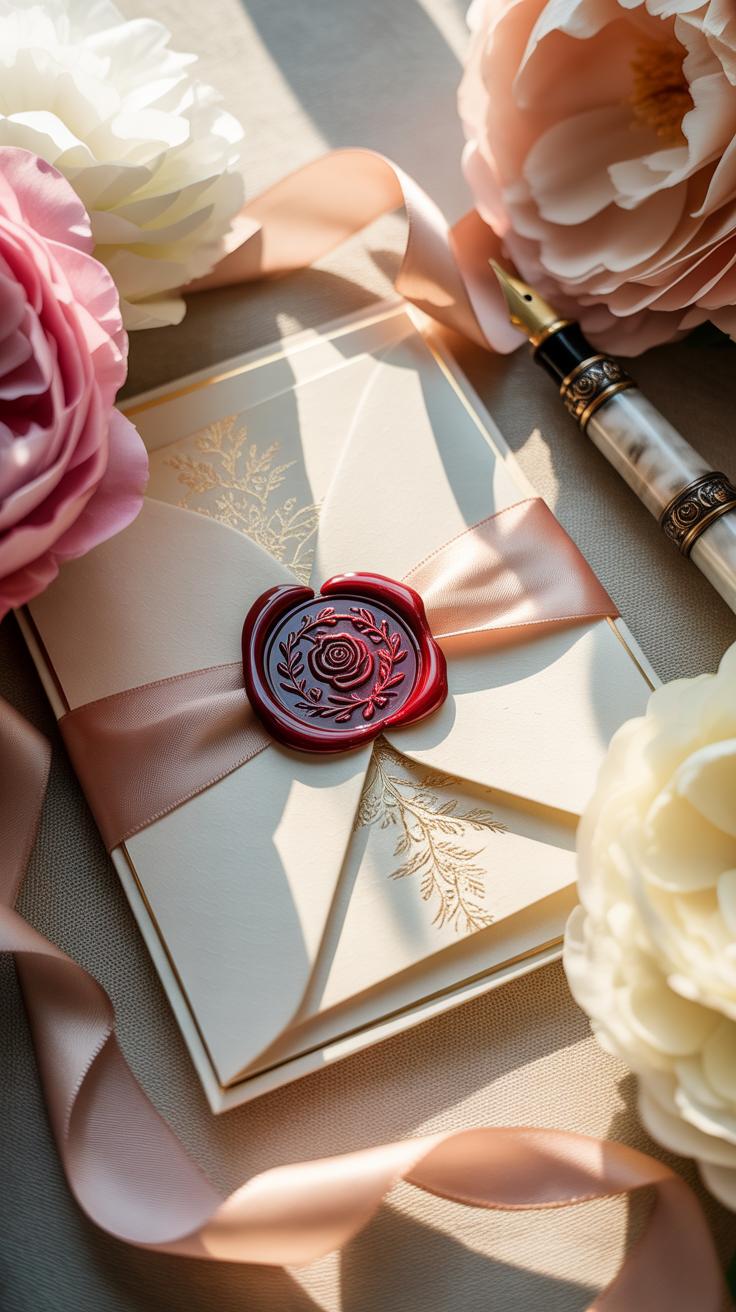
Paper Quality, Weight, And Texture That Pair Perfectly With A Wax Seal
Luxury depends on the structural integrity of the paper. Standard printer paper fails under the weight of hot wax. Use heavy cardstock between 300 and 600 grams per square meter. High weight prevents the paper from curling when the wax cools and contracts. Cotton paper provides a soft surface that allows the seal to grip the fibers for a permanent bond.
Texture dictates the final aesthetic. Handmade paper with deckled edges offers a raw and historical feel. Smooth vellum provides a modern contrast to the organic shape of the wax. Avoid glossy coatings because wax does not adhere well to slick surfaces. Stick to matte finishes to ensure the seal stays in place during transit. Consistent density ensures the invitation remains flat and professional.
Foil Printing, Letterpress, And Embossing Techniques That Enhance The Seal
Combine physical printing methods to increase the tactile value of the suite. Letterpress printing creates deep grooves in the paper. This depth matches the 3D nature of a wax seal. Use metallic foil stamping to add light-reflecting properties. Gold or copper foil highlights the matte texture of the wax. These traditional techniques signal high production value and attention to detail.

Strategic placement of the seal over embossed patterns creates a layered effect. Blind embossing adds a raised design without ink. This subtle technique works well when the seal serves as the primary focal point. Position the seal to secure a vellum wrap or a silk ribbon. This adds functional purpose to the decorative element. Proper alignment of these technical elements ensures a cohesive and expensive appearance.
Elegant Wax Seal Invitations For Every Wedding Style And Aesthetic
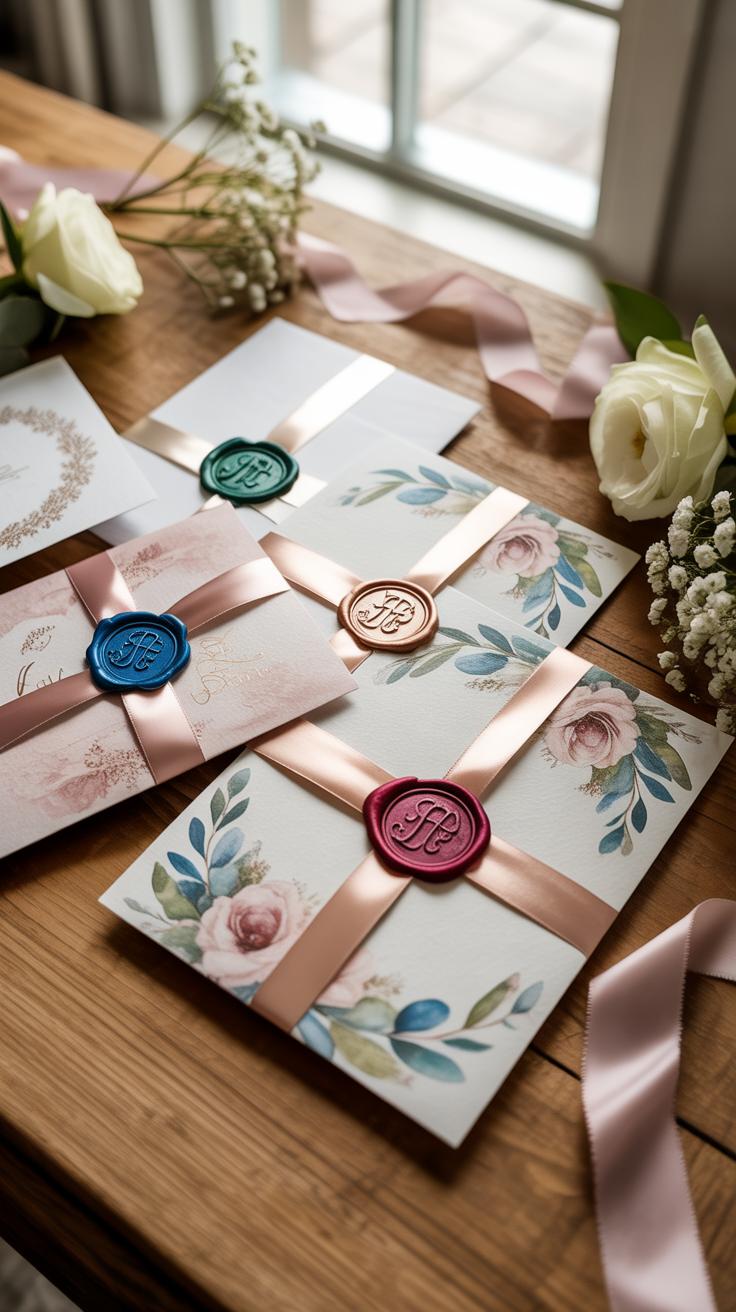
Vintage And Romantic Styles That Speak To Classic Sensibilities
Vintage aesthetics rely on historically accurate wax formulations and traditional application methods. Traditionalists favor flexible sealing wax with a high resin content to prevent cracking during postal transit. Use deep burgundy or forest green shades to mimic the formal correspondence of the eighteenth century. Botanical motifs like lavender or leaf sprigs pressed into warm wax create a timeless look for outdoor garden ceremonies.
You should pair these seals with hand-deckled edge paper or vellum wraps. The texture of the paper provides a professional grip for the molten wax to bond effectively. Apply the seal directly over silk ribbons or lace overlays to secure the invitation layers. This technique mimics the functional heritage of the seal while providing a tactile experience that guests expect from high-end stationery.
Modern Minimalist And Maximalist Approaches To Wax Seal Design
Modern minimalism demands clean lines and monochromatic color palettes. Use matte white or frosted translucent wax to create a subtle 3D effect without distracting from the typography. Choose a geometric stamp or a single serif initial to keep the design focused and sharp. This approach works best on heavy cardstock with a smooth finish. It communicates luxury through restraint and precise execution.
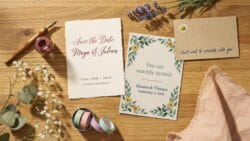
Maximalist designs reject simplicity in favor of bold colors and metallic accents. Combine gold leaf flakes or dried flower petals with colored wax to create a complex visual texture. Use oversized stamps that cover a larger surface area of the envelope flap. This style signals high energy and opulence. It proves that the seal is not just a closure but a primary centerpiece of the design.
Lace Wedding Invitation Pairings That Shine Alongside A Wax Seal
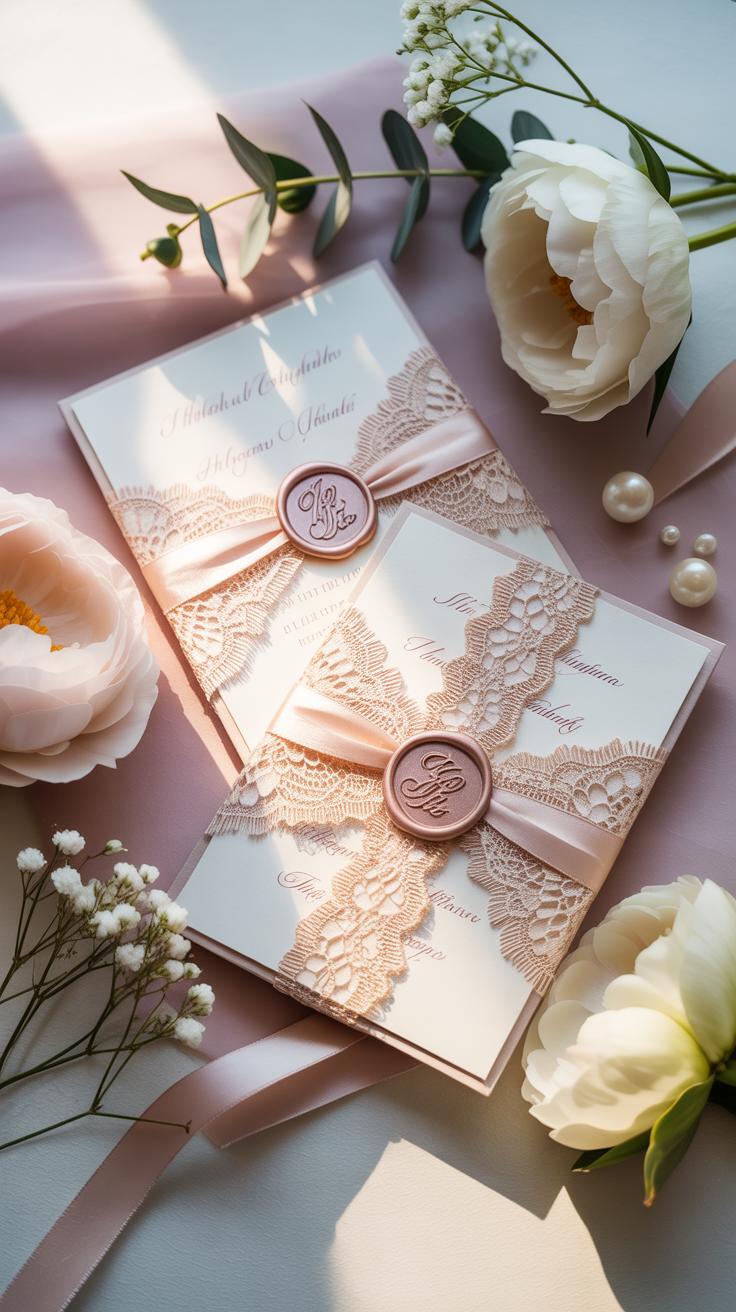
How To Layer Lace Wraps And Vellum Jackets With A Wax Seal Closure
Lace wraps provide texture while vellum jackets offer structural support. Start by folding the lace wrap tightly around the invitation card. Place the vellum jacket over the lace to hold the delicate fabric in place. This layering prevents the wax from seeping into the lace fibers. Proper alignment ensures the seal sits on a flat surface. Sharp edges create a professional look.
Apply the wax seal directly onto the vellum overlap. The vellum acts as a thermal barrier for the lace underneath. Choose a high density glue gun wax for the best bond. Press the seal firmly for ten seconds to ensure a clean impression. This technique secures the entire suite without using messy adhesives. It keeps the invitation components organized during transit and handling.
Ribbon And Twine Tie Styles That Work Beautifully With Lace And Wax Seals
Ribbon and twine add security to lace wedding invitations. These materials bridge the gap between the soft lace and the hard wax. You must choose a tie that can withstand the heat of the wax. Natural fibers provide the best grip for the seal. Synthetic ribbons may melt if the wax is too hot. Test your materials before starting the bulk assembly.
- Silk Ribbon: Use a hand frayed silk ribbon for a soft finish. The organic edges complement the intricate patterns of the lace. Lay the ribbon flat under the wax to ensure a flush seal that will not pop off during mailing.
- Polished Twine: This material provides a rustic contrast to formal lace wraps. It holds the wax seal firmly due to its rough surface. Wrap the twine twice around the invitation to create a wide enough base for the wax disc.
- Velvet Ribbon: Choose thin velvet for a high end tactile experience. The pile of the fabric creates a deep recess for the wax to settle into. Use a slightly larger wax stamp to account for the thickness of the velvet material.
- Cotton Cord: Clean cotton cord offers a modern look that stays secure. It is heat resistant and bonds well with traditional flexible wax. This style works best for outdoor or garden themed weddings where lace is a primary design element.
- Metallic Thread: Thin metallic threads add a subtle flash of gold or silver. Run the thread through the lace motifs before applying the seal. This technique integrates the closure into the fabric design for a cohesive and sturdy final product.

Position the tie across the center of the lace wrap. Knot the material once to create a flat surface. Pour the wax directly over the knot to lock the tie in place permanently. This method prevents the ribbon from sliding off the invitation. A centered seal provides the most balanced aesthetic. It also ensures the envelope remains flat for standard postal processing.
Matrimonio AllAperto Wax Seal Invitation Ideas For Outdoor And Garden Weddings
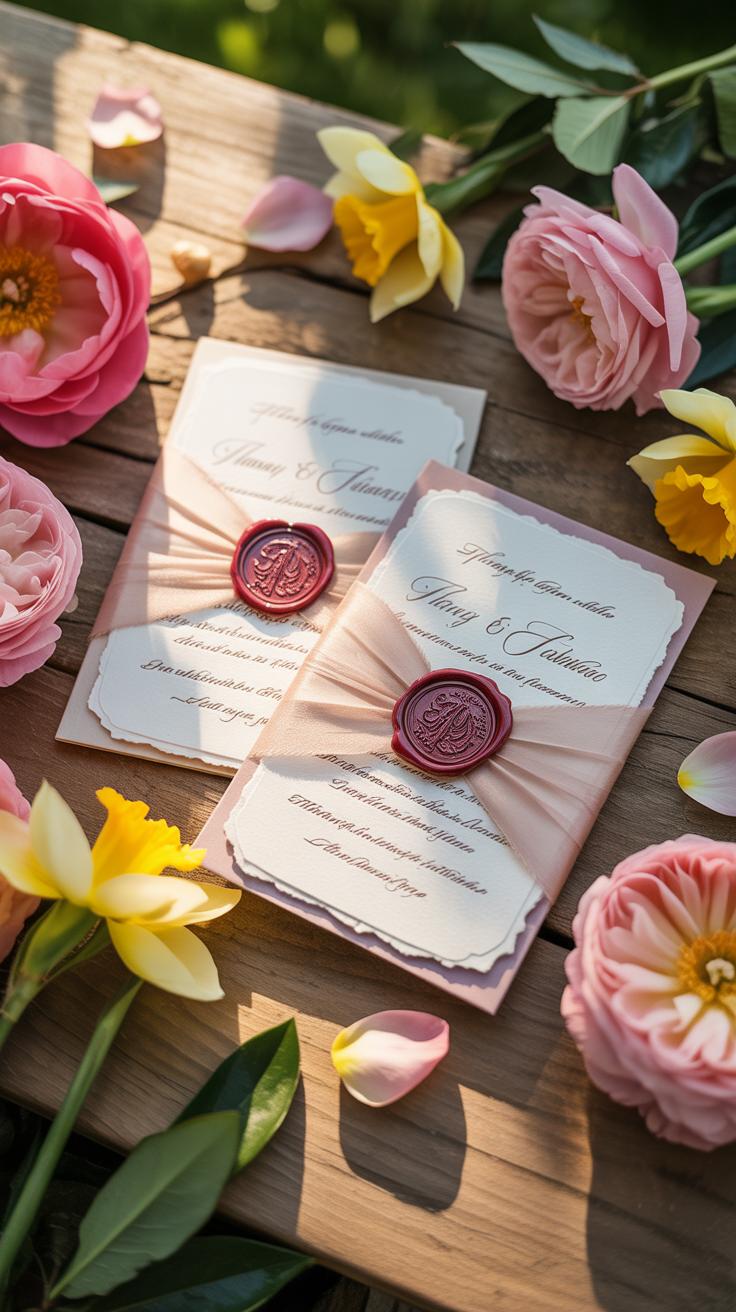
Earthy Tones, Botanical Motifs, And Natural Textures For Outdoor Celebration Invites
Outdoor weddings require a visual connection to the landscape. Use muted earthy tones like sage green, terracotta, or dusty slate for the wax. These colors ground the invitation suite in a natural aesthetic. Avoid high-gloss finishes that look artificial. Choose a matte wax or a vellum finish to mimic organic textures found in nature. This approach ensures the design feels integrated rather than forced.
Select botanical seal stamps featuring accurate line art of ferns, eucalyptus, or olive branches. These motifs align with the garden setting. Pair the seal with raw materials like handmade deckled edge paper or linen twine. This combination creates a tactile experience for the guest. The texture of the paper and the weight of the wax set a formal yet grounded tone for the event.
How To Weather Proof And Package Wax Seal Invitations For Outdoor Event Mailing
Direct sunlight and high heat can soften traditional beeswax-based seals during transit. Use modern flexible sealing wax made from resin and plastic polymers. This material does not crack or melt in standard sorting machines. It survives high temperatures in mail trucks and sorting facilities. Always test the bond between the wax and your envelope paper. Ensure the seal stays attached during rough handling by postal equipment.

Place the wax sealed invitation inside an outer mailing envelope to prevent damage. This layer protects the seal from scuffs and prevents it from snagging on postal sorters. Use a rigid cardstock insert to keep the invitation flat. This prevents the wax from snapping if the envelope bends. Request hand-canceling at the post office to bypass heavy machinery. This step ensures the wax seal arrives in original condition.
Wedding Invitation Inspiration Where To Source Custom Wax Seal Designs
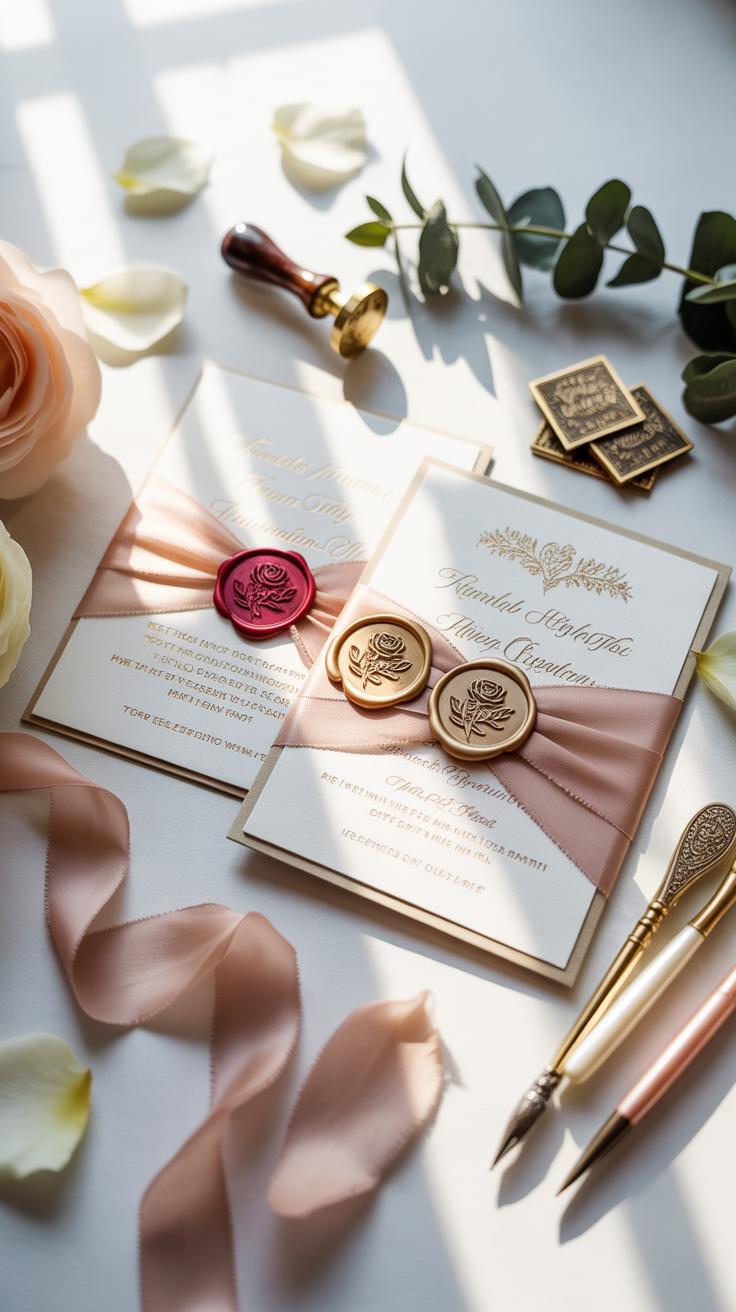
Top Platforms And Artisan Makers Crafting Custom Wax Seal Stamps For Weddings
Custom wax seal stamps require precision engraving on brass or copper heads. High-end stationery designers often use boutiques like Artisaire or Wax Seals for production. These firms allow couples to upload unique monograms or family crests. Artisan makers on Etsy also offer hand-carved options for a more rustic feel. Quality stamps feature deep grooves to prevent the wax from sticking during the cooling process.
Professional engraving ensures clean edges and detailed imagery on every impression. Choose vendors who provide rosewood or turned metal handles for better grip and heat control. Avoid cheap plastic options that lack the weight needed for a steady press. Reputable shops provide digital proofs before manufacturing to ensure your design aligns with your wedding theme. Proper sourcing results in a tool you can use for years after the wedding.
DIY Vs. Professional Wax Seal Application: Pros, Costs, And What To Expect
DIY application involves buying a glue gun and flexible wax sticks. This method saves money but costs significant time. You must maintain a steady temperature to avoid scorched wax or bubbles. Expect a high failure rate for your first fifty stamps. Beginners often struggle with centering the design and managing the flow of material. Factor in the cost of wasted wax when calculating your total budget.
Professional application delivers perfect results with zero effort from the couple. Stationery studios use industrial tools to apply thousands of seals with exact consistency. Many brands now sell self-adhesive seals that look like real wax but peel and stick like labels. These pre-made seals save hours of labor and reduce postage risks. Choose professional services if you have a large guest list or a tight mailing deadline.
Frequently Asked Questions

What are wax seals, and why are they popular for wedding stationery?
Wax seals are decorative embellishments made by melting specialized wax and pressing a metal stamp into it to create a unique design. They have become a top trend for wax seal wedding invitations because they add a tactile, old-world charm and a sense of luxury. Couples love them because they instantly elevate a standard envelope, making the act of opening the invitation feel like a truly special and cinematic event for every guest.
How do I apply wax seals to my wedding mailing without them breaking?
To ensure your wax seal wedding invitations arrive safely, use “flexible” sealing wax specifically designed for modern mail. Unlike traditional brittle wax, flexible versions contain resins that prevent cracking during postal sorting. When applying, pour a circle the size of a nickel, wait ten seconds, then press your stamp firmly. For extra protection, consider placing your sealed invitation inside a larger outer envelope to shield the delicate design from high-speed mail rollers.
Are wax seals expensive to incorporate if I am on a tight budget?
Adding high-end flair doesn’t have to be costly if you utilize clever alternatives. While custom metal dies can be pricey, using stock botanical or monogram patterns is much more affordable. To save time and money, you can also purchase “peel-and-stick” adhesive seals. These pre-made accents offer the same luxurious look as hand-poured wax but are often cheaper to buy in bulk and require no additional equipment or specialized melting tools.