The Unseen Advantage Of Winter Elopement Photography
When Soft Light Becomes Your Only Lighting Crew
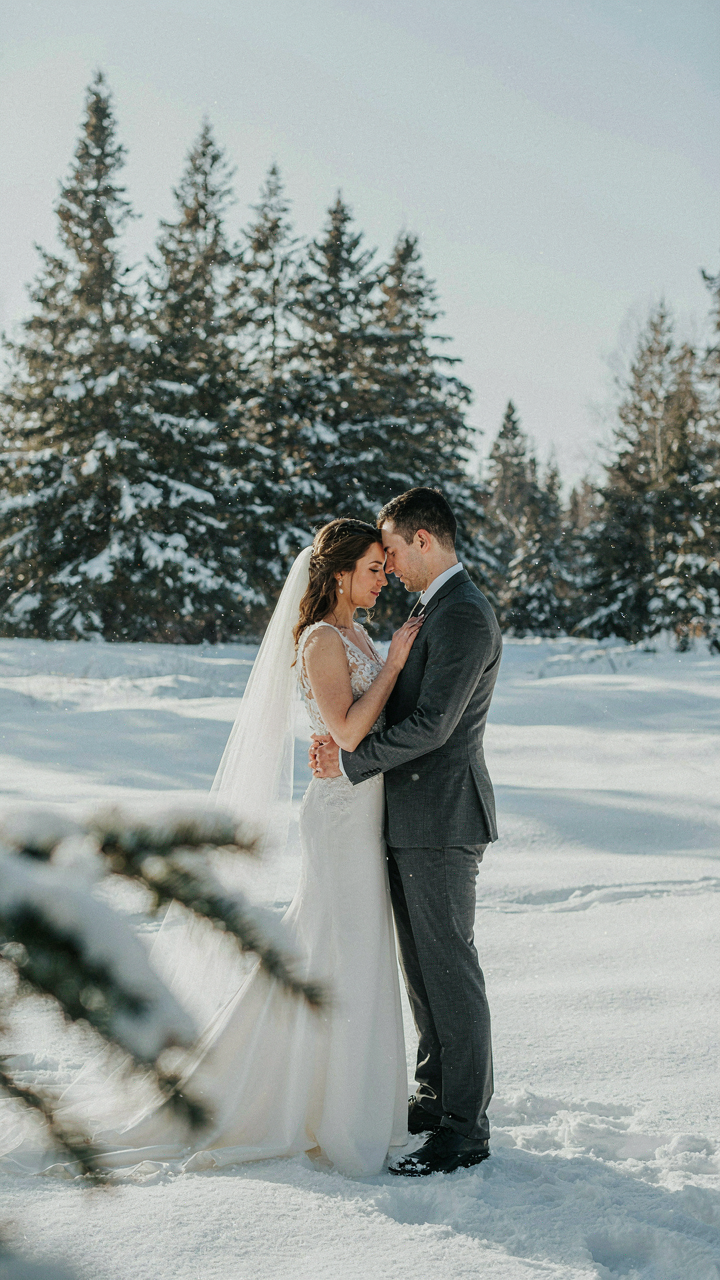
You want your photos to look effortless. That’s the real reason you care about this section. Here’s the mechanism: winter photography operates on the principle of diffusion borrowed from physics. Snow acts as a diffuser. Harsh direct sunlight scatters across the white surface instead of creating shadows on your face. The sun sits lower on the horizon during winter months, which means light travels through more atmosphere before reaching you, softening it further.
Summer photography demands reflectors, fill flash, or positioning to manage shadows. Winter does that work for you. Overcast winter days create what film crews call flat light, which eliminates the need for equipment or technical positioning. Your photographer captures detail in skin tones without harsh contrast. Cloudy winter conditions become an asset, not a liability. The mechanism is simple: diffused light is forgiving light, and forgiving light makes your images look naturally polished.
Landscape Does The Heavy Lifting
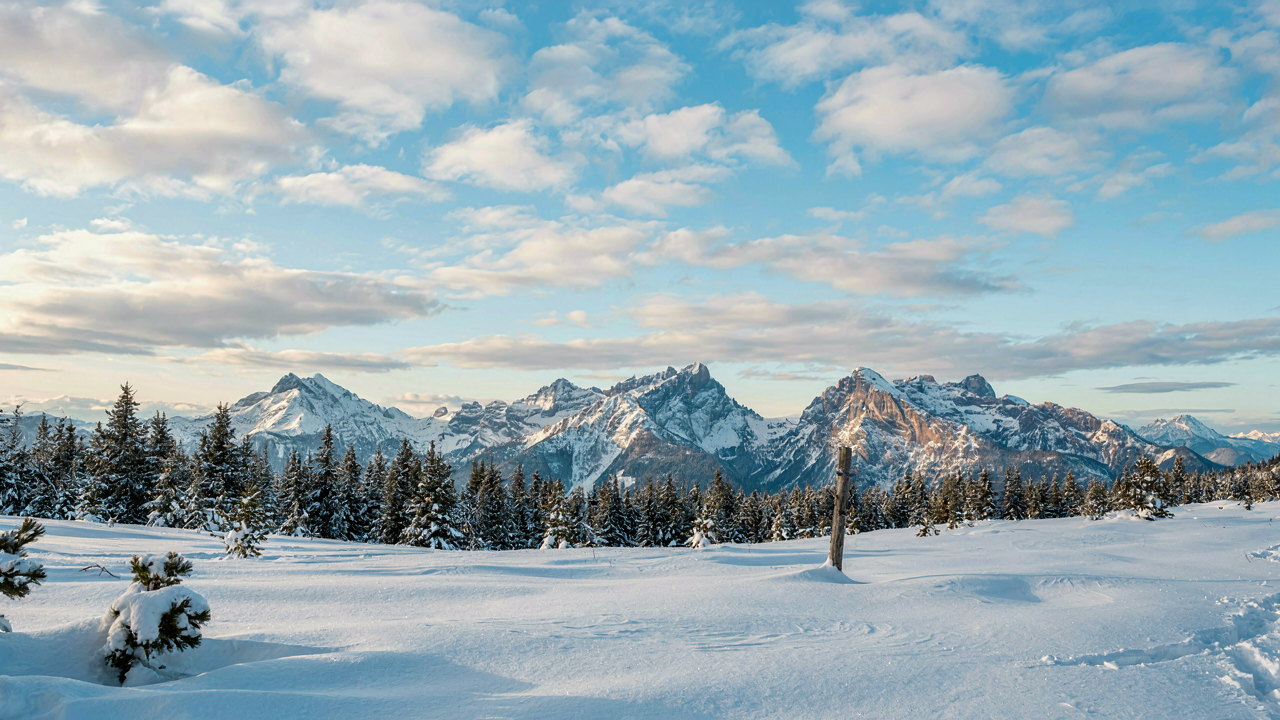
Nature provides drama in winter without requiring props, styling, or rental fees. A snow-covered forest creates depth and texture that a blank summer field cannot match. Frost-laden branches, snow drifts, and bare tree silhouettes give your photographer compositional structure.
The backdrop isn’t just pretty. It solves a core wedding photography problem: providing scale and context without distracting from you. Summer elopements often require carefully chosen locations because empty grass photographs as empty. Snow transforms ordinary terrain into distinct visual planes. Your photographer positions you against layered snow, trees, and sky, and the image reads as intentional. Booking a location with varied elevation and tree coverage ensures your photos don’t flatten into a single visual plane.
Weather As A Feature, Not A Flaw: The Stoic’s Guide
Control The Variables You Own
You want snow to feel intentional, not like something that happened to you. That’s the real anxiety here. Stoicism teaches negative visualization: you assume the worst outcome, then prepare for it so thoroughly that you stop fearing it. Apply this to weather. You can’t control snow falling. You can control your location choice, timing, backup shelter, and timeline padding.

Pick a venue with indoor overflow space. Choose a date range, not a fixed date, so you reschedule without losing deposits. Scout the location in winter beforehand if possible. Hire a photographer who shoots winter regularly and understands how snow changes light and exposure. These aren’t contingency plans. They’re your actual plan.
Layers Win Every Time
Winter elopement photos fail when people prioritize looking good over staying functional. Layers are not optional. They’re the difference between sharp images and images of people who are cold and miserable.
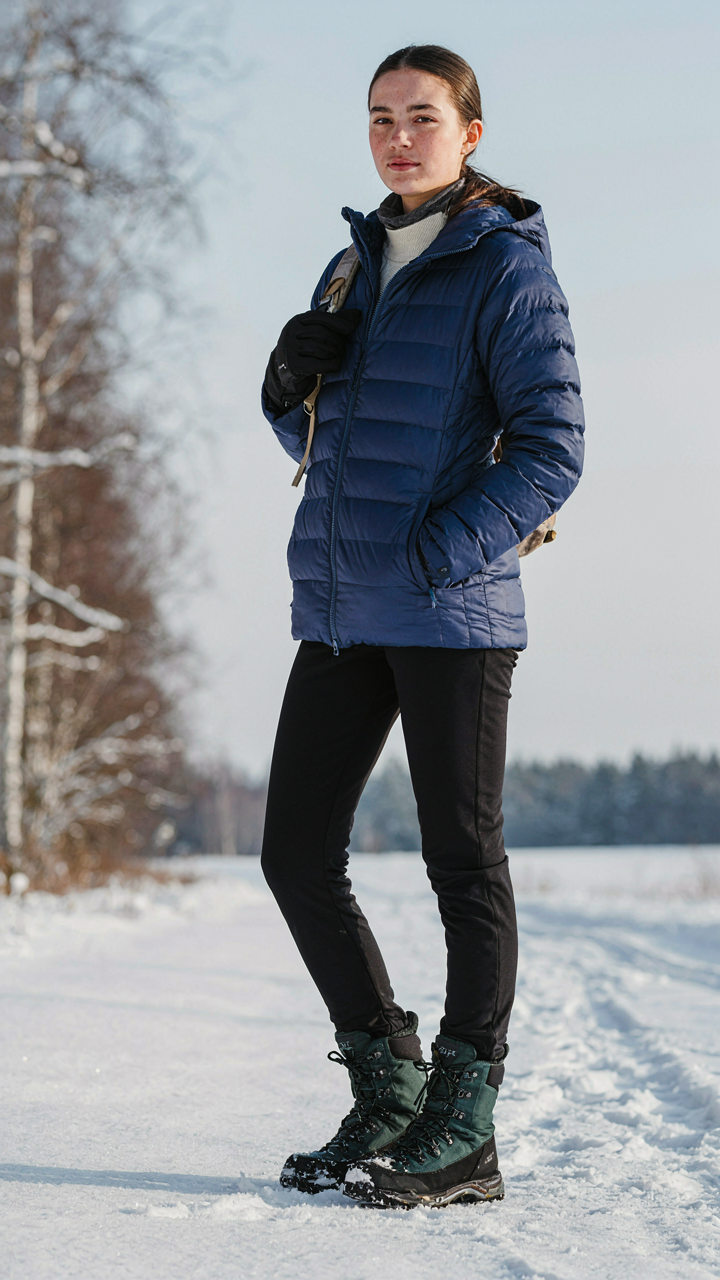
Wear merino wool base layers under your outfit. Merino regulates temperature and doesn’t smell when you sweat. Add a structured coat that reads well in photos without looking like you’re headed to the slopes. Boots need genuine winter traction and insulation, not fashion boots that fail at two thousand feet. Your partner wears the same system. A photographer in layers stays alert and shoots better. Cold hands fumble camera settings.
The Minimalism Protocol For Snowy Wedding Aesthetic
Decide What Actually Matters
You want this to feel intentional, not bare. That’s the real fear underneath the minimalism talk. Snow already does the heavy lifting visually, so your job is identifying which elements move the needle on the actual experience and cutting everything else. Think like an engineer applying constraint optimization. In winter elopements, constraint is your tool.

Start with non-negotiable touchpoints: the two of you, legal witnesses if required by jurisdiction, someone to photograph or film, shelter from elements, and heat source. Every other item competes for inclusion. Ceremony location, reception format, florals, favors, music, catering—each gets interrogated. Does it change the memory? Does it solve a logistics problem? If the answer is no, it doesn’t make the cut.
Every Detail Pulls Its Weight
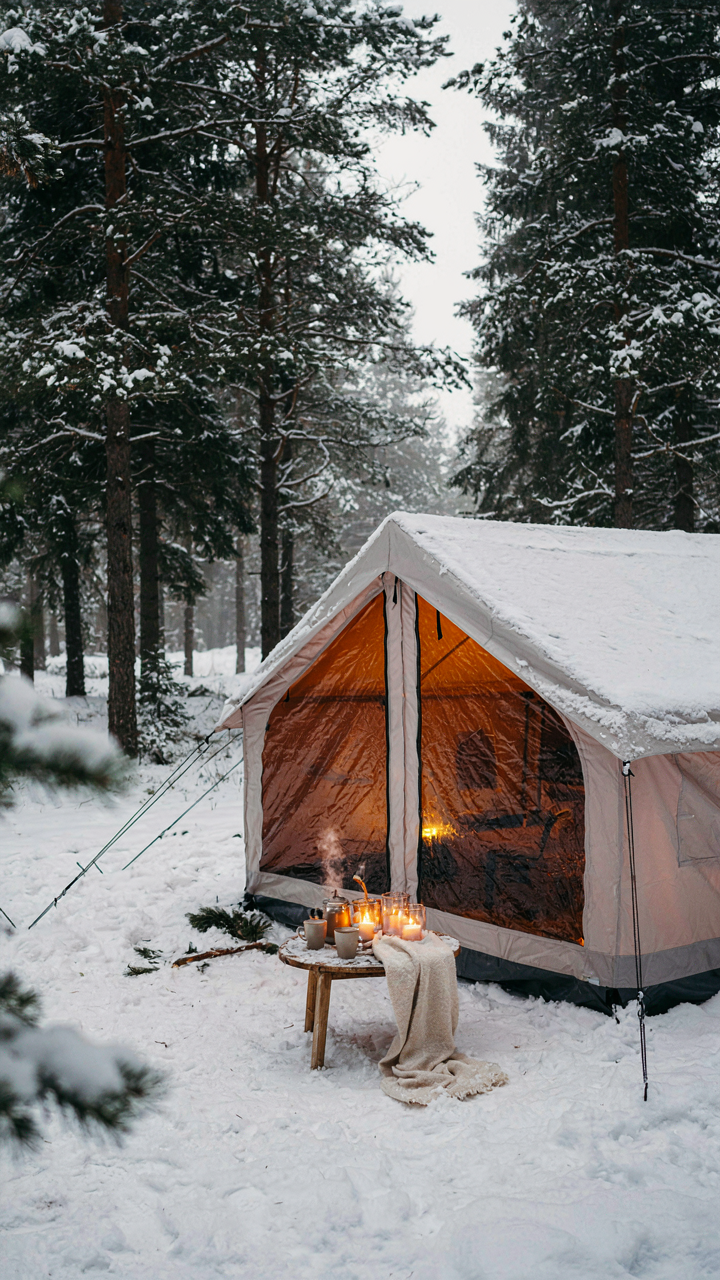
The advice to “keep things simple” misses the point. Simple isn’t a style choice—it’s a filtering mechanism. Each remaining element must serve function or atmosphere, never decoration alone. A bonfire isn’t romantic filler; it’s warmth and focal point. Plaid blankets aren’t nostalgic props; they’re insulation and visual definition against white snow.
Map your venue, weather conditions, and guest movement. Identify friction points: where do people stand? Where do they freeze? Where does the eye naturally land? Your selections fill those gaps. Heated tent with clear panels maintains shelter while preserving views. Hot beverages serve temperature regulation and ritual. Candles in glass holders provide light and wind protection simultaneously. Every choice compounds, eliminating the need for filler that dilutes impact and stretches budget.
Logistics Are Your Only Priority: Winter Wedding Photo Ideas
Route Planning Beats Scenic Dreams
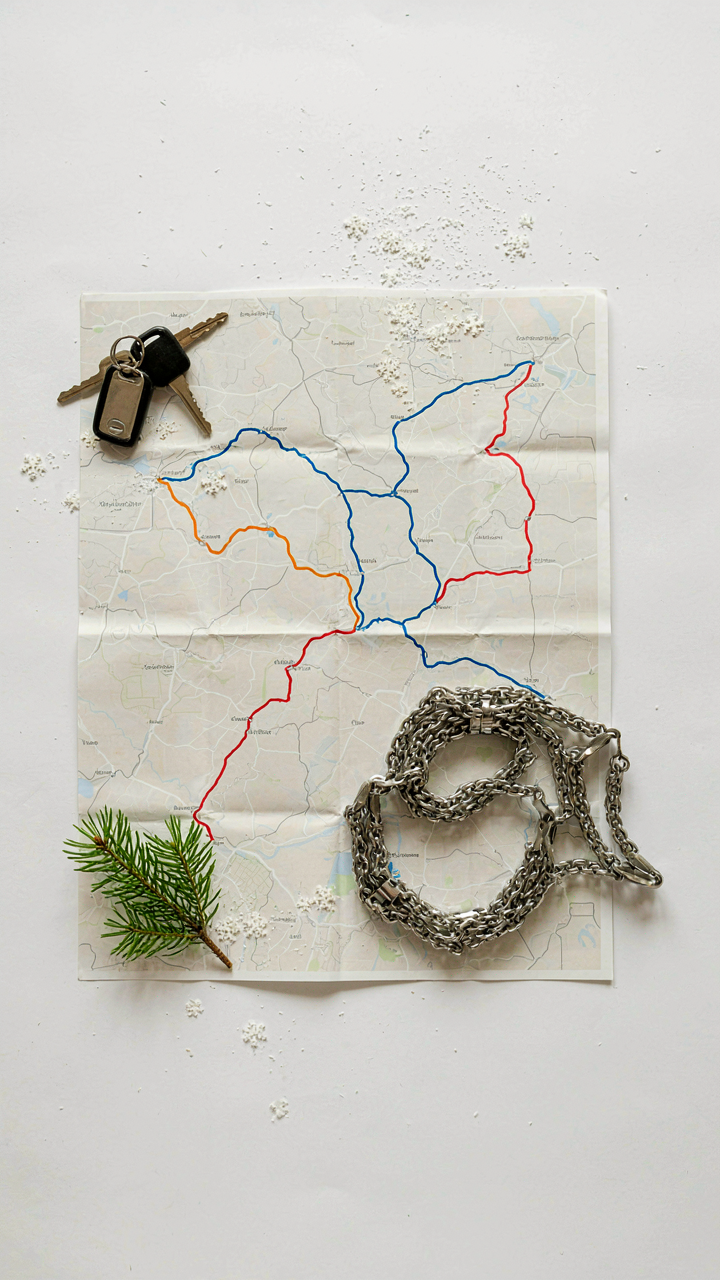
You want the photos to look untouched and remote because that feels exclusive. The mechanism is simple: inaccessible locations don’t stay inaccessible once snow falls. Winter closes roads without warning. You need actual maps showing which routes stay open, which ones the county prioritizes for plowing, and which ones lock down entirely after three inches of accumulation. Call the local highway department two weeks before your date. Get specifics on their snow removal schedule, not vague assurances.

Your photographer and guests can’t reach you if you pick a location based on summer Google Maps. Identify your primary route, your backup route, and your abort route before you book anything. Winter road conditions change hourly. The difference between a drivable pass and a closed one is often a single maintenance decision by someone you’ve never met. Confirm the venue has a winter access plan in writing.
Emergency Prep Isn’t Optional
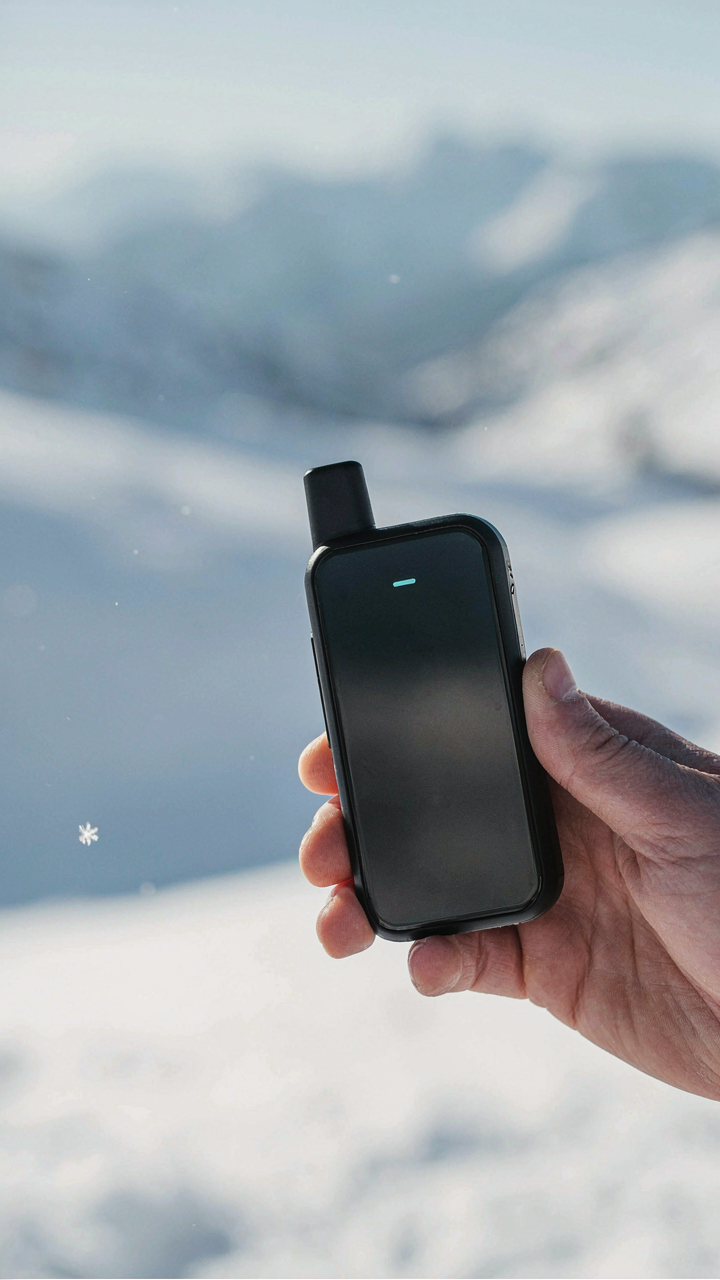
Most elopement advice skips this because it kills the fantasy. Weather contingency isn’t about caution, it’s about control. You cannot plan a winter event in a remote location without a satellite communicator, a charged power bank for all devices, and a clear protocol for when someone needs extraction.
Rent a satellite communicator like a Garmin InReach before your ceremony. Brief your photographer, officiant, and any guests on the abort signal and your nearest medical facility. Never rely on cell coverage in mountain valleys. Have your vehicle fueled to full capacity and carry tire chains rated for your vehicle’s weight. Pack an emergency kit in your car with blankets, a first aid kit, and high-calorie food. The specific action: text your abort plan to someone staying in town forty-eight hours before the ceremony.
Why “Small” Is The Ultimate Status Symbol: Winter Marriage
Presence Over Performance
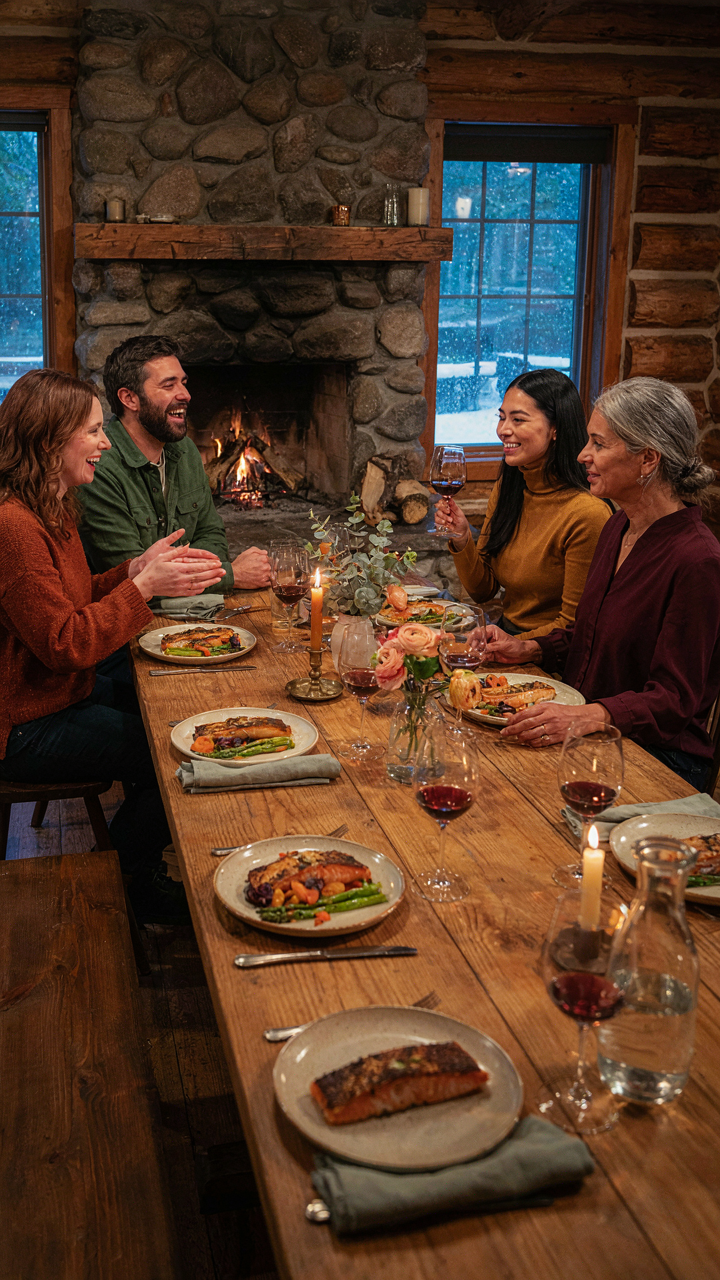
You’re reading this because you want permission to do less while looking like you did more. Here’s the mechanism: scarcity signals value. In economics, this principle applies to attention and time. A snowy winter elopement operates like a limited release—exclusivity compounds perceived worth. Fifty guests dilute your signal into background noise. Five guests concentrate it into something people remember for decades.

The conversation shifts when you remove the production. Instead of managing logistics and expectations across a sprawling guest list, you actually talk to the people present. You notice details. They notice you. That’s not sentiment—that’s the only form of connection that sticks.
Capital Redirect: Experience Over Apparatus
Conventional advice says you need elaborate venues, catering infrastructure, and vendor coordination to justify a wedding’s existence. That’s wrong. You’re confusing the wedding industry’s margin structure with actual value creation. Economics calls this opportunity cost: every dollar spent on spectacle infrastructure is a dollar not spent on the experience itself.
A snowy winter elopement with four people and a photographer costs a fraction of a conventional wedding, which means you can invest in what actually matters—travel to a location worth traveling to, quality accommodation, a professional photographer who has time for intentional work. You eat well. You stay somewhere beautiful. You get images you’ll revisit. The math is different when you’re not paying for an event apparatus.
The Mycelial Network Approach To Elopement Support
Build A Hidden Resilient Support System
You want this small because you fear judgment, not because you actually want to be alone. The mechanism is borrowed from mycology: fungi don’t build visible structures. They build underground networks that transfer nutrients and information between trees that appear independent. Your elopement logistics work the same way. You need hidden connectors, not a visible wedding infrastructure.

Most couples treat their elopement like a scaled-down wedding with fewer guests. Wrong frame. You’re building a distributed support network where each person solves one specific problem, knows their role precisely, and doesn’t need to coordinate with everyone else. The system works because it’s modular and underground.
- Logistics coordinator: One person manages timeline, travel, and location permits. They don’t plan aesthetics or emotions. Just logistics. One person, clear scope.
- Photography contact: Hire someone who’s shot winter elopements before. They handle their own weather protocols and timing. You brief them once, they execute independently.
- Meal provider or caterer: Whether it’s a local restaurant that delivers or a friend who meal-preps, assign one person who owns the entire food operation. No committees.
- Accommodation coordinator: One contact handles where everyone sleeps, how they arrive, how they leave. They own the travel layer completely.
- Backup weather handler: Someone designated to pivot the backup plan if conditions shift. They have authority to make calls without running approval up a chain.
Each node operates independently. The coordinator doesn’t need to know how the photographer plans their shots. The photographer doesn’t need to know how meals arrive. Information flows only where needed. This structure lets a small team handle complexity without meetings or consensus-building that kills momentum.
Identify Keystone Individuals Empower Their Roles
Most couples ask people to help, then don’t actually let them help. They over-explain, second-guess decisions, or create ambiguity about who owns what. This kills the network. A keystone individual is someone who takes one domain entirely and makes decisions inside it without checking back constantly.
Pick people who don’t need hand-holding. Not the most connected person or the most experienced wedding-planner type. Pick someone who has actually completed a difficult project under constraints and didn’t complain about the process. Give them their domain, a budget if money is involved, and clear success criteria. Then disappear. They text you updates, not for permission. You trust execution, not micromanage timing. This creates psychological ownership, which creates resilience when things shift, which they will during a winter event.
Beyond The Instagram Filter: Authentic Snow Wedding Moments

The Unplanned Shot Wins
You want proof that your wedding mattered. That’s why you care about this section. The mechanism is simple: your brain files away moments you didn’t stage. A photographer capturing your real reaction to cold air hitting your face registers as truth. A posed laugh doesn’t. Unscripted moments work because they bypass the viewer’s skepticism. The camera catches what you couldn’t fake if you tried. Your guests remember these moments because they happened naturally, not because someone directed them.

Stop telling your photographer to “get candids between poses.” That’s lazy direction. Real unscripted moments emerge when you build dead time into your timeline. Walk somewhere without a destination. Let your partner react to snow landing on their coat. These aren’t filler. They’re the actual substance of your day. Your photographer captures what happens when you stop performing, then those images become the ones people actually look at months later.
Feeling Over The Frame
Prioritizing feelings over poses isn’t spiritual advice. It’s a resource allocation problem. You have limited time, limited energy, and limited patience for standing in cold. Every minute spent contorting into a position you don’t like is a minute you’re not actually experiencing your wedding. That tradeoff has a real cost: you leave emotionally depleted instead of present.
The shift is mechanical. Before each photo, ask what you want to feel in that moment, not how you want to look. Holding hands while walking through snow feels different than posing with hands clasped. One registers as connection. One registers as instruction-following. Your photographer captures that difference. Tell them what emotional beat you’re going for, then let them frame it. You show up as yourself, not as a performer hitting marks, and the images reflect that distinction.
The Gear List For A Real Winter Elopement
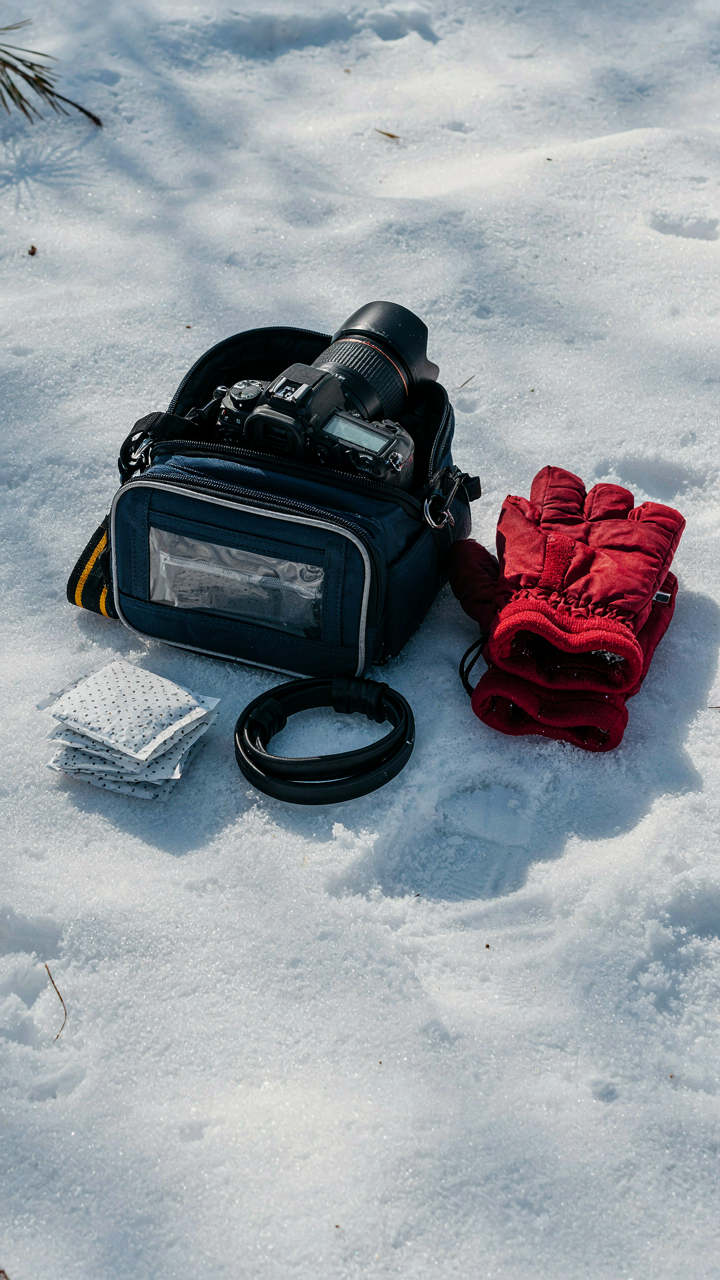
Layering System That Actually Works
You want to look good in photos without dying. That’s the real problem here, and it forces a choice most people avoid making. Think of thermoregulation like military logistics: you don’t send one massive supply shipment. You send multiple smaller units that coordinate. Each layer has a specific job. Base layers move sweat away from skin. Mid layers trap dead air. Outer shells block wind and moisture. This system lets you shed or add pieces as your body temperature and activity level shift throughout the day.
- Merino wool base layers: Moisture-wicking synthetic or wool base layer worn against skin to pull sweat away and maintain core warmth even when damp.
- Insulating mid layer: Fleece or down vest worn over base layer to trap warm air. Down compresses better for travel but loses insulation when wet.
- Waterproof outer shell: Jacket and pants rated for snow and wind. Gore-Tex or similar membrane prevents external moisture from entering while allowing internal sweat vapor to escape.
- Insulated boots rated to minus 20 degrees or lower: Rated temperature indicates how long feet stay warm in still air. Insulation must not compress under body weight or circulation stops.
- Mittens instead of gloves: Mittens keep fingers together to share heat. Gloves separate fingers, increasing surface area and heat loss. Choose mittens with removable liners for dexterity adjustments.
- Wool hat and neck gaiter: Head and neck have high blood vessel concentration. Covering them reduces overall heat loss significantly. Wool retains warmth even when wet, unlike cotton.

The common mistake is wearing too much static insulation and overheating during movement, then freezing during static photo moments. Build your outfit so you can layer down to your mid layer during exertion, then add the shell back for poses. Pack the removed pieces in a bag rather than leaving them behind. Your photographer should wear the same system so they can move freely without hypothermia cutting the shoot short.
Cameras And Lenses In The Cold
Winter conditions destroy camera batteries and fog optics. This isn’t theory. Lithium batteries lose 30 to 40 percent of their charge capacity in freezing temperatures due to reduced chemical reaction speed. Cold doesn’t permanently damage batteries, but it makes them useless temporarily. Mechanical cameras (film bodies) work better than digital in extreme cold because they have fewer electronics to fail. If you’re shooting digital, the real problem is condensation. When warm equipment moves from cold air into a warm vehicle, moisture forms on the sensor and lens elements. This ruins images instantly.
Your photographer needs a backup body and batteries, kept in an inside jacket pocket to stay warm. All batteries should rotate into pockets between shoots so they stay functional. Lenses fog when warm breath or condensation hits the glass. Your photographer should not remove lens caps in cold air. Seal camera bodies in waterproof bags with desiccant packs before moving between temperature zones. A fast lens (f/2.8 or wider) gathers more light in the dim winter conditions typical of December and January sunlight. Mirrorless cameras drain batteries faster than DSLRs in cold, so DSLRs are the safer choice if your photographer lacks cold-weather experience. Insist that all equipment stays in a heated vehicle between locations, then seals into waterproof bags before the next move.
Defying Expectations: Your Unique Snowy Wedding Aesthetic
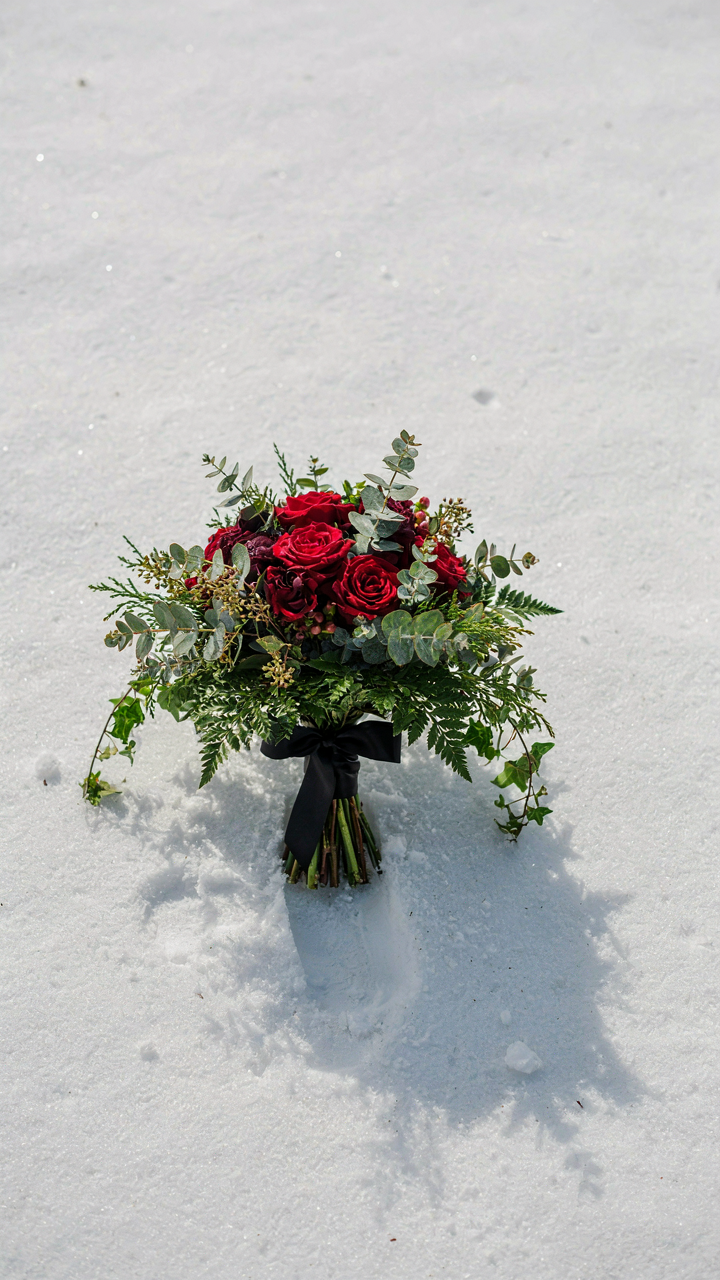
Stop Copying Pinterest Boards
You want permission to do something different without feeling like you’re making a mistake. Here’s the mechanism: trends exist because they’re easy to execute and photograph, not because they’re right for your actual situation. Winter elopements already reject the mass-market wedding playbook. Adding another layer of conformity on top of that defeats the entire point. Your venue, your light, your budget, your timeline are unique inputs. The aesthetic should reflect those constraints, not a template someone else built for different circumstances.

The common advice tells you to pick a “vibe” and commit to it. That’s incomplete. What you actually do is reverse-engineer from what you have access to and what you want to feel. A snowy forest demands different styling than a frozen lake. A midday ceremony needs different color strategy than a dusk shoot. Build your aesthetic from materials and conditions you’ll actually encounter, not from a mood board you found when you weren’t thinking clearly at 11 PM.
Own The Weather As Your Constraint
Military strategy uses the term “friction” to describe the gap between what you plan and what reality throws at you. In a snowy winter elopement, weather is your friction. Most couples try to minimize it, which means they end up with generic indoor backup plans or watered-down outdoor compromises. The better move is to make the snow itself non-negotiable and build everything around managing visibility, warmth, and movement within that reality.
This shifts the entire aesthetic conversation. Heavy snow isn’t a problem to solve. It’s a design parameter. It determines what fabrics work (matte finishes over shiny ones, because shiny reflects light in whiteout conditions). It determines your color palette (high contrast, not pastels that disappear). It determines your ceremony placement (windbreaks matter more than perfect light angles). When you stop fighting the weather and instead design for it, your wedding stops looking like every other winter elopement attempting to recreate summer conditions in snow.
The Only Thing Holding Back Your Winter Elopement Is Your Attachment To External Validation

You already know what you want. A snowy mountain. Your person. No crowd. The real decision isn’t about logistics or budget or weather. It’s whether you’ll choose what matters to you over what looks good to others. Stop asking permission from people who aren’t living your life. Text your partner right now with three dates this winter. Pick one. Done. The couple who commits wins, and the couple who debates loses.