The “Barn First” Fallacy: Your Venue Isn’t A Blank Slate
Work With The Structure You’re Renting
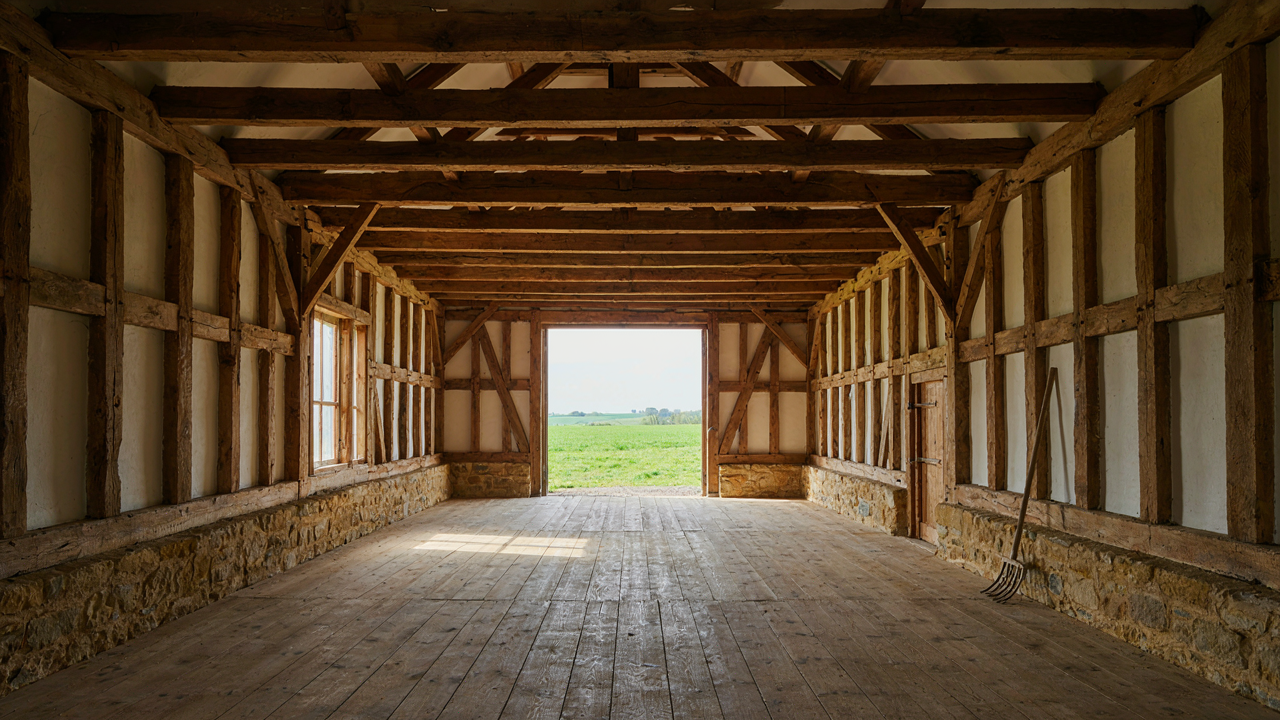
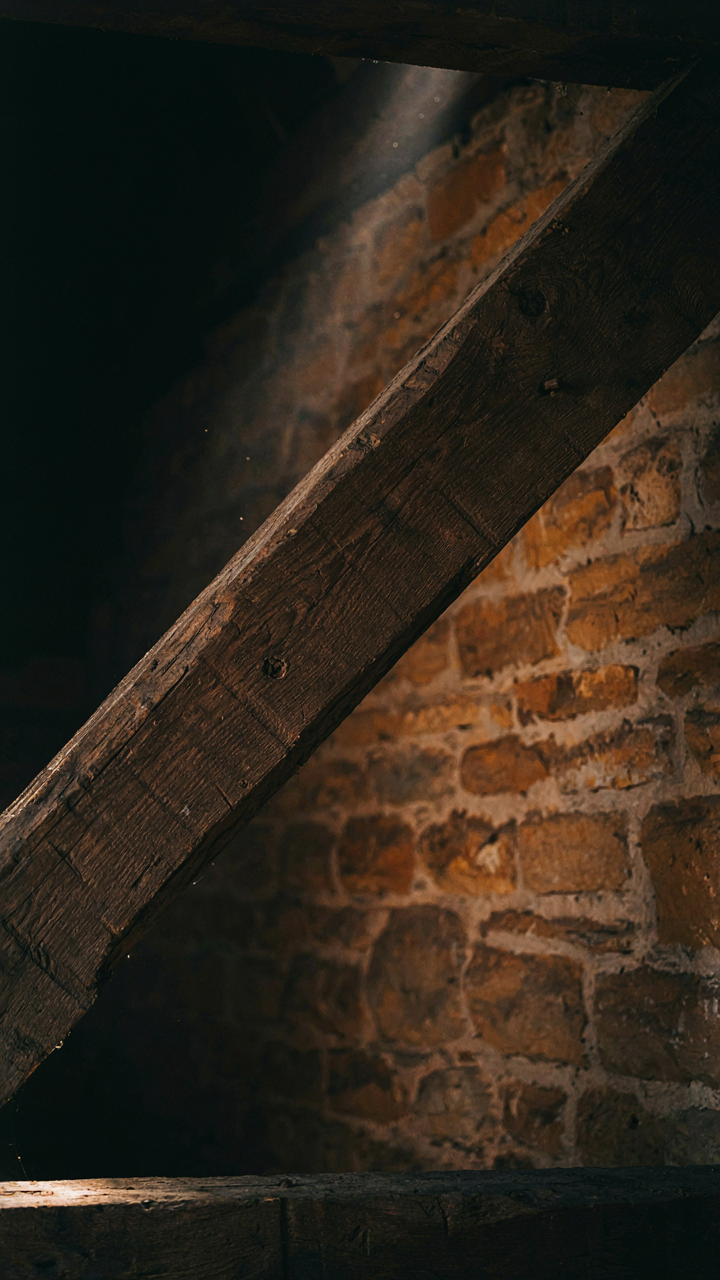
You want to believe the barn is a blank canvas because that feels like freedom. It’s not. The barn’s bones—wood beams, stone walls, metal roofing, weathered siding—are already doing the work. Treat this like constraint-based design from architecture: work within existing conditions instead of against them. A timber-frame barn has visual weight that swallows generic florals and uplighting. The mechanism is simple: your decorations either amplify what’s there or compete with it. Competing costs money and loses every time.
The exposed rafters, the stone foundation, the patina on the doors—these are not problems needing solutions. They’re the theme itself. Stop spending on elements meant to transform the space into something different. Barns have industrial heritage baked into their DNA. A hundred years of functional design is already your aesthetic. Your job is to recognize it, stop fighting it, and allocate budget toward elements that only work because the bones are strong.
Strip Away The Layering Impulse
The common advice says “add texture and warmth with decorations.” That’s incomplete. You add texture when the architecture lacks it. Barns don’t lack it. A bare beam is textured. Concrete floors read as textured. Metal fixtures catch light. Overlaying burlap, twine, mason jars, and hay bales onto this is visual noise masquerading as rustic. It’s actually the opposite—it signals you don’t trust the venue’s character, so you’re compensating with decoration.
The real strategy comes from subtraction. Identify three architectural elements you want to emphasize: weathered wood, exposed stone, or period fixtures. Light them well. Clean them. Leave the rest alone. This isn’t minimalism, it’s prioritization. Couples who do this spend 40 percent less on decor than those who layer consensus rustic onto the space. Your concrete savings: pick one focal element per room and spend your decoration budget there instead of spreading it thin across everything.
Strategic Inversion: DIY Isn’t Always Cheaper
The Real Cost Of Doing It Yourself
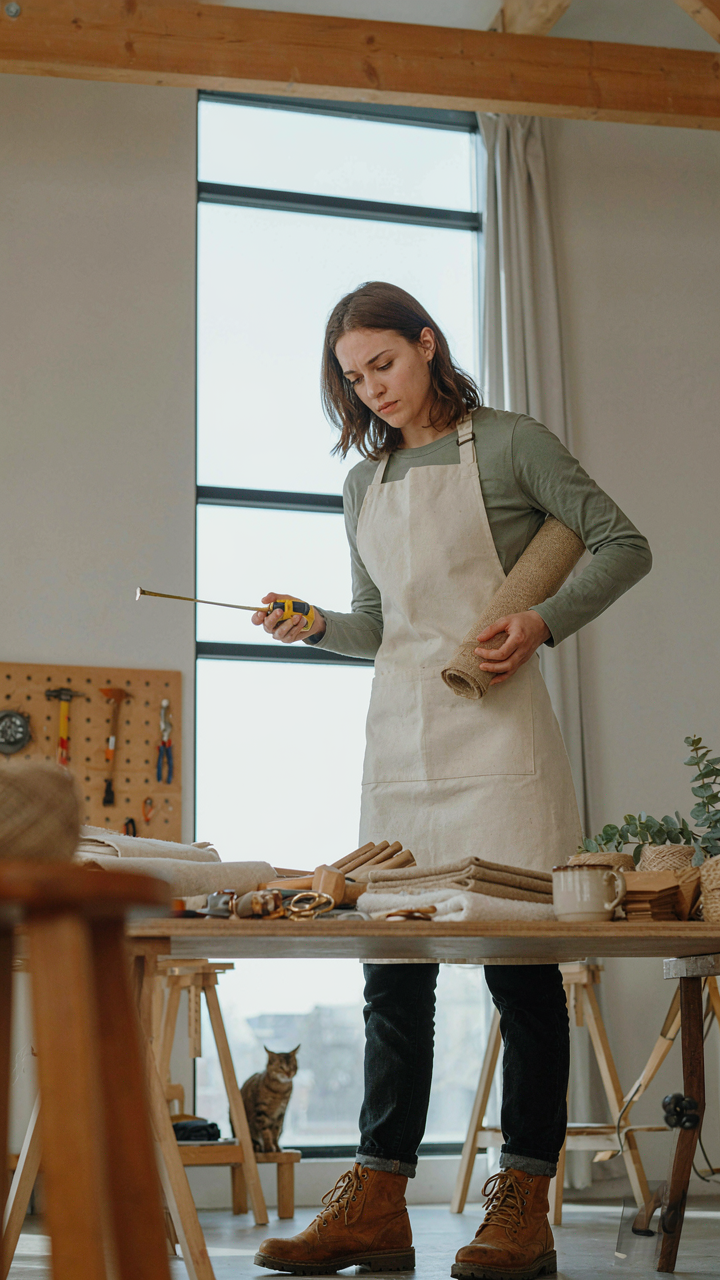
You want to save money. That’s the real reason you’re reading this. The mechanism at work here is opportunity cost, borrowed from economics: every hour you spend building, decorating, or coordinating is an hour you’re not earning income or managing actual wedding logistics. DIY cuts into both. Most couples underestimate how many hours a rustic barn wedding demands. Building hay bale seating arrangements, stringing Edison bulbs, constructing wooden signs, arranging florals, and coordinating day-of logistics easily consume 80 to 120 hours across several months. At an effective hourly rate of $25 to $50, you’re already spending $2,000 to $6,000 in hidden labor before supplies.

The second trap is material waste and bulk purchasing. You cannot buy 50 yards of burlap table runner the same way a rental company does. You pay retail markup. You buy more than you need because vendors don’t sell in wedding-specific quantities. You make mistakes on first attempts and buy replacement materials. A couple attempting centerpieces from scratch often spends 40 percent more than hiring someone who buys in volume and executes without trial runs.
When Outsourcing Beats The Math
The common advice says hire professionals for everything. That’s lazy. The real rule is simpler: outsource what requires volume purchasing or specialized equipment, and what mistakes cost you more than the labor fee. A florist buying wholesale roses costs half what you pay retail, even after their markup. A rental company owns tables, chairs, and lighting infrastructure. You rent it for $300 to $600. Buying it costs three times that. Edison bulb stringing takes hours; a lighting company does it in 90 minutes.
Do the calculation coldly. If a task costs $800 to outsource and costs you $400 in materials plus 20 hours of labor, outsource it. Your time has value. The mistake couples make is treating DIY as virtuous rather than mathematical. A barn wedding saves money through venue choice and guest count, not through sweat equity on decorations. Identify which vendors operate at true scale, lock those in, and DIY only what has zero learning curve or material waste risk.
Curated Chaos: The Anti Pinterest Protocol
Stop Copying Other People’s Barns
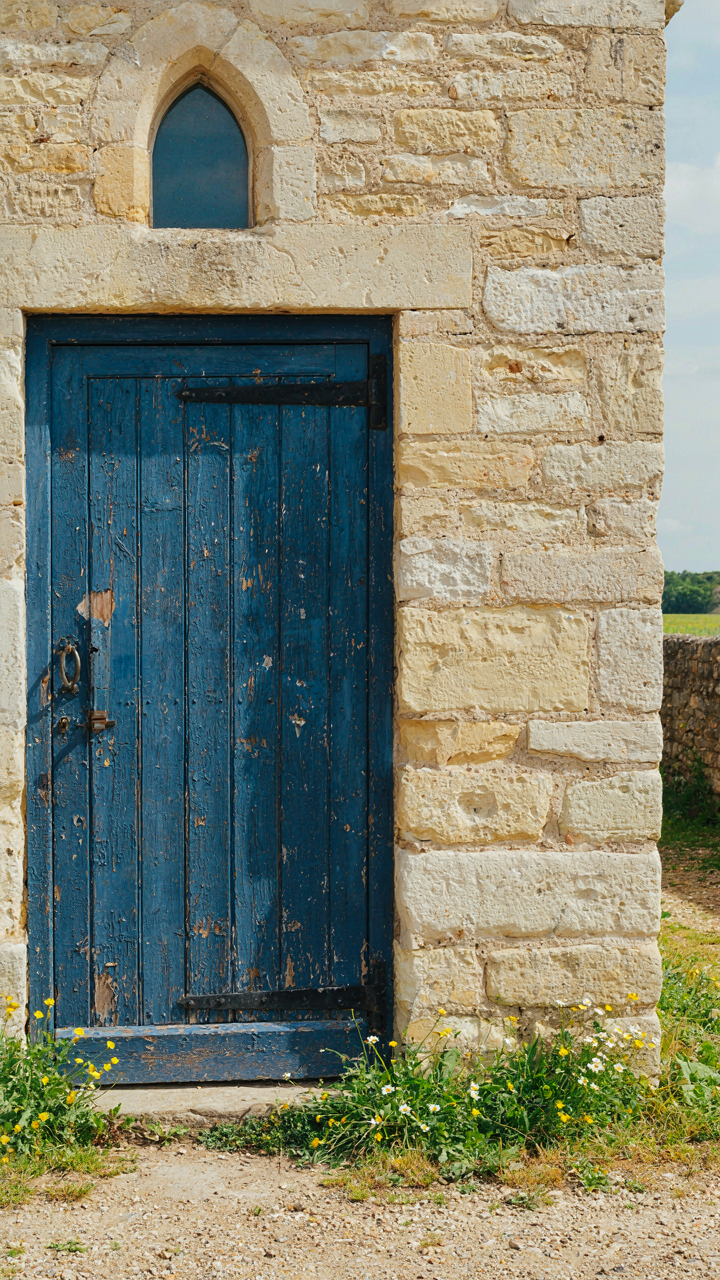
You want the aesthetic without the financial recklessness everyone else displays on social media. Here’s the mechanism: most couples treat “rustic barn wedding” as a fixed template they must execute identically. It’s not. Rustic is a range, not a rulebook. Your barn’s actual condition, location, and history are free variables nobody else can replicate. The couples bleeding money are the ones fighting their venue’s bones instead of working with them. Your authentic constraint is cheaper than anyone’s curated perfection.
Define what “rustic” means to your specific situation before you spend a dollar. If your venue is a converted dairy operation from the 1950s, lean into agricultural history, not generic farmhouse staging. If it’s a newer timber-frame structure, the aesthetic demands different details. The mechanism is simple: specificity reduces waste. When you know exactly what story your space tells, you stop buying decorative items that contradict it. You’re designing for coherence, not coverage.
Real Decay Costs Less Than Fake Weathering
The design world has spent decades selling you the lie that rustic means “distressed and artfully broken.” Wrong. Authentic rustic means using materials and spaces exactly as they function, not performing brokenness for the camera. Real aged wood beams in an actual barn cost nothing extra because they’re already there. You’re not adding distressed finishes or faux-vintage props. You’re removing obstacles between the space and the light.
Stop sourcing decorative elements that pretend to be old. A mason jar from the dollar store styled as a “rustic centerpiece” signals that you’re faking it. Instead, work with what exists: weathered doors that actually hinged somewhere, authentic fencing, real stone. Your budget multiplies when you stop treating the venue like a blank canvas requiring layers of purchased atmosphere. The venue itself becomes the design. You arrange it, light it, and let it work.
The “Pallet Project” Paradox: When Upcycling Becomes Overspending
Source Materials Wisely; Cost Of Time And Effort
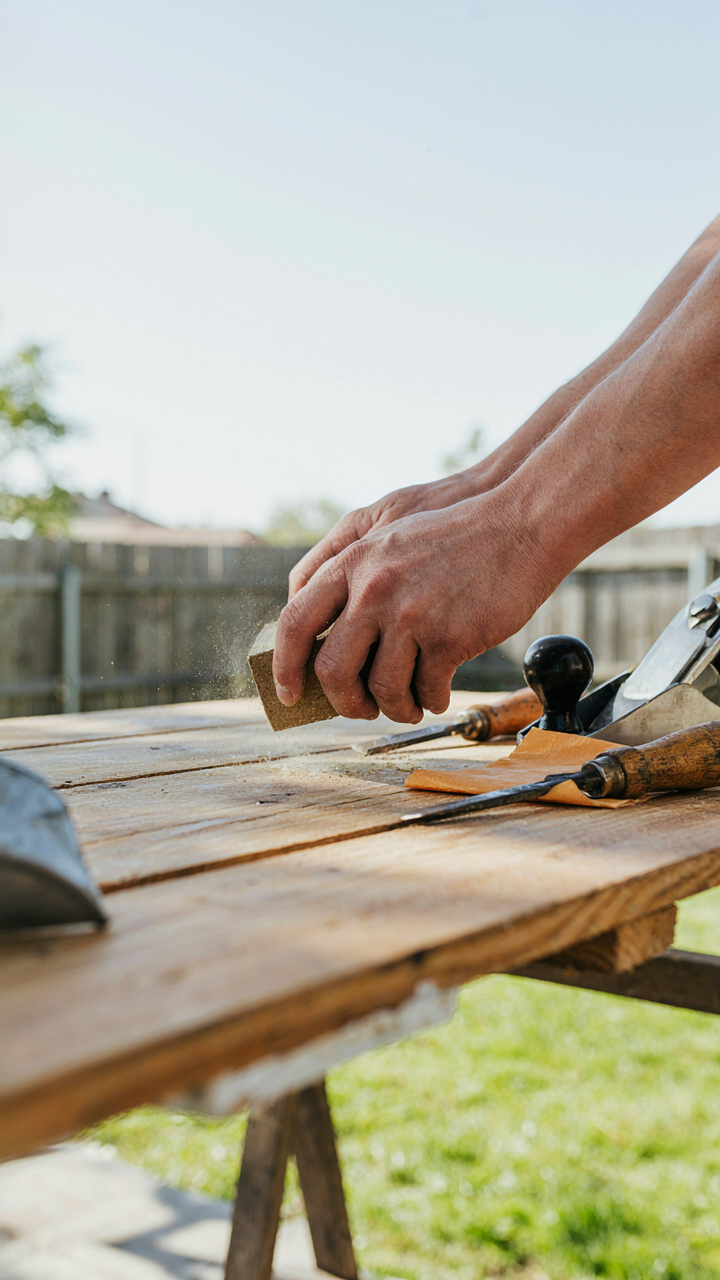
You want free pallets to feel like you’re beating the system. The mechanism is simple: you’re trading money for time, and you’re losing that trade. Sourcing pallets costs nothing until you factor in pickup, cleaning, sanding, staining, transport, and assembly. A single pallet project consumes 6-12 hours of labor. At that rate, you’re manufacturing cost, not eliminating it. Free materials don’t make a project cheap.

The real constraint on barn wedding budgets isn’t materials—it’s labor hours. Every hour spent DIY-ing pallet signs or rustic centerpieces is an hour not spent on revenue work or on vendors who actually specialize in rapid execution. Calculate your opportunity cost before you commit to salvage projects. If you make $50 per hour, a twelve-hour pallet project costs you $600 in foregone income, plus materials. That pallet wall isn’t free anymore.
High Impact Projects Worth The Effort
Pallet projects work only when the payoff justifies the time spent. Focus on visibility first: projects guests actually notice and photograph create perceived value that justifies your labor. Shallow projects that require heavy lifting but produce minimal impact should be cut entirely. The barn’s structure and lighting matter more than three dozen hand-assembled centerpieces no one remembers.
- Pallet Seating Platforms: Pallets stacked and dressed with cushions create functional bar or lounge zones. Guests interact with them directly, making labor investment proportional to actual use and visual impact.
- Entrance Archway: A pallet frame covered with greenery or fabric creates a high-visibility focal point. Photographs consistently, requires one assembly day, and frames the entire event experience.
- Elevated Head Table Base: Pallets stacked beneath tablecloths create stage height for the couple without custom carpentry. One afternoon build, immediate visual authority in the room.
- Bar Front Facing: Pallet slats create a finished appearance for rented bar tables. Simple horizontal arrangement, no structural complexity, major visual upgrade for minimal time investment.
- Serving Station Structure: Pallets support tiered display surfaces for food or drinks. Functional and visually distinct, justifies the effort because it performs a real job beyond decoration.
Only build pallet projects when they serve dual purposes: seating, storage, or structural elevation. Decorative-only pallets waste your time and your budget. Assign projects based on visibility and function, not on whether materials are free. The money you save on pallets means nothing if you spend forty hours building them.
Lighting As Leverage: Atmosphere Over Accents
Where Light Creates Zones
You want people to feel like they stumbled into something intentional, not cheap. That’s the real reason you care about lighting strategy. The mechanism is simple: light doesn’t decorate space, it divides and defines it. In physics terms, you’re using focal points and ambient fields to control visual hierarchy. A barn’s open floor plan is a liability until you weaponize shadows and brightness to carve distinct zones without building walls.
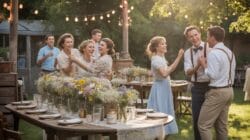
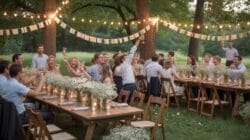
Most couples waste money on string lights draped everywhere, hoping coverage equals atmosphere. That’s backward. You place lights to make guests perceive boundaries. Edison bulbs strung along the perimeter of a dance floor don’t just look good, they tell your eye where the action lives. The same bulbs scattered across the ceiling do nothing but drain your budget. Strategic placement beats volume every single time.
The Physics Of Direction And Glow
Illumination isn’t decoration, it’s architecture. In design, we borrow from theater lighting: key light, fill light, back light. Your barn needs one focal area hit hard (the head table or dance floor gets 60 percent of your lighting budget), one moderately lit zone (cocktail area, 25 percent), and one ambient glow (everything else, 15 percent). This distribution makes expensive lighting look abundant while using fewer fixtures than generic plans suggest.
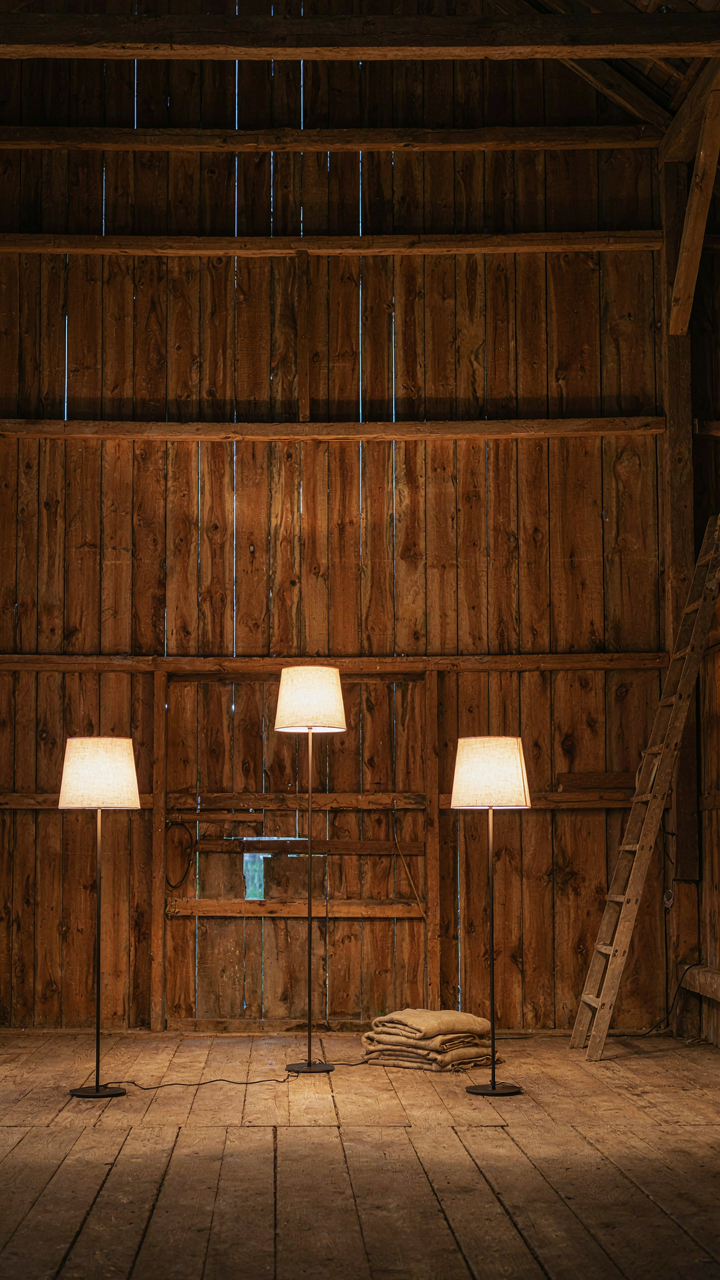
The ambient glow is where you save real money. Instead of individual uplighting on every surface, use two or three tall floor lamps with warm bulbs positioned to wash light across the barn’s walls. The walls themselves become your light source, not the fixtures. Guests experience fullness without seeing the mechanics. Your final step: test this at 8 PM one week before the wedding. If any zone reads as dark or the transitions feel harsh, add one fixture. If it reads as balanced, stop. Adding more at this stage is waste.
The Vendor Vetting Matrix: Beyond The Brochure
Bundled Packages Trap Your Negotiating Power
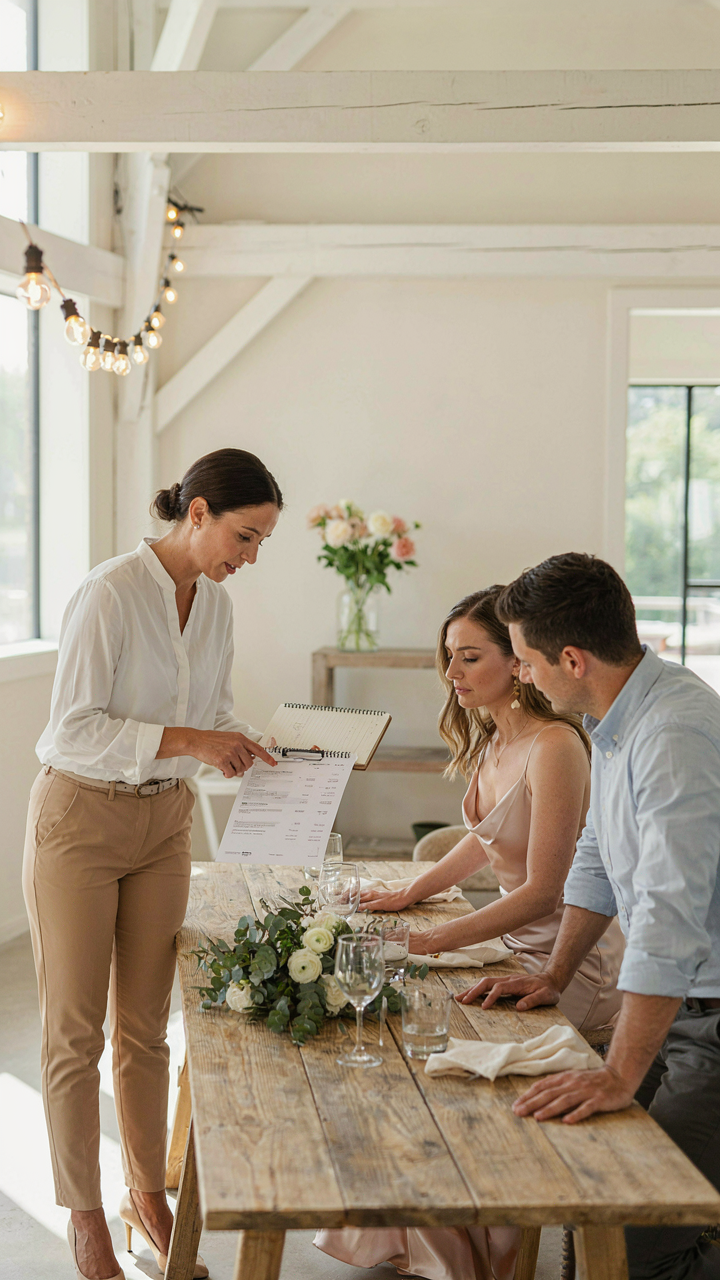
You want the all-in-one option because it feels safer and simpler. That’s exactly why vendors package things that way. Bundled pricing works like price anchoring in economics: the vendor sets a single number high enough to absorb services you don’t need, then makes à la carte pricing look worse by comparison. You can’t negotiate what you can’t see itemized.
Break every bundled package into line items before comparing quotes. A catering company bundling setup, service, rentals, and bar together at fifteen thousand dollars might charge you six thousand for service alone if you already own tables. Demand the vendor separate each component. This exposes their actual cost structure and reveals where they’re inflating margins. Suddenly negotiation becomes possible because you’re not buying their pre-designed bundle.
Hidden Fees Hide Your Real Number
Most barn wedding budget overruns aren’t surprises. They’re fees vendors buried in contracts that nobody reads until signing. Common traps include travel surcharges for rural venues, equipment rental minimums that weren’t mentioned in the initial quote, mandatory gratuity percentages, setup fees separate from service fees, and parking or facility access charges the venue owner never disclosed upfront.
Request a final estimate in writing before booking any vendor. That estimate must include every fee, surcharge, and charge denominated in dollars, not percentages. If they won’t itemize it, don’t hire them. Cross-reference the estimate against your contract line by line. Many venues use vague language like “applicable fees” or “vendor surcharges” as legal cover for undefined costs tacked on at the end. Locked numbers in writing prevent that game from working.
Food & Drink: Abundance Without Excess
Seasonal Produce Cuts Cost And Waste
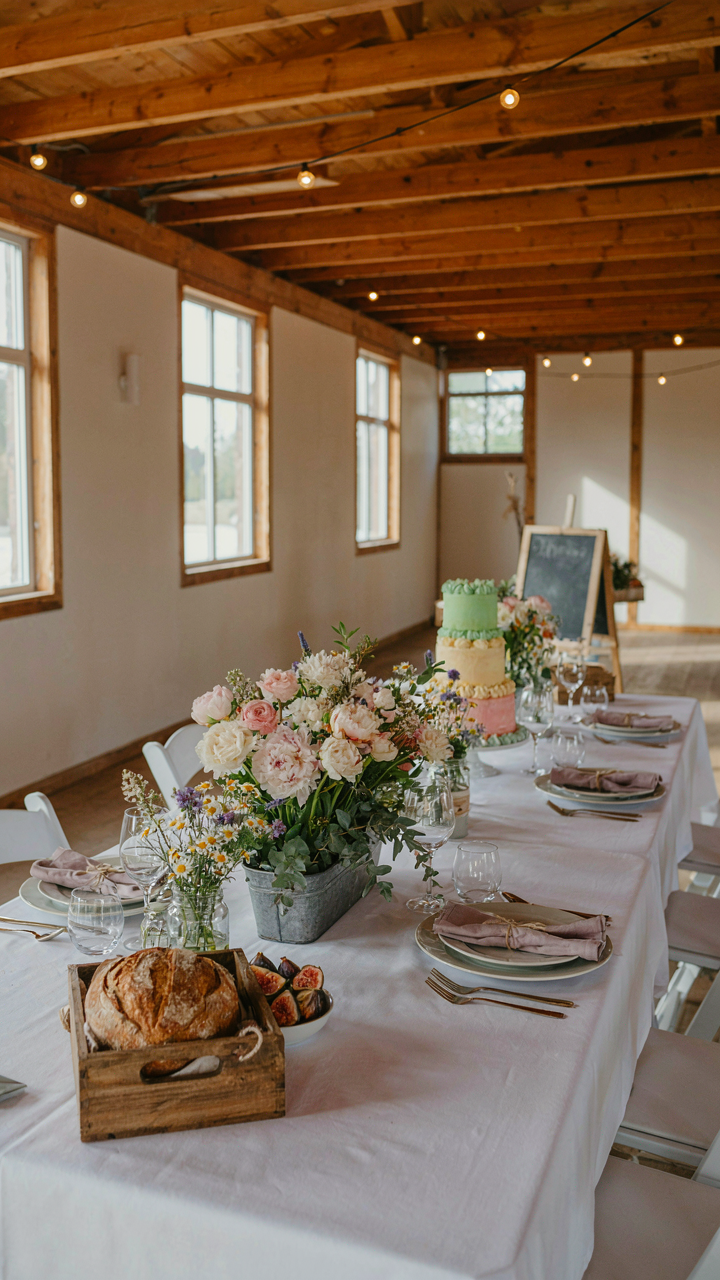
You want guests to feel fed well without realizing you negotiated the price down. The mechanism is simple: seasonal produce costs half what it does out of season, and farmers markets have better margins than wholesale distributors. Buy what grows now in your region, not what you imagine a wedding “should” have.

Most couples default to catering menus built for January and July equally. That’s backwards. A September barn wedding in the Midwest means stone fruit is done, but apples, corn, and root vegetables are abundant and cheap. Your florist already builds the event around what blooms in your month. Your menu should follow the same logic. This isn’t rustic as aesthetic choice—it’s rustic as economic reality.
Talk to farms within 30 miles of your venue before booking a caterer. Ask what they’re harvesting the week of your wedding. Build your menu afterward. Many small farms sell directly to caterers at 40 percent below retail. Some will deliver. This flips the typical planning sequence but saves money and guarantees freshness that matters on the plate, not just in the story you tell about it.
Signature Cocktails Lower Bar Spend
A full open bar is how couples hemorrhage 800 dollars without noticing. Economics calls this abundance of choice a problem—the more options offered, the higher the average unit cost and consumption. Limit the bar to one signature cocktail, beer, wine, and nonalcoholic drinks. Guests don’t resent restrictions at barn weddings. They expect it.
Design a cocktail that uses two spirits maximum and ingredients already in your kitchen or easily sourced. A whiskey and apple cider punch works in a barn. A vodka and cranberry doesn’t add character. Your bartender pours faster when every drink is the same formula. You buy spirits in bulk at consistent price points. Your tab stays predictable. Tell guests upfront what you’re serving. They arrive knowing what to expect, which means no surprise requests and no wasted bottles.
Beyond “Cute Wedding Ideas”: The Experience Economy
What Your Guests Actually Remember
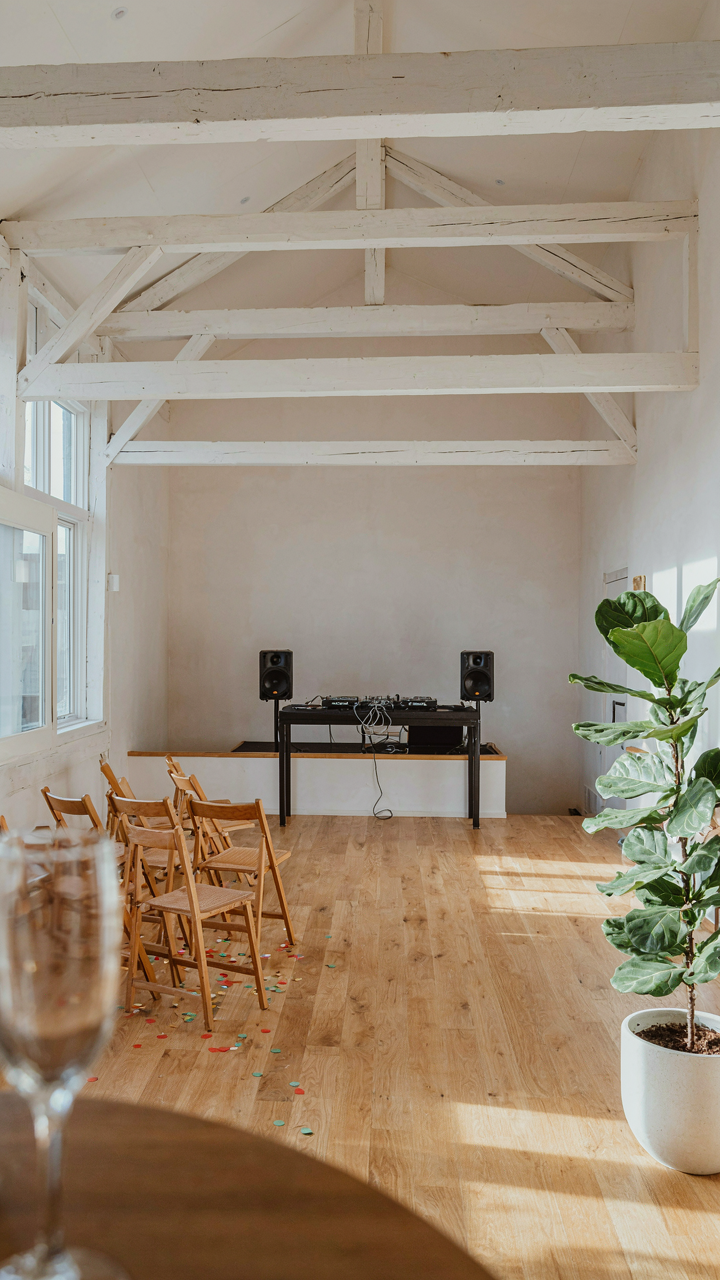
You’re worried people will judge your wedding as cheap if you skip the expensive décor. Here’s the mechanism: human memory doesn’t catalog objects. It records sensations and social moments. A $40 string light installation vanishes from memory within weeks. A poorly organized dinner flow, a bartender who runs out of ice, or guests standing in an awkward gap between seating and dancing stays vivid for years. Economics calls this the difference between goods and services. You’re spending money on goods when you should be architecting the service delivery system.
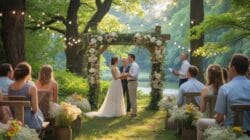
The rustic barn setting already delivers 60 percent of the visual work through structure and authentic materials. Your actual job is designing the guest journey through that space. Where do people naturally congregate? How long are they standing between activities? Does the bar create a bottleneck? Can someone find a clean bathroom without asking? These operational details cost nothing to plan and everything to ignore. Guests leave satisfied when they felt cared for during the event itself, not when they photograph a mason jar on Instagram.
Moments That Stick, Money That Doesn’t
Disposable décor follows a predictable path: you rent it, photograph it, break it down at 11 PM, and it goes to storage or the landfill. The money converts directly into regret because you can’t repurpose it and can’t resell it. Memorable moments work differently. A well-executed first dance, a genuine toast, a relative discovering they share a hobby with a stranger at your reception, a thoughtful cocktail hour activity that breaks the ice—these require almost no budget and generate social currency that lasts years. The real cost lives in the planning, not the purchasing.
Redirect your barn wedding budget toward the moments that require logistics and attention. Hire a good DJ or curate a playlist system that actually works instead of defaulting to Spotify. Budget for a timeline coordinator so your ceremony and reception flow without gaps. Invest in quality food and drinks rather than elaborate centerpieces. Reserve funds for clear signage and smooth transitions between activities. When guests leave talking about how well everything ran and how included they felt, you’ve won the game. Everything else is decoration for a party that already happened.
The Minimalist Mindset: Less Clutter, More Impact
Strip Away Everything That Doesn’t Work
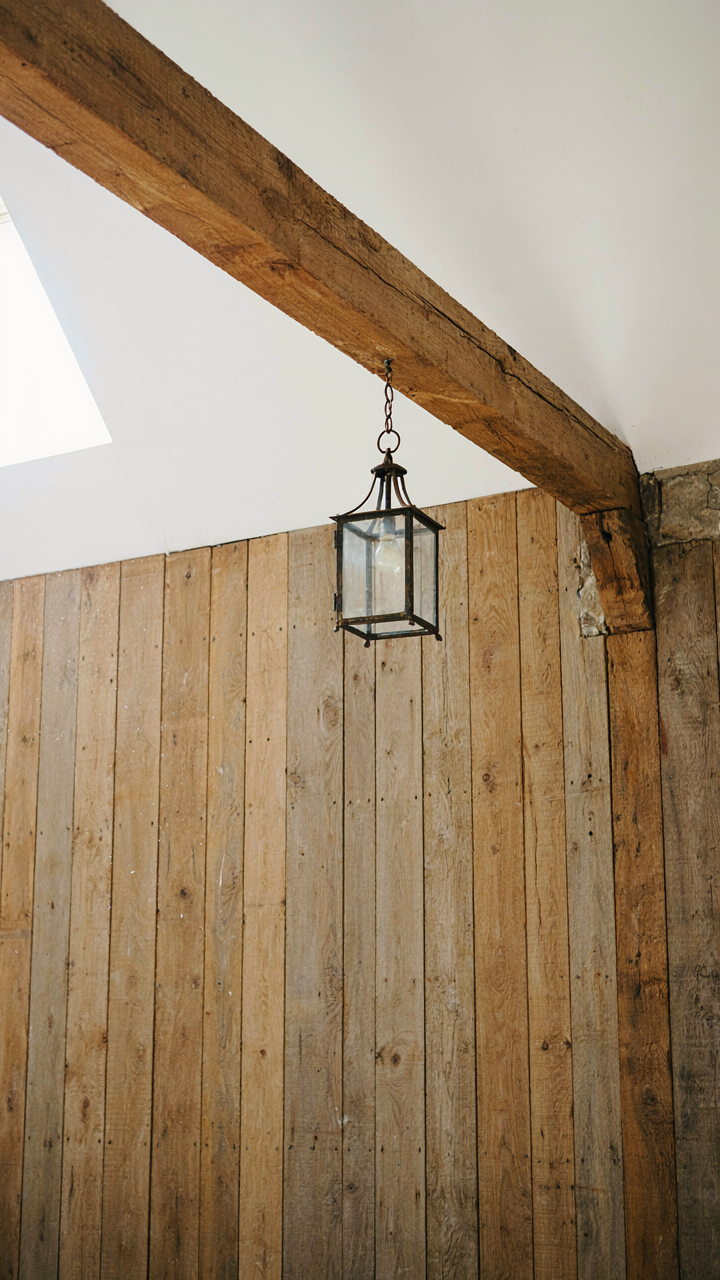
You want to feel like you pulled off something sophisticated without spending like you did. That’s the real game here. The mechanism is simple: your brain treats visual noise as complexity, and complexity reads as cheap regardless of actual cost. Barn weddings fail when couples treat the space as a blank canvas that needs filling. It doesn’t. The structure already has weight.

Start by identifying the three visual anchors your venue already provides. For most barns, that’s exposed beams, weathered wood walls, and natural light through windows or doors. Everything else is optional noise competing for attention. Write down what you’d keep if your budget dropped to 30 percent of what you planned. That constraint forces real decisions instead of defaulting to “more decoration.”
Elegance Through Strategic Absence
Empty space is a design decision, not a failure of imagination. Industrial design borrowed this from minimalism: negative space creates contrast, and contrast creates perceived value. Your barn’s unused corners aren’t wasted real estate. They’re relief for the eye. Most couples overfill because they confuse “filling space” with “being thorough,” then wonder why their Pinterest boards looked better than their actual venue.
- Bare tables with single focal point: One tall stem arrangement or candle per table instead of scattered centerpieces across every surface. Reduces production costs while strengthening impact.
- Walls left untouched: Skip backdrop walls, string light installations, and draping on interior beams. The barn structure is already your backdrop. Paint it mentally, not physically.
- Lighting as sole decoration: Strategic uplighting on beams or a single statement light fixture replaces floral installations entirely. Dramatically cheaper. Same visual payoff.
- Seating arrangement as design: How you place tables creates flow and visual rhythm. Dense seating in one section with open floor space elsewhere looks intentional, not empty.
- Flooring as feature: Polished concrete or original barn flooring needs no covering. Rentals for linens, runners, or dance floor covering add cost and hide character.
Subtraction creates tension. Tension creates interest. When you stop fighting the barn’s industrial skeleton and start working with it, your budget stops bleeding into decoration it never needed. Cut five elements tomorrow and measure whether guests notice something missing or notice something finally feels intentional.
Post Wedding Pivot: Repurpose, Resell, Reframe
Plan Your Decor Second Life Before Day One
You care about this section because you’re afraid you’ll waste money on decorations that vanish after the reception. Here’s the mechanism: barn weddings use durable, sellable materials by design. Wood, metal, burlap, and mason jars hold resale value. Plan the afterlife of each major decor piece during the design phase, not after. This shift moves your budget from pure expense into a partial asset recovery strategy.
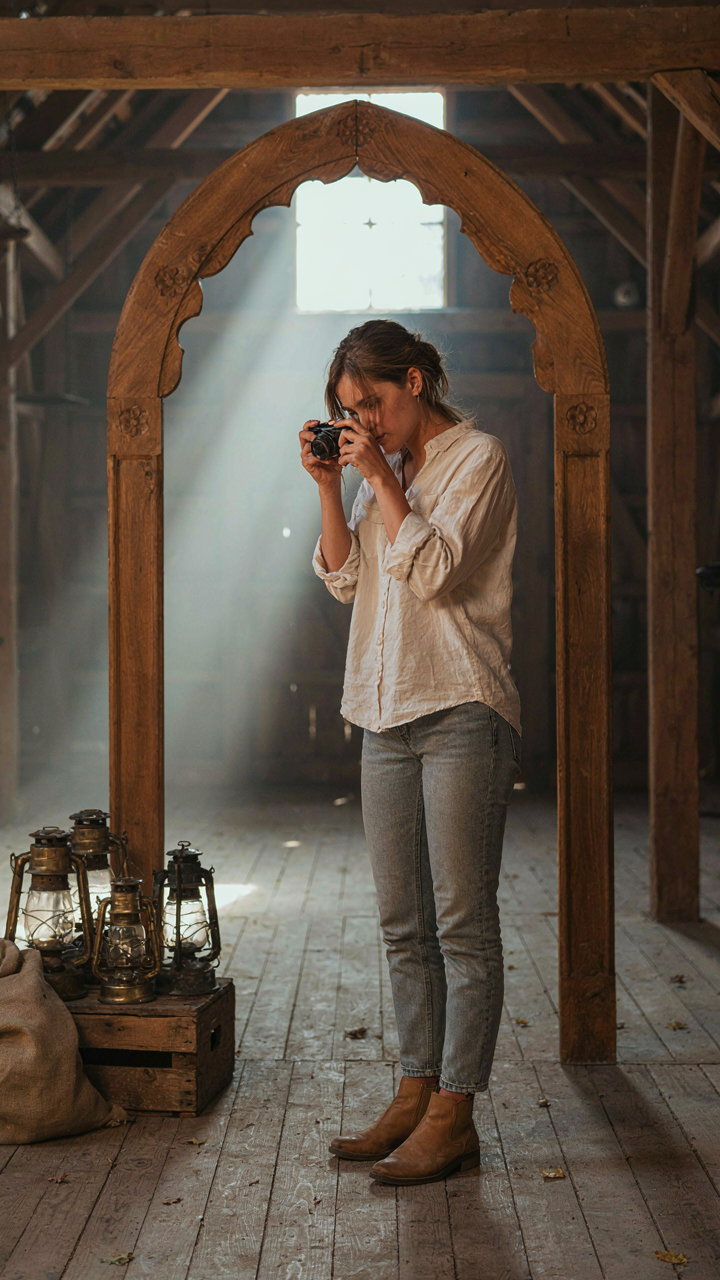
Rustic barn decor has a secondary market because the materials themselves matter. Wooden crates, ladder displays, vintage lanterns, and wrought-iron elements appeal to other event planners, home decorators, and resellers. Calculate your decor budget by subtracting the likely resale value of items you know will sell. A wooden arch costs 200 dollars. You sell it for 120 dollars six months later. Your real cost is 80 dollars, not 200 dollars.
Convert Leftover Assets Into Next Event Capital
Most couples treat wedding decor as garbage. You treat it as working inventory. Rent decor from rental companies you can resell later, buy duplicates of high-value items, or partner with a reseller who takes commission. Economics calls this “reducing sunk costs” by creating exit value. Your barn wedding decorations become the down payment on another event or side income stream.
The mechanism works like this: photograph every decor item on the wedding day. List rentable pieces on Facebook Marketplace, Craigslist, or wedding reseller groups within two weeks. Price items at 40 to 60 percent of retail. Move inventory fast. The cash you recover funds your honeymoon, renovates your home, or seeds a small event styling business. Don’t let decor rot in a garage for two years and call it a sunk cost.
The Real Cost Isn’t In The Barn; It’s In Your Insecurity
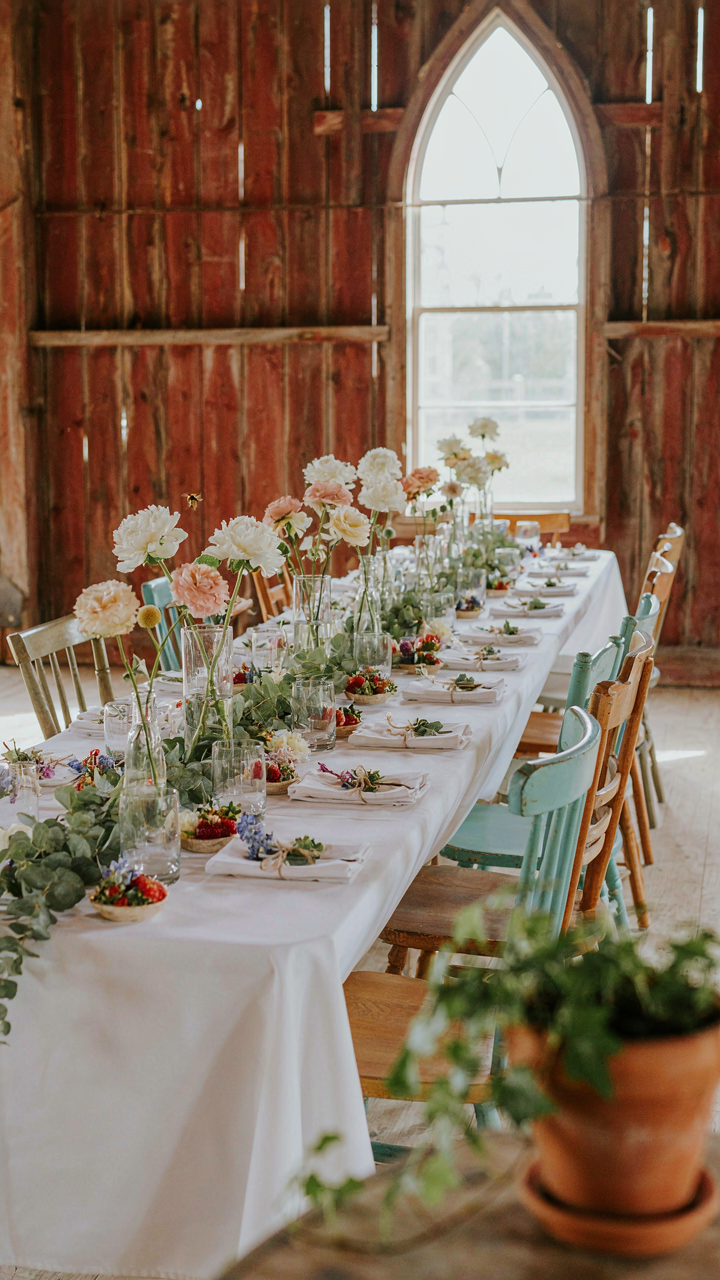
You’ll blow your rustic barn wedding budget the moment you start comparing your vision to someone else’s Instagram. The couples who actually save money make one brutal decision early: they stop caring what the venue looks like to strangers. They pick a barn. They commit. They build from there. Open your phone right now and text your top three venue options with actual prices. Stop researching and start deciding. The money you save isn’t from cutting corners; it comes from cutting the noise.