The “Less Is More” Lie: Why Most Minimalist Weddings Fail The Budget Test

Minimalism Misunderstood: Unconscious Additions
You want people to think you chose restraint instead of admitting you have less money to work with. That’s the real tension here. But the mechanism is simpler: minimalism requires active decision-making at every step, and most couples default to adding things instead of removing them. You inherit expectations, then strip away the obvious excess while leaving the hidden layers intact.
True minimalism in design—borrowed from the Bauhaus movement’s reduction principle—demands you eliminate everything except what serves function. In wedding budgeting, this means each line item must justify itself against your core experience, not against tradition. Most couples fail this test because they unconsciously keep “safe” choices: the expected flower arrangements, the standard linens, the assumed seating chart formality. Minimalism collapses when you confuse empty space with incomplete planning.
The Real Cost Of Simple
Calling something “simple” is how budgets explode. A simple white linen tablecloth costs more than a patterned rental because you’re paying for quality, not quantity. A simple menu requires premium ingredients and precise execution, not bulk volume. A simple aesthetic demands professional design decisions that prevent the space from looking unfinished. The advice to “go minimal to save money” ignores this: simplicity is labor and material intensive.
The hidden costs hide in three places. First, you need better lighting because you have fewer visual elements to distract from poor ambiance. Second, you need superior venue bones because decoration cannot hide flaws. Third, you need experienced execution because mistakes in minimal spaces become visible immediately. Your actual spend often matches traditional weddings. The difference is where the money goes: toward design rigor instead of decoration volume. Audit each vendor choice against this one question: does this element strengthen the core experience or fill empty space?
The Scarcity Principle: Maximizing Impact With Minimalist Wedding Decor

Choose One Statement, Skip The Rest
You want people to remember your wedding without spending money on things they’ll forget. Here’s what actually matters: scarcity in economics teaches us that value increases when supply decreases. Apply this directly. A minimalist wedding trades quantity for intensity. Instead of decorating every surface, you identify one visual anchor per space and strip away everything else. This forces guests to focus on what remains. The mechanism is attention itself. When you remove the noise, the signal becomes impossible to ignore.

Most couples fill venues because empty space feels risky. That’s backwards. Empty space is your budget working for you. One statement piece—a single sculptural floral installation, a carefully lit backdrop, a dominant color blocking one wall—costs less than scattered decorations but lands harder. The emptiness around it becomes part of the design, not a problem to solve. You’re not being minimal because you’re broke. You’re being minimal because restraint is the only way to make something stick in someone’s memory.
Make The Essential Expensive, Everything Else Disappear
The second mistake couples make is trying to save money on everything equally. Stop. In a minimalist wedding, you funnel your entire budget into three to four elements that matter. Lighting, flowers or greenery, one architectural intervention, and either photography or catering. Everything else gets cut or simplified to near-zero. This isn’t sacrifice. It’s strategic allocation. When you eliminate the mediocre, you can afford to do the important thing well.
A concrete protocol: list every element your venue requires or you want. Assign each a priority score of 1 to 5. Cut everything rated 2 or lower. Redirect that money to a single 5-rated item. If flowers score 5, buy them excellent. If decor scores 2, remove it entirely. A handmade table runner costs eight dollars. A professional florist costs eight hundred. You choose one. This isn’t about being frugal. It’s about refusing to dilute your money across ten forgettable details when you could own three unforgettable ones.
The Essentialist Protocol For Modern Wedding Aesthetic
Start With What Actually Matters
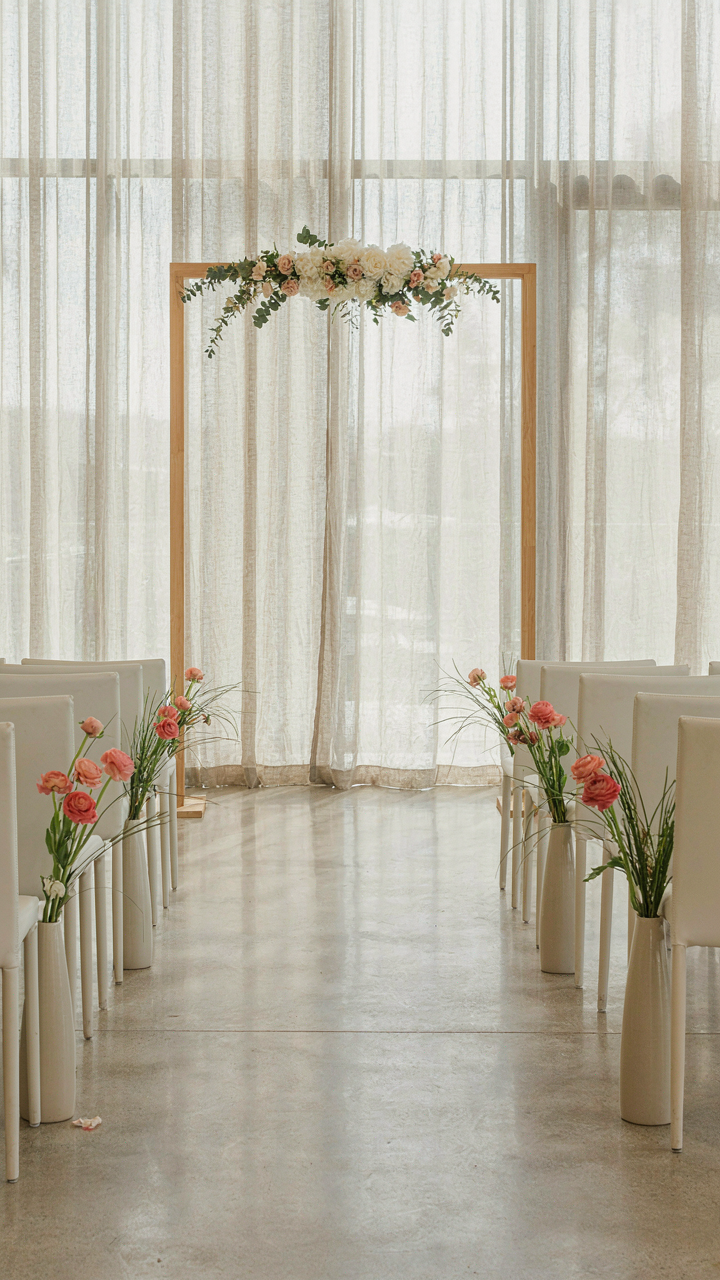
You care about this because you’re afraid of looking cheap. Here’s the mechanism: most people confuse minimalism with deprivation. They’re opposite. Minimalism is the deliberate removal of friction between guests and experience. It’s not about having less. It’s about removing what doesn’t serve the core event. A minimalist wedding costs less because you stop paying for approval. Flowers that nobody remembers. Linens in colors that photograph poorly. Seating charts that solve problems that don’t exist. You keep what moves people.

The real non-negotiables are four: venue, food, photography, and sound. Everything else is noise you’re paying to manage. Your budget gets multiplied when it concentrates on these four instead of spreading across twenty categories. Most couples build weddings backward, starting with decoration and working toward logistics. Start with the four. Build outward only if budget remains. This inversion alone cuts 30 to 40 percent of typical spending without cutting quality.
Remove Everything That Competes For Attention
The common advice tells you to “curate carefully” and “edit ruthlessly.” That’s incomplete. Ruthlessness without a filter is just chaos. You need a concrete rule: if an element requires explanation, it doesn’t belong. Decor that needs your guests to understand its meaning is decor that’s working against you. A simple white room with excellent light doesn’t need context. A elaborate centerpiece made from reclaimed barn wood does. The second one also costs three times as much and distracts from conversation.
Apply scarcity logic here. Constraint forces invention. Limited budget forces you toward impact. Unlimited budget forces you toward clutter. You end up choosing between a forty-person seated dinner in a clean space or a hundred-person standing reception surrounded by decorative elements fighting each other. The first creates memory. The second creates visual noise and resentment about the experience. Build your wedding around what remains after you’ve said no to everything that requires justification.
The Antifragile Budget: Building Resilience Into Your Minimalist Wedding Ideas

Redundancy Versus Lean Systems
You want to feel smart about spending less. The real fear is that cutting costs means cutting corners and watching the day fall apart. Military logistics teaches a hard truth: redundancy and lean systems operate by opposite rules. In combat, you build redundancy into supply chains because failure is fatal. In minimalist weddings, most couples mistake lean for fragile, then panic-spend to add back safety margins they never needed.

The mechanism is simple. A minimalist wedding removes visual clutter, not contingency. A bare venue with one string of lights looks intentional. A bare venue with one string of lights that breaks mid-ceremony looks neglected. You’re not choosing between expensive and cheap here. You’re choosing between systems that break and systems that don’t. The difference lives in choosing vendors and materials that have proven failure rates near zero, not in multiplying backups of everything.
Pressure Testing The Real Failure Points
Nobody stress-tests a wedding budget until something breaks. That’s not strategy, that’s gambling. Run your budget through three specific failure scenarios before you commit a dollar: vendor cancellation, weather impact on your specific venue choice, and key item delivery delay. Each has a real cost if you haven’t prepared.
For each scenario, write down what breaks and what costs emerge. A venue cancellation 60 days out hits different than one week out. Rain on an outdoor minimalist wedding creates specific problems based on your site’s actual drainage and shelter options, not general anxiety. A delayed shipment of your centerpiece materials matters only if you’ve ordered too late to source alternatives locally. Map these three scenarios to your actual vendors and timeline. Then identify which single vendor or material choice creates the most fragility. Replace that choice with one that has built-in redundancy or faster alternatives available. That’s your only insurance policy.
Beyond Decor: The True Simplicity Of A Minimalist Wedding Reception
Attention Over Decoration
You want people to remember you got married, not that you had nice centerpieces. That’s the real reason you’re reading this section. The mechanism is simple: a minimalist reception removes decision fatigue from your guests and redirects their attention to the actual event. Instead of processing 47 visual inputs, they process one: connection.

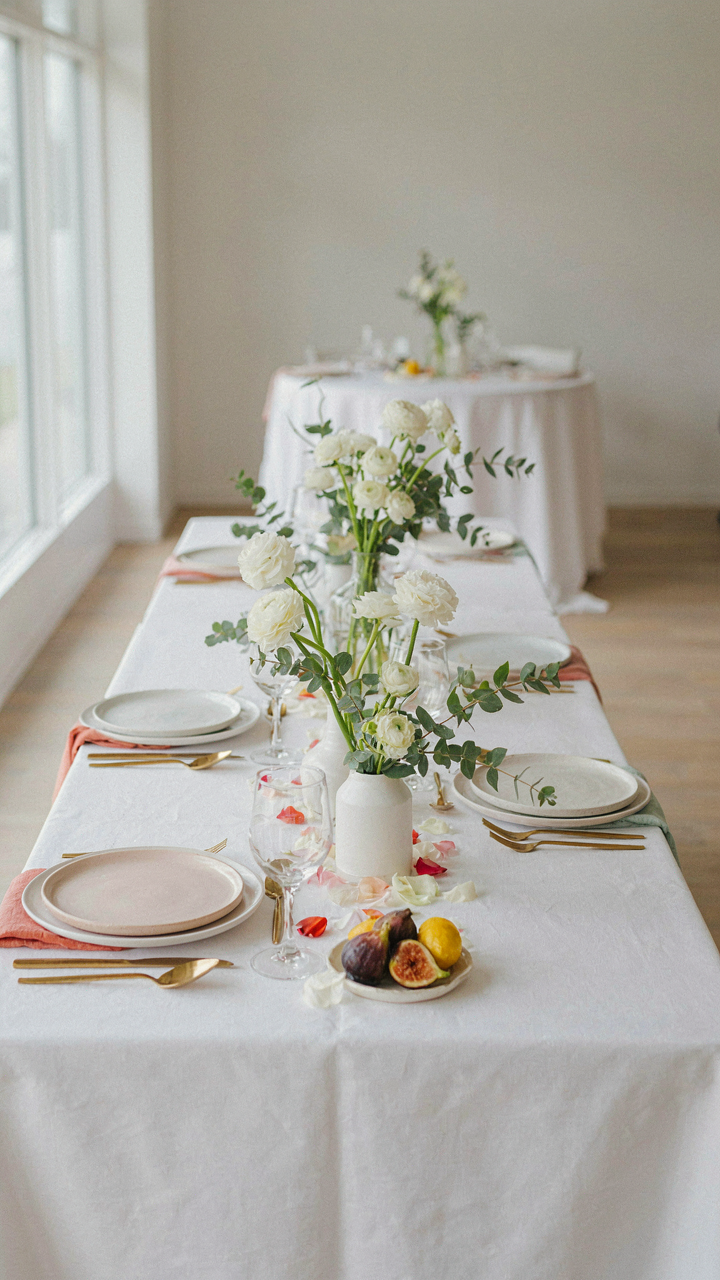
The common advice says “use negative space” or “pick a color palette.” Wrong framing. You’re not designing an Instagram feed. You’re architecting an environment where conversation doesn’t compete with visual noise. A table with three elements instead of twelve forces people to look at each other. Fewer sightlines to scan means guests stay present at their own table instead of surveying the room.
Ruthless Flow Architecture
Logistics breaks most weddings. You’re not simplifying decor to save money. You’re simplifying the entire system so it actually works. When a minimalist wedding moves guests through a space efficiently, the budget stays low because nothing gets stuck, nothing needs backup solutions, and vendors don’t need to pad their time estimates.
Map your ceremony-to-reception transition on paper first. Identify every handoff: where guests enter, where they eat, where they move next. A minimalist layout eliminates hallways, removes redundant stations, and creates one clear path forward. Fewer furniture pieces mean fewer things to position. Fewer serving stations mean one catering team instead of three. The financial win isn’t just aesthetic. It’s operational. Execute the guest flow plan with your venue coordinator before finalizing any design choices.
The 80/20 Rule For Wedding Decoration Minimalist Spending
Where Your Money Actually Goes
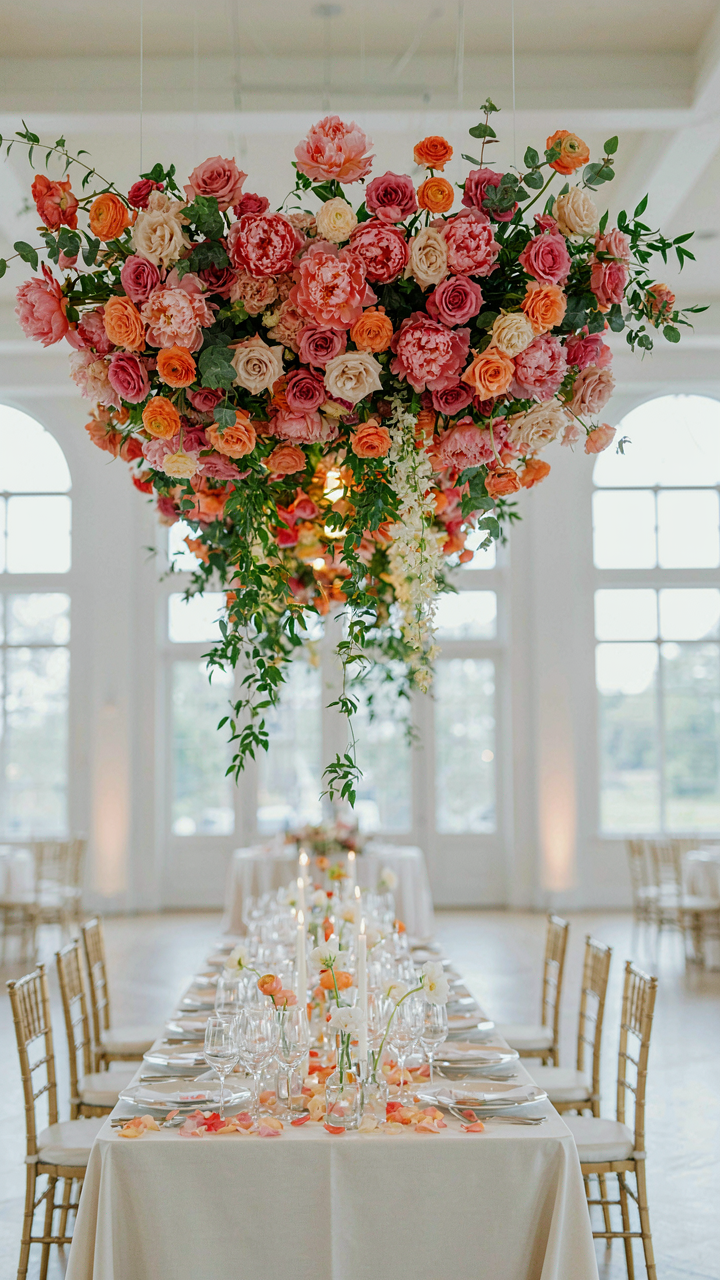
You care about this because you’re terrified of looking cheap. The real mechanism is this: most couples spend proportionally across every category when they should spend vertically on the few elements guests actually register. Economics calls this concentration of value. In weddings, 80% of the visual impact comes from four things: lighting, flowers, table surfaces, and the ceremony backdrop. Everything else is noise you’re paying for out of habit, not necessity.

The math is brutal. A couple allocates $300 to centerpieces, $200 to linens, $150 to signage, $100 to favors, $200 to chairs. That’s thin spending across five categories. None of it lands. Flip it: spend $1,200 on one lighting rig and flower installation, nothing on the rest. Guests see drama. They remember it. The minimalist threshold isn’t about having less, it’s about eliminating the invisible and weaponizing the visible.
Redirect Savings To Leverage Points
Everyone says “prioritize what matters.” That’s incomplete advice. The real move is identifying which elements multiply impact across multiple sightlines. A concrete ceremony backdrop works during the ceremony, photos, and the reception if positioned right. Layered lighting does the same work across three hours without resetting. These aren’t preferences, they are force multipliers in spatial design.
Calculate backward from your total budget. If you have $5,000, allocate $2,500 to lighting and floral installation, $1,500 to catering or venue rental, $1,000 to photography. Cut everything else. No favors, no custom signage, no chair covers, no programs. The money compounds in elements with repetition and visibility. Guests don’t remember the napkin fold. They remember whether the room felt intentional or scattered.
DIY Done Right: Avoiding The “Crafty Catastrophe” For Simple Elegant Wedding
What Actually Pays Off To Make Yourself
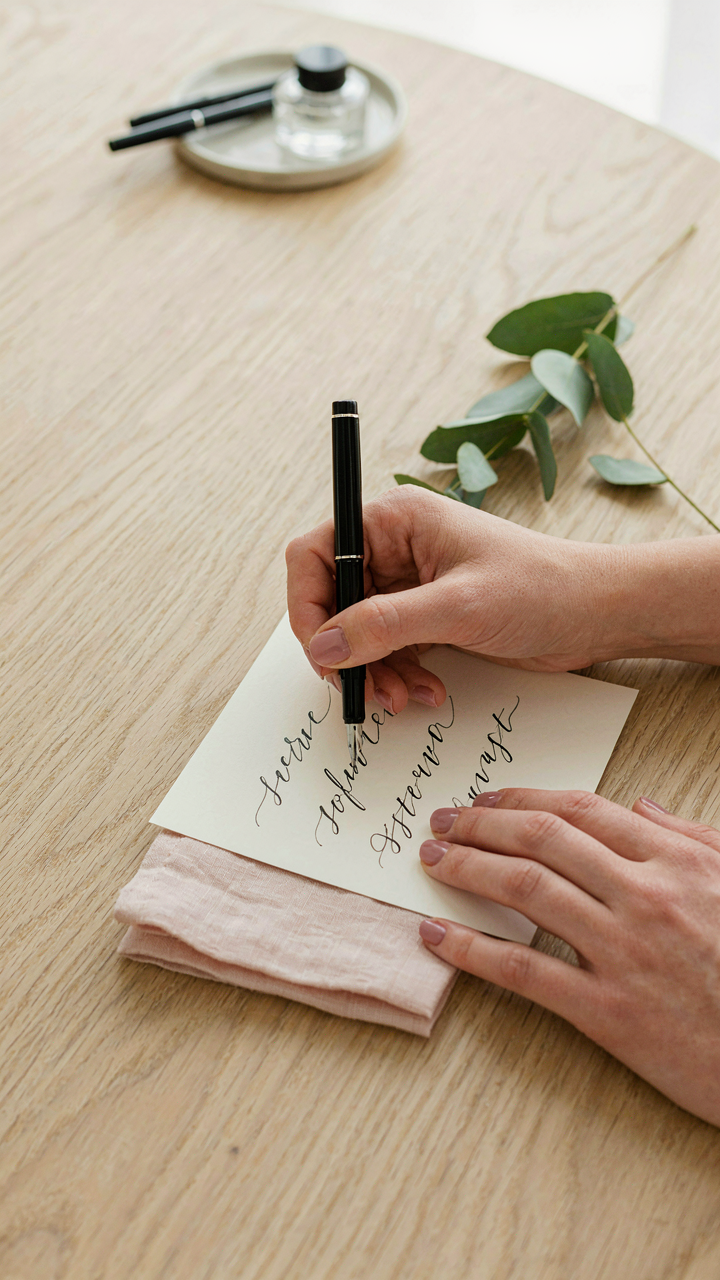
You want to feel resourceful and clever. That’s the real reason you’re considering DIY. But here’s the mechanism: DIY only works when the task has zero margin for error and high visual impact. Think of it like manufacturing—you optimize for either speed or quality, not both. Minimalist weddings reward precision over volume. Centerpieces, escort cards, and signage hit both marks. Hand-lettered details work because mistakes show immediately and cost pennies to redo. Floral arrangements, catering, and lighting do not.

The math is simple. Centerpieces take four hours total and cost thirty dollars in materials. You save two hundred dollars. Rental coordination takes eight hours and saves three hundred dollars, but one mistake costs you a thousand. Do centerpieces yourself. Rent the rest. A minimalist aesthetic actually makes DIY harder, not easier, because every flaw reads as intentional rather than charming.
Outsourcing When Hours Cost More Than Money
Stop thinking of outsourcing as luxury. It’s triage. You have finite hours before the wedding and infinite opportunity cost. A photographer costs eight hundred dollars. Your time that day has a market rate. If you earn forty dollars per hour, shooting your own wedding costs you at least three hundred dollars in lost income plus the certainty of missing moments. That math breaks even immediately. The real question is which vendors create cascading problems if they fail. Photography fails and you have no record. Catering fails and your guests leave hungry. Florals fail and the venue looks sparse.
Minimize your decision surface by outsourcing anything that creates dependency chains. A DJ failure means no music and no dancing momentum. A coordinator failure means timeline collapse. A caterer failure means a revolving door of stress. These aren’t luxuries. They’re operational buffers that protect your actual event. Keep DIY confined to tasks where failure is cosmetic and correction is fast. Sign a vendor contract for everything else.
Vendor Selection For Minimalistic Wedding: The “Less But Better” Mandate
Pick One Master Craftsperson Over Many Mediocre Vendors
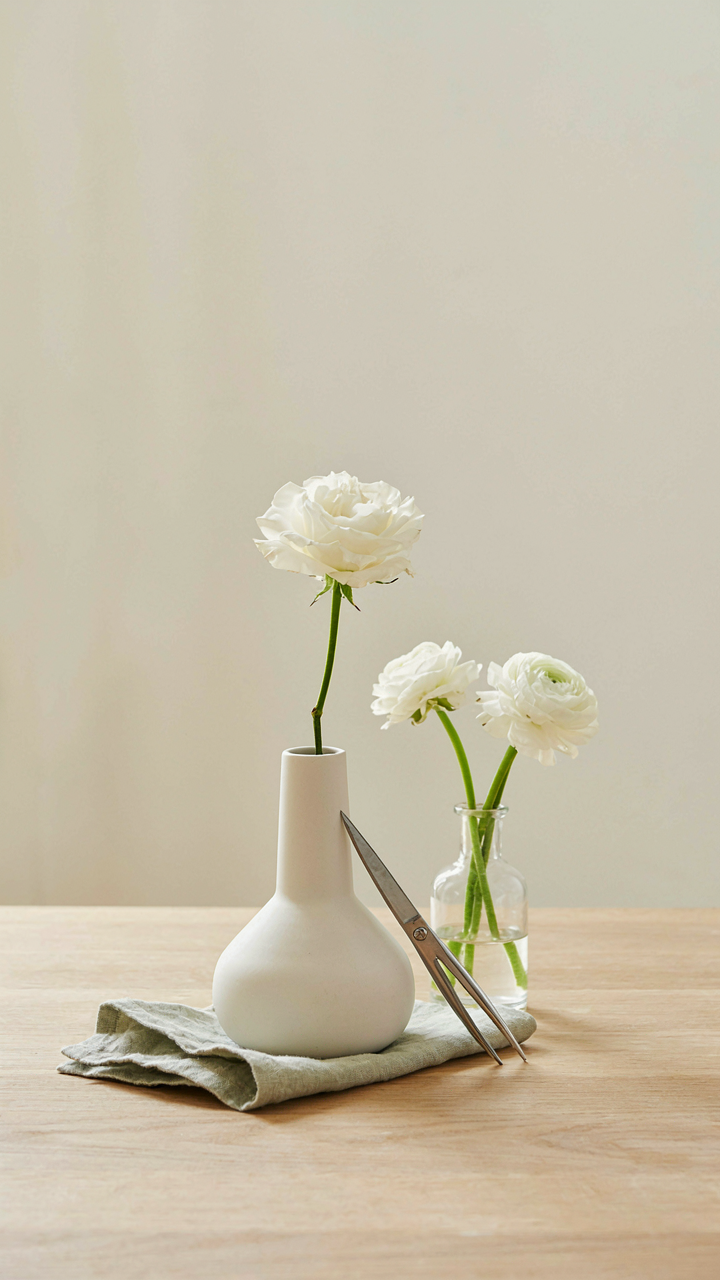
You want to feel like you made a smart choice, not just a cheap one. Here’s the actual mechanism: the minimalist aesthetic demands technical precision. One photographer who understands composition and light beats three amateurs with discounts. One florist trained in negative space beats a vendor who fills every corner. You’re not cutting costs by hiring fewer people. You’re controlling quality by eliminating the friction that comes with coordinating multiple vendors of varying skill.

The economic principle here is constraint. In scarcity economics, abundance of options creates decision paralysis and coordination waste. Minimalist weddings win when you hire one vendor who owns their craft completely rather than splitting attention across five vendors chasing a budget. That single vendor knows your vision because they’ve done it before. They deliver faster. They make decisions without asking permission.
Negotiate For The Core Three Only
Most couples waste negotiating power on things vendors were never going to charge full price for anyway. Stop asking for discounts on “extras” that don’t exist in minimalist design.
- Photography coverage hours: Non-negotiable. Lock in the time you need. Everything else flows from visual documentation of your actual day.
- Catering headcount accuracy: Vendor pricing locks here. Negotiate price per person downward only after you have a fixed final count within 48 hours of the event.
- Venue rental duration: The time block determines labor costs for setup and breakdown. Negotiate start and end times, not decoration packages that won’t exist anyway.
- Music or DJ equipment: If you’re having sound, negotiate the equipment quality and operator experience, not playlist length or song requests.
- Florals by the stem count: Instead of “bridal bouquet plus centerpieces,” negotiate total stem volume at a per-stem rate. Minimalist arrangements use fewer stems at higher quality.
Don’t negotiate on things. Negotiate on measurable inputs: hours, headcount, stems, equipment specifications. Vendors lower prices when you remove ambiguity. Your negotiating move is naming exactly what you want and asking them to price the labor to deliver it, not asking for discounts on imaginary services.
Post Wedding Purge: Extending Minimalism Beyond The Day
What Happens To The Stuff
You want to believe your minimalist wedding won’t leave you drowning in leftovers. That’s the real fear here, masked as philosophy. The mechanism is simple: minimalism isn’t about owning nothing. It’s about intentional ownership. Most couples treat the wedding as a temporary event, then abandon minimalist principles the moment the last guest leaves. The decor, favors, rentals, and materials that defined your day become clutter because you never decided what happens to them beforehand. That decision matters more than any aesthetic choice you made.

Create an inventory system before the wedding ends. Document every item, its condition, and its destination. Photograph items you might reuse. Assign ownership: what goes to storage, what gets gifted immediately, what gets sold, what gets donated. This isn’t emotional. This is logistics. Without a protocol, you’ll default to stuffing boxes in the garage and pretending the problem doesn’t exist for two years.
Design For Disassembly
Thinking like an engineer here: products and systems designed for disassembly maximize reuse. Your minimalist wedding should follow this principle. Don’t commission custom pieces that only work as a wedding decoration. Rent modular elements instead. Use real plants in simple containers that serve your home afterward. Choose linens in neutral tones you’ll actually use. Centerpieces should break down into components that have standalone value. If you built something during planning, the best outcome isn’t a photo on Instagram. It’s a second life in your actual living space.
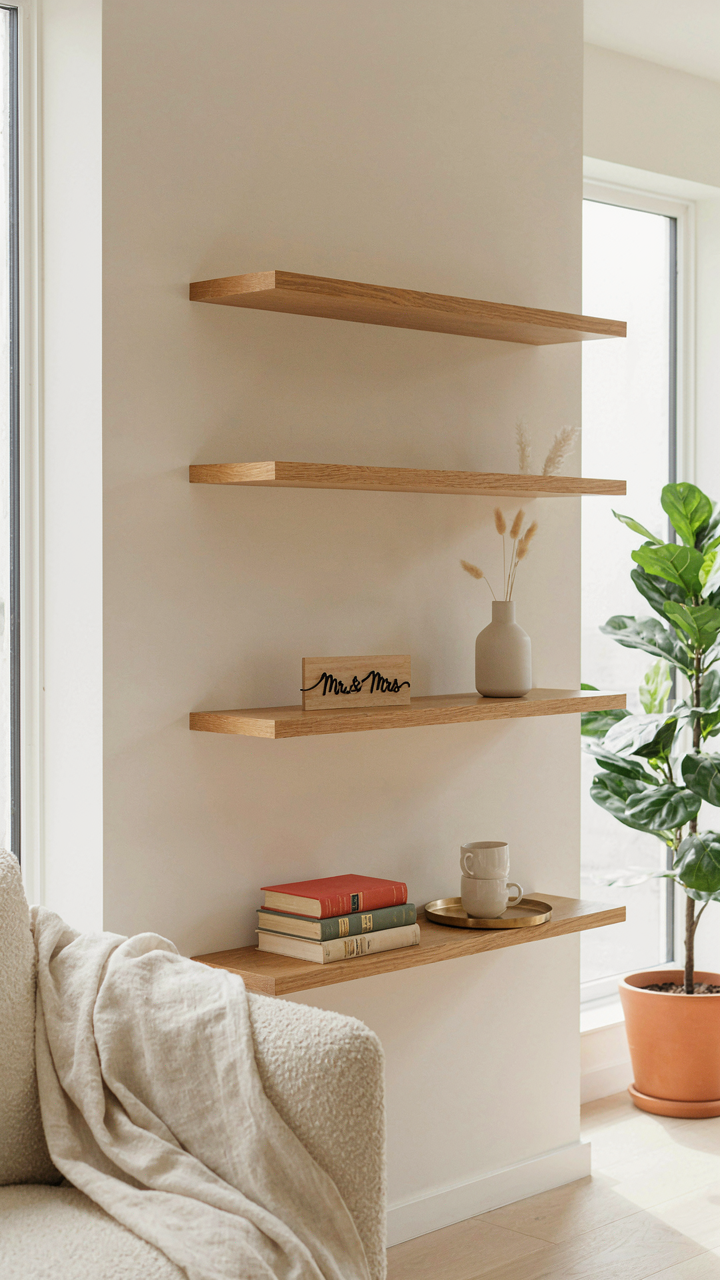
The items that survive post-wedding are those with utility beyond the event. Wooden signs become home decor. Candles get burned. Glassware gets used. Flowers get composted or dried. This isn’t waste reduction theater. It’s economics. You spend money once and extract value twice or three times over. Before purchasing or commissioning anything, ask a single question: would I buy this without a wedding? If the answer is no, find a rental option or leave it out entirely.
The Underlying Obstacle Isn’t Your Budget; It’s Your Inability To Ruthlessly Eliminate The Unnecessary

You don’t have a money problem. You have a decision problem. Every dollar you waste on a minimalist wedding comes from saying yes to something you don’t actually want. Stop asking what you can add. Start asking what you must remove. The couple who spends two grand on flowers and white space beats the couple who spends ten grand on clutter. Open your notes app right now and write down three wedding traditions you actively dislike. Delete those three things today. That’s your real budget increase.