The Frugal Nomad Protocol: Redefining Honeymoon In America

Scenery Without The Resort Markup
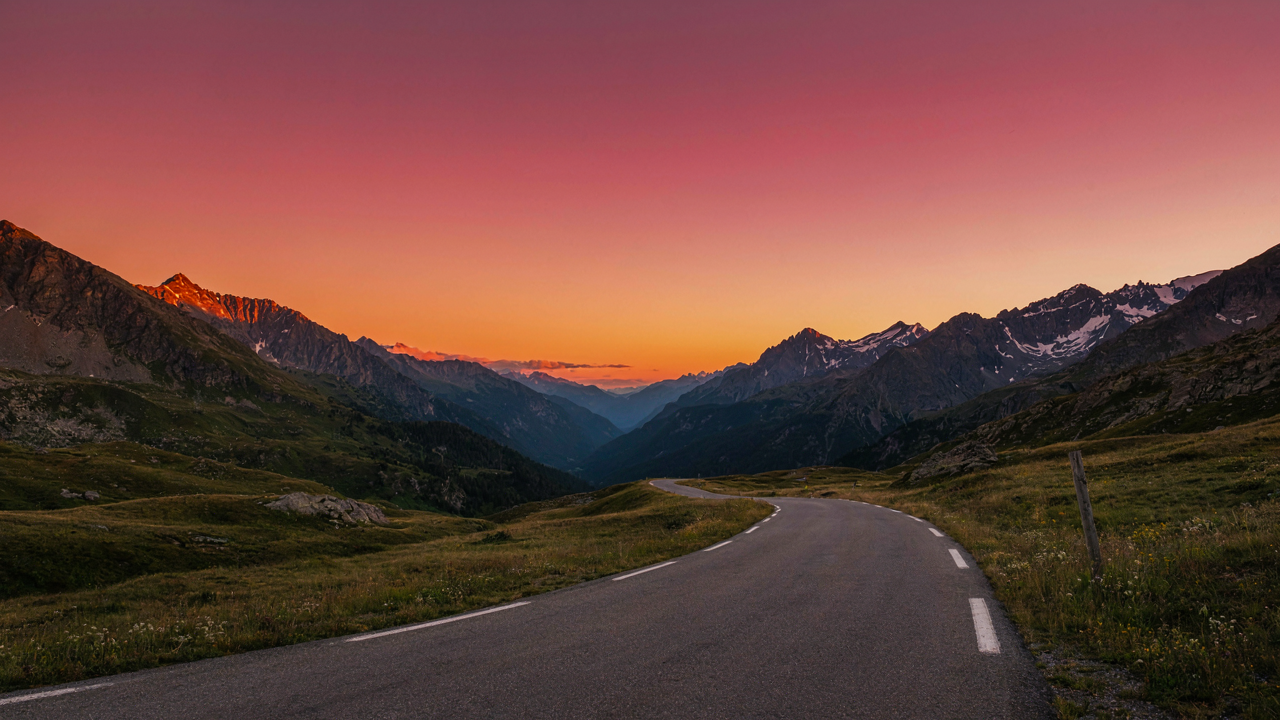
You want to feel like you did something special without admitting you’re terrified of being broke. The mechanism is simple: resorts trap you in one location and charge premium prices for basic amenities. A road trip inverts this. You move through geography instead of paying for it. National parks, state forests, and BLM land cost nothing or pocket change to access. A tank of gas moves you 300 miles. One hotel night in Moab runs $80 to $200. Camp nearby for $15. The math isn’t subtle. You trade a stationary resort experience for mobility across actual terrain worth seeing.
The real hack isn’t finding cheaper hotels. It’s recognizing that the most memorable landscapes in America sit outside commercial tourism zones. Drive the Needles Highway in South Dakota. Camp at dispersed sites in Utah. Park at a pullout in Oregon and watch the Columbia River Gorge without paying entrance fees. These routes cost a fraction of a resort stay because you’re not paying for branding, staff, or manicured grounds. You’re paying for access to raw geography. That’s the trade: drive more, stay in cheaper places, see better scenery.
Experiences Beat The Instagram Checklist
Most couples spend money to prove they had a honeymoon, not to actually have one. Economics calls this signaling. You post photos of a resort lobby or a sunset from a expensive restaurant because someone might see it. A road trip breaks this cycle because the best moments resist documentation. Watching sunrise from a canyon rim with nobody around. Cooking breakfast on a camp stove. Getting lost on a backroad and finding an abandoned town. These don’t photograph like luxury, so nobody performs them.
Stop buying experiences designed for social proof. Buy time instead. A week driving the Pacific Coast Highway costs less than three nights at a boutique hotel in San Diego and delivers more memory density. You control the pace. You stop when something interests you. You skip what doesn’t. This shifts the honeymoon from a curated itinerary to an actual exploration. The mechanism is direct: experiences you choose generate more satisfaction than experiences you paid premium prices to access. Book the gas. Book the campsites. Skip the resort package entirely.
Honeymoon Road Trip USA: Unconventional Routes, Unforgettable Memories
Skip The Instagram Checklist
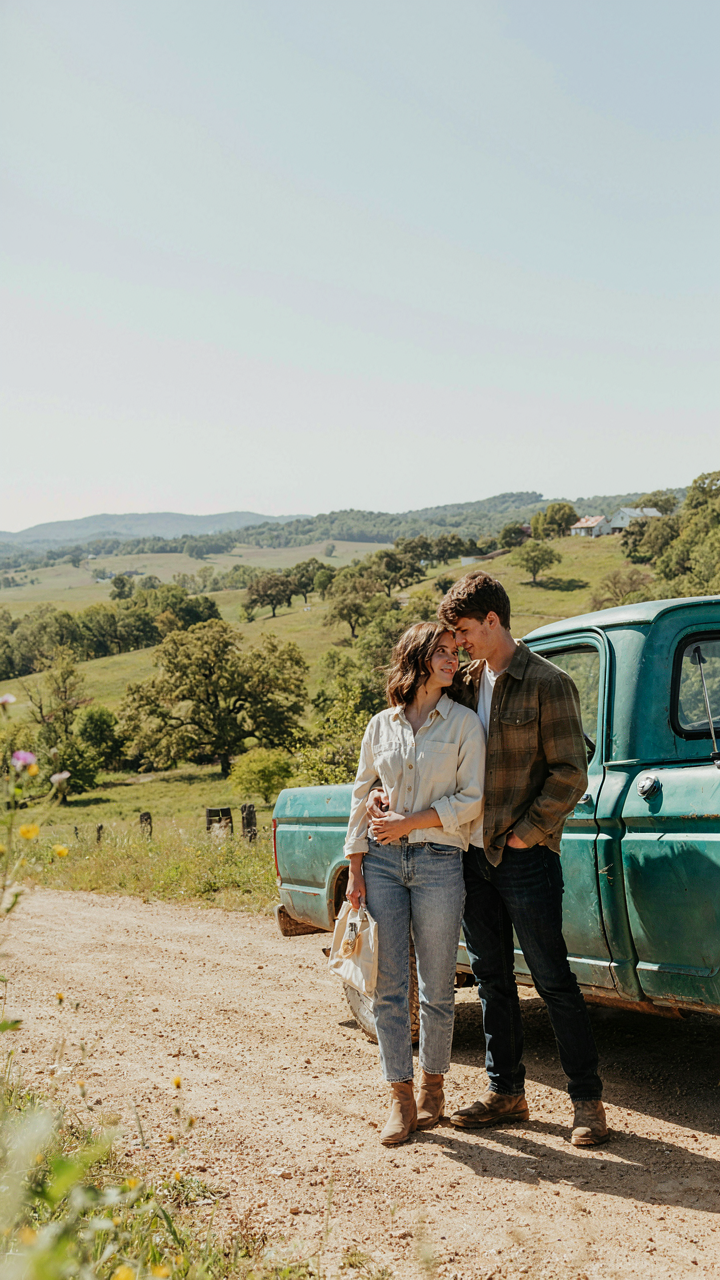
You want to feel like you discovered something nobody else knows about. That’s the real driver here, and it’s why most couples waste their honeymoon retracing the same five national parks everyone else documented. The mechanism is simple: consensus destinations have pricing that reflects demand, crowds that kill intimacy, and zero differentiation between your trip and ten thousand others.

The actual move is routing through regions where infrastructure exists but tourism hasn’t calcified yet. The Upper Peninsula of Michigan, the Ozark plateau in Missouri and Arkansas, the high desert of West Texas—these areas have lodging, restaurants, and roads. What they don’t have is the price inflation or the performance aspect of famous routes. You experience the place instead of performing your experience for an algorithm.
Design Your Route Around Actual Compatibility
Route design in military logistics centers on what strategists call “lines of communication”—the physical paths that determine which resources reach which objectives. Apply that directly: your honeymoon route should follow the geographical paths that keep you moving toward what actually matters to both of you, not what fits the cultural narrative of a honeymoon.
If one of you wants geology and the other wants food, don’t compromise into a generic “experience everything” loop. Instead, anchor your route to specific towns known for one or both. Bend, Oregon has rock climbing and excellent restaurants. Savannah, Georgia offers antebellum architecture and a James Beard-nominated food scene. Build the entire trip as a series of these overlaps, then connect them via backroads. The route becomes a reflection of your priorities, not a template someone else designed.
The “Chaos Theory” Of Spontaneity: Embrace The Detour

When The Planned Route Breaks
You want permission to abandon the itinerary without feeling like you’re wasting money. Here’s the mechanism: in physics, chaos theory describes how small initial conditions create wildly different outcomes. On a road trip, this translates directly. One wrong turn, one unexpected town, one conversation with a stranger at a gas station becomes the inflection point that defines your entire honeymoon. The detour isn’t lost time. It’s the only time that actually sticks.

Most couples plan every stop before leaving, then resent the trip for feeling scripted. That’s backward. The budget constraint actually works in your favor here because it forces you off the highway and into the margins where real discoveries live. A closed hotel sends you to a diner where the owner tells you about a state park nobody photographs. That park becomes the moment you remember. You didn’t waste money finding it. You found something money alone can’t buy.
Small Decisions, Massive Texture
One conversation shifts everything. The gas station clerk mentions a canyon. The cafe owner tells you which road has the best view at sunset. Your spouse says “let’s drive another hour” instead of stopping at the planned town. Physics calls this the butterfly effect: tiny variables cascade into completely different systems. On a honeymoon, it’s identical. Small choices compound into the story you tell for the next twenty years.
Plan the endpoints, not the path. Know your start city and final destination. Know your total budget and gas money. Then leave the middle blank on purpose. This isn’t laziness. It’s strategy. When you reach a fork and don’t know which road to take, that’s when you make a real decision together instead of following someone else’s checklist. The detour becomes the marriage.
Honeymoon Pictures: Documenting The Authentic, Not The Aspirational

Shoot The Moment, Not The Audience
You want proof your honeymoon was real because you’re terrified it wasn’t—that you wasted money on a trip that felt hollow the moment you stopped performing it. Here’s the mechanism: the camera lens is a permission structure. You point it at something, and your brain assigns it meaning retroactively. Most couples shoot for the caption, not the memory. They frame moments that photograph well, not moments that matter. This reverses the actual value chain.

The fix is simple: capture what happens when nobody’s watching you watch it. This means shooting the drive itself, not the scenic overlook. The argument in the parking lot. The gas station coffee at 6 AM. The moments that don’t need a filter because they’re already true.
- Early morning drives: Shoot your partner half-asleep against the window. Sunlight hitting the dashboard. These moments feel like nothing until you see them later.
- Candid eating: Photograph each other eating cheap diner food, not plated restaurant meals. Mouths full. Genuine laughter. These read as real.
- The failed plans: Document the detour, the closed attraction, the wrong turn. Failure is the most honest part of any trip.
- Hands and details: Shoot intertwined fingers on the steering wheel, shoes kicked off on the dashboard, maps crumpled on the passenger seat. These are the connective tissue of a trip.
- Night drives with headlights: Capture the road ahead lit only by your headlights, your partner’s silhouette, the emptiness. These feel cinematic without trying.
The budget constraint actually works in your favor here. You’re not staying at resorts with pristine backgrounds. You’re staying in places that look like real life. Your camera should match that. Use your phone. Use it badly if you have to. The grain and the slight blur from movement are exactly what make these images stick.
The Story Lives Between The Frames
You don’t tell a story with a single image. You tell it with sequence and absence and what you choose to leave out. This is narrative structure, borrowed from screenwriting. In screenwriting, they call it cutting on action: you show the beginning of a movement in one shot and the end in another. The viewer’s brain fills the gap. Apply this directly: shoot the drive, then the arrival, then the moment of realization. Skip the middle. Let the honeymoon live in what you don’t show.
The couples who end up resenting their honeymoon pictures are the ones who tried to capture everything. Every meal. Every view. Every moment when they looked good. This creates archive, not narrative. It creates noise. Instead, shoot like you’re making a short film. Choose moments that build on each other. Repetition with variation. Your partner looking out windows on different days. The same road in different light. The way they move through space, changing subtly as the trip wears on them and they relax into it. Let the images argue with each other. Let them say something together that they wouldn’t say alone. Then stop shooting and live the last part of the trip without the camera. Your memory of the ending matters more than proof of it.
Couples Driving: Navigating The Open Road And Each Other

When Silence Becomes A Problem
You’re worried that sitting in a car for eight hours will expose cracks you’ve been ignoring. The mechanism is simple: confinement removes escape routes. In economics, this is called forced liquidity. You can’t leave the conversation, the tension, or the boredom. The highway becomes a pressure cooker. Most advice says “talk more” or “stay positive.” That’s lazy. The real move is establishing communication protocols before the trip starts, not improvising them at mile 200 when resentment is already building.

Pre-trip conversations should cover three specific zones: driving logistics (who drives when, bathroom breaks, route decisions), spending disagreements (gas budget, food choices, hotel standards), and personal space (music volume, conversation intensity, phone usage). Write these down. Literally. A shared note on your phones prevents the same argument from cycling twice. When tension rises during the drive, you reference the protocol instead of negotiating from emotion. This isn’t romantic. It’s effective. Couples that survive long drives have already decided how they’ll disagree before they disagree.
Responsibilities That Actually Bond You
Borrowed from logistics, the road trip is a supply chain with two nodes: driver and passenger. Most couples treat this as a hierarchy. It’s not. The passenger controls navigation, timing, morale, and resource management. The driver controls nothing but the vehicle. Swapping roles hourly or by half-day means both of you experience the full scope of the trip’s demands. Neither person becomes resentful because neither person carries the full load.
Concrete actions: driver switches every two hours, not when one person is exhausted. Passenger handles all navigation, music, snack decisions, and gas station stops. At each swap, the new driver gets ten minutes to adjust before resuming speed. The ex-driver doesn’t navigate. This rotation creates natural rhythm and prevents the common pattern where one person drives the whole way while the other consumes the experience passively. Intimacy follows from shared work, not shared entertainment. You build connection by solving problems together, not by watching the same scenery.
The Romantic Trip Playbook: Beyond Candlelit Dinners
Adventure Builds Intimacy Faster Than Reservations
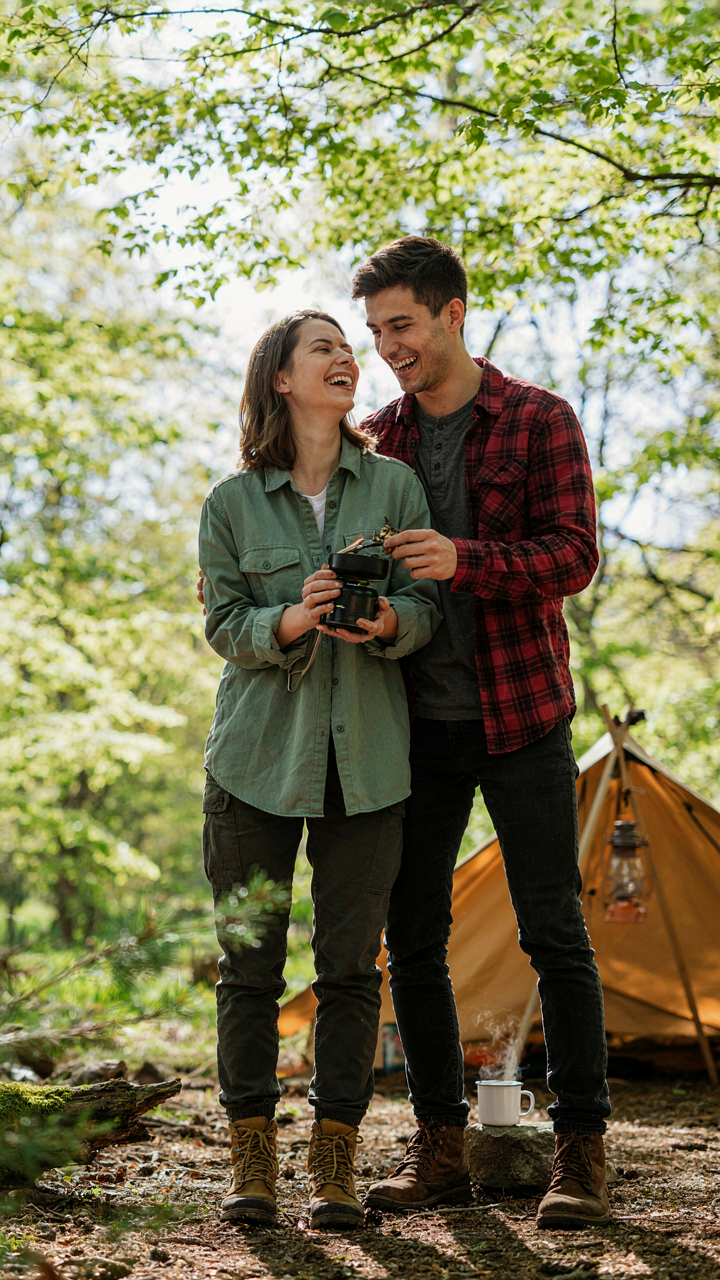
You want proof that romance matters without looking desperate or broke. Here’s the mechanism: shared adversity accelerates bonding. Psychology calls it the “challenge-response cycle”—two people face friction together, solve it together, then feel closer. A candlelit dinner creates a passive moment. A road trip creates dozens of micro-decisions where you navigate as a unit. You argue about routes. You find an unexpected diner. You get lost and laugh about it. That’s where intimacy lives.

The gap between couples who report satisfaction and those who don’t isn’t dinner quality—it’s how often they solve problems in real time. A road trip forces this automatically. You’re not performing for a waiter. You’re building something together in the present moment. The absence of a script is the point. When you stop planning romance and start just being present during natural friction, the romance emerges on its own.
Experiences Create Stories That Last
Manufactured luxury fades the moment you leave the venue. A two-hundred-dollar dinner you forget by next month versus a sixteen-hour drive where you sang badly in the car and discovered a town that shouldn’t exist—the second one compounds in value. Experiences don’t depreciate; they get retold and reshape how you see each other. You’re not paying for ambiance. You’re paying for material that becomes part of your shared mythology.
On a road trip honeymoon, you hit this threshold faster because you’re building continuous narrative, not isolated moments. A four-day drive creates ten to fifteen distinct scenes your brain can actually encode and retrieve. You have stories to reference for decades. Budget forces creativity, and creativity forces you to pay attention to what’s actually happening instead of what you paid for.
Honeymoon Road Trip: Mastering Minimalist Packing For Maximum Freedom

Strip Everything Down To Baseline
You want permission to travel light without looking unprepared. That’s the real ask here. The mechanism is simple: every item you pack either serves a function or carries emotional weight disguised as necessity. Most couples pack the second category. You’re not going to wear half of it. The mental clarity comes from knowing exactly what you have and why it’s there. When you remove the noise, decision fatigue drops. You move faster. You stay flexible.

Strip your packing list to items that solve actual problems on a road trip: shelter, temperature control, hygiene, and one social outfit. Everything else is insurance against scenarios that won’t happen. A minimalist packing strategy isn’t about deprivation. It’s about removing the friction between you and spontaneity. When your car isn’t full of backup plans, you can actually take them.
Pack Light, Pivot Your Route
In physics, objects with lower mass require less force to change direction. Your luggage works the same way. A car packed to capacity locks you into your original itinerary. You can’t take the detour. You can’t stay an extra night in a town you love because there’s no room for what you’d collect. You can’t move quickly if the car becomes a storage unit.
- One large duffel per person: Soft-sided bags compress and fit around car shapes. Hard luggage wastes cubic footage and looks like you planned to stay somewhere fixed.
- Layering over variety: Five shirts in different weights beat ten single-purpose shirts. Temperature changes, not wardrobe themes, drive what you need.
- Toiletries in travel containers: Buy a multipack of 3-ounce bottles. Refill from your home supplies or grab cheap travel sizes at gas stations along the route.
- Digital copies of documents: Store your IDs, insurance cards, and reservations in a cloud folder accessible offline. Physical backups take space and wear out.
- One pair of shoes per category: Driving shoes, hiking shoes, one presentable shoe. Rotate by day’s activity. Shoes are weight and space killers.
The payoff appears when you spot a 200-mile detour worth taking and your car accommodates it without negotiation. You leave room for gas station snacks, trinkets, or an extra cooler without cramming. A light load lets you park in tighter spots and access your gear without unpacking everything to find one item. Pack this way and your flexibility becomes your actual advantage over couples locked into rigid plans.
Honeymoon Photos: Curating A Legacy, Not Just A Gallery

The Unguarded Moment Over The Posed Shot
You want proof that your marriage is enviable. That’s the real reason honeymoon photos matter to you, and that’s exactly why most couples end up with hundreds of forgettable images instead of a dozen that actually mean something. The mechanism is simple: posed photos flatten reality into a performance. Unguarded moments capture the texture of who you actually are together. On a road trip, this distinction matters more than anywhere else because you’re not on a stage. You’re in a car, at a diner, watching your partner sleep against a window at mile 247. These moments happen whether you document them or not. The question is whether you’re chasing authenticity or validation.

Stop treating your phone like a professional camera. A blurry photo of your partner laughing at a terrible roadside attraction tells a story. A technically perfect sunset selfie tells nothing. The budget road trip honeymoon already strips away the resort polish. Lean into that. Shoot with intention but without friction. One person takes the photo, the other just exists. Rotate roles. Move on in under two minutes. The couples who end up with photos they actually look at months later aren’t the ones obsessing over composition on the road. They’re the ones who captured motion, reaction, and genuine confusion about where they are.
The Visual Narrative You’re Actually Building
A visual journal functions like narrative architecture in literature: each image is a scene that builds toward a coherent story about this specific relationship at this specific moment in time. Most people collect photos. You’re constructing a timeline. The difference is intentionality. Your road trip isn’t a series of destinations. It’s a sequence of revelations about how you two operate under novelty, fatigue, boredom, and discovery. Each photo should answer one question: what did we learn about ourselves or each other on this stretch of road?
Document the mundane with the same seriousness you give the scenic. A gas station receipt. The dashboard at dawn. Your partner’s reaction to terrible truck stop coffee. Your own hands on the steering wheel. The spacing between these images creates meaning. When you review them later, you won’t remember the views. You’ll remember the conversation that happened during the drive to the view, and that’s what the photos should anchor. Create a single shared note where you write one sentence per day about what actually happened. Match that with the photos taken that day. You now have a system instead of a gallery.
The Only Thing Holding You Back Is Your Willingness To Define Your Own Adventure
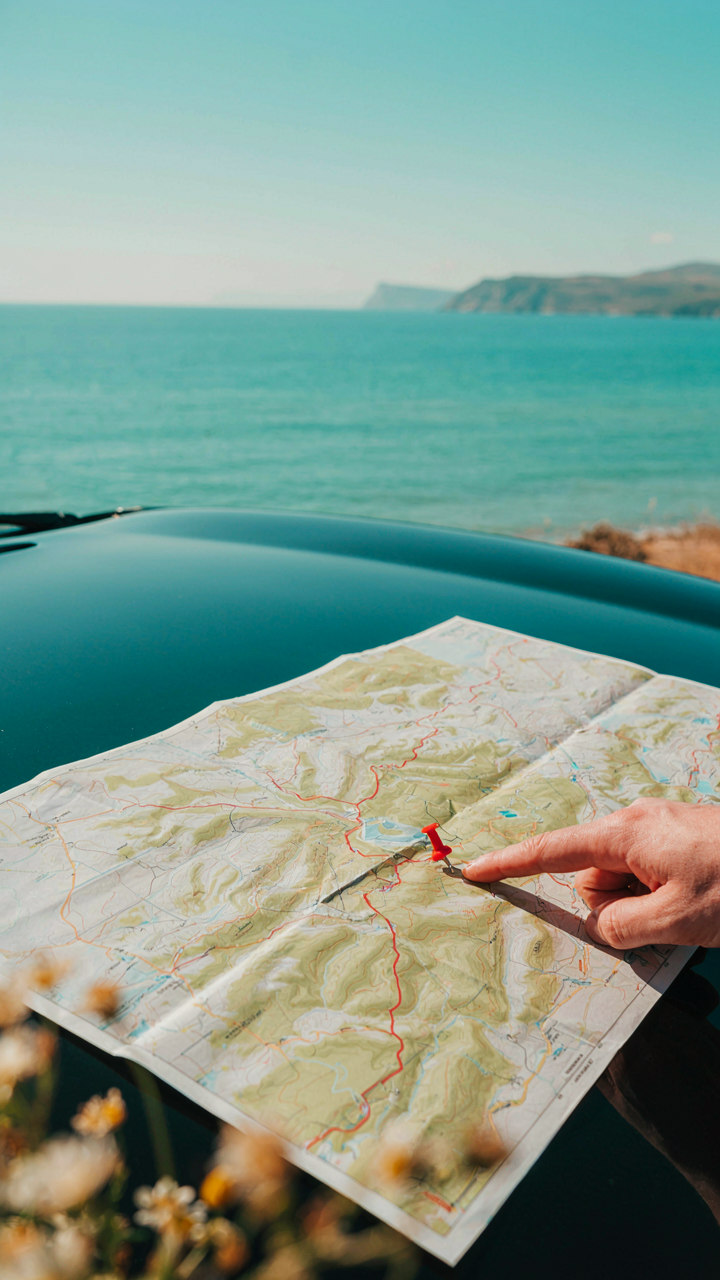
Most couples suffocate their honeymoon with someone else’s itinerary. You don’t need a travel blogger’s route or a resort’s package. Pick one region that actually excites you, not impresses people. Text a friend right now and ask what road they’ve always wanted to drive. Then drive it. The couples who remember their honeymoon aren’t the ones who followed the script, they’re the ones who wrote it themselves.