The Unseen Cost Of A “Cheap” Honeymoon: Why Generic Advice Fails

What You’re Actually Afraid Of
You want to know if you can do this without looking poor. That’s the real question under the surface. Here’s the mechanism: when you optimize purely for budget, you don’t just spend less money—you trade experiences for the appearance of thrift. You end up with stories about what you didn’t do instead of what you did. That gap between intention and reality is where regret lives.
Economics calls this opportunity cost: the value of the next best alternative you give up when you choose one path. On a seven day honeymoon, every dollar locked into a cheap flight or discount hotel is a dollar not available for an experience you’ll actually remember. Most people frame this backwards. They ask “how low can I go?” instead of “what am I willing to miss?” The second question costs nothing to ask and changes everything about the math.
Memories Have An Expiration Date
Diluted experiences don’t age well. A rushed dinner at a chain restaurant in your honeymoon destination fades in three months. A meal at a place you researched and saved for stays vivid for years. The difference isn’t the food—it’s the intention you brought to it. Generic budget advice treats all seven days the same, suggesting you spread your money evenly across accommodation, food, and activities. That’s how you end up mediocre at everything instead of excellent at what matters.
The mechanism here is simple: cheap options require compromise on every variable at once. Bad timing, mediocre location, rushed experience, no flexibility. Targeted spending—pouring resources into two or three experiences and cutting aggressively elsewhere—creates the opposite. You get depth instead of coverage. On a seven day trip, you don’t need seven good days. You need two or three days so vivid you reference them for the next decade. Build backwards from that, not forward from your budget limit.
The Experience ROI: Invest In Moments, Not Just Flights

Where Your Money Actually Moves The Needle
You’re worried about leaving money on the table. Here’s the mechanism: most couples budget by category (flights, hotel, food) when they should budget by memory density. Economics calls this utility maximization, but for honeymoons it means identifying which experiences generate disproportionate emotional return relative to cost. A $40 cooking class creates more recall than a $400 hotel upgrade because it demands active participation, not passive comfort.

The mistake is treating all days as interchangeable. They aren’t. Day three of your trip creates three times the memory weight of day seven because novelty compounds early. Spend the majority of discretionary budget on experiences during days two through four. Skip the hotel pool. Skip the resort activities. Allocate money where you’re actually present and doing something, not where you’re consuming amenities passively.
Eliminate The Budget Friction
Most honeymoon budget advice ignores this: your biggest cost leak isn’t dining or activities, it’s decisions made in real time without a framework. You arrive somewhere, feel uncertain, and spend money to resolve the uncertainty. A meal costs 40 percent more when you’re lost and hungry than when you planned it. A tour costs 30 percent more when booked on location than booked before departure. The fix isn’t spending less, it’s removing the friction that inflates every transaction.
Pre-commit to your major experiences before the trip. Book the activities, reserve the restaurants, plan the logistics. What remains unallocated gets spent flexibly without regret because you’ve already secured the high-ROI moments. This shifts your mindset from scarcity (watching every dollar) to abundance (you know where your money goes). The protocol: decide which three to five experiences matter most, lock them in, then spend the remainder without guilt or second-guessing.
The 7 Day Velocity Protocol: Mapping Your Bali Itinerary For Impact
Energy And Excitement Curve
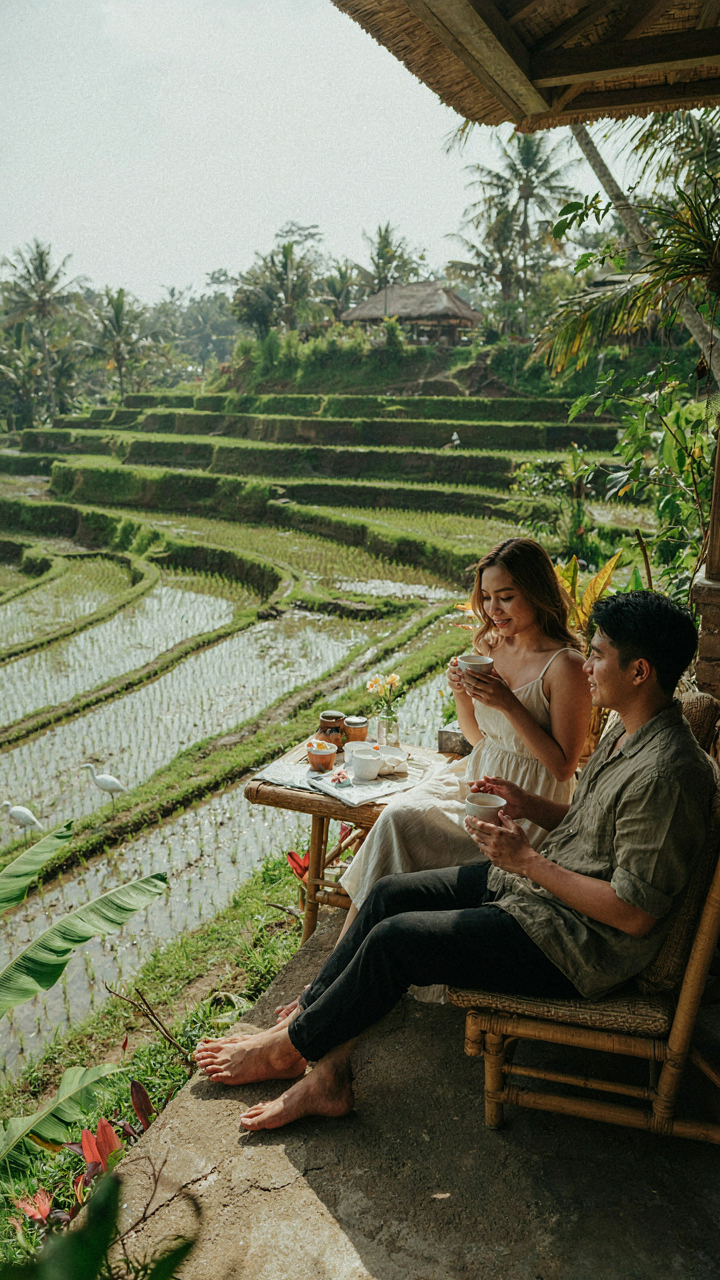
You want to feel like you made the most of it. The real mechanism is borrowed from physics: velocity. A seven-day honeymoon isn’t about cramming locations. It’s about managing the rate of novelty against your mental capacity to absorb it. Most couples front-load activities, burn out by day four, and spend the final days in a resort cocoon. That’s wasted runway.

The correct approach places your highest-intensity experiences on days two through five, when you’re acclimated but not depleted. Day one is arrival and adjustment. Days six and seven taper into rest and processing. This isn’t romantic philosophy. It’s resource allocation. Your nervous system has a threshold. Respect it or spend half your honeymoon recovering instead of connecting.
Concentrated Impact Points
Three locations in seven days beats seven locations in seven days. The travel tax is real: each move to a new city costs four to six hours of actual time. You lose half a day to transit, settling in, and orientation. Bali’s geography makes this concrete. Staying in the Ubud region for three days, coastal Seminyak for two, and one day for a planned excursion eliminates decision fatigue and gives you depth instead of surface coverage.
Budget concentrates where you stay longest. Allocate seventy percent of accommodation spend to your primary location. Secondary locations get thirty percent. This isn’t about cutting corners. It’s about compounding experience. Three full days in one place means you stumble onto a local restaurant by day two, have standing reservations by day three, and build actual memory. One night somewhere is just a transaction.
Affordable Honeymoon Destinations: Beyond The Obvious

Where Your Dollar Actually Stretches
You want to feel like you got a deal without admitting you’re budget-conscious. The real mechanism is currency arbitrage disguised as romance. A seven-day honeymoon works because weak-currency countries let your money perform two to three times harder than it does at home. Stop chasing Bali because Instagram told you to. Instead, target regions where local wages are low, which means services, food, and accommodation scale down proportionally.

Thailand, Mexico, and Colombia offer this advantage without requiring you to rough it. Your USD or EUR buys genuine luxury there, not backpacker scraps. A four-star hotel runs 40 to 60 dollars nightly in Chiang Mai or Oaxaca. The same bed in Barcelona costs four times more for identical amenities. This isn’t luck. It’s purchasing power parity at work. Pick a destination where your home currency is strong, and your budget expands immediately.
Separating The Myth From The Mechanism
The advice to “go local” is incomplete because it ignores that locals and tourists inhabit different economies in the same city. Eat where locals eat, everyone says, as if geography determines price. It doesn’t. A street vendor charges one price to residents who visit daily and another to visitors who won’t return. The mechanism isn’t location. It’s information asymmetry. Locals know which spots are underpriced because they have social proof you lack. Tourists default to signaled establishments because they broadcast trust through reviews and visibility.
Stop booking through tourist aggregators and instead use local booking platforms, hire a guide through referral networks, and eat at spots with zero English signage. Your guide knows restaurant owners personally, so they quote local rates. You remove the tourist markup instantly. For a seven-day trip, hire one local guide for two days at 25 to 40 dollars daily. They’ll redirect you to every underpriced meal and activity for the remaining five days based on their recommendations. This single decision collapses your food and activity budget by 30 to 40 percent.
The Couples Vacation Scarcity Loop: Breaking Free From Comparison

What Luxury Actually Means To You
You’re worried you’re doing it wrong. That’s the real reason you’re reading this. The mechanism is simple: you don’t have a personal definition of luxury, so you borrow one from people whose lives and finances look nothing like yours. Then you chase it.

Luxury isn’t a fixed price point. It’s the removal of friction between you and what you actually want. For some couples, that’s a seven day trip to Southeast Asia on five thousand dollars. For others, it’s four days at a resort thirty minutes away because they hate airports. The second couple can enjoy their honeymoon. The first can’t, because they’re busy resenting the price.
Stop Measuring Against The Wrong Metric
Everyone you see posting vacation content selected which three hours of their seven days to show you. This isn’t cynicism. It’s how social platforms work. The couple posting sunset photos didn’t post the argument about money, the food poisoning, or the day they sat in their hotel room because the itinerary was too ambitious.
Your budget for a honeymoon should tie to one variable only: what you can spend without creating financial stress in the first year of marriage. Not what influencers spent. Not what your friends’ parents funded. Not the wedding magazine spread. The couple that returns from a seven day trip with zero debt sleeps better than the couple that financed memories. Build your number first. Then design the trip inside it.
Dynamic Budget Allocation: Using Military Logistics For Your Honeymoon
Where Your Money Actually Gets Trapped
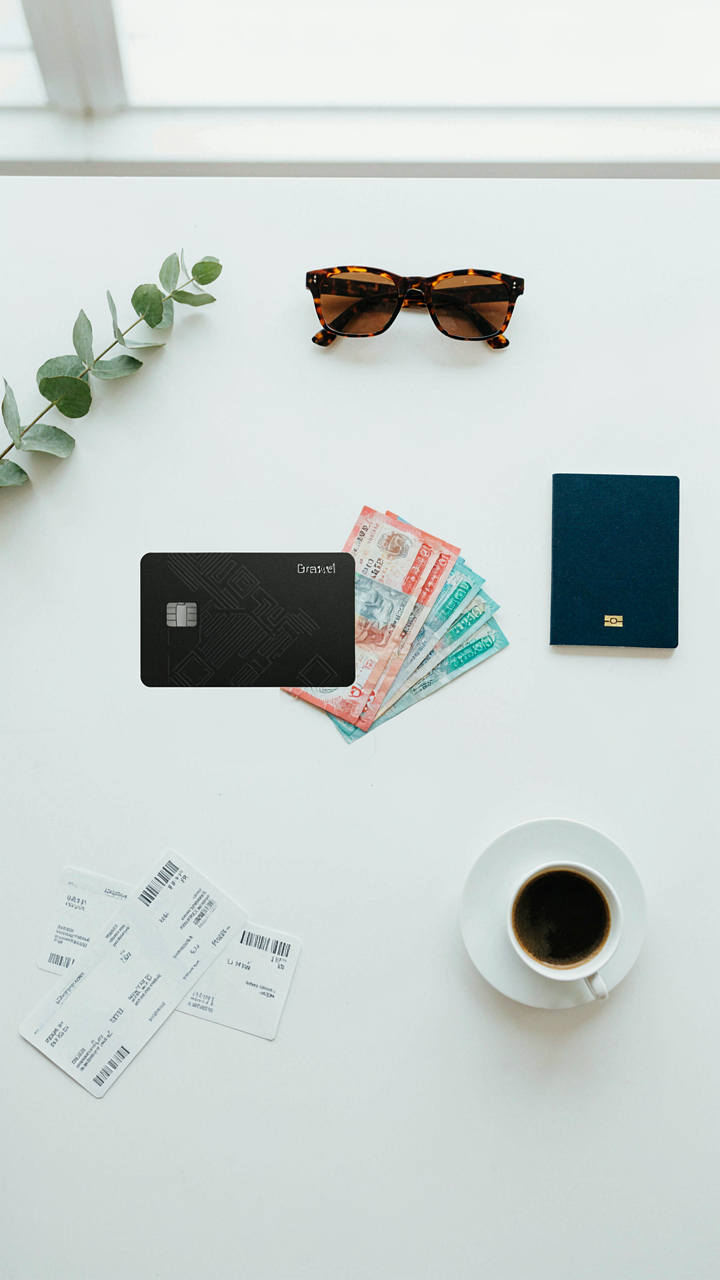
You’re reading this because you’re afraid you’ll blow through cash on the wrong things and look unprepared on your honeymoon. Military logistics uses a principle called supply line bottlenecking: identifying which resources, if disrupted, collapse the entire operation. On a seven-day trip, your bottlenecks aren’t where you think. Accommodation locks in 40-60% of your spend before you arrive. Flights consume another 25-35%. The remaining 5-15% gets rationed across food, activities, and transport. Miss allocating for housing first, and you’re eating ramen while sitting in a luxury resort you booked anyway.

The real move is reverse budgeting. Start with non-negotiable fixed costs: flights and lodging. Lock these in three to four months before departure when prices stabilize. Everything else scales down proportionally. Most couples budget linearly, allocating equal chunks to each category, which is why they run dry on day five. Here’s what actually matters:
- Flights: Book 90-120 days out. Prices spike within eight weeks of travel. Secure this first because it doesn’t move.
- Accommodation: Reserve immediately after flight confirmation. Peak season lodging fills fast and rates climb weekly as dates approach.
- Ground transport: Pre-book airport transfers or rental cars. Last-minute bookings cost 30-50% more than advance reservations.
- Activity deposits: Guided tours and excursions often require upfront payment. Booking early locks prices and guarantees availability.
- Daily spend buffer: Allocate 15-20% extra for meals and spontaneous experiences. This prevents budget collapse when you encounter authentic restaurants or last-minute opportunities.
Once fixed costs anchor your budget, you operate inside known constraints. You know exactly how much floats for discretionary spending. This eliminates decision fatigue and prevents the psychological trap of “we have money left, so let’s spend it.” Operate from scarcity, not abundance, even if abundance exists.
The Real Cost Of Ignoring What Goes Wrong
Contingency planning fails because couples assume bad luck won’t happen to them. It will. Flight delays, lost luggage, emergency medical visits, restaurant closures, currency fluctuations, and price gouging at tourist traps happen on 60% of seven-day trips. You’re not being pessimistic by preparing. You’re being rational.
The standard advice says reserve 10% for emergencies. That’s incomplete. A true contingency reserve works backward from your trip’s vulnerability profile. Overseas travel with activities in remote areas needs 15-20%. Domestic trips with urban centers need 8-12%. Medical costs abroad run two to four times higher than home. A minor injury requiring a clinic visit can cost 300-800 dollars in tourist destinations. Build for your actual risk, not generic percentages.
- Medical emergency fund: Carry 500-1000 dollars minimum. International travel insurance exists but deductibles often run 250-500 dollars per claim.
- Lost luggage replacement: Budget 200-400 dollars. Airlines reimburse slowly. You need clothes and toiletries immediately upon arrival.
- Currency volatility buffer: If traveling internationally, add 5-10% above your spending estimate. Exchange rates shift daily and hidden fees apply at conversion.
- Activity cancellation buffer: Weather, local strikes, or overcrowding cancel excursions. Reserve 100-200 dollars for rebooked or alternative experiences.
- Price gouging margin: Tourist areas markup food and services 40-100% above local rates. Allocate an additional 5-8% if your itinerary includes high-traffic destinations.
Split your contingency fund into two buckets: one accessible during travel via credit card or cash, the other held at home. The first covers immediate problems. The second covers reimbursements after you return. Never treat contingency money as usable discretionary spending. The moment you do, you’re unprotected when something actually fails. Set the reserve aside before the trip and pretend it doesn’t exist until an actual emergency forces you to access it.

Beyond Flights & Stays: The Hidden Bali Bucket List Investments

Memories Cost More Than Photos
You want proof you went somewhere worth going. That’s the real driver here. Most couples blow their budget on experiences because they conflate memory-making with status signaling, then wonder why they’re broke by day five. The mechanism is simple: Bali’s experience economy is built on scarcity theater. A temple blessing costs thirty dollars but feels priceless because you can’t get it at home. You’ll spend three to four times more on curated moments than on accommodation.
The gap between what Instagram suggests and what actually moves the needle is where your money leaks. Skip the overpriced sunset cruises marketed to tourists. Book the rice terrace trek with a local guide who knows the family farms and takes you off the main paths. A private cooking class with a Balinese chef costs eighty to one hundred dollars but teaches you technique you’ll use for years. Activities that layer learning into leisure stick in memory differently than passive consumption. Budget two hundred fifty to four hundred dollars per person for experiences that aren’t theater.
Living Like A Local Requires Strategy
Economics calls this the “price discrimination problem”—vendors charge visitors one rate and locals another. On your honeymoon, you’re caught between both markets, bleeding money at the tourist price while missing the actual Bali. The real cost of immersion isn’t what guidebooks list. It’s staying in a warung neighborhood instead of Seminyak, eating where workers eat, hiring a scooter and driver for a full day instead of hopping between tour operators. You learn the rhythms of a place by moving through it without a schedule.
Immersion compounds over time. Spend one afternoon in a local’s home. Attend a temple ceremony. Sit with a coffee farmer while he explains his harvest cycle. These moments cost between fifty and one hundred fifty dollars total but reshape how you understand a place. The mechanism: trust earned over hours produces access to stories outsiders never see. Budget an additional two hundred dollars for this category—it’s the difference between visiting Bali and understanding why people live there.

Romantic Honeymoon Redefined: The Power Of Intentional Spending

Build Rituals Around Constraint
You want to believe the honeymoon’s quality tracks with the dollar amount spent, but that’s not how attention works. The real mechanism here is scarcity. When you constrain resources, you force intention. You stop defaulting to whatever the resort packages. You start noticing.
Rituals on a seven day trip don’t require money. They require repetition and a specific trigger. Morning coffee at the same café. A sunset walk on the same beach at the same time. A nightly conversation in the hotel room with phones off. These cost almost nothing. They anchor the trip in your memory because they’re predictable, which paradoxically makes them feel rare.
Presence Doesn’t Scale With Budget
The consensus advice treats honeymoons like consumption contests. Buy the premium resort, the excursions, the meals at the restaurant with the highest rating. This is backward. Presence is the scarce resource, not amenities. A couple sitting in silence on a balcony is either present or scrolling through photos of other honeymoons. Money doesn’t change which one happens.
The mechanism borrowed from attention economics: what you pay attention to compounds. Seven days of distracted luxury leaves nothing. Seven days of low-cost focus builds something that lasts. Your move is to budget for experiences that naturally demand attention, not experiences that demand a higher price tag. A hiking trail costs less than a helicopter tour and forces you to breathe at the same pace as your partner for hours.

Budget Friendly Honeymoon Destinations: Unlocking Value, Not Just Discounts
Where Local Money Actually Stretches
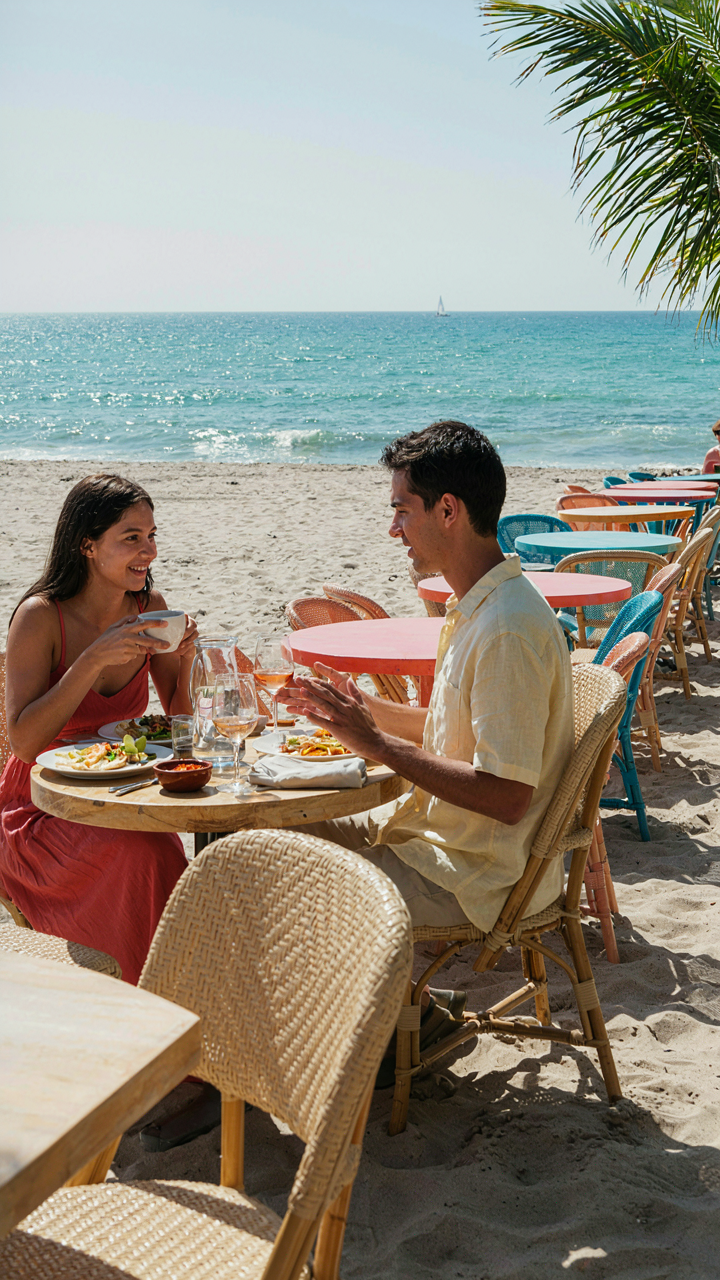
You want proof that your money matters—that choosing the right place means you’re not just saving, you’re winning. Here’s the mechanism: currency arbitrage. Economies borrow this term from finance, but it applies directly to honeymoon budgeting. A seven-day trip in a country where your dollar purchases 3x or 4x more than at home isn’t a discount—it’s structural advantage. Mexico, Portugal, Thailand, and Colombia operate on wage scales fundamentally different from US dollars. Your daily budget doesn’t shrink because you’re being frugal. It stretches because the local cost of living is built on different economic foundations.
The real move isn’t finding cheaper versions of expensive things. It’s choosing destinations where premium experiences cost what budget experiences cost elsewhere. A beachfront dinner in Puerto Vallarta runs 40 percent of what an equivalent meal costs in Miami. Skilled massages in Chiang Mai cost 80 percent less than US prices because therapist wages reflect local markets, not tourist pricing. Accommodation in Lisbon’s historic neighborhoods undercuts comparable US cities by half. You’re not compromising quality. You’re exploiting economic reality.
Spotting And Sidestepping Tourist Markup Zones
The common advice says “eat where locals eat” and “avoid tourist areas.” That’s incomplete. Tourist areas exist because tourists have money, and businesses price accordingly. The real trap isn’t location—it’s time blindness. Most honeymoon couples book restaurants and activities through hotel concierges or travel sites without checking actual local pricing. Hotel staff mark up third-party bookings by 15 to 30 percent because they earn commission. You’re paying their salary on top of the business’s margin on top of the base cost.
Avoid the markup by booking directly with providers or through local payment apps before arrival. In Mexico, apps like Airbnb and direct restaurant websites quote lower prices than hotel booking desks. In Portugal, local reservation systems undercut tourist aggregator sites by 20 to 40 percent. The mechanism is simple: remove the intermediary layer, remove the commission. Spend 30 minutes researching real prices in your destination before booking anything through your hotel. This single protocol shift cuts phantom costs faster than any budget reduction tactic.
The Post Honeymoon Audit: Learning From Your Investment

What You Actually Paid For
You want to believe the trip was worth it. That’s the real motive here. Not the dollars spent, but whether you wasted them. Here’s the mechanism: memory ROI works like compound interest in reverse. Every dollar either compounds into stories you retell for years or evaporates into generic Instagram moments nobody remembers. Track what created the former and what created the latter. Separate the experiences that shifted how you see your partner from the experiences that just looked good at the time.
Pull your credit card statements. Categorize every charge: accommodation, food, activities, transport, unplanned. Then ask one question per category: did this create a memory you still discuss, or did you forget it existed three weeks later? The brutal truth is that experiences fade faster than you think. Specificity survives. A $300 private dinner vanishes into the category of “nice restaurants.” A $50 mistake that became a funny story compounds forever. Money didn’t determine the difference.
Calibrating Spend For Next Time
The common advice says save more or travel cheaper. Wrong. The real problem is that most couples don’t know their actual conversion rate between dollars and meaningful moments. Think of it like signal to noise ratio in engineering. Your budget contains both signal (experiences that matter) and noise (expenses that felt necessary but created nothing). Most people repeat the noise because they don’t audit it. Seven days is short enough to remember exactly what happened. Use that window before the details blur.
Create a simple score: rate each significant expense from one to ten based on how often you’ve thought about it since returning. Anything below a five gets cut from the next trip’s template. Anything above an eight gets doubled in budget allocation. This isn’t about being cheaper or more generous. It’s about redirecting money from things that don’t compound into things that do. Document the threshold spend level for each category that consistently hits eight or higher. That becomes your baseline for the next seven day trip you plan.
The Real Obstacle Isn’t Your Budget; It’s Your Inability To Define What Truly Makes A Memory, Not Just A Purchase
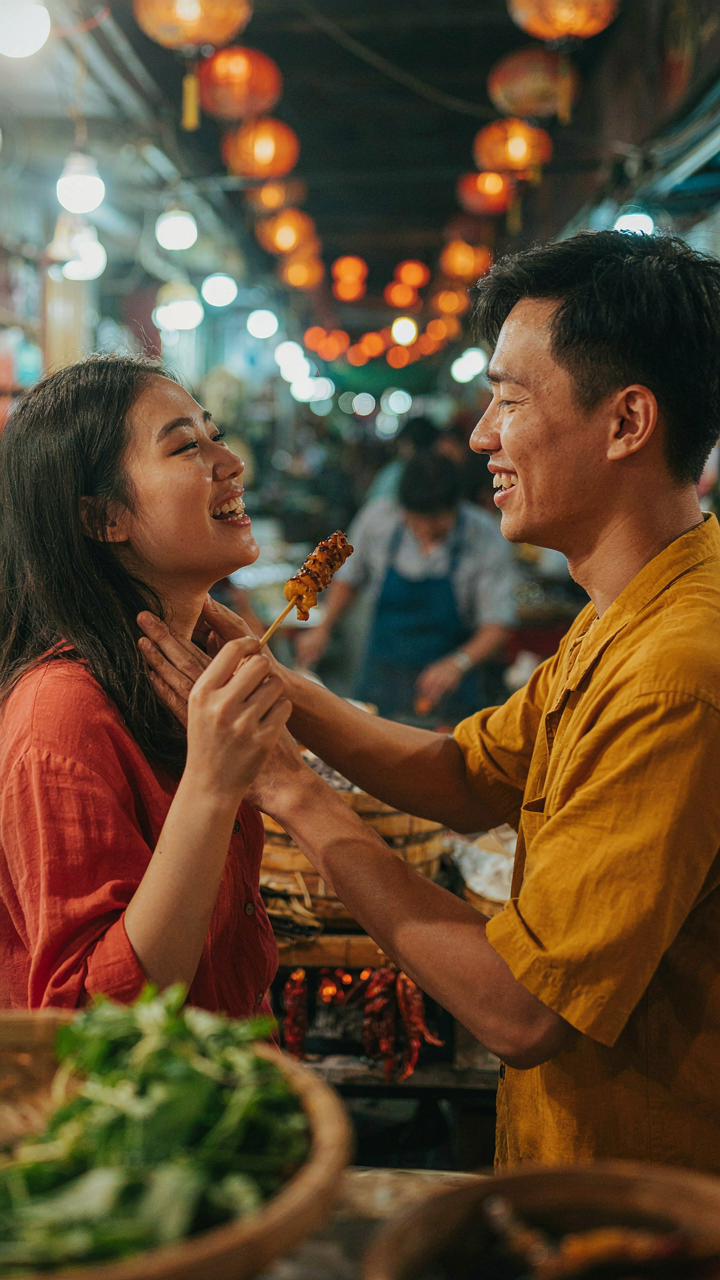
Most couples blow their honeymoon budget on activities they think they should experience instead of moments they actually want to remember. Stop listing Instagram-worthy destinations and start asking yourself what you two genuinely enjoy doing together. Write down three things that make you both lose track of time. Build your seven day trip around those, not around what travel blogs tell you to do. Your best memories won’t come from spending more money; they’ll come from spending it on what matters to you, not what matters to the algorithm.