The Scarcity Mindset Fallacy: Redefining Affordable Honeymoon Destinations
Value Over Cost Per Night
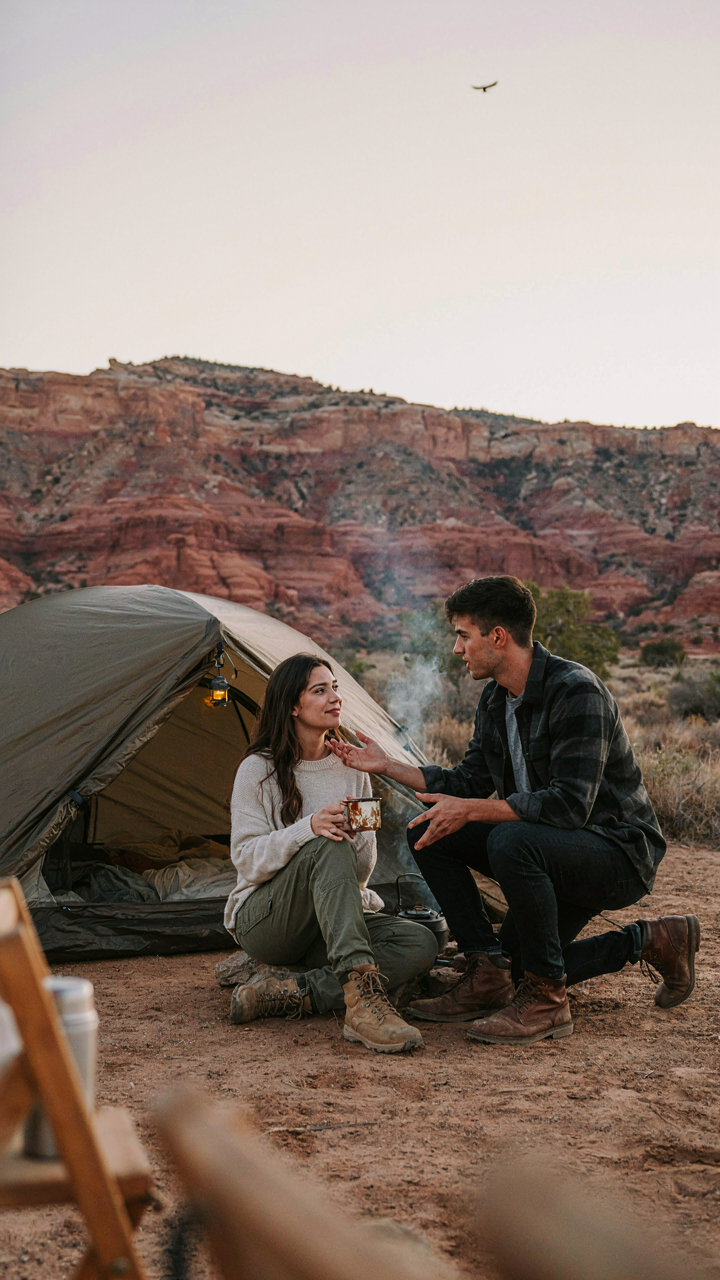
You want to feel like you didn’t compromise. That’s the real anxiety here. Cheap sounds like settling. The mechanism is simple: you’re confusing price with value. A 40-dollar campsite in Zion where you wake to red cliffs beats a 200-dollar hotel room in a generic town where you see concrete. The cost per night means nothing. The experience per dollar spent is what matters.
Most honeymoon advice starts with a budget ceiling and works backward into mediocre choices. Flip it. Start with what creates memory. Then engineer the logistics to fit your actual spending power. National parks reverse the typical honeymoon math because the landscape does the heavy lifting. You’re not paying for amenities or restaurant markup. You’re paying for access to something that doesn’t commoditize.
Timing Gaps Create Unfair Advantage
Economics calls this arbitrage, and national parks have massive timing gaps nobody exploits because they’re chasing the Instagram season. Peak summer means peak prices and peak crowds. Shoulder seasons and winter visits hit different parks at their best with 30 to 50 percent lower accommodation costs and zero competition for campsites or trailheads. Moab in October isn’t Moab in June. Bryce Canyon in March isn’t crowded. The experience quality sometimes improves. Fewer people means faster trails and clearer skies for photography.
The protocol is tactical: identify your park, pull its visitation data, then book your dates for the week before or after the seasonal spike. Most couples pick dates based on when they “want” to travel, not when the park actually rewards showing up. You get the same destination, better conditions, and your wedding budget absorbs less friction. This is how you build a honeymoon that costs less and delivers more.
The “Honeymoon In The Us” Arbitrage: When To Go, Where To Stay
Shoulder Seasons Beat Peak Pricing
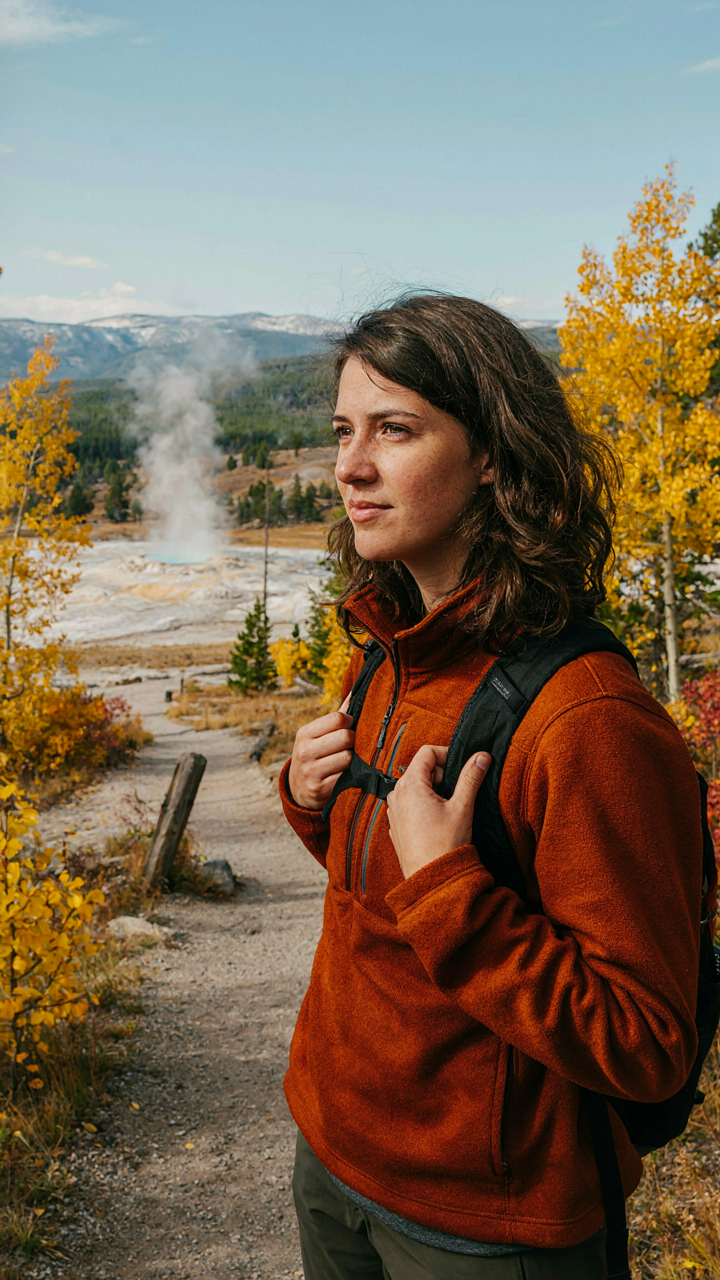
You’re worried you’ll miss the experience everyone else is having. Here’s the mechanism: parks price their visibility, not their quality. Peak season (June through August, plus major holidays) extracts a premium on everything—lodging, campgrounds, permits, even shuttle bus seats. The park itself doesn’t change. The trails don’t get better. The views stay identical. Only the crowd density and your bill spike.

Shoulder seasons—April through May and September through October—deliver the same landscape at 40 to 60 percent lower costs. Hotels drop rates aggressively. Campgrounds open up availability. Food vendors operate at normal prices instead of tourist markups. Weather remains stable enough for hiking. The trade-off is simpler: fewer people on trail. Most honeymoon couples misread this as a loss when it’s actually a gain. Fewer people means you control the pace, the timing, the silence.
Camping Versus Lodging: The ROI Decision
Economics borrowed the concept of marginal utility—the value you get per dollar spent decreases as you spend more. Camping’s advantage isn’t moral superiority. It’s a mathematical one. A national park campsite costs eight to thirty dollars per night. A hotel outside the park runs sixty to two hundred dollars. The gap widens near famous parks like Yellowstone or Grand Canyon.
The real question isn’t whether camping is “romantic.” It’s whether the experience difference justifies the price difference for your specific situation. If you value a shower and a bed after ten miles of hiking, lodging ROI is positive for you. If you can sleep on a pad and shower in a river, camping pays. Run the math on your actual preferences, not Instagram’s version. Then book based on the answer, not the narrative.
The National Park Honeymoon Logistics Protocol
America The Beautiful Pass Economics
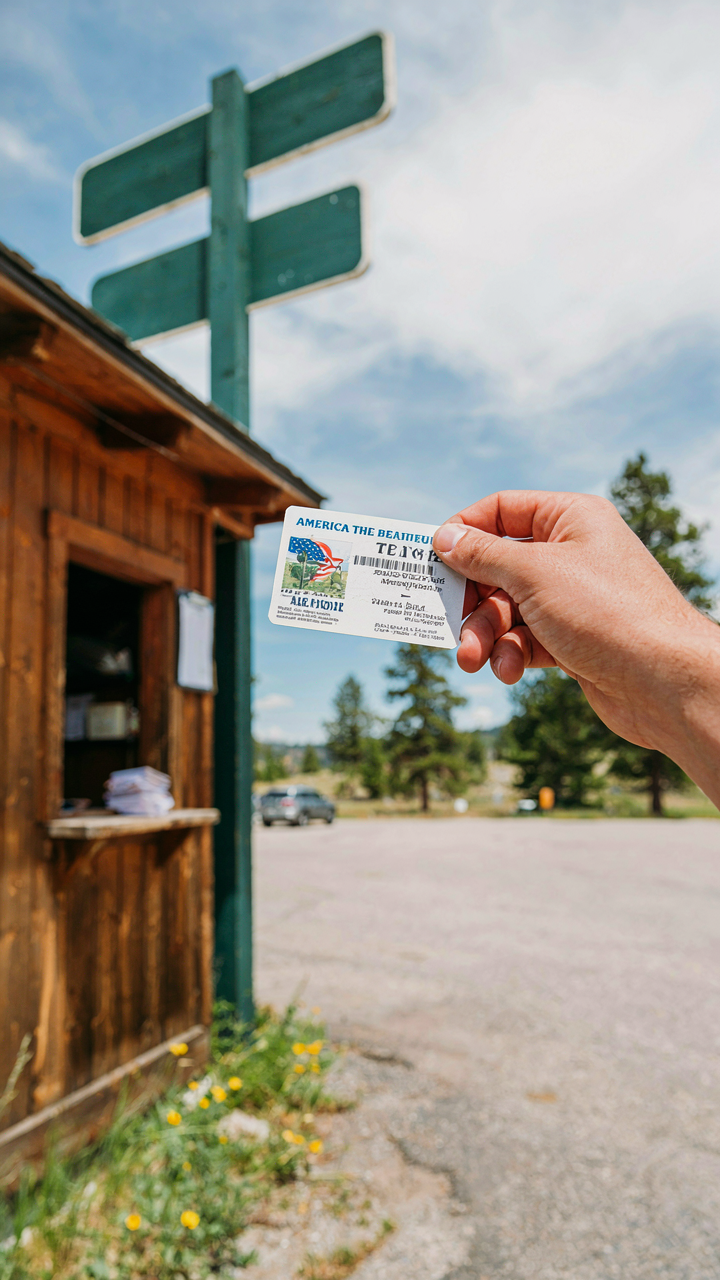
You want to feel smart about saving money without actually doing the math. Here’s the mechanism: the America the Beautiful Pass operates on volume arbitrage. You pay $80 upfront for unlimited access to all federal recreation sites for one year. A single park entry fee ranges from $25 to $35 per vehicle. The pass breaks even after three parks. If your honeymoon visits two parks and nothing else, buy individual passes. If you’re hitting three or more, the annual pass wins. Most couples assume they should buy the pass because it sounds economical. They don’t check how many parks they actually intend to visit.

The real lever here is timing your purchase. Buy the pass during your trip, not before, if you’re uncertain about park count. The pass is valid immediately, and you don’t waste money on unused access. Many couples purchase it online beforehand and then skip a planned park due to weather or schedule drift. You can enter the park without the pass, pay the single fee, then upgrade to the annual pass at the gate and receive credit toward the difference. This happens rarely because park staff don’t advertise it and most visitors don’t ask.
Ground Movement Without The Rental Markup
Rental cars consume 40 to 50 percent of budget-conscious honeymoon budgets, yet most couples never price shuttle systems or regional transit networks. The hidden cost isn’t the daily rental rate. It’s the gas, insurance add-ons, parking fees at trailheads, and the liability exposure if you damage the vehicle on a rough park road. Shuttle services operated by park concessioners or local outfitters eliminate the liability and the gas guessing game. Ride-sharing works only for parks near cities. Zion, Grand Canyon, and Yellowstone offer shuttle systems included in or bundled with your entry fee. You pay nothing extra per ride.
Couple this with one deliberate constraint: stay within a 30-minute radius of your primary park and base yourself in one location. This kills the car-hopping mentality that inflates costs. You eliminate checkout and check-in fees, reduce drive time between lodging and trailheads, and lower your total fuel expense to near zero. If you need mobility for a second park, rent for a single day rather than a multi-day period, time it for your travel day, and return before you settle into lodging. Most couples rent for the full trip on autopilot. Rent only when the shuttle option doesn’t exist or requires excessive timing constraints.
Beyond Instagram: Real Experiences For Your Usa Honeymoon Destinations

Experiences Over Luxuries
You want to feel like your honeymoon mattered. That’s the real anxiety underneath this question. The mechanism is simple: memory formation requires novelty and mild discomfort, not comfort. Your brain encodes experiences it had to work for. A five-star resort blurs into every other five-star resort you’ve seen on a screen. A morning hike where you actually moved your body and noticed something specific stays with you for decades.

Budget forces this trade naturally. You cannot afford both luxury accommodation and varied experiences in a national park zone. So you pick experiences. Staying in a modest cabin near Zion and spending days actually hiking costs less than a resort 45 minutes away where you sit by a pool. The hikes are what you’ll remember. The pool was forgettable the moment you left it.
Finding Real Adventures Off The Tourist Map
Tourist traps operate on assumption: you don’t know what to research. The visitors center has maps and suggested trails. Most couples follow those maps. Most couples also elbow each other on the same overlook at sunset, then wonder why the trip felt generic. Local knowledge changes this entirely. Stop at ranger stations before the main park entrance. Ask what locals actually do on weekends, not what the brochure suggests. The answer is rarely the famous waterfall everyone photographs.
The budget benefit is direct. Lesser-known trails have free parking instead of parking fees. Smaller towns bordering the parks have cheaper food and lodging than the gateway hotels inside park boundaries. A $25 dinner in a town ten miles outside the park boundary tastes identical to a $65 dinner in the same food served inside. You save money by rejecting convenience. Start this search the moment you pick your park, not the day you arrive.
Culinary Economics: Eating Well On A Budget For Your United States Honeymoon Destinations

The Grocery Store Advantage
You want to feel like you’re not nickel-and-diming your way through what’s supposed to be romantic, so you rationalize restaurant meals as part of the experience. That’s the real cost driver, and it’s a choice, not an inevitability. Economics calls this the substitution effect: when one option (restaurants) becomes expensive relative to another (grocers), rational actors switch. A sandwich built from supermarket ingredients costs 70 percent less than the same meal at a park-adjacent café, and tastes identical at altitude.

The meal prep math is brutal in restaurants’ favor. A breakfast burrito at a park gateway town runs 14 to 18 dollars per person. The same burrito assembled from a grocery store costs three to four dollars in ingredients and takes eight minutes to make at your lodging. Over seven days, two people save between 280 and 350 dollars on breakfast alone. Lunch follows the same pattern. Dinner is where you allocate your restaurant budget strategically, not where you bleed money daily on convenience markup.
Packed Meals And Position
Scenic overlooks aren’t better because you buy food there; they’re better because you’re standing in them. A packed meal at an 8,000-foot vista delivers the same neurological reward as a restaurant meal, without the 400-percent markup on location. You control the timing, the portions, and the cost per calorie, which means you extend your time on trails instead of cutting days short to preserve budget.
The protocol is simple: buy protein, bread, fruit, and water at the nearest grocery store before entering park boundaries. Assemble meals the night before or the morning of. Pack everything into a cooler or insulated bag. Eat at the viewpoint, not the lodge. This isn’t deprivation; it’s logistics optimization. You spend the money you saved on an extra night in a better location or a guided experience you’d otherwise skip. The mechanism is redirection, not restriction.
The “Optimal Foraging Theory” For Best Honeymoon Destinations Activities
Maximize Experience Per Dollar Spent
You’re worried you’ll waste money on activities that feel hollow later. Here’s the mechanism: evolutionary biology has a concept called optimal foraging theory, which predicts animals maximize caloric gain while minimizing energy spent hunting. Apply this directly to your honeymoon. You’re foraging for experiences. The goal is maximum emotional return per dollar invested, not maximum spending or maximum activities. Most couples reverse this and burn budget on expensive excursions that deliver middling memories.

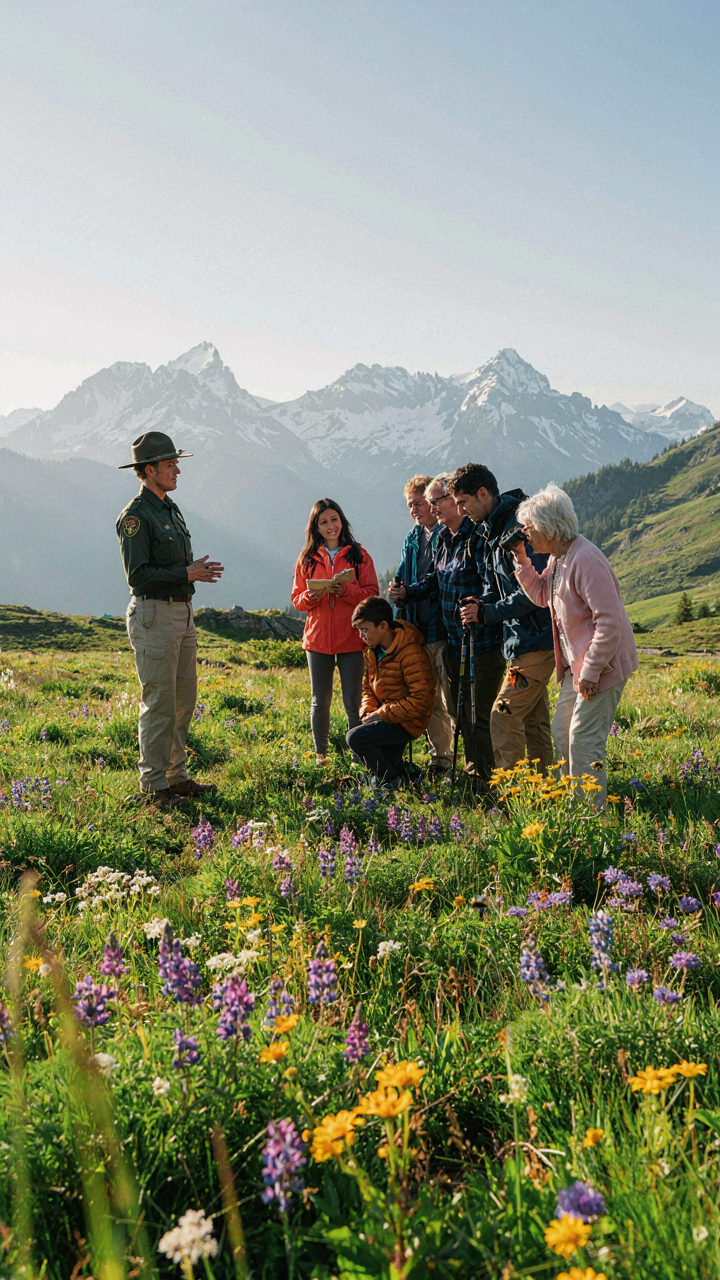
The math works against conventional honeymoon planning. A sunset hike costs nothing but delivers the same dopamine hit as a guided tour costing five times more. You’re not choosing between activities. You’re choosing between payoff ratios. Free ranger-led programs at Yellowstone, Zion, or the Grand Canyon beat paid tours consistently because the ranger’s expertise remains identical regardless of who pays. The difference is you pocket the cash and extend your trip instead.
Rank Activities By Impact Per Cost
Expensive doesn’t equal better. A backcountry camping night in Glacier National Park costs thirty to fifty dollars and generates stories you’ll retell for years. A helicopter tour costs three hundred dollars and delivers a forty-minute video you’ll forget in six months. The hidden cost of expensive activities is regret. You’ll rationalize spending until the moment you realize you overpaid for a forgettable experience.
Build a simple ranking system. For each activity, estimate the memory durability on a scale of one to ten, then divide by the cost in dollars. A free waterfall hike scoring eight out of ten divided by zero cost yields infinite return. A hundred-dollar activity scoring six out of ten yields only 0.06 return. This forces you to abandon prestige activities and hunt for the high-impact, low-cost options park systems already offer. Most couples never run this calculation because it feels unromantic to quantify memories, but that resistance is exactly why they overspend.
Gear Vs. Glamour: Essential Packing For National Park Honeymoon
Multi Use Items Over Status Symbols
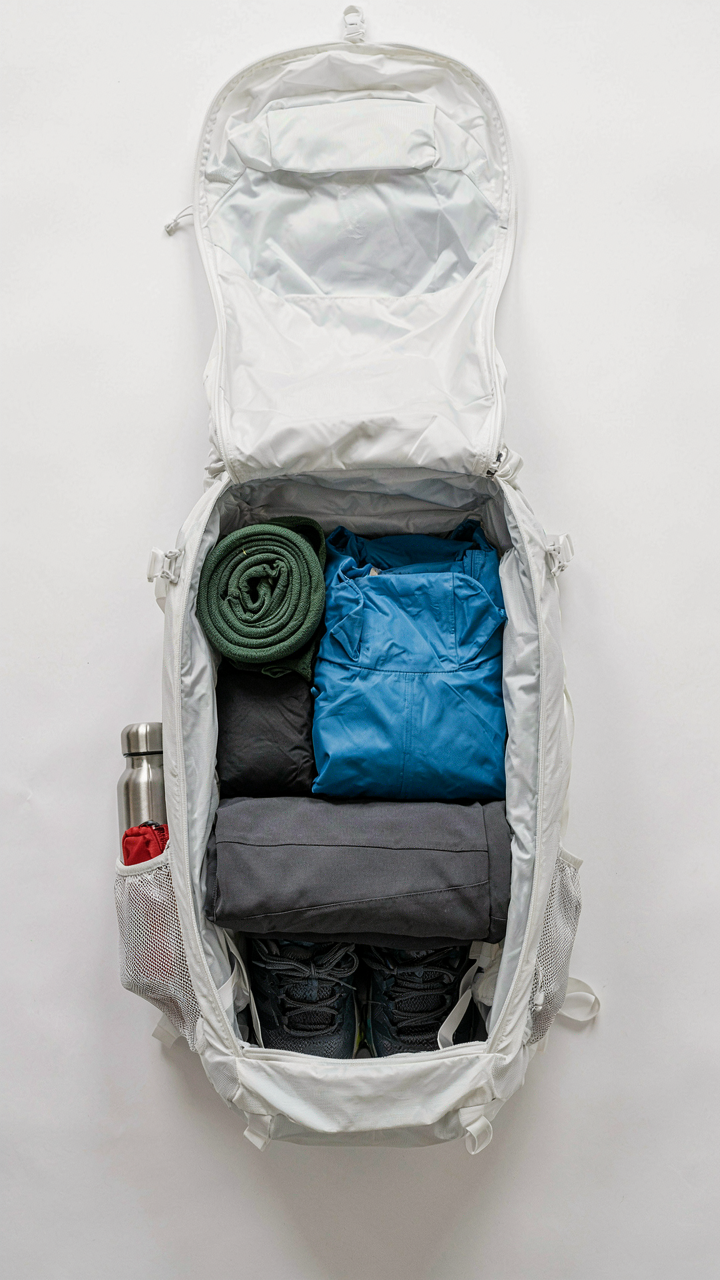
You want to show up with the right equipment so your partner thinks you’re competent. The mechanism is simple: gear that serves one function costs money and weight. Gear that serves three functions costs the same money but takes one third the space. In economics, this is leverage. A merino wool shirt becomes your base layer, your sleep shirt, and your casual top. A lightweight rain jacket doubles as wind protection and emergency shelter. You eliminate the assumption that honeymoon gear means buying new things.

Start by auditing what you already own. A sturdy daypack works as both your hiking bag and camera bag. Zip-off pants convert from shorts to full length. Microfiber towels compress to nothing but dry fast and pack multiple uses. The rule is brutal: if an item can’t justify itself doing at least two jobs, it stays home. This cuts your packing list by half and your luggage weight by thirty percent, which directly lowers rental car costs and accommodation stress.
Rent Expensive Gear, Buy Consumables
Most advice says rent camping equipment. The real answer is more specific. Rent anything that costs over one hundred fifty dollars, requires storage between trips, or has a shelf life. Rent tents, sleeping bags with real insulation, and bear canisters in regulated parks. Buy the consumables: socks, sunscreen, blister treatment, insect repellent. Buy merino base layers if you don’t own them. Rental outlets near major parks charge fifteen to forty dollars per item per night, which beats owning something you use once every three years.
Calculate the actual cost: a quality sleeping bag runs three hundred to five hundred dollars new. Renting costs thirty dollars per night. You break even after fifteen nights of use. Most honeymoons run five to seven days. Rent. For specialized items like trekking poles or water filters, check REI’s rental program before you arrive. This approach keeps your upfront costs low and forces you to test what works before you invest in gear you might hate.
Money Alchemy: Turning Constraints Into Honeymoon Ideas In Usa Advantages

The Free Activity Extraction System
You’re worried that cutting costs means cutting experience. That’s backwards. The real mechanism here is scarcity breeds attention. When you pay for something, you consume it passively. When it’s free, you actually show up and engage.
- Ranger-Led Programs: Most parks offer free talks on geology, wildlife, and history. These happen daily at visitor centers and trailheads. Sign up at the entrance station or check the park newspaper handed to you at the gate.
- Maintained Hiking Trails: Every major park maintains hundreds of free trails. Difficulty ratings and distances are listed on official NPS websites and physical trailhead signs. Pick two trails per day, not one.
- Stargazing From Your Campsite: National parks have minimal light pollution by design. Bring a basic star chart or download Stellarium, a free app. Clear nights reveal thousands of stars invisible in cities.
- Wildlife Viewing From Roads: Drive park loop roads at dawn or dusk. You see elk, bears, and birds without hiking fees. Keep a safe distance, use binoculars, and move slowly.
- Picnic Areas and Overlooks: Parks maintain dozens of free scenic stops with parking. Pack food from a grocery store, not the lodge. Overlooks cost nothing but deliver the same views tourists pay for at restaurants.

The amateur mistake is treating free activities as filler between paid experiences. They’re not. Free ranger programs teach more than any guidebook. Stargazing from your tent costs zero dollars and creates the memory that lasts longer than any restaurant meal.
Point Multiplication Through Strategic Loyalty
Most couples throw credit card points at flights and think they’ve won. That’s the lazy play. The real lever is stacking points across multiple programs simultaneously, then deploying them for the highest-friction expenses.
National parks force you to book lodging, transportation, and food. Each category has a loyalty program that directly reduces what you pay. Book your in-park cabin through a chain that earns points. Rent your car from a company tied to your primary credit card’s ecosystem. Buy groceries at a supermarket chain that funnels points to gas or hotel networks. One trip generates enough velocity to fund the next trip’s setup costs entirely.
The mechanism works because parks create predictable spending patterns. You stay five to seven nights. You rent a car for four to six days. You buy meals on a schedule. Loyalty programs exploit this regularity. Sign up for each program before booking anything, not after. This captures points retroactively on some platforms and ensures you’re enrolled before your reservation locks in.
The “Us Honeymoon” Post Trip Value Extraction System

Audit Your Actual Spending Against Reality
You want to believe you’re disciplined with money, but you’re not tracking what you actually spent. Most couples estimate their honeymoon cost at 30 percent less than the real number because they compartmentalize: lodging here, food there, park fees somewhere else. The mechanism is psychological compartmentalization, borrowed from accounting. You need to consolidate every transaction into one number and break it down by category.

Pull your credit card and bank statements from the trip dates. List every charge by type: transportation, accommodation, food, park fees, gear, activities. Calculate the percentage each category consumed of your total budget. Compare this breakdown to what you budgeted originally. The gap between intention and reality is where your next honeymoon savings plan lives. Record this data in a spreadsheet you can reference for trip planning later.
Memories Over Objects, Captured Deliberately
You think the souvenir defines the trip. It doesn’t. The photograph, the journal entry, the conversation you had at sunset does. Most couples waste money on trinkets from park gift shops that sit in boxes and collect dust. The actual value is in the captured moment, not the purchased object.
Before your next trip, establish a capture system. Use your phone camera for daily photos. Keep a paper journal for one paragraph each evening. Ask each other one specific question daily and write the answer. These cost nothing and become retrievable in five years. Delete or archive the photos into a shared cloud folder immediately after the trip. You now own your memories in a format you’ll actually revisit, not a shelf of meaningless items.
Debt Free Departure: Your National Park Honeymoon Budget

Automate Before You Decide What To Do
You want the honeymoon to feel earned, not borrowed against. That’s the real tension here. The mechanism that works is treating savings like a bill you can’t skip. Set up an automatic transfer from checking to a dedicated savings account the day after you get paid. The amount doesn’t matter at first, only the habit. Start with what you won’t notice, then increase it quarterly as income shifts or expenses shrink.
Most people wait until they’ve decided on a park, booked flights, and reserved a cabin. By then they’re already negotiating with their future self. Reverse this. Decide the trip is non-negotiable, fund it first, then build the itinerary around what you’ve actually saved. A sinking fund works because you’re not raiding it for emergencies. You treat it like escrow. Open a separate account you don’t see daily, and you’ll be shocked how fast three to six months of contributions compound into an actual trip.
Expect The System To Fail Somewhere
Contingency planning isn’t about pessimism, it’s about removing decision-making friction when things break. This is how pilots approach systems failure: every component has a backup, and you’ve rehearsed the protocol before crisis hits. Your national park honeymoon budget needs the same architecture. Expect a vehicle repair, a delayed flight rebooking fee, a permit cancellation, or a weather reroute.
Build a buffer of 15 to 20 percent above your estimated trip cost and keep it separate from your main vacation fund. Don’t label it “emergency money” in your head, label it “trip friction.” When unexpected costs hit, you pull from this pool instead of cutting activities or going into debt. You’ve already accounted for chaos in advance. The moment a cost surprises you is the moment you follow the protocol: assess, decide if it’s trip-essential, pull from buffer if yes, move forward. No debate. No regret.
The Real Obstacle Isn’t Your Budget; It’s Your Scarcity Mindset
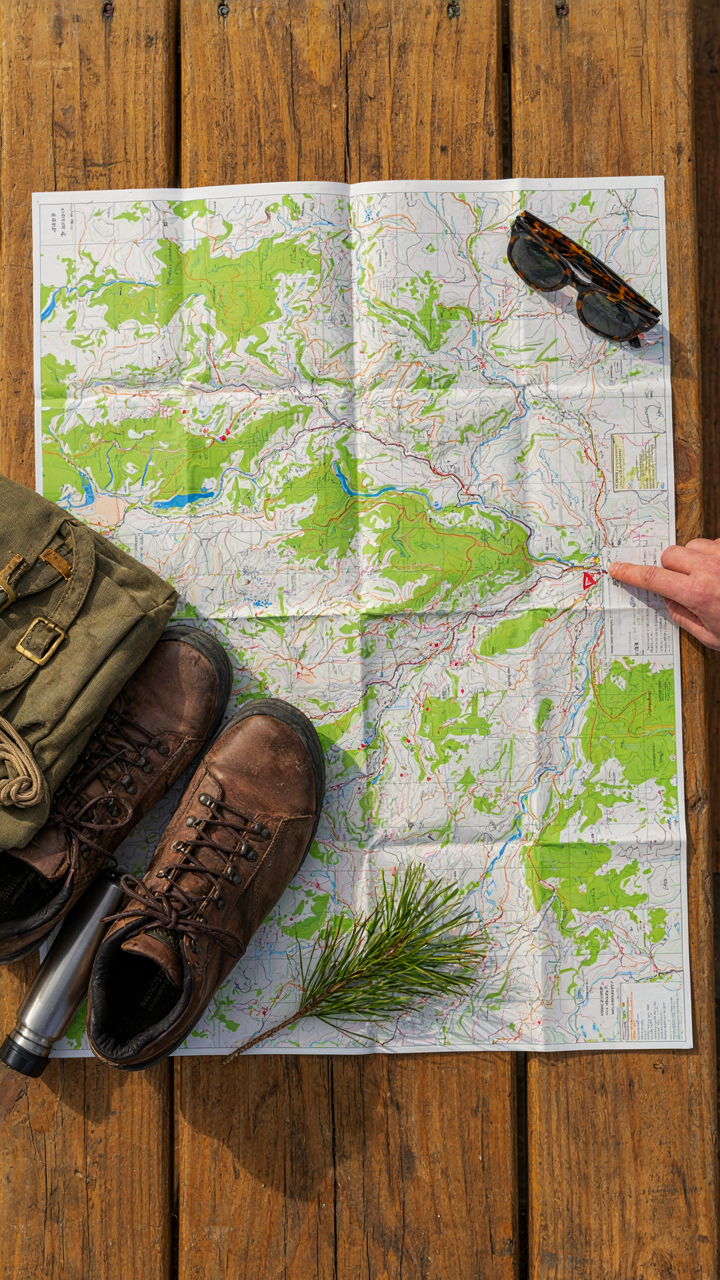
Most people sabotage their national park honeymoon before they book anything. They convince themselves that a tight budget means settling for less. Wrong. A constraint forces you to design something better than money ever could. Stop scrolling Pinterest. Open a spreadsheet today and list three parks you actually want to see, then research one entrance fee. You’ll realize your obstacle was never money. It was permission to start.