Introduction
Building a capsule wardrobe for women can save both money and time, but many make costly mistakes that undermine these benefits. Women often end up buying pieces that don’t match or that they rarely wear. These errors lead to wasted money and cluttered closets.
This article highlights common mistakes in women’s capsule wardrobes that cost money. You’ll learn why these mistakes happen, their financial impact, and practical steps to avoid them. By fixing these errors, you can create a wardrobe that works for your lifestyle and budget.
Identify Money Loss in Clothing
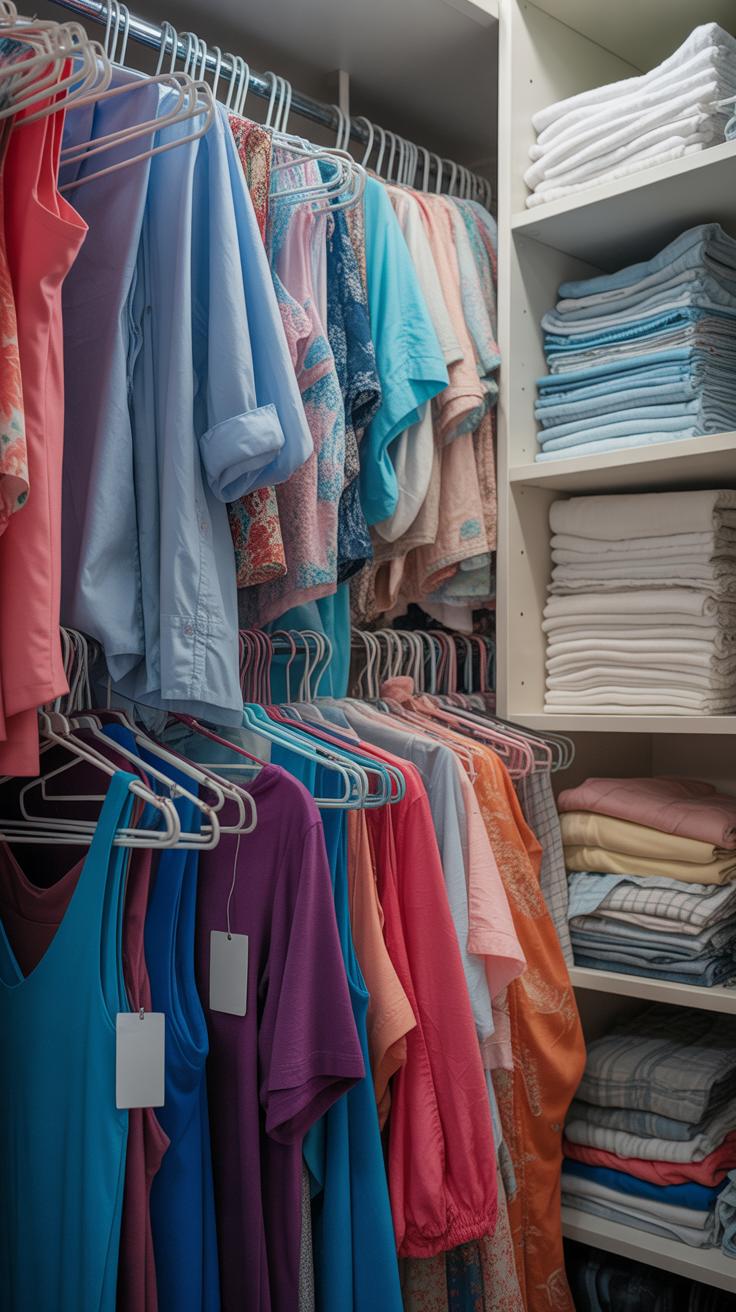
It’s easy to think a capsule wardrobe automatically saves money, but some mistakes quietly drain your budget. One common error is buying pieces that aren’t versatile enough. You end up with clothes that don’t mix and match well, so you feel forced to add more items, which defeats the whole purpose. Imagine a blouse that only works with one pair of pants—wearability drops, spending rises.
Overbuying also sneaks in. You might start with a solid plan, but picking up extra items “just because” wrecks your initial strategy. Suddenly, the wardrobe swells, yet you wear only a handful consistently.
And low-quality clothes? They cost more than you think. Cheap fabrics wear out or lose shape fast. You might save a few dollars upfront but then replace broken buttons, torn seams, or stretched-out shirts sooner than expected. Over time, these replacements stack up, sometimes surpassing the cost of better-made items.
Such choices push you into a cycle of spending that feels counterproductive. Did you expect these buys to save you money or just fill a gap? Thinking about how each piece serves your wardrobe can help spot where money quietly slips away.
Common Mistakes That Waste Money
Impulse buying is a classic trap. You see a sale or a trendy item and grab it without thinking if it fits your capsule plan. That dress might look great on the rack, but if it clashes with everything else, it sits unworn in your closet. Eventually, you feel guilty or frustrated, and that’s money wasted.
Chasing trends is another pitfall. Capsule wardrobes thrive on timeless basics, but chasing every new style means clothes feel outdated quickly. You might wear a trendy jacket twice before feeling bored or self-conscious about it. Then, it’s time to replace it again. This back-and-forth drains your wallet.
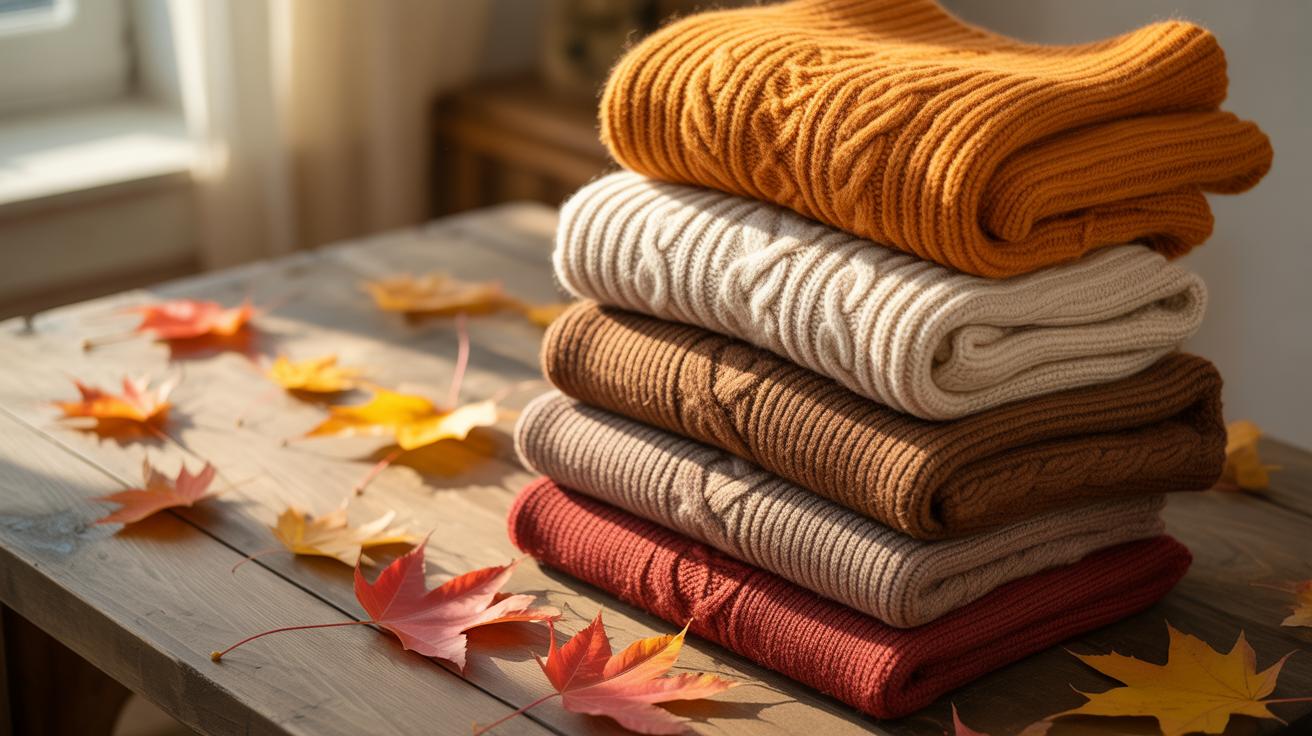
Also, buying without a clear idea of your lifestyle can cost you. If your wardrobe has mostly casual wear but your job requires business attire, you’ll find yourself shopping urgently to fill that gap. Urgency often leads to poor choices and overspending.
How Quality Affects Wardrobe Costs
Quality plays a bigger role than many realize. Clothes made with durable materials can seem pricey at first, but they last longer, maintaining shape and color through washes. That means fewer replacements.
In contrast, less expensive items often show wear within a few months. Seams fray, colors fade, fabrics pill—small damages that make clothes look old fast. Then you replace those pieces, often multiple times in a year.
Consider a simple black shirt. A cheap version might need replacing twice in a year, while a well-made one could last years. Which one ends up costing more? It’s a tricky balance because good quality doesn’t guarantee perfect durability, but compromising too much almost always raises long-term spending.
So, focusing on quality doesn’t mean spending a fortune upfront, but it does mean being selective. Think about what’s worth investing in and what’s okay to replace more often. How do you decide? That question is key to avoiding money loss in your wardrobe.
How to Choose Useful Wardrobe Items
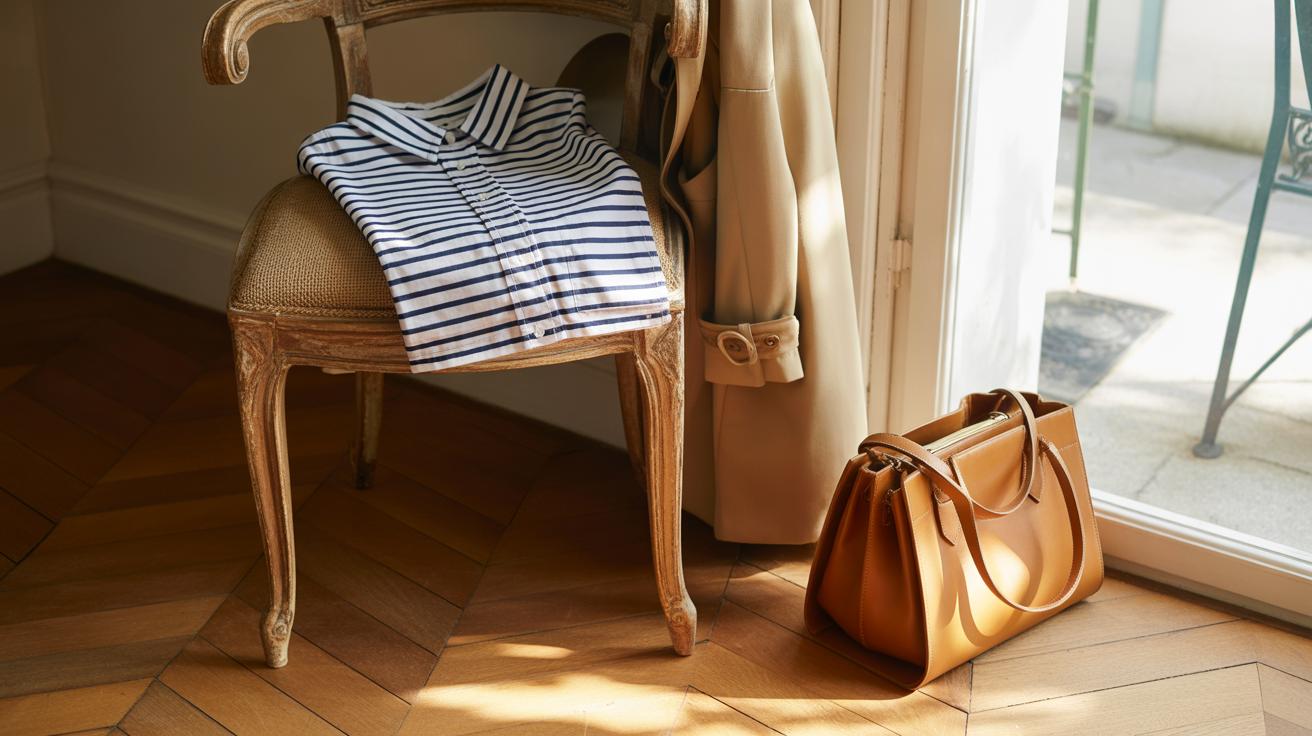

Choosing pieces for your capsule wardrobe isn’t just about picking what looks good alone; it’s about how those items work together. You want clothes that mix and match easily, so you get multiple outfits from few pieces. Think about versatility first. Can this shirt pair with jeans and a skirt? Will this jacket work equally well for casual days and a slightly dressier evening? If not, it might not fit into your capsule.
It helps to think through your daily life and events you often attend. For example, if you rarely go to formal dinners, investing in an elaborate dress sounds impractical. Instead, prioritize items that carry you through work, weekend outings, and maybe a casual dinner. That way, every purchase serves several purposes, stretching your budget further.
Building Blocks for Your Capsule Wardrobe
There are a few essentials that tend to make any capsule wardrobe stronger. Here’s a quick list—and why they matter:
- A good pair of jeans: Goes with almost everything and can be casual or semi-dressy depending on what you pair it with.
- Basic tops: Neutral tees or blouses that layer well, so they don’t compete with other items.
- A tailored blazer: Instantly elevates any outfit and works for both work and social settings.
- A versatile dress: Something simple and adaptable to many occasions, maybe in a classic cut.
- Comfortable shoes: That don’t scream “only weekend” or “only evening,” but can handle a variety of outings.
Each of these supports building outfits that you aren’t stuck repeating, and you won’t feel boxed in. I’m always surprised how just one blazer or dress can change everything.
Selecting Colors That Match All
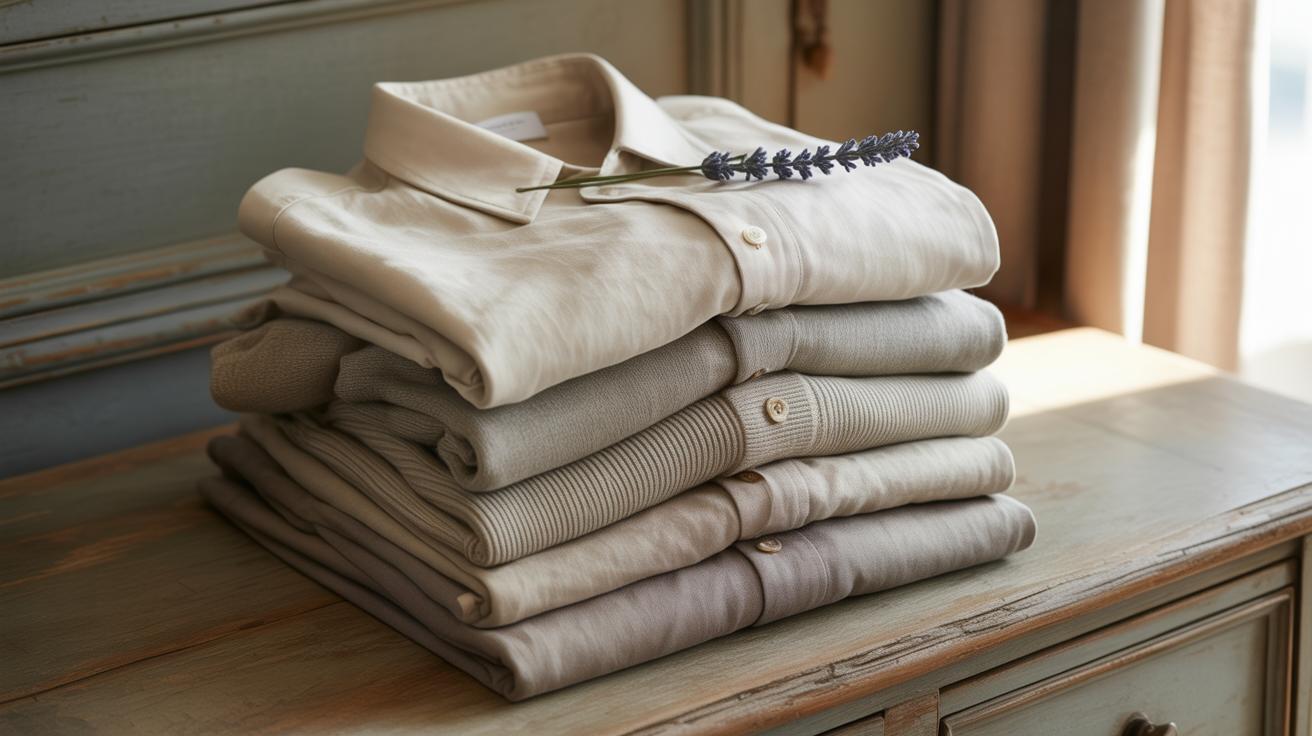
Choosing colors is trickier than it sounds. A capsule wardrobe isn’t much use if the colors clash or are too limiting. That’s why neutrals are your best bet. Colors like black, white, navy, beige, and gray form a reliable base. They blend well and offer the most combinations.
But neutrals alone can be a bit dull, right? Introducing a few accent colors—perhaps a soft pastel or a deep jewel tone—keeps things interesting without making mixing-and-matching a headache. The trick is sticking to accents that harmonize with your neutrals. If your wardrobe leans towards navy and white, adding a muted red or dusty pink as accents adds personality but won’t ruin outfit coherence.
It might feel limiting at first, but I’ve found that having a fixed palette actually frees up creativity. Instead of wrestling with “what goes with this?”, you already know. It’s easier to get dressed fast—and avoid those impulsive, regrettable buys.
Plan Before You Buy Clothes
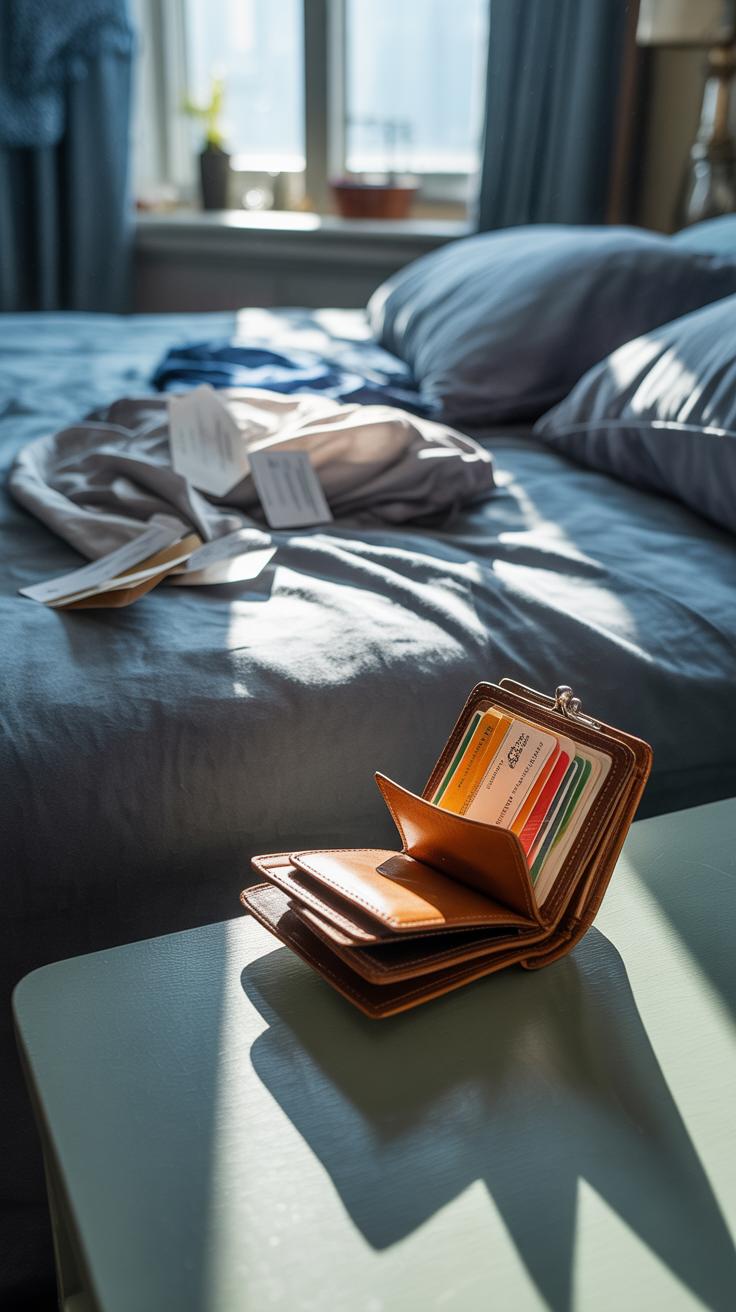
Before you even set foot in a store or click “add to cart,” take a moment to sketch out a shopping plan. It might sound obvious, but many of us dive in without much thought, ending up with pieces that don’t really go with anything else. I’ve done it myself, picking up what seemed cute in the moment, only to regret it later. A plan helps you avoid impulse buys that clutter your closet and drain your wallet.
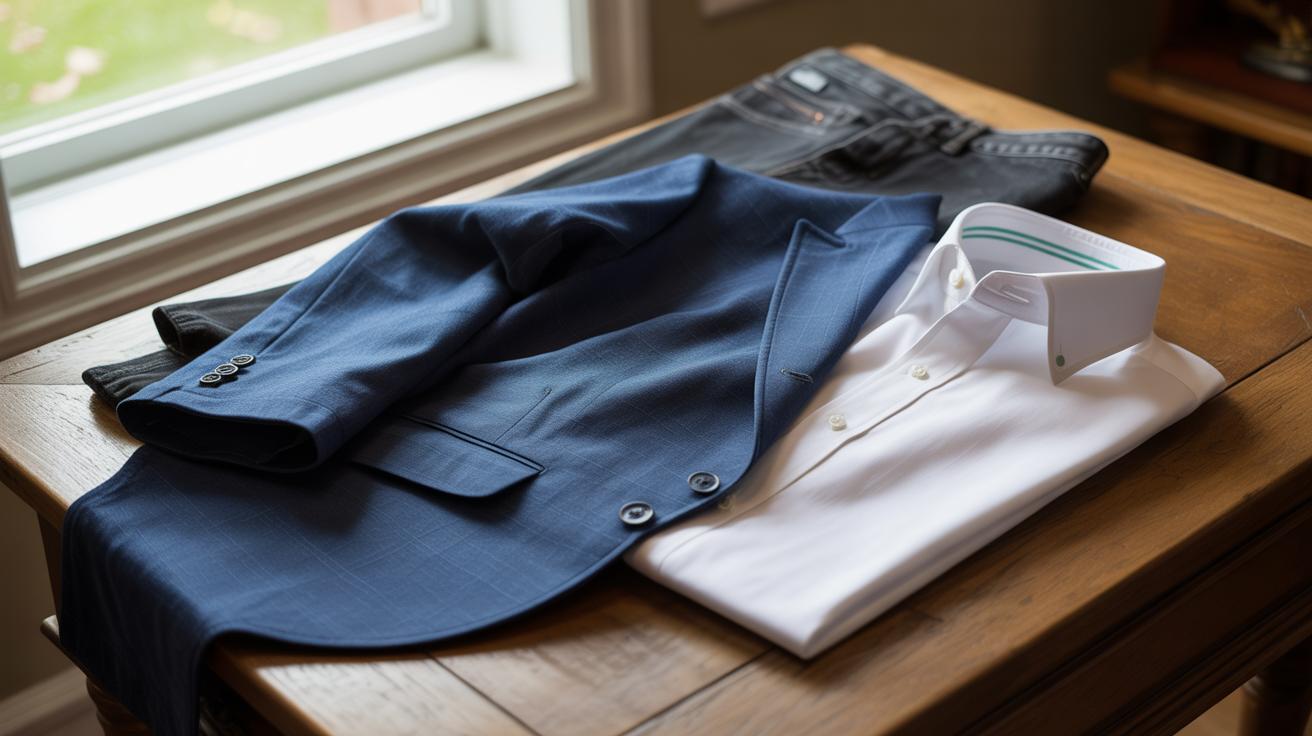
Start by thinking about your lifestyle: what types of outfits do you actually need? If your days are mostly casual, a handful of dressy blouses won’t get much wear. If you commute in cold weather, layering pieces matter more than airy tanks. Also, be honest about your budget; knowing your limits curtails overspending and encourages smart choices.
Setting Wardrobe Goals
Try setting clear goals for your wardrobe before shopping. Ask yourself:
- What kind of activities fill my week? (Work, workouts, socializing, errands…)
- What’s the climate like where I live? Do I need heavy coats or more transitional layers?
- Which colors and styles do I feel most comfortable in?
- How much money am I willing to spend altogether or per item?
These questions help you spot what’s missing rather than what’s tempting. When you have a goal, it’s easier to say no to impulse buys—even if they’re on sale.
Checklists for Smart Purchases
A checklist might sound like overkill, but it can actually keep you honest. Something simple will do. For instance, before buying any piece, ask yourself:
- Does this item coordinate with at least three other things I already own?
- Is it in a color that matches my overall palette?
- Can I wear it in multiple settings or seasons?
- Does it serve a clear purpose in my wardrobe goals?
- Do I genuinely like how it looks and feels on me?
If you hesitate even once, maybe it’s worth walking away. I remember buying a bright red dress once, excited but it hardly ever got worn because it didn’t match the neutral basics I had. A checklist might have saved me that regret. Planning isn’t perfect, but it can keep your wardrobe tight, useful, and kind to your budget.
Mistakes When Mixing Styles

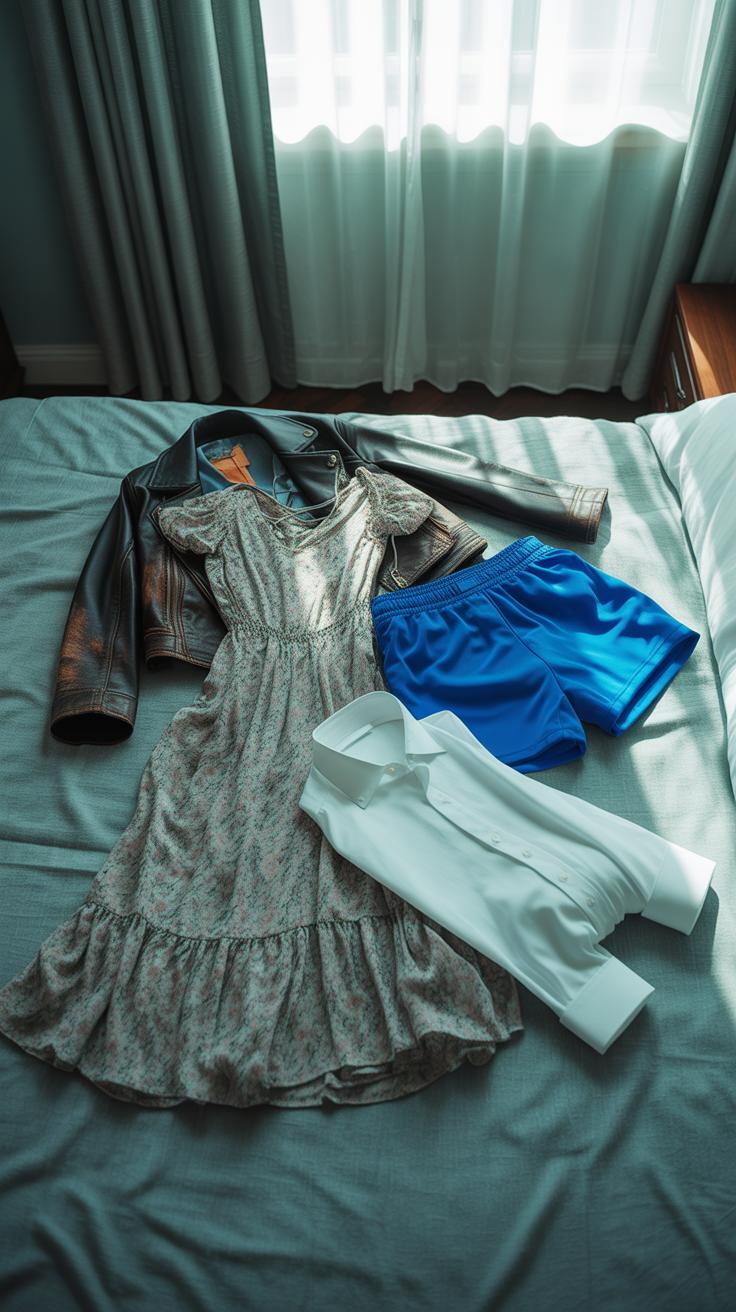
Mixing too many different styles in a capsule wardrobe often leads to wasted money and confusion. When you combine casual streetwear pieces with strictly formal items, or pair vintage-inspired looks with ultra-modern trends, the result can feel chaotic rather than curated. You might think variety is a strength, but it often makes putting together outfits more frustrating, and pieces end up unworn.
Trends come and go quickly. If you chase every new fad and try to blend them, you’ll likely buy items that don’t mesh well later. Many find themselves stuck with clothes they like individually but can’t wear together. That’s money down the drain.
Why Consistent Style Matters
Keeping a consistent style theme helps your wardrobe stay coherent and your choices easier. When you have a clear sense of the look you’re aiming for, it’s simpler to invest in pieces that work together without forcing combinations.
Sticking with a recognizable style means your clothes get more wear. You avoid impulse buys that sit lonely in your closet. For example, if your style is classic and minimalist, throwing in loud patterns or flashy accessories only complicates mixing and matching.
Avoiding Style Clash Costs
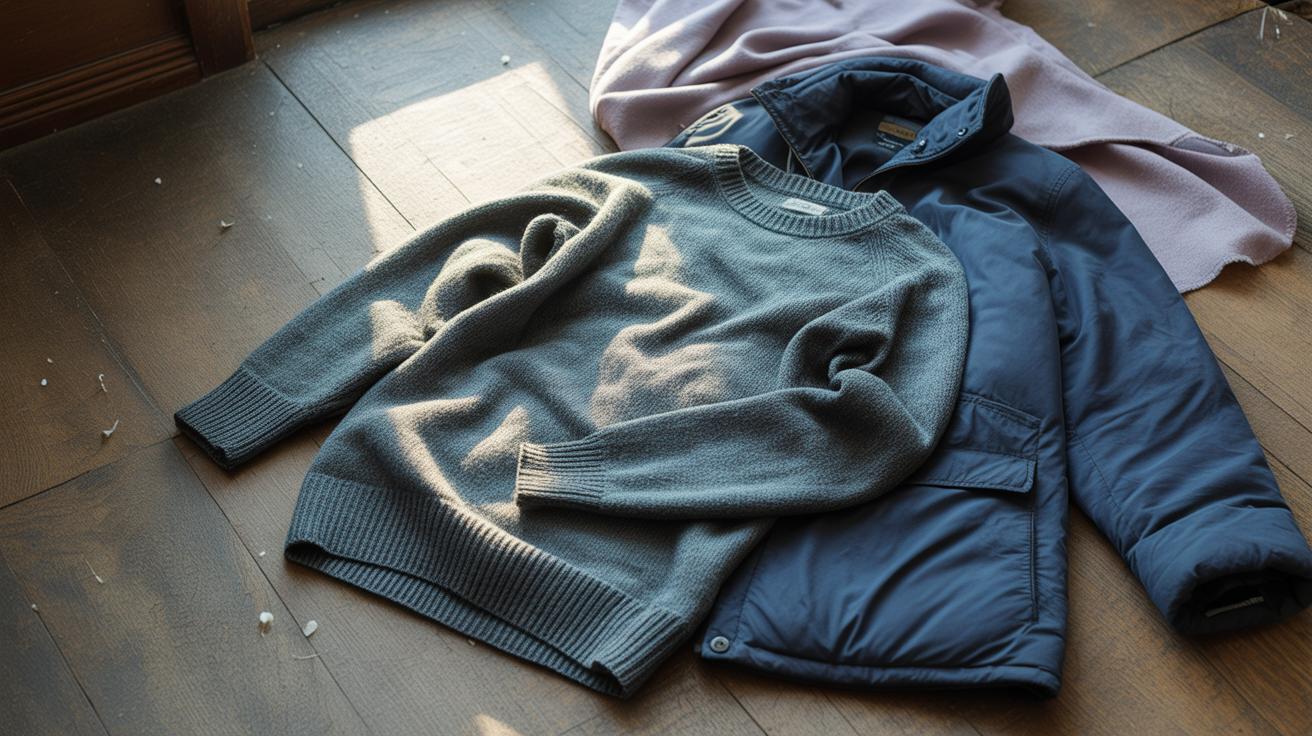
Style clashes aren’t just frustrating; they cause a lot of purchases to be wasted. Clothes that don’t fit your overall vibe often remain untouched. It’s common to find items bought in a moment of inspiration but never worn because they don’t “go” with anything.
To prevent this, try narrowing your style to two or three compatible categories. Consider the colors, fabrics, and silhouettes you prefer. Ask yourself: can I wear these pieces together every week, or do they need special occasions? Focus on harmony over novelty.
Choosing Durable Fabrics
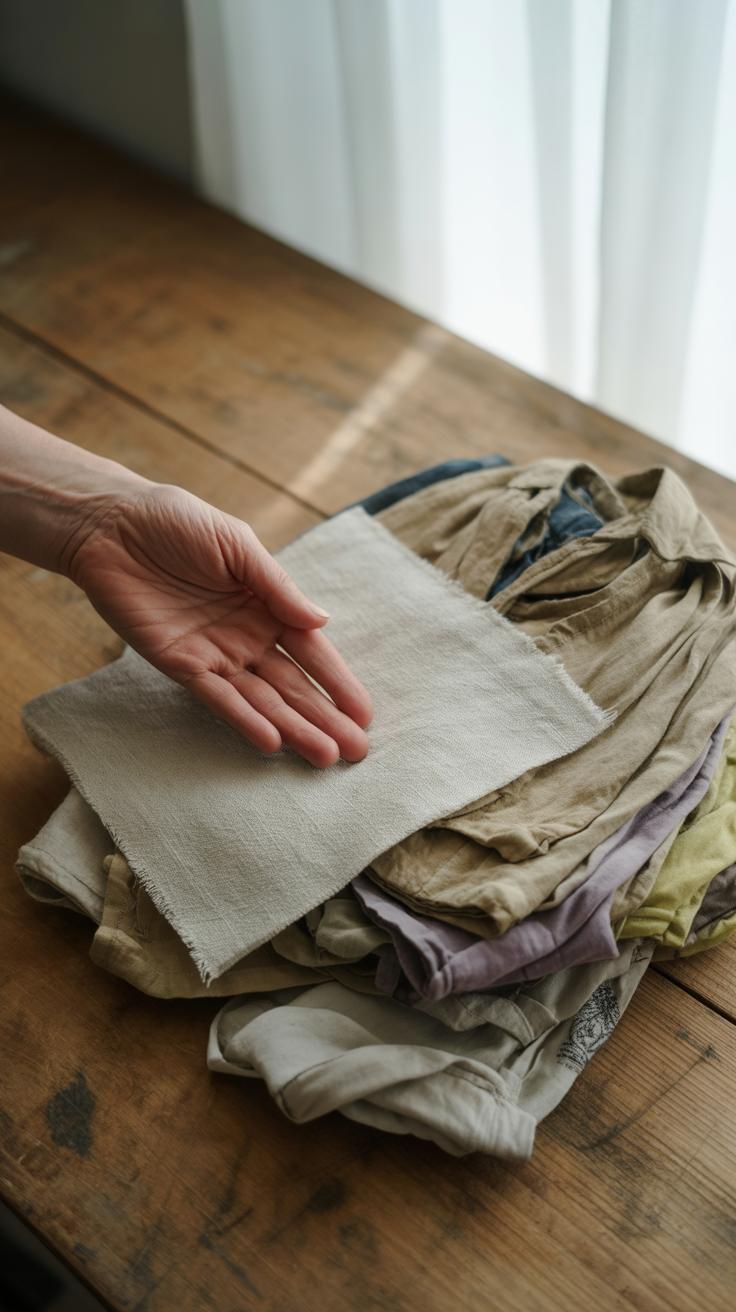
Picking the right fabrics can really make or break your capsule wardrobe. You want materials that hold up, wash well, and don’t need replacing all the time. Some fabrics do just that, standing the test of time in your closet without losing shape or texture.
For instance, cotton—especially higher-quality versions like Pima or Egyptian cotton—is a solid choice. It breathes, cleans easily, and ages nicely if you treat it right. Wool is another good option, especially merino or boiled wool, which resists wrinkles and can last for years. Linen, while prone to wrinkles, also stands up to frequent wear and tends to get softer with age. Denim, if well-made, can be a capsule workhorse too, since it’s thick and durable, though it might need some special care to avoid fading.
Fabrics That Save Money Over Time
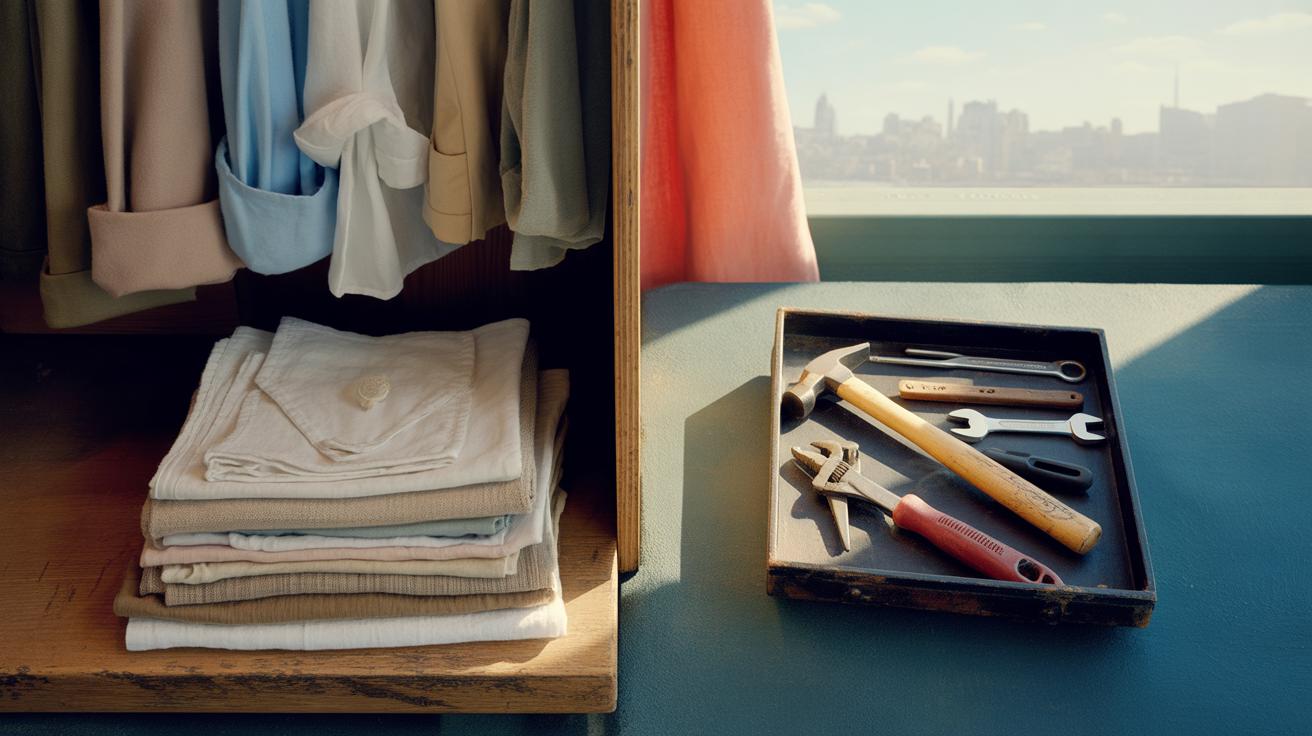
Look for fabrics that won’t force you into constant replacement. Besides cotton and wool, think about TENCEL or lyocell—they’re sustainable and less prone to shrinking or pilling. These materials often need gentle washing but hold their shape well. Silk is beautiful but delicate; it might not be great for every capsule piece, but if you pick heavy silk blends, they can surprisingly wear longer.
When shopping, consider how much maintenance a fabric requires. Some can be tossed in the machine and come out fine, while others need dry cleaning, which adds up. Focusing on fabrics that keep their form and color even after multiple washes can save you money, because you avoid frequent replacements or repairs. This choice also reduces frustration—you feel better about your wardrobe when your pieces look good over time.
Fabrics to Avoid for Budget Wardrobes
Watch out for fabrics that seem cheap or wear out too fast. Polyester blends, especially very thin ones, might look fine initially but tend to pill or stretch oddly. Cheap acrylics also lose shape quickly and sometimes have a plasticky feel that you might dislike after a few wears. Some rayon fabrics can wrinkle excessively and weaken with frequent washings, which can lead to early fading.
Choosing these low-quality fabrics can feel like a false economy. Sure, they’re often cheaper upfront, but replacing items more often ends up costing more. You might find yourself tossing or repairing these pieces more than you expected, which isn’t fun. So, even if you’re tempted by a bargain, think about how the fabric will behave over time—sometimes saving on fabric quality isn’t really saving at all.
How to Care for Your Clothes

Taking care of your capsule wardrobe isn’t just about keeping things tidy. It’s really about making sure each piece lasts longer—saving you money by avoiding frequent replacements. Sometimes, I think we overlook how small habits can add up. Washing clothes in the right way or storing them properly can cut wear and tear dramatically.
Think about your favorite top or those pants that fit just right. If you toss them in the wash with heavy items or dry them on high heat, it won’t take long before the fabric weakens. But when you commit to gentle washing and mindful storage, you protect your investment. That means fewer impulse buys, which is exactly what a capsule wardrobe aims for.
Good care means satisfying that tricky balance between looking neat and avoiding damage. You don’t want your capsule wardrobe items looking worn out or losing their shape because of careless routines. So yes, caring well is an unglamorous but valuable part of making your wardrobe work—and saving you money over time.
Washing Tips to Preserve Clothes
Washing feels routine, but it can make or break your clothes if not done thoughtfully. Fabrics like cotton, wool, silk, and synthetic blends all behave differently in water and heat.
- Use cold water for cotton and synthetic blends—hot water can shrink or fade colors faster.
- For wool or delicate items, hand washing or a gentle machine cycle keeps fibers intact.
- Detergent matters too. Mild detergents without harsh chemicals protect colors and fabric texture.
- Skip the dryer when possible. Air drying, flat for knits or hanging for cotton, prevents shrinking and stretching.
It’s tempting to just pop everything in the machine to save time, but patience here actually avoids damage. You might find your clothes hold up better when you slow down and treat each wash carefully.
Storing Clothes to Avoid Wear
How you store items between wears plays a surprisingly big role in their condition. You can’t just shove everything into your closet and expect it to stay nice.
- Hang structured pieces like jackets, blouses, and dresses on sturdy hangers to keep their shape.
- Fold knitwear and sweaters—hanging these will stretch them out over time.
- Use breathable garment bags for occasional wear items to keep dust off without trapping moisture.
- Keep shoes off the floor or in boxes to avoid dirt and deformation.
Sometimes, it’s not just storage but how often you rotate items that matters. If clothes sit too long without being worn, they can develop creases or lose freshness. So rotating your capsule wardrobe regularly is part of care in itself.
Impact of Season Trends on Budget

Seasonal trends can feel tempting when building your capsule wardrobe, but chasing each new wave often leads to budget overruns. The reality is, trends change fast. One month you might love that oversized blazer or neon handbag, and the next they feel outdated. Adding several trendy items every season quickly disrupts the minimal and thoughtful nature a capsule wardrobe depends on.
That doesn’t mean you should completely avoid trends. Instead, try balancing them with your timeless staples. Staples—like a well-fitted white shirt or dark jeans—offer longevity in wear and style. Trend pieces, on the other hand, usually sparkle brightest but fade quickest.
If you want to enjoy seasonal styles without blowing your budget, limit trendy pieces to just one or two per season. Rotate them in with your classic items to keep your wardrobe fresh but controlled. This approach saves money, reduces clutter, and preserves the capsule’s core values.
Trend vs Staple Items Explained
Staples are like the foundation stones of your wardrobe. They tend to:
- Have higher initial costs, but their durability and timelessness offer better value over time.
- Be easy to mix and match, working for many occasions.
- Stay relevant beyond fashion cycles, meaning you wear them repeatedly without feeling dated.
Trendy pieces often appeal because they bring a fresh update, but they also:
- Usually cost less upfront but may encourage you to buy more often.
- Can be limited in versatility—some trends clash with your existing staples.
- Lose appeal quickly, pushing you to replace or discard them.
Balancing these two types is about knowing when to invest and when to experiment. Staples build your wardrobe’s backbone, while trends provide the fun details.
Smart Ways to Include Trends
Including trends doesn’t need to mean chaos or overspending, though it sometimes feels that way. Here are some practical ways to do it:
- Choose trend pieces in neutral or complementary colors so they blend seamlessly with your staples.
- Pick trends that won’t require extra shopping, like a statement belt instead of an entirely new coat.
- Consider accessories as trend carriers—scarves, jewelry, or shoes can refresh an outfit without major investment.
- Buy secondhand or rent trend items for special occasions instead of committing to full purchase.
- Limit trend purchases per season and keep a “trend budget” separate from your staple spending.
In my experience, adding one bold trend piece to classic outfits can make your wardrobe feel modern without expense piling up. It’s about small, strategic touches instead of a full overhaul every few months. The capsule stays cohesive, and the budget stays steady—both good wins.
Using Accessories Wisely
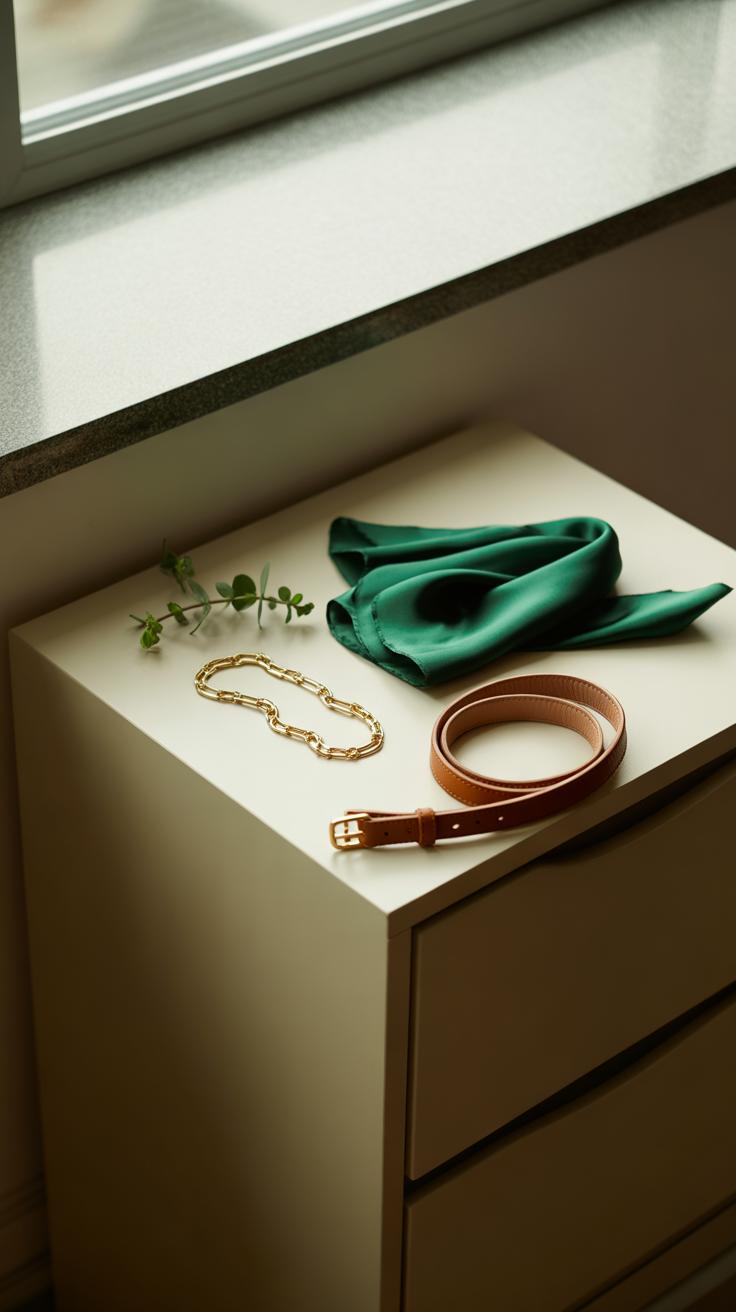
Accessories can stretch your capsule wardrobe far beyond just basic outfits. When you’re working with a limited number of clothing pieces, a carefully chosen scarf or statement necklace can change the whole feel of an outfit. That’s what makes accessories sort of magical: they allow you to mix up looks without buying new clothes.
Think about it—sometimes your favorite dress feels too plain, but add a belt and suddenly it looks polished. Or swap a pair of flats for ankle boots and add a chunky bracelet, and you’re ready for a different occasion entirely. Accessories let you play with texture, color, and silhouette subtly, so the same core pieces don’t feel repetitive.
One cost-saving tip? Invest in versatile accessories that mix well with most of your wardrobe colors and styles. Instead of buying a handful of trendy pieces that might last a season, focus on staples you can wear again and again. This way, you spend less but get more use. You might be surprised how far a simple leather belt or silk scarf can really go. Have you ever found a single item completely changed your outfit vibe? That’s the power of accessories.
Essential Accessories for Variety
There are a few accessories I think practically every capsule wardrobe benefits from. They’re simple but powerful and help you avoid outfit boredom:
- A classic leather belt. It defines your waist and pulls together dresses and pants effortlessly.
- A good-quality scarf, like a silk or cotton one. It adds pattern or color and can be tied in many ways.
- A pair of statement earrings or a subtle necklace. Both are great for quick mood shifts—casual to dressy.
- A neutral crossbody bag or tote. It complements many styles and seasons.
- A watch or a few stackable bracelets. Small but noticeable touches that show attention to detail.
Not every item has to be flashy. The goal is to have these accessories work well with multiple outfits, extending your wardrobe’s reach without overwhelm.
Budget-Friendly Accessory Tips
Finding affordable accessories that still look good can be tricky, but it’s doable—and I think more fun when you’re hunting for deals anyway. Consider shopping at thrift stores or online marketplaces where you stumble upon unique pieces without the retail markup.
Also, prioritize quality over quantity in the long run. For instance, buying one decent belt will outlast five cheaply made ones. Don’t shy away from minimalist designs—they often pair well with many pieces and won’t go out of style quickly.
Try swapping accessories with friends or family, too. Sometimes sharing or borrowing can freshen your look without costing a dime. You might even discover new combinations you hadn’t thought of before.
Have you ever bought a pricey accessory thinking it would change your wardrobe, only to wear it once? Maybe it’s wiser, sometimes, to experiment with inexpensive pieces first before committing. Accessories can be small investments, but they add up if you’re careless.
Evaluating Your Wardrobe Regularly
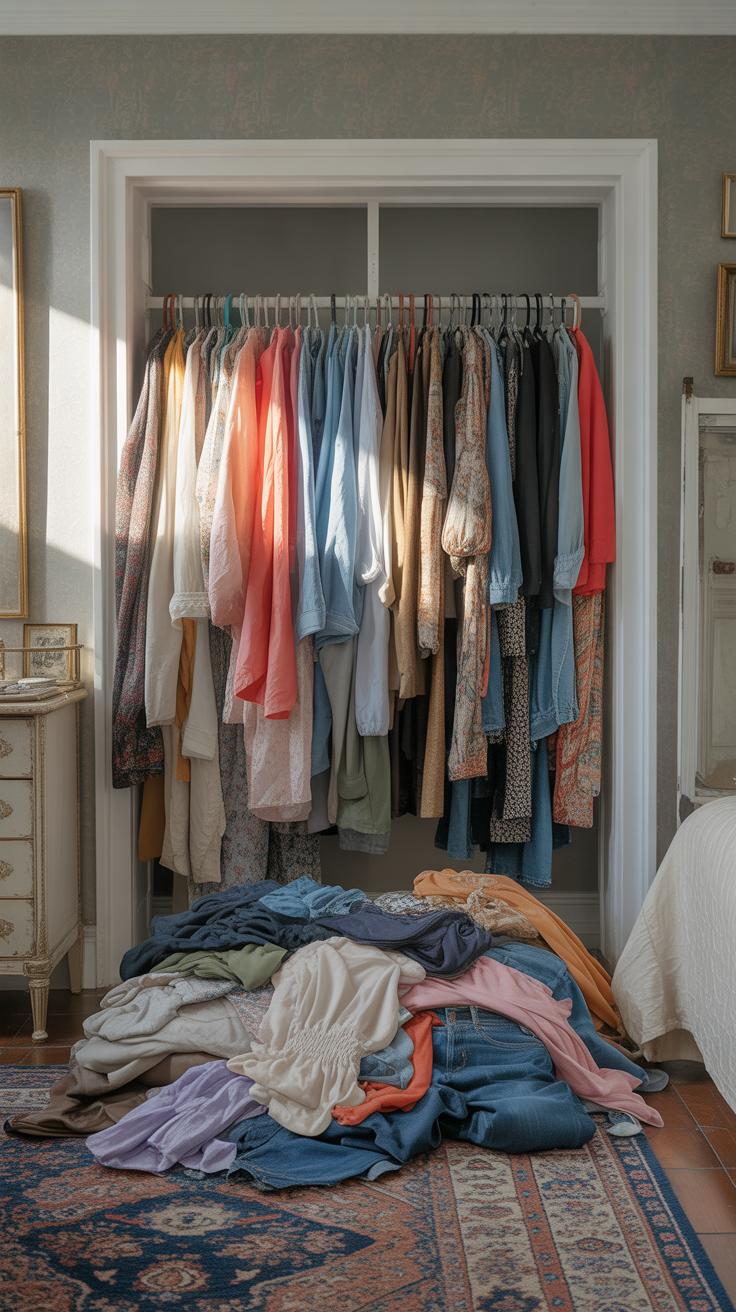
Taking time to go through your capsule wardrobe every few months can save you money—sometimes a lot. Clothes that seem essential at first can become forgotten or unworn as your style or needs shift. You might be holding onto pieces that cost quite a bit but offer little value in return. That’s the kind of money trap you want to avoid.
A useful way to start is with a basic checklist during your review. Ask yourself:
- When was the last time I wore this item?
- Do I actually like how this fits or looks on me?
- Is it in good condition, or am I keeping it just out of habit?
- Does it work with several other pieces in my wardrobe?
- Did it feel worth the price I paid?
If several answers point to “no,” it’s probably time to let that piece go.
Refreshing your wardrobe doesn’t mean buying a whole new set of clothes. Instead, look for simple tweaks—a fresh tee to replace one that’s faded or a new scarf to brighten neutral tones. Sometimes, swapping items with friends or hunting for sales can add variety without a big spend. Small changes can make your capsule feel new without wasting resources or money.
It’s tempting to hold onto everything “just in case,” but regular editing keeps your wardrobe sharp and truly useful. Think about when was the last time your jacket got dust on it in the closet. Maybe it’s redundant. Would you be better off investing that money elsewhere? These questions keep you honest and your budget intact.
Conclusions
Money-saving lies in thoughtful choices. By understanding what to avoid, you can build a capsule wardrobe that serves your style and budget well. Mistakes such as buying items without planning or overloading on trends lead to money loss. Learning from common errors is key.
Start fresh by selecting versatile and timeless pieces. Keep your wardrobe lean and functional. This approach not only preserves your money but also simplifies daily dressing. A smart capsule wardrobe leads to long-term savings and better fashion decisions.