Introduction
Business casual winter outfits require careful selection to maintain professionalism and comfort. The wrong choices can hurt your credibility at work during cold months. Business Casual Winter Outfit Mistakes Costing You Credibility is a topic that highlights common errors people make with their winter business attire.
This article examines key mistakes and offers practical ways you can dress for success in winter while following business casual standards. Understanding these points helps you look sharp and feel confident during winter days at the office.
Winter Business Casual Basics
What Defines Business Casual in Winter
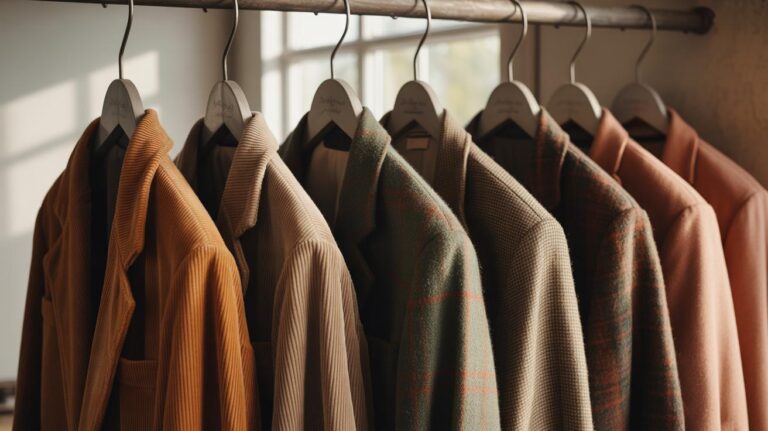
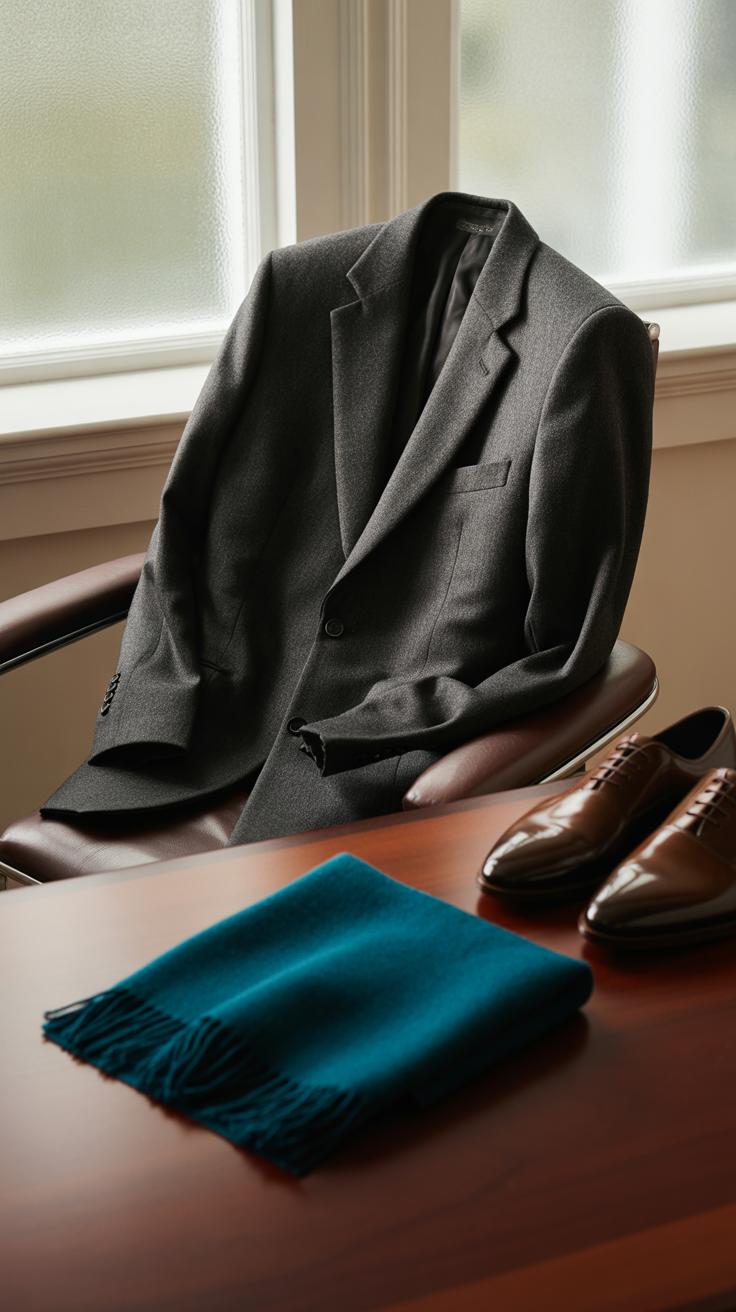
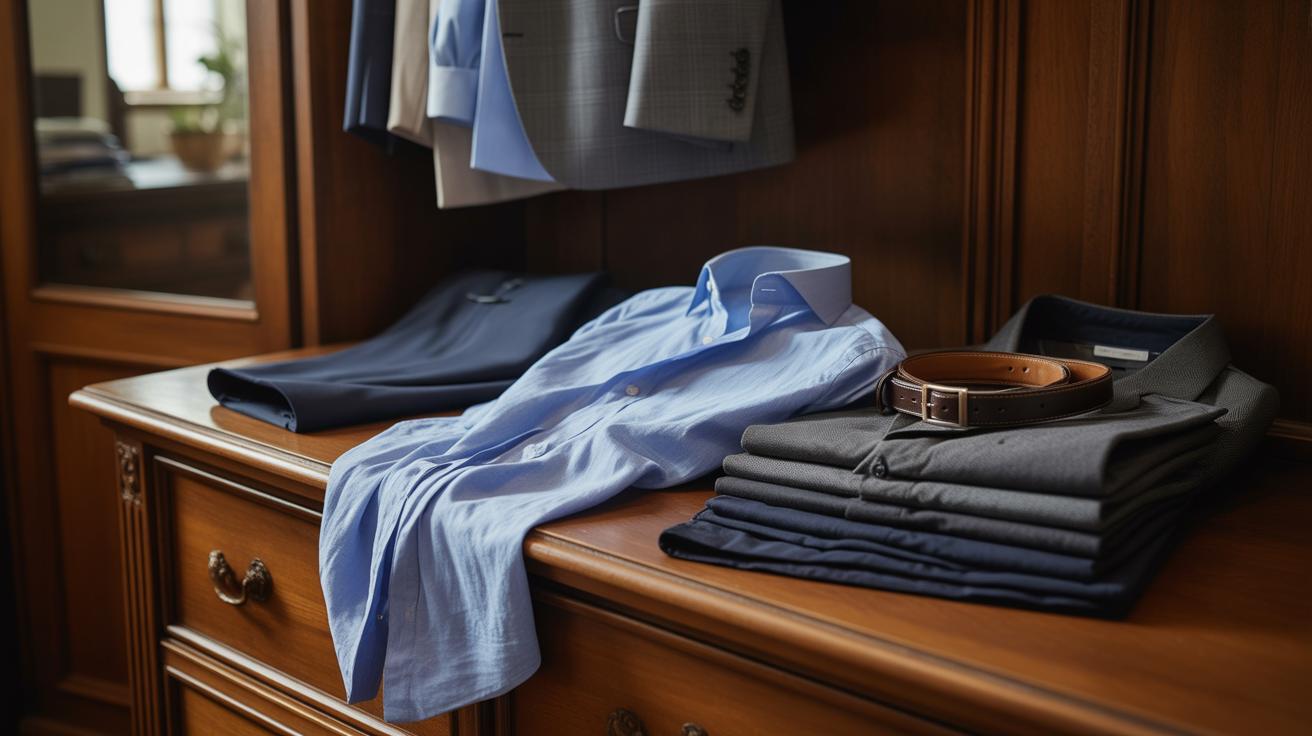
Business casual in winter isn’t just a matter of swapping out a blouse for a sweater. It’s about balancing professionalism with practicality—you want to stay warm without looking like you just threw on a parka. Typically, this means layering smarter, choosing tailored pieces that keep structure despite the added bulk. Think button-down shirts under merino wool sweaters, paired with chinos or wool blend trousers. Blazers often replace lighter jackets, adding formality without sacrificing warmth, though they may need to be slightly looser to accommodate layering underneath.
Footwear shifts too. Opt for leather boots that are polished enough for the office but still sturdy. And scarves, tasteful gloves, maybe even a sleek overcoat on your commute—these complete the look without compromising your style.
Essential Fabrics for Warmth and Style
When the temperature dips, fabric choice becomes critical. Wool is a classic here; its natural insulation keeps chills off without overheating indoors. Cashmere feels softer and more luxurious, but it’s a bit more delicate and requires careful care—not something you want to struggle with during a hectic morning. Flannel is underrated; it adds texture and warmth, especially for shirts or even trousers, and can keep you comfortable through long days.
These fabrics breathe better than synthetic options, so you don’t end up sweaty by midday. Plus, they often look sharper when tailored well. You might wonder if layering synthetics beneath these helps, and it does, but the outer layers really define whether you look polished or just bundled. Choosing the right fabric can make or break your winter business casual game—have you noticed the difference when you switch from bland polyester to natural fibers?
Key Mistakes That Hurt Professional Image
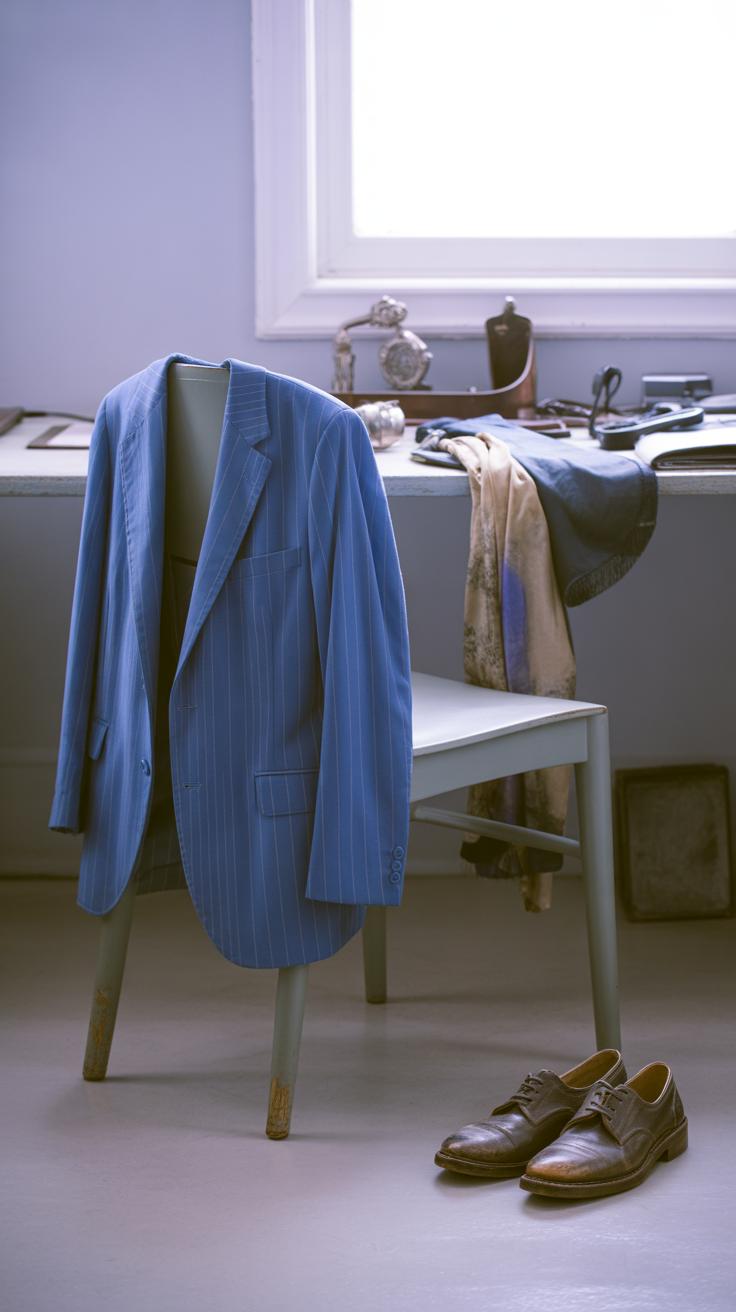
Picking the right winter business casual outfit might seem straightforward, but it’s easy to slip up in ways that make you look unprofessional. One common error is leaning too heavily on casual pieces that don’t belong in a work setting. Think sweatshirts, oversized hoodies, or sneakers that show obvious wear and tear. These choices, while comfortable, send the wrong message. They suggest a lack of effort or attention to your appearance — and by extension, your work.
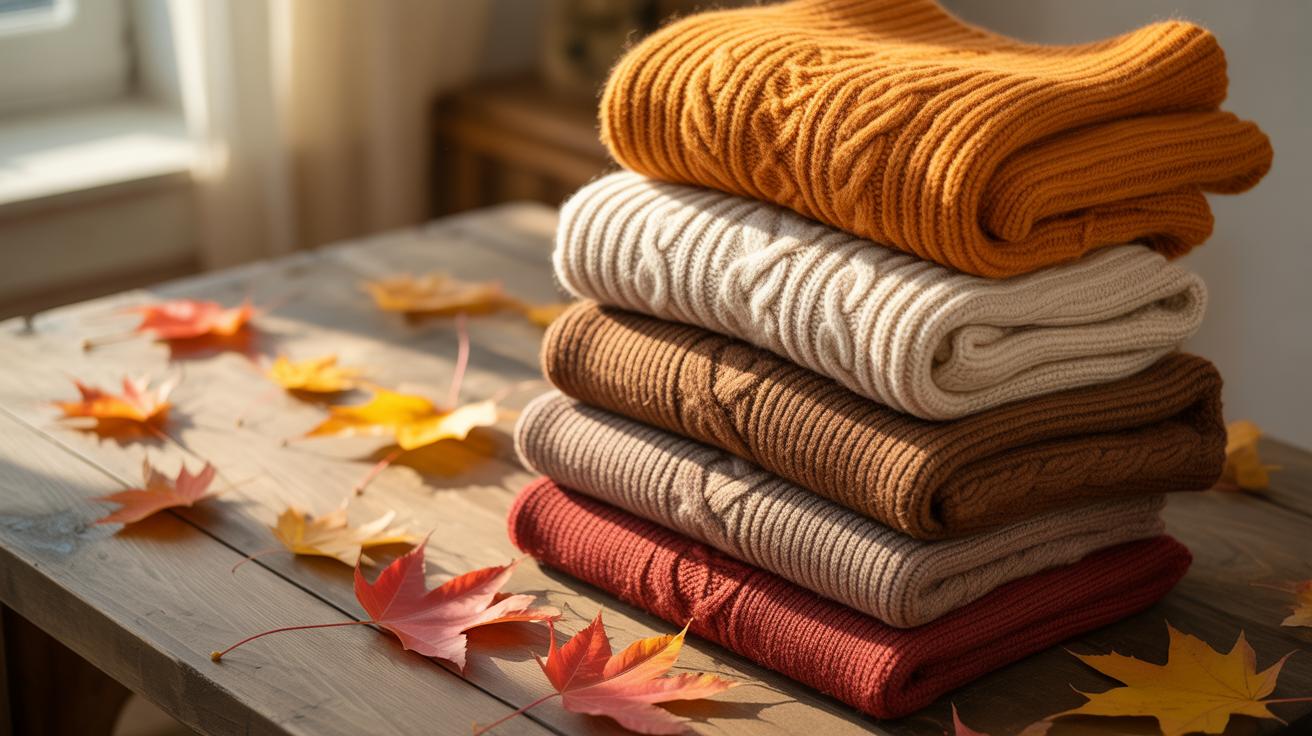
People often underestimate how much the condition of their clothes matters. Frayed cuffs, pilling sweaters, or stretched-out fabrics can kill credibility faster than you might think. It’s not just about looking sloppy; it feels off to those around you and can quietly undermine confidence in your professionalism.
Then there’s the issue of fit and layering. Poorly fitting pieces — say, a bulky oversized jacket coupled with an ill-fitting shirt underneath — can look sloppy or disorganized. Layering should be about balance: enough warmth without drowning your frame or creating awkward bulk. Too many layers, or mixing pieces that don’t complement each other, can disrupt your silhouette and leave you looking rushed rather than refined.
Have you ever shown up to work in winter, thinking you nailed the business casual look, only to catch yourself awkwardly adjusting layers all day? That’s a sign your outfit might need reconsideration. Striking the right balance takes a little practice, but avoiding these common mistakes goes a long way toward maintaining your professional image during colder months.
Choosing the Right Outerwear
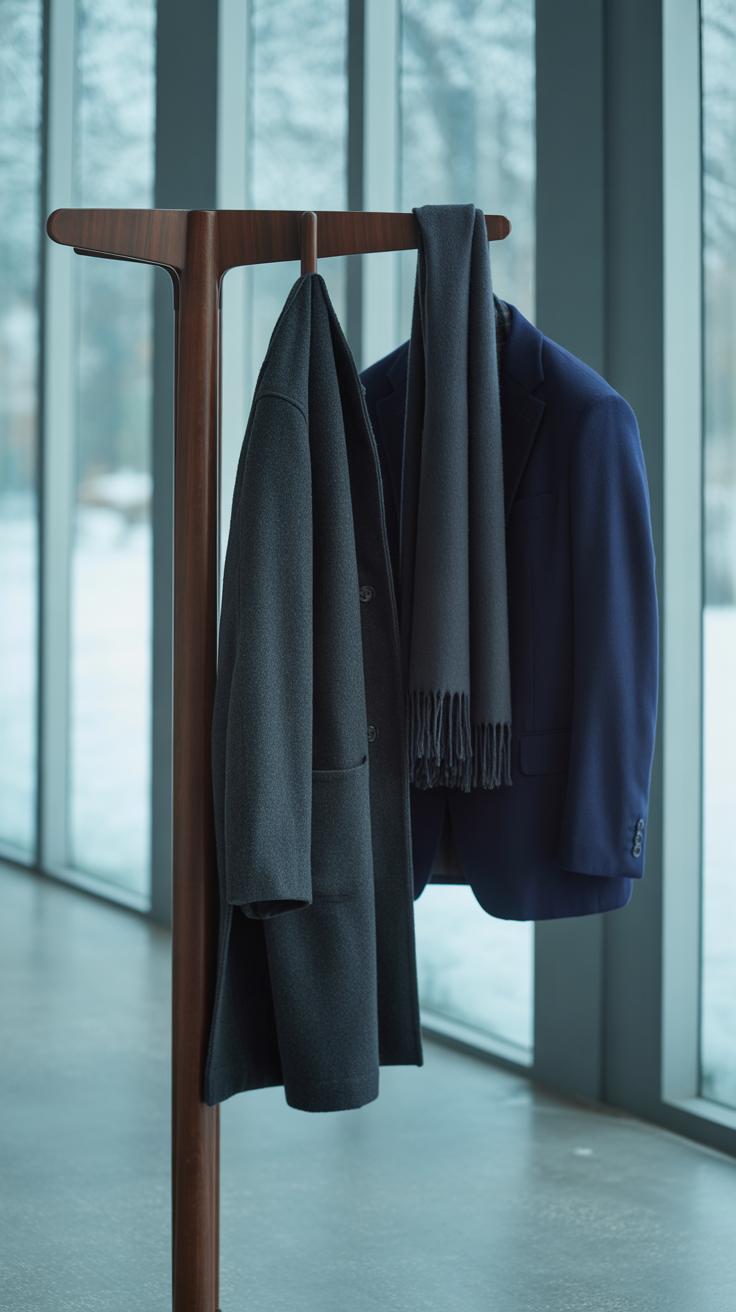
Coats That Match Business Casual Standards
When picking a winter coat for business casual, you want something that enhances your look rather than competing with it. Think structured wool coats or tailored overcoats—they tend to pair well with dress shirts and chinos or slacks. A classic camel or charcoal coat often works across seasons and outfits, giving you that polished vibe without trying too hard.
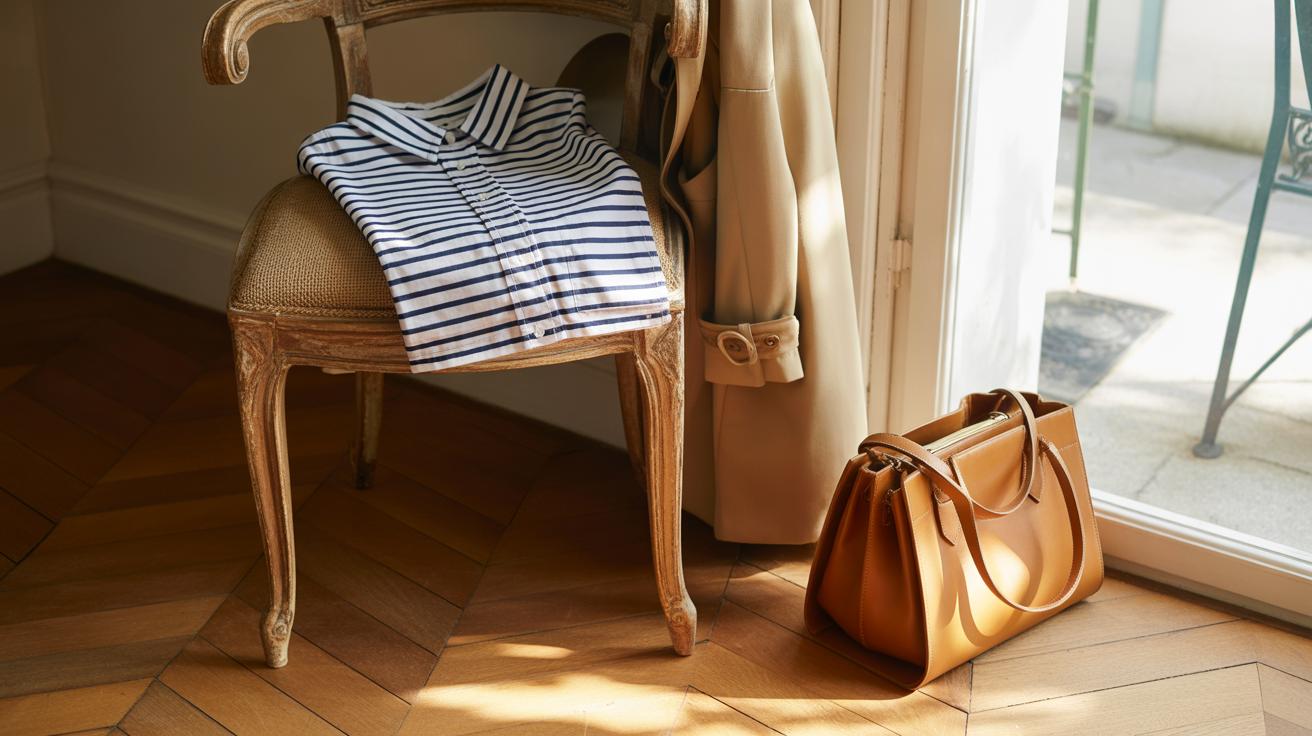
Parkas or puffer jackets, while warm, usually clash with business casual. That said, if your workplace is more relaxed, a sleek, fitted puffer in dark colors might just pass. But honestly, it risks looking too informal, so weigh your options carefully.
Some people go for trench coats layered over sweaters and button-downs. They signal a kind of timeless professionalism, so they deserve a spot on your shortlist. Though, remember to check the fit; an oversized coat can quickly make you look sloppy.
Balancing Warmth and Style in Outerwear
Keeping warm while looking good is tricky. Bulkiness is the enemy—you want insulation but not at the expense of shaping your silhouette. Thin, insulated linings or down blends can offer warmth without the puffiness that screams casual weekend.
Look for coats with a clean cut around the shoulders and waist. Those details keep you looking sharp. At the same time, layering smartly underneath can let you pick a lighter coat. Sweaters or thermal shirts can do some of the warmth work, reducing the need for thick outerwear.
Think about accessories, too. Sometimes a scarf and gloves add enough warmth so you don’t have to overdo the coat itself. At least, that’s what I tend to lean on. It’s also worth trying on your coats with typical indoor business casual layers to get the fit just right—sometimes a coat that seems perfect solo turns unwieldy once you add sweaters.
Footwear Choices for Winter
Selecting Professional and Weatherproof Shoes
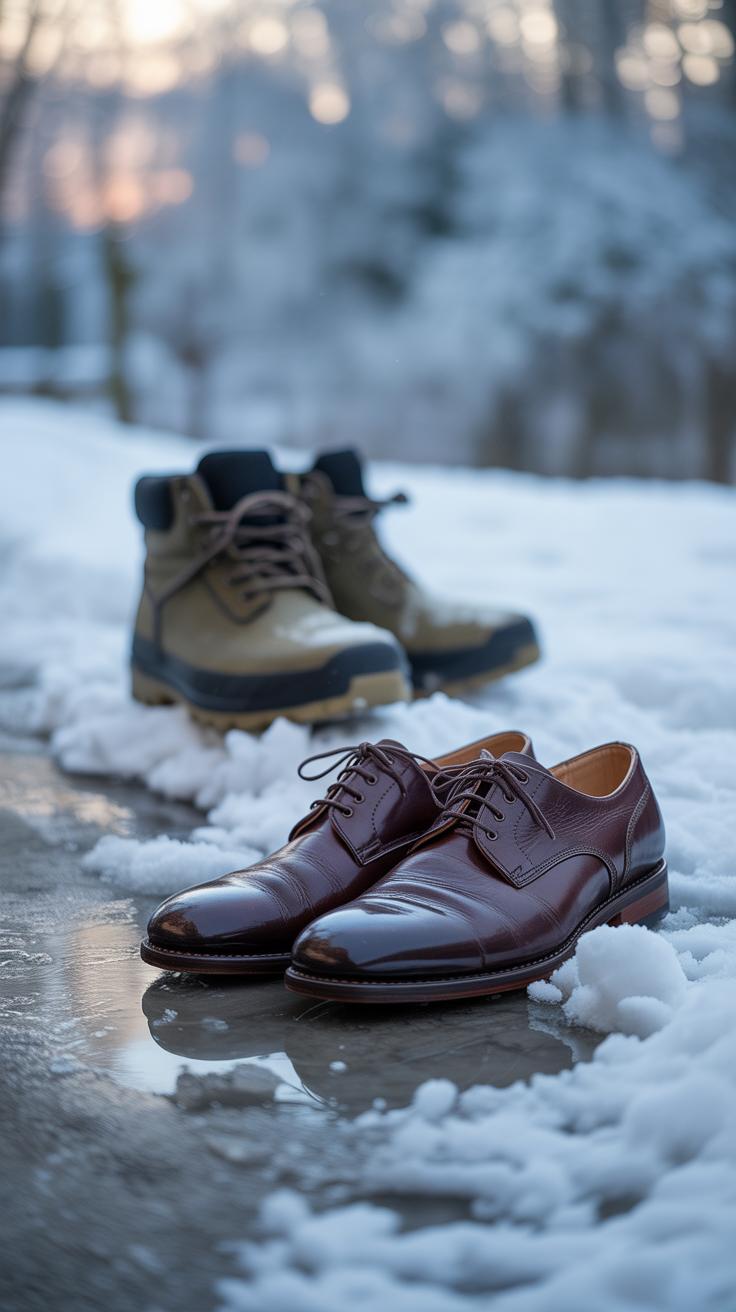
In winter, your shoe choice has to do double duty—looking sharp while handling snow, slush, and cold. You want shoes that convey professionalism but also won’t fall apart the first time you step outside. Leather boots with a sturdy sole are often the safest bet. Chelsea boots or brogue-style boots in dark brown or black fit well with business casual attire and can handle moisture better than typical dress shoes.
Rubber-soled dress shoes are another option. They provide grip and resist slipping, which feels critical when sidewalks become slick. Some people lean towards waterproof-treated leather shoes. They can look polished, but you have to treat them regularly to keep the water out. For those in wetter climates, insulated boots with a sleek design might work if your office dress code allows, especially when paired with tailored pants.
Maintaining Winter Footwear Appearance
Winter wear and your shoes don’t always mix smoothly. Snow and salt can leave nasty stains and dry out leather quickly. To keep your shoes presentable, clean them after every wear if possible. Wiping away salt stains sooner rather than later helps prevent permanent marks. Polish them regularly, but give the polish time to absorb. Overdoing it can make shoes look sticky or artificial, which nobody wants.
Using shoe trees can make a surprising difference. They help maintain shape and absorb moisture, which is usually higher in winter. Also, rotating between a couple of shoe pairs gives each set a chance to dry out fully before the next wear. It’s easy to forget, but neglecting care can make even high-quality shoes look worn out fast. So, maybe invest a little time here—it shows.
Layering Effectively for Work
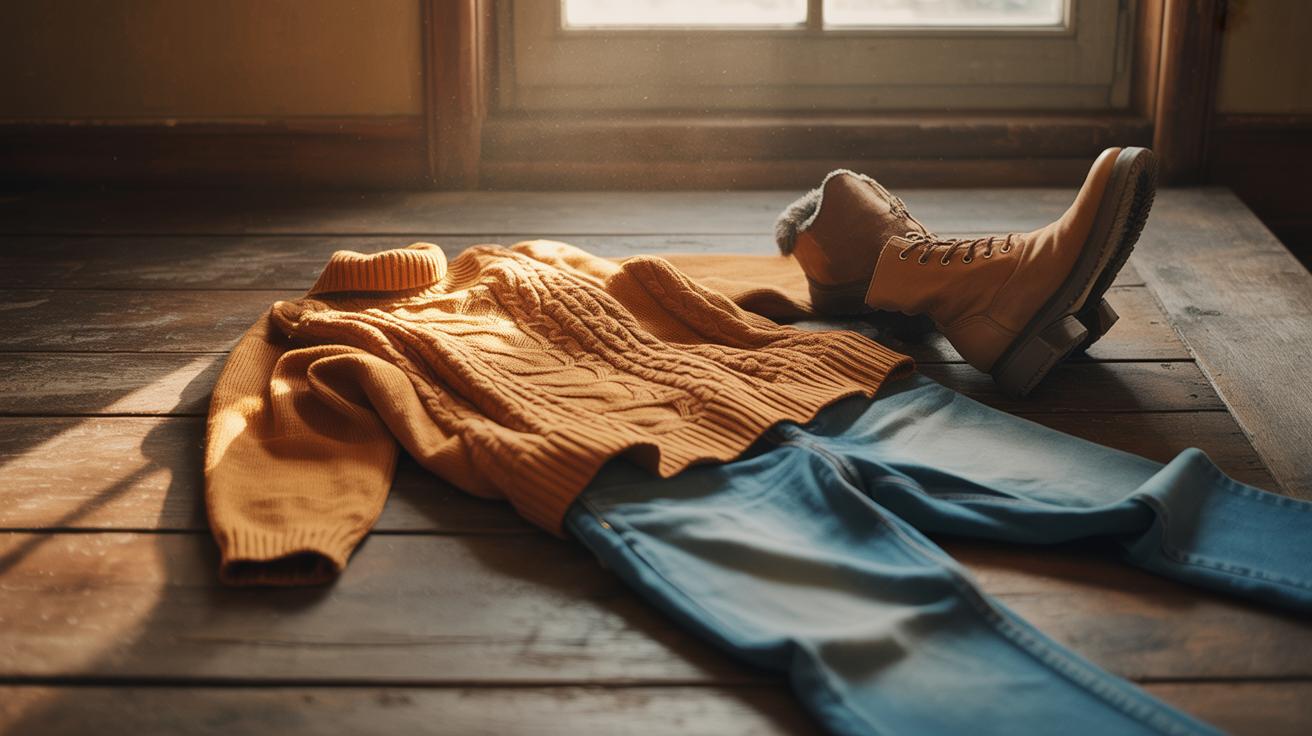
Layering for winter workwear can feel tricky—balancing warmth and style without turning into a walking marshmallow isn’t that simple. You want to look polished, but stay comfortable whether you’re outside in the chill or inside a heated office. The key lies in choosing pieces that work together and fit close to your body.
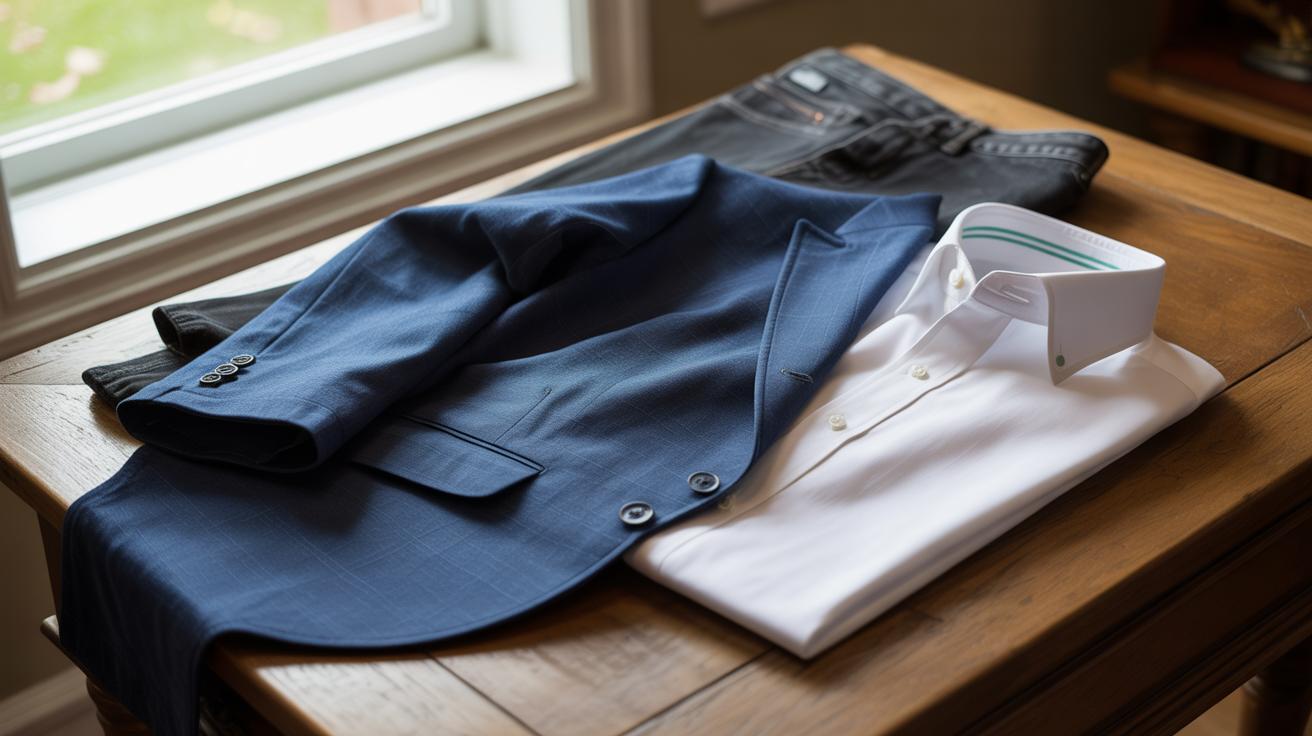
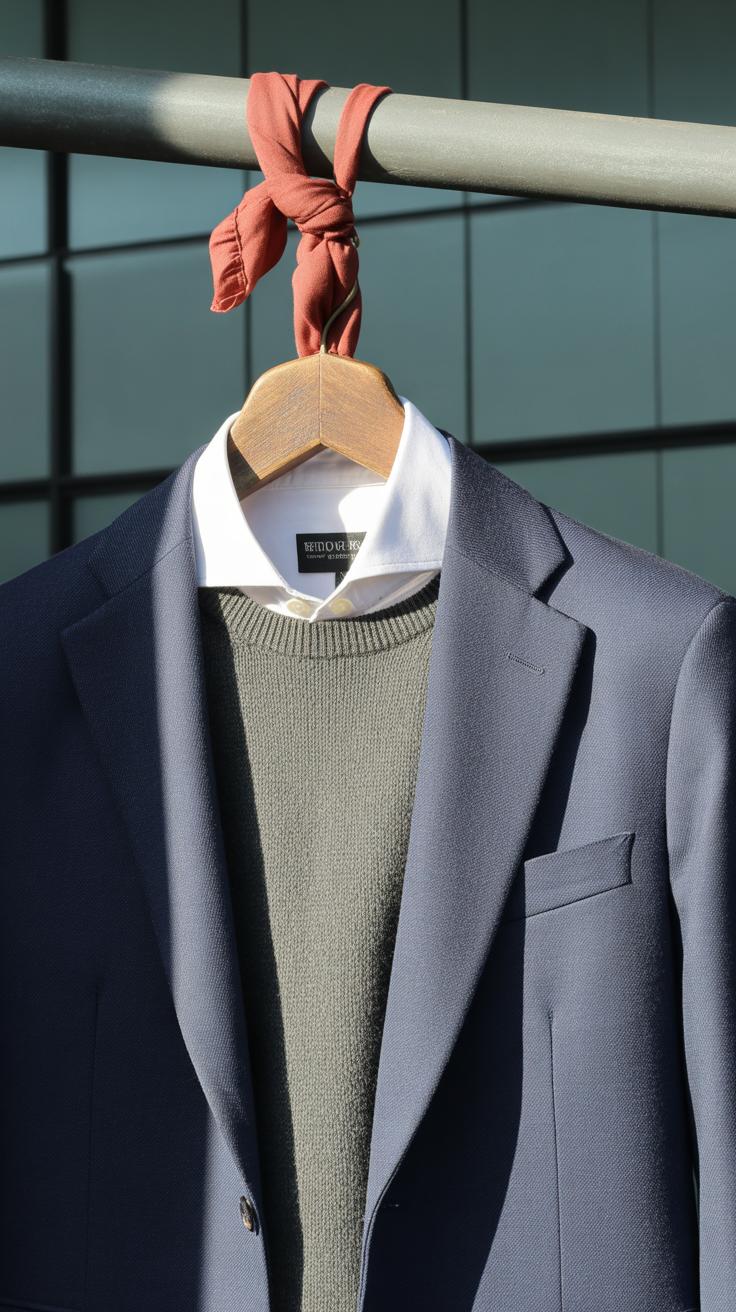
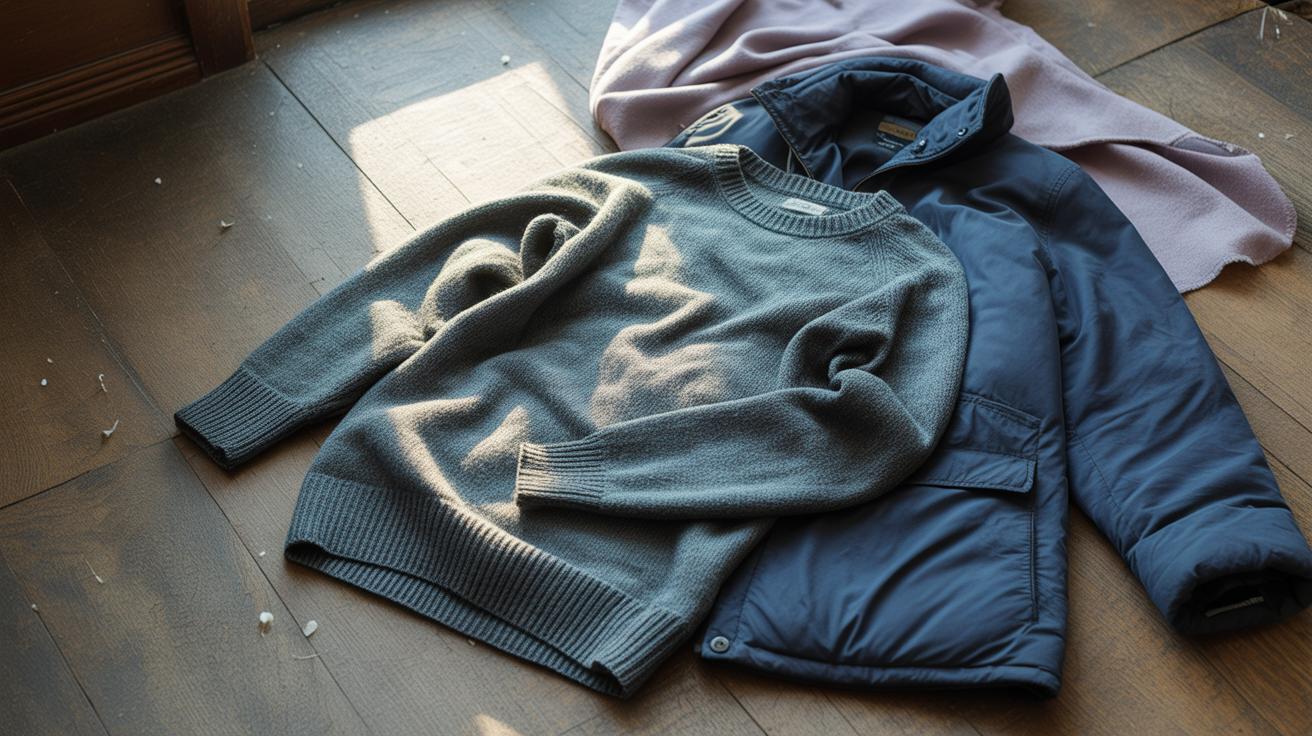
Start with a thin, breathable base layer, like a fitted cotton or merino wool shirt. These fabrics trap heat but don’t feel heavy. Over that, add a lightweight sweater or a fine-knit cardigan. Avoid chunky knits here; they tend to bulk up and restrict your movement, which can make typing or reaching for files cumbersome.
Top it with a tailored blazer or a smart, unlined jacket. Blazers that fit well won’t add unnecessary volume and feel more structured than heavy coats inside. Plus, you can always remove them without losing the professional edge. For an outdoor layer, pick a streamlined coat that can fit comfortably over your blazer without squashing it.
Choosing versatile layers means you can quickly adapt to varying temperatures. If the office is warm, the blazer or sweater can go into your bag. If it’s colder outside, the extra layers stack neatly without looking messy. Think about colors and textures that blend well—muted tones and smooth fabrics tend to layer better without clashing.
Have you noticed how some coworkers look more put-together even on freezing days? Often, it’s the way they layer: light, sleek, and adaptable. Maybe it’s worth rethinking your own approach before winter fully settles in. After all, comfort doesn’t have to come at the cost of looking professional.
Color and Pattern Considerations
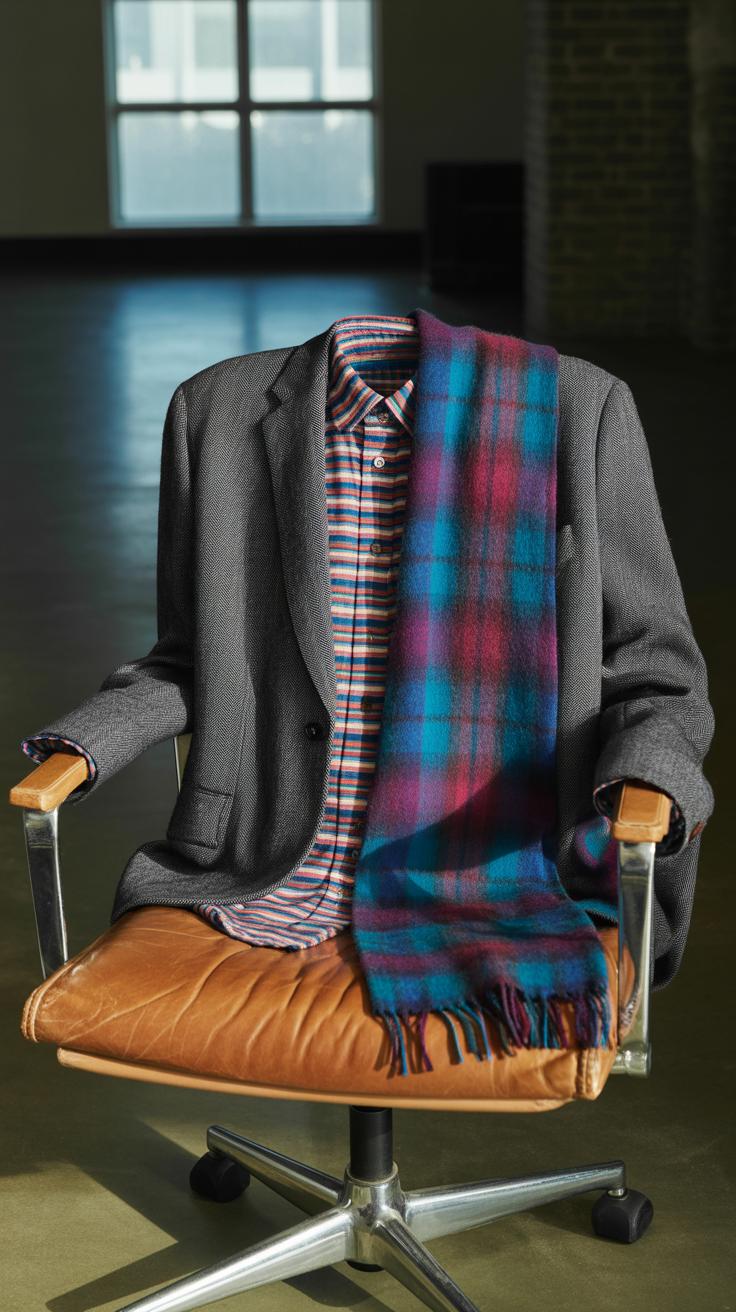
Color plays a bigger role in how your winter business casual outfit reads than you might first think. Sticking with safe colors like navy, gray, black, and cream tends to keep things professional and steady. These shades rarely distract and usually blend well with winter’s darker, muted tones. You might find they make layering easier without clashing.
On the flip side, bold colors—like deep greens, burgundy, or even brighter blues—can add personality but risk coming off as too casual or distracting. If you want to test these out, try integrating them subtly, maybe in a scarf or a sweater under your blazer. Could this hint of color boost confidence? Possibly. But too much might confuse how seriously others take you.
Patterns, especially in winter, are tricky. Plaids, checks, and stripes offer visual interest, yet mixing too many can backfire. One pattern per outfit usually works best. If you do combine patterns, keep them in similar color families and avoid clashes in scale—large plaids with tiny stripes often create unnecessary noise.

Sometimes, simply avoiding patterns altogether can be the safer choice. Winter’s often enough with its layers and textures without adding busy prints that pull focus.
Have you ever felt unsure whether your patterned sweater suits your pinstriped pants? It’s a common dilemma. Playing it safe keeps credibility intact, but carefully chosen patterns might just add that polished edge without overwhelming. It’s a risk, but one worth understanding before you step out. What’s your go-to winter color or pattern? Maybe it’s time to rethink it in your work wardrobe.
Common Accessories and How to Use Them
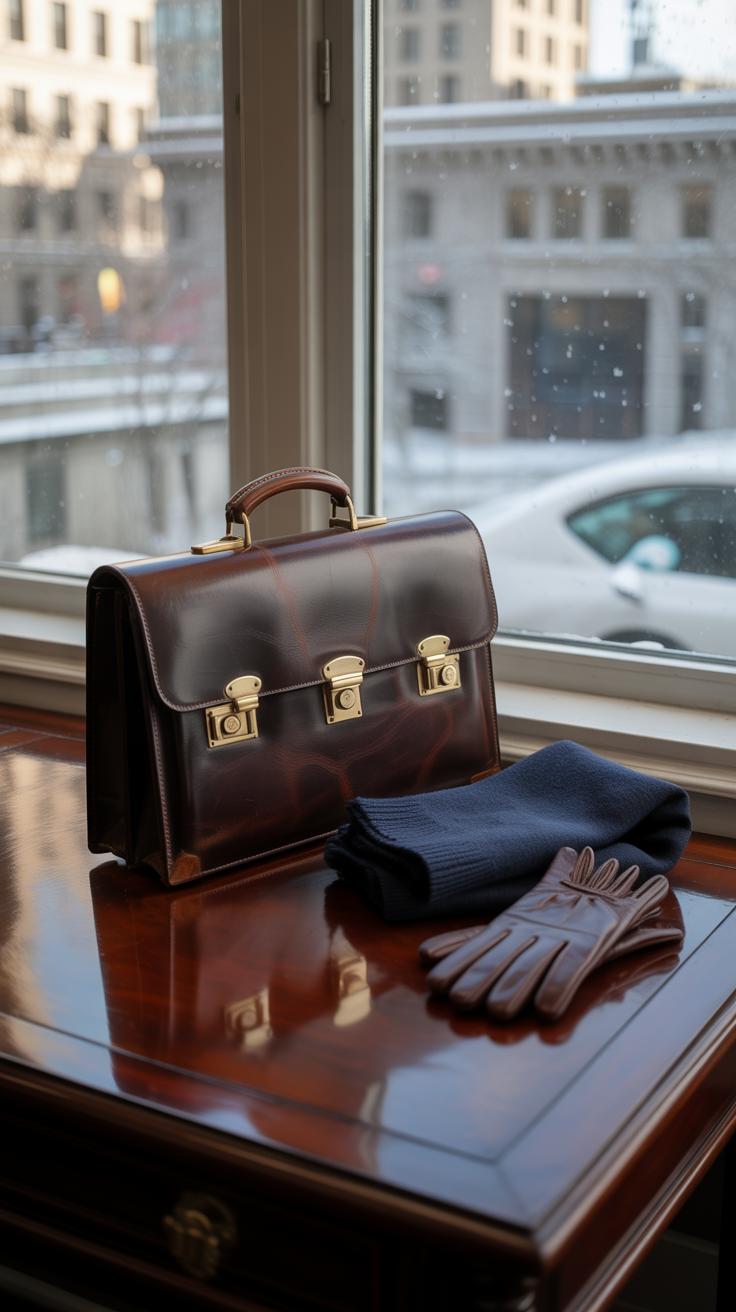
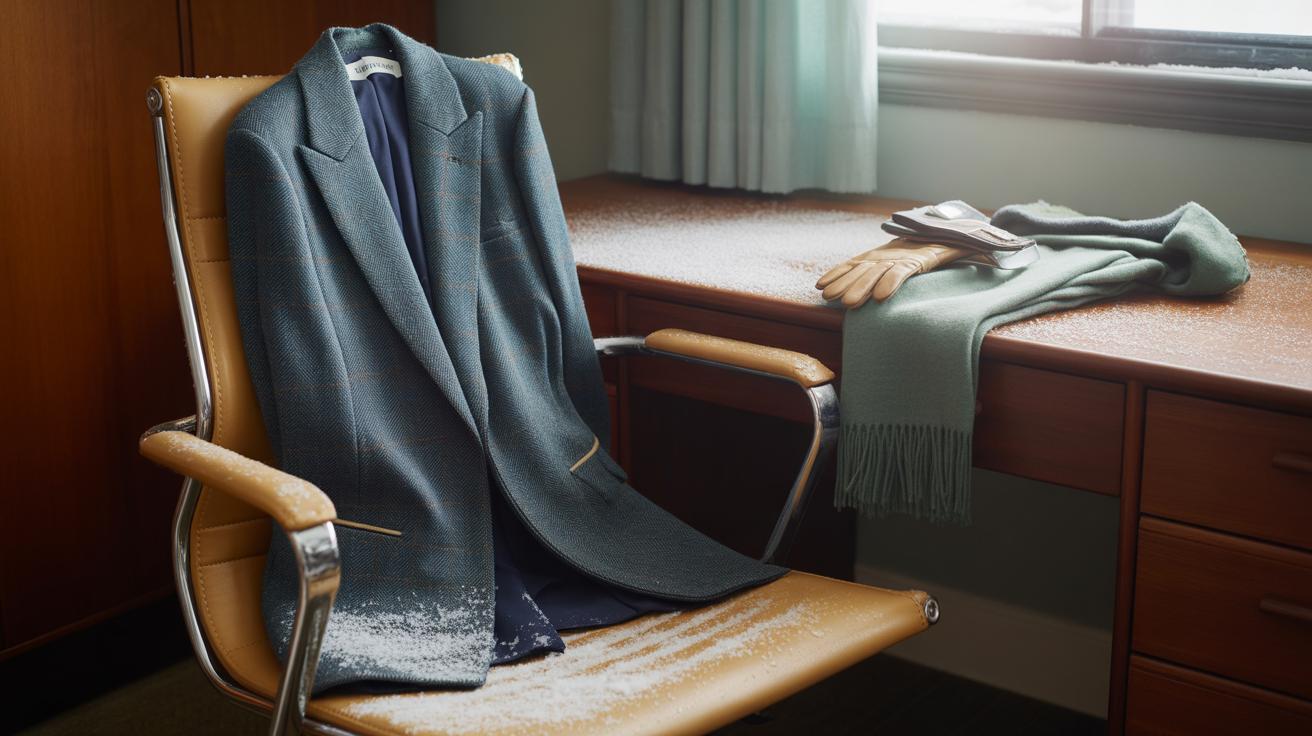
Winter business casual accessories can make or break your look. Scarves, gloves, hats, and bags are typical choices—but the trick is picking ones that actually fit your work environment without seeming over the top. For scarves, think simple patterns or solid colors in wool or cashmere. They add warmth without screaming “fashion show.” Keep the length moderate and avoid oversized knots that can look sloppy or distracting.
Gloves should be sleek and practical—leather ones work well, especially in black, gray, or brown. They offer protection from cold and keep a polished vibe. As for hats, be cautious. A neat beret or a classic wool fedora might suit some offices, but often less is more here. Sometimes skipping the hat indoors signals professionalism better.
Bags are often overlooked but can really complete or confuse your outfit. Choose structured, medium-sized leather bags or briefcases that hold essentials and look tidy. A giant tote bursting at the seams isn’t ideal; neither is a flashy or overly casual backpack.
Balancing these accessories means you don’t want to fight with your overall outfit. If you wear a patterned scarf, keep gloves and bag simple. Or if your bag has texture, go for muted gloves and a plain scarf. Too many accents scatter attention and might detract from what you’re trying to convey—competence and confidence. Sometimes just one well-chosen accessory speaks louder than a mix trying to do everything at once.
Maintaining Clothes During Winter
Cleaning and Storage Tips
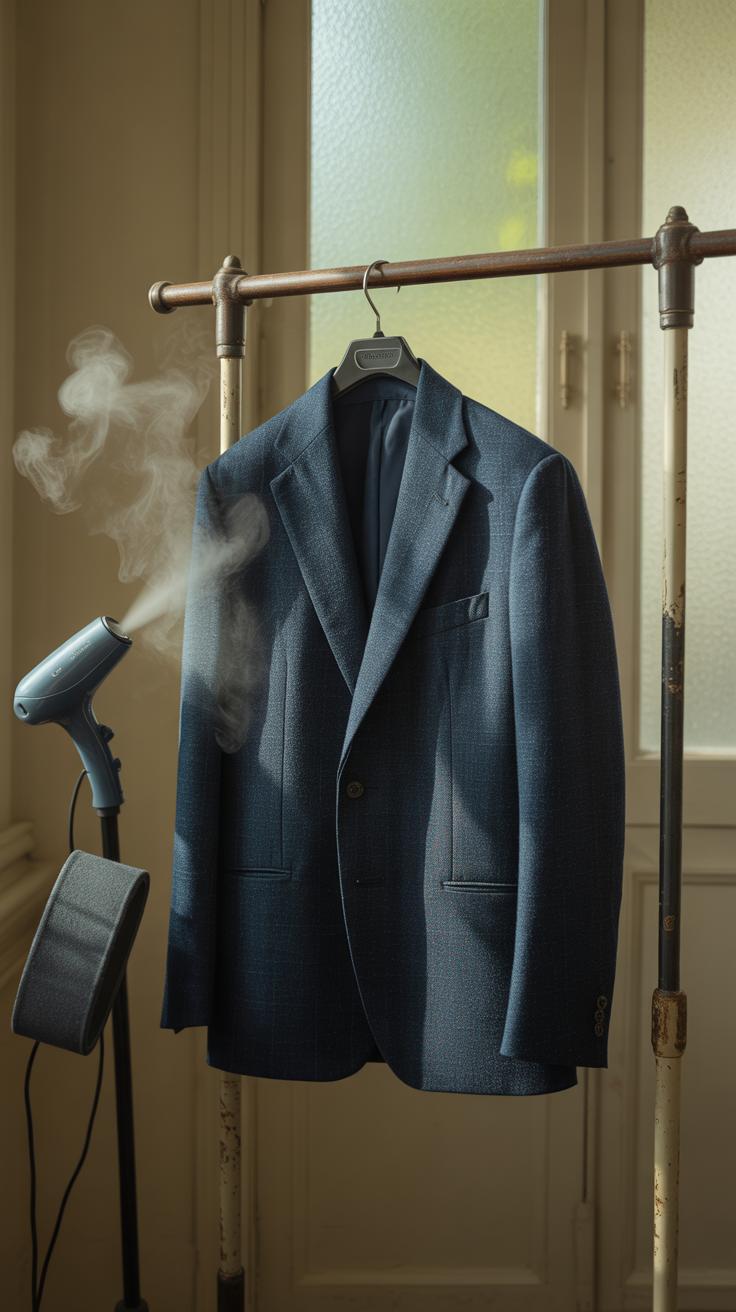
Winter fabrics demand more care than your typical business casual pieces. Wool sweaters or coats, for example, shouldn’t go into the washing machine too often. I’ve found that spot cleaning or using a gentle hand wash can keep them looking sharp without causing shrinkage or fuzz. Dry cleaning is usually safe for bulky items, though overdoing it can wear down the fibers.
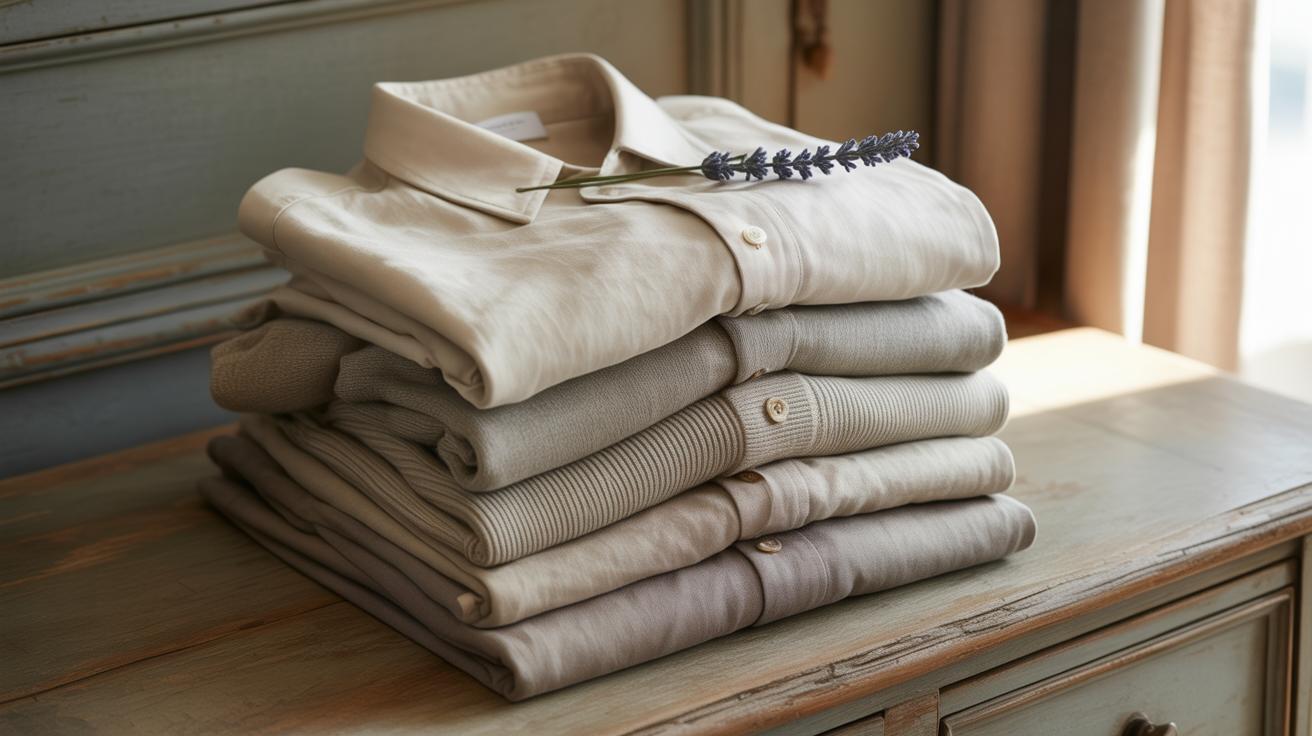
When storing your winter wardrobe, it’s not just about putting things away anytime. Use breathable garment bags or cotton covers to avoid moisture buildup. Avoid plastic; it traps humidity and leads to mildew or that stale smell which nobody likes.
Also, keep moth deterrents nearby. Cedar blocks or lavender sachets do the job without the harshness of mothballs. And if you stuff your closet too tightly, clothes get wrinkled or misshapen. Give them room to breathe and hang bulky coats on sturdy hangers that won’t stretch shoulders.
Repair and Replacement Guidelines
Small rips or loose buttons on winter clothes? Fix them before you wear the item again. Waiting may make things worse. You don’t want to be that person pulling a thread mid-meeting or fumbling with a loose cuff. Repair doesn’t have to be a chore—in fact, it’s part of looking polished.
But there’s a line where repairing stops making sense. Faded sweaters or pilled fabric can give a tired impression, especially in business settings. If the garment loses its shape or looks worn through, replacing it might save you more hassle in the long run than patching it up repeatedly.
Sometimes, it comes down to how the item fits and functions in your overall look. If your winter wear no longer supports your style or professional vibe, maybe it’s time to rethink what’s in your closet. Keeping an eye on the state of your clothes helps you avoid that slippery slope of looking careless, even when you’re cold.
Comparison of Fabric Types for Warmth
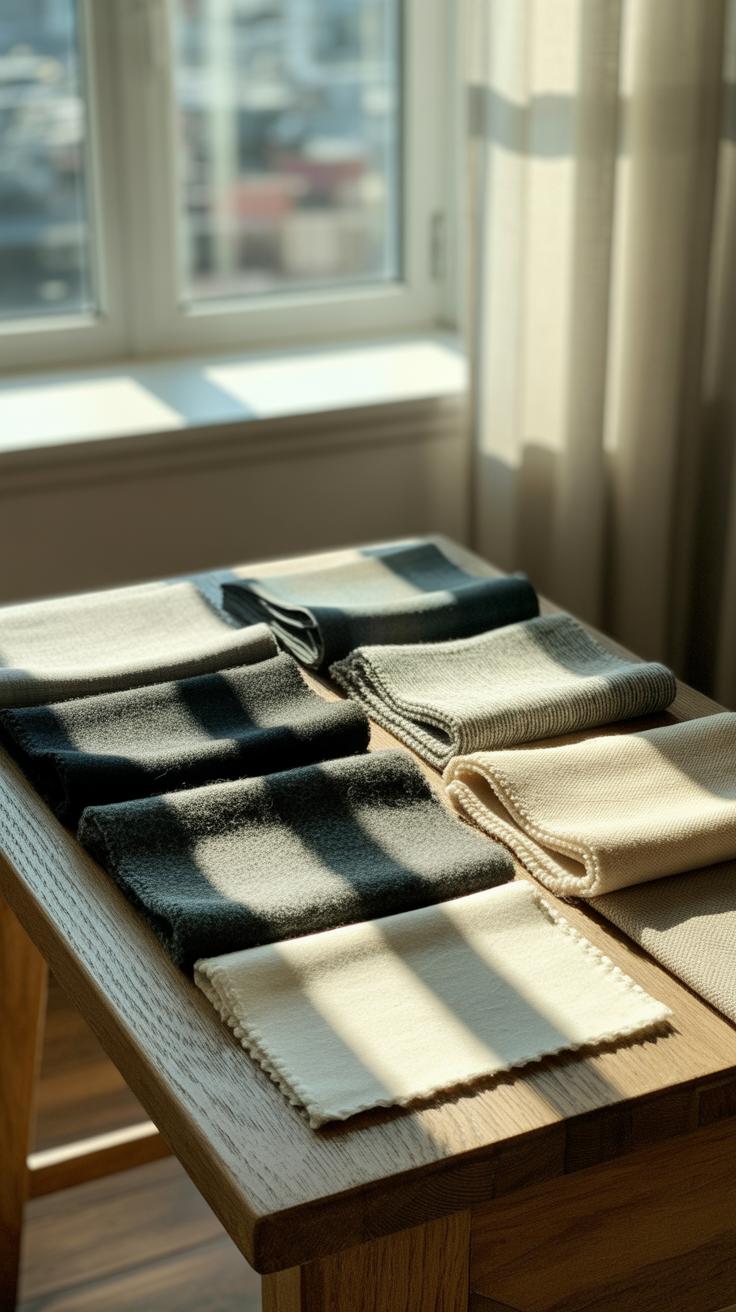
When choosing winter fabrics for business casual wear, the fabric really sets the tone for comfort and appearance. Wool often gets the spotlight because of its warmth, but it can be a bit itchy if worn directly on the skin. You might find merino wool softer, though it tends to be pricier and requires delicate care.
Then there’s cotton, which is comfortable and breathable but doesn’t do well in freezing weather. Cotton tends to absorb moisture, making you feel colder when stepping outside. Fleece offers cozy warmth, but in a professional setting, it might come off as a bit too casual or bulky.
Performance blends with synthetic fibers, like polyester mixed with wool or cotton, can give you warmth without bulk. They usually hold up better over time and resist wrinkles, but some can feel less natural or cause sweating indoors—something to test before committing.
In terms of durability, wool garments tend to last longer but need dry cleaning to stay sharp, which might not suit everyone’s routine. Cotton pieces can often be machine washed but may lose shape or fade after repeated cycles. Synthetic blends often strike a balance here, with easier maintenance but sometimes less breathable.
So, what do you prioritize—easy care or natural warmth? And how much time do you spend outdoors versus inside? Figuring that out helps in picking which fabric fits your winter business casual needs. I once opted for a wool sweater that looked great but quickly became uncomfortable after a couple of hours indoors. Maybe a blend would have been smarter.
Checklist for Winter Business Casual Readiness

Before stepping out into cold weather looking professional, take a moment to assess whether your winter business casual wardrobe really works for you. Ask yourself: do your clothes keep you warm without sacrificing style? Are they clean and well-maintained? Do they fit the tone of your workplace? Sometimes we overlook these details, but they matter more than you might think.
Key Items to Have
A reliable winter business casual closet includes specific staples. Think wool-blend sweaters in neutral tones, layers like button-down shirts and turtlenecks, and tailored trousers or cords instead of faded jeans. A classic pea coat or a structured overcoat can polish your look. Don’t forget leather or suede shoes with good grip for icy sidewalks, plus scarves that add color but aren’t too flashy—balance is key. You might not realize how much your choice of socks or gloves adds to the overall impression.
Steps to Evaluate Your Wardrobe
Start by pulling everything out and sorting by category: tops, bottoms, outerwear, shoes, and accessories. Examine each piece closely. Are any items stained, worn, or outdated? If you’re unsure about fit, try everything on and move around in it. Uncomfortable clothes often show in your posture or confidence. Next, ask: do you have options that layer well without bulk? Are the colors and patterns still appropriate for your work environment? Finally, identify gaps—maybe you have sweaters but no quality coat, or plenty of dark trousers but no warm, stylish shoes. These questions help spot those weak spots you’d otherwise overlook.
Going through this checklist might feel tedious, but it’s worth the effort. You might discover that something you thought was fine is actually holding you back, or realize you’ve been missing a critical piece this whole time. Trust me, preparing thoughtfully for winter business casual is not just about staying warm—it’s about showing you take your role seriously, even on the coldest days.
Conclusions
Your winter business casual outfit plays a big role in how others see you professionally. Avoiding typical mistakes can improve your credibility and comfort. Pay close attention to fit, layering, and appropriate winter fabrics to stay polished and warm.
Making smart clothing choices for winter means blending style with workplace expectations. Use the tips here to upgrade your business casual winter wardrobe and present your best self every day.