What Is Airbrush Makeup And How Does It Differ From Traditional Application
How Airbrush Makeup Works: The Science Behind The Spray
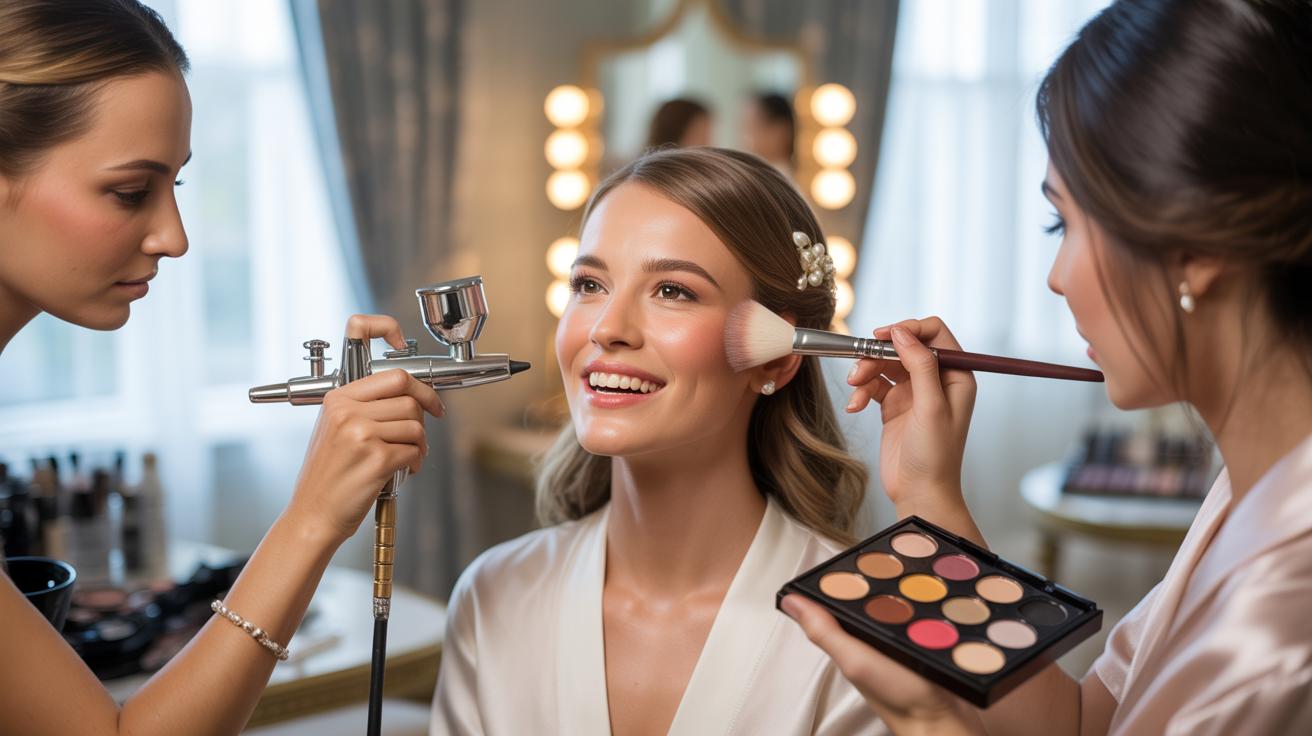
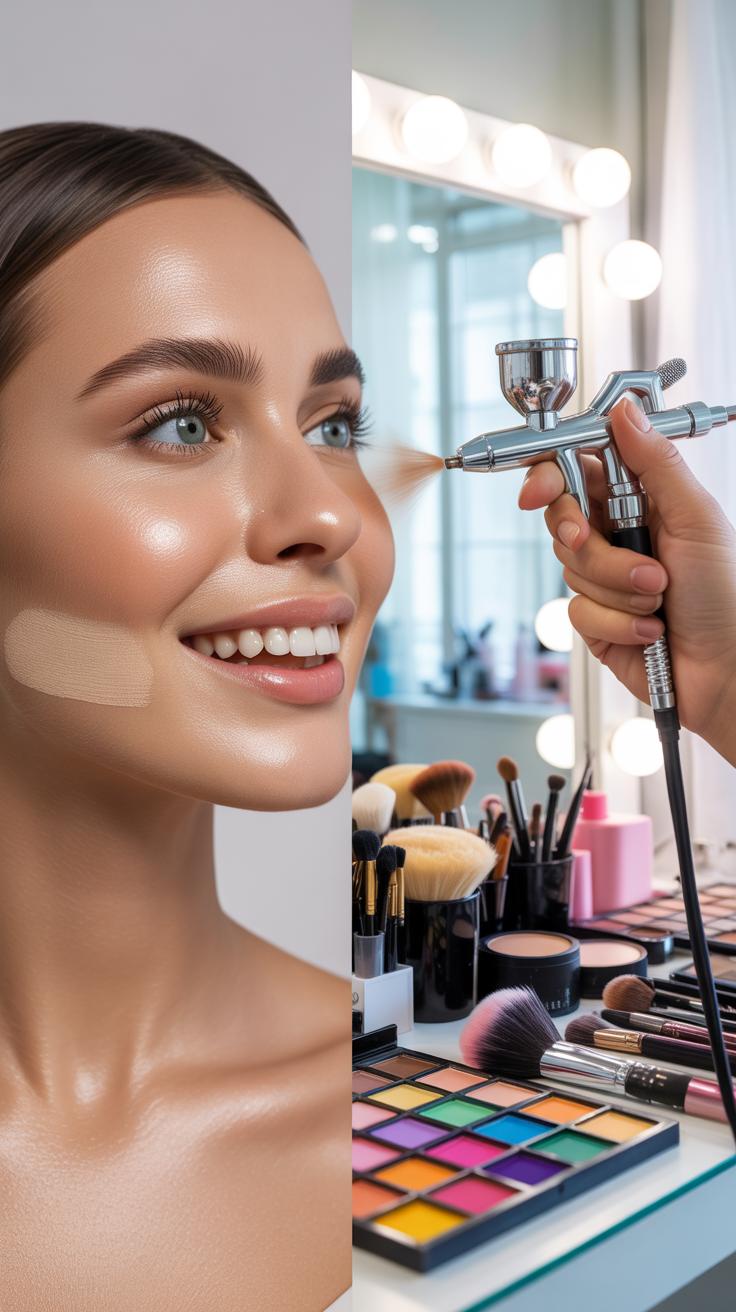
Airbrushing uses compressed air to spray a fine mist of foundation onto the skin. The technician loads thin, pigment-rich liquid into a motorized compressor and stylus. As the air flows, it pulls the makeup through a small needle. This action creates millions of tiny dots called pixels. These pixels sit on top of the skin rather than soaking into the pores or fine lines.
The science relies on thin layers of specialized formulas. Most professionals use silicone-based or water-based liquids for a long-lasting finish. These products dry quickly upon contact with the face. This creates a uniform surface that resists sweat and tears. Because the application is touchless, the artist avoids friction. This prevents redness and keeps the skin surface calm during the high-pressure environment of a wedding day.
Traditional Makeup Application: Brushes, Sponges, And Hands Explained
Traditional application involves manual tools to push products into the skin. Artists use brushes, sponges, or fingers to apply cream, liquid, or powder foundations. This method requires mechanical blending to achieve a smooth look. The artist works the product into the texture of the face. This creates a physical bond between the makeup and the skin surface. It remains the standard for most personal and professional kits.
Brushes offer high control over coverage levels in specific areas. Sponges excel at absorbing excess product and softening harsh edges. This tactile approach allows the artist to build thickness where needed to cover scars or blemishes. Unlike the light mist of an airbrush, traditional makeup provides a thicker physical barrier. It offers more flexibility for mixing custom shades on a palette during the application process.

Breaking Down The Cost Airbrush Foundation Vs Traditional Makeup For Brides
What Brides Typically Pay For Airbrush Makeup Services
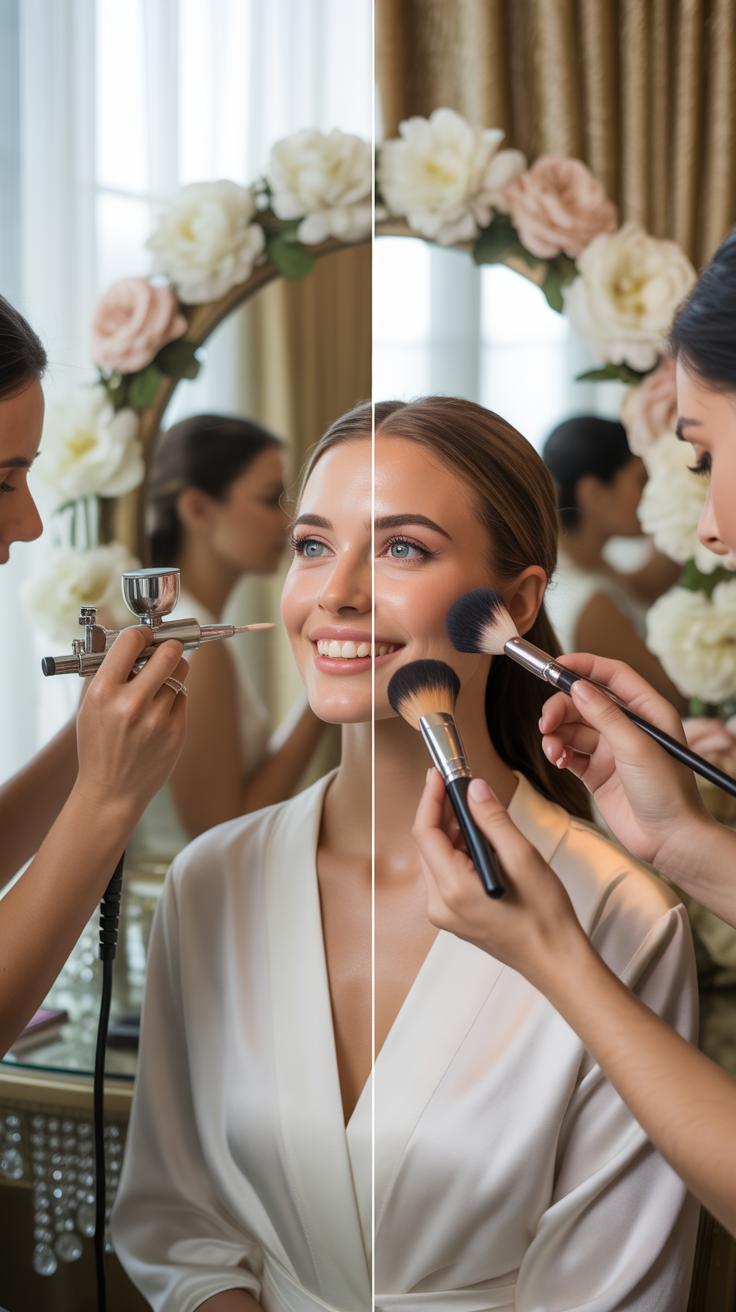
Airbrush makeup wedding services command a premium price due to specialized equipment and technical training. Most professional artists charge between 150 and 300 dollars for the bride. This cost covers the airbrush foundation machine, compressor maintenance, and the specific silicone or water based formulas. Prices vary by region and the artist experience level. High demand urban markets often see higher rates for this service.
Budget brides must account for the initial investment in the application process. Artists often bundle this service with a trial run which adds to the total. You are paying for a waterproof finish and significant longevity. Professional airbrush makeup requires precision and a steady hand. The high cost reflects the speed of application and the durability of the product through sweat and tears.
The Real Cost Of Traditional Bridal Makeup: What To Expect
Traditional wedding day makeup typically costs less than airbrushing. Most brides pay between 100 and 200 dollars for standard application. This method uses brushes, sponges, and liquid or cream foundations. Since most artists already own these tools, they do not pass equipment maintenance costs to the client. It remains the most accessible option for brides looking for natural glam makeup on a budget.

Standard application allows for easier touch ups throughout the event. While the upfront price is lower, you might spend more on physical products for your emergency kit. Artists can mix different formulas more easily with traditional methods to match skin texture. This flexibility makes it a reliable choice for many. You save money on the service fee while still achieving high quality bridal makeup looks.
Longevity And Wear Which Holds Up Better On Your Wedding Day Makeup
How Long Airbrush Makeup Actually Lasts Through A Full Wedding Day
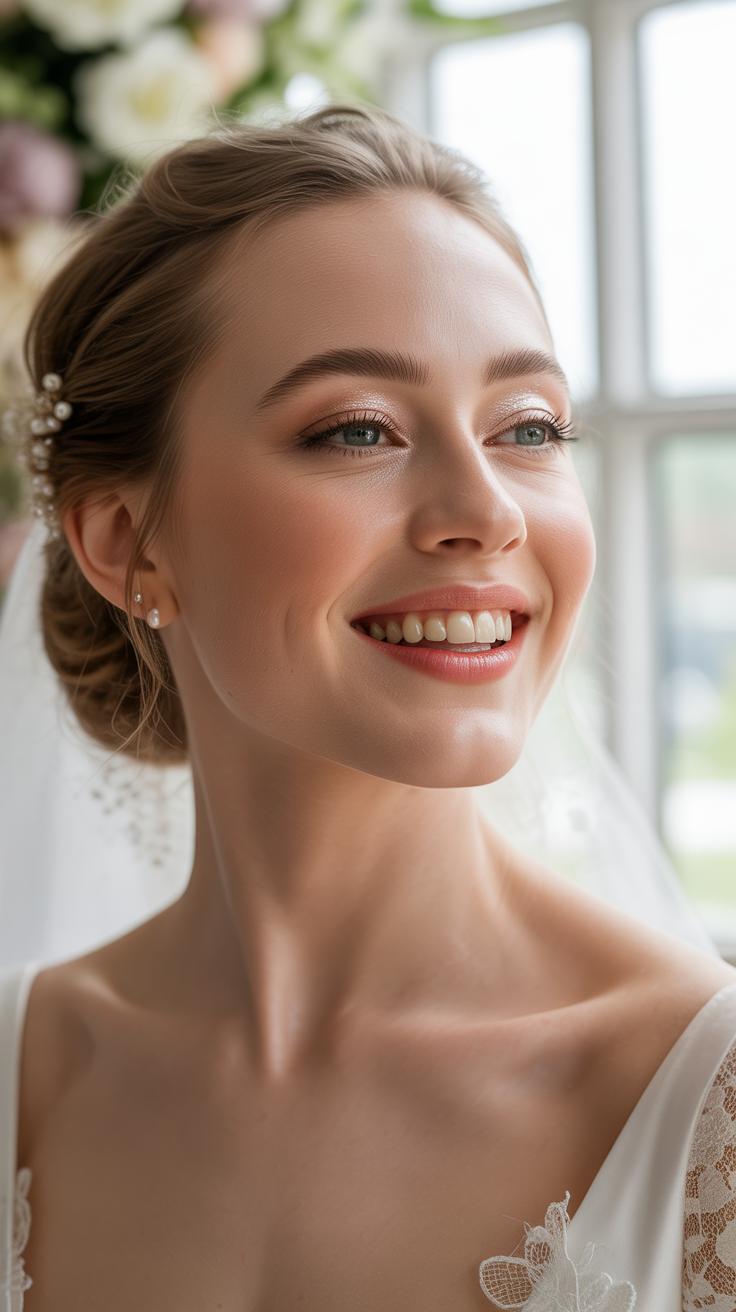
Airbrush makeup uses silicone based or water based formulas delivered through compressed air. This technique creates a thin layer that bonds to the skin surface. Most professional formulas provide twelve to eighteen hours of wear without fading. The application resists sweat and tears better than standard creams. This makes it a primary choice for high humidity environments or long outdoor ceremonies where heat is a factor.
The fine mist dries instantly and creates a water resistant seal. You do not need heavy powder to set this product. It stays in place during physical contact like hugging or dancing. However airbrushing struggles on extremely dry or flaky skin textures. If the base layer cracks it is difficult to spot treat without the machine. Proper skin preparation is required to hit the full eighteen hour mark.
Traditional Makeup Longevity: Setting Sprays, Touch Ups, And Real Talk
Traditional foundation relies on manual blending with brushes or sponges. Modern high definition formulas offer significant durability when paired with professional primers. You must use a high quality setting spray to mimic the staying power of airbrushing. Heavy cream products can shift or settle into fine lines after several hours of wear. This method usually requires at least one mid day touch up to manage oil production.

The main advantage of traditional application is its ease of repair. You can blend out a smudge or blot away excess oil with a simple sponge. Unlike airbrushing you can layer more product over existing makeup without it looking cakey. Use translucent powders and blotting papers to maintain the finish. If you expect to cry or sweat heavily you will need waterproof formulas to prevent streaks on your face.
Skin Coverage And Finish Airbrush Foundation Vs Traditional For Every Skin Type
Which Skin Types Benefit Most Cover From Air Spray Makeup Coverage
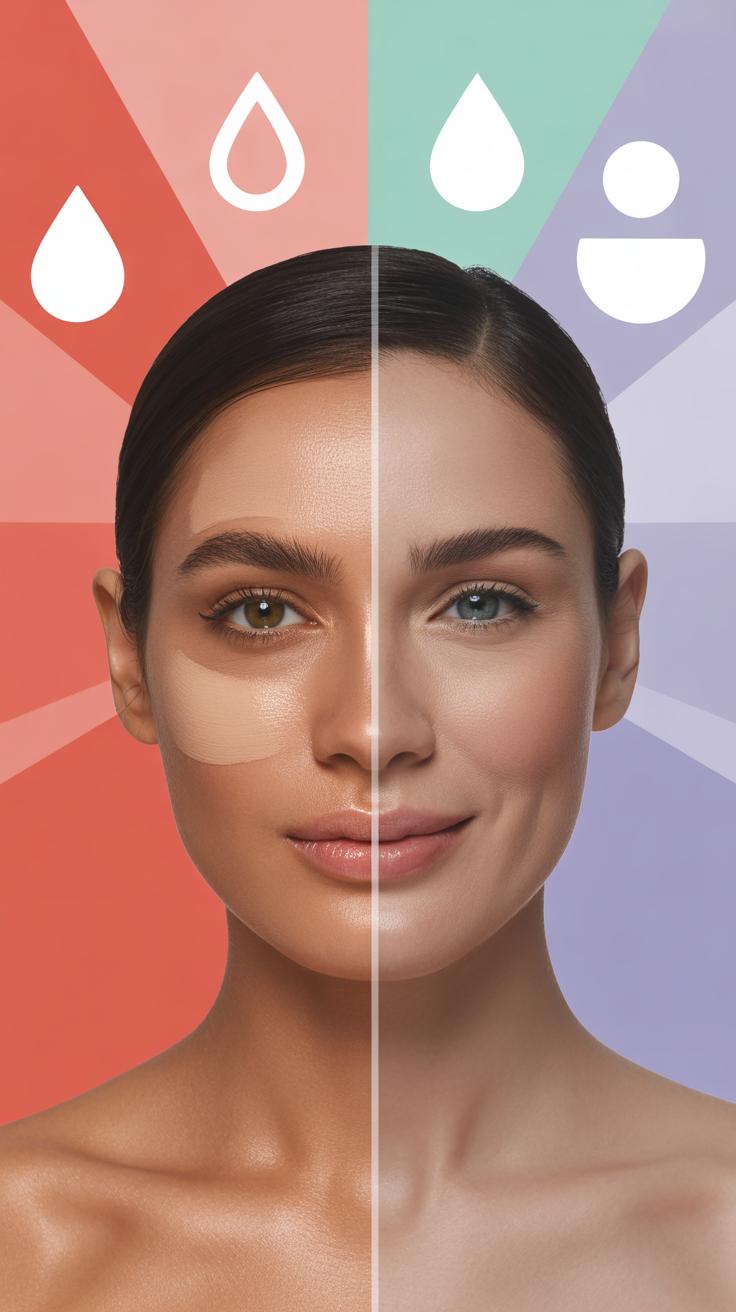
Airbrush foundation uses compressed air to spray a fine mist of pigment onto the face. This technique creates a thin layer that looks like skin. It works best on oily or combination skin. The silicone based formulas resist sweat and water. This make it a top choice for a long wedding day. The finish stays matte and stable for many hours.
People with smooth skin see the best results from this method. The fine mist sits on top of the surface without sinking into pores. It offers high coverage with very little product weight. Strategic application allows for a natural glam makeup look that lasts. This method prevents the heavy feeling of thick cream products. Brides who want a weightless feel should choose this option.
How Traditional Foundation Adapts To Mature, Dry, And Textured Skin
Traditional foundation offers more flexibility for difficult skin textures. Makeup artists apply these liquids or creams with brushes and sponges. This manual pressing helps the product bond with dry or flaky patches. It does not sit on top of the skin like a mask. Formulas often contain hydrating ingredients that help mature skin look fresh and plump. This prevents a cracked appearance.

Brides with acne or deep wrinkles often prefer traditional methods. Professional artists can build coverage only where it is necessary. This creates a balanced look. You can buff the product into the skin for a seamless finish. It allows for easy touch ups during the event. If the makeup moves, you can blend it back into place. Airbrush makeup is much harder to fix once it sets.
Professional Airbrush Makeup Vs DIY What Budget Brides Need To Know
Why Hiring A Professional Airbrush Makeup Artist Is Worth The Investment
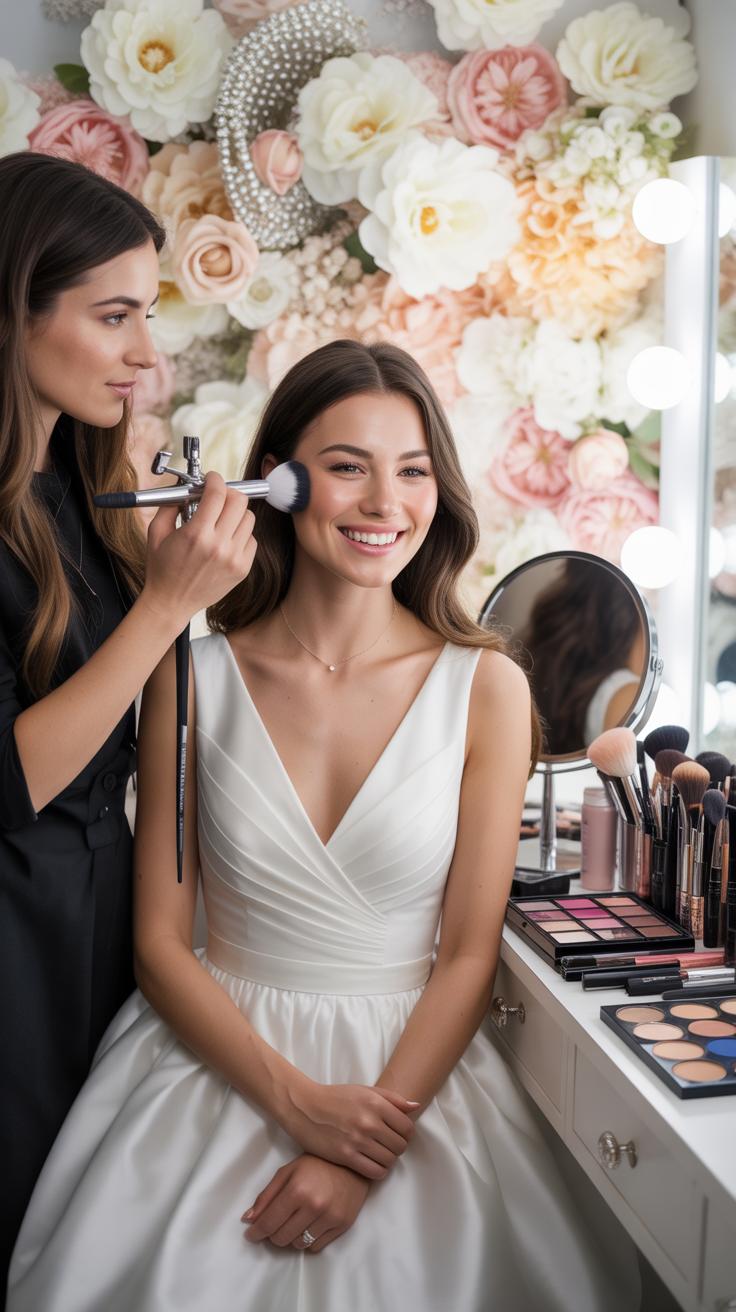
Professional airbrush makeup requires mastery of compressor PSI settings and needle control. Specialized artists understand how to mix silicone or water-based formulas to match specific skin types. They ensure the foundation bonds correctly to the skin surface. This technical knowledge prevents the makeup from cracking or sliding during long event hours. A pro handles the equipment maintenance so the bride avoids mechanical failures.
Hiring an expert guarantees a hygienic application. Professionals use deep cleaning protocols for their airbrush guns to prevent cross-contamination. They also possess the skill to layer product without creating a heavy mask. This level of precision is difficult to achieve without hundreds of hours of practice. For a wedding day, these factors reduce stress. You pay for their speed and the reliability of their professional-grade machinery.
Whether you choose a classic brush or a modern mist, true beauty lies in the joy of your ceremony rather than the price of your palette. Every bride deserves to feel timeless on her wedding day without the weight of worry.
Can Budget Brides Successfully DIY Their Airbrush Look At Home?
Attempting DIY airbrushing on your wedding day carries high risk. Low-cost consumer airbrush kits often lack the consistent pressure needed for a smooth finish. Users frequently struggle with “spatting,” where the gun sprays large droplets instead of a fine mist. Learning the correct hand distance and circular motion takes weeks of daily training. Most beginners apply too much product in one area which causes visible dripping.

The cost of a high-quality compressor and the necessary cleaning solvents often equals the price of a professional booking. Brides must also purchase multiple foundation shades to find a perfect match. If the equipment clogs or the nozzle bends, the entire routine fails. Most budget-conscious brides find that traditional makeup application yields better results than a rushed, DIY airbrush attempt. Focus your limited funds on reliable tools instead.
Air Brush Makeup For Bridal Looks Styles That Photograph Beautifully
Why Airbrush Makeup Performs So Well Under Wedding Photography Lighting
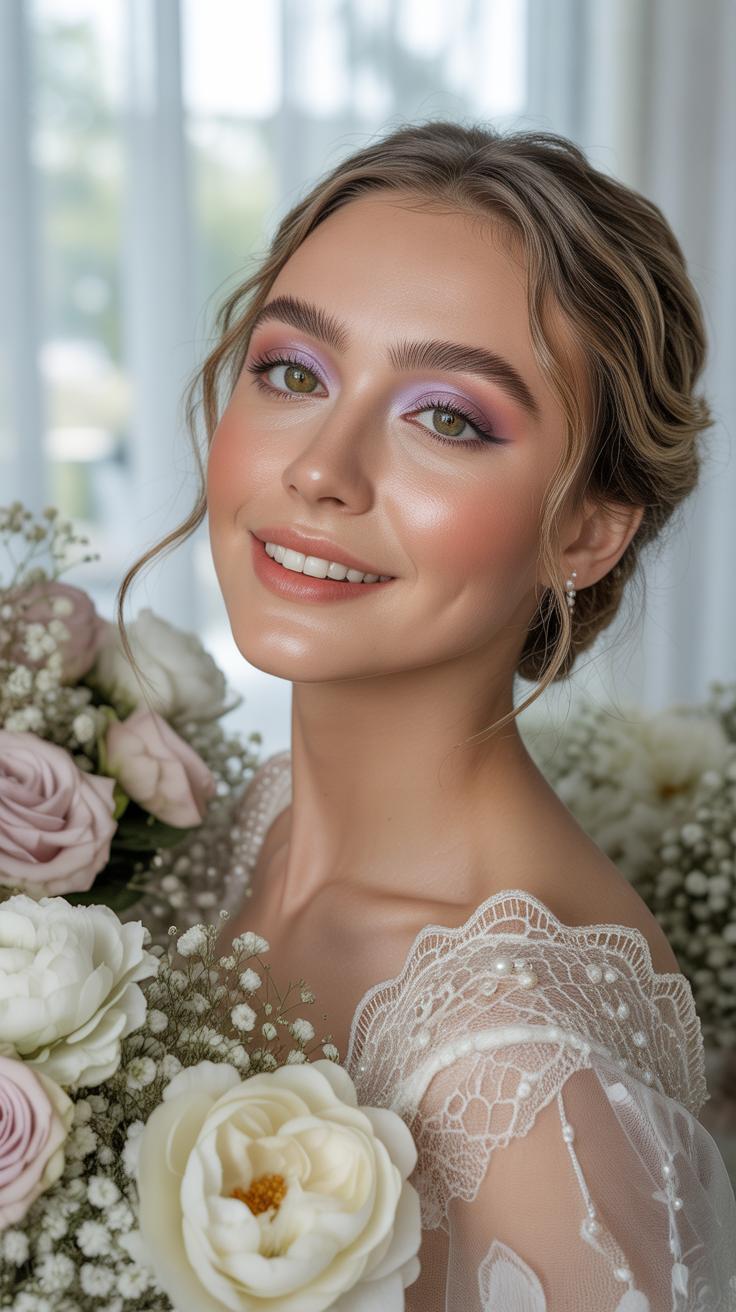
Airbrush makeup uses a compressor to spray a fine mist of pigment onto the skin. This technique creates a pixelated pattern rather than a solid layer of cream. High definition cameras capture minute details and textures. The dispersed dots of the airbrush mimic the natural skin surface. This prevents the foundation from looking like a heavy mask under bright flash or harsh sunlight.
The silicone based formulas commonly used in professional airbrush makeup offer high light reflectivity. This chemical structure bounces light away from fine lines and pores. Standard photography lights often flatten facial features or highlight oily patches. Airbrushing provides a matte or satin finish that stays stable for hours. It resists sweat and tears without breaking down. This ensures the bride looks consistent in every single photo.
Traditional Makeup Bridal Looks That Still Shine In Photos
Traditional foundation excels when a bride wants a natural glam makeup look with visible skin texture. Artists apply these products using brushes and sponges to press the pigment into the dermis. This manual application allows for custom coverage in specific areas. It works well for dry skin types that might flake under an airbrush. High quality liquid foundations provide a dewy glow that mimics healthy skin moisture perfectly.
Tactical application of cream products allows for seamless blending of contour and highlight. Traditional methods give the artist more control over layering different textures. This buildable nature helps hide deep scarring or active breakouts better than a thin mist. When set with the right powders, traditional makeup survives long hours of movement. It remains a reliable choice for brides who prefer a classic and hydrated finish on their big day.
Achieving Natural Glam Makeup Airbrush Or Traditional Techniques
How Airbrush Makeup Creates A Flawless Natural Glam Finish
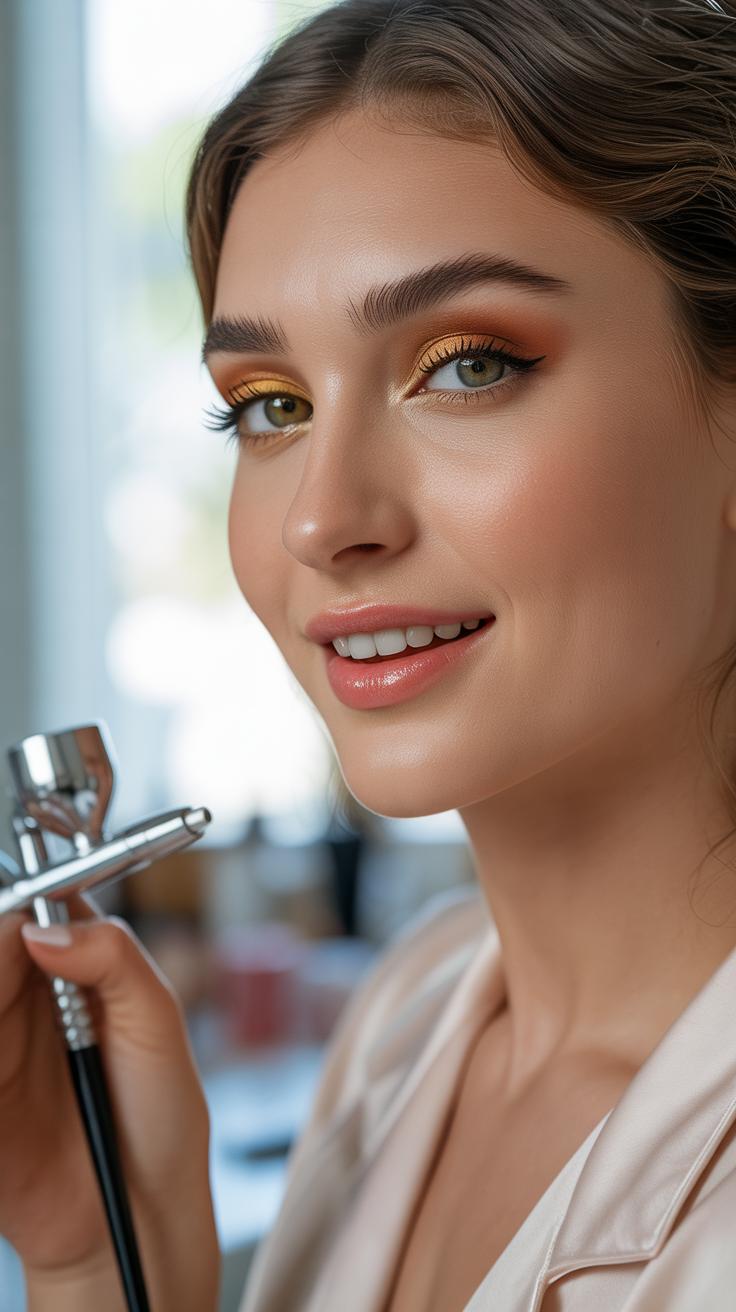
Professional airbrush makeup uses compressed air to spray a fine mist of pigments onto the skin. This technique builds thin layers that mimic the texture of real skin. You get high coverage without the heavy weight of creams. The silicone based formulas allow for a natural glow. This method works best for brides who want a soft look that lasts all day.
The fine spray covers pores and fine lines evenly. It does not settle into wrinkles like heavy powders do. This creates a smooth surface for your wedding day makeup. High definition cameras pick up every detail. Airbrush foundation stays invisible to the lens while hiding redness. It provides a waterproof seal that resists sweat and tears during the long ceremony.
Top Tips For Achieving Natural Glam With Traditional Bridal Makeup
Traditional makeup offers more control over specific textures and finishes. Artists use brushes and sponges to press product into the skin. This creates a rich finish that works well for dry skin types. You can mix different cream products to reach the exact shade you need. Use a damp beauty sponge to keep the application light and avoid a cakey look.
- Skin Preparation: Apply a hydrating primer to create a smooth base layer. This prevents the liquid foundation from sinking into dry patches. Good prep ensures the makeup looks like skin and not a mask.
- Cream Contouring: Use cream bronzers instead of powders to define your features. Creams melt into the foundation for a seamless transition. This technique creates the soft shadows required for a natural glam look.
- Targeted Concealing: Apply high coverage concealer only to areas with redness or blemishes. Leave the rest of the skin light and fresh. This strategic placement keeps the overall finish airy and natural for photos.
- Light Setting Powder: Dust a translucent loose powder only on the oily zones. Too much powder destroys the healthy glow of traditional makeup. Keep the cheekbones bare to maintain a dewy and youthful appearance.
- Setting Sprays: Finish the application with a high quality fixing spray. This melts the layers together and increases the wear time. A good spray mimics the durability of airbrushing while keeping the skin flexible.

Layering is the key to success with traditional techniques. Start with a thin coat and add more only where you need it. Use light reflecting products on the high points of the face. This makes the skin look healthy under bright flash photography. Traditional methods allow for quick touch ups throughout the event. This flexibility is vital for brides who have long wedding days.
Exploring Popular Bridal Makeup Looks Which Technique Delivers Each Style Best
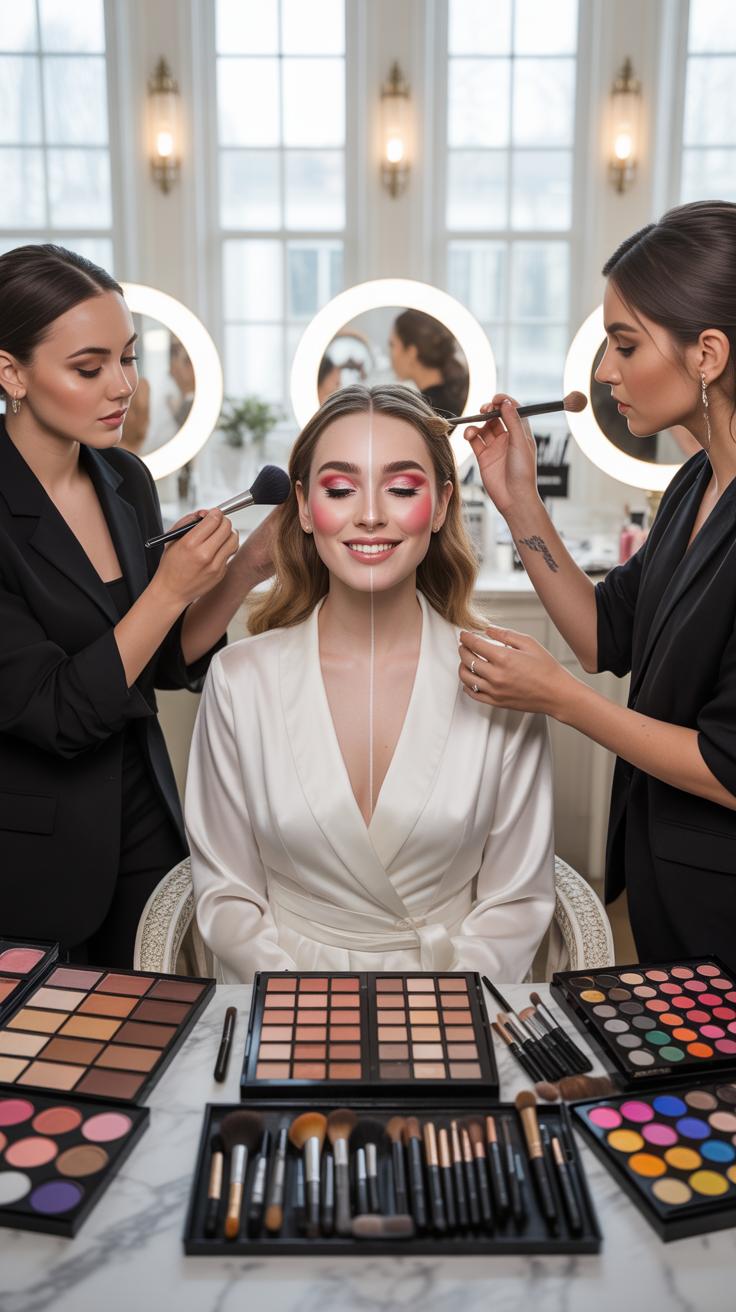
Romantic, Dewy, And Soft Glam: Matching The Look To The Right Method
Airbrush makeup wedding applications excel at creating a seamless and sheer glow. The fine mist deposits micro-pigments that sit on top of the skin without sinking into pores. This creates the hazy finish required for romantic and natural glam makeup. Silicone-based airbrush formulas provide a soft focus effect. This technique mimic skin texture while hiding minor redness. It stays light and does not cake.
Airbrush foundation allows for thin layering to achieve a radiant finish. You control the coverage levels by adjusting the air pressure and distance from the face. This method prevents the heavy look often associated with full coverage products. It works best for brides wanting a fresh and hydrated appearance throughout the day. The result looks polished and intentional under professional lighting. It offers a weightless feel for long events.
Bold And Dramatic Bridal Looks: When Traditional Makeup Takes The Lead
High-contrast bridal makeup looks often require the heavy hand of traditional liquid or cream foundations. Bold styles need significant coverage to balance out dark eyeshadows and strong lip colors. Traditional methods allow artists to buff product deep into the skin for a blank canvas. This provides a sturdy base for contouring and highlighting. You cannot achieve this level of structural correction with a light air spray makeup mist.

Manual application gives the artist total control over specific zones of the face. They can use different formulas on the cheeks and forehead to manage texture or oil. Professional airbrush makeup provides uniformity but lacks the grip needed for heavy glitter or intense pigments. Traditional products allow for easy blending of cream blushes and bronzers into the foundation. This creates the depth required for a dramatic and high-fashion aesthetic on the wedding day makeup.
How To Choose Between Air Brush Makeup And Traditional As A Budget Bride
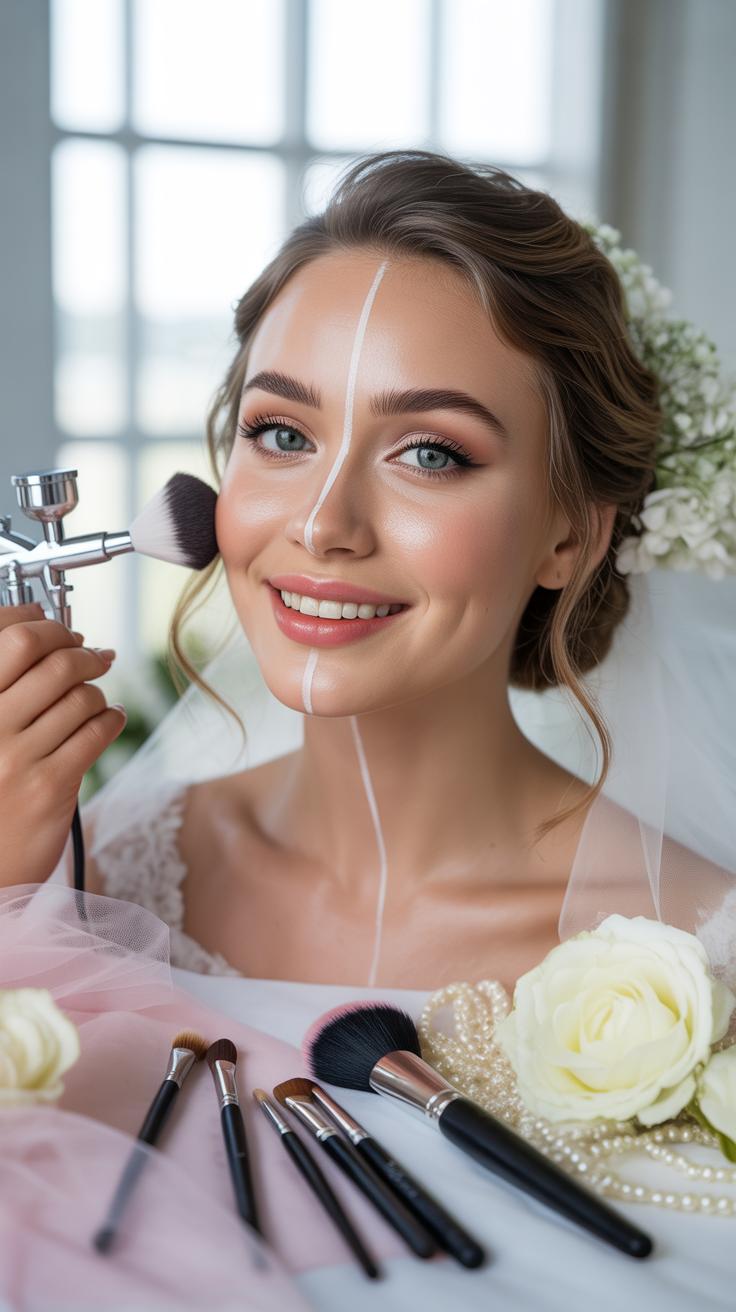
Key Questions Every Budget Bride Should Ask Before Booking A Makeup Artist
Budget constraints require tactical questioning to avoid hidden costs. You must identify if the artist charges a premium for airbrush makeup wedding services or includes it in a flat package. Ask specific questions about their equipment and kit standards. Verify if they use silicone-based or water-based airbrush foundation. These details dictate how the makeup reacts to your skin type and the local climate.
- Equipment Maintenance: Ask how often they clean their airbrush compressor and gun. Dirty tools cause uneven application and skin infections. A professional maintains high hygiene standards to ensure a flawless finish.
- Product Longevity: Inquire about the specific brand of airbrush foundation they use. Professional-grade products from brands like Temptu or Dinair offer superior durability. Ensure the product lasts at least twelve hours without sliding off.
- Trial Run Inclusion: Determine if the trial fee includes both airbrush and traditional applications. Testing both methods on your skin is the only way to compare comfort. Never book an artist without seeing their manual blending skills.
- Touch Up Requirements: Ask if the airbrush finish requires specific powders for midday touch-ups. Airbrush makeup is hard to fix once it sets. You need to know if you must buy specialized products for the reception.
- Portability and Power: Confirm if the artist has a battery-operated compressor for remote venues. Lack of power outlets at a bridal suite can ruin your schedule. Reliable artists always have a backup plan for their electronic equipment.
Compare the price of the trial against the full wedding day makeup cost. Some artists offer a discount if you skip the airbrush and choose a natural glam makeup look with traditional tools. Get all pricing for lashes and travel fees in writing before signing a contract. Understanding the total financial commitment prevents stress during the final weeks of wedding planning.
Making Your Final Decision: Balancing Quality, Cost, And Confidence On Your Big Day
Analyze your skin texture and the venue environment to make the final call. Air spray makeup excels in high humidity and heat because it resists sweat better than heavy creams. If you have very dry skin or deep wrinkles, traditional professional airbrush makeup might crack. Budget brides should prioritize the method that requires the fewest midday repairs to save on hiring an artist for the full day.
Finalize your choice based on the specific bridal makeup looks you want. Traditional foundation offers more flexibility for high-coverage needs like concealing tattoos or severe acne. Airbrush provides a thin, even layer that looks better in high-definition photography. Choose the option that fits your personal comfort level and your total beauty budget. Confidence comes from knowing your face will stay intact until the final dance.
Frequently Asked Questions

What is the main difference between airbrush makeup and traditional foundation?
Traditional foundation is applied using brushes or sponges to manually blend product into the skin. In contrast, airbrush makeup wedding applications use a compressed air gun to spray a fine mist of pigment. This creates a lightweight, “second-skin” finish that is highly water-resistant. While traditional makeup offers more tactile control for heavy coverage, airbrush is favored by brides for its seamless, high-definition appearance in professional wedding photography.
How do I prepare my skin for an airbrush makeup application?
For the best results with airbrush makeup wedding techniques, start with a consistent skincare routine weeks before the big day. On the wedding morning, ensure your face is freshly cleansed and lightly hydrated. Avoid heavy, oil-based moisturizers right before your appointment, as they can interfere with how the fine mist adheres to your pores. Exfoliating gently the night before will also create a smooth canvas for that sought-after flawless glow.
Is airbrush makeup significantly more expensive than traditional options for budget brides?
Generally, airbrush services cost about $25 to $50 more than traditional applications due to the specialized equipment and product costs. However, budget-conscious brides can save by choosing airbrush only for the bride while opting for traditional makeup for the bridal party. Since it requires fewer touch-ups throughout the night, you may also save money by not needing to purchase an extensive emergency touch-up kit for your reception.