Why Wedding Makeup Longevity Tips Matter More Than You Think
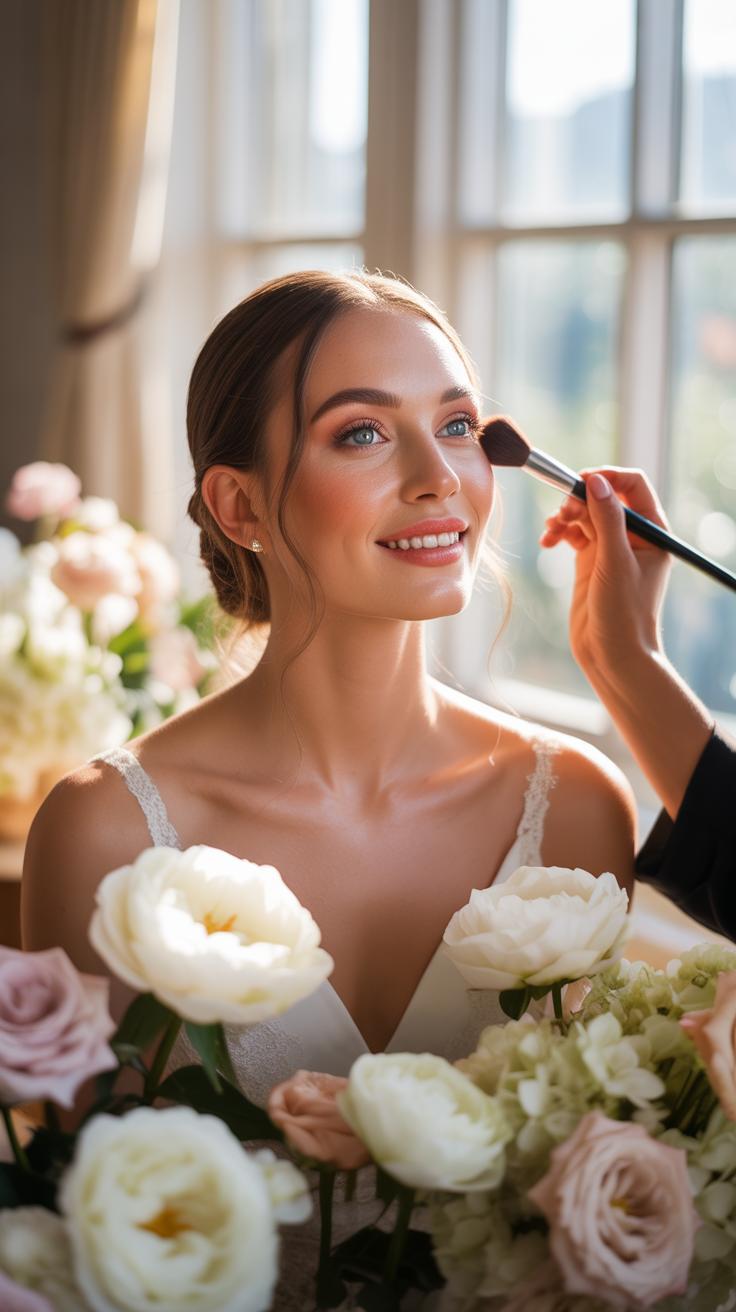
The Unique Challenges Of Wearing Makeup For 10 To 16 Hours Straight
Standard makeup routines fail during a wedding because of the sheer duration of the event. Most products degrade after six hours of wear. A wedding day starts with early morning preparations and ends late at night. You must select formulas that withstand friction from greetings and constant facial movements. Without specific longevity techniques, pigments oxidize and shift. This results in a dull or patchy appearance.
Preparation determines the outcome of your look. You cannot rely on touch ups alone to fix a failing base. Long wear requires strategic layering of humectants and occlusives to lock moisture in and keep oils out. Professional bridal application focuses on chemical bonding between the skin and the product. This ensures the makeup stays in place through high pressure situations. Reliability is the objective for this timeframe.
How Emotions, Heat, And Humidity Work Against Your Bridal Look
Environmental factors destroy poorly applied makeup rapidly. Heat increases sebum production which dissolves standard foundations. High humidity prevents liquid products from setting properly on the skin. This leads to sliding and creasing in fine lines. You must use anhydrous products or waterproof sealants to counteract these external forces. These tools creates a barrier that repels moisture. Environmental control is your primary defense strategy.
Emotional responses also threaten your appearance. Tears contain salt and oils that streak through traditional face powder. Friction from hugging guests removes product from the cheeks and chin. You need high performance fixatives to prevent this transfer. Strategic placement of silicone based primers creates a durable surface. This tactical approach ensures your face remains intact despite crying or sweating. Physical resilience is mandatory for wedding day success.

Skincare Prep Is The Foundation Of Every Wedding Makeup Step By Step Routine
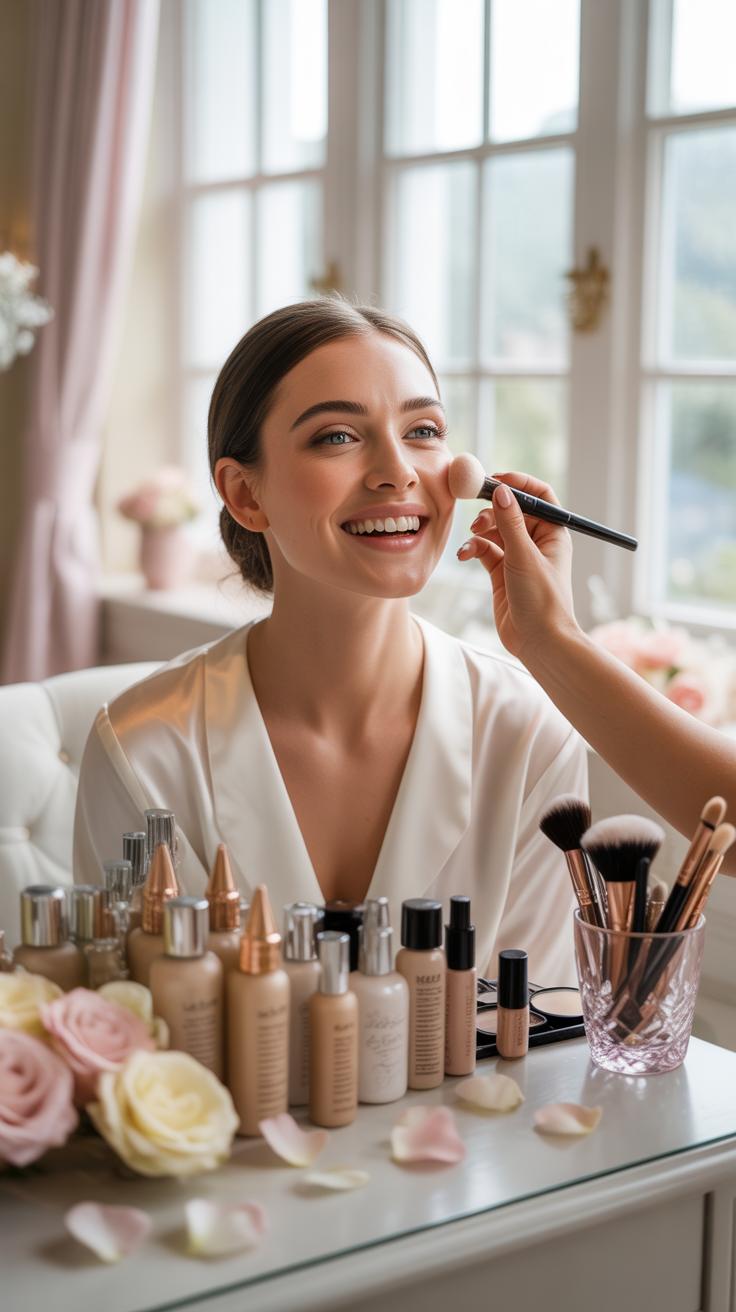
Why Moisturizing And Priming The Skin Days Before The Wedding Makes A Real Difference
Hydrated skin holds pigment better than dry skin. When skin is dehydrated it absorbs the moisture from your foundation. This causes the makeup to crack and look patchy. You must build a moisture barrier days before the event. Use products containing hyaluronic acid to pull water into the cells. Consistent hydration creates a smooth surface. This surface allows the product to sit evenly on the face.
Avoid aggressive chemical peels or new active ingredients right before the wedding. These treatments often cause redness or flaking that makeup cannot hide. Stick to a proven routine of gentle exfoliation and rich creams. Removing dead skin cells ensures that light reflects off the face properly. This preparation directly impacts how long the foundation will last. Proper cell turnover creates the perfect canvas for long wear products.
How To Build The Ideal Skin Base On The Morning Of Your Wedding Day
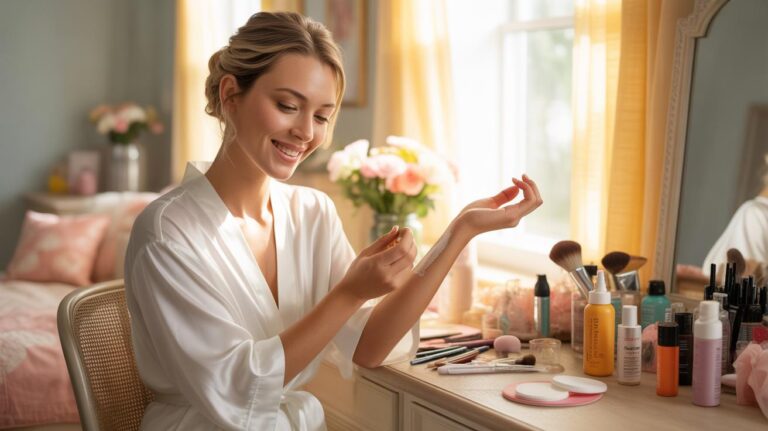
Start with a clean face to remove overnight oils. Apply a lightweight water based moisturizer that absorbs quickly. Heavy oils can cause the makeup to slide off throughout the day. Wait five minutes after moisturizing before applying any primer. This delay prevents the products from pilling on the skin. A focused approach to base layers is key for DIY wedding makeup success.
Match your primer to your foundation formula for the best results. Use a silicone primer with silicone foundations to prevent separation. Apply primer only to areas where your pores are visible or where oil builds up. This technique locks the product down without making the face look heavy. Strategic layering is the most effective way to ensure your bridal makeup tips actually work under heat and lights.
Choosing The Right Wedding Makeup Products For All Day Wear
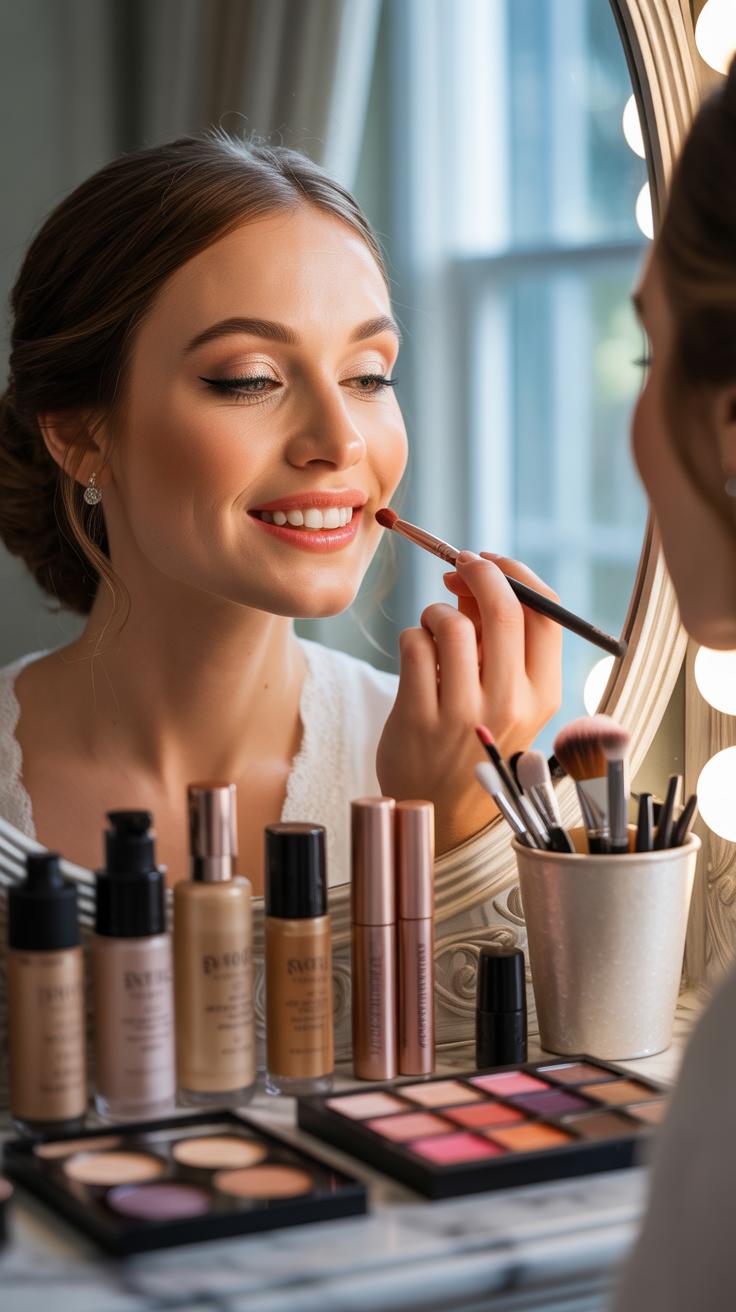
What To Look For In Long Wear Foundations, Concealers, And Setting Powders
Base products must feature high pigment loads and silicone-based polymers. These ingredients create a flexible film on the skin. This film resists sweat and facial movements throughout the event. Look for oil-free labels to prevent mid-day sliding. Avoid light-reflecting particles in concealers to prevent camera flashback problems. Matte or semi-matte finishes provide the best grip for additional color products applied later.
Setting powders require a finely milled texture to lock everything down without adding bulk. Use silica-based powders for a blurring effect or talc-based powders for maximum oil absorption. Press the powder into the skin rather than dusting it on top. This technique fuses the liquid and powder layers together. A solid bond between these layers ensures the makeup lasts through the ceremony and the reception.
Waterproof Formulas Vs. Long Wear Formulas: Which One Holds Up Better At Weddings
Waterproof formulas contain volatile solvents that evaporate and leave a permanent pigment layer. This makes them essential for mascara and eyeliner during emotional moments. However, waterproof face products can feel heavy and dry on the skin. They often lack the flexibility needed for natural movement. Use waterproof products only where moisture is a direct threat. This strategy balances durability with a natural appearance.
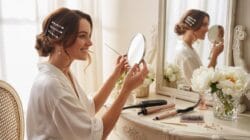
Long-wear formulas offer better comfort for the entire face. They use specialized resins to keep the product in place for eighteen hours. These products allow the skin to breathe while resisting transfer onto clothing. Long-wear liquids are superior for the foundation layer because they do not crack. Reserve waterproof items for the eyes and long-wear items for the face. This tactical combination survives both tears and heat.
How To Wedding Makeup Applying Products In The Right Order For Maximum Staying Power
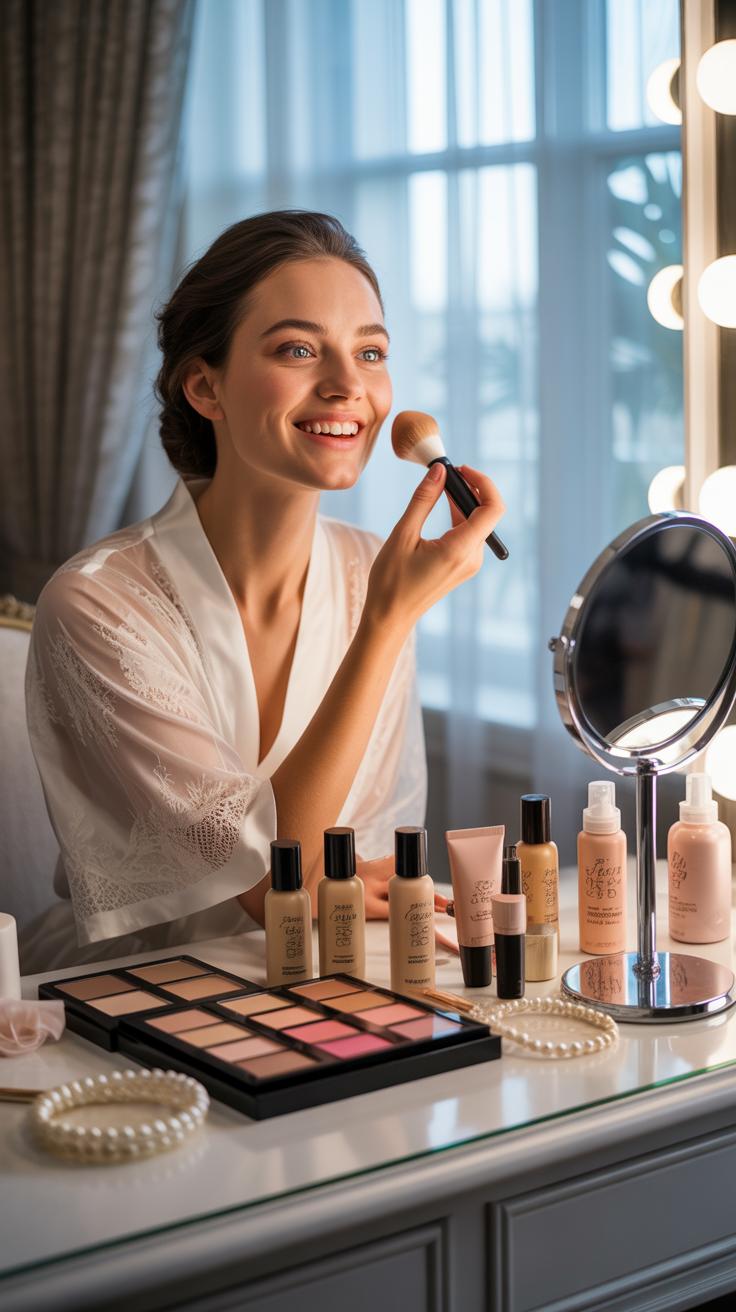
The Correct Layering Sequence From Primer To Setting Spray That Locks Everything In Place
Effective product layering creates a chemical bond between your skin and the cosmetics. You must start with a clean, hydrated base but allow skincare to absorb fully before applying tech-heavy primers. Layering thin coats of product prevents the heavy buildup that leads to sliding. This tactical approach ensures each layer grips the next one, creating a durable finish that survives sweat and movement.
- Silicone Primer: Apply this first to create a smooth barrier on the skin. It fills in pores and fine lines. This layer acts as a grip for your foundation and prevents oils from breaking down your makeup throughout the day.
- Liquid Foundation: Buff thin layers of pigment into the skin after the primer sets. Focus on the center of the face and blend outward. Using light pressure ensures the product adheres to the primer without lifting the base layer underneath.
- Cream Concealer: Place concealer only on areas that need extra coverage like under the eyes or over spots. Pressing the product into the skin rather than rubbing it ensures it stays put. This targeted application prevents a heavy, cakey look.
- Translucent Powder: Use a puff to press finely milled powder into the wet products. This sets the base and removes excess moisture. It creates a matte surface that allows powder blushes and bronzers to blend smoothly without streaking or grabbing.
- Fixing Spray: Mist the face after all products are applied to fuse the layers together. The spray acts as a sealant against humidity and friction. It creates a flexible film over the skin that keeps the entire look intact for hours.
Finish the process by layering powder products over your set liquid base. Use a light hand to apply bronzer, blush, and highlight to avoid disturbing the foundation. This sandwich technique of cream followed by powder is the industry standard for durability. Each step reinforces the previous one. Constant movement and high temperatures will not degrade the makeup when you follow this specific chronological order.
To make your beauty last, start with a light touch and trust that a well-prepped canvas will hold your glow from the first kiss to the final dance. Real beauty is effortless, but staying radiant all day requires a gentle hand and a little bit of magic.
Common Application Mistakes That Cause Makeup To Slide, Crease, Or Fade By Noon
The biggest mistake is applying heavy layers of product all at once. Skin can only hold a certain amount of pigment before it begins to reject it. Excessive foundation creates a thick mask that cracks when you smile or talk. You must work in thin, buildable layers to maintain skin texture. Too much product also traps heat, which causes the makeup to melt off the face.

Mixing incompatible formulas causes immediate separation. Never use a water-based primer with a silicone-based foundation. These two different bases will repulse each other on a molecular level. This leads to pilling and patches where the makeup simply disappears. Always check your ingredient lists to ensure your primer and foundation share the same base. Skipping the setting step also guarantees that oils will ruin your work by noon.
Neutral Makeup For Wedding Why Timeless Tones Last Longer On Camera And In Person
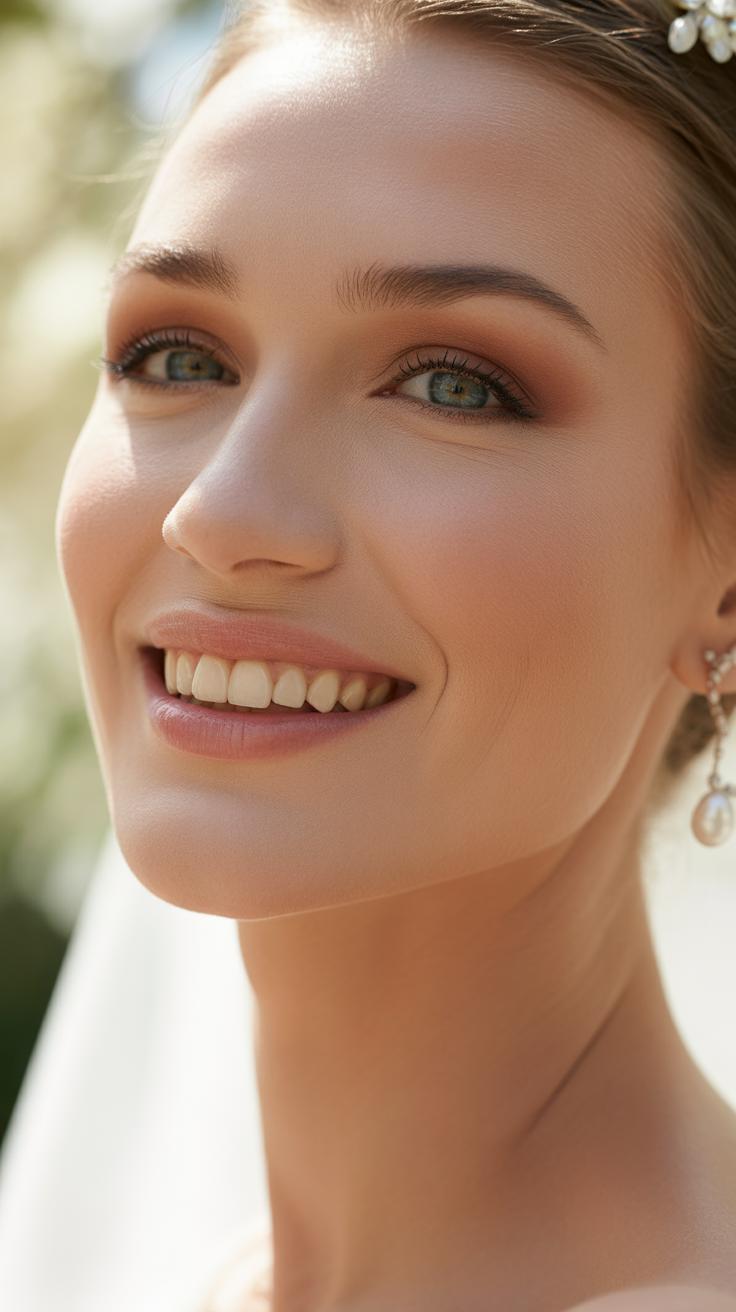
How Neutral Shades Hold Their Appearance Better Through Lighting Changes And Perspiration
Neutral tones mimic the natural shadows and highlights of the human face. Earth tones like taupe and brown do not shift in color when mixed with sweat or facial oils. Bright pigments often oxidize and change hue throughout the day. This shift creates a muddy appearance under harsh sun or bright flash. Using neutrals eliminates the risk of your face looking orange or ashy in photos.
Camera sensors interpret light more accurately when focusing on skin-mimicking colors. Bright colors can cause chromatic aberration or unwanted color casting on white bridal garments. Neutral shades maintain their integrity from morning ceremonies to evening receptions. They absorb light rather than reflecting it unevenly. This stability ensures your face looks consistent in every lighting environment. You avoid the visual fatigue associated with bold trends.
Building A Neutral Bridal Palette That Still Feels Polished And Defined All Day
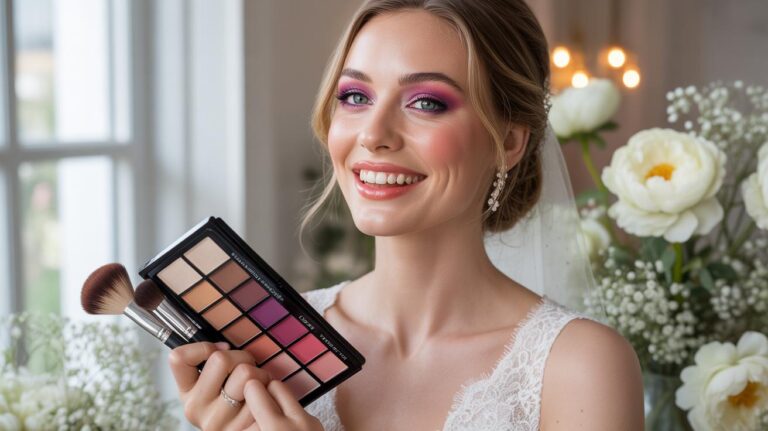
Building a lasting palette requires layering textures rather than just adding pigment. Start with matte base shadows to create a structure that stays put. Mattenes do not migrate into fine lines as easily as shimmers. Use high-contrast neutrals like deep espresso or charcoal for definition at the lash line. This technique creates depth without the need for bright colors that might fade or smear during the event.

Focus on cream-to-powder formulas for better skin adhesion. These products bond to the foundation and resist humidity. Choose peach or mauve undertones to keep the look from appearing flat. These shades provide a healthy flush that remains visible under professional flash photography. Proper blending ensures the edges remain soft even if the makeup settles over several hours. This approach provides a professional finish that remains sharp and clean.
Bridal Makeup Tips For Touch Ups Without Ruining Your Base
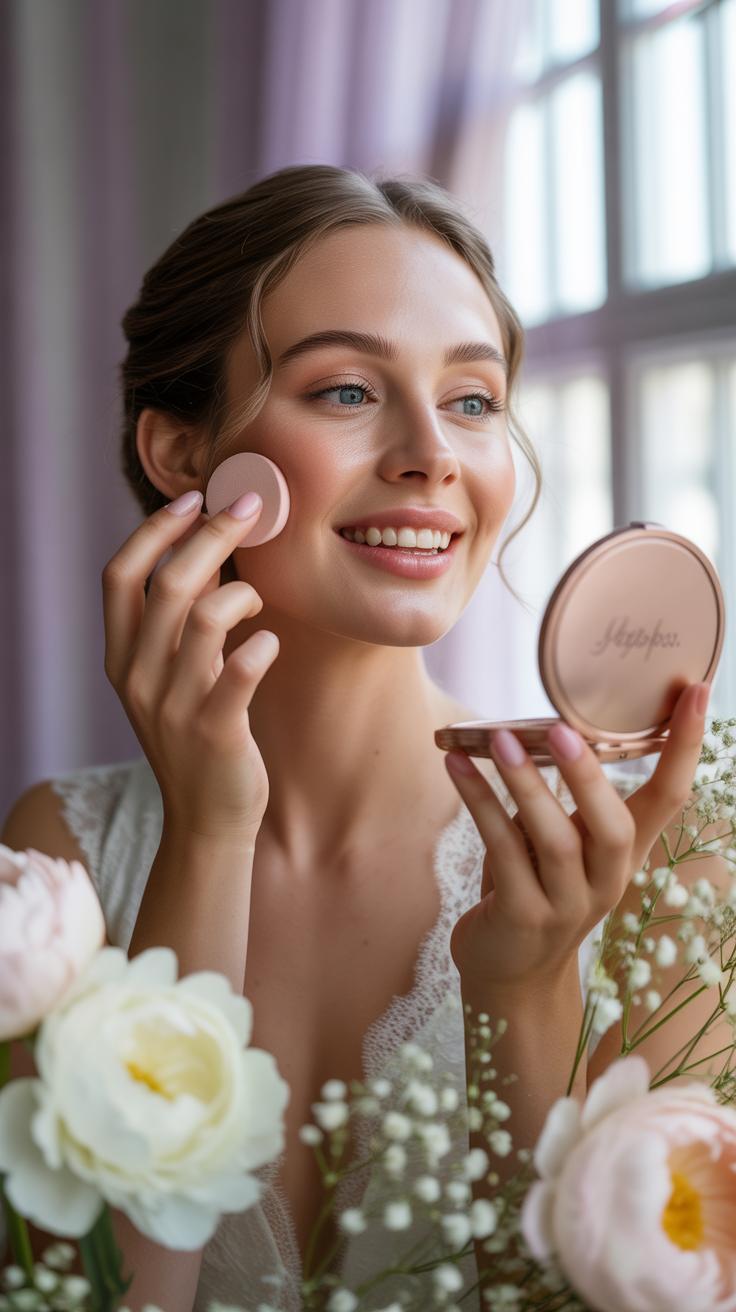
What To Pack In Your Bridal Touch Up Kit And How To Use Each Item Strategically
Professional artists prioritize compact efficiency. Your kit must contain specific tools to manage shine and texture without adding heavy layers. Excessive powdering creates a cakey appearance under flash photography. Carry only high-performance items that address common failure points like oil breakthrough and lip wear. Efficiency is the goal. You need to repair the makeup surface without disturbing the foundation seal created during your initial application.
- Blotting Papers: Use these to lift excess sebum from the T-zone. Press firmly but do not swipe. This removes shine while leaving the pigment intact underneath. It is the most critical tool for maintaining a matte finish without adding more product.
- Translucent Pressed Powder: Choose a finely milled formula for light blurring. Use a small brush to target specific oily spots rather than the whole face. A light hand prevents the powder from settling into fine lines or dry patches during the day.
- Lipstick and Liner: Pack the exact shades used during the morning application. Frequent talking and eating will erode the color starting from the center of the mouth. Liner allows you to redefine the edges and prevent the color from bleeding into the skin.
- Cotton Swabs: Use these for precision cleanup under the eyes or around the lips. They remove smudged mascara or migrated eyeliner efficiently. Dip the tip in a tiny amount of foundation or concealer to erase mistakes without starting over from scratch.
- Setting Spray: A travel-sized bottle rehydrates the skin and melds powder layers back together. Use a fine mist to settle the makeup after a mid-day touch-up. This creates a cohesive finish and prevents the face from looking overly dry or dusty under artificial lighting.
Strategic application prevents the mask-like effect often seen in DIY wedding makeup. Always blot oils before applying any powder product. If you apply powder directly onto oil, it creates a thick paste that will slide off within an hour. Keep your tools clean to avoid introducing bacteria or oils back onto your prepped face. This minimal approach keeps the skin looking natural and fresh for every photo.
How To Refresh Lipstick, Blush, And Eye Makeup Between Ceremonies And Receptions
Lipstick requires the most frequent maintenance. Wipe away any dry flakes or crusty remaining product before reapplying. Apply a thin layer of balm, blot it off, then re-line the lips to establish the shape. Fill the rest with your primary color. This layering technique ensures the pigment adheres to a clean surface. It prevents the color from looking thick or uneven as the night progresses.

Blush often fades first due to skin heat. Do not apply more powder blush if your skin feels oily. Instead, use a beauty sponge to lightly tap a tiny amount of cream blush or a bit of lipstick onto the apples of your cheeks. This adds a flush that looks like natural skin. For eye makeup, use your ring finger to gently press any creased shadow back into place before adding more.
DIY Wedding Makeup How To Do Your Own Wedding Makeup That Actually Lasts
Realistic Expectations And Key Skills You Need Before Attempting DIY Bridal Makeup
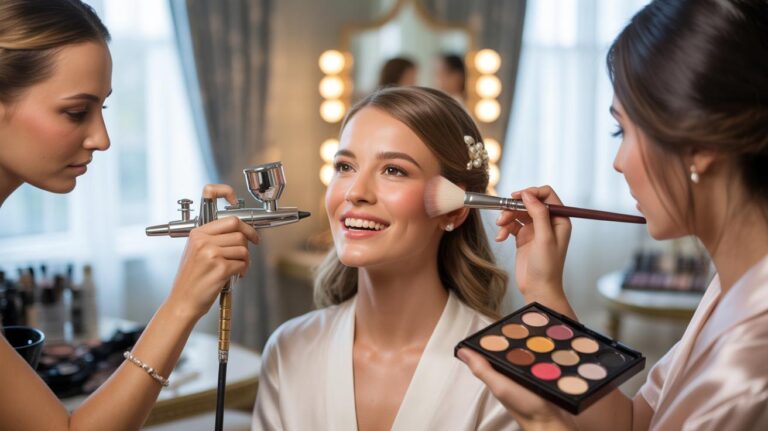
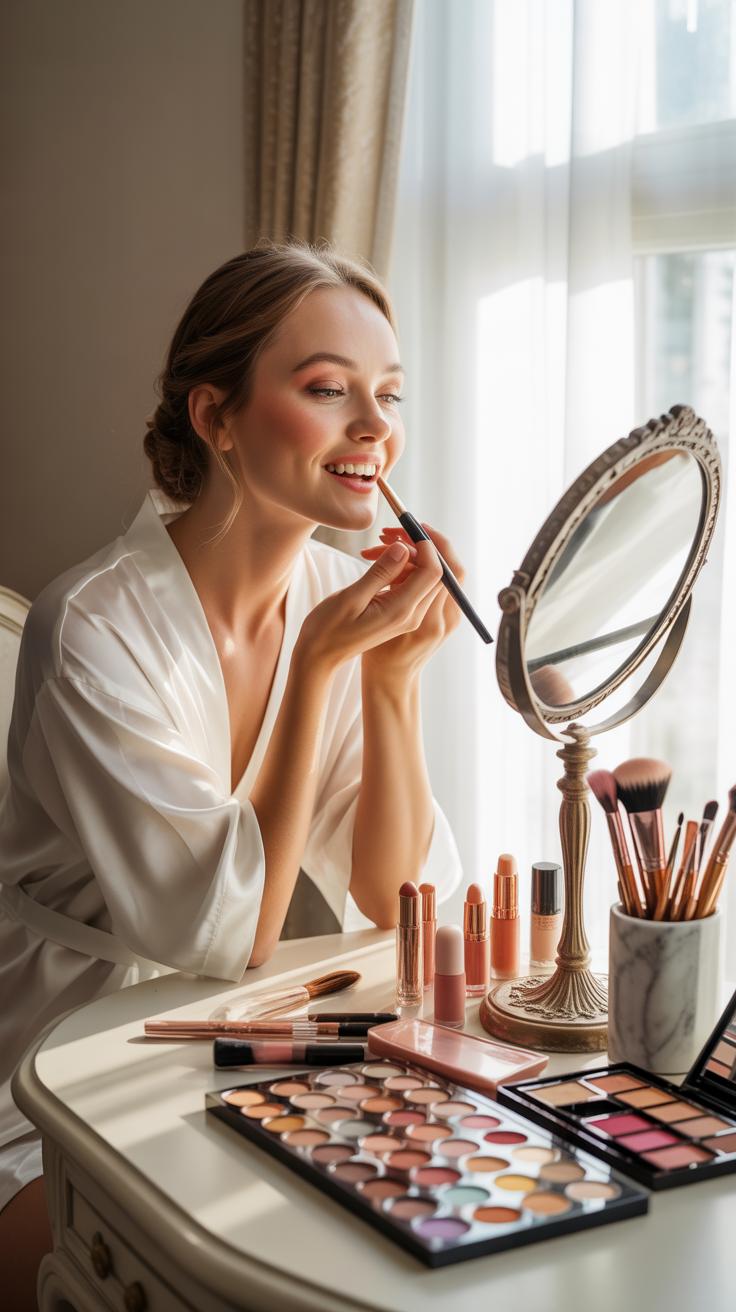
Doing your own makeup requires mastery over color theory and skin texture. You must understand how flash photography flattens your features. Standard daily routines often fail under professional camera lenses. You need the skill to build thin layers of product. Thick applications will crack and slide off before the reception ends. Professional results depend on your ability to blend edges until they disappear into the skin.
Tactical success relies on understanding your specific skin type and its reaction to humidity. You must learn to differentiate between high definition formulas and standard retail products. Identifying your facial structure helps you place contour and highlight accurately. Without these technical foundations, even expensive products will fail. You are the lead artist and the technician. Speed and precision are your only tools for a look that survives sixteen hours.
How A Wedding Makeup Tutorial Step By Step Practice Run Saves You From Day Of Disasters
A practice run is a technical stress test for your face. You must apply the full routine and wear it for twelve hours. This timeline reveals if your foundation oxidizes or changes color. It shows where the product settles into fine lines or dry patches. Document every product used in a specific log. This eliminates guesswork on the morning of the wedding when stress levels are high.

Photograph your test run in natural light and with a heavy flash. Cameras strip away thirty percent of makeup intensity. If you look normal in person, you will look washed out in photos. If you look slightly overdone, you have likely found the correct balance. Use these photos to adjust your blending and pigment saturation. Correcting these errors during a trial prevents panicked mistakes when the clock is ticking on your big day.
Wedding Makeup Steps For Keeping Eyes And Lips Intact Through Tears Eating And Dancing
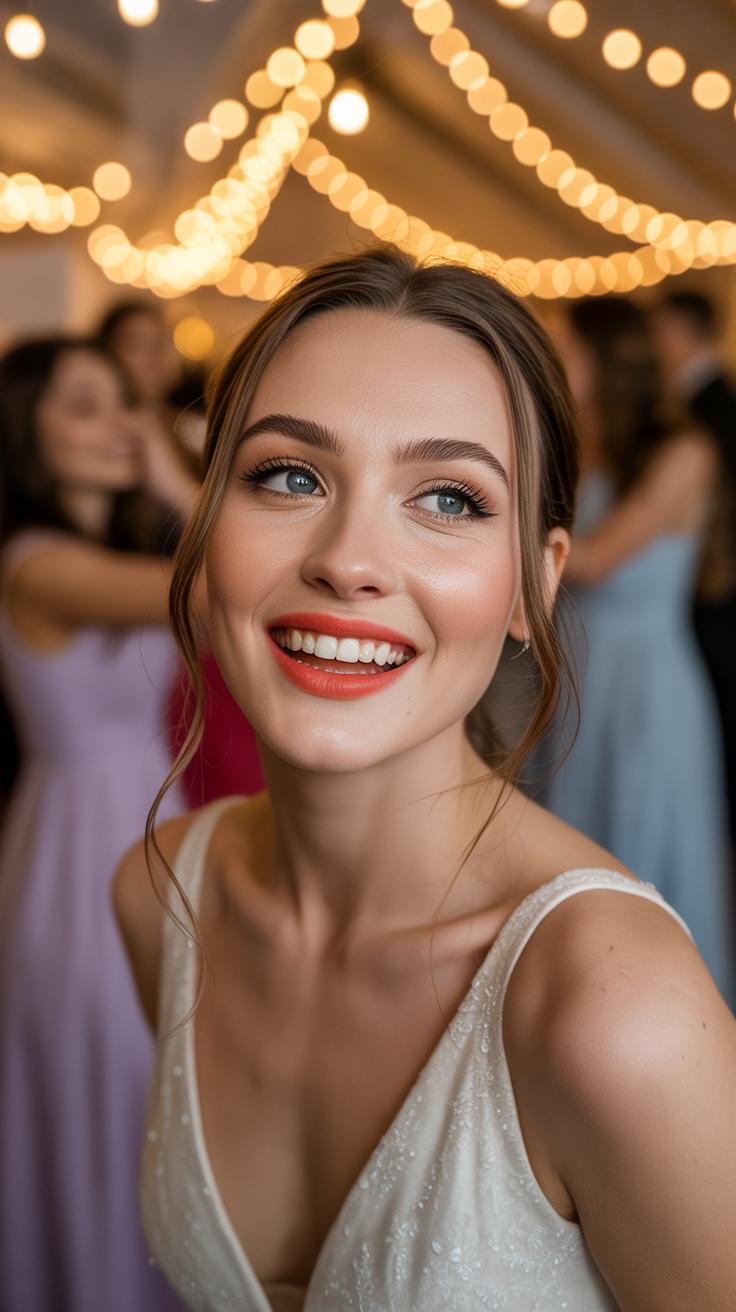
Eye Proofing Techniques That Prevent Mascara And Liner From Migrating During Emotional Moments
Professional artists start with an oil-free eye primer to create a dry surface. Eyelid skin produces natural oils that break down pigment. You must neutralize these oils to stop shadow creasing. Apply a thin layer from the lash line to the brow bone. This step ensures that powders and creams bond to the skin. It prevents the product from sliding during high temperatures or humidity.
Choose waterproof formulas for both mascara and eyeliner to resist moisture. Standard cosmetics dissolve when they contact salt water or sweat. Use a tubing mascara for extreme durability. These formulas create tiny polymer sleeves around each individual lash. They do not smudge or smear even if you cry. Remove these products later using an oil-based cleanser. This strategy keeps your eye area clean throughout the event.
Lip Locking Methods That Keep Your Lip Color Fresh Through Meals Toasts And Hours Of Celebrating
Longevity begins with smooth skin and a dedicated base layer. Exfoliate your lips to remove dry flakes that trap uneven pigment. Fill the entire lip area with a wax-based pencil. This creates a waterproof barrier and prevents the color from feathering into fine lines. Use a shade that matches your natural lip tone or your chosen lipstick. This layer acts as a safety net when the top color fades.

Apply a liquid matte lipstick in thin layers for the best result. Thick layers of product will eventually crack and peel. Blot with a single ply of tissue between applications to remove excess oil. Dust a small amount of translucent setting powder through the tissue onto the lips. This technique locks the pigment into place for hours. Avoid oily foods during the reception to prevent the formula from breaking down prematurely.
Frequently Asked Questions

Why is skin preparation so important for bridal makeup?
Great skin preparation is the foundation of any long-lasting bridal look. By deeply hydrating and smoothing your complexion weeks before the big day, you create an even canvas that prevents foundation from cracking or sliding. Incorporating these wedding makeup longevity tips into your skincare routine ensures that products adhere better to the skin, keeping you looking radiant and camera-ready from your morning preparations through the very last dance of the night.
How should I layer products to ensure my makeup stays in place through heat and tears?
For maximum durability, always use the “sandwich method” by applying a high-quality primer before your foundation and a fine setting spray afterward. Thin, light layers of waterproof formulas are far more effective than one thick coat of heavy product. To master these wedding makeup longevity tips, remember to set your cream products with a translucent powder, which locks the pigments in place and prevents mid-day smudging or unwanted creasing during emotional moments.
Can I achieve professional-level makeup staying power using affordable drugstore products?
Absolutely! You do not need a luxury budget to keep your look intact. Many affordable brands offer incredible long-wear primers and waterproof mascaras that perform just as well as high-end alternatives. The secret lies in the application technique and choosing alcohol-free setting sprays that seal the surface. Investing in a few key “workhorse” products while using your favorite budget-friendly shadows can result in a stunning, high-performance look that lasts all day.