The Kids Corner Wedding Ideas Fallacy: Distraction Is Not Engagement
Why A Separate Kids Area Often Fails
You want the kids out of the way so you don’t have to think about them. That’s the real reason the kids corner feels like the solution. The mechanism at work here is segregation masquerading as care. Kids placed in a separate room experience what behavioral psychology calls “context collapse”—they’re removed from the social fabric of the event, which is the only thing that actually keeps them engaged. A coloring station in a hotel ballroom corner teaches them one thing: adults don’t want them here.
Separate kids areas fail because they remove the one currency kids actually respond to: belonging to the group. When kids sit alone at a table with activities, they’re not being entertained. They’re being warehoused. The activities themselves don’t matter. What matters is whether the child feels they’re part of something happening. Isolation kills engagement faster than boredom ever could. A child watching the ceremony from the main room, even if they’re fidgeting, is experiencing something real. A child in a corner with a coloring book is experiencing abandonment with construction paper.
Integration Over Segregation Every Time
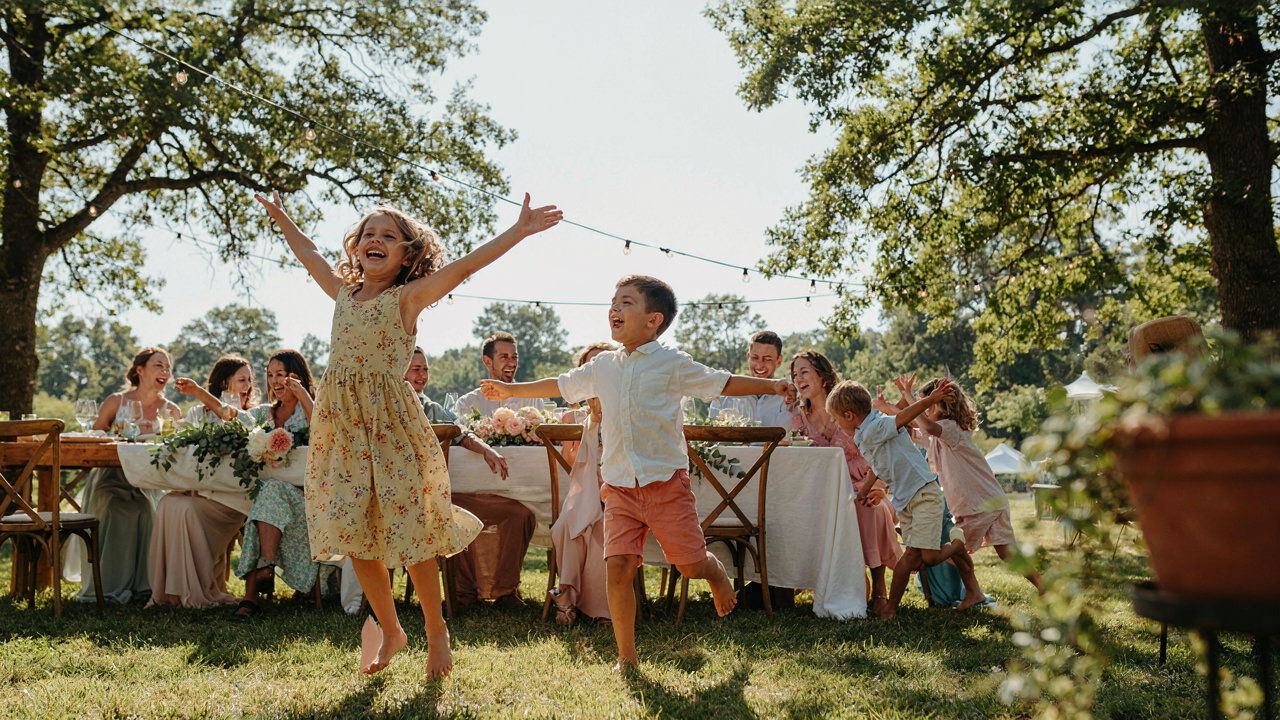
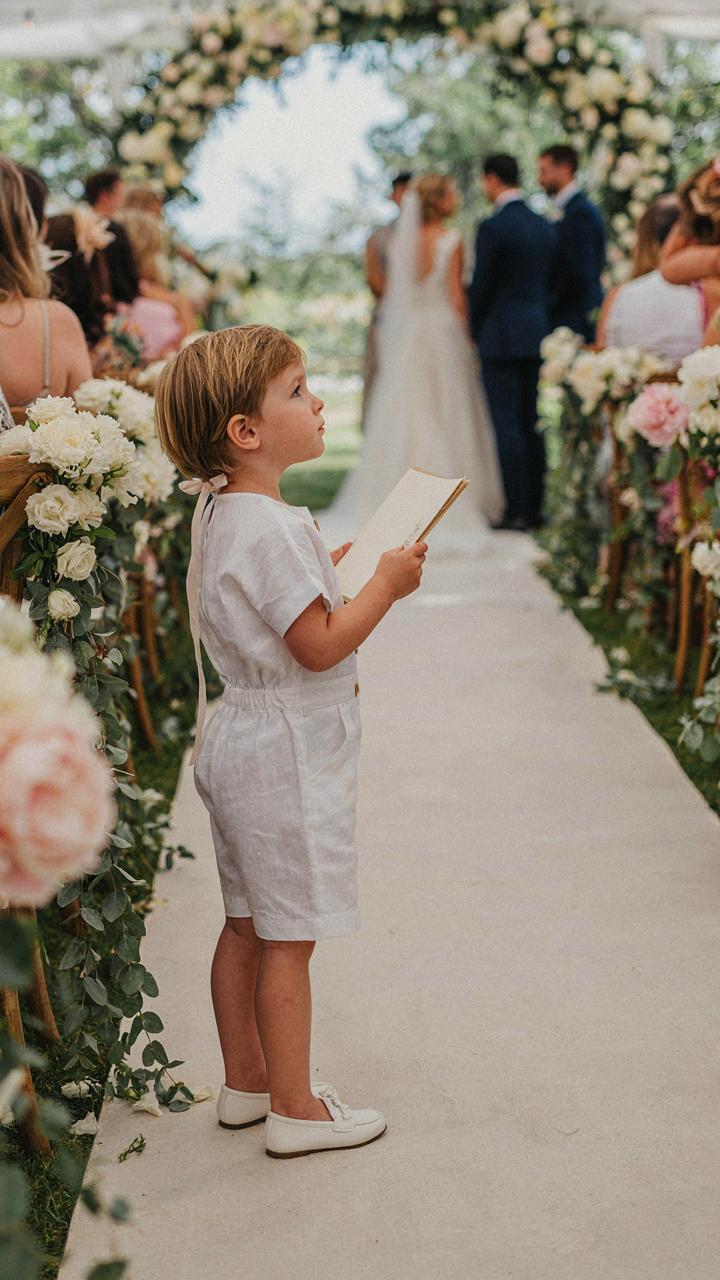
Stop fighting physics. In systems theory, energy flows toward participation, not away from it. Kids at a wedding behave better when they’re embedded in the event, not when they’re separated from it. This means visible seating near trusted adults, roles that make them part of the proceedings, and access to what’s actually happening. When a six-year-old sits with their parent during the ceremony, they’re learning what attention looks like. When they’re in a separate room, they’re learning they’re inconvenient.
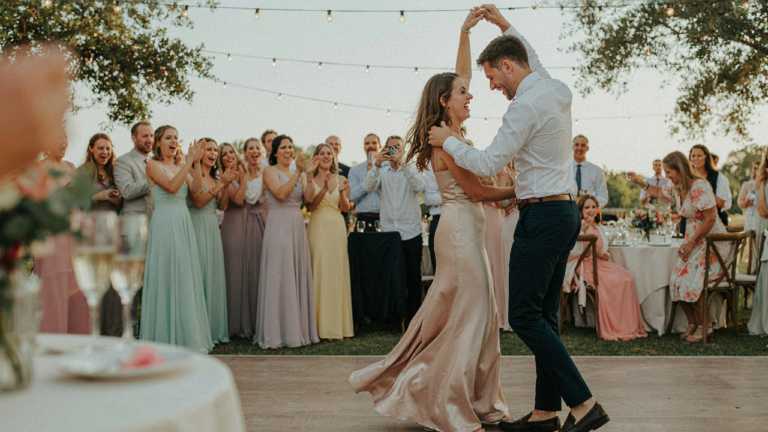
Real engagement happens through proximity and purpose. Seat kids at tables where they can watch toasts, hand them a job like passing programs, or position them where they can see the first dance. Give them something small to do that connects them to the event itself, not a distraction activity that pretends the wedding isn’t happening. Kids need to feel the event, not escape it. The mechanism is simple: a child given a role becomes invested in that role. A child given a toy becomes bored by that toy. Design the wedding so kids participate in the day itself.
The Observer Participant Protocol Children Wedding Edition
Give Them A Job That Matters
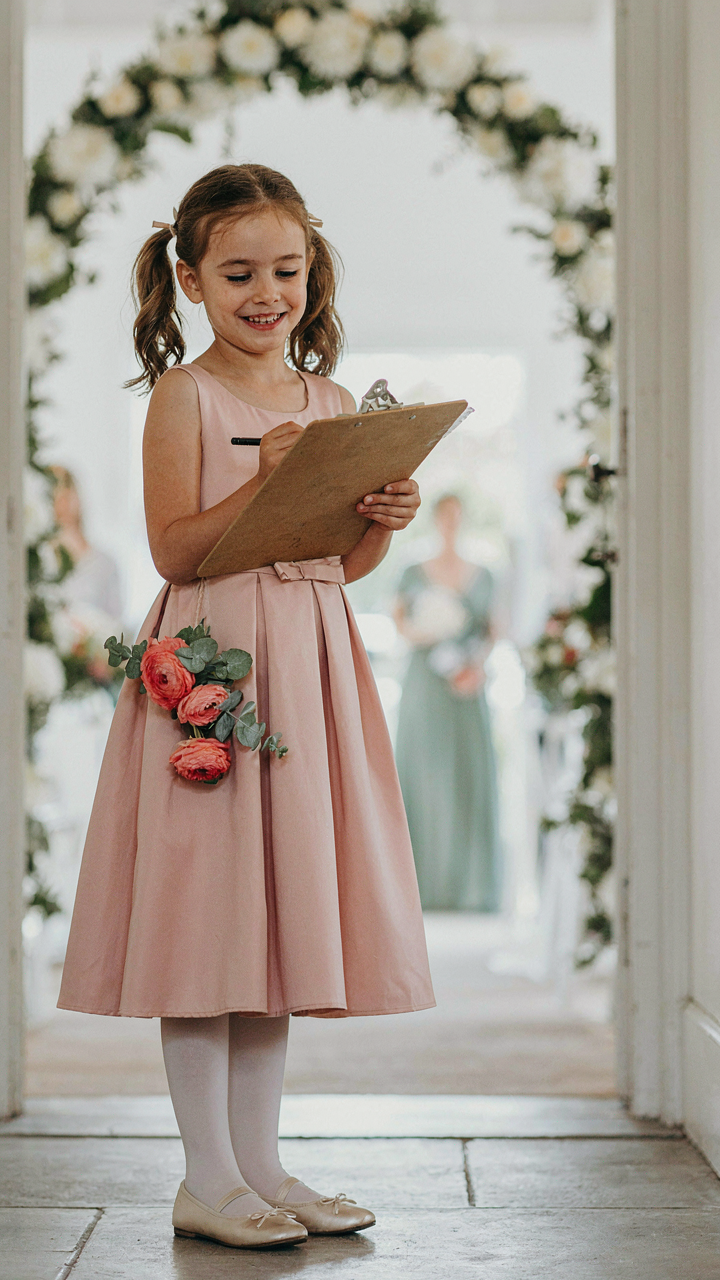
You want your kid invisible and happy. That’s status anxiety dressed as parenting. The real mechanism is borrowed from military operations: assign a specific role with clear boundaries and measurable success. Kids don’t get bored when they have jurisdiction. They get bored when they’re furniture. A flower girl isn’t just wearing a dress and walking. She’s executing a critical task. A ring bearer carries the literal symbols of commitment. These aren’t make-work assignments. They’re real positions with real consequences if executed poorly.

The key is matching the role to the child’s actual capacity, not their age. A five-year-old can’t reliably manage complex sequencing, but they can carry something fragile from point A to point B and feel essential doing it. A nine-year-old can greet arriving guests, check names against a list, and direct them to seating. A twelve-year-old can manage the music cues or oversee the gift table. Give kids a job with verifiable completion, and they stop seeking entertainment because they already have a purpose. The role has to be concrete enough that the kid understands exactly what success looks like before the ceremony starts.
Engagement Blocks Without Parent Overhead
Parents hate the phrase “keep the kids occupied” because it implies babysitting, not parenting. That’s incomplete thinking. The real problem is that weddings demand your attention elsewhere, and kid entertainment becomes another invisible labor you’re supposed to manage while smiling. Segment the day into discreet blocks where kids have structured activities that require zero active parental management. This isn’t helicopter parenting. It’s architecture.
Pre-ceremony holds kids in a dedicated room with a specific activity: coloring station with a wedding-themed template, building blocks, or a guided scavenger hunt through the venue finding specific items. During cocktail hour, rotate kids into a supervised craft station making place card decorations or designing thank-you cards. Post-dinner, a designated area for lawn games or a simple movie on a tablet. Each block has a start, an activity, and an end. Adults supervise the station, not your child’s minute-by-minute choices. Parents stay present at the reception while kids execute their assigned activities within guardrails you’ve already set.
Wedding Kids Ideas Beyond Coloring Books
Give Them Real Responsibility
You want kids entertained so they stop being your problem during the ceremony and reception. The mechanism is simple: children with a concrete job stay engaged because they’re not bored—they’re deployed. Ring bearers and junior photographers aren’t just cute additions. They’re occupied for the entire event because their role has clear boundaries and an endpoint.

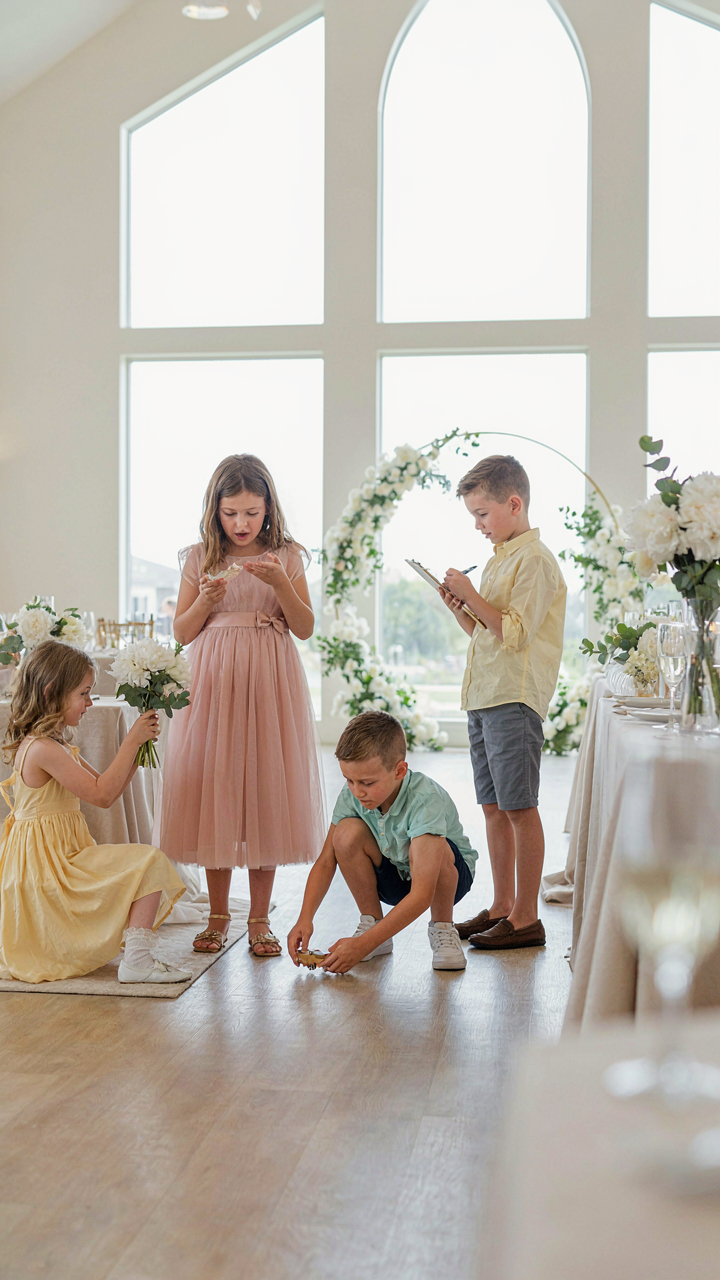
The difference between a task and busywork matters here. A six-year-old handed a clipboard to “document” the reception has agency. They move between tables with purpose. They have something to show the couple afterward. This beats any passive activity because it taps into a kid’s need to contribute, not just consume time.
Match The Craft To The Wedding
The common advice says “give them an activity.” That’s backwards. The activity works only if it mirrors what’s already happening around them. This is a design principle: consistency of environment reduces cognitive load and increases engagement. A kid who understands they’re part of the wedding’s visual story participates differently than one handed a generic activity book.
- Rustic barn wedding with escort card station: Kids decorate wooden place cards with stickers or hand-drawn designs that align with the aesthetic.
- Modern minimalist ceremony: Provide blank white cards for kids to design geometric patterns or write guest names in calligraphy with guide templates.
- Garden wedding with floral theme: Set up a station where kids arrange small boutonnieres or corsages from pre-cut flowers under supervision.
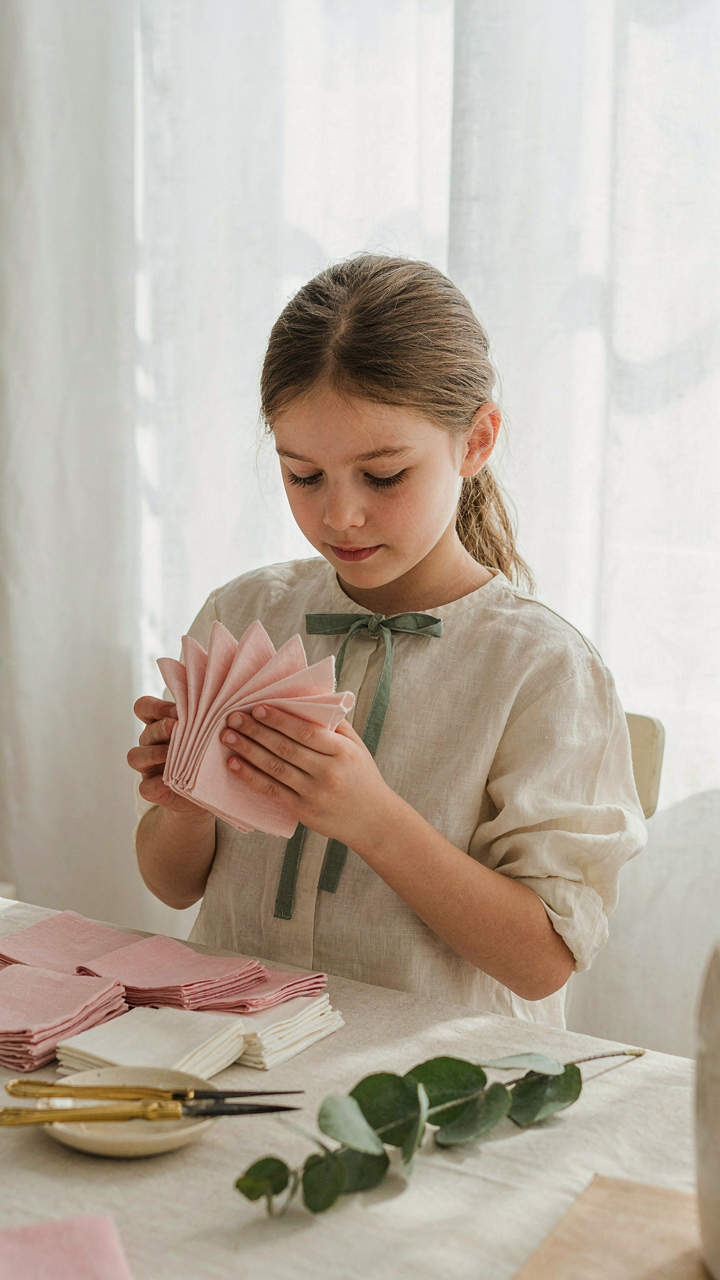
- Black-tie formal event: Have kids fold napkins into specific shapes or create monogrammed seating charts with stencils matching the color scheme.
- Beach or outdoor casual wedding: Kids collect shells, sea glass, or smooth stones to fill centerpieces or create place card holders.
The setup takes fifteen minutes. You source materials that already exist in the wedding design, hand them to the kids with one clear instruction, then let them work. They feel like they built something real because they did.
The “Activities For Kids At Weddings” Myth: More Is Not Better
Guided Play Beats The Activity Dump
You want to feel like you’ve solved the problem, so you load kids with options and hope something sticks. It doesn’t work that way. Psychology calls this “choice overload,” and it applies to kid entertainment the same way it applies to decision-making under stress: too many paths create paralysis, not engagement. A child with five activities available will either bounce between them unfocused or abandon the whole setup within minutes.

Guided play works because it removes the decision burden and creates a container. An adult running a specific game, craft, or activity gives kids a clear frame and social accountability. They’re not deciding what to do; they’re following a lead. This isn’t restrictive—it’s clarifying. A structured scavenger hunt with assigned teams and checkpoints keeps kids moving for an hour. A pile of craft supplies in a corner keeps them occupied for twelve minutes.
Quality Over Quantity In Entertainment Choices
The common advice is to bring more stuff. Wrong. You’re better off with three solid, age-appropriate activities executed well than ten mediocre options that compete for attention. Each activity should do one job: hold focus for a defined time block, and transition cleanly to the next phase without meltdown.
Map your activities to the wedding timeline, not to guessing what kids might want. Pre-ceremony: something low-energy and contained, like a puzzle station. During cocktail hour: something mobile and social, like a scavenger hunt. During the reception: dancing, then a focused craft or game. Forget entertainment variety. Plan for energy management. The difference between a chaos day and a managed day is one person executing this sequence intentionally.
Kid Activities For Wedding: The Game Theory Approach
Reward Structures That Actually Work
You want kids behaving well without bribing them into compliance—that’s the real fear underneath this section. Game theory from economics tells us that behavior shifts when the incentive structure changes. A child at a wedding faces zero payoff for sitting still. Reframe it: structure activities where participation itself becomes the win, not the behavior you’re demanding.

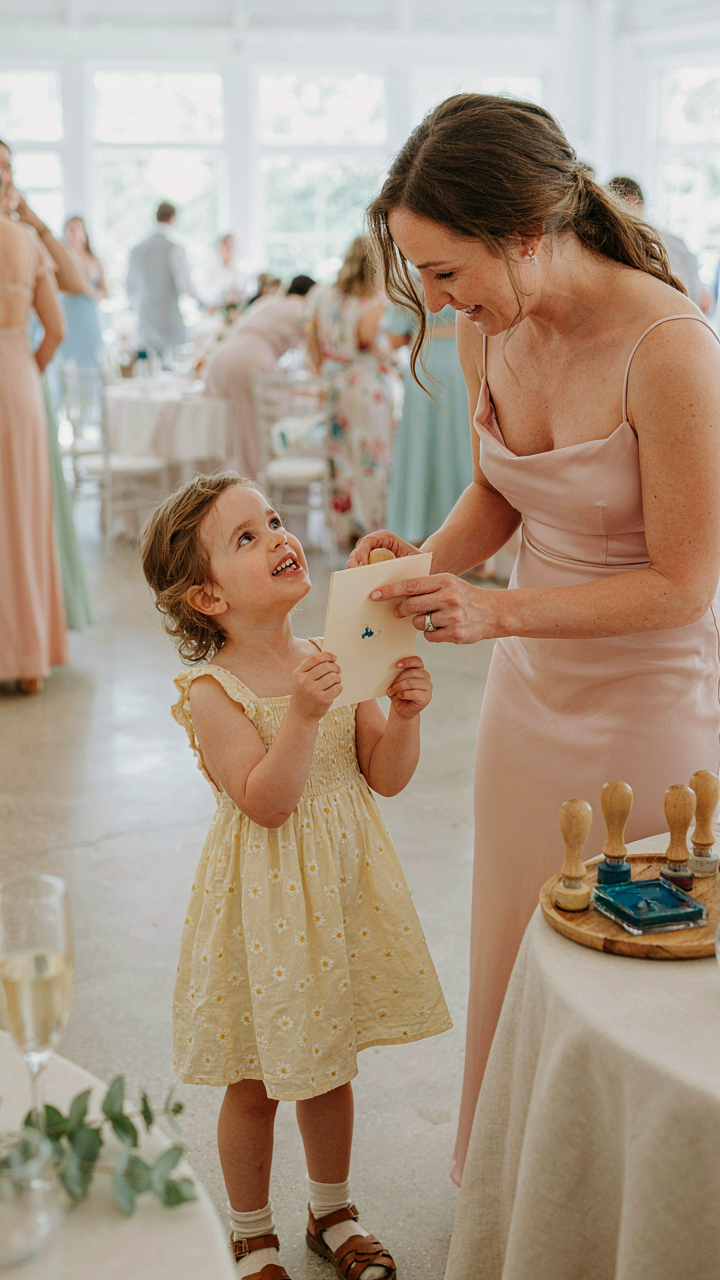
The mistake most people make is offering rewards after good behavior. That’s backwards. Design the activity so the child earns points, levels, or status during the event itself. A scavenger hunt where kids collect stamps from different stations doesn’t feel like punishment—it feels like a mission. The reward isn’t candy at the end; it’s the accumulation happening in real time. Give each child a card they mark off as they complete small tasks: find someone wearing blue, locate the cake table, snap a photo with the couple. The structure pulls their attention forward.
How Rules Predict And Channel Behavior
The common advice here is weak: “Set clear expectations beforehand.” That’s necessary but incomplete. What actually works is understanding that children follow rules when the rules create clarity about what happens next. They’re not rebelling against structure—they’re uncomfortable with ambiguity. Weddings are ambiguous spaces where normal rules don’t apply and nobody explains why.
State one or two explicit boundaries before the event starts, then give kids a role that comes with built-in rules. Assign them as “junior ushers” or “photography spotters.” The role contains its own logic. A junior usher has a defined job: help guests find seats, hand out programs. Those responsibilities create automatic behavioral guardrails without you policing. They know what to do because the role tells them. The mechanism isn’t punishment—it’s purpose.
Wedding Activity For Kids: Leverage Of Novelty
New Experiences Beat Familiar Distractions
You want kids quiet and compliant so you don’t look like you’ve lost control. That’s the real driver here. The mechanism is simple: novelty hijacks attention in a way repetition never does. A kid who’s bored with their own toys at home will fixate on something they’ve never seen before. The brain doesn’t care about quality or cost. It cares about the new signal. Familiar toys are noise. New experiences are information.

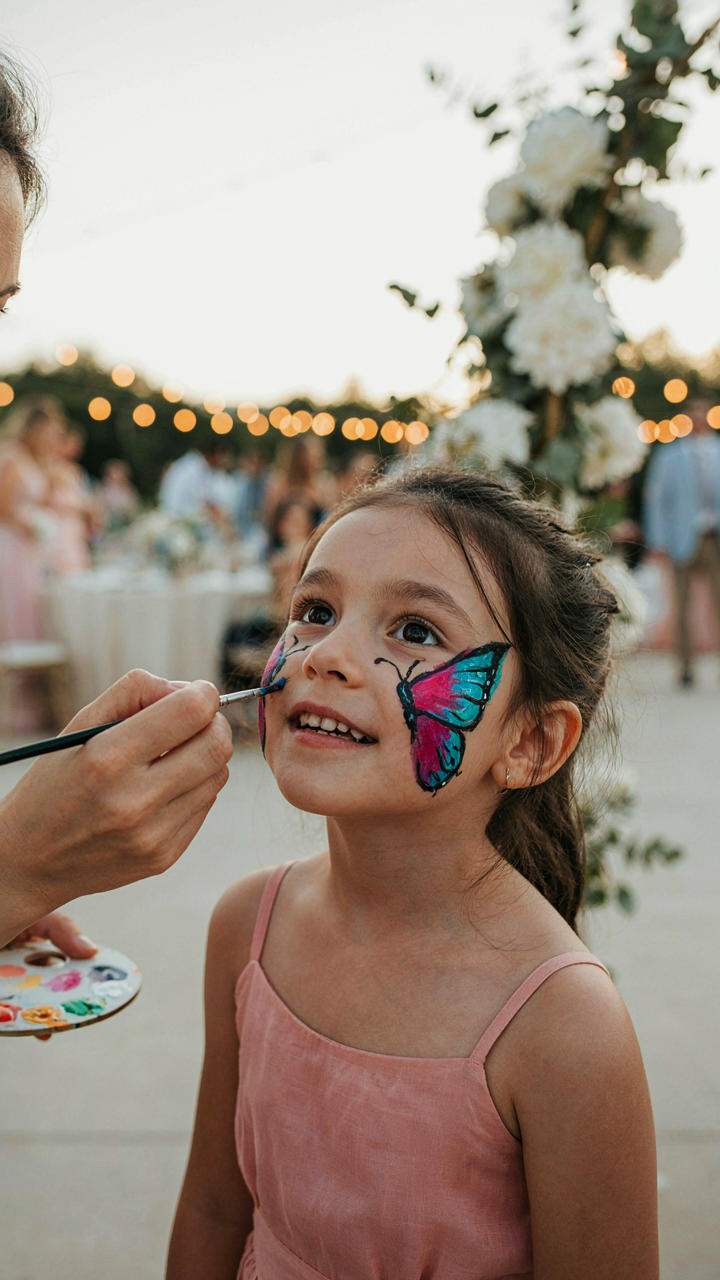
The weddings that work deploy activities kids haven’t encountered in their normal environment. Not “more iPad time” or “the same coloring books from home.” Hire a face painter. Set up a photo booth with props they wouldn’t assemble themselves. Create a small craft station with materials they don’t have access to regularly. The specificity matters. A generic activity space fails because it still reads as “the thing parents do to keep us occupied.” A novelty activity reads as an opportunity. Kids show up differently.
Unpredictability As The Sustaining Force
Common advice says to keep kids entertained by giving them a schedule. That’s backwards. Predictability is the enemy of sustained attention. You need the unexpected element layered into the experience. In behavioral psychology, intermittent reinforcement creates stronger engagement than consistent rewards. Apply that principle here: don’t let the activity feel like a straight line from start to finish.
A face painter who introduces surprise elements between segments holds attention longer than one who just executes a preset design. A photo booth that randomly triggers confetti or plays unexpected sounds keeps kids returning. A craft station where you introduce new materials halfway through the event instead of displaying everything upfront creates repeated discovery moments. The mechanism is this: kids disengage when they see the ceiling of an activity. You remove that ceiling by introducing variables they can’t predict. Change what’s available. Change the rules mid-activity. Introduce new elements every 20 to 30 minutes, not at the start.
Kids Activities At Weddings: The Preparedness Principle
Stage Activities Before Boredom Hits
You want your kids to behave so nobody judges your parenting. That’s the real reason you’re reading this. The mechanism is simple: boredom precedes behavior problems by 15 to 20 minutes. Kids don’t misbehave randomly. They misbehave because their brain stopped receiving input. Stage activities before that gap opens. This means knowing the timeline and inserting engagement points before restlessness sets in, not after.

Most parents wait until kids get loud to pull out a distraction. That’s reactive. You need scheduled activities timed to the ceremony length, cocktail hour gaps, and table-waiting periods. Build a map: ceremony is 30 minutes, then 45 minutes of photos, then 90 minutes until dinner service. Insert an activity at the 25-minute mark of photos. Insert another before they hit the reception tables. You’re not babysitting randomly. You’re architecting attention spans with precision.
Emergency Supplies For Unexpected Gaps
Nobody plans for the flower girl to freeze halfway down the aisle or the photographer to run late. These gaps destroy timing. An emergency kit handles what your schedule missed. This isn’t a bag of generic toys. It’s targeted supplies for specific failure states: a meltdown, a 20-minute wait, a sudden energy spike, boredom during speeches.
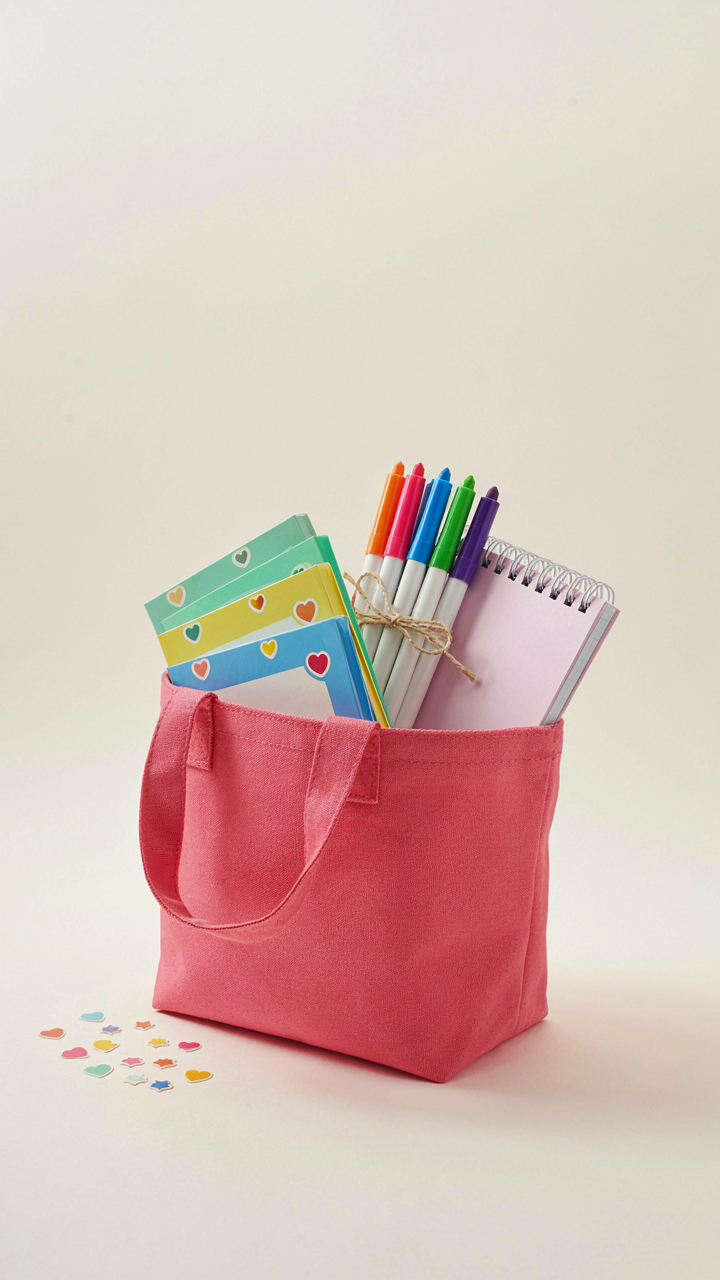
Stock one small bag with items you control completely. Include new sticker books they’ve never seen, a small whiteboard with markers, individual activity pads, and one premium item they only get at the wedding. Keep this bag with you or a trusted adult, not checked at coat check. When the timeline breaks, you deploy immediately, not 10 minutes later when the kid is already escalating. The mechanism is intervention velocity: faster deployment stops the problem before it compounds.
Kid Friendly Wedding Activities: Empowering Parents
Tell Parents What’s Actually Available
You want parents to think you’re organized so they’ll stop micromanaging their kids’ behavior all night. Here’s the mechanism: parents relax only when they know exact options exist. Vague promises fail. Specificity works. The wedding host or planner must communicate what activities exist, where they happen, and when they run. Not in passing. Not buried in the welcome packet. Direct communication to parents weeks before the event, repeated in writing at arrival.

Parents need to know if childcare exists, what the kids’ room contains, whether activities run continuously or at set times, and who supervises. They need contact information for whoever manages kids’ activities. They need to know what happens when a child gets bored at 7 PM. This removes the gap between expectation and reality. When parents know the setup, they stop scanning the room for their child every thirty seconds.
Give Parents A Real Off Ramp
The common advice says “hire a babysitter” or “ask family to help.” Both miss the point. Parents at weddings carry guilt about enjoying themselves while their kids exist in the same building. You dissolve that guilt by building a system they trust. Assign one responsible person to manage kids during high-stress moments like toasts and dinner. Rotate shifts so no single person burns out. Check in with parents periodically to confirm kids are fine.
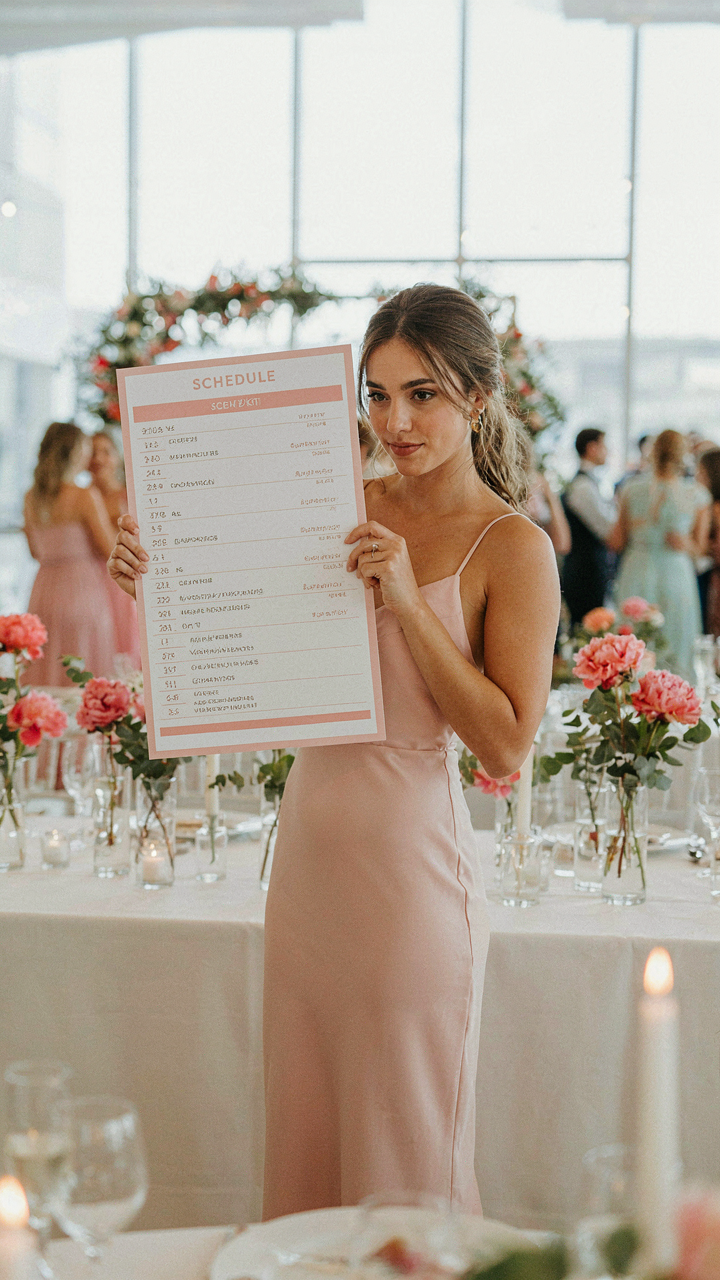
The mechanism borrows from security protocols: accountability through clear handoff points. Parents need to know who holds responsibility at each hour, that someone has eyes on the kids, and that they’ll be contacted if anything changes. Post a simple schedule parents can reference. Make the designated person visible and approachable. When parents see the system working in real time, they stop asking permission to enjoy the wedding.
The Only Thing Truly Ruining Your Wedding Day Is Your Insistence On Treating Children As Props Rather Than People
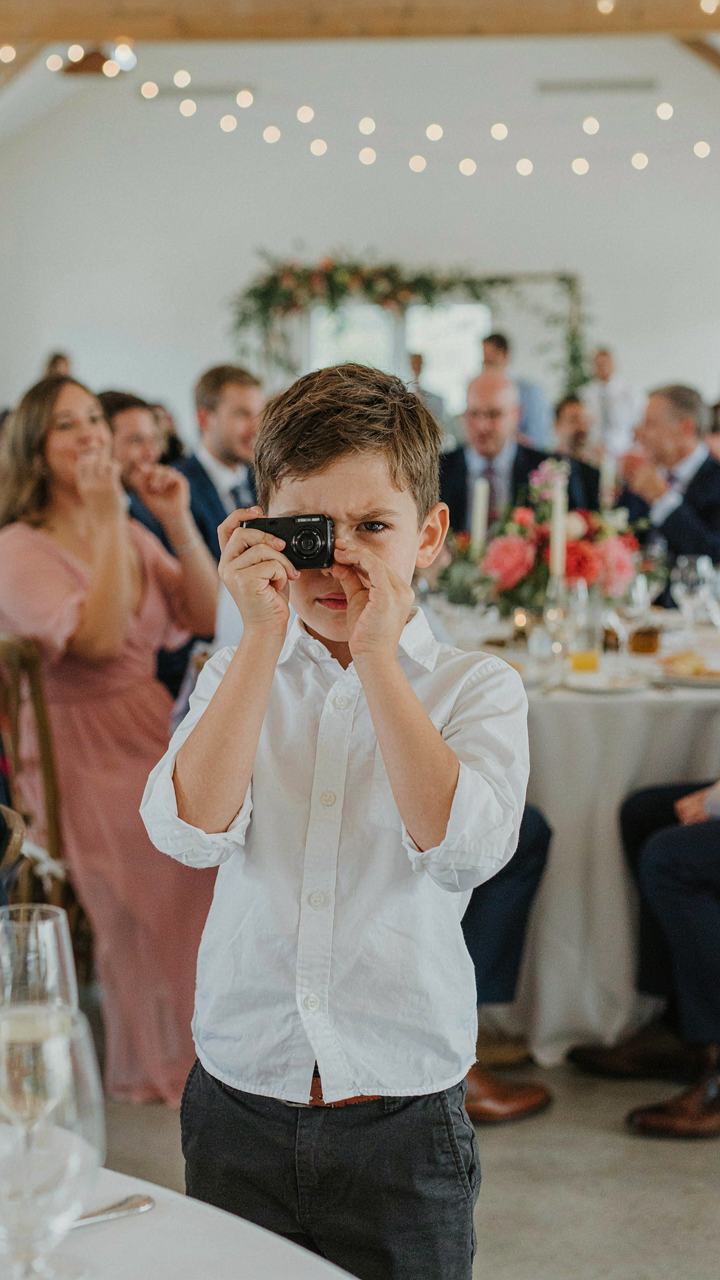
Stop designing “activities” and start designing experiences. Kids know when you’re checking a box. Give them real responsibility, real stakes, real fun. Make them junior photographers. Let them run the playlist. Put them in charge of something that matters. Today, pick one role you’ll hand to the kids at your event. Stop treating their boredom like your problem to solve from a distance. Make them part of the show. A wedding where kids feel useful beats a wedding where kids feel trapped every single time.