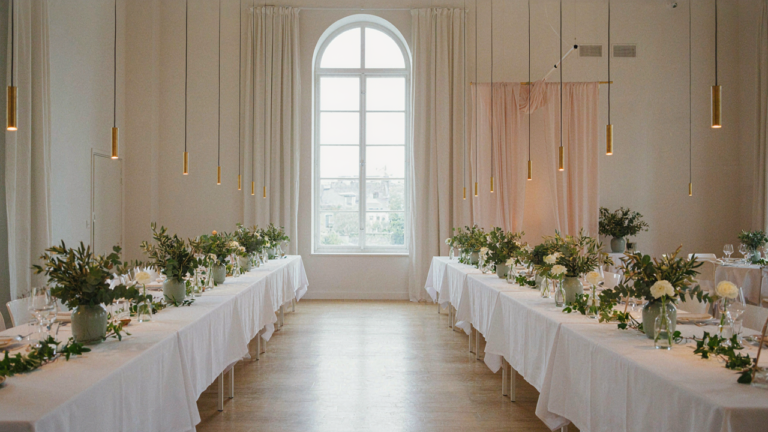
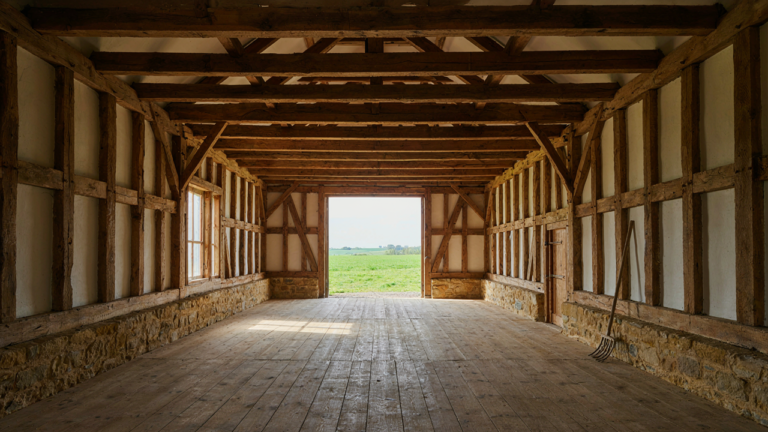
The Illusion Of Grandeur: Why “Authentic” Is Overpriced
What Actually Looks Mediterranean
You want people to feel like they’re in Santorini, not like you’re pretending. That gap between perception and budget is where most couples hemorrhage money. The real mechanism at work here is signal compression: Mediterranean design achieves recognition through a small number of high-contrast visual markers, not through historical accuracy or material authenticity. You’re not curating a museum exhibit. You’re creating a visual shorthand that triggers a specific emotional response in under five seconds.
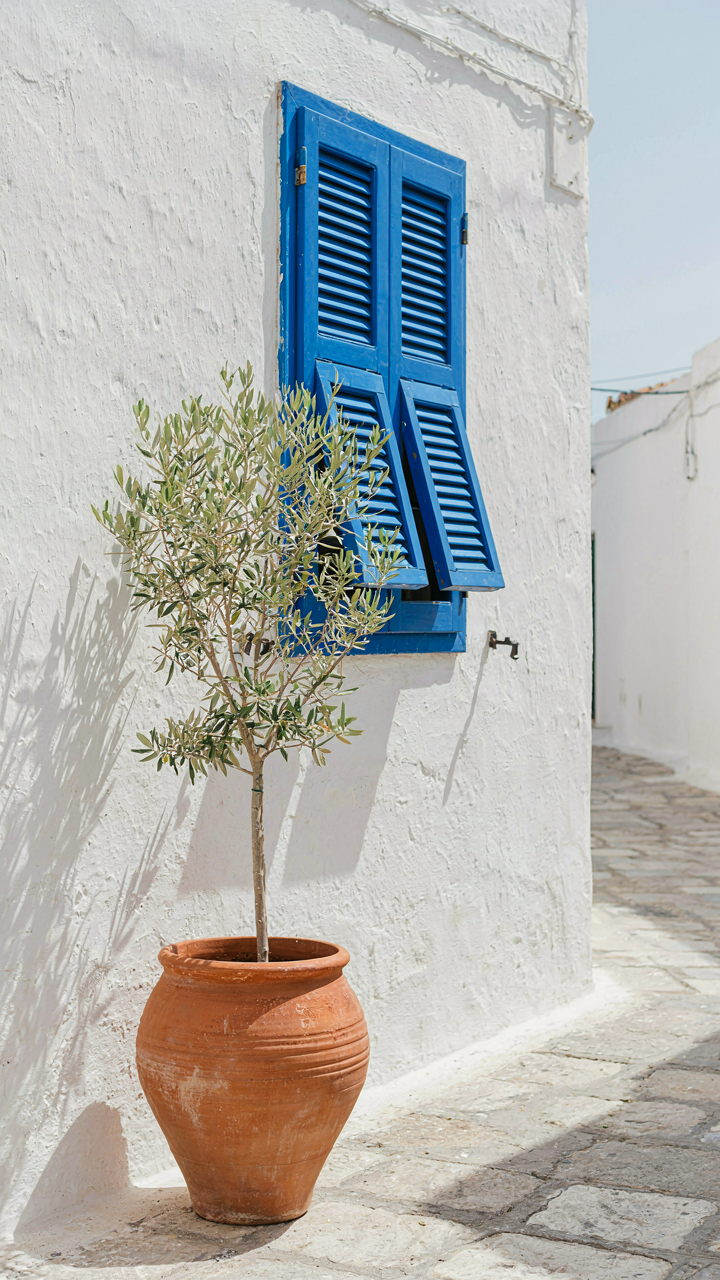
The aesthetic emerged from practical constraints, not luxury. Whitewashed walls, terracotta, and stone came from what was cheap and available in Greece, Spain, and Italy for centuries. Blue shutters weren’t status symbols. They were paint you could make locally. Olive branches, lemon trees, and clay vessels weren’t precious. They were what grew and what people owned. The current “Mediterranean luxury” market inverted this by pricing these elements as premium goods. That’s the con. You reverse it by using the same visual logic but sourcing smartly.
Where The Budget Actually Lands
Forget trying to source authentic Amalfi ceramics or reclaimed Tuscan stone. The visual weight in Mediterranean design comes from three things: dominant colors, geometric structure, and weathered texture. Color does 70 percent of the work. Weathered surfaces do most of the rest. Material authenticity handles maybe 10 percent and only if someone inspects closely. Paint a wall white, add blue-painted wooden elements, and use simple geometric shapes. Stop there. You’ve established the aesthetic for under 200 dollars in most markets.
The highest-impact anchors are: white painted surfaces (walls, fabric backdrops, wooden structures), blue accent pieces (painted wood, fabric runners, painted metal), terracotta vessels (real or ceramic, used as centerpieces or structural decoration), olive branch installations (real branches from local florists cost 5 to 15 dollars per bundle), and simple geometric patterns in textiles. Start with white as your base, add blue through rentable furniture or paint, then deploy the textured elements as focal points. This protocol—base color, accent color, texture—controls cost while maintaining recognition.
The “Scarcity & Abundance” Protocol For Mediterranean Decor
What Actually Costs Nothing To Source
You want your wedding to look expensive without spending like it. That’s the real reason you’re reading this section. The mechanism is simple: Mediterranean design doesn’t rely on mass-produced florals or exotic imports. It relies on materials that grow everywhere and cost almost nothing if you know where to look.

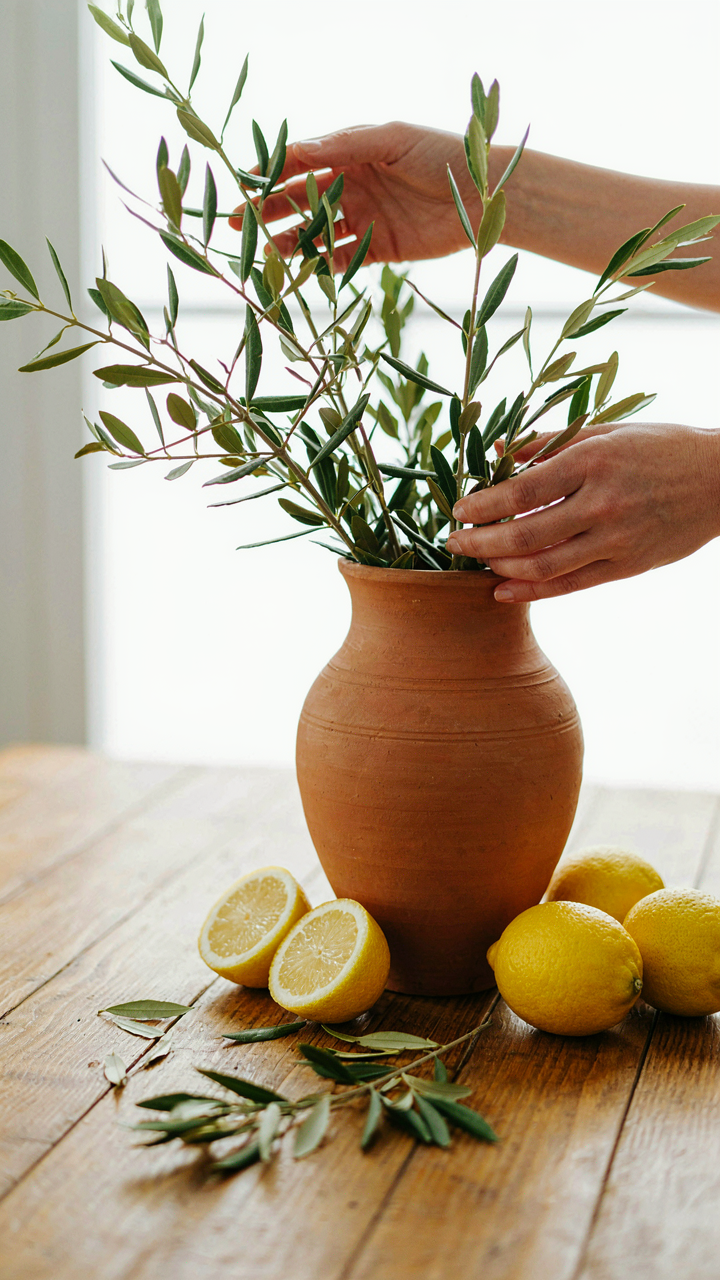
Olive branches, citrus fruits, and terracotta aren’t luxury items in Mediterranean regions because they’re agricultural byproducts. You’re not buying them as decor—you’re sourcing them as raw materials. This distinction changes your entire budget equation.
- Olive branches: Source from local orchards, farmers markets, or bulk wholesale suppliers. Ask farmers directly if they have pruning waste. Most give it away rather than discard it. Cost per bundle: $2-8.
- Citrus fruits: Buy overstock oranges, lemons, and limes from produce distributors or ethnic markets weeks before the wedding. Store in cool conditions. Bulk pricing drops to 50-70% below retail. Cost per fruit: $0.15-0.40.
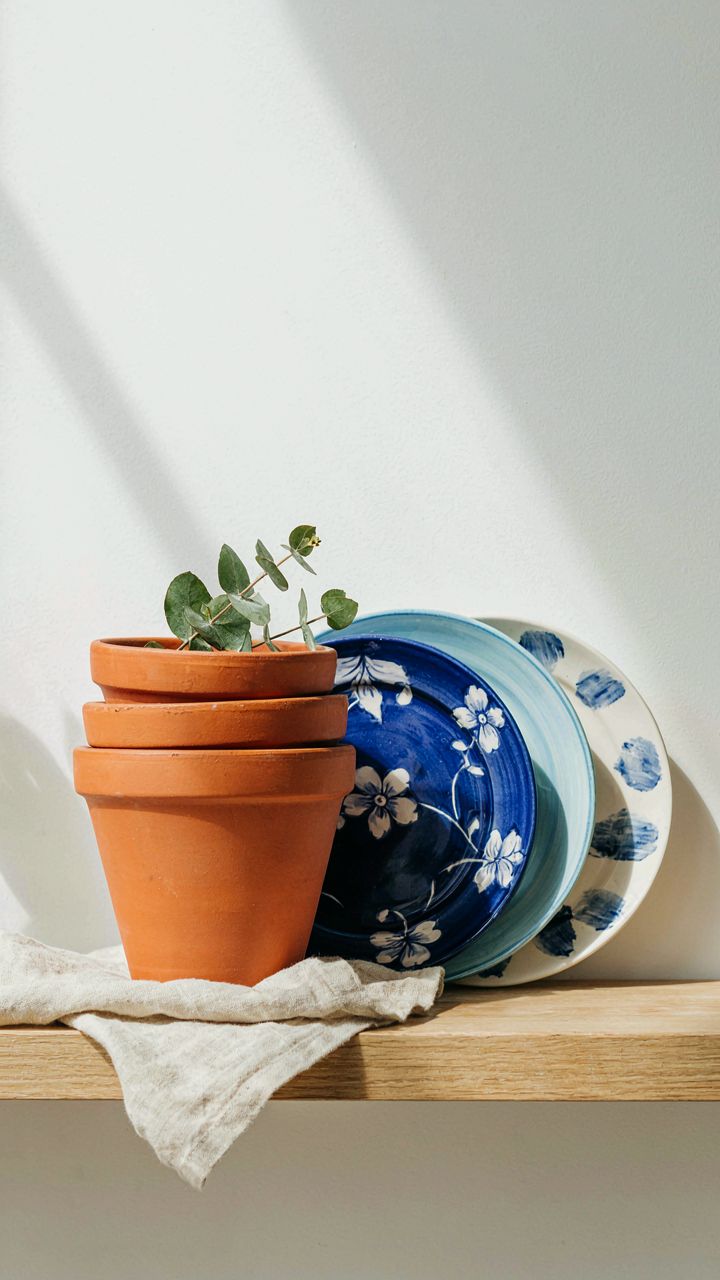
- Terracotta pots: Purchase from clay suppliers, pottery studios, or architectural salvage yards rather than garden centers. Cracked or imperfect pieces work better for budget builds. Cost per pot: $1-6 depending on size.
- Eucalyptus stems: Abundant in dry climates, often free from landscapers or tree removal services. Lasts two weeks fresh, longer when dried. Request trimmings from commercial properties.
- Dried grasses and seed pods: Forage or buy bulk dried botanicals from wholesale flower suppliers. These store indefinitely and layer beautifully with other elements. Cost per bundle: $3-10.
The second cost layer is labor. You don’t hire a florist to arrange branches in bottles. You or your wedding party do it. Terracotta gets filled with sand and candles. Citrus fruits stack on tables or hang from branches. The work takes hours, not expertise. That time cost is zero if you front-load the assembly four to five days before the event.
Concentration Creates Impact, Spread Creates Waste
Most couples make the same mistake: they distribute decor evenly across the space. Entry has some olive branches. Tables get a few citrus pieces. The bar has terracotta. Nothing commands attention because nothing has visual weight.
The real principle here is density, borrowed from physics. In physics, density is mass per unit volume. In Mediterranean wedding decor, density is visual impact per square foot. Create high-density zones and leave other areas bare. One table becomes a centerpiece installation—branches in tall bottles, citrus mounded in terracotta, candles nested in arrangements. Adjacent tables stay stark. The eye reads contrast, not clutter. This strategy cuts your material volume in half while amplifying perceived value.
Entrances, the ceremony backdrop, and the cake table are your density zones. These areas photograph well and anchor the guest experience. Place 60-70% of your decor budget into three locations maximum. The remaining 30% fills secondary spaces. Guests remember the saturated moments, not the sparse corners. This concentration principle is why high-end Mediterranean weddings look intentional rather than decorated. You’re editing the space, not filling it.

The Bayesian Belief Update: Re Evaluating Your Mediterranean Wedding Budget
Stop Justifying Money Already Spent
You’re reading this section because you’ve already committed resources to a vision and you’re hoping someone validates that commitment. That’s the sunk cost fallacy at work in wedding planning, borrowed from economics. In economics, sunk costs are expenses you cannot recover. Your $800 non-refundable venue deposit is sunk. Your $3,200 designer dress order is sunk. The trap is that couples continue spending to justify what they’ve already lost instead of deciding what makes sense from this point forward.
The mechanism is simple: your brain treats past spending as evidence that you should spend more now. You booked an expensive caterer, so now you feel obligated to hire premium florals to match. You committed to a large guest count, so you inflate the decoration budget to fill the space. Stop this pattern. Every dollar from today forward exists independent of yesterday’s choices. The only question that matters now is whether each remaining expense moves you toward your actual goal, not whether it justifies prior decisions.
Constraints Force Better Decisions
The common advice says to “adjust expectations gracefully” or “find creative solutions.” This is vague and useless. Real constraints force specificity. If your budget is $15,000 and you have 100 guests, you spend $150 per person. That number doesn’t change because you feel disappointed. It changes when you cut the guest list to 75 or find new money.
Mediterranean weddings don’t require expensive execution. Greece and Spain have lower labor costs than North America. Renting terracotta pots, linen, and mismatched ceramics costs far less than custom florals. Olive branches and citrus fruits replace high-end arrangements. The constraint forces you to use materials and techniques that were literally built into Mediterranean culture for centuries, not expensive imports trying to fake authenticity. Recalculate your per-person spend, identify what percentage goes to venue, catering, flowers, and rentals, then work backward from those fixed numbers to make each category work.

Beyond Italy & Greece: Undiscovered Mediterranean Wedding Aesthetic Locations

Local Venues With Inherent Character
You want to feel discovered, not generic. The real mechanism is that venues with existing Mediterranean bones cost less because they haven’t been marketed to weddings yet. A restored barn in rural Spain, a 1970s courtyard apartment building in Portugal, or a working olive farm in Croatia all carry the aesthetic without the premium markup of purpose-built wedding destinations.
The cost gap exists because these spaces solve a problem most venues don’t: they require almost no theming. You walk in and the bones are already there. A limestone courtyard. Weathered terracotta. Arched doorways. Uneven stone floors. These aren’t decorative choices you’re paying labor to install. They’re structural facts you’re leveraging. Your florist and planner spend time refining what’s already present instead of building a false facade. That’s the entire difference in your budget.
Converting Raw Spaces Into Mediterranean Gardens
The common advice says pick a pretty venue and add flowers. That’s backwards. Think in terms of site architecture from environmental design. You’re not decorating a space. You’re revealing its latent potential through strategic intervention. A concrete warehouse, a modern banquet hall, or an industrial loft becomes Mediterranean when you layer three specific elements: vertical greenery on the back wall, a focal point with aged wood or stone, and low ambient lighting that erases the ceiling.
Start by identifying what the space already has that you can repurpose. Exposed brick reads Mediterranean without touching it. Concrete columns can anchor large-scale potted plants. Wide-open layouts let you create zones with planted trees instead of rentals. The sequence matters: install structural greenery first, then lighting, then temporary furnishings. This order keeps labor costs down because each layer simplifies the next. You’re building depth through repetition and strategic scarcity, not through accumulation of expensive rentals.

The “Taste, Not Trend” Doctrine: Culinary Choices For A Greece Themed Wedding

Fresh Ingredients Beat Expensive Plating
You want people to remember your wedding as refined. That’s the real fear here—that a budget meal reads as cheap. The mechanism that matters is supply chain economics: ingredients cost less when they’re in season and grown locally. A Mediterranean wedding works because it expects simplicity. Tomatoes, olive oil, feta, bread, herbs. These aren’t budget compromises. They’re the actual cuisine.
Stop thinking “budget catering.” Think “what Crete actually eats.” When you source through local farms or Mediterranean suppliers three months before the wedding, you sidestep the restaurant markup entirely. The same tomato that costs a catering company 40 percent markup costs you 60 percent less direct. Your guests taste quality because it’s real, not because you paid for presentation.
Family Style Serves Strategy Over Status
Plated service creates the illusion of formality. It also costs 20 to 30 percent more per head because labor scales with plate count and service rounds. Family-style dining—large boards and bowls passed family-to-family—flips the economics. You reduce labor. You reduce waste. You reduce complexity.
This is how Mediterranean communities actually eat. Put a platter of grilled fish, a bowl of marinated vegetables, bread, and wine in front of eight people. They eat for 90 minutes. The table becomes a unit instead of individuals. Your per-person food cost stays low. Your labor cost collapses. Your guests leave talking about the meal, not the service choreography. The mechanism is constraint working in your favor—limitations force the format that costs less and feels more authentic.

The “Signal Vs. Noise” Method For Italian Decor Wedding

Strip Down To Load Bearing Elements
You want a Mediterranean wedding to look intentional without looking cheap. That’s the real fear underneath this section. The mechanism is signal-to-noise ratio from information design: every element either communicates the theme or it dilutes it. Most budget Mediterranean weddings fail because they add more stuff thinking volume equals authenticity. It doesn’t. Subtract first.
Mediterranean design historically relied on what the region produced locally: terracotta, limestone, olive wood, linen, and plants that grew wild. These materials don’t need embellishment to work. A single large terracotta urn reads louder than five small ceramic pieces scattered across a table. One olive branch arrangement beats a dozen fussy centerpieces. The constraint forces clarity. When you can’t afford abundance, you must choose what carries weight and eliminate the rest.
High Impact Elements Drive The Whole Look
The real work happens in deciding which three to five visual anchors will carry your entire aesthetic. These aren’t decorative. They’re structural.
- Terracotta vessels and urns: Use them at ceremony entrances, as centerpieces, or clustered at cocktail hour. They cost fifteen to forty dollars per piece and read unmistakably Mediterranean without trend dating.
- Olive branches and greenery: Source locally from florists or tree services. They’re cheaper than imported florals and create density without the price tag of fresh flowers.
- Linen table runners in cream or natural: Skip patterned linens. Solid linen grounds the space and lets other elements communicate the theme without visual chaos.
- Candlelight in hurricane glass or simple holders: Candlelight is the cheapest atmosphere multiplier. Mediterranean spaces historically used it by necessity. It softens everything and costs under five dollars per setup.
- Limestone or stone accents: Incorporate as place card holders, drink station risers, or ceremony backdrop elements. Salvage yards and landscape suppliers sell remnants cheaply.
These five elements, deployed strategically, create the visual backbone. Everything else serves them or gets cut. The budget constraint forces you to stop treating decor as accumulation and start treating it as architecture. Your venue’s lighting, the specific table shape, and guest flow matter more than a hundredth centerpiece variation. Identify the three sightlines guests will see most: ceremony backdrop, cocktail hour approach, and seated dinner view. Load those with impact. Leave the rest sparse.

The “Experience Economy” Advantage: Crafting A Greece Party Ideas Vibe

When Guests Matter More Than Props
You want people to remember your wedding for the feeling, not the Instagram setup. That’s the real motive here. The experience economy—borrowed from behavioral economics—operates on a simple principle: people retain memories of interactions and sensations far longer than they retain objects. In a Mediterranean wedding on a budget, this means you stop treating your venue as a backdrop and start treating it as a stage for human connection. Your constraint isn’t a limitation; it’s a filter that forces you toward what actually moves people.
The mechanism works like this: a guest sitting at a communal wooden table eating fresh bread with people they’ll actually talk to generates more lasting satisfaction than that same guest photographing an expensive floral arrangement alone. Mediterranean culture already prizes gathering and conversation over ostentation. Lean into that. Create zones where people naturally cluster. Long tables beat separate rounds. Shared appetizers beat plated courses. A game or activity that involves multiple guests beats a silent cocktail hour. You’re not cutting costs on atmosphere; you’re redirecting those costs toward moments that stick.
Sound And Light Without The Price Tag
Most wedding advice on lighting suggests you need a full production crew and thousands in rentals. That’s incomplete. Mediterranean spaces—particularly those with existing architecture, stone, or outdoor elements—already have natural focal points. You’re not building atmosphere from nothing; you’re amplifying what’s already there. A few strategic string lights or lanterns don’t compete with the space itself; they extend the day into evening and guide the eye where it needs to go. The goal is visibility and warmth, not spectacle.
Music operates the same way. A live musician or high-quality playlist played through decent speakers costs a fraction of a full band but creates the same sensory anchor point. Mediterranean music doesn’t need to be traditionally Greek or Italian; it needs to be intentional. Curate a specific playlist: acoustic instruments, moderate tempo, recognizable but not distracting. Test it in your venue during rehearsal. The mechanism here is simple: consistent, quality sound removes awkward silence and gives guests a psychological permission to relax. People don’t remember volume; they remember whether they felt comfortable enough to talk.

The Unconventional Wisdom Of The Italian Summer Wedding Theme

What You Actually Control With Your Hands
You want to believe that doing things yourself proves authenticity and saves money. It doesn’t always. The mechanism here is simple: DIY only works when the skill gap between you and a professional is small enough that effort bridges it, not when you’re learning a craft on your wedding day. Olive branches don’t arrange themselves into something that doesn’t look like you grabbed them from a ditch.
The real play is targeting specific elements where amateur execution either doesn’t matter or actively improves the aesthetic. Mismatched ceramics signal intentionality in Mediterranean design. Rough linen napkins folded by hand read as genuine. Hand-painted place cards with imperfect lettering work because they’re personal, not because perfection failed. Skip the floral arrangements, the tiered cake, the detailed linens. Do the things that gain value from imprecision.
The Economics Of Strategic Delegation
In supply chain management, the concept of “critical path” determines which tasks break everything if delayed. Apply this to your wedding. Your critical path tasks are the ones where a vendor’s error cascades into chaos: catering timing, photo capture, venue setup logistics. Delegate these ruthlessly. Non-critical tasks are where you either save money by doing them or where doing them poorly doesn’t break the event.
The counterintuitive move is paying someone to handle the three to four things that actually matter, then doing the rest yourself or skipping it entirely. A photographer matters. A florist matters less if your venue already has structure and light. A coordinator matters if your guest count exceeds 75 and logistics fragment. Hire for leverage points only. Everything else either scales down or becomes a non-essential cost you eliminate, not an outsourcing opportunity you create.

The Only Thing Holding Back Your Mediterranean Vision Isn’t Money; It’s Your Unexamined Assumptions About What A Wedding Should Be
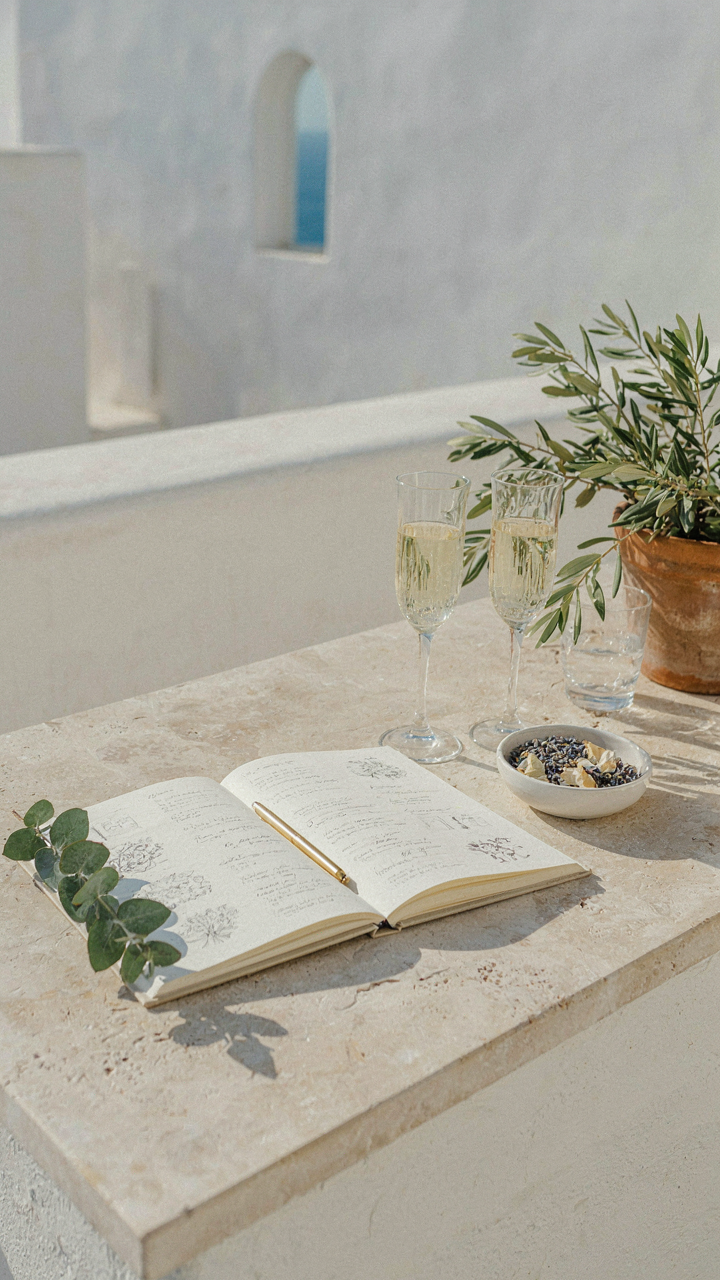
You’ve been sold a lie. The wedding industry convinced you that authenticity costs more. It doesn’t. Spend the next hour listing every element you actually want versus what you think you should want. Delete the second list. Then call three local vendors and ask them to work backward from your real budget instead of forward from their price tags. Most will. Your Mediterranean wedding doesn’t need Instagram validation; it needs your fingerprints all over it.