Beyond Beige: The Anti Basic Nautical Palette

Stop Defaulting To Tired Color Combos
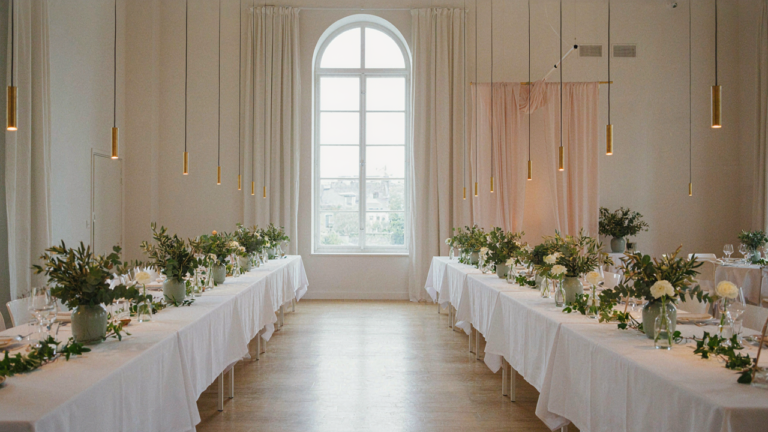
You want the nautical look without appearing generic—that’s the real fear driving this search. The mechanism is simple: most couples copy what they see on Pinterest, which copies what wedding vendors mass-produce. Navy and white dominate because they’re safe, not because they’re the only option. The real constraint isn’t the theme itself. It’s the assumption that nautical means predictable.
Contrast theory from color science teaches that adjacent hues create visual weight differently than opposing ones. Apply this to your palette: instead of navy-white-red, swap one color entirely. Charcoal with cream and sage green works. Deep teal with sand and rust reads nautical but unexpected. The shift costs nothing. You’re not buying more flowers or linens—you’re redirecting them toward colors vendors stock anyway.
Natural Materials Replace Expensive Accents
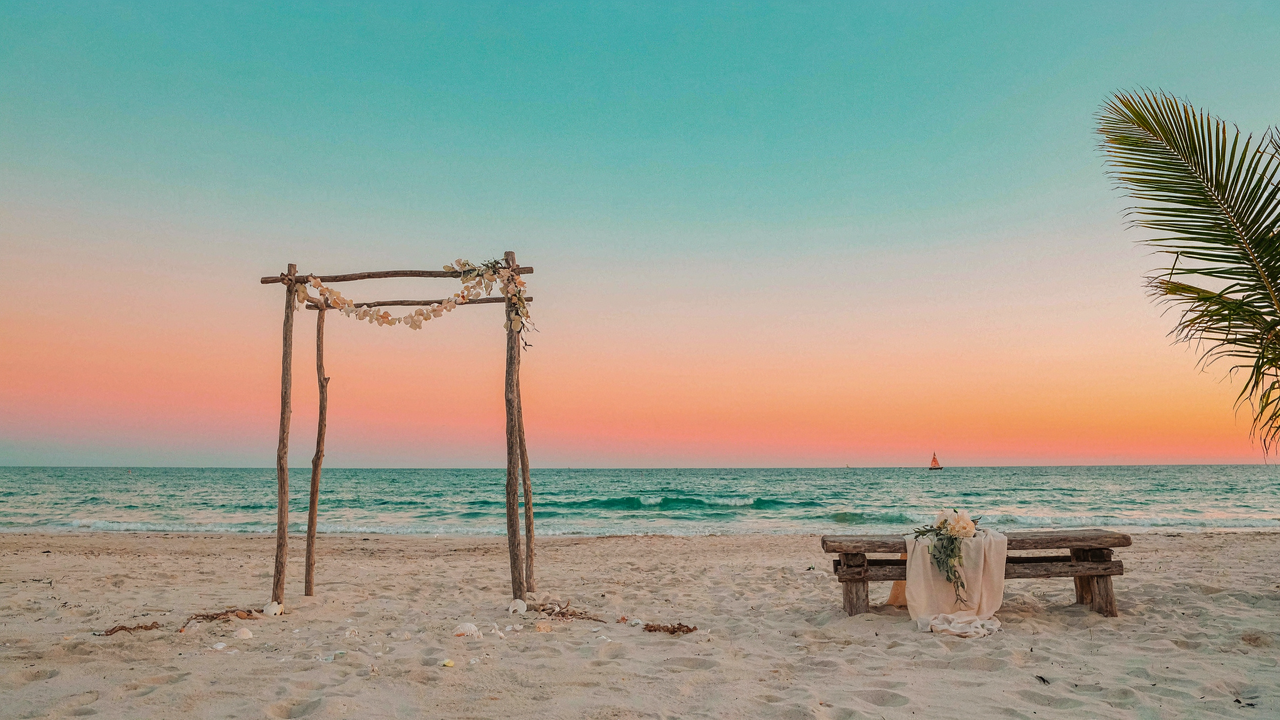
Forget the advice that nautical weddings require rope, anchor decor, and nautical trinkets. That’s vendor logic, not design logic. Real nautical spaces are defined by what the ocean naturally produces: weathered wood, glass smoothed by salt water, stones. These cost less than manufactured maritime props because you’re sourcing raw materials instead of finished goods.
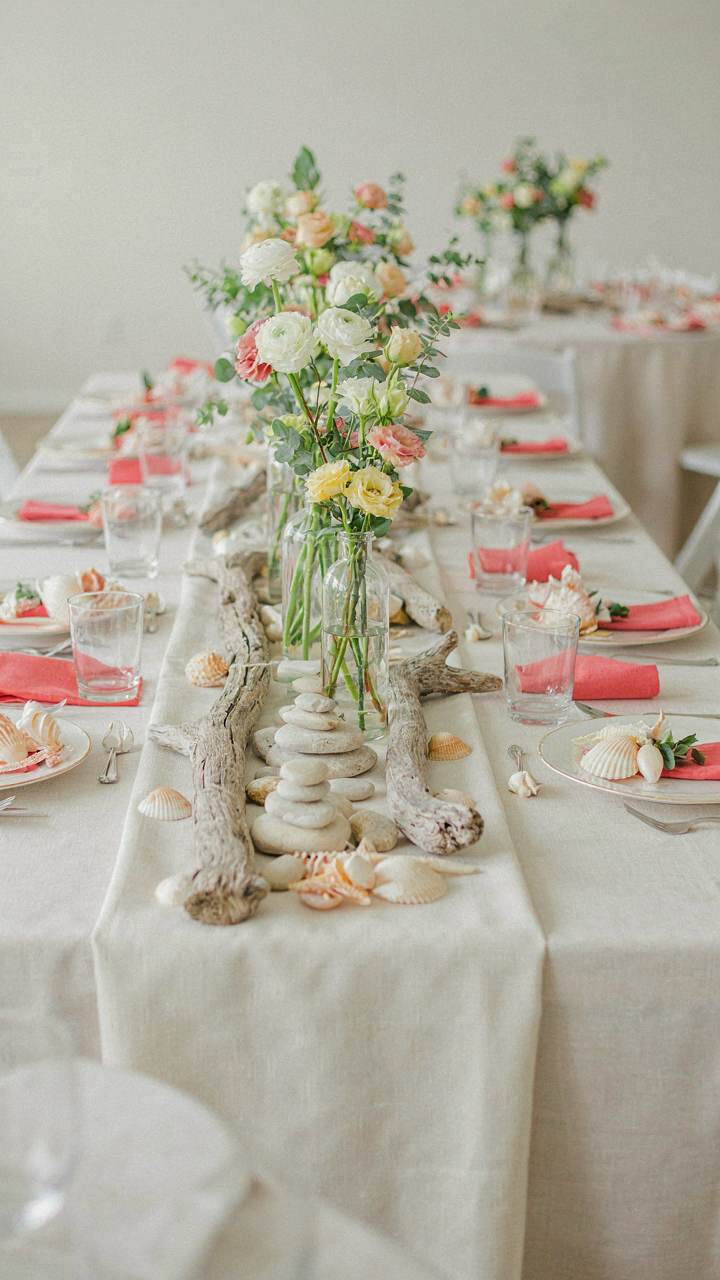
Driftwood branches become centerpiece structures without a florist markup. Sea glass scattered across tables reads more authentic than rope wrapped around mason jars. Sand can be sourced locally for under fifty dollars total and layered in vessels for ceremony aisles or table bases. The mechanism is substitution: replace anything labeled “nautical decor” with unfinished natural materials. Vendors charge premiums for items with explicit themes attached. Raw elements have no markup.
The “Less Is More” Sailing Theme Principle
Stripping Down To What Actually Works
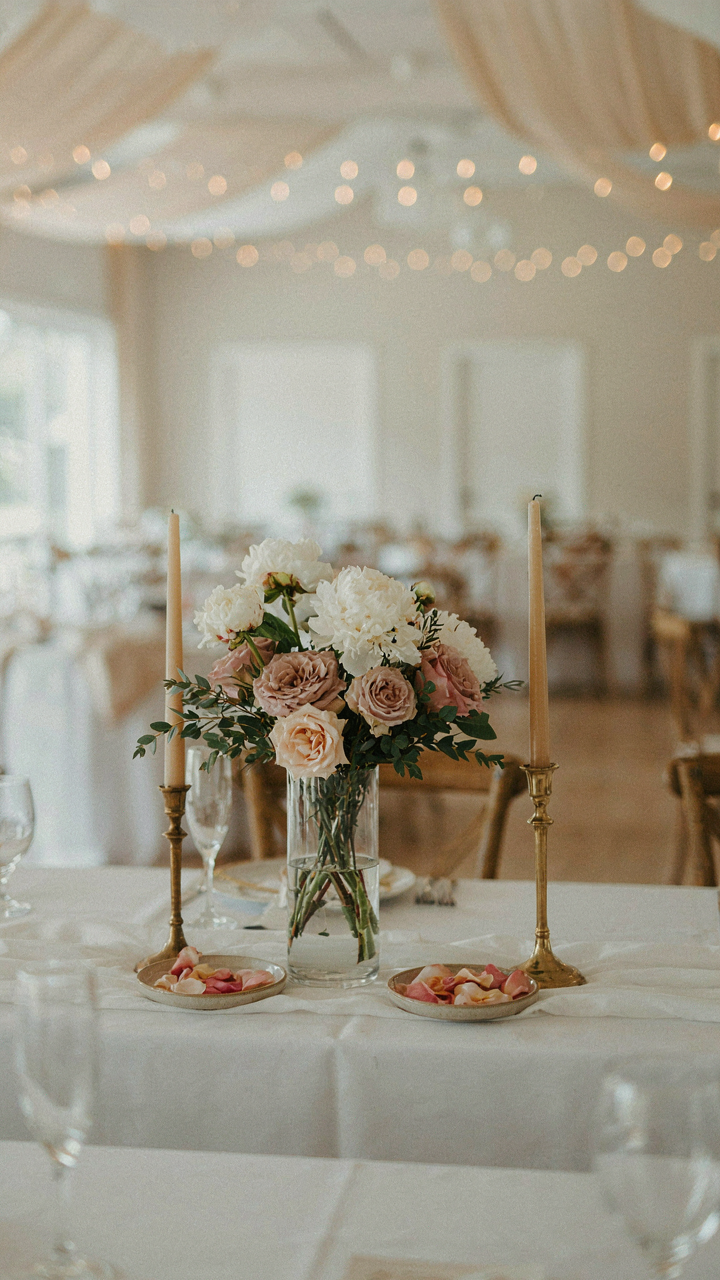
You want permission to spend less without looking cheap. That’s the real question. Here’s the mechanism: decoration works through contrast and focal points, not volume. A room with fifty small items reads as cluttered. A room with three intentional pieces reads as designed. Most couples reverse-engineer from Pinterest boards cluttered with every nautical object ever made, then panic about the budget required to replicate chaos. Start instead by identifying what actually creates the nautical feeling without the noise.

The mistake isn’t choosing nautical as a theme. The mistake is treating it like a checklist. You don’t need rope wrapped around every column, anchor prints on every surface, or fish netting stapled to every wall. Those details exist in high-budget weddings because the couple has money to burn on atmosphere. On a constrained budget, they become visual spam that dilutes impact and wastes resources. One quality focal point beats ten mediocre scattered attempts.
Where Your Money Actually Creates Effect
Impact pieces are the objects guests notice first when they enter a space. They anchor the room’s identity. For nautical weddings, these are typically large, visible, and structural: a statement backdrop, a primary table arrangement, lighting that sets tone. Everything else supports these anchors. Generic advice says “add nautical touches throughout.” That’s wrong. It fragments your budget across a dozen ineffective details. You need to identify the three to five elements guests will actually register, allocate seventy percent of your decor budget to those, and leave the rest sparse.
A wedding table’s visual weight comes from one strong centerpiece, not scattered shells and rope. Your entrance experience comes from one cohesive backdrop, not multiple competing nautical props. Your lighting establishes mood before decor even registers. The protocol: map your venue’s sightlines, choose two primary focal points where guests spend the most attention, invest in those areas ruthlessly, and keep everything else neutral or minimal. This approach saves money while making the theme read clearly and intentionally.
DIY Alchemy: Transforming Trash Into Treasure
Salvage Finds Into Anchor Pieces
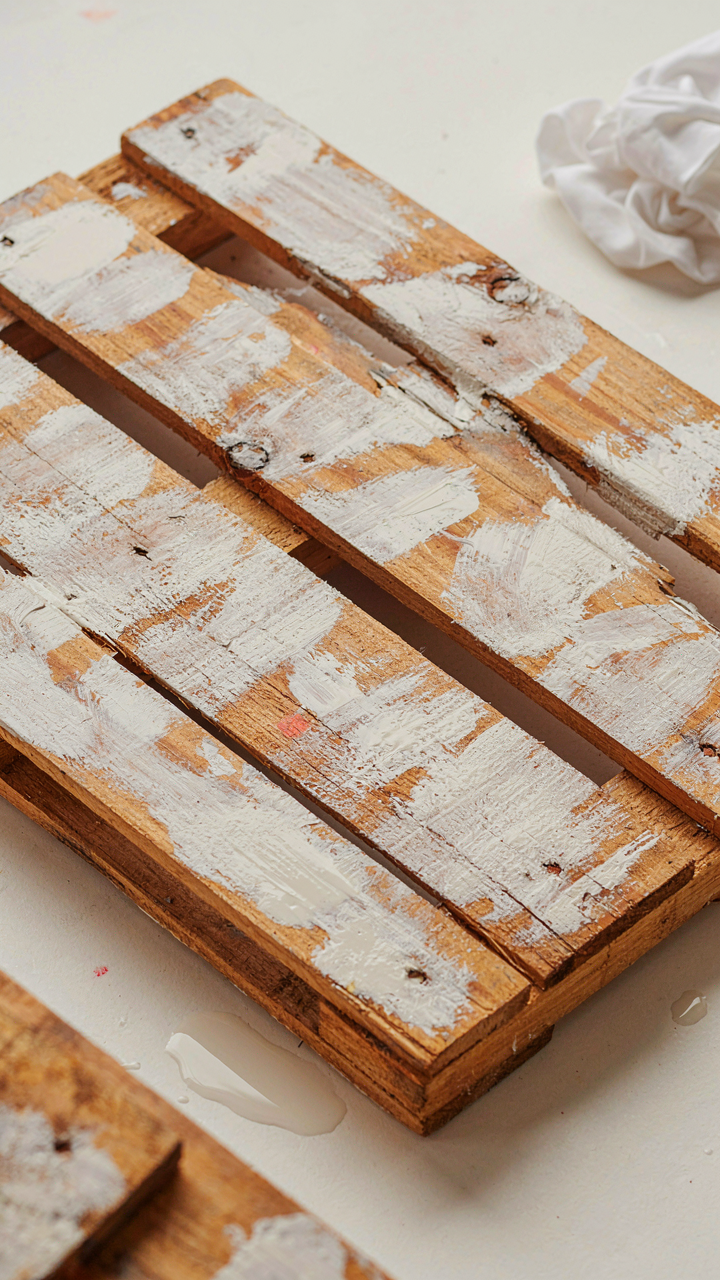
You want the aesthetic without the price tag, which means you’re hunting for permission to skip the vendor markup. The mechanism is simple: your guests perceive value through scarcity and intentionality, not through how much you spent. Driftwood, rope, old fishing nets, and weathered wood pallets cost near nothing because they’re abundant—but assembled with purpose, they read as curated. Hit estate sales, marinas, and demolition sites. Most owners give these items away. The work is sourcing and placement, not purchasing.
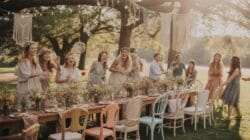
Rope alone transforms a venue. Coil it around centerpiece bases, tie it to chair backs, drape it from railings. Driftwood branches become table runners when grouped by height. Old fishing nets strung across walls cost five dollars but create the entire nautical environment everyone expects. The pattern recognition happens fast: your brain sees rope and net and automatically assigns “coastal wedding” to the space. That’s the real product you’re selling—not objects, but the story they tell.
Finish Techniques That Read Expensive
Most DIY wedding advice says “get creative,” which is useless. What actually works comes from industrial design: constraint breeds clarity. When you have limited materials, you learn to layer texture instead of pile on quantity. A white-painted wooden box with rope handles, filled with sand and pillar candles, reads luxury because the execution is clean. No clutter. No surplus. One technique per object.
- Weathering and whitewashing: Paint wood pieces white, then sand edges to reveal the grain beneath. This mimics expensive coastal furniture without the cost or time investment.
- Rope wrapping: Wind rope tightly around mason jars, picture frames, or candle holders. The tension and uniform spacing create precision that suggests professional craftsmanship.
- Stain gradients on driftwood: Apply dark stain to one end, fading to natural finish at the other. This directional treatment adds visual interest without requiring multiple materials.
- Metal spray paint on found objects: Matte gold or bronze spray paint transforms thrifted brass candlesticks and old frame corners into statement pieces that anchor table designs.
- Dry brushing for texture: Use a nearly-dry brush with white or cream paint on dark wood surfaces. This creates depth and age without looking intentionally distressed.
The execution detail matters more than the raw material. One perfectly finished object beats ten half-finished attempts. Before you assemble anything, decide on one finishing technique and commit to it across all similar pieces. This consistency is what separates “homemade” from “designed.”
Strategic Anchoring: Maximizing Venue Potential
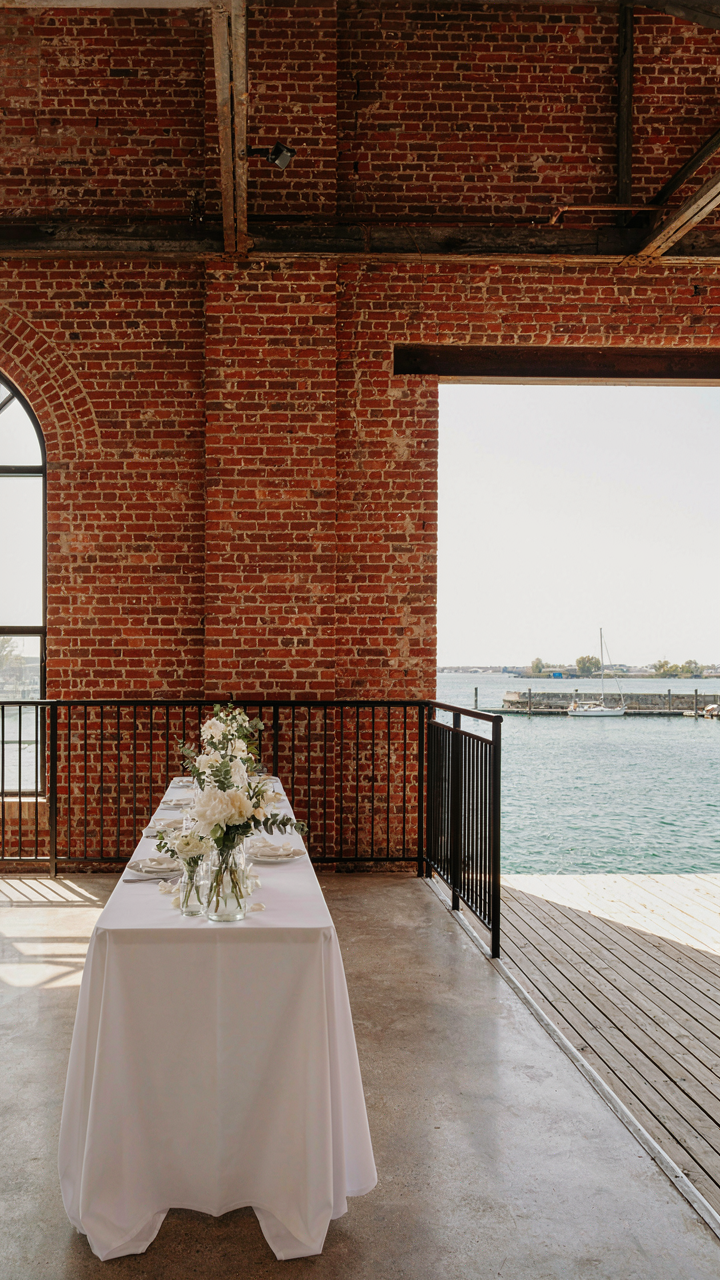
Overlooked Waterfront Spaces That Cost Half The Price
You’re worried spending money on a venue means wasting it. The real mechanism is scarcity pricing: venues control perception by controlling supply. Most couples chase the same three spots, so those venues extract premium fees. Economics teaches us about supply elasticity—how price changes when demand shifts. Apply that to nautical weddings: demand clusters around obvious choices, leaving underpriced alternatives invisible.

Municipal parks with water access, decommissioned shipping facilities, and industrial waterfronts cost a fraction of dedicated event spaces. These venues already possess the nautical aesthetic you’re paying others to build. A former boatyard or riverside park needs no theme work. You show up, set up simple decor, and you’re done. The venue does the heavy lifting because it already exists.
Architecture As Your Actual Decor Budget
Stop treating existing structures as blank canvases. Exposed brick, metal railings, concrete, and timber beams are nautical by default—they’re actual industrial materials used in real maritime construction. You don’t decorate around them; you decorate with them. Strip back your vision to what’s already there. A warehouse with steel columns needs no faux rope detailing. A venue with high ceilings and weathered wood already reads as ship-adjacent.
This isn’t lazy design. It’s constraint-based design. You measure what exists first, then decide what additions actually move the needle. Most couples buy centerpieces, table runners, and wall treatments that fight the venue instead of amplifying it. Photograph the raw space. List what the space already gives you in color, material, and proportion. Build your decor from that baseline, not from a Pinterest board. Your budget allocation shifts from disguising the space to highlighting what’s already working.
The Echo Location Guest Experience Protocol
Sensory Layers Over Visual Clutter
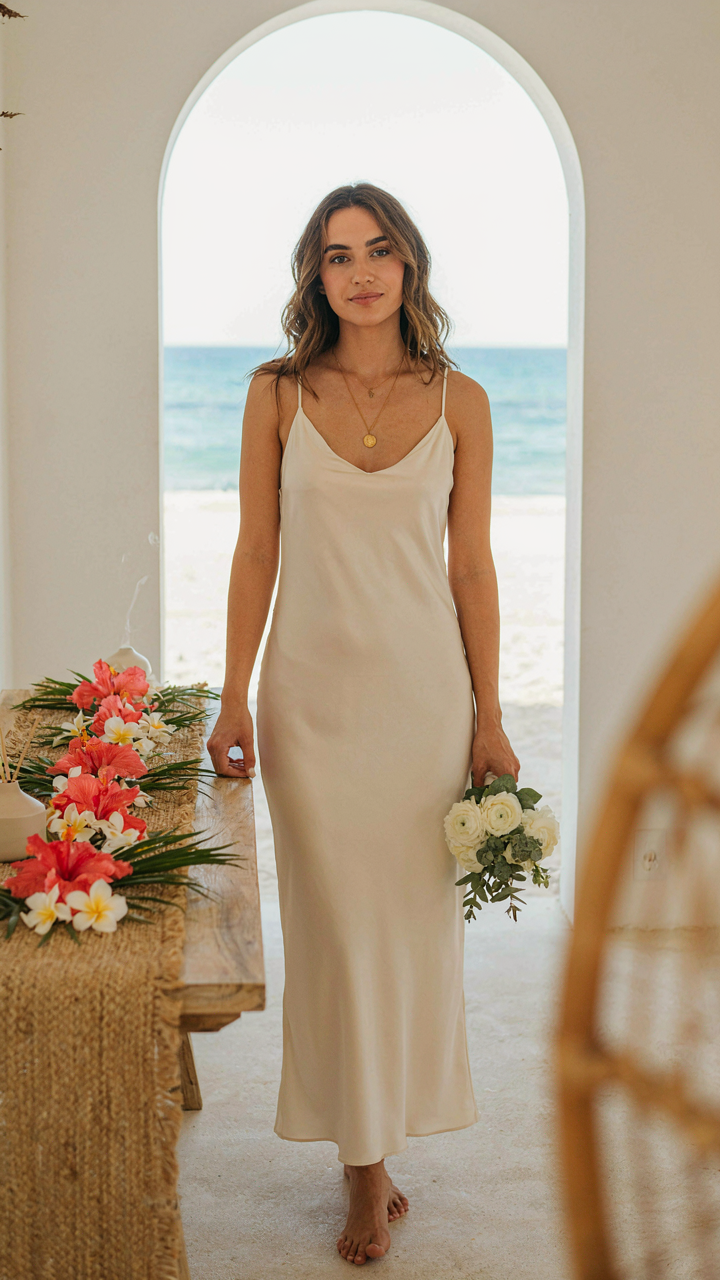
You want guests to feel immersed without spending money on decoration overkill. The mechanism is simple: humans process environments through multiple senses simultaneously, and each one is cheaper to activate than visual spectacle. Sound, texture, and smell cost less and stick longer than another centerpiece nobody remembers.
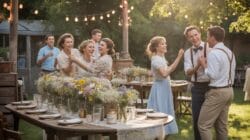
Most budget nautical weddings fail because they pile on visual props instead of building sensory stations. A single rope-textured table runner that guests touch, ambient wave-sound audio played low, and salt-air diffuser in one corner creates perception of a cohesive theme without the cost of full decor saturation. You’re not trying to replicate a ship. You’re creating recognition through deliberate sensory friction.
Strategic Attention Through Sonic Principles
Sonar works by sending a signal, waiting for return, then mapping what’s where. Apply this to guest flow: place your strongest sensory cue at the entrance, weaker secondary cues at specific stations, and silence everywhere else. This directs attention without signage or staff narration. Guests follow sensation like sonar follows echo.
Most couples waste money on distributed decorations across the entire venue. Instead, concentrate your budget: rope details near the entrance, salt-water-scented candles at the bar only, ship-bell chimes at the gift table. This creates islands of intentional experience rather than ambient theme-noise. Guests move through distinct sensory zones and believe the entire space is themed when you’ve actually controlled only four specific points. Position your strongest element first, or guests miss the architecture entirely.
Nautical Centerpiece Ideas: Beyond The Boat

Edible Centerpieces That Work Double Duty
You want your centerpieces to look intentional, not like you’re cutting corners, so you’re scanning Pinterest for validation that budget moves are actually “design choices.” Here’s the mechanism: edible centerpieces solve two problems at once—they reduce what you need to buy and give guests a reason to engage with the table rather than ignore it. Bread bowls filled with chowder, tiered fruit displays, or herb bundles do real work instead of sitting there decorating.

The cost math is straightforward. A lemons-and-limes arrangement costs less than florals and actually gets consumed. Oyster shells with small appetizers work as both decor and food service, cutting your need for separate serving pieces. Salt and pepper shaker arrangements double as table styling. You’re not being thrifty—you’re eliminating waste. Start with your caterer to source bulk lemons, limes, or seasonal citrus three weeks before the wedding. Confirm they’ll deliver unbruised fruit you can arrange yourself or with a trusted friend the day before the event.
Foraged Materials From Local Sources
Everyone talks about “natural elements” without naming where they come from or what actually grows near you. Foraging isn’t about hiking into the woods—it’s about identifying what’s free in your region and timing your collection to match your wedding date. Driftwood, seagrass, beach stones, and shells have zero material cost if you live near water or know someone who does.
Mechanics borrowed from landscape ecology matter here: succession planning. You can’t just grab materials two weeks before the event. Scout your location four to six weeks out. Identify what’s available, what requires permission to collect, and what degrades quickly. Beach communities yield driftwood and shells year-round. Saltwater marshes provide native grasses in late summer and fall. Visit state parks or private beaches with written permission from owners. Collect on a weekend, dry materials in a garage or shed, then arrange them five days before the wedding so they’re fresh but stable.
Coastal Chic Wedding Favors: Ditch The Trinkets

Experiences Over Objects
You want guests to remember your wedding, not throw away plastic anchors in six months. That’s the real tension. Economics calls this the difference between consumable and durable goods, but nautical wedding favors operate on a sharper rule: memory depreciates faster than stuff accumulates. An experience creates a moment tied to your event. A trinket becomes clutter tied to guilt.

Offer something guests actually do during the reception or after. Sunset sailing vouchers, coastal trail maps with marked viewpoints, or a joint donation to a marine conservation group in each guest’s name. These cost less than you think because you’re not manufacturing objects. You’re creating an action or memory anchor. Guests talk about what they did, not what they stored.
Local And Handmade Wins The Margin
Generic favor advice says pick something “nautical themed” and call it done. That’s lazy and backwards. The budget move isn’t finding cheaper versions of the same thing. It’s sourcing from local makers who already have inventory and can batch your order into their existing workflow. Handmade favors from regional artisans cost less than mass-produced imports because you skip the distributor markup.
Source sea salt from a local producer, honey from a regional beekeeper, or preserves from a farmer’s market vendor. Ask them directly about wedding orders. Most offer bulk discounts for 75 to 150 units. They label, package, and often deliver. You pay craft pricing but avoid the retail premium. The mechanism works because you’re buying direct from production, not from a middleman guessing what couples want.
Photography Hacks: Capturing The Vibe, Not The Spend

Golden Hour Is Your Free Studio
You want your photos to look expensive without paying for it. The mechanism is simple: light quality matters more than camera quality, and the sun gives you professional-grade light for free during specific hours. Golden hour, the window before sunset and after sunrise, produces soft directional light that flatters skin and creates depth. This is physics, not opinion. A mediocre photographer with golden hour light outperforms a skilled one shooting in flat midday sun.
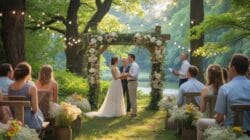
Most couples waste this advantage by scheduling ceremonies at noon or afternoon receptions under harsh overhead light. Book your ceremony within two hours of sunset. Position your reception space so the sun crosses behind or beside guests, not directly overhead. Your photographer doesn’t need to be expensive if they understand how to position people relative to available light. This single decision cuts your lighting needs and makes affordable photographers look competent.
Unguarded Moments Over Staged Setups
The consensus says hire a photographer for hours of posed portraits. That’s wrong. Posed photos age badly because they’re artificial anchors to a moment that never actually happened. Real wedding moments trigger genuine emotion: a parent’s face during vows, a best man’s laugh during toasts, a couple’s first dance when they forget the camera exists.
Instruct your photographer to spend sixty percent of their time capturing candid moments and forty percent on necessary group shots. Position them near the ceremony exit, reception food stations, and dance floor margins where people relax. Tell guests upfront that a candid aesthetic is your priority, not traditional posed family portraits. This reduces photographer pressure, creates a faster timeline, and produces images that matter in five years instead of collecting dust in albums.
Nautical Themed Guest Book Ideas: Interactive & Memorable

Beyond The Book: Creative Guest Interaction Points
You want your guest book to feel special because you’re afraid a blank leather journal will look cheap or forgettable, and you’re right to worry. The mechanism at work here is the same one economics calls “signaling”—your guest book signals to attendees whether this wedding required thought or just budget. Skip the traditional bound book entirely. Instead, create interaction stations that guests actually engage with, not out of obligation but because the activity itself entertains them. A ship’s logbook aesthetic works because it functions as a real artifact, not decoration pretending to be functional.

Set up a maritime navigation chart where guests plot their position on a world map, write how they know you, and sign beside it. A rope-frame station lets guests tie knots and add wishes on cardstock. A ship’s wheel photo prop with guest signatures written directly on it creates a working centerpiece you’ll display later. These cost less than a premium guest book because you’re using materials you already need for the reception. The key difference: guests remember what they did, not what they wrote in a book they’ll see once.
DIY Guest Book Stations For Personalization
Most couples waste money on pre-made nautical guest books that look generic because manufacturers build for volume, not your specific budget or aesthetic. Build two to three stations instead. Start with a driftwood shadow box where guests glue small shells, write messages on them, or pin Polaroid photos. Cost runs fifteen to thirty dollars in materials. Station two: a canvas sail guests paint or write on with permanent markers, which you stretch and hang later. Station three: a ship’s bell or brass plaque where guests engrave or write their names using metallic markers that won’t fade.
Distribute guests across these stations during cocktail hour rather than expecting them to queue at one table. This spreads the interaction and prevents bottlenecks. Each station needs a simple instruction card so guests understand what to do without you explaining. Source driftwood from beaches, shadow boxes from craft stores, canvas from big-box retailers. The personalization comes from guests choosing which station to visit and how they contribute, not from expensive customization options. When reception ends, you have three distinct artifacts to display in your home, each one requiring twenty dollars in supplies versus eighty dollars for a single professional guest book.
The Resourcefulness Redux: Your Ultimate Nautical Wedding Inspiration Table Decor
Found Objects Over Purchased Themes
You want to feel resourceful and clever, but really you’re afraid that a budget nautical wedding looks cheap. Here’s the mechanism: perceived value shifts when you own the constraint instead of hiding it. Museums call this curation. You’re doing the same thing. Collect driftwood, stones, and shells from actual beaches or riverbeds months before the wedding. This takes time, not money. The visual weight of authentic materials beats mass-produced centerpieces every time because guests recognize the difference between gathered and bought.
The real advantage isn’t sentiment. It’s that natural objects have irregular surfaces and varied coloring that factory items cannot replicate. A single piece of driftwood costs nothing but looks intentional in ways that a plastic ship wheel never will. Source materials from trips you’re already taking. Beach visits, hikes, and family outings become material collection missions. Store everything in a dry space and sort by size and tone. This transforms a budget constraint into a project with built-in authority.
Honest Wear Beats Artificial Aging
Everyone tries to artificially age things to look authentic. It doesn’t work because it signals desperation. Instead, use items that already carry legitimate wear: vintage lanterns from thrift stores, actual rope from hardware suppliers, weathered buoys from fishing supply shops or salvage yards. These cost less than new decorative versions and carry credible history. A worn brass fitting looks expensive because it survived actual use. A new item painted to look old just looks like new paint covering plastic.
Source vintage nautical pieces from estate sales and online marketplaces where people sell genuine maritime equipment. A real ship’s bell or porthole costs less than you’d spend on themed party supplies. Embrace the actual patina and scratches. Imperfections prove authenticity and create depth that prevents the tablescape from reading as a costume. Incorporate these pieces directly into your table design without restoration or modification. That one worn detail becomes the anchor point that everything else organizes around.
The Real Obstacle Isn’t Your Budget; It’s Your Unexamined Desire To Impress

You don’t need a bigger budget. You need permission to stop performing for an audience that doesn’t exist. Every bloated nautical wedding you’ve seen happened because someone confused their guests’ expectations with their own vision. Stop it. Pick one element that actually moves you, then build everything else backward from there. Your wedding doesn’t get judged by how much you spent. It gets remembered by how honest it felt.