The “Vineyard Vibe” Deception: Decoding Your Real Desire

Authenticity Versus The Status Play
You want the vineyard aesthetic because you’re afraid a regular venue signals you cut corners. The mechanism is simple: vineyard weddings sit at the intersection of rural authenticity and wealth signaling. That combination is rare, which makes it valuable. Most people mistake the feeling of rarity for actual necessity.
The real question isn’t whether you want a vineyard. It’s whether you want what a vineyard represents: sophistication without trying too hard, money without appearing flashy, nature without actual inconvenience. That’s the aspiration. Authenticity doesn’t drive this choice. Status anxiety does. Once you name it, you can stop paying vineyard prices for the feeling.
What Actually Creates The Vineyard Signal
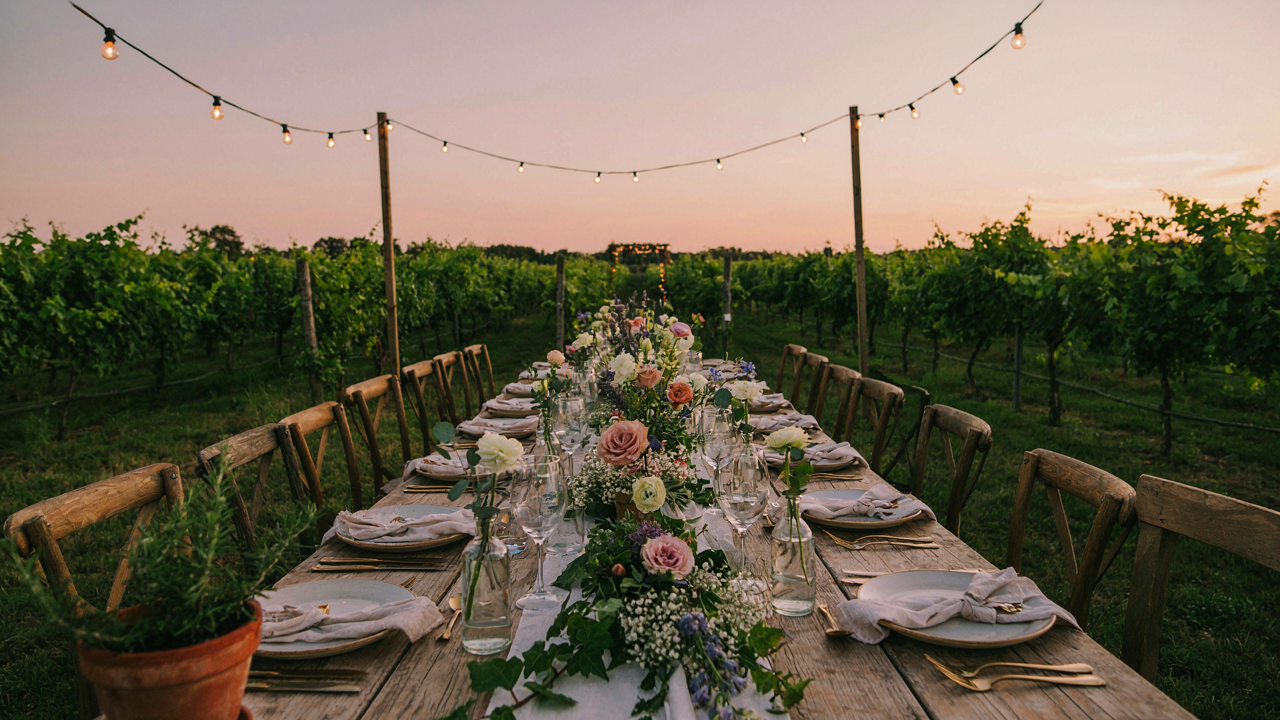
Strip away the romance, and a vineyard wedding relies on four visual elements: grapevines, warm lighting at dusk, wooden tables and structures, and earth tones in textiles. This is industrial design thinking applied to weddings. In design, you identify the minimum viable set of signals that trigger recognition. Three of those four elements can be sourced for 60 percent less than an actual vineyard venue.
Grapevines don’t have to exist on your property. Rental companies sell mature grapevine installations. Bistro lighting and Edison bulbs are commodity items now. Wooden tables and runners cost less than you think when you buy through non-wedding suppliers. The mistake couples make is assuming the setting creates the aesthetic. The aesthetic comes from intentional element selection. You’re buying the signals, not the location.
Beyond The Grapes: The Terroir Of Emotion Protocol

Atmosphere As Currency
You want people to feel like they’re somewhere expensive without the mortgage hit. That’s the real conversation. Atmosphere operates like scarcity in economics: perceived value compounds faster than actual cost. A vineyard wedding triggers a specific emotional response because it signals leisure, wealth, and time. You don’t need actual vines to trigger that response. You need the sensory framework that precedes the vines in the buyer’s mind.
The mechanism is straightforward. Guests don’t photograph dirt and grape leaves. They photograph the mood you engineered. Warm overhead lighting, ochre and sage color blocking, wooden long tables with intentional spacing, and the sound design of casual conversation in a structured setting create the illusion of scarcity and exclusivity. These elements cost less to execute than you’d assume. The budget shifts from location rental to intentional design deployment. A suburban garden, a covered barn space, or an industrial warehouse becomes a vineyard setting through deliberate atmospheric choice, not geography.
Sensory Triggers Evoke The Space
Most wedding advice skips this: your guests’ brains don’t distinguish between real vineyards and constructed sensory experiences during the event itself. The anticipation happens before arrival. The memory gets locked in during the sensory moment, not the location verification. You’re building a neurological anchor, not a real estate experience. The five senses are your budget line items, not the venue square footage.
Deploy these deliberately. Background music played at conversational volume, not loud enough to demand attention. Fabric textures that read as linen and aged wood, not plastic or new materials. A signature scent: aged oak, dried herbs, or subtle wine barrel notes from a fragrance diffuser. These cost twenty to two hundred dollars to layer across a space. Tasting wine during cocktail hour or serving a signature vineyard-adjacent drink anchors the theme through consumption, not decoration. You’re encoding the experience into memory through the body, not through what hangs on walls.
Winery Wedding Decor: Strategic Scarcity For Impact

Less Clutter, More Intention
You want to feel like you spared no expense. That’s the real fear underneath the budget question. The mechanism is scarcity economics: when supply shrinks, perceived value rises. A ballroom crammed with ten thousand stems reads as cheap. A single statement focal point reads as deliberate.
Most couples load every surface because empty space feels unfinished. It’s the opposite. Remove 60 percent of what you initially planned. Keep only elements that directly connect to the vineyard concept: barrel wood, wine bottles, grapevine installations, stone or metal accents. Every piece should earn its place by saying something specific about wine or agriculture. This discipline costs less and lands harder.
Repurposed Assets Beat Retail
You already own items that belong in a vineyard setting. Search your home before opening your wallet. Wooden crates from storage, wine bottles you’ve collected, glass votives, mismatched wooden tables, metal buckets, rope, burlap, hay bales if you have access. A venue that rents linens and basic tables becomes your baseline. Your job is layering in personal assets that shift the aesthetic from generic event to themed story.
Recruit family members who’ve kept barn wood, old ladders, vintage signs, or antique farm equipment. Check local Facebook groups and Buy Nothing communities for bulk items like wine barrels or wooden pallets at zero cost. This isn’t cheap. It’s resourceful. You’re redirecting existing resources toward a specific visual goal. The result reads as curated, not rushed. Document what you own before the planning phase begins so you can build the design around actual inventory, not aspirational purchasing.
The Outdoor Winery Wedding Illusion: Location Hacking

Finding Vineyard Adjacent Spaces
You want the status signal of a vineyard without the price tag attached to actual vineyard real estate. Here’s the mechanism: venue pricing isn’t tied to what a place looks like, it’s tied to what a place is zoned as and who owns it. A vineyard charges premium rates because of its scarcity and brand. A farm, orchard, or rolling pasture owned by someone who isn’t in the events business charges a fraction of that, even if the landscape reads identical to a guest’s eye.

The real play is targeting rural property owners who have land but no events infrastructure. Orchards with open acreage, horse farms, private estates on hillsides, and working agricultural land rent for thirty to fifty percent less than dedicated venues. Contact local farming cooperatives, agricultural extension offices, and rural real estate agents. These sources connect you directly to landowners who’ve never rented for events before and have zero sense of market rate.
Working With Natural Landscape Elements
Most guidance says to “let the landscape speak for itself,” which is lazy and incomplete. The real mechanism comes from theatrical design: you’re not creating a vineyard, you’re creating the visual conditions that trigger the vineyard association in a viewer’s mind. Rows of anything linear, elevation change, warm-toned soil, and grapevine-adjacent plants trigger the neural pattern match. You don’t need actual grapes.
Plant rental companies and landscapers can install trellises, climbing vegetation, and strategic plantings weeks before your event. Use the existing topography first, then layer in two or three deliberate visual anchors. Position the ceremony facing downslope toward your best sightlines. Place seating to frame natural tree lines as your backdrop. Work with a landscape designer for four hours, not four weeks. They’ll identify what’s already there that works and what needs one targeted intervention. The budget hit is two to three thousand dollars for materials and labor, not the fifty-thousand-dollar premium you’d pay a brand-name vineyard for the same visual result.
Green And Maroon Wedding Theme: The Color Code Of Luxury

Why Green And Maroon Work
You want people to feel like they’re at an expensive event without you spending like it. That’s the real motivation here. Color psychology borrowed from branding shows that green signals wealth and restraint while maroon conveys sophistication without shouting. These colors work together because they operate on contrast, not competition. Green grounds the palette in natural reference, maroon adds the visual weight that reads as intentional.
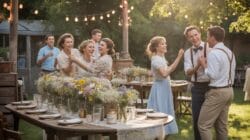
The pairing works because it mirrors established luxury codes. High-end wineries use these exact tones in their branding and bottle design. Maroon appears in wine itself, creating immediate association with quality and heritage. Green appears in vineyard foliage and wine labels. You’re not inventing a luxury signal, you’re borrowing one that already exists in the viewer’s mind. The cost stays low because the colors do the psychological work for you.
Embedding Colors Into Every Surface
Most people scatter colors randomly across florals and linens and wonder why the space feels disjointed. The mechanism is distribution and repetition. You need maroon and green appearing in at least three unrelated categories of decor so the brain registers it as intentional design, not accident.
Start with linens as your base layer. Maroon tablecloths or runners cost the same as any color. Layer green into napkins or chair covers. Move into florals next: burgundy roses and hypericum berries for maroon, eucalyptus or greenery for the second tone. Then anchor the palette in one unexpected surface like menu cards, place cards, or glassware wraps. The protocol is simple: assign each color a role before you buy anything. Maroon handles warm focal points, green handles breathing room. Repeat this assignment across every vendor conversation.
Vineyard Wedding Colors: Beyond The Obvious Palette

The Color Combinations Nobody Expects
You want the vineyard aesthetic without looking like everyone else’s Pinterest board. Here’s the real mechanism: most couples default to burgundy, gold, and cream because they’re safe signals of “elegance.” Signals are cheap. The actual cost savings come from breaking the consensus palette, which lets you source materials faster and use what’s already available on your venue or in rentals.
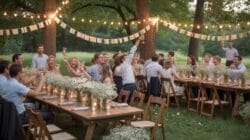
Pair deep forest green with rust instead of the standard burgundy. Pair charcoal with dusty rose. These combinations read as intentional and sophisticated without requiring custom linens or specialty florals. The mechanism from color theory is contrast: two adjacent colors on the spectrum create visual tension that reads as refined, while complementary colors across the wheel feel expected. Your budget stretches when you work with rental stock that exists rather than commissioning custom pieces to hit the clichéd palette.
Lighting As Your Cheapest Design Multiplier
Lighting doesn’t just illuminate a space—it rewrites what colors your guests actually see. This is physics applied directly to your theme budget. The same blush linens appear rose gold under warm tungsten, clinical under cool LED, and almost burgundy under amber uplighting. You control the entire color story without buying a single additional element.
Rent colored gels or smart lighting panels instead of investing in extra florals or draping. A hundred dollars in uplighting transforms a rented pavilion completely. Position lights low and from the sides to create dimension. Avoid overhead wash lighting, which flattens everything. The protocol: choose your primary color, test it under three different light temperatures at your actual venue, then build your auxiliary palette around what you see in person, not what the florist’s photo suggests.
The Economies Of Scale Approach To Winery Wedding Ideas

Allocate Resources Like You’re Fighting A War
You want vineyard aesthetic without vineyard cost because you’re afraid you’ll look cheap if you cut corners visibly. Here’s the mechanism: military logistics wins wars not through unlimited ammunition but through ruthless resource allocation. Every dollar must hit a target that guests actually see. Invisible infrastructure costs money. Visible impact costs less when you decide what deserves funding and what doesn’t.
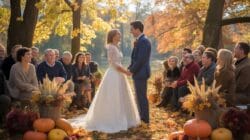
The military calls this “concentration of force.” You don’t spread resources thin across everything. You identify the decisive point and stack resources there. For vineyard weddings, the decisive points are the ceremony backdrop, table linens, and lighting. Everything else is secondary. Guests remember what they see during the ceremony and what surrounds them at dinner. They don’t remember the premium napkin fold that took three hours to execute. Eliminate the invisible work. Concentrate budget on the visual anchor points.
Compress Costs Through Supply Chain Mechanics
Most couples waste 40 percent of their vineyard wedding theme budget on redundant rentals and small-quantity purchases that kill per-unit economics. Stop buying retail. Work backward from what commercial events use, then access it the way they do. Bulk buying works because unit cost drops when volume rises. DIY works because you trade labor for materials cost. Smart rentals work because you rent the exact item for the exact duration instead of owning it.
- Bulk Linens And Decor From Wholesale Suppliers: Buy 20 napkins instead of 10 to drop per-unit cost by 25 to 35 percent. Suppliers like Linen Tablecloth or WebstaurantStore sell to events. You need a business account or reseller number, which takes 10 minutes to create online.
- Wine Bottle Centerpieces And Glassware Through Restaurant Supply: Restaurant supply chains stock vineyard-themed items at 40 to 50 percent below retail wedding specialty sites. Call local restaurant suppliers and ask for event pricing. They’ll quote you without markup.
- Rental Equipment From Event Rental Houses, Not Wedding Coordinators: Event rental companies rent chairs, tables, and lighting directly at cost. Wedding coordinators mark up rentals 20 to 30 percent as middlemen. Buy from the source. Search “event rental near me” and call five companies with your date and itemize.
- DIY Signage And Table Cards Using Print Services: Minted, Vistaprint, and PrintNinja charge 60 to 70 percent less per unit than hand-calligraphed options. Vineyard aesthetic works with clean typography, not ornate handwriting. Print 100 place cards for the same cost as 20 hand-calligraphed ones.
- Bulk Flower Orders From Wholesale Florists Or Farm Direct: Skip the wedding florist markup entirely. Order directly from wholesale flower distributors or local farms that sell bulk quantities to events. Seasonal grape vine leaves and dried branches cost pennies per stem when bought in bulk.
The protocol is methodical: list every item by category, research the wholesale source, verify the per-unit cost, then calculate the total at scale. This eliminates the 30 to 40 percent markup that wedding-specific vendors charge for the same product.
Summer Winery Wedding: Seasonal Smarts, Not Splurge

Nature’s Bounty As Your Decor Budget
You want the vineyard aesthetic without admitting that’s mostly about looking like you didn’t need to try. Here’s the mechanism: summer abundance is economics working in your favor. The materials vineyards charge premium prices to source year-round cost almost nothing in peak season because supply floods the market. Grapevines, olive branches, stone, and dried grasses are everywhere in July and August. Local farmers and florists compete on price when they have surplus. You’re not decorating with scarcity—you’re decorating with what nature already decided to produce in bulk.
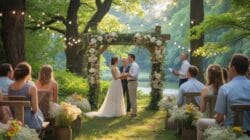
The tactical move is timing your event for late July through early September, then sourcing decor from farms within 50 miles of your venue. Grapevines pruned during summer growth sit unused. Farmers sell them cheap or give them free because disposal costs money. Olive branches, lavender, and wheat bundle similarly. A florist overstocked on roses marks down arrangements by 40-60% in midsummer heat. Your “vineyard theme” costs less because you’re buying what’s literally falling off the vine, not what’s flown in from California in January.
Shade And Airflow Without Renting A Tent
The common advice is to rent a tent if the venue sits in direct sun. Wrong. Tents cost 2000 to 8000 dollars and trap heat like a greenhouse. Logistics says: create passive cooling through airflow interruption and strategic shade. This isn’t decorative—this is physics. You want shade that lets wind move underneath. High-canopy trees, grapevines strung across posts, and market umbrellas do this. Flat tent tops don’t.
Work with your venue to identify wind direction on the wedding date. Position the ceremony downwind of the reception to keep heat-generating cooking equipment away from guests. String market umbrellas in a pattern that creates shade while leaving gaps for air circulation. Grapevines on a pergola frame above seating areas block direct sun but breathe. Misting stations cost 400 to 1000 dollars and cool air by 10-15 degrees without the venue becoming a sauna. Your guests stay comfortable. Your budget stays intact. The setup is the protocol: map shade zones the week before, test umbrella placement with the caterer to confirm ventilation, position misting equipment upwind of seating.
The Real Obstacle Isn’t Your Budget, It’s Your Fear Of Appearing Cheap

Most people don’t cheap out on vineyard weddings because they lack money. They do it because they fear looking poor in front of their guests. You’re not optimizing your budget. You’re optimizing your image. The shift happens when you realize that intentionality reads as taste, not scarcity. Start today by picking one expensive element you actually want and cutting everything else ruthlessly. Your guests won’t remember what you spent. They’ll remember what felt real.