The “Experience Over Everything” Delusion

The Once In A Lifetime Trap
You want permission to spend more than you planned. That’s the real mechanism at work here. The phrase “once in a lifetime” doesn’t justify overspending because it’s mathematically false. You’ll have other weddings, other trips, other moments. But you won’t have the money back. Most couples who use this justification are already stretching their budget by 30 to 50 percent before they even book the destination.
The trap operates through scarcity psychology. You believe this specific moment won’t repeat, so you rationalize spending beyond your means. You’re not actually choosing the experience. You’re choosing to borrow against your future to avoid the discomfort of saying no to vendors. Set your number first. Then defend it like you set a calorie limit. No exceptions, no “just this one thing.”
Budget Before Destination
Economics calls this constraint-based design. Your budget is the constraint. Your destination choice must fit inside it, not the other way around. The common advice is backwards: pick the dream location, then figure out the budget. This is why most travel themed weddings end up 40 to 60 percent over plan. You’re already emotionally invested in the place before you know what it costs.
Reverse the order. Set your total wedding budget first. Allocate a percentage to travel and accommodation. Then research which destinations fit that number with actual vendor quotes, not estimates. A destination wedding in Mexico or Costa Rica costs differently than Portugal or Bali. Factor in your guest list size. Twenty guests changes the math entirely from fifty. Lock the budget constraint before you fall in love with a location.
The Unseen Costs Of DIY Travel Wedding Ideas

Your Labor Has A Price Tag
You’re doing this to save money, but you’re actually trading hours for the illusion of savings. Economics calls this opportunity cost: what you give up by choosing one path over another. When you spend forty hours hand-lettering place cards shaped like airplane tickets, you’re not saving that vendor fee—you’re burning forty hours you could spend earning, planning other details, or sleeping before your wedding day. The math feels invisible because no invoice appears, but the cost is real and often exceeds what you would’ve paid a designer.

Most couples ignore this until three weeks before the wedding when they realize they’re behind on everything else. You can’t automate your own labor, and you can’t compress time retroactively. The “free” approach locks you into a grinding production schedule that trades stress for dollars. Calculate what your hourly rate is, multiply it by the hours required, then compare that to outsourcing. You’ll often find that hiring someone costs less than your actual time investment, even at modest hourly rates.
Shipping Eats Your Decor Budget In Silence
The per-item cost of travel-themed decor looks reasonable online. A set of vintage suitcase props for centerpieces, custom map runners from a print vendor, passport-style escort cards from Etsy—each costs fifteen to thirty dollars. Then shipping hits. A single suitcase props weighs eight pounds. Map runners come rolled and fragile. Passport cards need padded mailers. Shipping on these items individually across multiple vendors runs forty to eighty dollars per item, and you don’t realize it until checkout.
Order consolidation is your only move here. Source everything from one or two vendors, order once, absorb one shipping cost instead of six. If that’s impossible, calculate total landed costs before committing to a design direction. A decor concept that costs eighty dollars in materials might cost two hundred dollars fully delivered. Many couples build their travel wedding aesthetic around products they found, not products they can actually afford to obtain. Verify total costs including shipping before you commit to using any decor item, period.
The “Airline Ticket” Fallacy: True Guest Cost
Guest Travel Burden Determines Event Scope
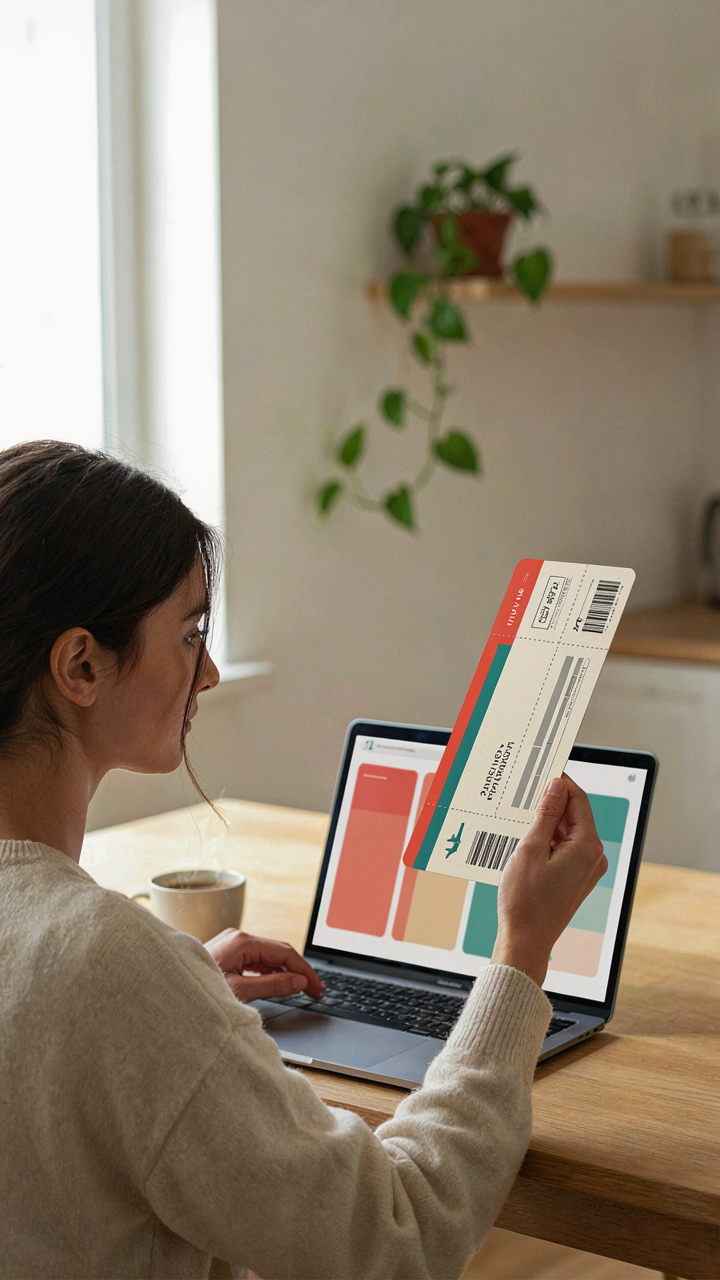
You want your wedding to feel exclusive, which is why you’re not thinking about how much it costs your guests to show up. That’s the real mechanism here: you’re treating guest travel as invisible infrastructure instead of a direct expense they absorb. Economics calls this an externality—a cost borne by someone outside the transaction. Your guests pay it. Your budget doesn’t reflect it. Your headcount does.

A destination wedding doesn’t scale down your guest list proportionally to its accessibility. People feel obligated to attend. They book flights, take time off work, and pay for hotels. A guest traveling eight hours to your wedding spends $1,500 to $3,000 minimum before they even buy a gift. Most couples never calculate the total burden they’re placing on their list. This determines who actually shows up, who declines quietly, and who resents the experience regardless of how beautiful the venue looks.
Subsidies Or Strategic Location Selection
Conventional advice says “choose a location guests can reach affordably.” That’s incomplete. The real move is deciding upfront whether you’ll absorb some of the travel cost or restrict your guest list to people for whom that location is already accessible. These are your only two options. Half-measures—vague encouragement to “fly budget airlines”—shift the burden without solving it.
If you’re funding the wedding entirely yourself, subsidizing flights or rooms costs real money and shrinks your venue budget. If guests are funding their own travel, you either pick a hub city with cheap flights or you accept that your guest list will skew toward local and wealthy attendees. Neither choice is wrong, but pretending you can have both is how couples end up with inflated guest counts, low attendance rates, and resentful declines from people who can’t afford the trip. Make the subsidy decision explicit at planning stage, then build your budget and location choice around it.
The “Local Vendor” Leverage Protocol

Skip The Wedding Package Trap
You want the wedding industry to validate your choices so you stop second-guessing the spend. That’s the real reason you’re looking at packages. They feel safe. They’re not. Wedding packages bundle services at 40-60% markup because couples accept the bundling as proof of value. Direct vendor relationships eliminate the middleman’s tax entirely. A photographer in Bali charges $800 for a wedding day solo. The same photographer quoted through a “destination wedding coordinator” charges $1,400 for identical work. The coordinator added nothing except their commission and your peace of mind, which you didn’t need.

Local vendors in travel destinations operate in different market conditions than your home city. Labor costs are lower. Competition is higher. They rely on repeat local business, not one-off tourism. Contact them directly through their personal websites, Instagram, or local wedding directories specific to your destination, not aggregator platforms. Bypass the coordinator, the package broker, and the travel wedding specialist entirely. You’re not paying for their expertise. You’re paying for their sales funnel.
Negotiate Before You Commit
Negotiations aren’t rude. They’re how business works in most destination wedding economies. The common advice says to be grateful for local rates and accept quoted prices. That’s how you leave 30-50% of your money on the table. Venues, caterers, and photographers in travel destinations expect haggling on volume bookings. They price high assuming you’ll negotiate down. A restaurant in Portugal quoting 8,000 euros for a fifty-person dinner expects you to counter at 6,500. Not negotiating signals you don’t understand local business norms and reveals you have budget to burn.
Start negotiations with specific constraints, not budgets. Say “We have twelve hours for photography, need three albums, and can book six months out” instead of “What’s your best price?” Constraints create leverage because vendors can restructure their work around your terms. When you offer early booking dates, off-season timing, or simplified logistics, vendors discount aggressively because you reduce their operational risk. Request references from past couples, confirm availability in writing, and require a signed contract with cancellation terms before money moves. The negotiation ends when both parties have documented what gets delivered and when.
Minimalist Travel Wedding Theme Ideas: The Scarcity Principle

Separate Essential From Optional
You’re worried that cutting costs means your wedding looks cheap. It doesn’t. The real mechanism is constraint. In economics, scarcity increases perceived value. Remove everything except what directly communicates your travel theme, and what remains hits harder.

Most couples list fifty design elements and justify each one. That’s backward. Start by naming what actually matters: the one location that defines the trip, the one color palette from that place, the one ritual that ties to travel. Everything else competes for attention and budget.
- Destination backdrop: A single large photograph or projected image from your travel location. This anchors the theme immediately without requiring extensive decor across the entire venue.
- Custom maps or itineraries: Printed as escort cards, programs, or table numbers. Real utility combined with theme reinforcement saves money versus decorative signage.
- One signature element: Vintage suitcases, passport books, or boarding passes as centerpieces. Choose one and commit fully rather than mixing three weak ideas.
- Food and drink tied to location: Serve cuisine or cocktails specific to your destination. This is thematic spending that guests actually consume instead of walk past.
- Textiles matching the region: A table runner or linens in colors that reflect local architecture or natural landscape. One intentional choice replaces scattered decorative attempts.
The trap is thinking you need visual noise to prove your theme exists. You don’t. Strip everything away until only the essential remains, then invest your budget there. That’s when people notice.
Quality Over Layered Details
The common advice says “add touches everywhere.” That fills your budget while diluting impact. The real principle is concentration: put your money where guests’ eyes naturally land and linger, not scattered across surfaces they ignore.
A travel themed wedding with five mediocre elements costs the same as one exceptional element. Choose a high quality photo print, premium card stock for programs, real leather for a guest book styled as a travel journal. Guests remember one thing done well more than ten things done adequately.
Don’t spread your budget thin across DIY decorations, favors, and table settings. Identify the single focal point where you want guests to feel transported, and funnel money there. Everything else becomes minimal and intentional. This forces discipline and creates coherence. The result reads as intentional design, not budget constraint. That distinction matters more than the actual dollar amount you spend.

Beyond The Passport: Creative “Traveler Wedding” Elements

Restraint Over Decoration
You want people to think you’re cultured and well-traveled without looking like you raided a souvenir shop. The mechanism here is signal compression: restraint creates more perceived sophistication than volume ever will. One carefully chosen element beats ten generic ones.
Most couples make the same mistake. They scatter globes, vintage maps, and airplane cutouts everywhere. This reads as theme-park decor, not personal narrative. The real move is embedding travel into the bones of the event without announcing it. Use a single design thread that connects to your actual relationship with travel, not to Pinterest boards.
The Story, Not The Map
Design works through narrative constraint, borrowed from screenwriting. Every visual element must answer one question: what specific place or moment matters to us? Generic travel imagery has no constraint. It means nothing because it could mean anything.
Skip the decorative world map and the luggage display. Instead, feature the single city where you met, or the region you both return to. A series of actual photographs from your travels costs nearly nothing if you already took them. Commission a local artist to recreate one meaningful street corner from your life together. The budget compression happens naturally when you stop buying mass-produced theme elements and start using what already exists in your memory.

The “Flight Wedding Theme” For Less: Deconstructed Luxury

Steal From Military Supply Chain Thinking
You want the aesthetic of expensive travel without the price tag, and that fear of looking cheap is what stops you from seeing the real mechanism at work. Military logistics optimizes resources through constraint: they move massive operations with minimal waste because failure costs lives. Borrow this framework. In military terms, they call it “supply line efficiency”—the elimination of every redundant step between need and delivery. Your wedding applies this identically: every decoration, vendor, and timeline decision either feeds the core experience or bleeds your budget.
The shift happens when you stop thinking “what looks luxe” and start thinking “what moves the guest experience forward.” A military-grade supply chain removes the middleman. You source directly from wholesalers, not retailers. You consolidate vendors instead of hiring seven specialists. You build your timeline backward from the wedding date, not forward from today. Each decision either tightens the line or creates slack. The moment you accept that constraint breeds creativity, not limitation, your budget becomes your competitive advantage, not your constraint.
Timing As Your Primary Cost Control
Just-in-time manufacturing eliminates inventory sitting in warehouses, bleeding money before it creates value. Your wedding uses this identically: order florals two weeks out, not four months. Book accommodations in bulk thirty days before arrival, when prices drop. Print materials on-demand, not in bulk surplus. The common advice tells you to book vendors early for better rates. That’s backward. Early booking rewards you with flexibility they don’t actually need to give you. Late booking rewards you with desperation pricing because vendors have unsold capacity.
Book your venue and core vendors sixty to ninety days out, not a year. At that window, venues have clear sight lines into their calendar and willingly negotiate. Catering, florals, and decor follow the same pattern. Forty-five days before your event, you move from planning to execution mode: lock final guest count, finalize vendor details, lock down travel logistics. This compression forces precision. You eliminate the planning drag that kills budgets, the “let me circle back to that” tax that compounds across eighteen months.

Leveraging Off Season And Off Peak Wedding Ideas Travel Theme

When Demand Drops, Your Budget Stretches
You want to feel smart about finding deals without admitting you’re price sensitive. The mechanism is supply and demand economics applied to venue and vendor calendars. Peak wedding season runs May through October in most destinations. Outside that window, vendors sit with empty slots and will negotiate hard. They’d rather book a discounted wedding than maintain a pretense of full demand.
Off-season travel themed weddings cost less because fewer couples compete for the same resources. A beachfront destination wedding in September costs noticeably less than July. Mountain venues have lower rates November through March. Tropical locations drop prices significantly during their rainy months, though weather risk exists. The vendor’s cost structure doesn’t change, but their willingness to move on price does. You’re not getting a worse experience, you’re getting the same experience at the price they’ll actually accept when leverage shifts.
Negotiate From Actual Scarcity, Not Weakness
Vendors mistake off-season bookings for desperation and discount automatically. Counter this by treating off-peak dates as legitimate strategic choices, not fallbacks. When you contact a venue in January instead of June, you have real negotiating power because their calendar shows empty weeks. Don’t ask for a discount. State that you’re booking off-peak and expect proportional pricing. This frame shifts the dynamic from you begging to you recognizing market conditions.
Bundle vendor requests during slow periods and propose multi-service contracts. A photographer, videographer, and planner working the same off-season date will each negotiate lower rates because they know you’re their best shot at revenue that month. Contact vendors directly instead of through planners during off-season months. They have fewer inquiries and will respond faster to direct outreach. Document every verbal agreement in writing, because off-season bookings often lack formalized contracts compared to peak-season operations where vendors rely on standardized terms.

The “Travel Engagement Party” Advantage: Budget Reallocation

Merge Two Events Into One Trip
You want to feel like your engagement matters without hemorrhaging money before the wedding even happens. The mechanism is simple: one destination, two separate celebrations on different days, same travel logistics. You cut the overhead of a second trip, second venue rental, second catering setup, and second round of guest coordination.
Most couples treat the engagement party and wedding as separate budget line items requiring separate travel. They’re wrong. Host the engagement party on day one or two of a destination weekend. The wedding follows days later. Guests travel once, stay longer, spend money on one flight. Your vendor costs drop because setup crews work consecutive days at the same location.
Piggyback On Existing Travel Plans
The best budget moves use momentum you already have. Your bachelor party was planned for Vegas. Your best friend’s destination bachelorette hits Miami the same month. Layer your engagement celebration into an existing trip someone is already funding and organizing.
- Bachelor or bachelorette trip overlap: Host engagement brunch or dinner during bachelor party weekend at the same resort. Guests already booked flights and hotels.
- Family reunion destination: If your extended family gathers annually, schedule engagement celebration during that same trip. Logistics and accommodations already exist.
- Holiday gathering convergence: Use Thanksgiving, Christmas, or summer family vacation week as your engagement party anchor. Travel is non-negotiable anyway.
- Milestone birthday celebration: Friend or family member’s 30th or 50th already has a destination locked in. Add your engagement dinner to that weekend.
- Work conference or retreat: If your company hosts an annual offsite in a destination, time engagement announcements and small gatherings around existing hotel bookings.
The math works because travel is your largest single expense. When you eliminate duplicate trips, you redirect that airfare and hotel money toward the wedding itself. Coordinate with whoever is organizing the overlapping event first, confirm dates lock before sending engagement invitations, and confirm venue availability at least six weeks prior to avoid conflicts.
Reframe Your Travel Themed Wedding Ideas: Value, Not Volume

Guest Experience Beats Decoration Spending
You want people to think your wedding was expensive without you actually spending the money. Here’s the mechanism: perceived value comes from what guests do, not what they see. Economics calls this the difference between consumables and durables. A decoration sits there. An experience activates the nervous system.
Most couples flip this backwards. They load tables with centerpieces, rent uplighting, print custom menus. Guests forget these things by Tuesday. But a two-hour cooking class where guests learn to make pasta from a local chef, or a guided walking tour through the wedding city’s neighborhood—these create actual memory formation. The budget works harder because it moves people physically, not just visually.
Moments Over Things
The common advice says buy good photo ops. That’s incomplete. Photos are the byproduct, not the goal. Invest in moments that matter during the event, and the photos document what already happened.
Allocate your travel wedding budget toward activities that force interaction. A welcome dinner where you take guests to a neighborhood restaurant they couldn’t find alone. A group hike to a viewpoint. A local artisan workshop. A ferry ride with drinks served on deck. These cost less than elaborate décor and create the actual story people retell for years. The mechanism is simple: shared experience builds memory density far faster than passive observation ever could.
The Real Obstacle Isn’t Your Budget; It’s Your Fear Of Doing Things Differently

Most people don’t have a budget problem. They have a conformity problem. You’re afraid to look weird by skipping the country club reception. You’re afraid your aunt won’t understand a destination ceremony. You’re afraid normal won’t feel special enough. But normal costs three times what different costs. Strip away the shame of unconventional choices and your budget suddenly stretches. Stop asking permission from people who won’t pay for your wedding anyway. The couples who pull off travel weddings on five figures aren’t smarter than you. They’re just less interested in what others think.