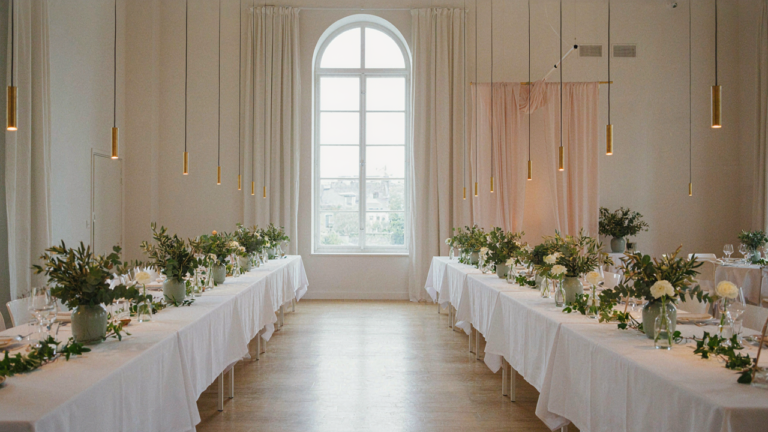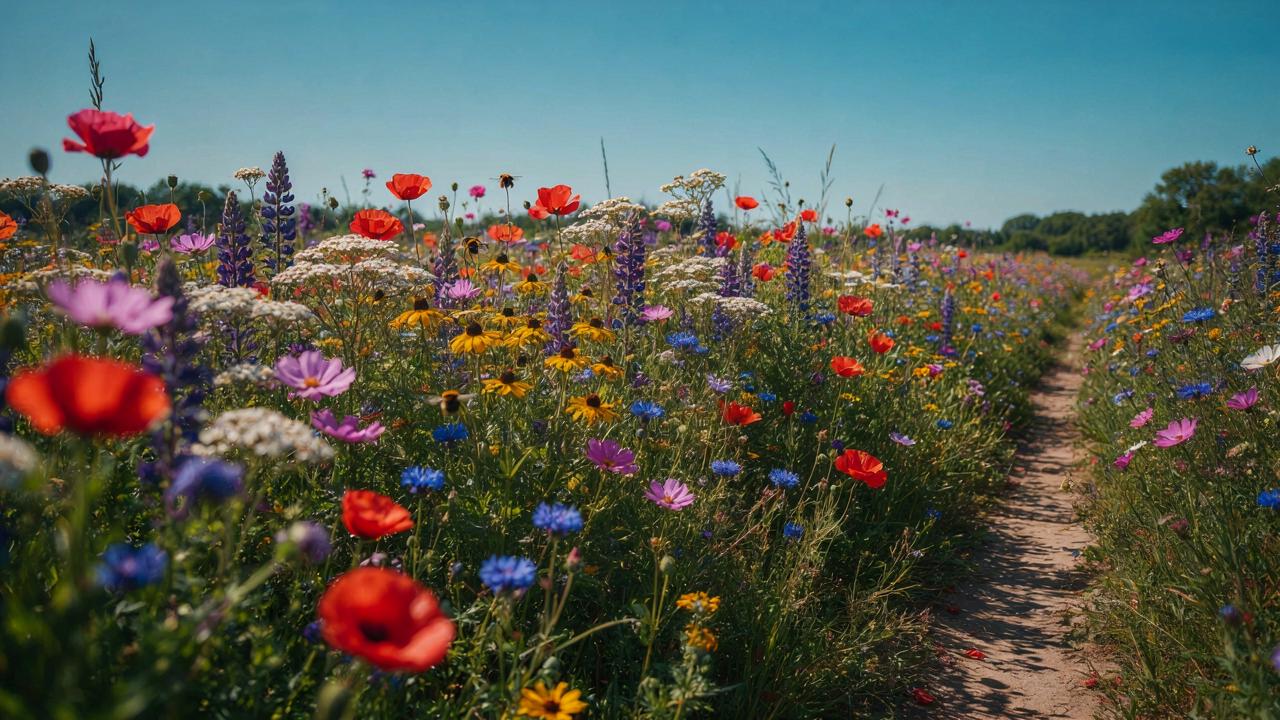
The “Scarcity As Design” Protocol For Wildflower Wedding

Constraints Force Better Decisions
You’re reading this because you’re afraid a small budget means a cheap-looking wedding. Here’s what actually happens: constraints eliminate noise and force you to choose what matters. In economics, scarcity drives value allocation. Apply that principle to your florals. A $2,000 budget doesn’t mean fewer flowers—it means you stop decorating every surface and instead anchor visual impact to three strategic zones. Florists with unlimited budgets default to coverage. You default to placement.
The common advice says “use greenery to stretch your budget.” Wrong frame. Greenery isn’t filler—it’s structure. Native wildflowers like cosmos, zinnias, and black-eyed Susans cost less than roses because they’re hardy and abundant seasonally. Your real move is seasonal timing. A July wedding in regions where wildflowers peak naturally costs 40 to 60 percent less than forcing out-of-season blooms. You’re not budgeting around scarcity. You’re designing with it.
Density Over Spread
Most couples scatter arrangements across the venue to look full. This fails. Tight, dense focal points read as intentional and expensive. Sparse distribution reads as thin. Take your total floral budget and concentrate 70 percent into the ceremony arch, entrance, and head table. Leave other areas sparse or bare. One dense, well-composed arrangement stops the eye. Three weak arrangements spread across a room stop nothing.
Wildflower stem cost is low, so density is your leverage. A $400 dense arrangement of mixed wildflowers looks more sophisticated than a $400 sparse mixed arrangement. The mechanism is visual weight—your brain interprets density as intention and investment. Build your florals in clusters, not lines. Cluster your ceremony details. Cluster your table centers. Leave empty space intentionally. Empty space paired with dense arrangement reads as curated, not cheap.
Beyond Bouquets: Rethinking Wildflower Wedding Decorations

Forage Local, Ethical, And Seasonal Blooms
You want wildflowers because you think they signal authenticity while keeping costs down. The real mechanism is supply chain arbitrage: you’re removing the middleman markup by sourcing directly from the land. Foraging isn’t romantic—it’s logistics. Local wildflowers cost nothing because you’re harvesting them yourself or paying a local grower pennies on the dollar compared to florist markups that run 300 to 500 percent. Seasonal blooms matter because they’re abundant right now, not stored in climate-controlled warehouses for months.
The common advice to “just pick wildflowers” ignores legal and ecological reality. Most public lands prohibit harvesting without permission. Private landowners, farmers, and native plant preserves sometimes allow it if you ask. Get written permission before touching anything. If foraging isn’t an option, buy from local farmers markets or native plant nurseries—they’re cheaper than florists and stock what actually grows in your region. Confirm the blooms are in season for your wedding date before committing.
Repurpose Existing Elements For Organic Displays
Recycling existing decor isn’t about environmental virtue—it’s about doubling your visual impact without doubling spend. You already have mason jars, wooden crates, branches, and rocks at home or available free from friends. These become your display infrastructure. Wildflowers arranged in mismatched containers and scattered across surfaces create texture that read as intentional design, not budget compromise. The key is volume and clustering, not uniformity.
Combine foraged branches with store-bought greenery to fill gaps and extend reach. A single stem of wildflower becomes visual weight when anchored in a branch-filled vessel and grouped with two others. Reuse wedding decor from other events or borrow from family. Thrift stores stock vintage bottles and containers for under a dollar each. Your display protocol: establish focal points (tables, altar, entrance), fill each with mixed-height vessels, layer branches first, then greenery, then wildflowers last—this sequence makes minimal flowers feel abundant.
Wildflower Reception Decor: The “Less Is More” Mandate

Concentrate Impact On Key Zones
You want people to think you spent more than you did. That’s the real reason you’re reading this. The mechanism is attention scarcity. Your guests’ eyes land on maybe three surfaces in a reception space. Wildflower arrangements work because they create visual density without requiring volume. Deploy them strategically at the entrance, behind the gift table, and flanking the cake. Ignore the rest of the room.
The math is simple. A single statement arrangement costs the same as five scattered bunches that dilute each other’s effect. Buy bulk wildflowers from a wholesale florist, not a retail shop. Condition them properly the night before by cutting stems at a forty-five-degree angle and letting them drink room-temperature water for twelve hours. Place them only where guests photograph and linger. Everything else becomes invisible noise.
Layered Lighting Without Electricity Sprawl
Candles and fairy lights work in tandem here, borrowing from stage lighting principles where layering creates perceived sophistication and depth. You stack light sources at different heights and intensities to make a space feel designed. String fairy lights overhead at seven to eight feet above the floor. Position pillar candles at table height and lower. The budget move is buying candles from restaurant supply vendors instead of wedding retailers. They’re identical products at half the markup.
Avoid the trap of covering every surface with flickering light. That reads as either desperation or poor planning. Place candles in hurricane glasses or lanterns to control the burn pattern and prevent wax from coating your table linens. Fairy lights work best when you run them on a simple on-off switch rather than dimming controls. Buy battery-operated lights if your venue has no outlets. Test everything the morning of your event to eliminate failures during setup.
Wildflower Table Decor Wedding: The “Borrowed Splendor” Method

Texture Over Florals
You’re hoping flowers do the work so you don’t have to think about design. They don’t. The mechanism here comes from visual hierarchy in graphic design: contrast creates attention, not saturation. Most budget wildflower weddings fail because couples assume more flowers equals better tables. The inverse is true. Linen, wood, stone, and metal become the primary visual anchors. Wildflowers then land as accents rather than crutches. This reversal cuts your flower volume in half while increasing perceived design sophistication.

Strip florals from the lead role entirely. Build tables around tactile layers: raw wood slices as chargers, linen runners in cream or undyed cotton, unfinished wood boxes stacked at varying heights. Introduce one metallic element per table, often a brass or copper candleholder. Wildflowers sit in these spaces as supporting players. The eye reads the structure first, the flowers second. Budget couples who reverse this order spend more money for worse results.
Containers That Do Double Work
Thrift stores and farm surplus sites stock vessels that cost nothing and read expensive. A ceramic crock meant for butter storage becomes a vase. A vintage glass cloche meant for food service becomes a terrarium base for low arrangements. The constraint of finding specific containers forces you into authentic design rather than generic floristry. Borrow from industrial design: constraints breed ingenuity, not limitations.
Hunt for containers with existing patina or wear. Galvanized metal buckets, chipped enamelware, mismatched glassware from estate sales, concrete planters—these cost two to five dollars per piece. Mix five different container styles across your tables rather than buying twelve matching vases at thirty dollars each. Arrange three to five stems per vessel rather than full bouquets. This distributes wildflowers across the table and creates breathing room. Pair each container with a single type of stem: one table gets all Queen Anne’s lace, another gets all celosia. Consistency within constraint reads as intentional design, not accident.
Flower Wedding Ideas: The “Authenticity Advantage”

Mimic Natural Ecosystems For Effortless Beauty
You want people to think you spent more than you did. The mechanism here is borrowed from ecology: succession. In nature, ecosystems self-organize without a designer’s hand. When wildflowers grow together in their native combinations, they create visual density and complexity that looks intentional but costs less because you’re not fighting against plant biology.
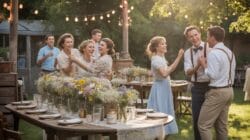
Native wildflower mixes grow in predictable patterns. Queen Anne’s lace towers over bachelor’s buttons. Black-eyed Susans cluster at mid-height. This layering happens automatically. You source these combinations ready-grown from regional growers instead of hand-selecting individual stems. The result reads as sophisticated design but requires fewer decisions, less labor, and lower per-stem costs than curated florals.
Understand Growth Patterns For Sustainable Sourcing
Seasonal timing determines what wildflowers actually exist in your region, not what a florist catalog promises. Spring bloomers like lupine and columbine won’t exist in July. Summer staples like coneflowers and zinnias won’t perform in March. This isn’t a limitation, it’s the constraint that saves money. You source what grows abundantly in your wedding month, which means lower prices and zero forced-growth costs.
Local growers who specialize in wildflowers already understand their own soil and climate. They scale production around what thrives without intervention. Contact them three to four months before your wedding. Ask which mixes peak during your date. You’ll get bulk pricing on what they already planned to grow anyway, not premium pricing on specialty orders that require greenhouse management or long-distance shipping. This is the actual mechanism behind budget wildflower weddings: alignment with supply, not scarcity creation.
Wild Flower Theme Wedding: DIY Or Die The Resourceful Couple

Tasks You Can Actually Execute Yourself
You want to DIY because you think it saves money, but the real reason is control—you don’t trust someone else to care about the details the way you do. That instinct is right. The mechanism that makes DIY work for wildflower weddings is simple: tasks with low technical skill requirements and high visual impact belong in your hands. Wildflower arrangements, centerpiece assembly, and signage don’t require years of training. They require repetition and intention.
- Wildflower Arrangement Assembly: Bunch pre-purchased stems into vases or vessels. Wildflowers work because they don’t demand symmetry. Buy bulk from a wholesale florist two days before the event to minimize wilting.
- Centerpiece Construction: Layer collected materials—branches, stones, fabric scraps—around a single focal flower. This task scales linearly with your timeline. Start six weeks out and work in batches.
- Signage and Labels: Hand-letter or print directional signs, menu cards, and table numbers on kraft paper or cardstock. Wildflower themes tolerate imperfection here—slight irregularity reads as intentional.
- Seating Card Calligraphy: Write or print guest names on cardstock. Skip elaborate calligraphy unless you’ve practiced it fifty times. Simple, legible lettering beats amateur flourishes.
- Petal and Greenery Placement: Scatter foraged stems, dried grasses, or purchased petals across table surfaces and ceremony aisles the morning of the wedding. This takes two hours maximum and creates immediate atmosphere.
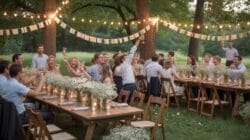
The line between DIY and disaster is whether you’ve done the task before. Never attempt your first floral arrangement the week of your wedding. Practice one centerpiece eight weeks out. If it fails, you pivot to a simpler design. If it succeeds, you now know your timeline and material costs.
Building Your Creation Team Without Hiring A Planner
The common advice is to ask friends to help, but that’s vague and creates obligation without clarity. What you actually need is a small assembly line with defined roles and a single deadline. Think in terms of production logistics: you’re not asking friends for favors, you’re recruiting people for specific tasks they can execute in parallel.
Assign one person to coordinate floral prep—buying stems, conditioning water, gathering vases. Assign another to handle greenery sourcing and foliage prep. A third manages centerpiece assembly at a designated time and location, ideally your home or a friend’s space with table access. A fourth person handles signage production and printing. The fifth manages logistics on the wedding day—placement, last-minute adjustments, problem-solving. Everyone knows their scope. You meet twice: once to confirm materials eight weeks out, once to do the work forty-eight hours before the wedding. Text updates happen weekly. This eliminates the ambiguity that kills group projects.
Whimsy Wedding Decor: The “Unexpected Contrast” Principle

Raw Meets Refined
You want people to feel your wedding is intentional, not cheap. That’s the real driver here. The mechanism is contrast: your brain registers difference faster than sameness, so pairing unfinished materials with polished accents creates perceived sophistication on a compressed budget. Think of it as tension in design. Without it, everything reads as one note.
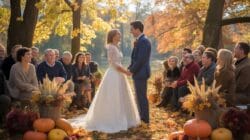
Dried wildflowers in bulk cost pennies per stem. Pair them with brass candleholders, marble table numbers, or linen runners. The raw element anchors authenticity. The refined accent signals control. You’re not doing “rustic” because you had no choice. You’re doing it because the juxtaposition proves taste. Budget couples miss this entirely and lean all the way into rough, which reads as unfinished rather than intentional.
Personal Beats Trending
Generic advice says add quirky touches to feel unique. Wrong framing. The real lever is substitution: replace one trend-driven element with something specific to your actual life, and suddenly the entire aesthetic shifts from template to story. Nobody notices the cost difference. They notice the authenticity gap.
If wildflower weddings trend toward pastel color palettes, choose one element that breaks it—deep burgundy dahlias mixed in, or black feather details. Reference an inside joke through a single installation. Source flowers from a region meaningful to you both, not what Pinterest shows. Cost stays identical. Signal moves from follower to author. The mechanism works because audiences detect authorship instantly, and authorship costs nothing.
Mariage Champetre: Beyond The Rustic Wildflower Wedding Theme

What Champetre Actually Means
You want to feel cultured and deliberate, not like you’re copying Pinterest’s tenth page. Here’s the mechanism: champetre isn’t rustic. It’s the French aesthetic that emerged from 18th-century Enlightenment painters depicting idealized country life, not actual farm work. The difference matters because rustic signals “we couldn’t afford fancy,” while champetre signals intentional restraint. Wildflower weddings under this framework become curated, not accidental.
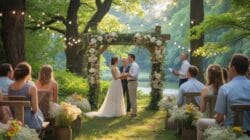
The term translates literally to “countryside,” but it describes a specific visual hierarchy. Champetre weddings prioritize natural materials and soft color palettes, but they layer them with precision. Bare wood tables don’t mean unfinished wood. Wildflowers don’t mean weeds scattered randomly. Every element exists because it serves the composition, not because you ran out of budget for florals. This distinction eliminates the amateur energy that tanks a themed wedding faster than poor lighting.
Regional Geography Shapes Your Actual Cost
Different regions produce different wildflowers at different times, which directly affects your budget reality. An English champetre aesthetic relies on foxgloves, delphiniums, and garden roses that peak in June and July. A Mediterranean version centers on lavender and thistle that thrive in hotter months. A Texas Hill Country approach uses bluebonnets and Indian paintbrush available in spring only. You don’t chase an aesthetic that requires imported flowers across three seasons.
Regional specificity also determines your venue economics. A French countryside chapel in Provence costs differently than a Texas barn with native wildflower fields already present. When you anchor your design to what grows naturally in your region during your actual wedding month, you eliminate the markup penalty that florists apply to out-of-season or imported botanicals. You also eliminate the tension between your theme and your environment, which is where budget weddings leak money into forced corrections.
The “Post Wedding Bloom” Strategy

Turn Your Flowers Into Someone Else’s Problem (The Good Way)
You’re worried about waste because you want to feel like you made a smart choice, not because you actually care about compost. The mechanism here is simple: every floral element and decor piece has a second life, and selling or gifting it recovers real money or eliminates buyer’s remorse. Wildflower arrangements don’t spoil like roses do because they’re already informal by design, making them easier to repurpose than formal florals.
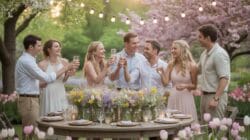
Bouquets go to friends getting married within weeks. Centerpieces sell on Facebook Marketplace the day after your event for 30 to 50 percent of cost. Bulk greenery finds its way to local florists who buy salvage material for lower-margin arrangements. Wooden signs, metal frames, and rental decor return to vendors who handle the logistics. The timeline matters: contact buyers within 48 hours, when stems still hold water and the narrative of “used once” remains fresh.
Compost Everything Else, Seriously
Environmental economics calls this “end-of-life value recovery” and it applies here directly. Petals, stems, and foliage that don’t sell become compost feedstock, not landfill weight. Most wildflower petals break down in 4 to 8 weeks in active compost, faster than garden roses because they’re thinner and more delicate by nature.
Partner with a local composting service or community garden three weeks before the wedding. Drop off all organic material in a single trip within 72 hours of the event. Some services charge per drop-off, others accept donations. This beats paying disposal fees and eliminates the cognitive friction of “what do I do with fifty stems.” One action, zero second thoughts, zero guilt.
The Real Obstacle: Your Insecurity, Not Your Budget

You don’t have a wildflower wedding budget problem. You have a decision problem. Most couples sabotage themselves by spending money to impress people they’ll forget about in five years instead of building the day they actually want. Stop asking what a wildflower wedding “should” cost and start asking what version of this day you’re willing to defend. Pick one vendor today, commit to it, and stop researching. The couple that moves wins, the couple that optimizes loses.