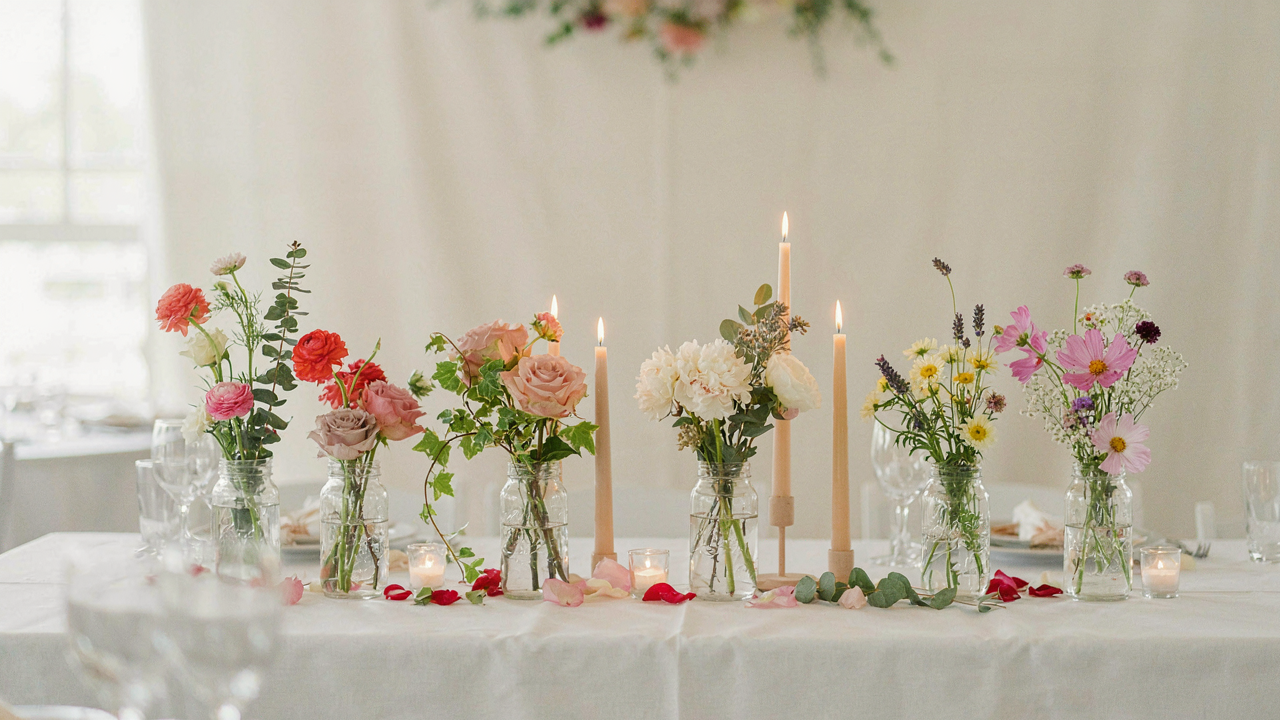
The Un Pinterest Protocol: Escaping Generic Mason Jar Centerpiece Ideas
Why Basic Mason Jar DIY Fails
You want permission to skip the expensive florist. That’s the real motive here. But permission without a system gets you the same tired output as everyone else’s wedding photos. The mechanism at work is consensus collapse: when a design becomes universally accessible, it loses its signal value instantly. Mason jars hit Pinterest in 2010 and became the default by 2012. By your wedding date, they’re visual white noise. Every guest has seen this exact arrangement at four other events.
The problem isn’t the jar itself. It’s that basic DIY advice treats the jar as the star. It isn’t. In design, the jar functions like a container in supply chain logistics: its only job is efficient delivery. When you obsess over the vessel instead of the content system, you’ve already lost. You need to invert the hierarchy and build something the jar merely holds, not something that starts with the jar.
Design Restraint Over Decoration Density
Most wedding centerpiece advice tells you to fill empty space with more stuff. Add filler flowers, add greenery, add ribbon, add height variation. This is wrong. Restraint creates impact in a room full of sensory noise. A single decision made intentionally beats ten decisions made from habit. Your job is removing elements until you can’t remove anything else without losing the message. That message isn’t “look at all this I did.” It’s “this event mattered enough to be thoughtful about details.”
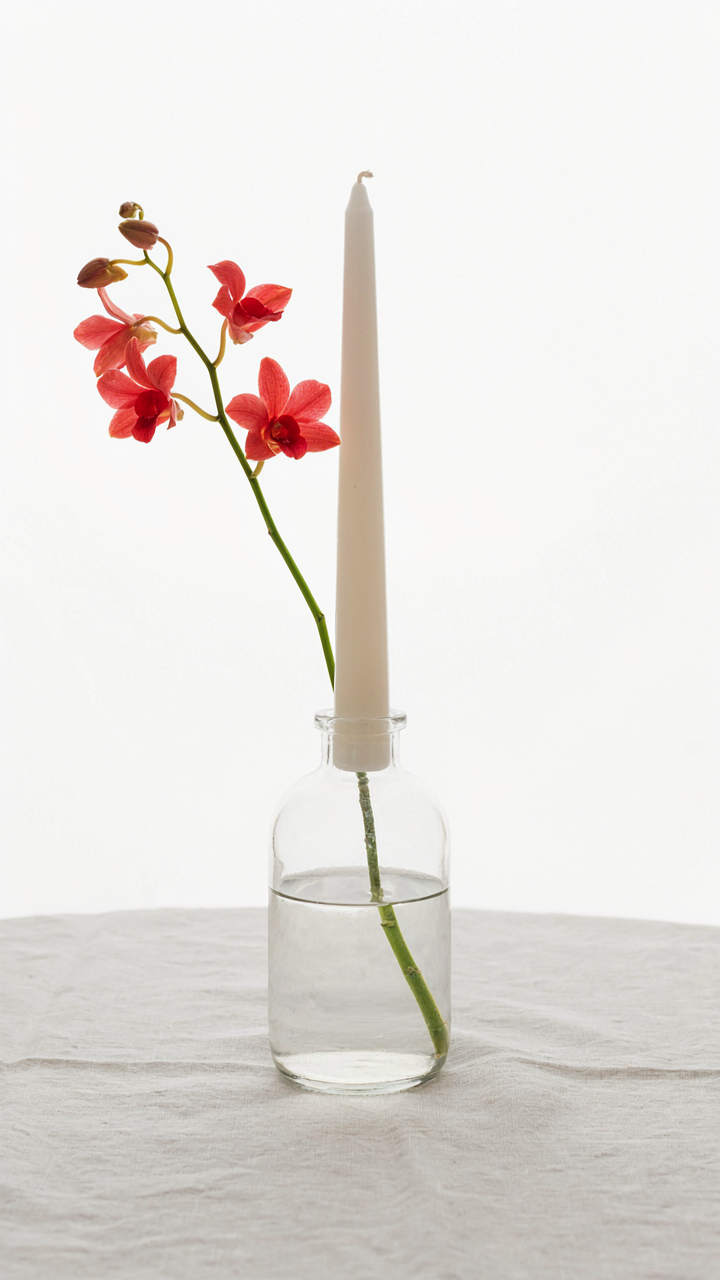
The concrete protocol: choose one primary visual element, one supporting element, and one functional element only. If you’re using branches, that’s your primary. If you’re using candles, that’s functional. If you’re using one type of flower, that’s supporting. Anything beyond this is decoration masquerading as design. The jar holds these three things and nothing more. Execute this at scale across all centerpieces and your wedding photos read expensive, even on a tight budget.
Deconstructing “Easy Elegant Centerpieces”: It’s Not About More
The Constraint That Forces Design
You want people to think you spent more than you did. That’s the real driver here, and there’s nothing wrong with naming it. The mechanism borrowed from industrial design is constraint-based optimization. Constraints force elimination. When you have unlimited budget, you pile elements. When you have a jar and fifty dollars, you choose one thing and execute it perfectly.
Most wedding advice says “add layers” or “mix textures.” That’s wrong for budget builds. Adding more elements on a tight budget produces visual noise, not elegance. A single impactful choice—deep green moss, one statement branch, a specific light source—reads as intentional restraint rather than unfinished work. The audience reads minimalism as sophistication because fewer, bolder choices require actual taste.
One Element That Anchors Everything
Stop thinking about centerpieces as collections. Think about them as statements built around a single focal point that does the work. That focal point can be a tall branch structure, a specific foliage type, or a lighting treatment. Everything else serves that one thing.
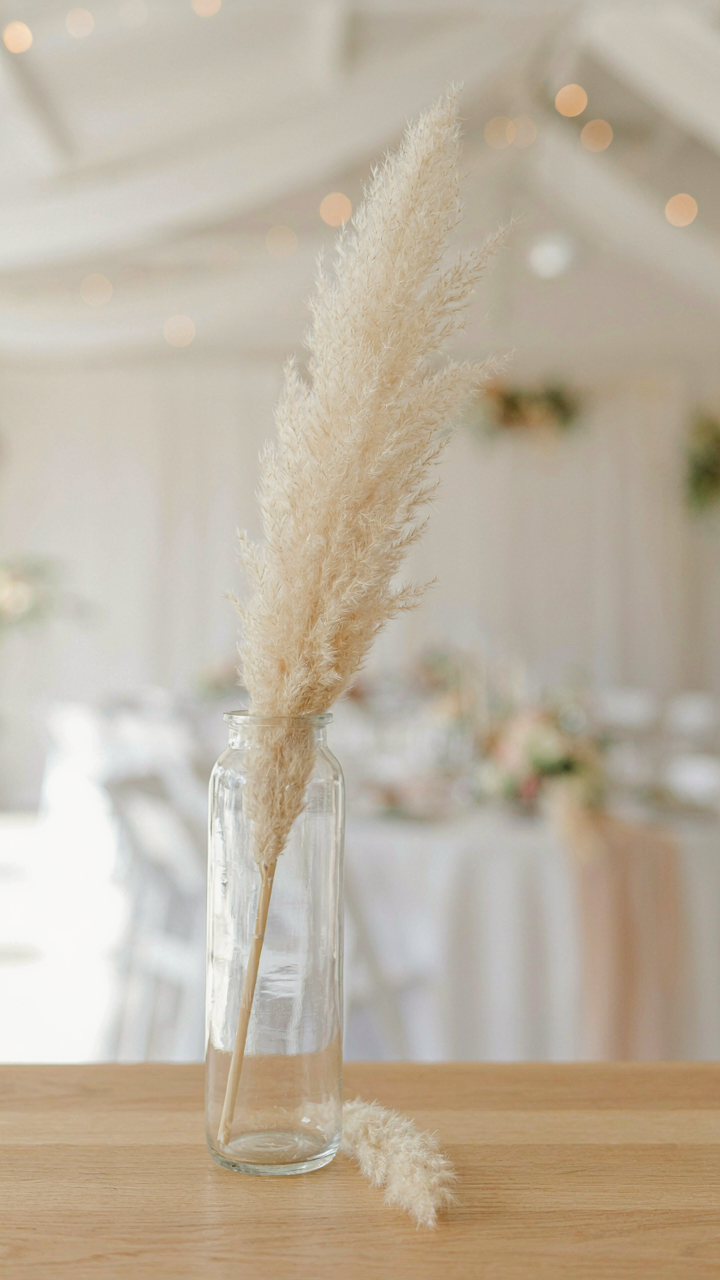
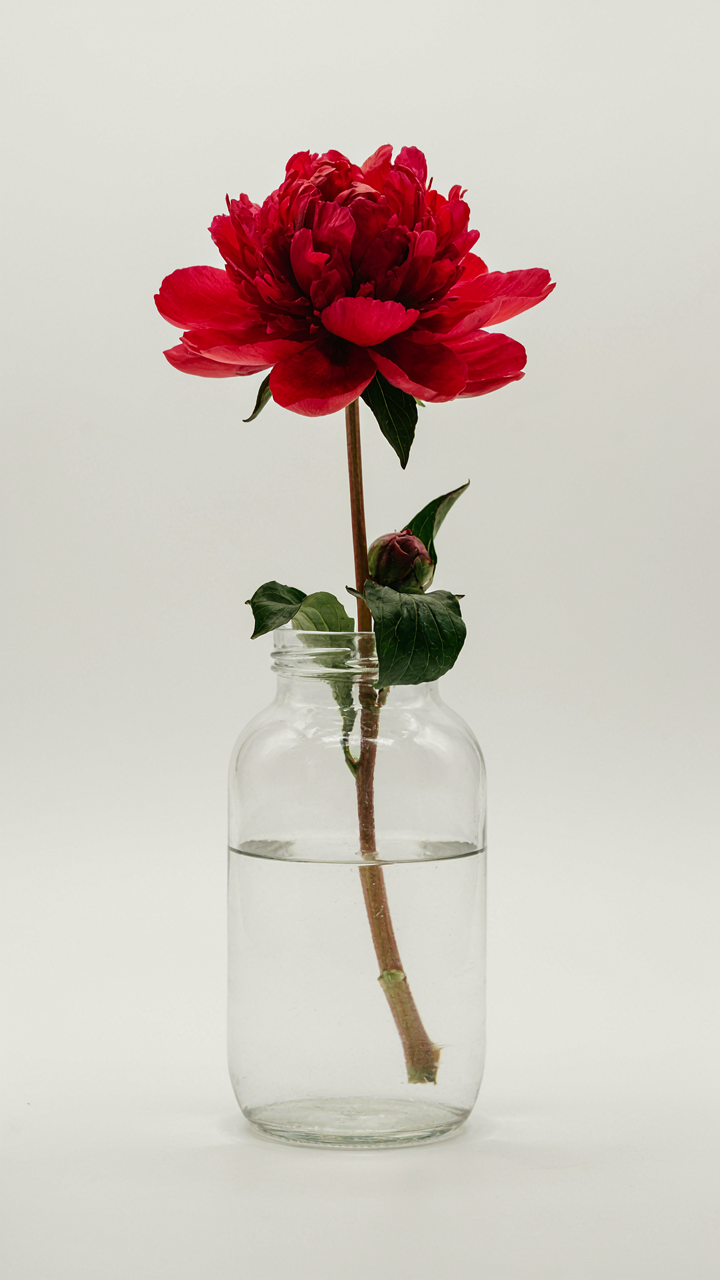
The real skill is picking which element justifies the entire piece. A preserved pampas stem in a clear jar with water reads expensive because it’s structurally present. A dozen loose flowers in that same jar reads cheap because they compete for attention. Build your centerpiece by choosing the anchor first, then removing anything that doesn’t strengthen it. This discipline separates intentional from accidental.
The Scarcity Principle: Value From Wedding Table Centre Pieces Diy Limitations
Leverage Limited Resources Like An Economist
You want permission to spend less and still look like you didn’t. That’s the real fear underneath this section. In economics, scarcity drives perceived value. When you restrict your material palette to mason jars, twine, and seasonal flowers, you eliminate the visual noise that comes with unlimited options. Constraint becomes your design engine. You’re not doing budget centerpieces. You’re doing intentional ones.

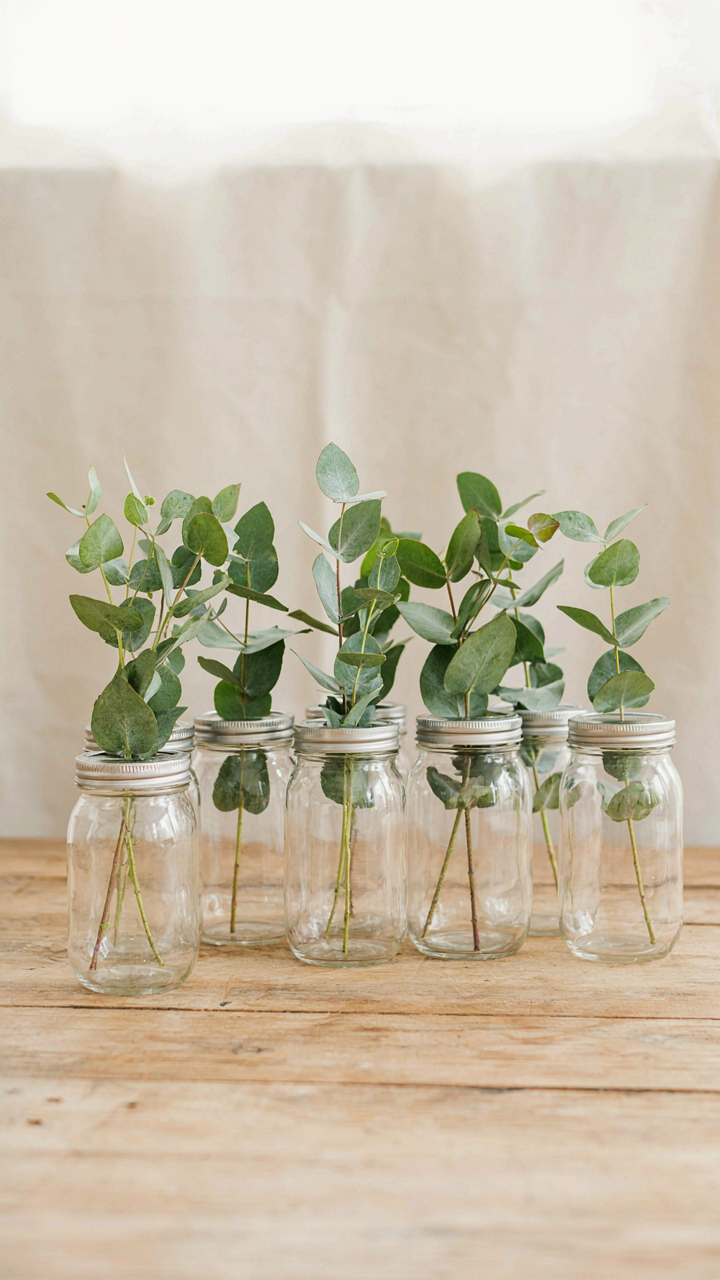
The mechanism works because your guests see decisiveness, not desperation. A single jar with three stems of eucalyptus reads as editorial. Five jars stuffed with every flower at the grocery store reads as confusion trying to hide. Economists call this the substitution effect: when one resource becomes limited, people assign it higher value. Your guests will interpret minimal materials as refined taste, not financial limitation. This reverses the actual truth of your situation and works entirely in your favor.
Constraints Shape Distinctive Outcomes
Most wedding advice tells you to “work with what you have.” That’s incomplete. Real designers don’t work with constraints. They work through them, using friction as a tool. Your budget forces you to repeat a single jar style across all tables. That repetition creates visual cohesion that expensive, mixed centerpieces never achieve. Uniformity reads as intention. Variation reads as accident.
When you decide on one jar height, one flower type per arrangement, one color story, you’ve eliminated the decisions that actually consume time and money. You’re not cutting corners. You’re cutting decisions. The protocol is simple: choose your jar, choose your filler material, choose your focal flower, repeat identically across all tables. This constraint manufactures the professional look that custom designers charge thousands to create through trial and error.
Beyond “DIY Simple Wedding Centerpieces”: The Art Of Strategic Neglect
What Actually Costs You Money
You’re reading this because you want to look like you spent more than you did. That’s not weakness, that’s the actual mechanism at play. Most budget wedding advice tells you to “add more” to compensate for cheap materials. Wrong. The real cost isn’t the jar or the flowers. It’s the visual noise you’re carrying that kills the entire centerpiece before anyone notices the price tag.
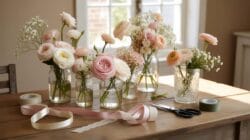
Decoration psychology borrowed from graphic design shows that removing elements creates perceived value faster than adding them ever will. In jar centerpieces, every extra item you place inside competes for attention and screams “I filled this to hide something.” Start by identifying what contributes nothing to the focal point. Filler greenery that doesn’t frame the main element. Scattered stones that serve no structural purpose. Ribbon handles that add bulk without meaning. Cut them.
Where To Spend Your Actual Attention
The human eye lands on one thing first in any centerpiece: the focal element at the vertical center. Everything else is context. Most people waste time decorating the jar itself when they should invest all energy into what sits inside it. A single statement flower, a tight cluster of candles, or a meaningful object placed at eye level will carry the entire piece. The jar becomes background the moment you do this right.
Test this: build two centerpieces. One with a crowded mix of items filling the entire jar. One with a single stem, one candle, or one focal object positioned at mid-height with clear space around it. The second one reads as intentional and expensive. You’ve compressed attention instead of diluting it. That compression is your only real tool on a budget. Use it on the focal point first, then stop working.
The “Mason Jar Wedding Decorations” Illusion: What Truly Elevates
Light Changes Everything
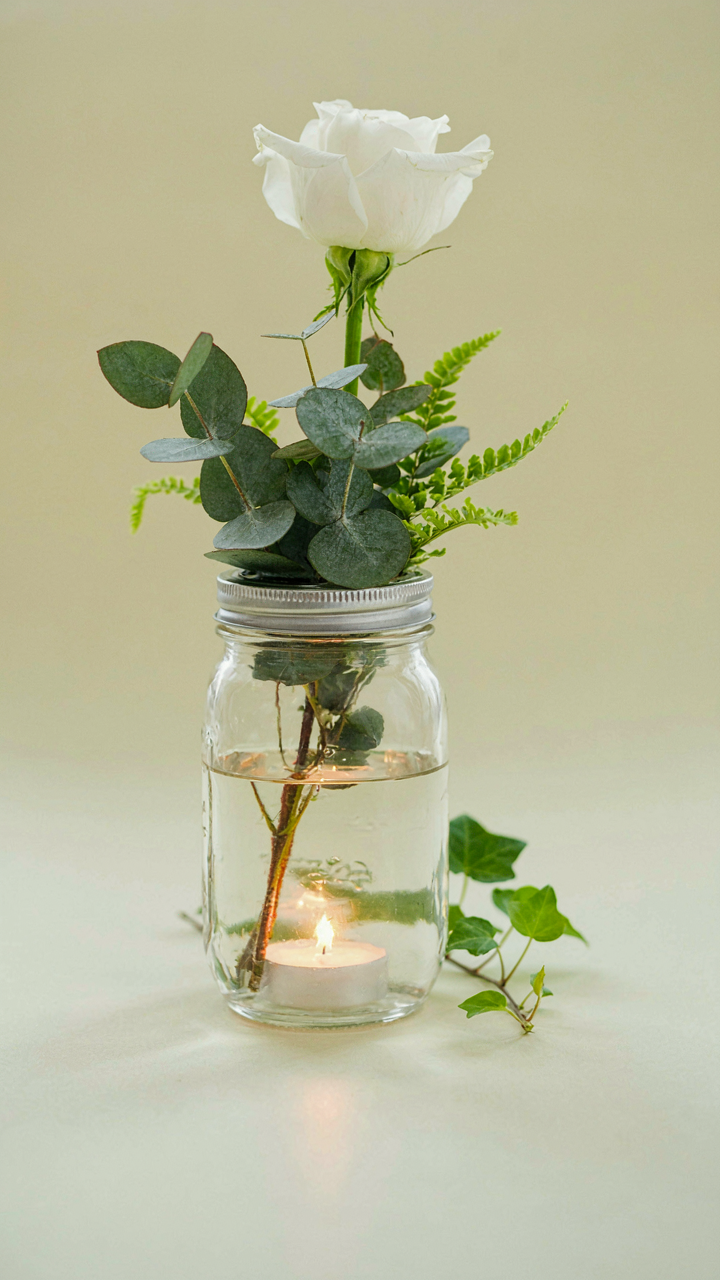
You want people to think you spent money you didn’t spend. That’s the real game here. Lighting is the mechanism that makes this happen. A jar filled with flowers looks generic in daylight. The same jar under warm light becomes an object people notice. This is physics. Light has wavelength. Warm wavelengths trigger different neural responses than cold ones. A 2700K bulb inside or behind a jar reads as intentional and expensive. A jar under fluorescent overhead lighting reads as cheap.

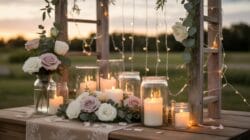
The placement of light source matters more than the decoration itself. Light from below a jar creates shadow and depth that overhead light cannot replicate. You can achieve this with battery-operated tea lights, which cost under a dollar per unit. Position them inside the jar or on the table surface directly beneath it. This single variable transforms how guests perceive the entire centerpiece.
Mixing What Doesn’t Match
Layering texture and contrast is borrowed from industrial design, where tension between materials creates perceived value. Apply this principle directly: a smooth glass jar needs rough material inside it to register as thoughtful. The common advice says “fill your jar with whatever you have.” That’s the mistake. You need intentional contrast or nothing works.
- Burlap with silk ribbon: Rough base material wrapped around the jar exterior, then a thin silk ribbon tied at the neck creates immediate textural opposition and reads as deliberate.
- Moss and metallic accents: Natural moss packed around florals, then thin copper or gold wire woven through creates both organic and refined tension.
- Twine and glass pebbles: Wrapping twine around the jar base, then filling with clear glass pebbles and florals layers tactile contrast without clutter.
- Driftwood with greenery: Positioning one piece of driftwood vertically inside the jar surrounded by eucalyptus or fern creates skeletal contrast against foliage.
- Linen napkin with floral foam: Draping a neutral linen around the jar’s neck while packing floral foam inside grounds the arrangement and adds fabric texture.
Guests don’t consciously register texture. They register that something feels considered. The jar itself is invisible when contrast exists. Build your centerpiece by starting with the roughest material first, then layering smoother elements on top. This creates visual hierarchy that makes even a five-dollar jar read as a fifty-dollar investment.
The Signal To Noise Ratio: Applying Cybernetics To Mason Jar Centerpieces
Cut The Clutter First
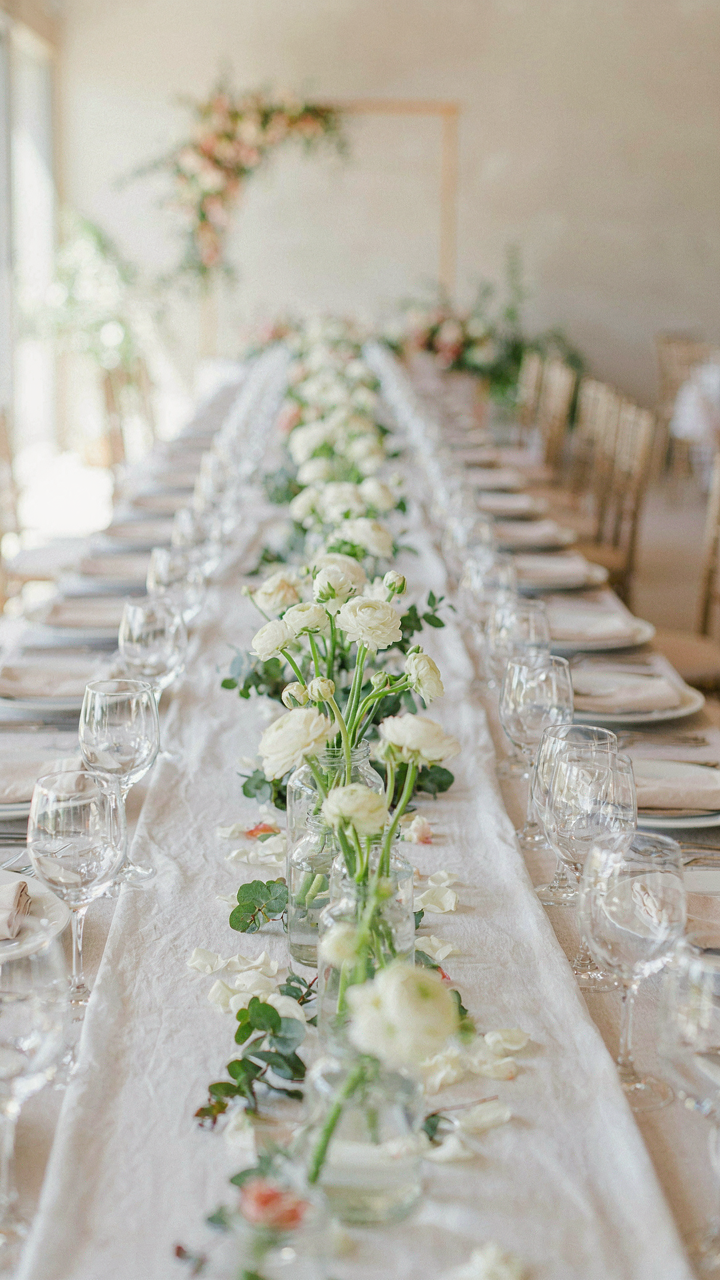
You want your centerpiece to look intentional, not like you grabbed whatever was lying around. That fear drives most DIY jar decisions into visual chaos. Cybernetics teaches us a hard rule: maximize the signal, eliminate the noise. In jar centerpieces, your signal is what you actually want guests to see and remember. Your noise is everything else fighting for attention in that three-inch radius of glass and filler.
Most people load jars with too many textures, colors, and objects. Candle plus flowers plus greenery plus stones plus string plus ribbon. Each element competes. None wins. Strip your centerpiece to one dominant visual element, then add only what amplifies it. Remove anything that doesn’t reinforce your chosen focal point.
Create Feedback Loops Through Repetition
Repetition works because your eye recognizes patterns and stops questioning them. Place five identical jars down a table, each with the same filler height and flower arrangement, and your brain reads coherence instead of effort. This is visual feedback functioning correctly. You’re not being clever; you’re being systematic.
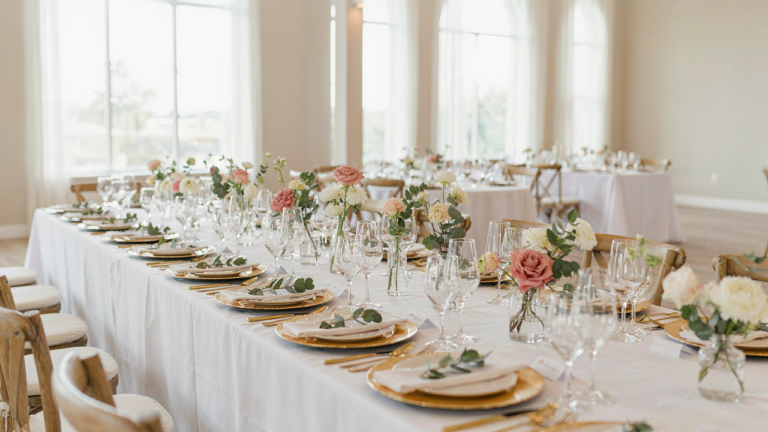
The common mistake is treating each jar as its own design problem. Wrong. Treat the entire table as one system. Every jar must mirror the others in filler volume, stem height, and color palette. Measure three times. This uniformity creates the feedback loop that says professional, not homemade. Consistency across all centerpieces is non-negotiable.
The Mason Jar Fairy Lights Centerpiece Pitfall: Authenticity Over Trend
Why Trends Die And Your Centerpiece Won’t
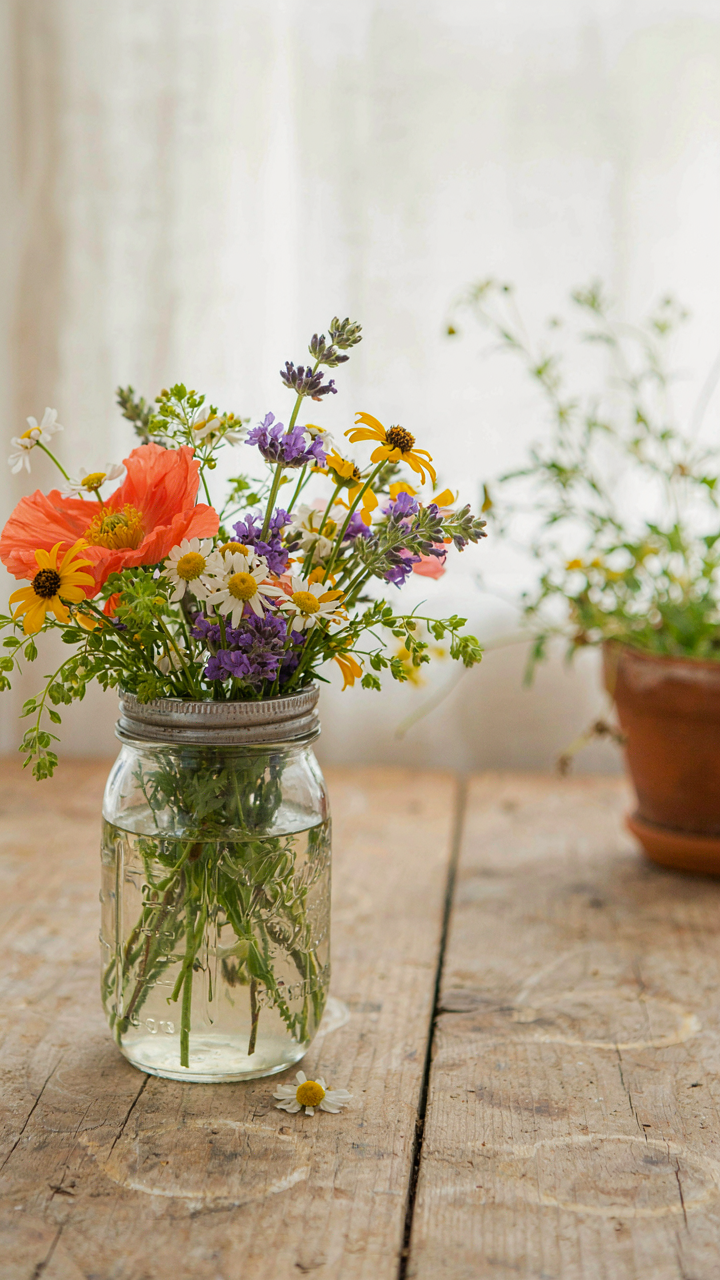
You want your wedding to feel current, not dated the moment someone posts it online. Here’s the mechanism: trends in decor operate like fashion cycles. They peak, saturate, then crash. Mason jars with fairy lights hit peak saturation around 2015-2017. Now they read as passé to anyone paying attention. The reason you care is status anxiety, and that’s fine to admit. The real play is building something that won’t embarrass you in photos five years from now.

Authenticity compounds. A centerpiece rooted in your actual life, your story, your materials survives trend collapse because it was never trend-dependent. Fairy lights work as ambient light. They’re functional. But stacking them into every mason jar at every rustic wedding stripped them of meaning. When everyone does the same thing, the thing becomes invisible. Your job isn’t to participate in a trend. It’s to extract the useful part (soft lighting, clear glass, simple geometry) and build something that reflects who you actually are, not who Pinterest says you should be.
The Story Inside The Container
Personal narrative beats decor theory. Every centerpiece on your tables should answer a question: why this jar, why these elements, why now. Not in a sentimental way. In a factual way. If you used mason jars because your grandparents canned food, say that. Repurpose their actual jars if you can source them. If you’re using locally blown glass from a glassblower in your town, name that source on a card. If the flowers come from your garden or a specific farm you’ve visited, that detail matters.
The mechanism here is transfer of meaning. Objects carry weight when they’re connected to something real. A generic fairy-light-filled mason jar is decor. A jar that once held your grandmother’s preserves, filled with flowers from the farm where you got engaged, becomes a centerpiece that actually says something. Your guests will notice. They’ll ask questions. They’ll remember it. That’s not sentiment clouding judgment. That’s information architecture. Embed your story into the physical object, and the centerpiece does its job without relying on a trend to validate it.
Curating Your Visual Narrative: Beyond Just “Mason Jar Wedding Centerpieces”
The Constraint That Forces Design Decisions
You want your centerpieces to look intentional, not like you assembled them from whatever was on sale at the craft store. That fear drives most people toward safe, forgettable choices. The real mechanism is this: constraint forces prioritization. When you can’t use everything, you stop adding noise and start making choices that actually communicate something.
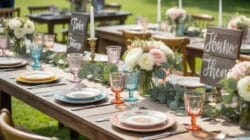
Think of your jar centerpiece like a visual hierarchy in graphic design. Every element competes for attention. The jar itself, the filler, the florals, the lighting—each one either reinforces your concept or dilutes it. Most DIY centerpieces fail because they treat every component as equally important. They stack too many textures, colors, and materials into one space. The eye doesn’t know where to land, so it lands nowhere.
Color And Material Anchors First
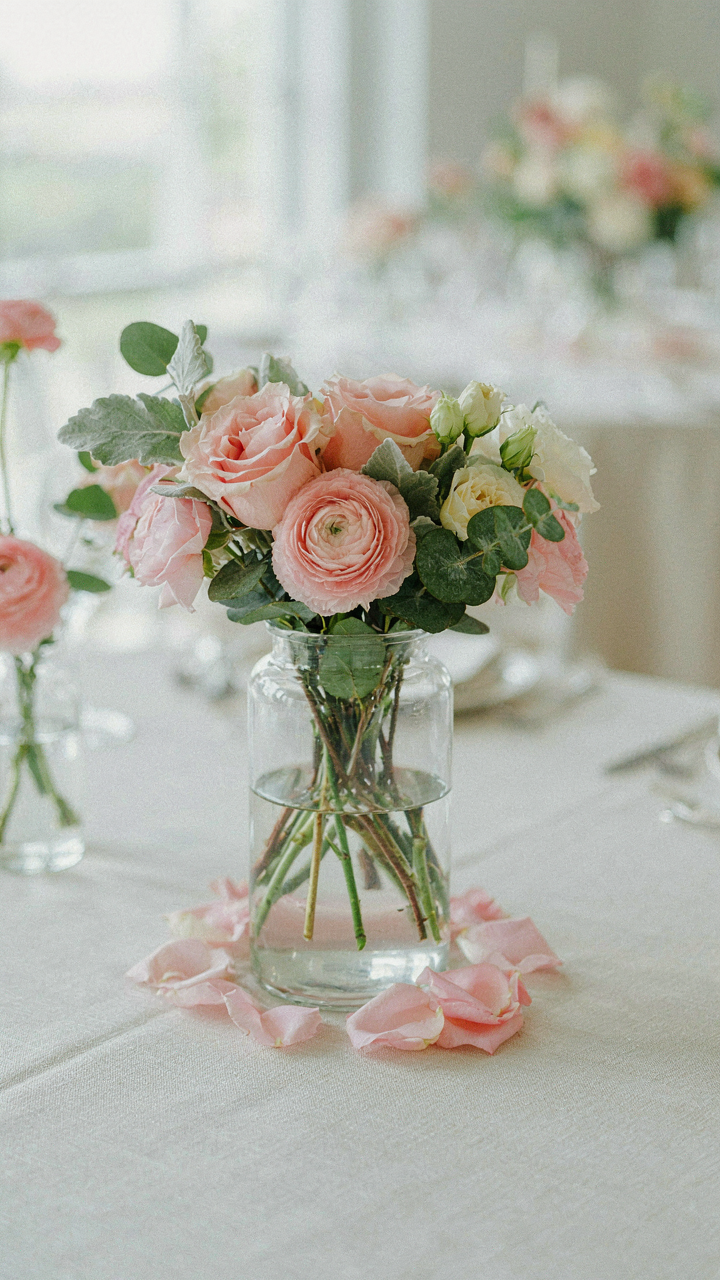
Decide your dominant color before you buy anything. Not “soft and romantic.” Blush, ivory, sage, or deep green. One color that appears in at least 60 percent of the arrangement. This is your anchor. Everything else—metallics, wood, stone, florals—must either match that color temperature or contrast it intentionally. Random materials in random tones read as indecisive, not eclectic.
The jar itself sets the tone faster than any filler. A clear glass cylinder says modern and minimal. Textured or frosted glass suggests vintage or industrial. A colored jar (amber, blue, clear with a painted base) becomes a statement on its own. Match your jar style to your wedding’s actual aesthetic, not to some Pinterest board. The jar you choose eliminates half the design decisions because it narrows what works with it.
Your Real Obstacle Isn’t Your Budget; It’s Your Fear Of Looking Unoriginal
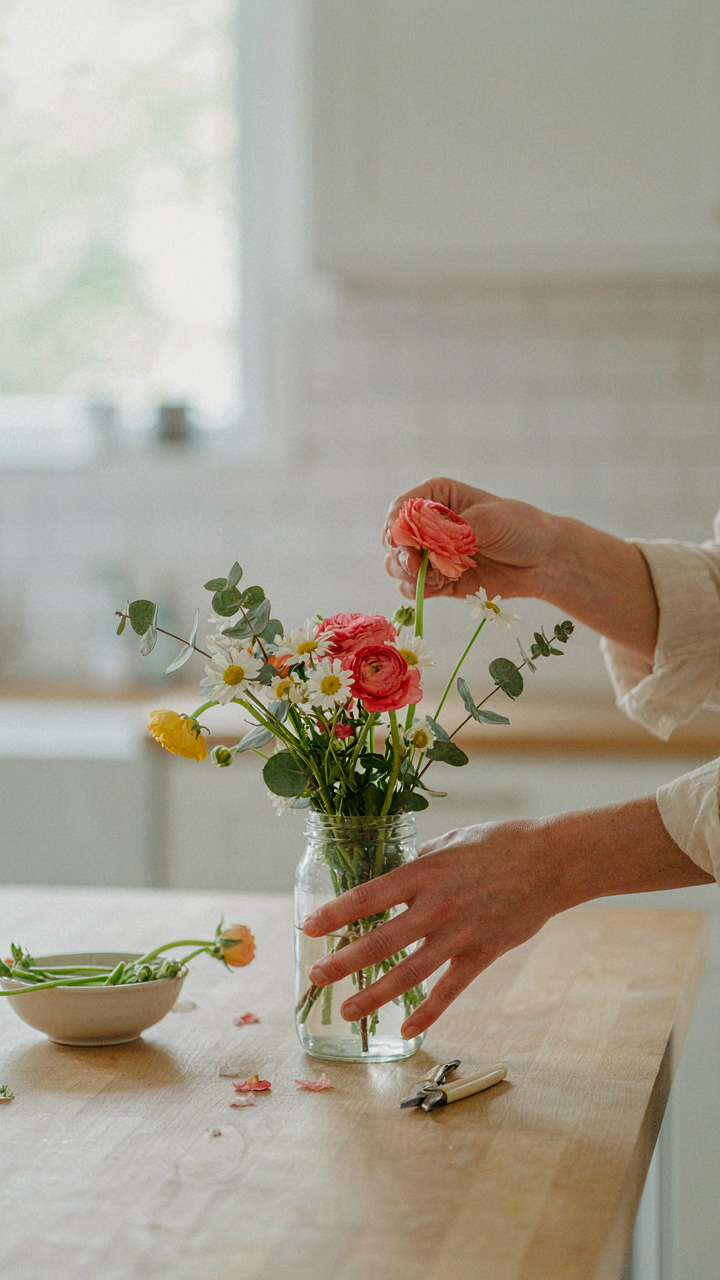
You’re scrolling Pinterest at midnight convinced your mason jars need to look like everyone else’s. They don’t. Stop copying. Start asking what your guests actually remember about weddings: the moment, not the centerpiece. Grab three jars from your pantry today and build something that reflects your actual taste, not your anxiety. The couples people talk about for years aren’t the ones who played it safe with rustic string and baby’s breath.