Why A DIY Wedding Table Runner Is Worth The Effort
The Cost Saving Benefits Of Making Your Own Table Runner
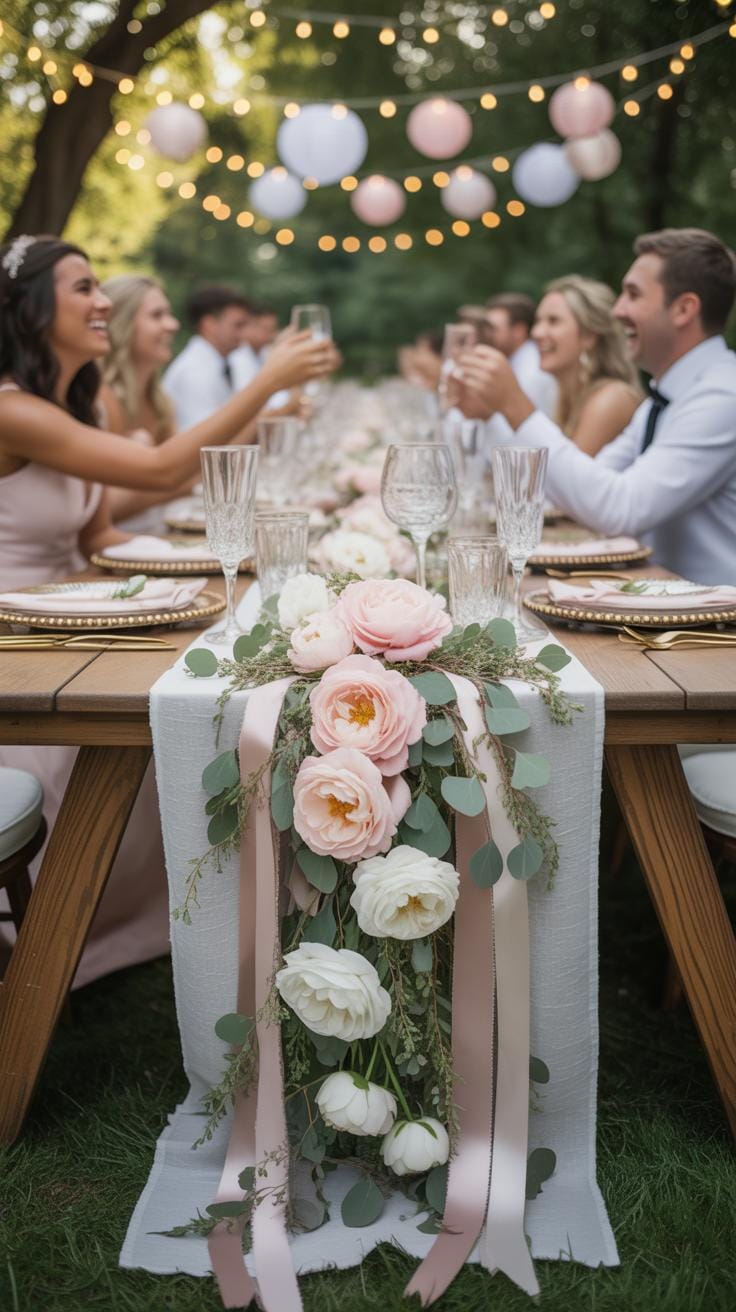
Retail wedding decor carries a heavy markup often exceeding 300 percent. Executing a diy wedding table runner allows you to allocate your budget toward high quality textiles rather than retail profit margins. Buying fabric by the bolt reduces the cost per foot significantly. You bypass secondary labor costs and shipping fees while gaining control over the exact length required for your specific table layouts.
A homemade table runner minimizes waste by utilizing offcut materials for napkins or accent pieces. Standard table cloth ideas wedding supply stores provide are often generic and overpriced for the material quality offered. By sourcing your own raw linen or gauze, you maximize your investment. This tactical approach ensures your runner table ideas stay within budget while maintaining a professional and high end appearance for the event.
How A Handmade Table Runner Adds A Personal Touch To Your Reception
Customization is the primary driver for creating a book table runner or similar unique designs. You can execute a book page table runner diy by selecting vintage literature that reflects your history. This method provides a clear alternative to mass produced items. Learning how to make a book page table runner allows you to control the thickness and texture of the paper to ensure it survives the reception.
Color coordination becomes easier when you manage the production. An olive green and brown wedding requires specific earth tones that standard wedding runner ideas often miss. You can dye fabrics to match precise swatches or select specific paper stocks for your decor. These handmade elements provide a cohesive visual narrative across the venue space. Custom work ensures every detail aligns with your established design movement and aesthetic goals.
Essential Materials For Your Homemade Table Runner

Choosing The Right Fabric: Linen, Burlap, Lace, And Beyond
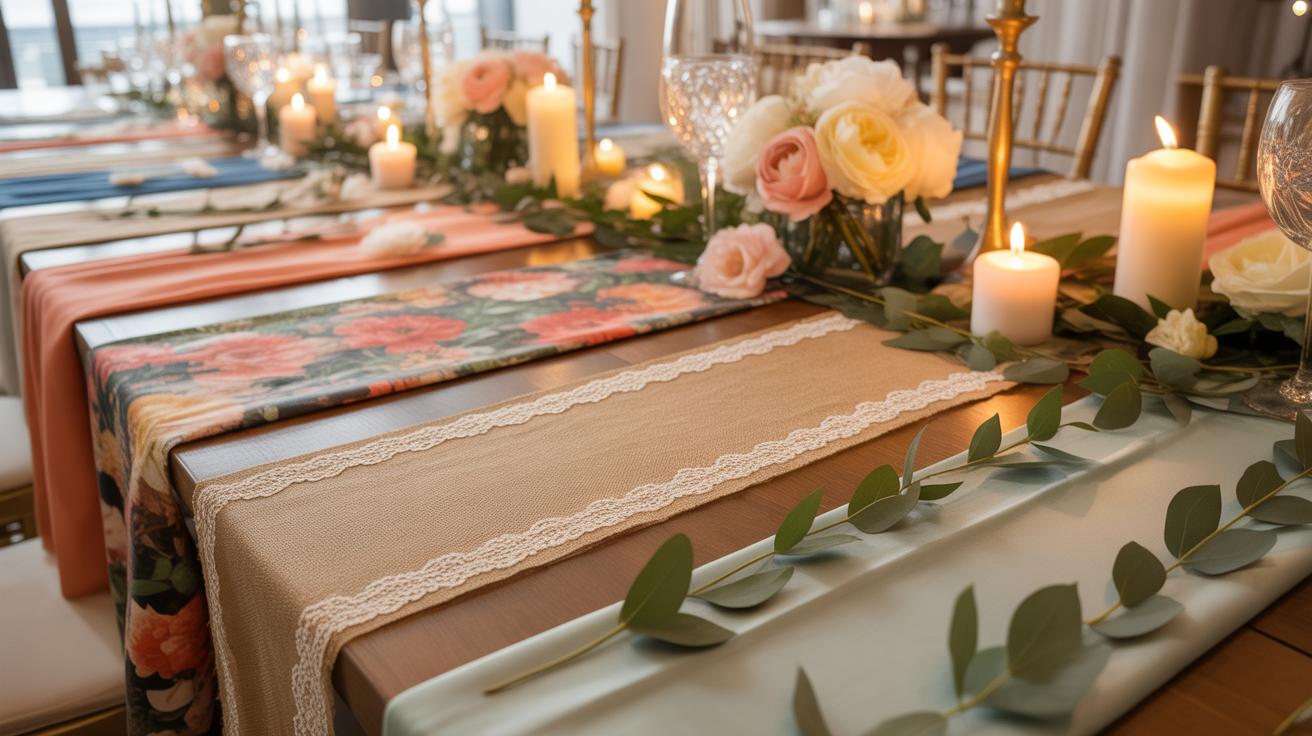
Fabric selection dictates the entire aesthetic and structural integrity of your Table Cloth Ideas Wedding project. Heavyweight fabrics like burlap or linen provide stability and prevent slipping during dinner service. Lighter materials like lace or gauzy cheesecloth offer a romantic feel but require more pins to stay in place. Your choice must align with the event color palette to ensure visual consistency across the venue.
- Linen: This natural textile provides a crisp and high-end look suitable for modern or classic themes. It resists pilling and becomes softer with every wash. It is the gold standard for a durable homemade table runner that guests can actually use during the meal.
- Burlap: Jute fibers create a coarse texture ideal for rustic or outdoor events. Burlap is extremely affordable and provides a heavy weight that stays flat on the table. It works best when paired with neutral tones or an olive green and brown wedding theme.
- Cheesecloth: This lightweight cotton fabric creates a soft and flowing effect when draped over table edges. It is often hand-dyed to match specific wedding colors. It requires raw or frayed edges to maintain its popular organic and effortless appearance.
- Lace: Synthetic or cotton lace adds intricate patterns and a vintage feel to the table setting. It functions well as an overlay on top of solid colored fabrics. Use wide lace trims to create a delicate diy wedding table runner without much sewing.
- Velvet: This heavy fabric offers deep color saturation and a luxurious texture for winter events. It has a distinct nap that reflects light differently depending on the direction. It is perfect for adding weight and a sense of formality to long banquet tables.
Consider the texture and durability of each material before you begin purchasing bulk yardage. Use heavier fabrics for base layers and lighter textiles for decorative accents or overlays. If you are planning an olive green and brown wedding, natural fibers like linen or cotton will hold these earth tones best. Always pre-wash natural fabrics to prevent shrinking after you have already completed the sewing or cutting process.
Basic Tools And Supplies Every DIY Crafter Needs Before Starting
Standard cutting and measuring tools are mandatory for a professional finish on any diy wedding table runner. You need a sharp pair of fabric shears to prevent frayed or jagged edges on your material. A rotary cutter and a self-healing mat provide the most accurate straight lines for long runner table ideas. Use a clear acrylic ruler to measure consistent widths across the entire length of the fabric strip.
Proper adhesion and marking tools save time during the assembly phase. Use tailor’s chalk to mark your cut lines without leaving permanent stains on the textile. For a book page table runner diy, you will need acid-free adhesive or a hot glue gun to secure the paper segments. If you are learning how to make a book page table runner, ensure you have a bone folder to create crisp folds. These wedding runner ideas succeed only when you use the right book table runner kit.
Rustic And Natural Wedding Runner Ideas Using Greenery And Florals
Building A Lush Eucalyptus And Wildflower Garland Runner
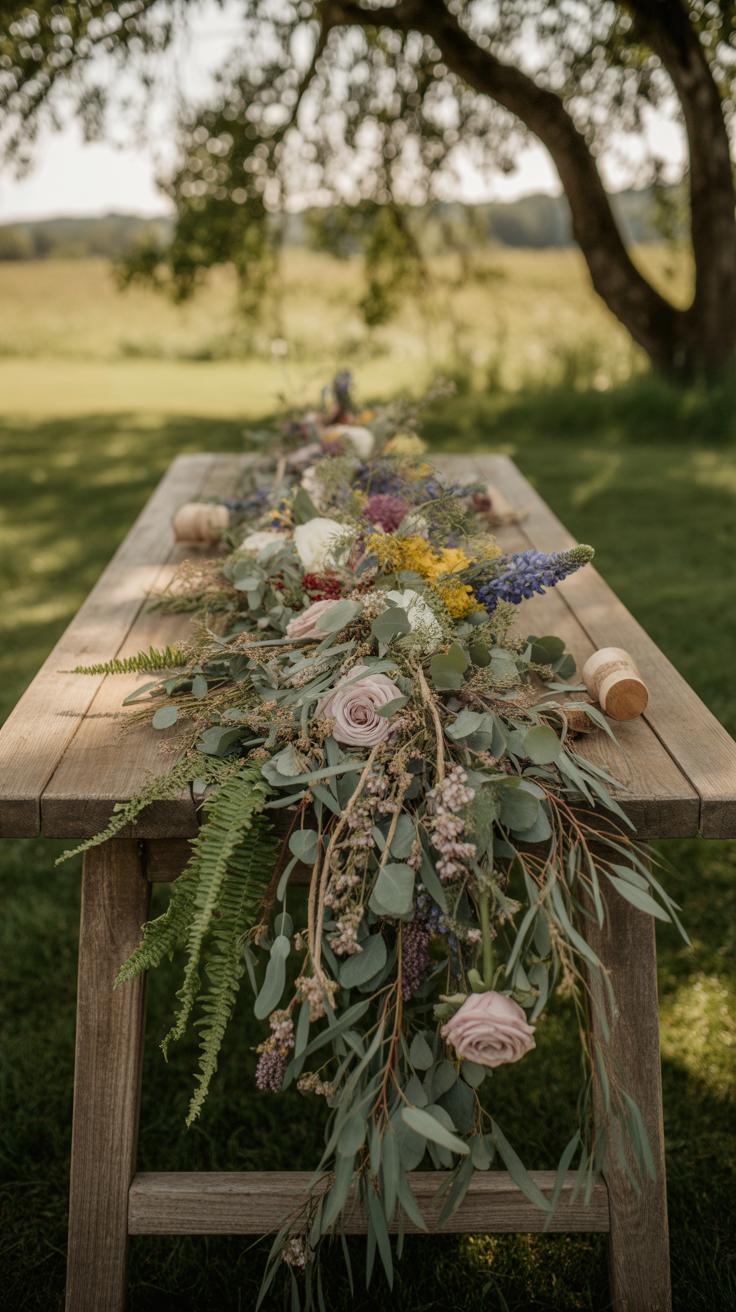
Constructing a Diy Wedding Table Runner with live greenery requires a sturdy base. Layer silver dollar eucalyptus and seeded eucalyptus to create depth. Use floral wire to bind the stems together in a continuous chain. This method yields a more professional result than simply laying loose branches. It ensures the Homemade Table Runner stays intact when guests move plates or glassware during the meal.
For an Olive Green And Brown Wedding, integrate dried seed pods and woody textures into the foliage. These Wedding Runner Ideas rely on structural integrity. Place larger leaves at the bottom and tuck delicate wildflowers into the gaps using water tubes. This strategy prevents wilting. Ensure the Runner Table Ideas you choose account for the width of your Table Cloth Ideas Wedding to prevent greenery from crowding the place settings.
How To Keep Fresh Floral Runners Looking Beautiful Throughout The Reception
Temperature control is the most critical factor for maintaining a fresh look. Hydrate all greenery for twenty four hours before assembly. Mist the completed arrangement with a clear anti-transpirant spray to seal in moisture. This step is vital for a Book Page Table Runner Diy or any design where paper and plants mix. It protects the Book Table Runner elements from absorbing ambient moisture and becoming limp.

Manage the environment to prevent drooping flowers. Keep the venue cool and avoid placing the display in direct sunlight or near air vents. If you want to learn How To Make A Book Page Table Runner that lasts, keep water away from the paper. Use small floral frogs hidden within the foliage to provide a water source for focal blooms. Reliable Runner Table Ideas prioritize hydration and stability over pure aesthetics.
Olive Green And Brown Wedding Table Runner Styles For Earthy Celebrations
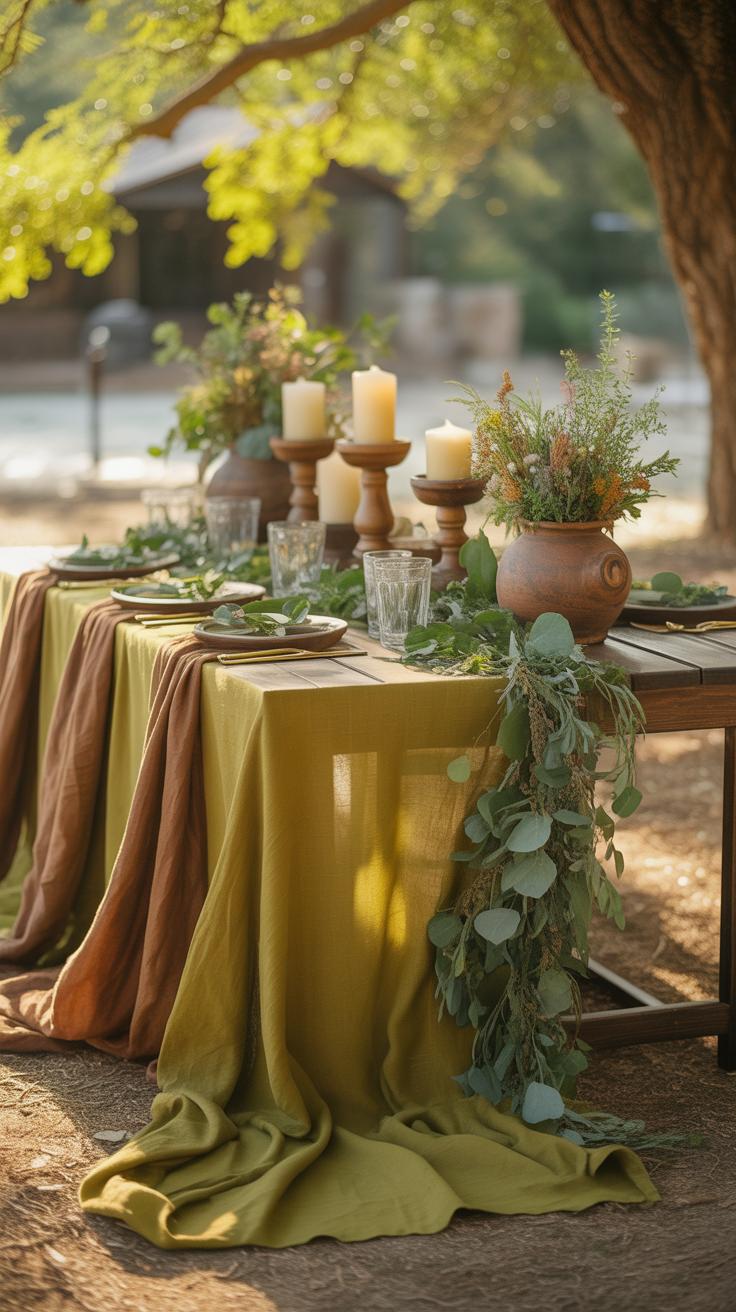
Pairing Olive Green Linen Runners With Warm Brown Accents And Terracotta Details
Select a high-grade medium weight linen for your diy wedding table runner to ensure structural integrity and a matte finish. Linen creates a neutral base that absorbs light rather than reflecting it. This setup anchors an olive green and brown wedding theme by providing a textured surface for heavier decor items. Use a raw edge or a simple mitered hem to maintain a clean aesthetic for your homemade table runner.
Integrate depth by placing terracotta saucers or dark wood chargers directly onto the fabric. These brown tones stabilize the olive green hue and prevent the palette from looking washed out. Successful runner table ideas rely on high contrast between the textile and the hardware. Avoid shiny metallic accents in favor of matte finishes. This specific color combination draws from mid-century modern earth tones and current organic minimalism trends.
Styling An Earthy Nature Inspired Tablescape Around Your Runner
Start by layering natural materials like walnut wood or oak to complement the olive green foundation. A book page table runner diy can serve as a secondary layer if you want to break up solid colors. How to make a book page table runner involves securing vintage pages into a long strip with acid-free adhesive. This book table runner adds a neutral off-white texture that bridges the gap between dark green and deep brown.

Complete the look with low-profile floral arrangements featuring dried eucalyptus or moss. These wedding runner ideas work best when you vary the heights of your table cloth ideas wedding accessories. Use stoneware plates to reinforce the tactile nature of the design. Stick to a limited color list to keep the focal point on the runner. Consistent repetition of olive green and brown elements across the entire length creates a professional and cohesive appearance.
How To Make A Book Page Table Runner For A Literary Themed Wedding
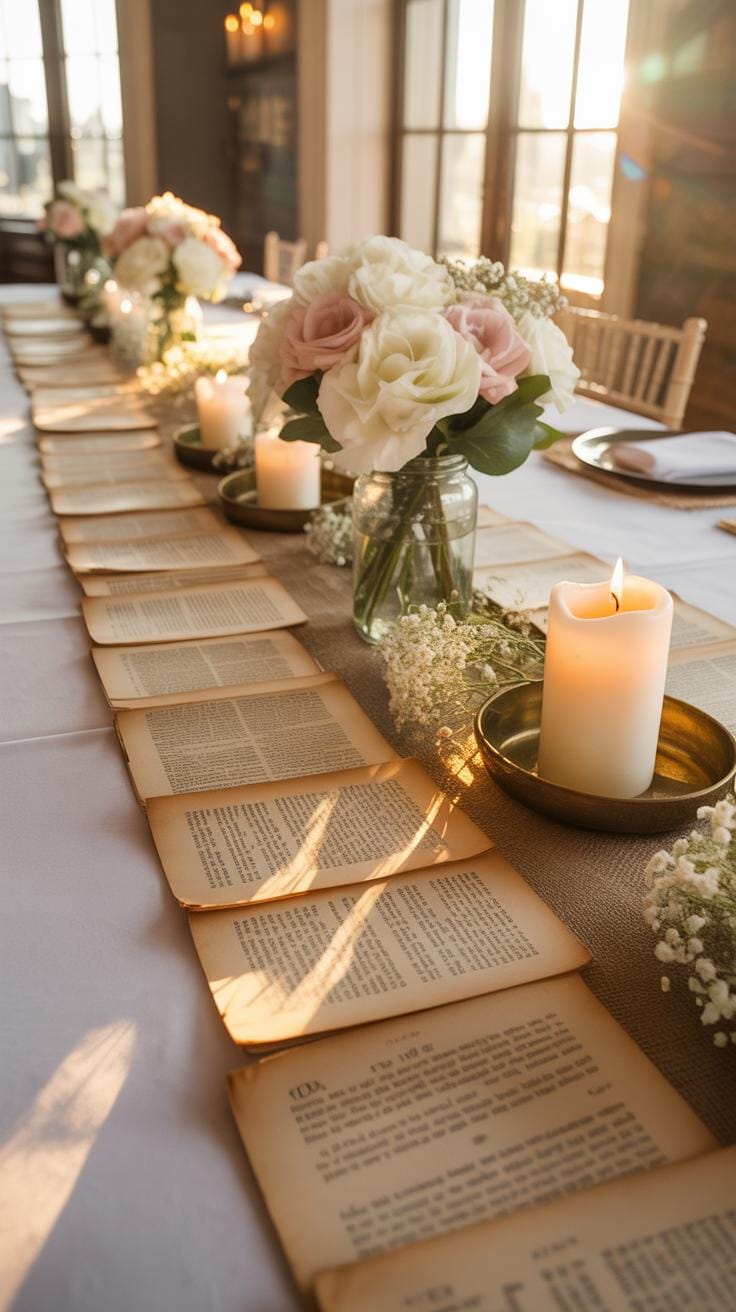
Step By Step Guide To Creating A Book Page Table Runner From Recycled Pages
A book page table runner diy project requires precision and structural planning. This homemade table runner serves as a durable base for floral arrangements or vintage decor. You must choose a consistent adhesive to prevent the paper from buckling. Strategic overlapping ensures the runner stays together during the event. Follow these mechanical steps to build a functional book table runner for your long reception tables.
- Source Material: Gather several battered books that share a similar paper weight. Avoid glossy pages because they do not bond well with standard adhesives. Thick paper prevents the runner from tearing during setup.
- Page Preparation: Remove pages carefully to keep the edges clean and straight. Use a craft knife for a professional finish. Jagged edges look messy and distract from the overall aesthetic of your wedding runner ideas.
- Layout Alignment: Lay three pages side-by-side to determine the width of your runner. Overlap the edges by at least one inch. This overlap creates the structural integrity needed to support centerpieces and runner table ideas.
- Adhesive Application: Apply a thin layer of glue or double-sided tape to the overlapped sections. Press firmly to ensure a flat bond. Do not use heat-based glues as they can warp the thin paper fibers over time.
- Length Extension: Continue adding rows of pages until you reach the desired length. Allow for a twelve-inch overhang on each side of the table. This provides the classic look required for high-end table cloth ideas wedding layouts.
Learning how to make a book page table runner allows you to customize the dimensions for any surface. Once construction is complete, apply a matte sealant to protect the paper from condensation or spills. This step is critical if you plan on placing wet glassware directly on the diy wedding table runner. Proper sealing preserves the paper and prevents ink from transferring onto the linens underneath.
There is a unique kind of magic in the things we make by hand, as every fold of fabric and stitch of a runner tells the story of the love being celebrated. A handmade wedding is not just a ceremony, but a beautiful tapestry of your own creation and memory.
Choosing The Right Books And Pages For A Cohesive Book Table Runner Aesthetic
Selecting materials for a diy wedding table runner requires a sharp eye for color theory. For an olive green and brown wedding, use older books with yellowed or sepia-toned pages. These aged tones complement earthy palettes and provide a vintage foundation. Avoid stark white modern paper if you want a warm atmosphere. Consistently aged pages create a more professional and unified look for your guest tables.

The font size and margin width impact the visual texture of your homemade table runner. Select books with classic serif fonts to evoke a traditional literary feel. Check that the content on the pages remains appropriate for all guests. Use books from a specific era to match your wedding theme exactly. These tactical choices ensure your book table runner acts as a sophisticated design element rather than a random collection of paper scraps.
Elegant Fabric Runner Table Ideas For Classic And Formal Weddings
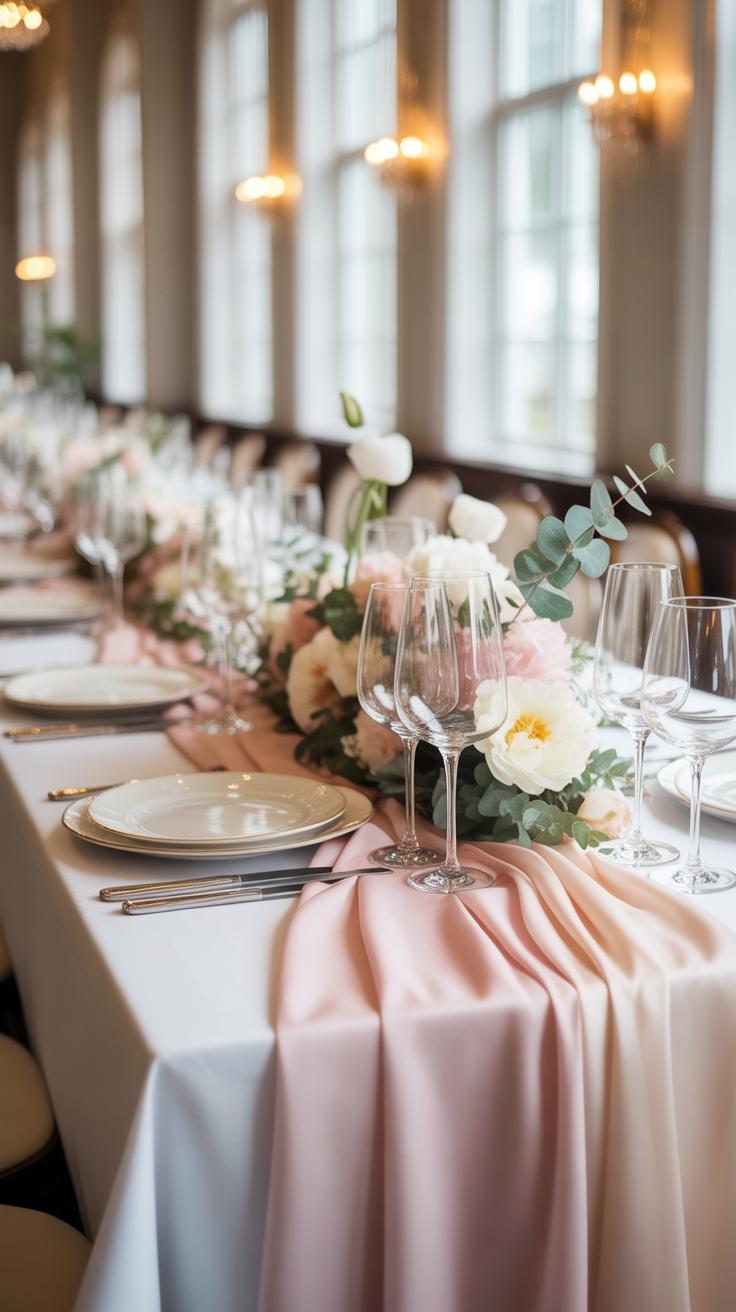
Guidance Working With Silk Satin And Velvet For A Luxurious DIY Table Runner
High end fabrics require specific handling for a Diy Wedding Table Runner. Silk and satin have slippery surfaces that shift during cutting. Use a rotary cutter and a self-healing mat to maintain straight lines. Pin within the seam allowance to avoid permanent needle holes in the delicate weave. These materials provide the sheen necessary for formal Runner Table Ideas in upscale indoor venues.
Velvet requires a walk foot on your sewing machine to prevent the layers from creeping. Always cut velvet with the nap running in one direction for consistent color depth. For an Olive Green And Brown Wedding, use semi-synthetic velvet for better weight and durability. This approach ensures your Homemade Table Runner looks professional. Proper pressing on a needle board prevents crushing the pile of the fabric.
Adding Embroidery Beading Or Lace Trim To Elevate A Simple Fabric Runner
Adding structural details transforms basic Wedding Runner Ideas into high-end decor. Use a tear-away stabilizer behind the fabric when adding embroidery to prevent puckering. Hand-sewing glass beads to the ends of the runner adds weight and keeps the fabric from sliding off the table. This technique creates a balanced look that complements varied Table Cloth Ideas Wedding planners often recommend for formal seating.
Lace trim provides a sharp contrast against solid fabrics. Apply lace using a narrow zigzag stitch or high-strength fabric adhesive for a clean finish. If you want a more intellectual aesthetic, skip the fabric and learn How To Make A Book Page Table Runner. While unconventional for black-tie events, a Book Table Runner or a Book Page Table Runner Diy project creates a unique focal point for literary-themed receptions.
Boho And Macram DIY Wedding Table Runner Concepts
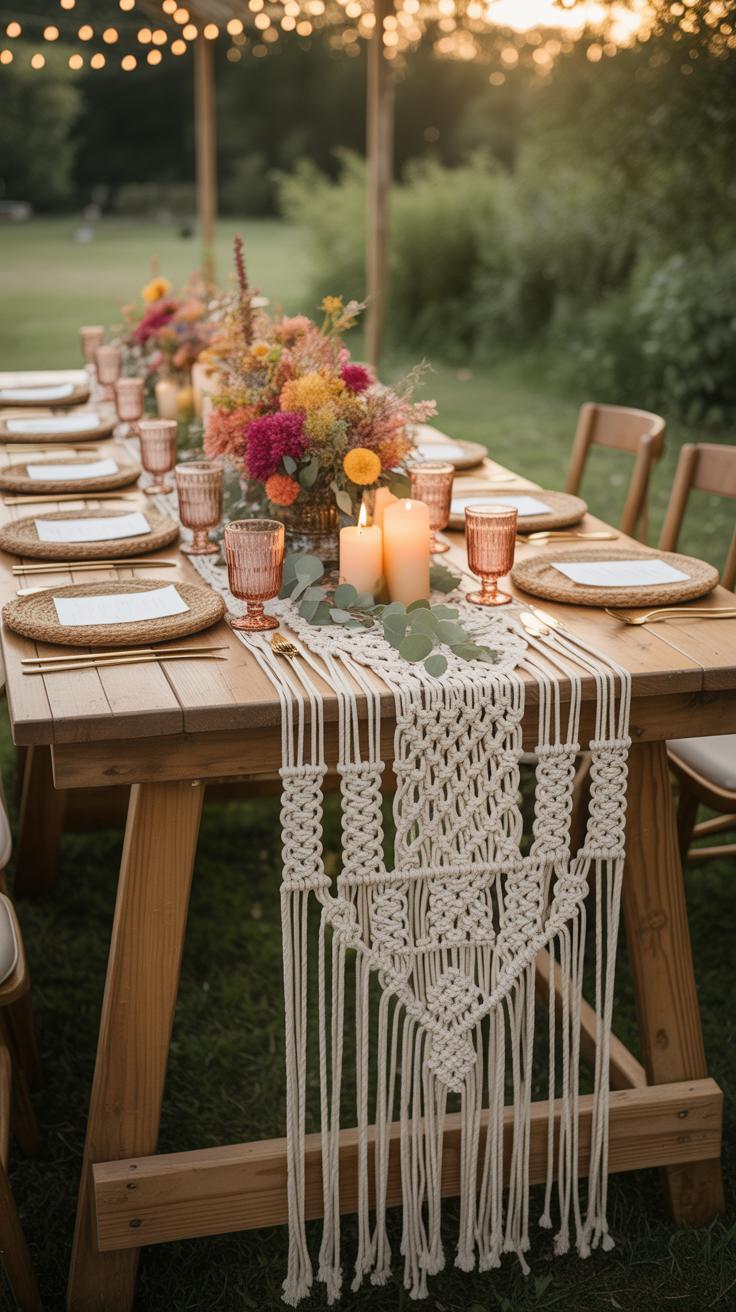
Crafting A Macramé Table Runner With Basic Knot Techniques
Begin your diy wedding table runner by selecting high quality three strand cotton cord. You need a stable anchor like a wooden dowel to secure your strands. Success depends on mastering the square knot and the lark’s head knot. These basic movements create the structural integrity required for a homemade table runner. Maintain consistent tension throughout the process to ensure the pattern remains professional and symmetric across the entire surface.
A macramé runner offers better texture than standard runner table ideas. You can dye the finished piece to match an olive green and brown wedding theme for a nature inspired look. Precise measuring is critical because knots consume significant cord length. Always cut strands four times longer than the desired final distance. This manual technique provides a heavy weight that prevents the fabric from sliding or bunching during the reception dinner service.
Combining Macramé With Dried Pampas Grass And Feathers For A Boho Look
Integrating organic elements elevates a basic macramé project into a sophisticated boho centerpiece. Secure pampas grass stems and feathers directly into the cord loops using thin floral wire. This method works well with various wedding runner ideas that prioritize depth and height. Focus on placing larger plumes at the ends of the table to create a visual frame. This arrangement complements other table cloth ideas wedding professionals use for high end events.
Strategic layering makes your setup stand out from a standard book table runner. Use the macramé as a structural base for the heavier foliage. If your event features a book page table runner diy project elsewhere, ensure the textures do not clash. You can learn how to make a book page table runner for smaller accent tables while keeping the main dining area focused on fiber arts. Balancing these tactile materials creates a cohesive and intentional aesthetic.
Table Cloth Ideas For Weddings Pairing Runners With The Right Base Linens
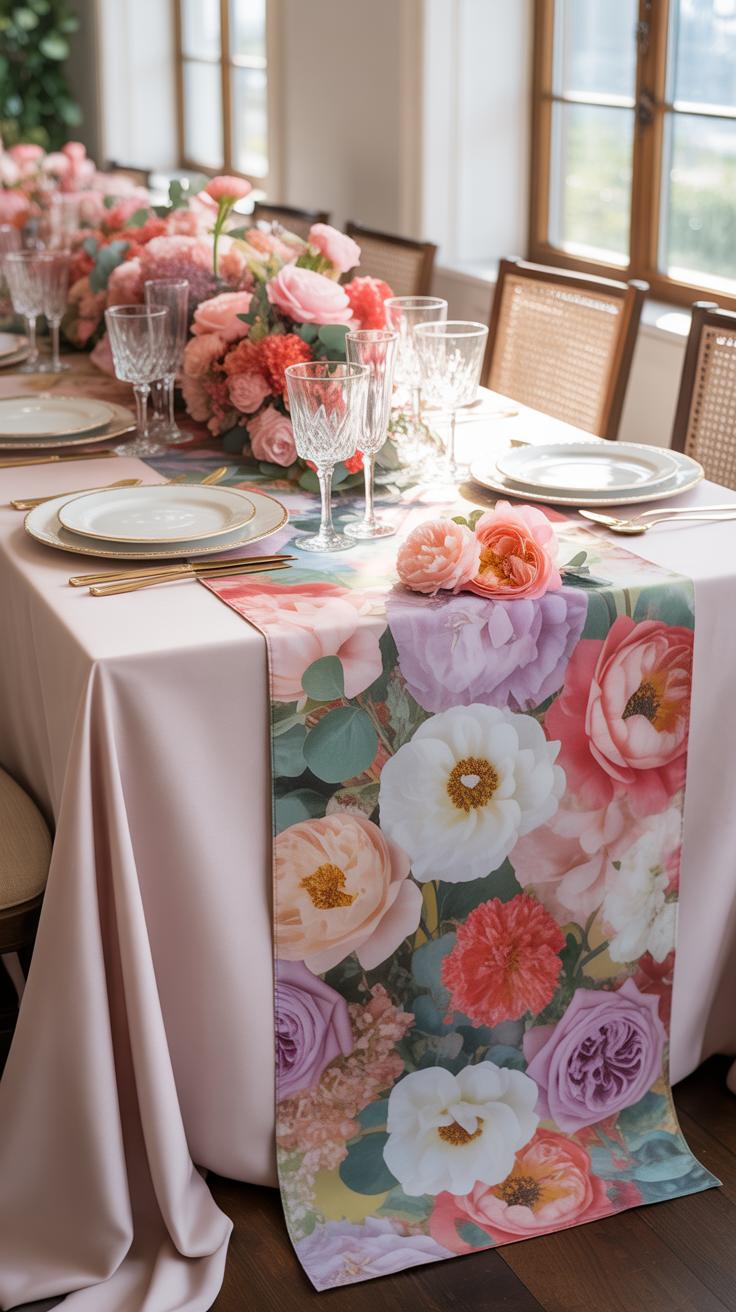
How To Layer A Diy Runner Over Tablecloths For Maximum Visual Impact
Layering a diy wedding table runner requires precise measurement and contrast. Your base linen provides the structural foundation while the homemade table runner creates the focal point. Ensure the runner overhangs the table edge by at least six to twelve inches on both sides. This vertical drop aligns with formal banquet standards. Secure lightweight materials like lace or paper with subtle adhesive dots to prevent shifting during the meal.
Effective runner table ideas rely on the rule of thirds for placement. Center the runner exactly to lead the eye down the length of the table. If you use a book table runner, place it over a plain polyester or cotton base. Textured fabrics provide the best grip for paper elements. These table cloth ideas wedding professionals use prevent fabrics from bunching. Proper layering hides table seams and creates a professional finish.
Matching Your Runner Color And Texture To Your Overall Wedding Color Palette
Color theory dictates your fabric choices for an olive green and brown wedding. Use a dark brown base linen to make an olive green diy wedding table runner pop. This combination mimics natural forest floor palettes. Select matte fabrics like linen or heavy cotton for these earthy tones. Avoid shiny synthetics which take away from the organic aesthetic. Accurate color matching ensures the table settings do not clash with floral arrangements.

Texture adds depth to your wedding runner ideas. If you choose a book page table runner diy project, pair it with neutral base tones like ivory or cream. Learning how to make a book page table runner involves choosing aged paper that matches the warmth of your linens. Use heavier canvas or burlap for rustic themes. Fine silk or chiffon runners work best on high-thread-count cotton. Matching weight to weight ensures the assembly stays flat.
Seasonal DIY Wedding Table Runner Ideas For Spring Summer Fall And Winter
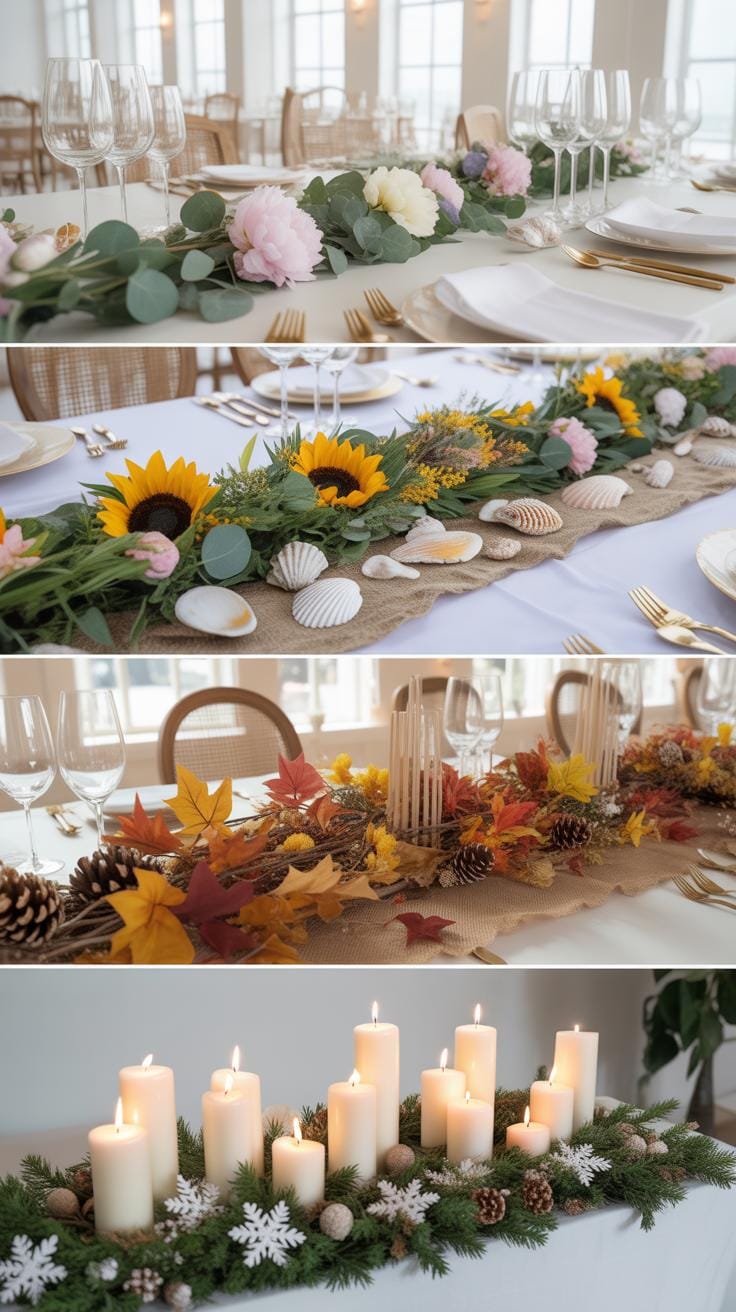
Light And Airy Spring And Summer Runner Ideas Using Dried Citrus And Pastel Blooms
Spring and summer events require breathable fabrics and high-contrast accents. Utilize cheesecloth or thin linen to create a base for your diy wedding table runner. These materials allow air flow and prevent a heavy visual weight on the table. Dehydrate citrus slices in an oven at low heat to ensure they remain preserved and translucent throughout the event. This technique provides a cost-effective homemade table runner that resists wilting in high heat.
Integrate pastel blooms like ranunculus or sweet peas directly into the runner fabric. For couples seeking vintage runner table ideas, a book page table runner diy provides a unique tactile surface for floral placements. You can learn how to make a book page table runner by overlapping thick paper stocks that resist moisture. This book table runner approach works well at outdoor garden weddings because the paper provides a neutral backdrop for bright summer colors.
Cozy Fall And Winter Runner Designs Featuring Pinecones, Cranberries, And Rich Velvet
Winter designs focus on heavy textures and deep tones to build warmth. Use cotton velvet as your primary material for a high-end wedding runner ideas look. This fabric holds its shape and creates natural shadows. For an olive green and brown wedding, layer dark green velvet over unfinished wood surfaces. This combination mimics forest floors and matches well with table cloth ideas wedding professionals use to create depth and dimension in cold weather.
Incorporate natural elements like pinecones and fresh cranberries to provide organic structure. These items stay fresh for days and do not require water sources. Place these accents along the center of your diy wedding table runner to guide the eye. Use wax-coated twine to secure heavy branches or evergreen sprigs. This method ensures the layout remains intact even as guests move plates and glasses during a formal seated dinner.
Pro Tips For Displaying And Transporting Your DIY Wedding Table Runner
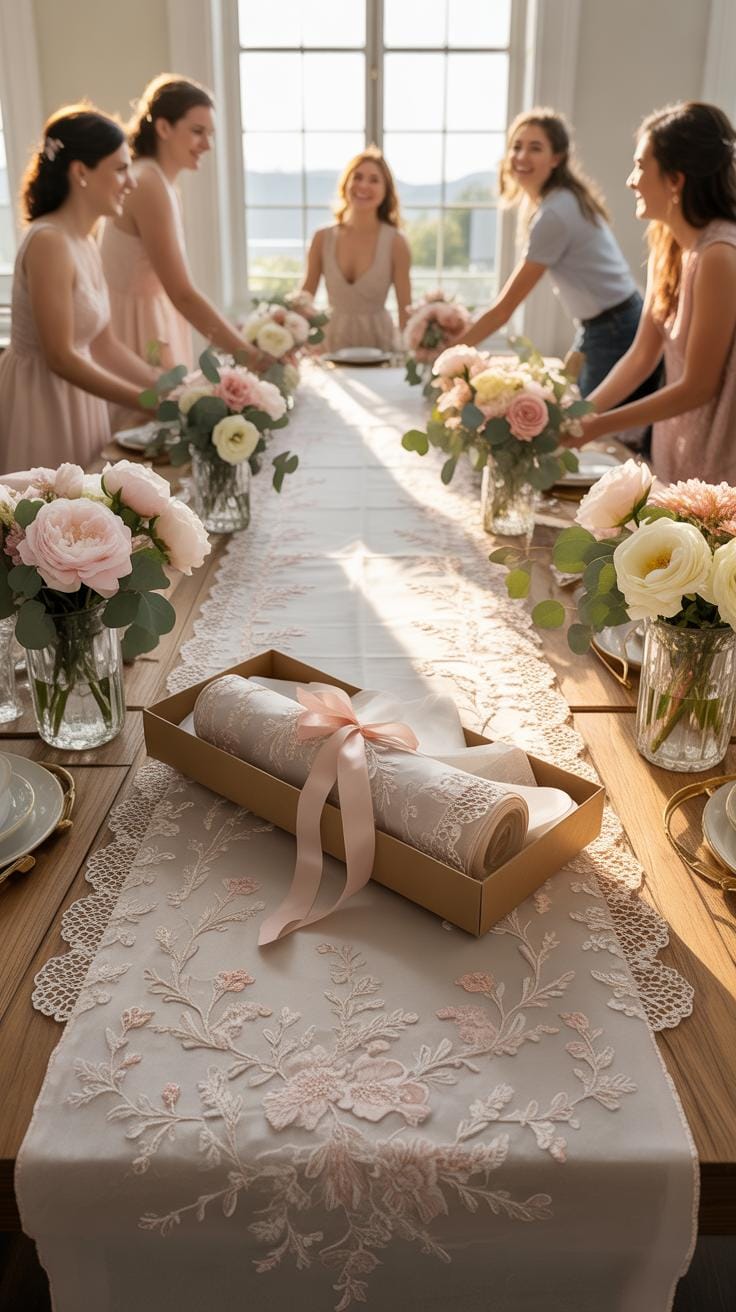
How To Store And Transport Delicate Handmade Runners Without Damage
Transporting a diy wedding table runner requires mechanical protection to prevent creases or structural failure. Avoid folding textile materials like linen or gauze because deep wrinkles are difficult to remove on site. Roll fabric runners tightly around heavy duty cardboard tubes to maintain a smooth surface. Secure the ends with acid free tissue paper to prevent fraying during transit. This method ensures your homemade table runner arrives in pristine condition.
Paper based items like a book table runner require rigid flat storage to prevent curling or tearing. Place these items between sheets of corrugated foam board and secure the edges with painter tape. For an olive green and brown wedding theme using organic materials, keep humidity low during storage to prevent mold or wilting. Proper packing prevents common runner table ideas from looking messy. Professional transport protects the time invested in your wedding runner ideas.
Setting Up Your Runner On The Day: Timing, Placement, And Final Styling Touches
Install your diy wedding table runner only after the cleaning crew finishes the floors and tables. Dust and debris ruin light colored fabrics instantly. Center the runner by measuring from the table edge rather than eyeballing the alignment. If you are using a book page table runner diy, apply small dots of removable adhesive to the underside of the paper corners. This prevents the book page table runner from shifting when guests sit down.
Coordinate your runner with other table cloth ideas wedding layouts to ensure a cohesive look. Layering fabric over a base cloth adds depth but requires precision. When executing how to make a book page table runner, ensure the text faces the correct direction for reading. Check the overhang on both ends to verify symmetry across the entire reception hall. These final styling touches transform basic diy wedding table runner projects into professional grade displays.
Frequently Asked Questions

What are the best materials for a beginner to use for a diy wedding table runner?
If you are new to crafting, starting with no-sew fabrics is the best approach. Materials like cheesecloth, burlap, or pre-hemmed velvet are incredibly forgiving and require zero technical skill to look professional. For a beautiful diy wedding table runner, simply hand-dye gauze for a romantic, airy look or layer textured burlap over lace. These options allow you to achieve a high-end aesthetic without the stress of using a sewing machine.
How do I determine the correct length and width for my handmade table runners?
To get the perfect fit, measure your reception tables and add at least 12 to 18 inches to the total length. This ensures a graceful 6-to-9-inch overhang on both ends. Most standard runners are approximately 12 to 16 inches wide, which provides enough room for centerpieces without crowding the place settings. Always cut a sample piece first to test the drape and ensure your diy wedding table runner sits perfectly on the surface.
Can I create elegant wedding table runners on a very tight budget?
Absolutely! You can achieve a luxury look for pennies by thinking outside the box. Consider using rolls of heavy-duty kraft paper and decorating them with metallic paint markers, or repurposing vintage fabric remnants from thrift stores. If you prefer a botanical vibe, gathered greenery or inexpensive eucalyptus bundles can serve as a natural runner. These creative alternatives prove that beautiful wedding decor is more about thoughtful design than a large price tag.