The Un Wedding Decor Ethos: Rejecting Pinterest Perfection
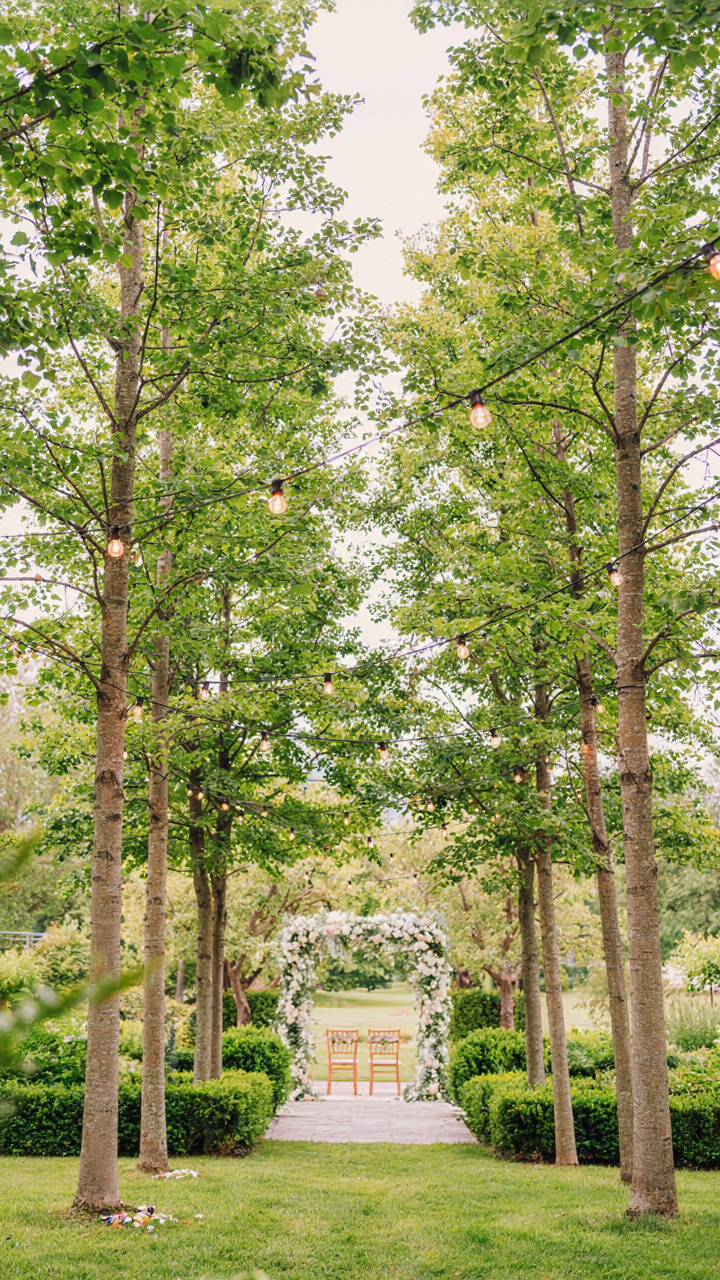
Why Generic Advice Fails DIY Ambition
You’re looking at this section because you’re afraid the result won’t look “professional” enough, and that fear is exactly what kills actual creativity. The mechanism is simple: consensus advice tells you to match everything, coordinate colors, and follow a preset aesthetic template. This works if you want to disappear into a category. It fails if you want to build something that reads as intentional.
Generic decor guidance assumes standardization solves problems. It doesn’t. Standardization creates visual noise because everyone executes the same three ideas simultaneously. The real move is specificity. Your hanging decor should solve one actual problem at your venue, then stop. A string of Edison bulbs hung from trees doesn’t need coordinating table runners or matching lanterns. It needs justification: why those bulbs, why that spacing, why that height. When you can answer that without referencing a mood board, you’ve moved past advice into authorship.
Imperfection As Structural Design, Not Accident
Imperfection in design comes from industrial engineering, where systems deliberately build in variation to prevent catastrophic failure. Apply this to your hanging setup: intentional asymmetry in placement, mixed heights, or unmatched materials signal control, not budget constraint. When observers see variation, they register intentionality.
The distinction matters tactically. Mismatched fabrics draped at different heights look cheap when positioned randomly. They look curated when positioned to frame specific sightlines or follow the natural terrain of your venue. Imperfection becomes signature style the moment you can explain why each element sits where it sits. Before you hang anything, document the sight lines from the altar, the entrance, and the main seating area. Place your decor to interrupt or frame those views deliberately. Everything else is decoration noise.
The Found Object Framework: Repurposing, Not Purchasing
Where To Find What You Actually Need
You’re drawn to this section because you want permission to skip the wedding decor markup without looking cheap. Here’s the mechanism: scarcity creates perceived value. When guests see branches, weathered wood, and found stone arranged intentionally, their brains process it as design choice, not budget constraint. The landscaping industry calls this “hardscape selection”—you’re selecting your materials from what nature provides rather than what vendors stock.
Walk your venue property two weeks before the ceremony. Collect fallen branches with interesting angles, dried leaves that hold color, moss clumps, and stones. Urban venues need a different approach: scout nearby parks or ask property managers for clearing debris. Don’t assume you need permission—most property owners prefer someone removing deadfall to paying for removal. Store everything dry and organized by type so you can visualize combinations during setup.
Kitchen Cabinets As Your Inventory
The generic advice says “get creative with what you have.” That’s incomplete. The real mechanism is contrast—mismatched household objects read as intentional when they’re scaled correctly and hung at varying heights. Mason jars, old wire baskets, vintage picture frames, and metal colanders create visual interest that matching decor can’t touch. You’re not being resourceful because you’re broke; you’re being strategic because uniformity costs money and looks corporate.
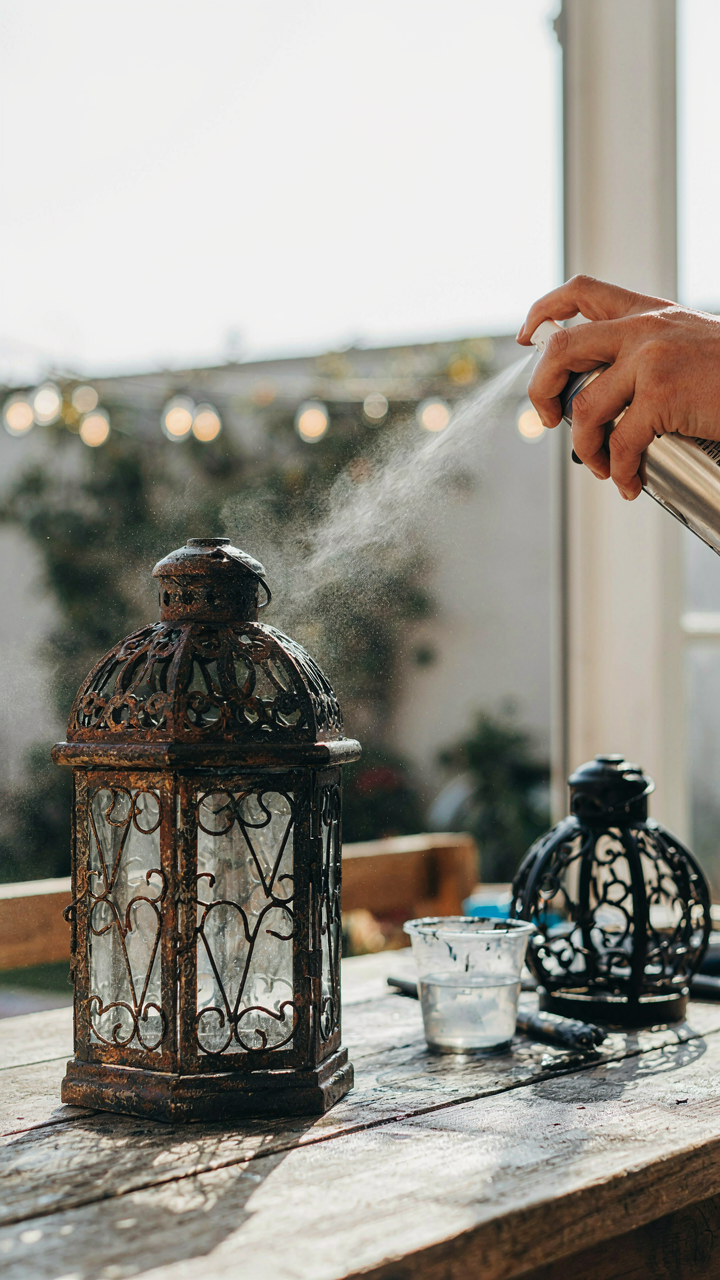
Audit your home and ask friends for pieces they’re discarding. Thrift stores sell frames, lanterns, and baskets for under five dollars each. Spray paint rusted items matte black or white to unify the palette without looking salvaged. Mount them on fishing line or thin cable strung between trees so they float rather than sit flat against a backdrop. This approach requires one critical step: photographing your final arrangement from guest eye level before the ceremony to catch spacing issues.
Illumination Alchemy: Turning Cheap Lights Into Magic
Solar String Lights For Ambient Glow
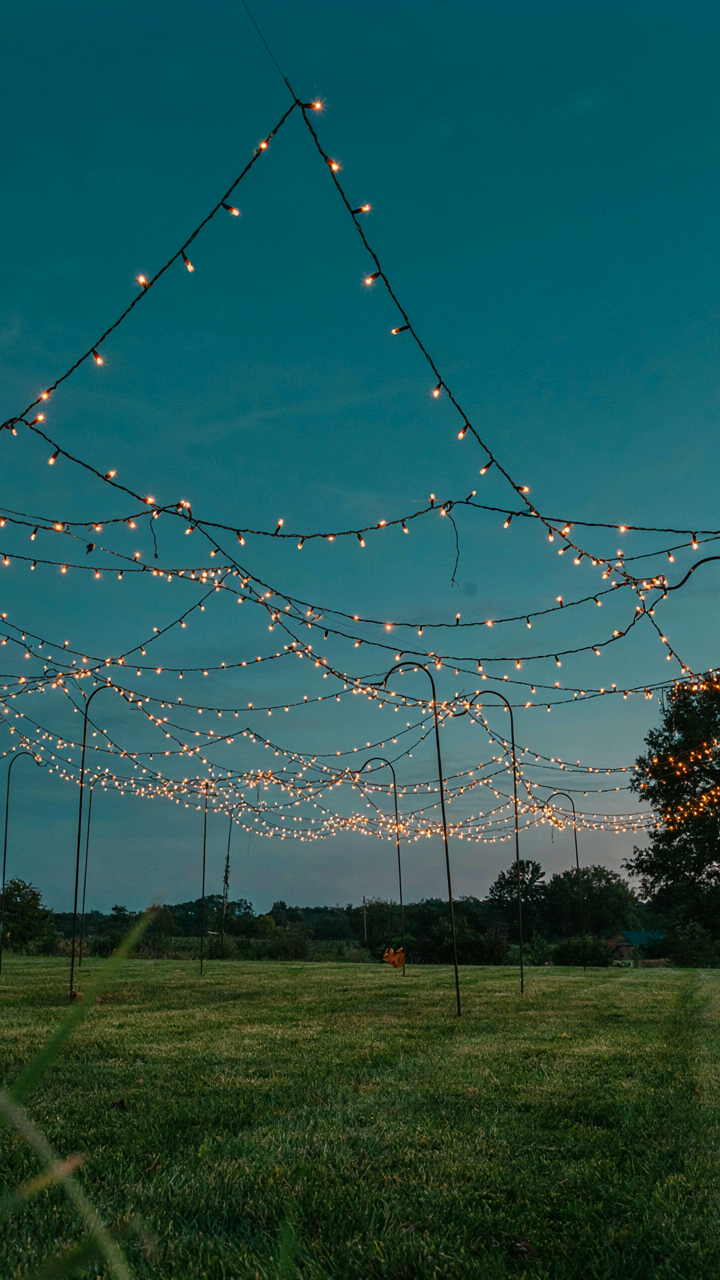
You want people to think you spent money you didn’t spend. That’s the real reason you’re reading this. The mechanism is simple: light creates the illusion of intentional design, and solar lights remove the dependency on power sources or cords that kill the aesthetic. Solar tech is efficient enough now that you get consistent eight-hour output on a full day’s charge, which covers most ceremony and reception windows.
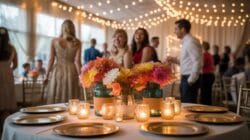
Position solar lights in overlapping strings rather than single lines. Overlap creates visual density and masks the gaps between individual bulbs. Stake them at varying heights using shepherd’s hooks, branches, or fishing line tied to existing structures. The key is asymmetry, not perfect grids. Symmetrical light placement signals budget constraint. Randomness signals design intent.
Mason Jar Lanterns And Tea Light Suspensions
Tea lights are economics applied to ambiance. You buy volume, distribute them densely, and the human eye perceives sophisticated lighting design instead of cheap components. The cost-per-unit drops below five cents when you buy fifty. Jars contain the flame, protect it from wind, and diffuse light evenly, which is why this combination dominates outdoor wedding decor across all budget tiers.
- Suspension method: Use 16-gauge floral wire wrapped around jar neck and threaded through S-hooks. Wire holds better than twine under wind and heat stress from candles.
- Jar selection: Clear glass works, frosted glass diffuses light more evenly. Skip colored jars, they waste light and read as forced whimsy.
- Candle type: Battery-operated tea lights eliminate fire risk and wind extinguishing. Real candles work if wind speed stays under 8 mph and ceremony runs under two hours.
- Cluster density: Group jars in sets of three to five per hanging point. Single jars disappear visually. Dense clusters read as intentional staging.
- Height variation: Hang clusters at three distinct heights across the ceremony space. This creates visual rhythm and prevents flat, monotonous lighting.
Anchor suspension points to sturdy overhead structures at least twelve feet high. Branches, pergolas, and overhead cables work. Test weight capacity beforehand. A mason jar with sand and a tea light weighs under one pound, but multiple clusters create cumulative load. Install jars thirty minutes before guests arrive to avoid shadows from installation activity. Lighting reads best when it appears already present, not being assembled.
The Vertical Advantage: Maximizing Overhead Impact

What Your Ceiling Can Actually Hold
You want overhead decor because it solves a real problem: ground-level decoration feels static and runs out of space fast. The mechanism is load bearing capacity, borrowed directly from structural engineering. Your hanging system only works if the anchor point tolerates the weight without failure. Most people ignore this and wonder why their installation collapses mid-ceremony.

The math is straightforward. A typical tree branch holds roughly 25 to 50 pounds safely when you distribute weight across multiple anchor points. Fabric garland weighs almost nothing. Wooden frames, floral installations, and Edison bulb strings add up fast. Survey your venue’s existing structures first. Test branch integrity by applying gradual pressure before you commit any decor to it. If the wood bends more than an inch under moderate force, find another anchor.
Covering Space With Less Material
The real hack nobody states plainly: vertical decor creates the illusion of abundance without requiring floor-to-ceiling coverage. This is visual density, the principle that observers perceive fullness based on what captures their eye line, not total volume used. You can deploy 40 percent of the material and achieve 80 percent of the visual impact by placing pieces strategically overhead.
Hanging garland strings 8 to 12 feet above ground creates a sense of enclosure without blocking sightlines. Cluster installations above the ceremony space rather than spreading them thin across the entire venue. A dense grouping of 15 hanging elements in one zone reads richer than 40 scattered pieces. String lights follow power law distribution: placement matters exponentially more than quantity. Position your heaviest visual elements directly above where guests focus during the ceremony.
Botanical Minimalism: Greenery As A Statement
Foraged Foliage And Local Florist Bulk Buying
You want greenery to look effortless because effortlessness signals you didn’t panic about aesthetics. The mechanism is simple: local florists buy in volume for weddings weekly, which means they already negotiated wholesale rates with growers. You tap into their existing supply chain instead of buying retail bunches at grocery stores. Foraged branches cost nothing but time and knowledge of what grows near you without trespassing.

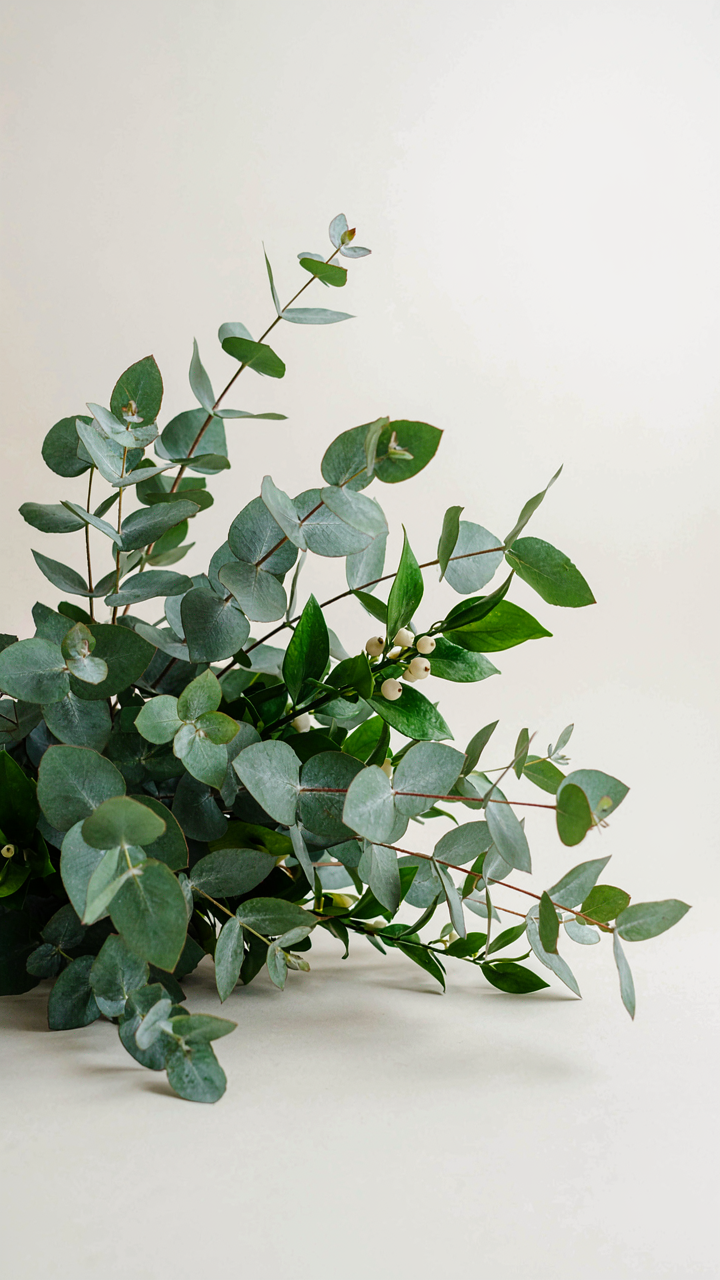
Call florists in your area three weeks before the wedding. Ask what greenery they have excess of that week. Oak, eucalyptus, pittosporum, and ruscus are typically abundant and cheap when you buy twenty stems instead of five. Foraged material works too: maple, birch, willow, and native shrubs hang well and cost zero dollars. The key is asking florists for “seconds” or bulk discounts, not arranging fees. They’ll often sell you pounds of greenery for half the retail price of pre-arranged bunches.
Single Stem Impact Versus Elaborate Arrangements
Most wedding advice says more is better. That’s wrong. Supply chain economics teaches us that constraint breeds value: scarcity of effort reads as intentionality. One stem of eucalyptus hung from a crossbeam creates visual weight through isolation. Ten stems clustered tight create chaos that reads as either abundance or laziness depending on execution, and execution is where most DIY attempts fail.
The tactic is this: space greenery at intervals along your hanging structure rather than bunching it. If you’re hanging garland across a 20-foot span, place focal points every five feet instead of filling every inch. Your eye stops at the green, processes it, and moves on. Clustered greenery forces your eye to work harder to find form. Arrange stems in triangles or asymmetrical clusters when you do group them, never in flat planes. Install pieces two days before the ceremony so they hydrate but don’t wilt from early dehydration.
The Dollar Tree Wedding Decorations Diy Blueprint
What Actually Costs Money At Dollar Tree
You’re here because you want to look wealthy without spending like it. The real mechanism is this: Dollar Tree items succeed or fail based on material density, not design. Heavy materials photograph well and hold their shape under wind and heat. Light materials collapse, fade, or blow away, making your setup look abandoned by day two.

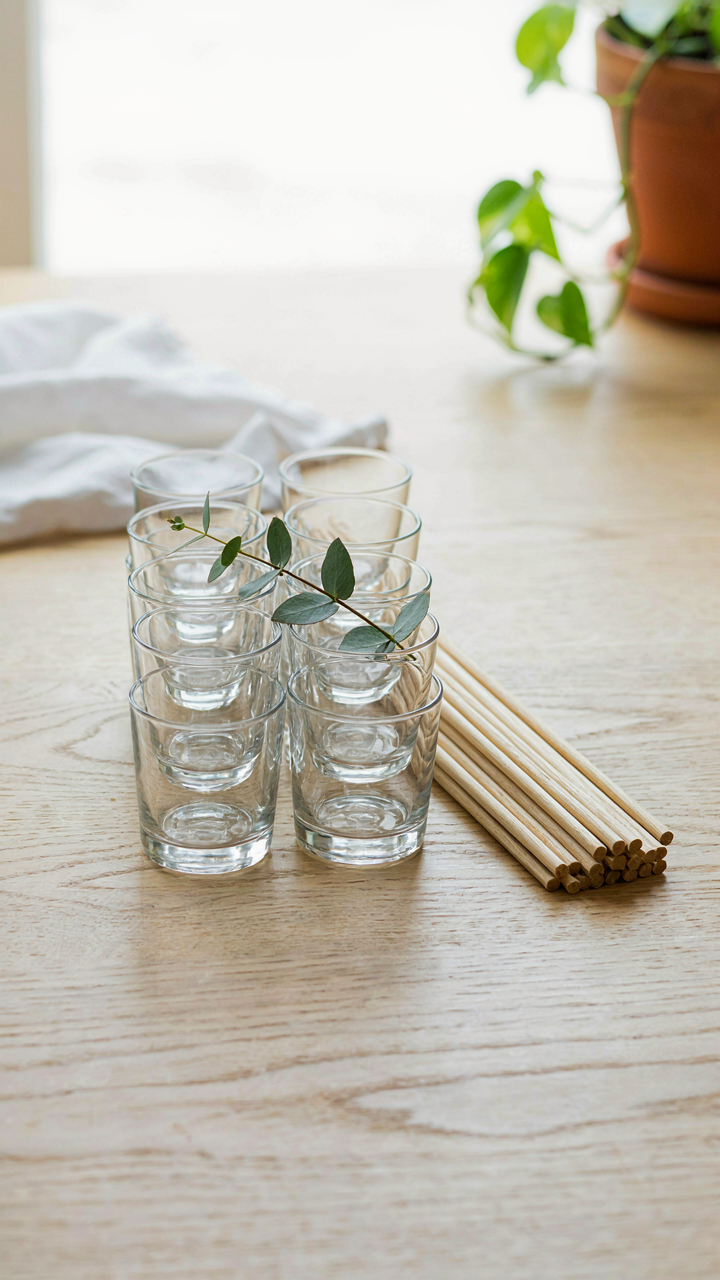
Buy only items with actual weight or structural integrity. Plastic vases, glass votives, wooden dowels, and metal wire hangers earn their dollar. Skip tissue paper, thin garland, and lightweight fabric unless you plan multiple layers for density. One-ply materials amplify cheapness. Two or three layers of the same item create visual heft that reads as intentional, not budget-constrained.
Layering Transforms Perception Into Structure
This isn’t decoration theory, it’s material science. In physics, tensile strength increases when you compound materials at angles. Your hanging decor works the same way. A single strand of Dollar Tree greenery looks sparse. Three strands twisted together and anchored at different heights create visual weight and actual stability against wind.
Buy multiples of the same item and combine them. Two macramé plant hangers create a grid structure for string lights. Three sets of plastic garland woven together gain texture that expensive single-strand options can’t match. The transformation happens through repetition and layering, not through finding a better product. Anchor each layer independently so one section failing doesn’t collapse the whole installation.
Simple Backyard Wedding Ideas Diy: Designing For Intimacy
Work With What You Already Own
You want people to think you planned this perfectly. The real mechanism is that existing structures solve two problems at once: they anchor your hanging decor and they eliminate the cost of building from scratch. Trees, fence lines, pergolas, and shed corners aren’t obstacles. They’re load-bearing infrastructure you already paid for.

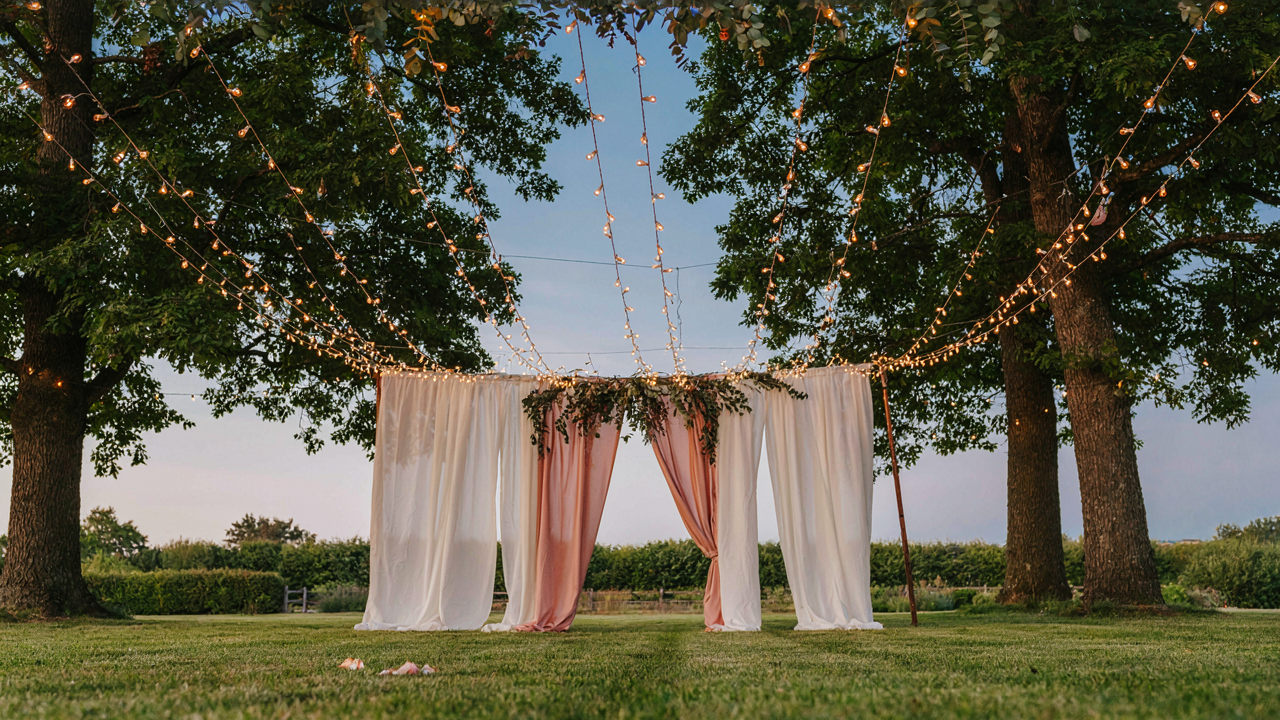
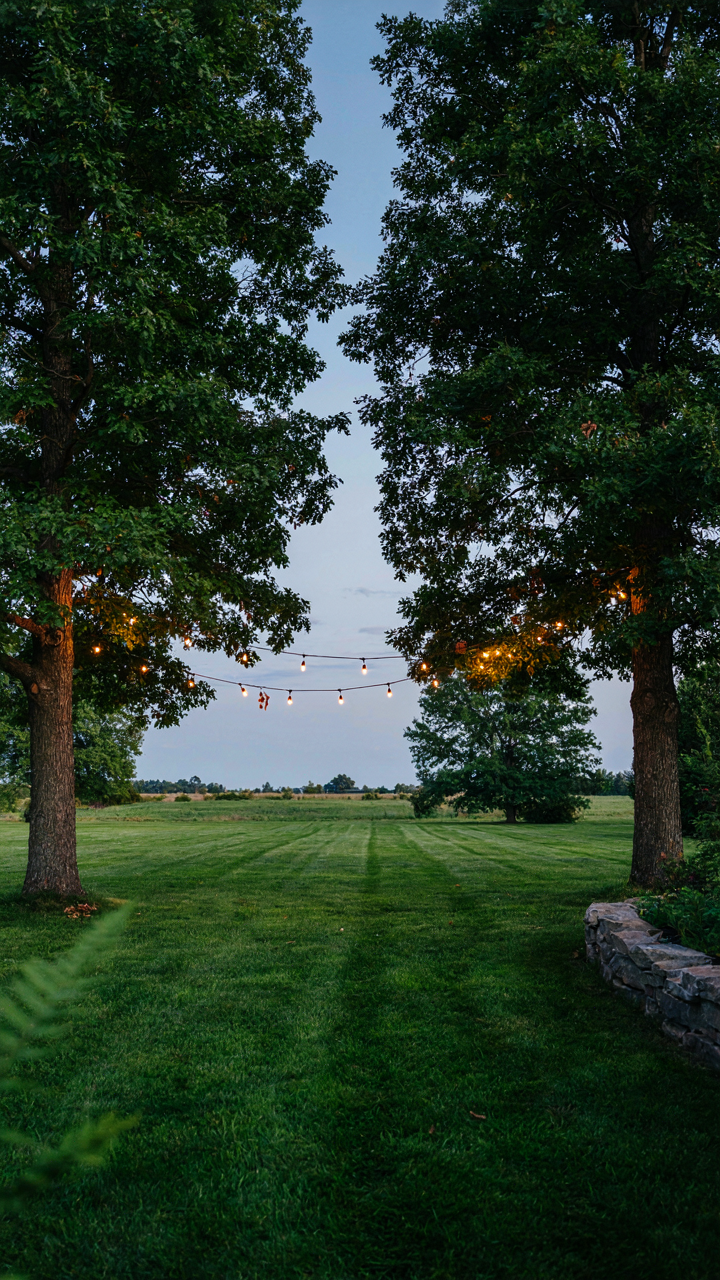
Hardscape and landscape design calls this “adaptive reuse.” Your oak tree becomes a rigging point. Your fence line becomes a frame. The decor hangs from what guests already see, making the whole setup feel intentional rather than bolted-on. String lights strung between two sturdy trees cost nothing extra and look deliberate. Drape fabric from fence posts you own. Hang paper lanterns from existing pergola beams. The work compounds because each piece of decor reinforces the existing geometry instead of fighting it.
Hanging Elements Define The Real Boundaries
Most advice says “create zones with decor.” That’s incomplete. Suspended elements function like walls without walls, using visual hierarchy instead of construction. This comes from architectural theory: vertical planes organize space even when they don’t physically block movement.
Hang fabric panels or macramé from overhead lines to separate the ceremony viewing area from the cocktail space. String café lights in a rectangular pattern overhead to delineate where guests should sit versus where they should move through. Paper garland strung horizontally between posts drops the perceived ceiling and makes a large yard feel contained. Hang plants or greenery at varying heights to create visual breaks. The zones exist because your eye stops at the suspended decor, not because anything prevents walking across them. Install hanging decor in layers, front to back, so each depth creates another visual boundary rather than installing everything at the same height.
The Art Of The Drape: Fabric As Architectural Element
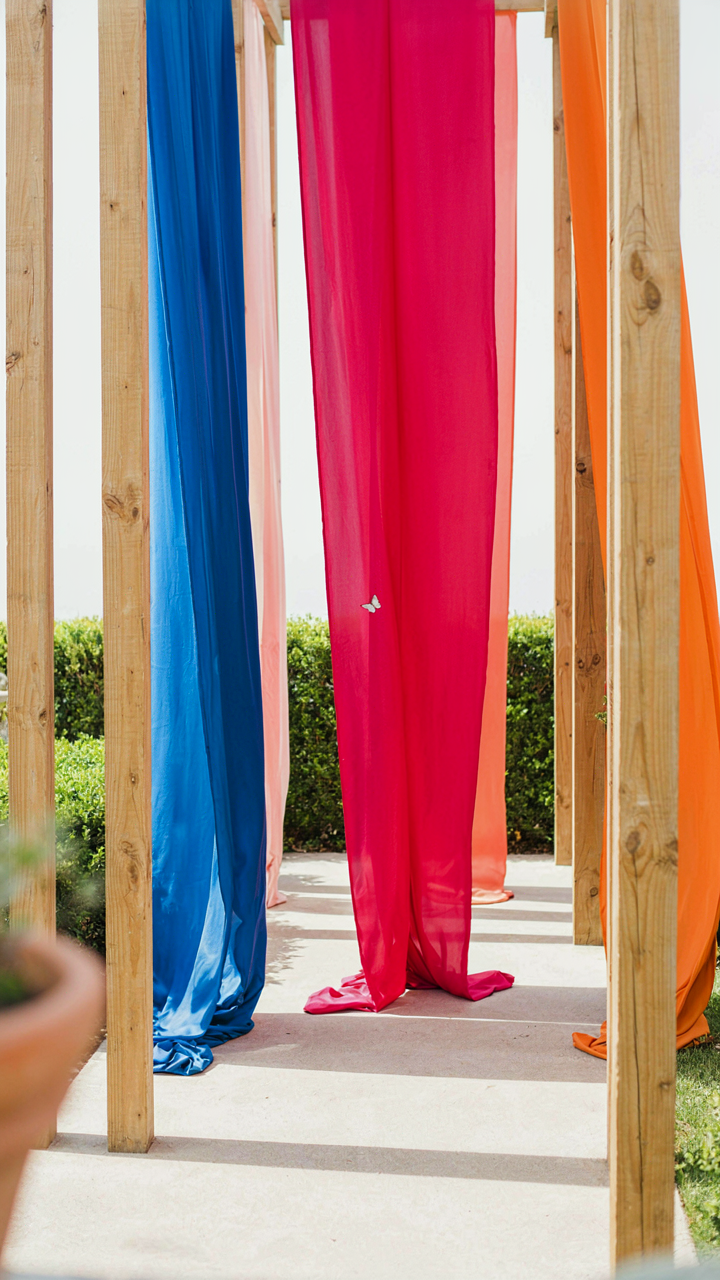
Cheap Fabrics For Dramatic Visual Impact
You want people to think you spent money you didn’t spend. That’s the real game here. The mechanism is contrast: cheap fabric reads as expensive when it moves, catches light, and covers dead space. Polyester, cotton blends, and tulle cost nothing but behave like high-end material once hung with tension and volume.
The fabric itself doesn’t matter. The setup does. Tulle at dollar stores creates depth and softness. Muslin from fabric suppliers drapes clean and takes dye if you want color variation. Cheap polyester panels from party suppliers catch wind and move constantly, which your eye reads as premium. Weight matters more than thread count. Heavier fabric holds shape under tension. Lighter fabric needs strategic pinning or it collapses.
Strategic Placement To Define Spaces
Architecture uses zones to move people through space. Your drapes do the same thing. Hanging fabric overhead creates distinct areas without walls. This isn’t decoration. It’s spatial manipulation. Draping above the ceremony space tells guests where to focus. Draping at the perimeter softens hard edges and contains the event.
Place fabric where sight lines need blocking and where you want to draw attention upward. Hang it between structural supports, not randomly across open sky. The posts or trees already exist. Use them. Drape from one anchor point to another at varying heights to create rhythm and prevent a flat, predictable line. This forces your eye to move and makes the space feel intentional rather than sparse.
Fall Wedding Ideas On A Budget Diy: Seasonal Smart Sourcing

Branches, Gourds, And What Grows Free
You’re reading this because you want to look intentional without spending money—that’s the real equation. Here’s what actually works: fall decor trades on scarcity. In supply chain terms, foraged materials hit peak availability for two months. After that window closes, you’re buying from florists at 3x markup. The mechanism is simple: harvest during peak season, dry or preserve immediately, deploy three months later.

Branches and gourds aren’t decoration—they’re structural anchors for hanging installations. Branches create irregular lines that fabric and greenery cling to naturally. Gourds, when hollowed and strung with twine, become weight distribution nodes that balance asymmetrical hanging arrangements. Source branches in August and September from tree pruning contractors, not landscaping yards. They’ll sell bulk cuttings for twenty dollars. Gourds come from local pumpkin farms three weeks before your October wedding, not from grocery stores in September.
Warm Light And Textile Layers
String lights solve a problem nobody names directly: autumn outdoor light dies at 6:15 PM in most regions, which is when your ceremony likely happens. This creates two choices—fight the darkness with harsh uplighting, or work with it using warm-toned bulbs strung low and close to surfaces. Warm textiles do the same job as light: they absorb darkness instead of fighting it. Layered linen or canvas behind the hanging structure reads as intentional, not sparse.
The textile play isn’t aesthetic—it’s functional contrast. Draping lightweight canvas between branch lines creates wind breaks for candles and filters harsh shadows. Source textiles from fabric wholesale retailers or second-hand linen suppliers, not wedding rental companies. You’ll pay thirty to fifty dollars for bulk yardage versus eighty to one-twenty for rental versions of the same product. Warm Edison bulbs strung in clusters of three instead of single lines create focal points that guide guest sight lines and reduce the visual weight of thin strands.
The Eco Conscious Wedding: Sustainable Hanging Decor
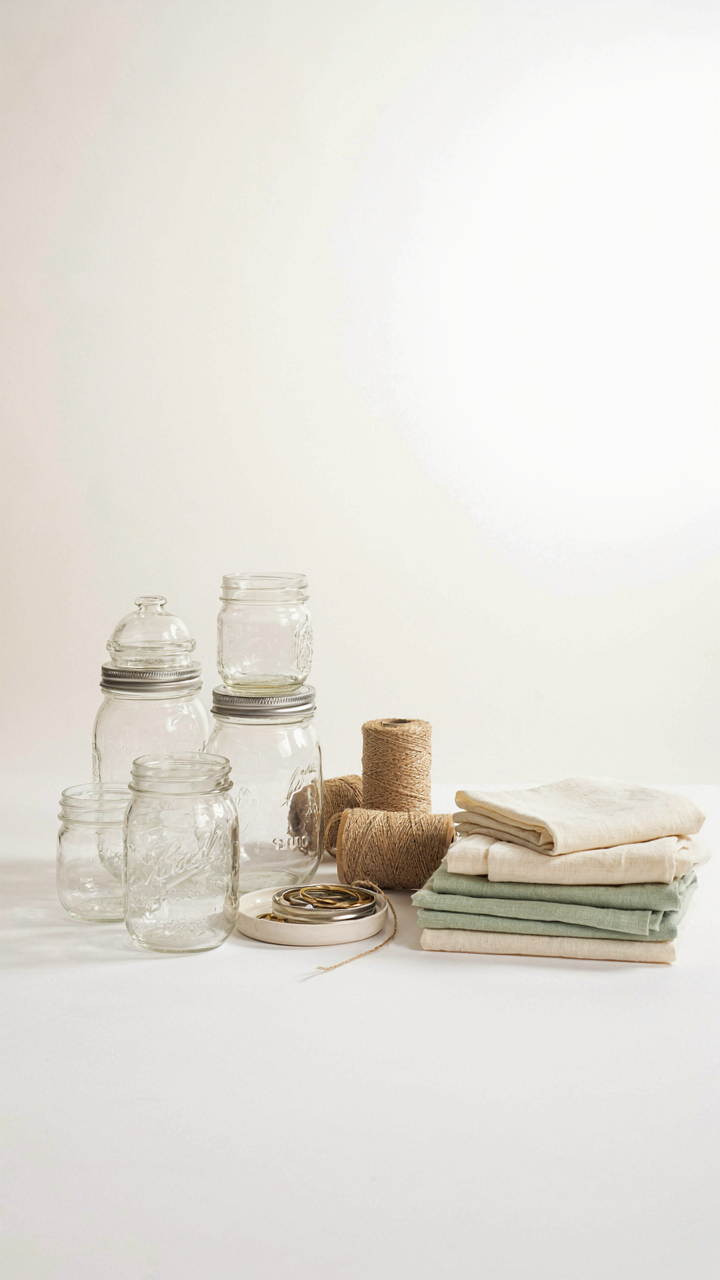
Biodegradable Materials And Upcycled Components
You want people to think you care about the planet, but really you want to spend less money and have a clean conscience about it. The mechanism is simple: biology gives us materials that break down on a timeline, unlike synthetic alternatives that persist for decades. Jute twine, cotton muslin, kraft paper, and untreated wood decompose naturally within months. Paper lanterns made from washi or rice paper disintegrate when wet or exposed to sun. Branches, moss, and dried flowers cost nothing if you source them locally. These materials work because they follow natural decomposition cycles instead of fighting them.
Upcycled components solve the budget problem differently. Wedding magazines won’t tell you this, but old mason jars, tin cans, wooden crates, and fabric scraps from local tailors become hanging vessels when you apply basic assembly logic. Reclaimed wood branches suspended with twine create canopies at zero material cost. The advantage isn’t moral superiority, it’s that upcycled decor automatically looks intentional instead of mass-produced. Your guests notice the difference even if they can’t name it. Source components from thrift stores, construction salvage yards, and community groups that give away materials rather than landfilling them.
Reusable Decor That Survives Multiple Events
Most couples treat wedding decor as disposable, which is financially stupid if you plan more than one event in your social circle. Steel frames, aluminum poles, and quality rope systems persist across weddings because they’re built to endure weather and repeated assembly. Fabric draping in neutral tones stores easily and works for engagement parties, rehearsal dinners, and vow renewals. Invest in infrastructure once, not supplies repeatedly. This shifts the economics entirely. Your first wedding decor costs more upfront, but your third costs almost nothing.
The protocol is specific: buy reusable components in neutral materials, store them properly, and document assembly with photos. Canvas drop cloths, premium cotton rope, and metal frame connectors take up minimal space in a garage or storage unit. Macramé kits you tie once work for multiple events when stored dry. Label your containers with inventory so you don’t rebuy items you already own. After the wedding, clean and dry everything immediately. Mold and rust destroy reusable systems fast. Store components flat or coiled, away from direct sunlight, with silica packets in sealed containers.
The Real Obstacle Isn’t Money; It’s Your Willingness To Defy Expectation
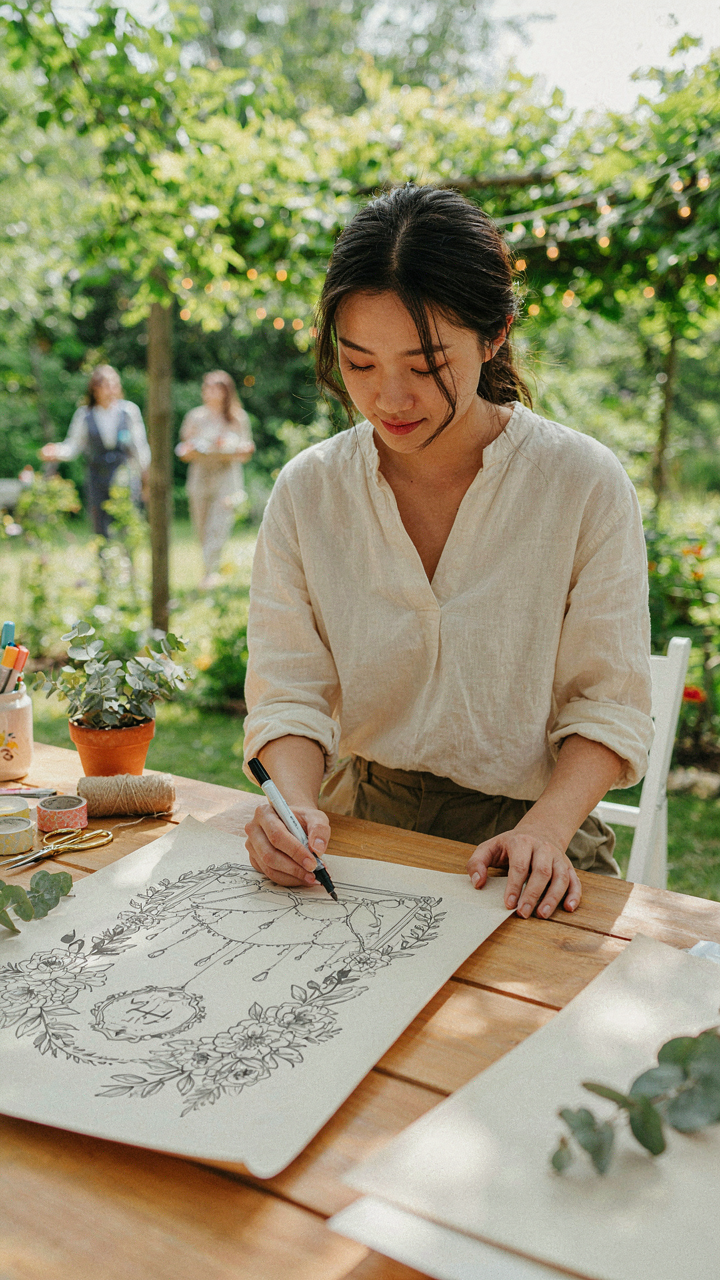
Most couples spend thousands on decor because they never question whether they actually want it. You’re different. You’re here reading about hanging vines and Edison bulbs on a budget because you’re willing to build something real instead of renting someone else’s vision. The couples who end up with the most memorable weddings aren’t the richest ones. They’re the ones who stopped asking what they should do and started asking what they actually wanted. Stop scrolling inspiration boards today. Spend one hour sketching your actual vision on paper, constraints and all. The rest follows naturally from there. You don’t need more money. You need permission to ignore what everyone else built.