The Myth Of The “Budget” Lighthouse Wedding Venue

What “Budget Friendly” Actually Means Here
You want the lighthouse because it signals taste without effort, and you’re hoping the venue itself does the design work so you don’t have to. Here’s the mechanism: lighthouse venues operate on scarcity pricing, not competitive pricing. The word “budget” doesn’t mean cheap—it means you’re negotiating inside a constrained market where three lighthouses serve an entire region.
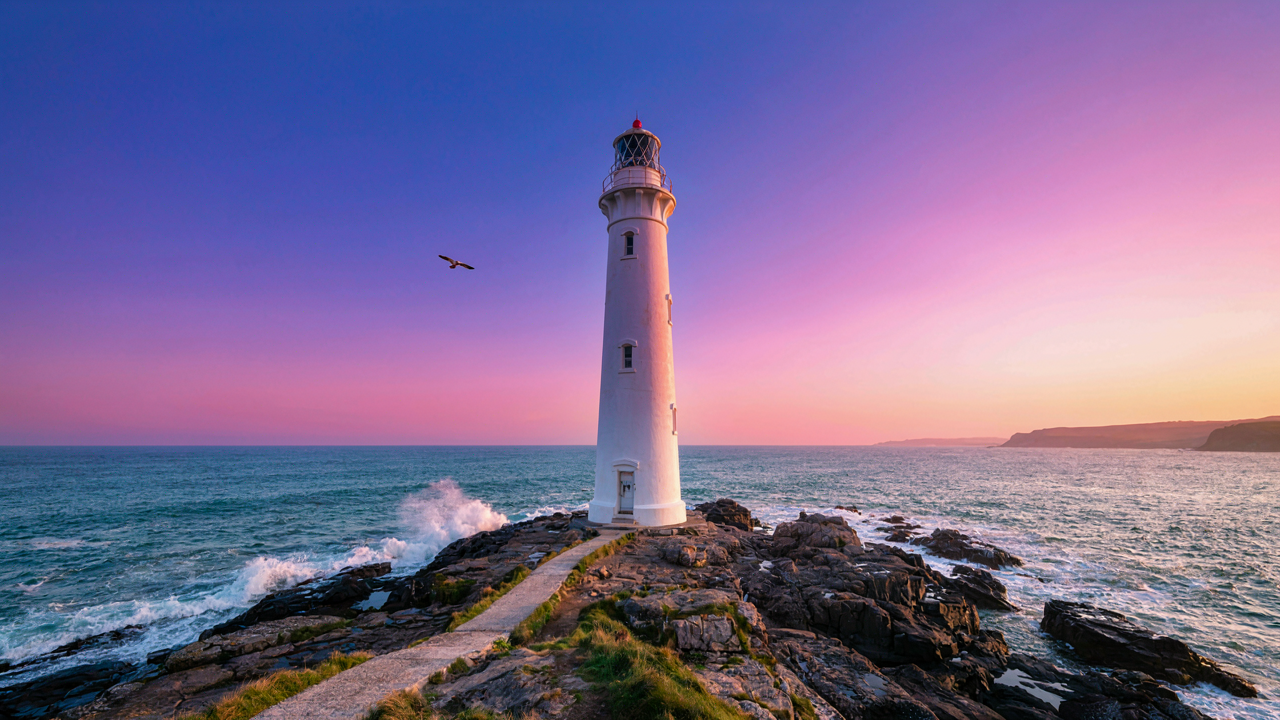
A true budget lighthouse venue costs between $2,500 and $5,000 for the space. That number exists, but only for off-season dates, weekday ceremonies, or properties that haven’t been renovated since 1998. The venues you actually want—the restored ones with working keeper’s quarters, decent parking, and an Instagram-ready exterior—start at $8,000 and climb to $15,000 for prime season. Budget is relative to demand, not absolute.
What Nobody Tells You Before Signing
Lighthouse venues hide costs like a fortress hides its weak points. You negotiate the room rental, sign the contract, then discover four separate line items you didn’t budget for: mandatory parking attendants because the lot holds twenty cars, mandatory insurance riders because the structure predates modern building codes, mandatory lighting rental because sunset ceremonies need supplemental power the keeper’s cottage can’t supply, and mandatory cleanup because the property manager won’t let your vendor handle it.
The real expense trap is capacity constraints combined with infrastructure limits. Most lighthouse venues hold 75 to 120 guests maximum. If your guest list creeps to 140, you lose the space entirely—you can’t rent a lighthouse “standing room only.” This forces you to either cut guests or move venues, and both options cost money. Call the property manager before you fall in love with the location and confirm what guest count actually works on your target date.
The Scarcity Principle: Real Lighthouse Wedding Venues Are Not Discounted
Why Unique Locations Command Fixed Pricing
You’re hoping scarcity creates negotiation leverage. It doesn’t. Economics treats unique locations as inelastic goods, meaning demand doesn’t drop when price stays high. A lighthouse wedding venue has one owner, one location, and no substitute. The venue controls the supply completely. Unlike hotels with 200 rooms or banquet halls in every city, a functioning lighthouse operates under strict constraints. Coast Guard regulations, historical preservation laws, and limited availability mean the owner doesn’t need to discount. They can wait for clients willing to pay full price.
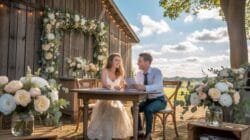
Most couples waste energy trying to haggle with lighthouse venues as if they’re negotiating hotel room rates during off-season. You’re not. The venue operator knows exactly what their scarcity is worth. They’ve fielded hundreds of inquiries. Price reduction signals poor judgment on their part, not flexibility. The owner has already calculated their minimum acceptable rate. That number accounts for liability insurance, maintenance, staffing, and the fact they turn away clients monthly. Discounting erodes their profit margin and signals weakness to future inquiries.
The Real Value Extraction Mechanism
Budget couples confuse “finding a deal” with “understanding what you’re actually paying for.” The lighthouse venue doesn’t sell you a room and catering. It sells you the structural integrity of a 100-year-old building, maritime history, built-in visual backdrop, and the legal permission to use a protected landmark. That permission has real cost. The lighthouse operator pays insurance premiums specifically because couples gather there. They maintain the grounds. They coordinate with local authorities. They manage liability for guests climbing iron stairs or standing near open water.
The actual budget move isn’t negotiating the venue rate down. It’s understanding which venue fees are fixed versus flexible, then building your day around the actual constraints. Some lighthouse venues include tables and chairs. Others charge separately. Some require their own catering vendor. Others allow outside food. Some have strict guest counts. Others allow overflow. Map these specifics before deciding if the total cost fits your budget. Then calculate cost per guest, accounting for included services. This forces you to compare apples to apples and stops you from chasing fictional discounts that don’t exist.
The Jupiter Lighthouse Wedding Effect: Proximity Vs. Practicality
Where Romance Meets Real Logistics
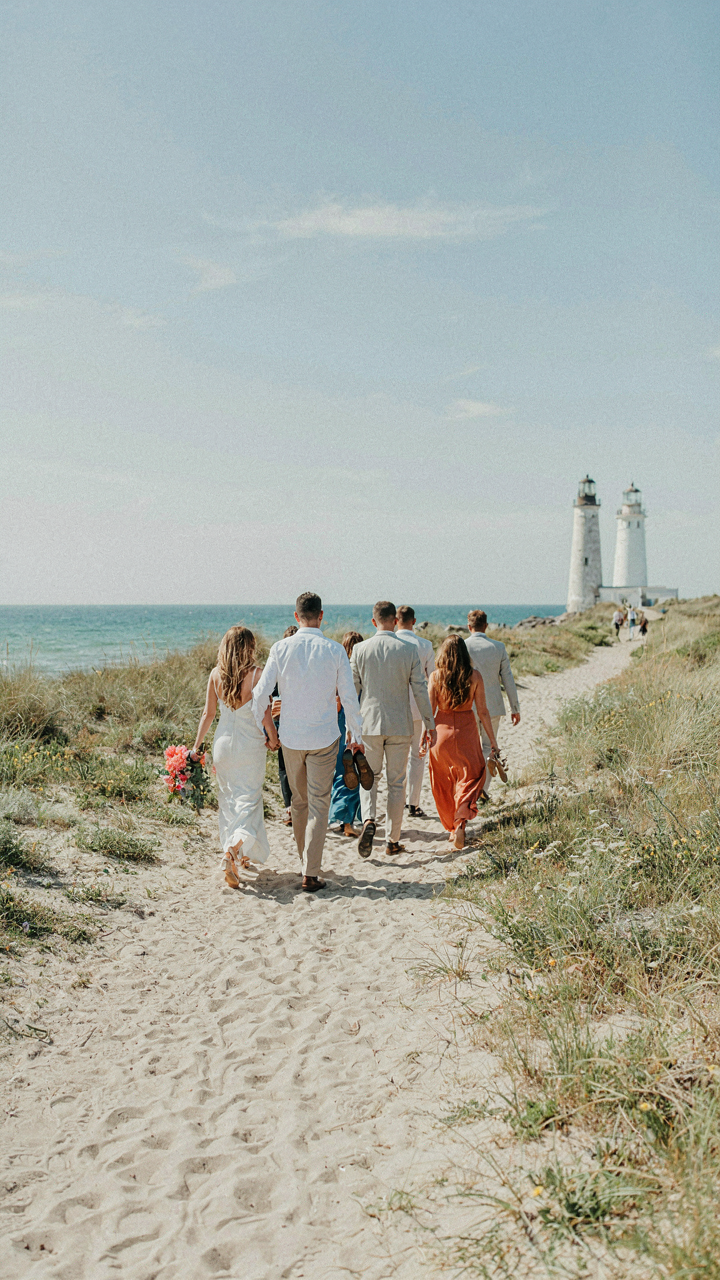
You want the lighthouse because it looks impossible to reach, which makes you look like you pulled off something rare. That’s the real draw. But lighthouses aren’t boutique venues with staff and infrastructure. They’re navigational structures in locations chosen for isolation. Using economics terminology, you’re dealing with high transaction costs: the gap between romantic fantasy and operational reality is where your budget disappears. Jupiter Inlet Lighthouse in Florida sits on a narrow strip surrounded by water access restrictions, inlet regulations, and limited parking. That geography isn’t romantic atmosphere. It’s a constraint that forces you to solve problems money usually solves at conventional venues.

Most couples learn this too late: the lighthouse itself costs less to rent than a traditional wedding venue, but the hidden line items destroy your budget. You need vendor transportation, which means hiring shuttles or private boat access. You need backup power because the lighthouse has limited electrical capacity. You need to rent parking off-site because there isn’t any. Catering becomes exponentially harder because delivery trucks can’t reach the ceremony space. The venue fee might be 2000 dollars, but logistics add another 4000 to 8000 dollars in mandatory costs.
Guest Experience Versus Instagram Mythology
The marketing around lighthouse weddings sells a narrative that doesn’t match what guests actually experience. You’ve seen the photos: golden hour light hitting the structure, everyone smiling. What you don’t see is the forty-minute walk on uneven terrain in formal wear, the saltwater spray ruining hair and makeup before photos, and sixty guests standing in a fifteen-by-twenty-foot space because that’s the only flat area the lighthouse offers. Your guests paid for travel and lodging. They didn’t pay to feel cramped and uncomfortable.
The real mechanism here is simple: lighthouse weddings are designed for photos, not people. The venue itself is narrow, exposed to weather, and architecturally resistant to accommodating groups. If you’re committed to a lighthouse wedding on a budget, you must choose between guest comfort and venue authenticity. You cannot have both. Pick one and plan accordingly. If you choose authenticity, expect smaller guest lists, shorter ceremonies, and the acceptance that some attendees will resent the experience. If you choose comfort, rent a nearby beachfront space and use the lighthouse for a thirty-minute photo session. That decision shapes every budget line item that follows.
Micro Weddings: The Only Real Budget Lighthouse Wedding Option
Small Guest List, Maximum Impact
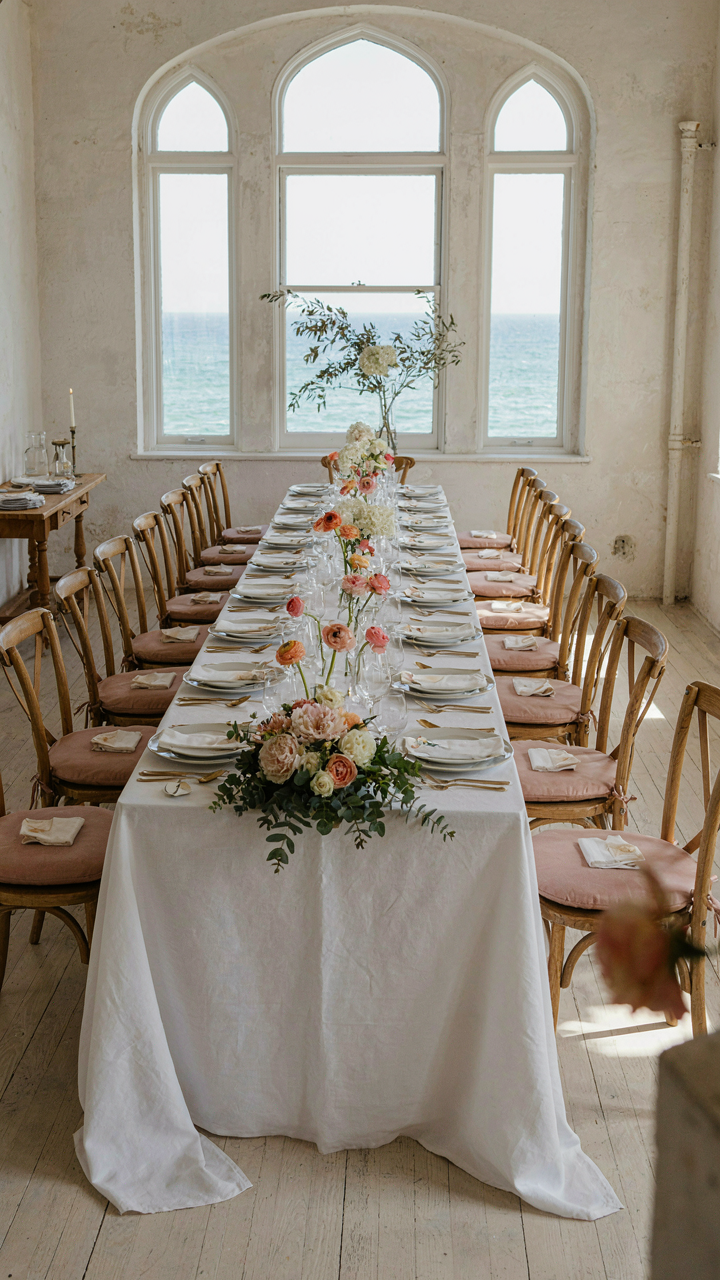
You want a lighthouse wedding because you think it signals taste and exclusivity. The mechanism is simple: lighthouses have real scarcity. Only a handful exist in accessible coastal locations, and most operate under strict rental agreements. A 50-person wedding in a lighthouse costs half what a 150-person wedding costs in the same venue, not because the venue is cheaper but because you’re paying per-person minimums, catering overages, and parking logistics. The venue rent stays fixed. Everything else scales with headcount.

Lighthouses work as budget venues only when you treat them like the constraint they are. Invite 40 to 60 people maximum. Below 30, you lose the sense of gathering. Above 70, you’re fighting the venue’s physical layout and rental staff starts charging premium rates for coordination. The real budget win happens when you stop trying to fit a traditional wedding into a space designed for navigation and ceremony, and instead build the event around what the lighthouse already does well: creates an unforgettable anchor point. Your guest list becomes your design decision, not an afterthought.
Intimacy Over Extravagance
The common advice here is backwards. People say “go intimate to save money,” which treats intimacy like a consolation prize. That’s denial. Intimacy is the mechanism that makes a lighthouse wedding actually work. Economics calls this “constraint-driven value creation”: when resources are limited, perceived value rises if the experience feels intentional. A 50-person lighthouse ceremony feels deliberate and curated. A 150-person one feels like a compromise you made because the venue was available.
Stop decorating around scarcity and start using it. Tight quarters mean no room for filler florals, redundant seating, or catering spreads that go to waste. You’re forced into specificity. Serve one meal option instead of three. Have one cocktail instead of a full bar. One focal point instead of multiple stages. This isn’t deprivation. It’s the only way a lighthouse wedding stays under budget without feeling like you cut corners. The constraint becomes the story guests remember, not the thing you apologize for.
The “Lighthouse Wedding Theme” As A Value Arbitrage
Leveraging Lighthouse Aesthetics Without The Venue
You want the lighthouse wedding because you think it signals taste and coastal sophistication. The real mechanism here is borrowed from economics: arbitrage. You’re buying the aesthetic signal at the wrong location and overpaying for it. Most couples rent an actual lighthouse venue, which charges premium rates because the venue itself does the heavy lifting. But the visual code the lighthouse creates works anywhere you can replicate its core elements.

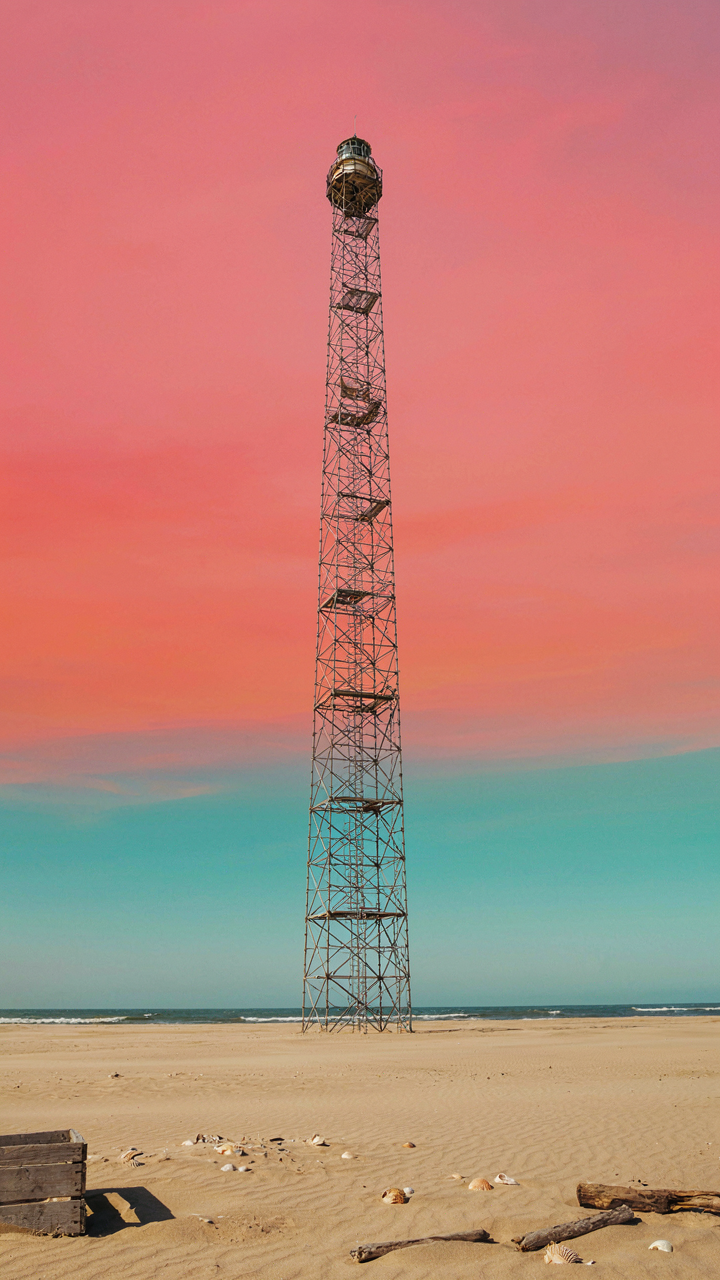
Strip the lighthouse down to what actually registers: vertical structure, strong directional light, weathered materials, and isolation. You can build these at any waterfront location using rental scaffolding, uplighting, reclaimed wood, and strategic staging. The difference in cost between a dedicated lighthouse venue and a public beach with borrowed lighthouse aesthetics is typically 40 to 60 percent. Your guests process the visual signal, not the venue ownership.
Symbolic Elements That Carry The Load
Most wedding design advice says “incorporate lighthouse symbolism into your flowers and favors.” That’s decorative noise that costs money without shifting perception. The mechanism that actually works is environmental dominance: one powerful focal element controls how guests interpret the entire space. A single 15-foot wooden structure painted white with a working light at the top becomes the lighthouse in your guests’ minds. Everything else fades into supporting role.
Build this focal structure using modular rental components or hire a carpenter for a single-day build. Position it where the sun sets behind it or where your ceremony lighting can backlight it. The structure needs to exist at human scale in photos and in person, not as a suggestion. This one element, properly executed, eliminates the need to theme every detail. Guests don’t need a lighthouse-shaped cake when they’re standing in front of an actual lighthouse facsimile.
Pillars Of Strategic Lighthouse Wedding Decor
Make Your Constraints Work Harder
You want to look intentional, not cheap. That’s the real fear here. Most couples think budget decor means sparse or underdone, so they overspend trying to fill the void. The mechanism is constraint-driven design: scarcity forces specificity. A lighthouse already has architectural weight. You don’t need to compete with it. You need to amplify what exists through strategic placement, not volume.
The difference between amateur and strategic: amateurs add things. Strategists remove them. Work backward from what the lighthouse already provides—stone walls, natural light, height, framing. Your decor job is to echo these elements with precision, not drown them out. This is how you spend 40% less and look 40% more refined.
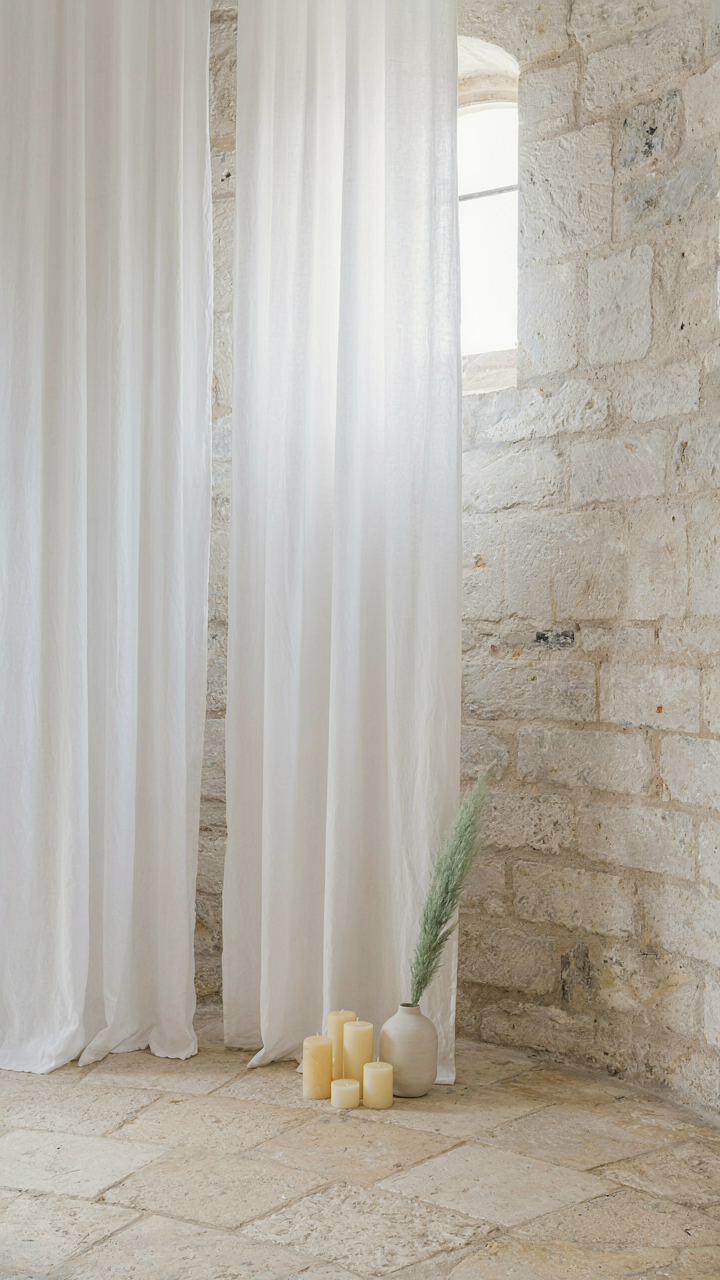
- Monochromatic Fabric Draping: Single color linen or cotton hung vertically from existing structural points. Costs $200-400 total, eliminates visual noise, and photographs clean. Works because it unifies disparate lighthouse architecture.
- Salvaged Metal Fixtures: Reclaimed hooks, brackets, or ship hardware sourced locally or online, repurposed as candle holders or flower anchors. Costs $50-150, ties to maritime context, requires no installation beyond hanging.
- Borrowed Lanterns: Rent naval or camping lanterns in bulk rather than buying venue-branded centerpieces. Costs $3-8 per piece for a season rental, authentic to lighthouse environment, removable without damage.
- Paper and Twine Signage: Hand-lettered or printed cards on kraft stock tied with natural cordage. Costs under $100 for an entire set, DIY-producible in an afternoon, feels intentional rather than generic.
- Potted Coastal Plants: Rent or buy hardy plants like sea grass, sedums, or driftwood pieces from local nurseries. Costs $30-80 per arrangement, requires no floral design skill, survives coastal wind and salt spray.
The execution matters more than the concept. Order samples early. Test everything outdoors in coastal conditions for at least one full day—salt spray corrodes poorly sealed metals, and wind moves lightweight fabrics unpredictably. Build a setup checklist with exact measurements of your lighthouse’s anchor points, then delegate setup to two people maximum. Fewer hands mean fewer decisions in real time, which means fewer mistakes.
The Ecosystem Approach To Borrowed Elements
Ecology teaches us that organisms don’t thrive in isolation—they extract resources from their environment and become more resilient. Apply this to your decor: stop thinking of the lighthouse as a blank canvas. Think of it as a living system you can borrow from. The rocks, driftwood, shells, and local plant life aren’t decorations—they’re the actual grammar of the space.
Most vendors push flowers shipped from outside regions. That’s expensive and visually disconnected from where your wedding actually lives. Instead, contract with a local forager or coastal landscape company two months before your wedding to harvest and deliver seasonal materials native to your lighthouse area. Maine lighthouses pair with weathered granite boulders and beach roses. California coastal lighthouses work with coastal sage scrub and driftwood. The specificity itself becomes your aesthetic. You’re not decorating a lighthouse—you’re making the lighthouse’s own language visible to guests.
The Signal To Noise Protocol For Lighthouse Wedding Photos
Why Your Lighthouse Photos Actually Matter
You want proof that your wedding was exceptional. That’s the real driver. Not aesthetics—validation. Lighthouse venues deliver this because the structure forces narrative. In film theory, this is called visual contrast: the lighthouse acts as a compositional anchor that makes human moments readable. Without it, you’re shooting generic beach photos that blend into ten thousand others. The lighthouse doesn’t just frame your couple—it creates scarcity in the frame itself.
Photographers call this working with “given architecture.” Most beach venues require the photographer to build visual hierarchy from nothing. A lighthouse eliminates that friction. The structure pulls focus backward, forcing the photographer to position your couple as the story’s foreground. This costs nothing extra on your budget, but it returns measurable value in photo impact. You’re not paying for the lighthouse twice—you’re extracting photographic leverage from existing geometry.
The Real Constraint That Changes Everything
Common wedding photography advice tells you to hire a talented photographer and let them work. That’s incomplete. What actually matters at a lighthouse venue is front-loading your shot list to match the site’s actual light windows. Lighthouses sit on exposed points with zero shade and high wind—conditions that kill soft, diffused light by mid-afternoon. Golden hour lasts forty minutes, not two hours. Your photographer needs to know this before they arrive.
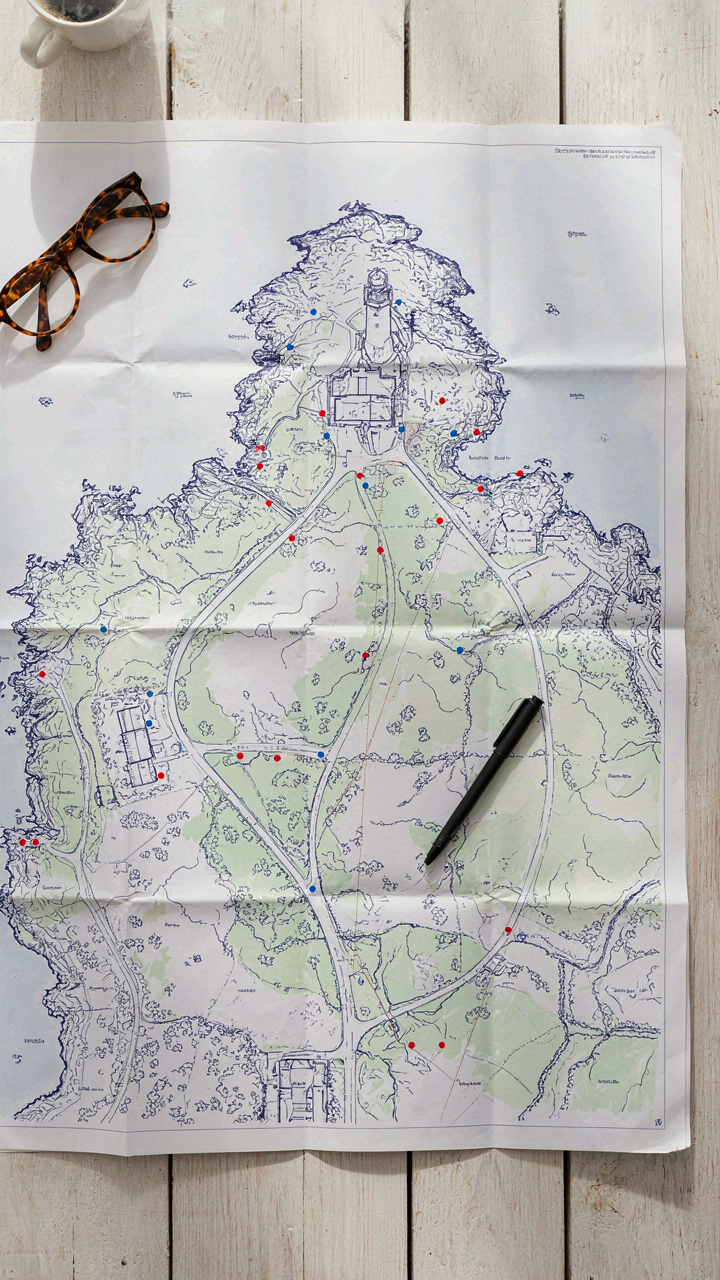
The protocol: schedule a site visit with your photographer sixty days before the wedding. Walk the perimeter and mark three positions where backlit photos work without blown-out skies. Identify the single wall or angle where midday light doesn’t destroy skin tones. This takes ninety minutes and costs nothing. It converts your photographer’s on-site time from reactive guessing into predetermined execution. You move from hoping for good photos to engineering them into the schedule itself.
Permits And Logistics: The Unspoken Cost Of Lighthouse Wedding Ideas

Bureaucracy As A Time Sink
You’re attracted to this section because you think permits are a checkbox, a minor admin hassle before you get to the real wedding. They’re not. Permits operate like compound interest in reverse—every delay multiplies into cascading problems that blow your timeline and budget. Most lighthouse venues sit on federal, state, or municipal land. You don’t own the approval process. You navigate it.

The common advice says “just contact the venue and ask.” That’s incomplete. Lighthouses under Coast Guard jurisdiction require Coast Guard approval separate from the venue operator’s blessing. State parks add environmental review layers. Historic preservation boards add more. You’re not waiting for one answer—you’re waiting for a sequence of answers that don’t start until you finish the previous one. Each one takes 4-8 weeks minimum.
Navigating Access And Regulations
Access restrictions aren’t about protecting romance; they’re about liability and operational capacity. The lighthouse authority controls when vendors can arrive, where they can stage equipment, and whether they can modify anything. This isn’t negotiable. Most lighthouse sites limit setup windows to specific hours, restrict vehicle access to service roads, and prohibit structural changes. You cannot run an extension cord wherever you want or place a generator near the light tower.
Get written confirmation of every access rule before you book. Confirm load limits on decks and viewing platforms where guests will stand. Confirm parking capacity and whether shuttle services exist. Confirm whether your caterer can use the kitchen, operate generators, or must bring everything fully prepared. The budget impact hits hardest when you discover mid-planning that your chosen vendor can’t legally operate at your chosen lighthouse. That’s when you pay rush fees or hire someone new.
Reframing Lighthouse Wedding Ideas: Experiences Over Locations
Ambiance Built On Constraint, Not Budget
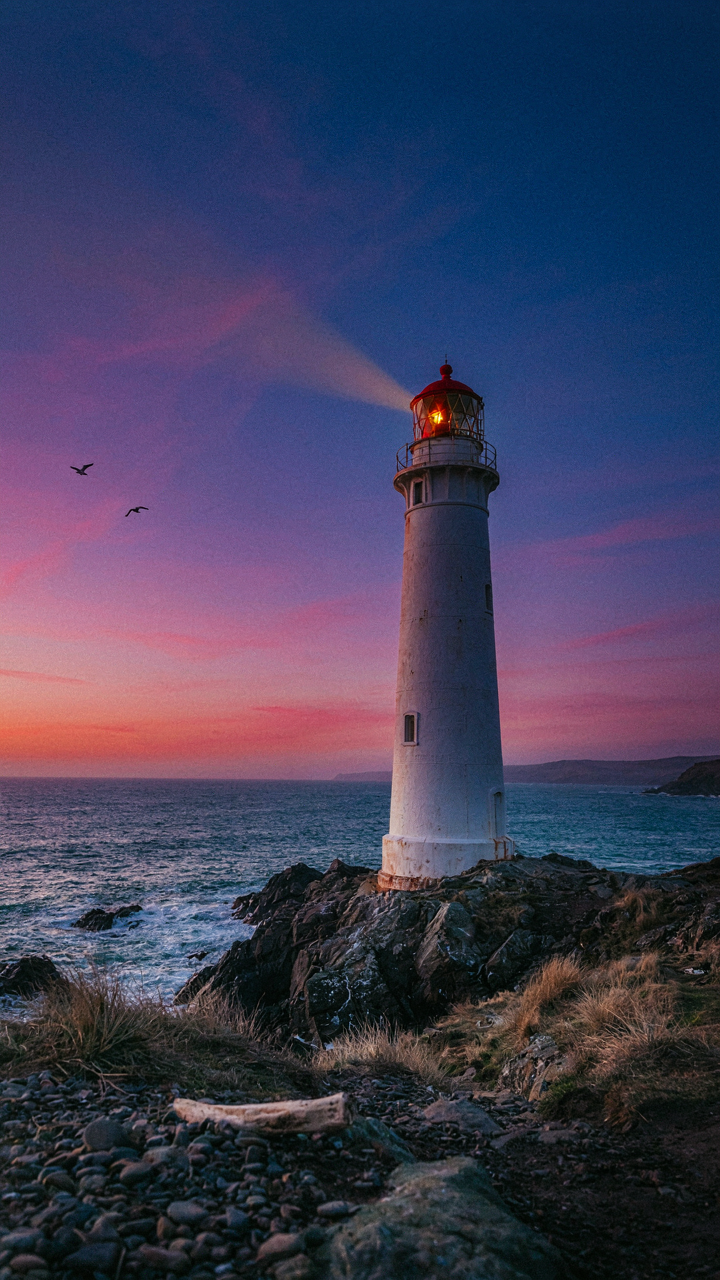
You want the lighthouse to feel special because you’re worried a budget venue signals something about you. Stop. The real mechanism is this: constraint forces design decisions. In architecture, constraint is the opposite of blank space—it creates intentionality. You work with what the lighthouse gives you: the beam rotation, the salt air, the limited square footage, the existing stone walls. This removes the trap of infinite choices that paralyze people with $50,000 budgets.

The ambiance emerges from working within the lighthouse’s geometry and existing character, not against it. A $15,000 lighthouse wedding with strategic lighting and minimal florals reads as purposeful. A $50,000 ballroom wedding with identical centerpieces reads as expensive but hollow. You’re not decorating around emptiness. You’re revealing what’s already there and letting guests experience it differently at night than they did during arrival.
Significance Beats Narrative
The common advice here is wrong: find a lighthouse with “meaning” to you as a couple. That’s fishing in shallow water. Real significance isn’t sentimental—it’s structural. A lighthouse is a functional object built to prevent wreckage. It’s not a backdrop. This matters because your guests will feel the difference between a location you chose for Instagram aesthetics versus one that actually maps onto something true about how you operate together.
Dig into why the lighthouse works mechanically for your wedding. Are you both from coastal families? Did you meet during a specific season or trip? Is the lighthouse in a town one of you actually has roots in, not just aesthetic preference? The budget question dissolves when the location isn’t negotiable—you’re not shopping, you’re committing. Once the why is structural, the budget becomes a resource allocation problem instead of a spending anxiety problem.
Beyond The Beacon: Crafting A Lighthouse Inspired Experience
When The Lighthouse Itself Isn’t Available
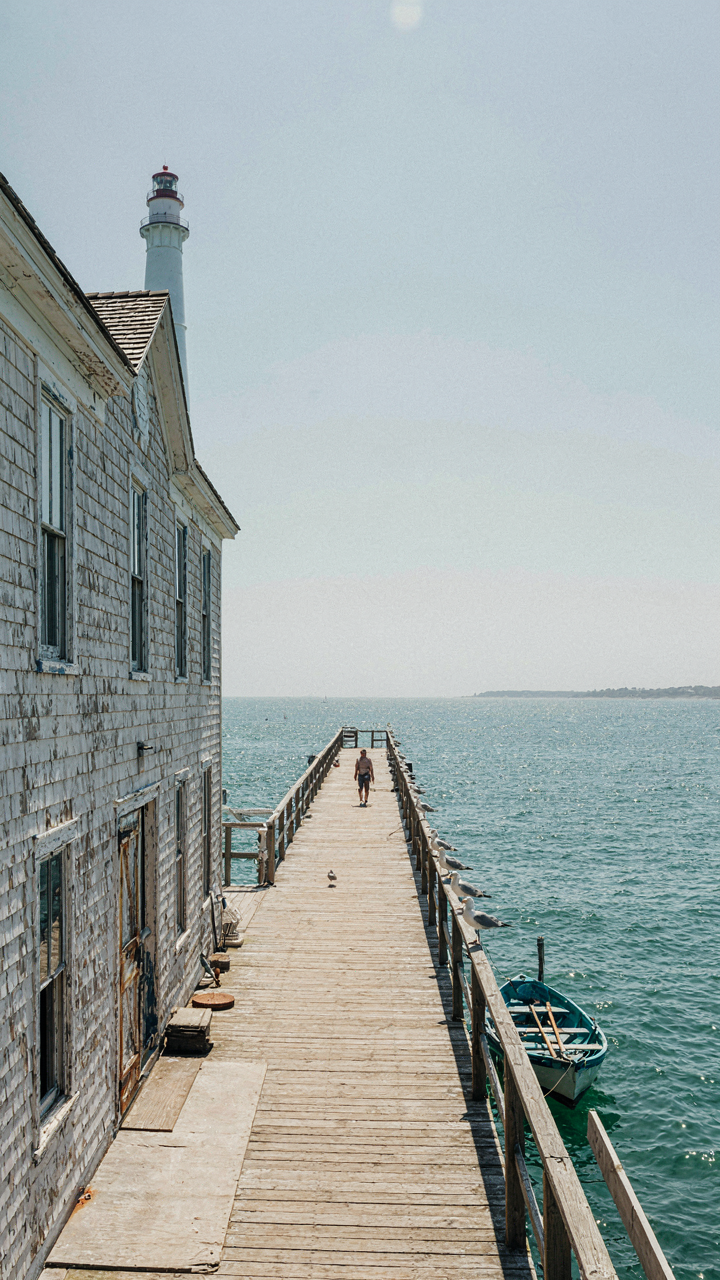
You want the lighthouse because you think it signals something about your taste. The real issue: most working lighthouses are protected structures, cost fifteen thousand or more to rent, or don’t allow weddings at all. The mechanism is scarcity pricing meets nostalgia. Pier pavilions, breakwater structures, and coastal bluff venues deliver the same visual language for half the budget. They sit in the same geographic zones. They frame ocean horizons identically. The difference is venue operators actually want your business.
Old maritime architecture exists beyond the lighthouse tower itself. Ferry terminals, decommissioned Coast Guard stations, and harbormaster buildings carry the same industrial aesthetic and historical weight. Many coastal towns maintain these structures as community assets and rent them cheaply because maintenance costs justify the income. You get authenticity without paying for brand recognition or structural liability insurance that lighthouse owners demand.
Building The Symbolism Without The Building
The common mistake is treating lighthouse symbolism as decoration. You buy nautical lanterns, paint anchors, add rope details, and call it themed. That’s cargo cult design. The real mechanism comes from architecture: a lighthouse functions through contrast. Dark base, light beacon. Guidance through chaos. You replicate this through lighting design, not props. Position uplighting to create a focal point that mirrors how a beacon cuts through fog. Use warm light on the ground, cool light overhead. That opposition is where the symbol lives.
Your ceremony backdrop should use vertical lines and framing that suggests a tower’s structure without literal recreation. Driftwood installed as tall columns, weathered metal screens, or even a simple flagpole anchored in the ceremony space establish the visual language. The symbolism works because it matches how lighthouses actually function as navigational markers and relationship anchors. Guests read it instantly without needing you to explain it. Pair this with a single nautical element in your vows or readings, not a dozen scattered throughout. One reference lands. Twenty references feel desperate.
Your Real Budget Obstacle Isn’t Money; It’s Your Inability To Define Genuine Value

Most couples obsess over lighthouse wedding venue budgets when they should obsess over what actually matters to them. A fifteen thousand dollar lighthouse beats a thirty thousand dollar ballroom if you hate ballrooms. Stop comparing your budget to other people’s weddings. Right now, list three non-negotiable elements for your day. Everything else gets cut or compromised. Your budget isn’t the problem. Your clarity is.