The Unseen Economics Of In House Catering
Why Venues Lock In Their Own Caterers
You want the discount because you’re hoping someone else absorbs the cost. That’s not how this works. Venues use in-house catering to convert fixed costs into revenue per head. Economics calls this spreading overhead across units. A venue has rent, staff, kitchens, and equipment whether you book them or not. An in-house caterer lets them monetize those sunk costs instead of eating them.
The discount appears real because venues drop per-plate pricing when they control the entire operation. But they’re not losing money. They’re converting dead capacity into margin. When you negotiate for a 15 to 20 percent reduction versus outside catering, you’re negotiating how much profit they share, not whether they make it.
The Efficiency Gap Nobody Names
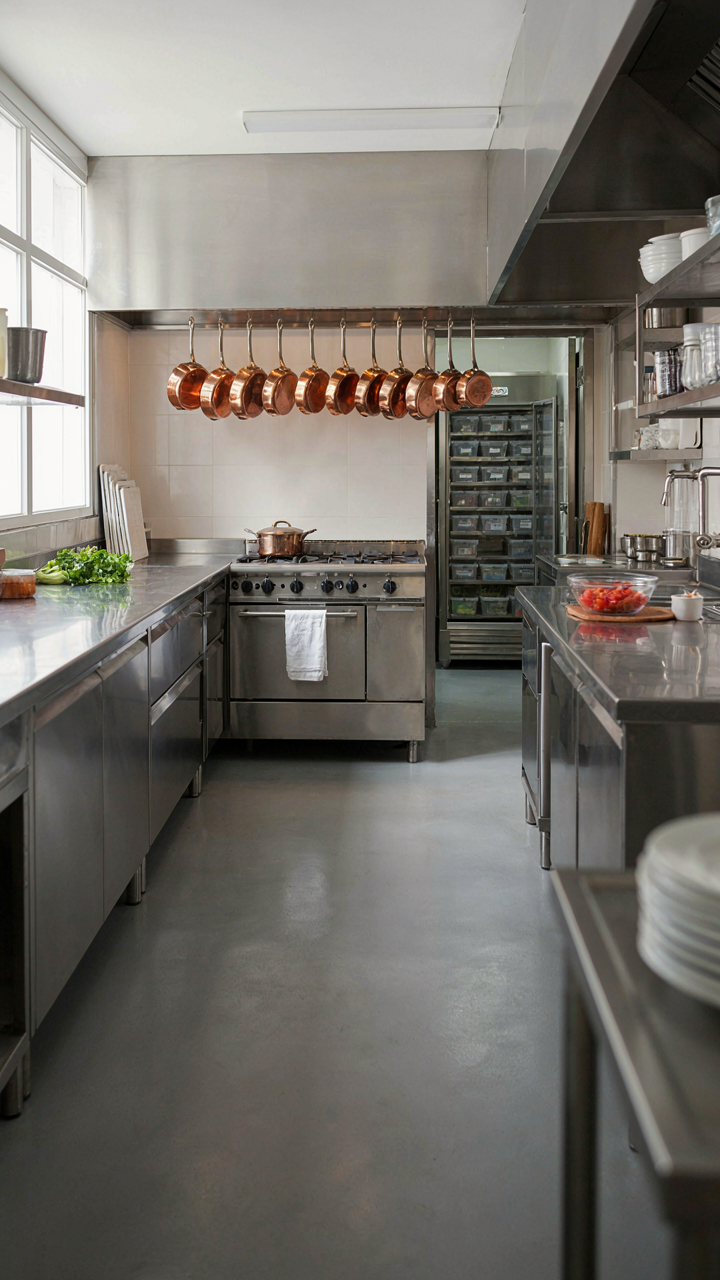
Outside caterers bring their own staff, logistics, and kitchen setup. That creates friction. The venue’s kitchen sits idle. Their plating stations go unused. Their timeline becomes someone else’s problem. In-house catering eliminates this. One team. One kitchen. One event flow.
This operational efficiency is the actual source of savings, not goodwill. The venue’s labor doesn’t increase proportionally with headcount because their infrastructure already exists. An outside caterer must staff, transport, and coordinate around the venue’s constraints. That redundancy costs money. In-house operations eliminate it. Ask your venue’s catering director for their per-plate cost comparison between in-house and external options. That number tells you what efficiency actually saves.
The Venue Ecosystem: Beyond Just Space Rental

One Contract, One Decision Maker
You’re avoiding this section because it feels boring, but the real reason you care is control. You want to know who owns the outcome when something breaks. Here’s the mechanism: traditional venues rent you space. In-house catering venues rent you a system. In supply chain economics, this is called vertical integration—the producer controls multiple stages of delivery. When a venue owns both the space and the food operation, one entity absorbs the liability. You stop negotiating between a landlord and a caterer who blame each other when timelines slip.

Most venues claim they’re “flexible” with outside catering. That’s code for “we’ll allow it, but we won’t optimize for it.” In-house operations build efficiency into their default workflow. Their kitchen staff knows the room’s electrical capacity, prep space, and timing windows because they operate there daily. They don’t need a site visit to understand constraints. This eliminates the friction that inflates costs and creates delays.
Logistics Designed Around One Profit Center
The event industry assumes you want choice in vendors. That advice misses the point. When a venue operates its own catering, they don’t pad timelines because they’re covering unknown variables—they already know them. One team handles setup, service, and breakdown. No coordination gaps between independent contractors. No markup stacking. The venue’s financial incentive aligns with your outcome: a smooth event that runs on schedule keeps their reputation intact and their labor costs predictable.
This doesn’t mean you lose negotiating power. It means you negotiate once with someone who controls all the variables. Ask the venue’s catering manager directly what discount they offer for booking their in-house team versus outside vendors. Most quote 12 to 18 percent savings, sometimes higher if you’re flexible on menu or date. Request their standard service fee structure upfront. Then ask what happens if you reduce service hours or simplify the menu—venues with in-house operations can usually cut costs faster because they control labor allocation directly.
The “Leverage Point” Protocol For Discounts

What Venues Actually Fear Losing
You want the discount because you think negotiating makes you smart. That’s not why this works. Venues fear empty dates and low-margin events more than they fear leaving money on the table. This is basic supply and demand economics applied to event space. A venue with an in-house caterer operates on two revenue streams: rental fees and food sales. When both dry up simultaneously, the margin collapses fast.

The real leverage point isn’t your negotiating skill. It’s identifying which dates the venue struggles to fill and which client profiles generate the lowest catering spend. Venues track this data constantly. They know their weak months. They know which seasons drive high-volume but low-ticket-value bookings. When you walk in addressing their actual problem, you’re not haggling. You’re solving.
Matching Your Event To Their Calendar Gaps
Venues operate on occupancy pressure. Think of it like yield management in airlines: the same seat on a Tuesday in March is worth less than the same seat on Saturday in June because demand differs. Your event timing determines your negotiating position completely.
- Off-peak weekday bookings: Tuesday through Thursday in January, February, and August typically show 40-60% lower occupancy than weekend dates, making venues more flexible on bundled catering discounts.
- Shoulder season events: Late spring Sundays or early fall Thursdays sit between peak and dead periods, creating moderate leverage for 10-15% discounts when combined with minimum catering spend.
- High-volume, low-margin periods: Corporate happy hours and small business lunches in summer generate foot traffic but thin margins, making venues eager to lock longer-term contracts with catering commitments.
- Post-holiday recovery months: January and September show venue staffing at full capacity but bookings down 25-35%, creating urgency to fill seats with any confirmed event.
- Existing client timing gaps: When a venue has a booked Friday night but empty Thursday night adjacent to it, they’ll discount to capture the Thursday slot and increase overall facility utilization that week.
Tell the venue exactly which dates you’re flexible on. Bring your calendar with three to five alternative time slots ranked by preference. The moment you offer the venue multiple options within their gap periods, you’ve shifted from customer to calendar solution. They quote discounts, not because you asked nicely, but because filling that date with your catering minimum beats leaving it empty. Anchor your negotiation by referencing their occupancy publicly available through their booking system or website updates, then lock the discount percentage to your minimum guaranteed catering spend.
Redefining “Discount”: Value Beyond Price

The Coordination Tax You’re Already Paying
You think a discount means a lower line item on an invoice. It doesn’t. The real reason you care about in-house catering is that you’re terrified of managing two separate vendors who blame each other when something breaks. In-house catering operates like supply chain efficiency: you eliminate a handoff point. Every handoff introduces error. Every error costs time and credibility.

When you use the venue’s own catering, their kitchen staff coordinates directly with their event manager. No phone tag between external caterers and venue planners. No miscommunication about load-in times, equipment access, or dietary restrictions. Fewer moving parts means fewer points of failure. The discount isn’t just money off the bill. It’s the cost you don’t pay when a plating error doesn’t derail your event.
Your Real Hourly Rate In The Room
Stop counting the discount as dollars saved. Count it as hours reclaimed. Most couples and corporate planners spend 15 to 25 hours managing vendor logistics before event day. That includes emails, calls, site visits, contract reviews, and contingency planning. In-house catering collapses this workload. You talk to one person about food instead of three.
Calculate what those 15 to 25 hours cost you at your actual earning rate. A in-house catering discount of 10 to 15 percent on food often translates to 30 to 40 hours of coordination work eliminated. For most professionals, that’s worth far more than the percentage reduction on the catering line. Build this math into your decision threshold and stop treating price as the only variable worth tracking.
The Information Asymmetry Advantage

Know What The Venue Doesn’t Know You Know
You want the discount without looking desperate for it. That’s the real move here. The mechanism is simple: venues price in-house catering discounts based on what they think you’ll pay, not what the discount is actually worth. Economics calls this information asymmetry, and it’s the gap between what one party knows versus the other. You exploit it by knowing their cost structure before you negotiate.

Most venues operate on thin catering margins. They’d rather lock your food spend internally than lose you to an outside caterer entirely. But they won’t volunteer this. They’ll quote a discount that protects their profit first. Your job is to know what their catering actually costs them to produce, what markup they typically apply, and what a legitimate discount looks like. Then you come in knowing more than they expect you to know.
Read Their Booking Calendar Like You Own It
Venues don’t want you to understand their demand cycles because that knowledge kills their pricing power. A venue booked solid on weekends charges differently than one with empty Tuesdays in February. This isn’t random. Their in-house catering discount changes based on occupancy pressure. When they’re full, they tighten the discount. When they’re empty, they loosen it because a half-price catering deal beats no booking at all.
Call venues during their slow season. Ask direct questions about their booking calendar without asking directly. “How far out are your weekend slots booked?” or “What months do you typically fill up fastest?” A booker who talks freely about their slow period just revealed when they’ll negotiate hardest. Schedule your site visit during their dead period, not their rush season, and bring the in-house catering conversation then. Timing your negotiation to their desperation, not your convenience, changes the entire dynamic.
The Strategic Alliance With Banquet Hall

How To Become Their Preferred Client
You want the discount because you’re afraid of overpaying, but the real mechanism is this: banquet halls need predictable volume. Borrow from supply chain economics—you become their safety stock. When you show up consistently, book intelligently, and treat their operation like a partner instead of a vendor, you reduce their risk. They reward that by cutting your rate.

Most venues won’t advertise preferred pricing. You earn it by becoming the client who books off-season dates, commits to their full menu without substitutions, and pays on time. Call the catering director by name. Ask about their slow months. Show you understand their margin problem. This isn’t networking theater—it’s recognizing they make money when their kitchen runs full, and you can help them do that.
The Relationship That Compounds Into Savings
Long-term discounts aren’t built on sentiment. They’re built on predictable repeat business that lowers their acquisition cost and eliminates their risk of empty tables. When you book your first event, you’re a gamble. When you book your third, you’re a trend. By your fifth booking, you’re infrastructure.
Document everything from your first interaction onward: your date preferences, dietary restrictions, headcount ranges, budget bands. Share this intel with the venue. Tell them your booking timeline. Tell them you plan to return. Ask them directly: what volume threshold unlocks a tiered discount? Then hit it. The mechanism is simple: you commit to five bookings across twelve months, they commit to a 12-15 percent reduction on catering spend. Put it in writing.
Applying Game Theory To Venue Negotiation

The Mutual Gain Framework
You want leverage without burning the relationship because you might book this venue again or refer others to it. Game theory cuts through the noise here: both players win or the deal collapses. In cooperative game theory, the core concept is “coalitional stability”—meaning both sides gain more by staying together than by walking away. With a venue and in-house caterer, this translates to one mechanism: you find the dollar amount where the venue increases its catering revenue without cutting into venue fees, and you decrease your total cost without demanding they slash prices.

The caterer’s real constraint isn’t their per-plate cost. It’s unused capacity and risk of vacant dates. A venue with an in-house caterer sits on fixed overhead—staff, equipment, insurance. Empty weekends hemorrhage money. Your negotiation power comes from filling that capacity reliably while they maintain margin. Stop asking for discounts. Start asking what volume or contract commitment moves their needle. When you commit to their catering instead of outside vendors, you remove their risk of plating for a competitor’s food while paying their labor anyway.
Finding The Real Trade Space
Nobody frames this clearly because most planners negotiate linearly—they haggle price down or accept the quote. Non-zero-sum negotiation means you trade something they value to get what you want. A venue’s catering discount doesn’t come from nowhere; it comes from what you’re willing to concede. The trade space includes: booking off-peak dates at premium rates, committing to minimum guest counts upfront, extending your contract length, or paying a deposit that covers their labor pre-event.
Identify their actual cost drivers first. Ask the catering director what creates waste or operational friction: last-minute headcount changes, complex dietary requests, tight kitchen timing. Then build your ask around absorbing that friction. Offer locked final counts two weeks prior instead of industry standard one week. Accept their standard menu tiers instead than requesting modifications. Pay for a service charge that guarantees staffing. Each of these removes their variable risk and justifies the discount you’re seeking. The discount materializes when their profit margin expands through operational efficiency, not price reduction.
Unlocking “Corporate Catering” Perks For Smaller Events

How Venues Price Volume, Not Event Type
You want to pay less because you assume smaller events don’t qualify for discounts—that’s the real fear here. The mechanism is simple: venues negotiate catering costs based on headcount and total spend, not on whether your event wears a “corporate” or “wedding” label. A fifty-person birthday party spends the same money as a fifty-person sales meeting. Venues don’t care which one you’re throwing.

In economics, this is called price discrimination based on volume thresholds. The venue’s in-house caterer has fixed costs per service hour plus variable costs per plate. Once you hit their minimum threshold—usually twenty-five to seventy-five guests depending on the venue—you unlock the same per-plate rate structure they offer corporate clients. The discount isn’t a privilege. It’s math.
- Fifty-person minimum: Most in-house caterers apply volume pricing at this headcount. Below it, they charge premium rates to cover fixed labor costs.
- Total food and beverage spend over $2,000: Venues often trigger deeper discounts when your total catering invoice crosses this threshold, regardless of guest count.
- Full-day or multi-shift events: Booking breakfast plus lunch, or lunch plus dinner service, unlocks better rates because the caterer runs one continuous operation instead of separate setups.
- Beverage package inclusion: Events that bundle bar service with catering qualify for volume discounts on both, not just food. This is where corporate events win percentage-wise.
- Off-peak booking window: Venues discount in-house catering fifteen to twenty percent for Tuesday through Thursday events because their kitchen and staff have lower utilization on those days.
The play is straightforward: call the venue’s catering director and ask for their volume pricing tiers. Don’t ask for a discount. Ask what headcount unlocks their next pricing level. Then build your event size to hit that number or structure your menu to cross the total spend threshold. The discount exists. You just have to meet their operational requirement to access it.
Timing Your Booking Like A Corporate Buyer
Corporate events book six to nine months out. Smaller events book two to three months out. Venues reward the longer lead time with better rates because their catering team can schedule staff efficiently and plan kitchen resources without waste. You don’t adopt corporate booking patterns to seem important. You do it because venues literally charge less when you give them planning runway.
Call the venue’s catering director ninety days before your target date, not thirty days. Tell them you’re flexible on exact dates within a two-week window. Offer them choice. This signals that you’re not desperate or last-minute. The caterer can slot your event into an existing prep schedule instead of improvising staffing. They pass that efficiency back to you as a lower rate. Book your venue and catering together in one conversation. Separate bookings mean separate price negotiations, which eliminates your leverage entirely.
The Truth About “Wedding Venue Open House” Promotions

The Real Reason You Show Up
You’re hoping the venue will panic and hand you a discount just for walking through the door. That’s not how this works. Open houses exist to fill their calendar during slow periods, not to reward tire-kickers. The mechanism is simple: venues track attendance conversion rates. If you show up without intent to book soon, you’re a data point that lowers their close rate, making their sales process look worse to ownership.

The venues that offer aggressive in-house caterer discounts at open houses are running a volume play. They’re banking on booking three mediocre events at lower margins instead of one premium event at full price. Your job is to recognize whether you’re walking into a genuine negotiation or a clearance rack. The difference determines what discount you can actually extract.
Leverage Built On Committed Timeline
Negotiating based on event volume potential means you’re thinking like a venue operator, not a customer. Economics teaches us about buyer concentration and switching costs. When you commit to a specific date within sixty to ninety days and mention you’ll refer other events, you instantly become a different prospect than someone browsing options six months out. Committed timeline converts you from a theoretical lead into a revenue certainty.
Most venues front-load their discounts to secure cash flow and reduce calendar risk. If you’re willing to sign a contract and put down a deposit at an open house event, they’ll stack the in-house caterer discount on top of their standard package price without hesitation. The negotiation happens the moment you anchor to a real date and event size. Don’t ask about discounts before you’ve established you’re a bookable prospect with a defined timeline.
Your Real Obstacle Isn’t The Venue’s Pricing; It’s Your Transactional Mindset, Overlooking The Strategic Value Of Operational Synergy

Most people negotiate like they’re buying a used car. They want the discount. They don’t see the actual leverage: a venue that handles catering cuts their operational chaos in half. Call three venues today and ask one specific question: “What problems disappear when we use your in-house catering?” Listen to their answer. The discount follows whoever understands that venues don’t compete on price, they compete on friction elimination.