Beyond The Brochure: Unearthing Hidden Winery Gems
Time Arbitrage Beats Premium Pricing
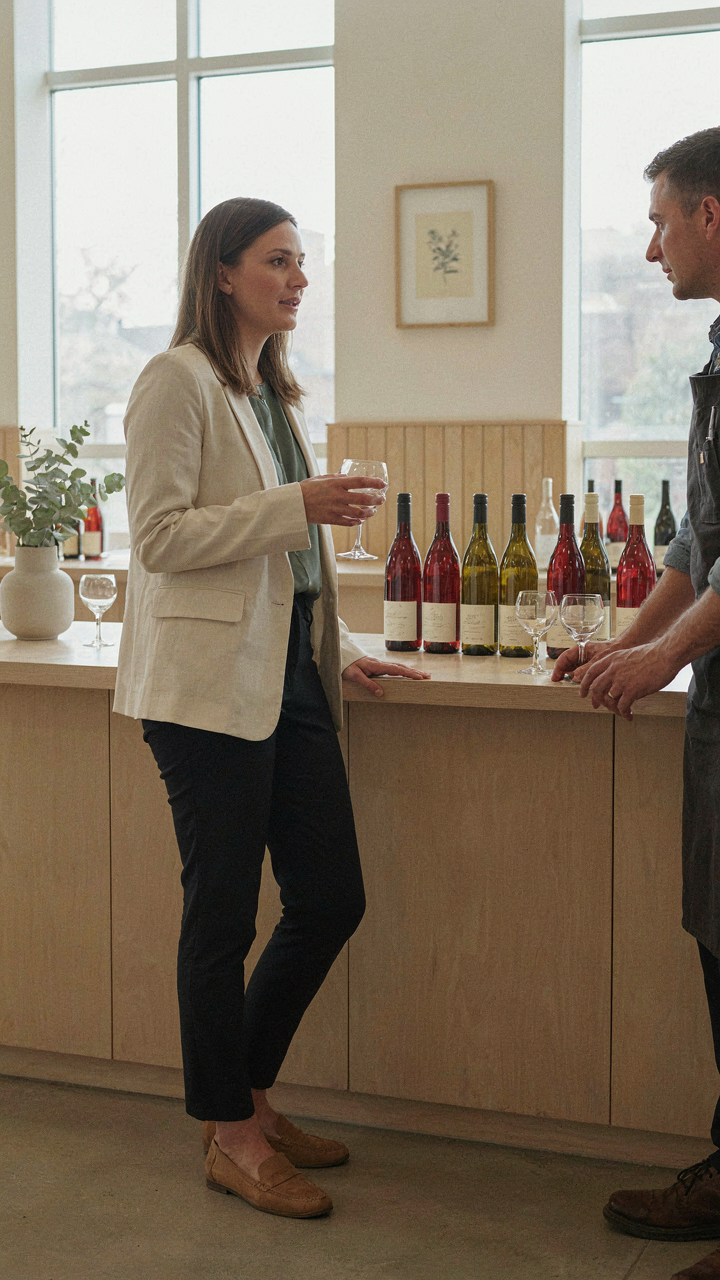
You want to feel like you’re getting a deal without admitting the real reason: you’re willing to shift your wedding date to save money. Here’s the mechanism. Wineries operate on demand curves like any business, but their tasting room availability follows a hard pattern. Tuesday through Thursday in January through March represents genuine excess capacity. Venues discount aggressively during these windows because their fixed costs don’t change, but their revenue per day plummets. A Saturday in June at the same winery costs three times more for identical space.
The concrete advantage isn’t subtle. Off-peak bookings often include complimentary or heavily reduced wine packages, staff availability without overtime premiums, and kitchen access without competing events. Many wineries will negotiate venue fees entirely if you commit to a minimum wine spend during non-peak periods. Call directly and ask what dates they’re actively trying to fill, not what they’re listing publicly. They’ll quote differently once they know you’re flexible.
The Emerging Region Play
Consensus says find established wine country. That’s incomplete advice that costs you money. Emerging wine regions operate under pure economic pressure: they need reputation volume more than margin per event. A micro-winery in a region gaining recognition will undercut established competitors significantly because volume builds their brand faster than price maximization does.
These venues typically have newer facilities with modern amenities that established places charged premium prices to add decades ago. Younger operators also tend toward direct negotiation rather than rigid packages. Research regions experiencing grape-growing expansion within three to six hours of your guest base. Visit tasting rooms in person and ask the owner directly about weekend availability and custom pricing. Operators in growth-phase regions remember every wedding that happened on their grounds because each one builds their reputation momentum.
The Inverse Cost Benefit Of Intimacy: Small Guest List, Big Impact
Why Small Groups Actually Work
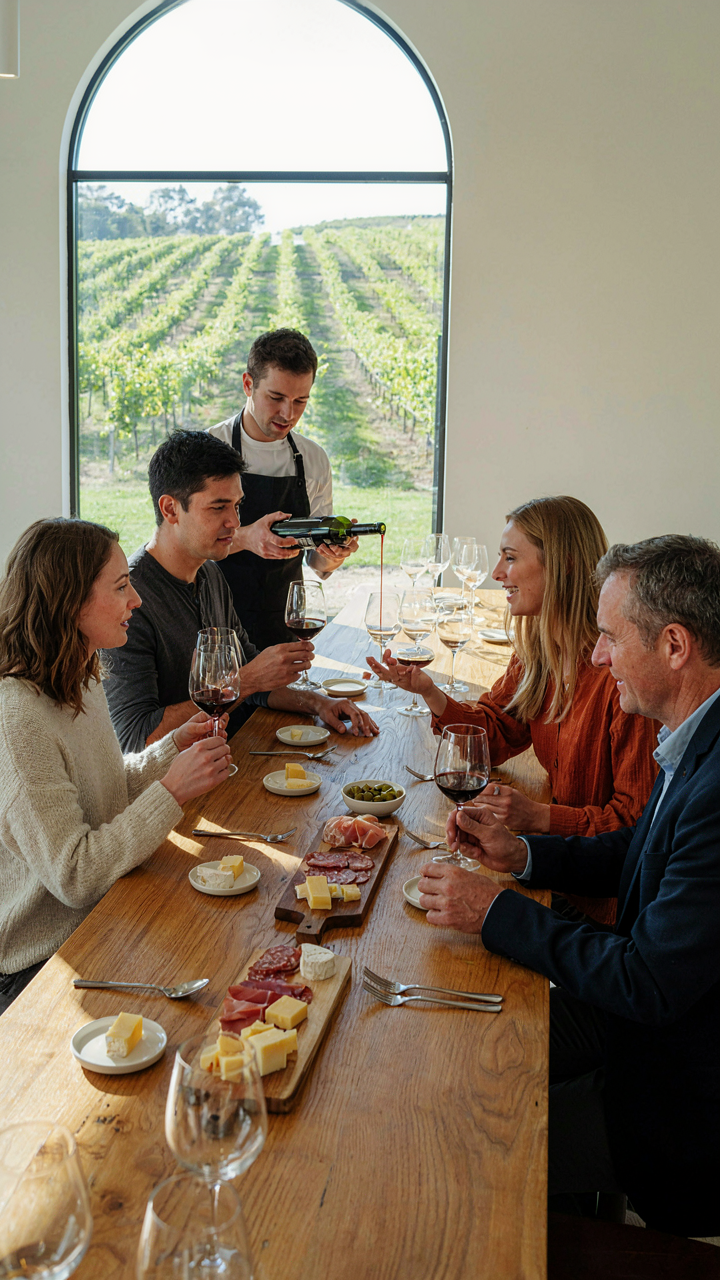
You’re reading this because you want permission to invite fewer people without feeling like you’re settling. Here’s the mechanism: tasting rooms operate on fixed overhead. Wine, staff, space rental, insurance—those costs don’t scale down proportionally with guest count. A fifty-person wedding uses the same pour-line setup, the same sommelier hours, the same room as a hundred-person event. The difference is profit margin for the venue or savings for you. Fewer bodies mean less catering weight, fewer chairs to rent, simpler logistics. Small groups hit the economics sweet spot where venues stop nickel-and-diming you on add-ons.

The real pressure isn’t about money—it’s about appearing exclusive. That anxiety reverses once you own it. A twelve-person tasting at 4 PM costs you roughly forty percent less than forty people at 6 PM, and the venue actually prefers it because turnover risk drops. You’re not sacrificing quality by cutting the list. You’re optimizing the only variable that directly impacts both your budget and the actual experience guests will remember.
Precision Over Scale
The generic advice says bigger weddings mean better deals per head. That’s half-true and mostly misleading. A smaller curated group changes what the venue does operationally. Wine pours become intentional instead of defensive. Staff doesn’t rush through service. The tasting room’s natural acoustics work because conversation doesn’t need to shout over noise. Those conditions cost money to manufacture at scale but appear automatically at intimacy.
When you define your guest list first, the venue adapts to that number. You’re not filling a room—you’re designing an experience for specific people. The sommelier memorizes names. The kitchen times courses to the actual rhythm of conversation. The cost per person often rises slightly, but the per-person value delivered spikes. That’s the real budget play. You spend more efficiently on fewer people and walk away with something that actually justifies the price you paid.
The “Winery Interior” Leverage Protocol: Asset Based Design
Stop Paying For What’s Already There
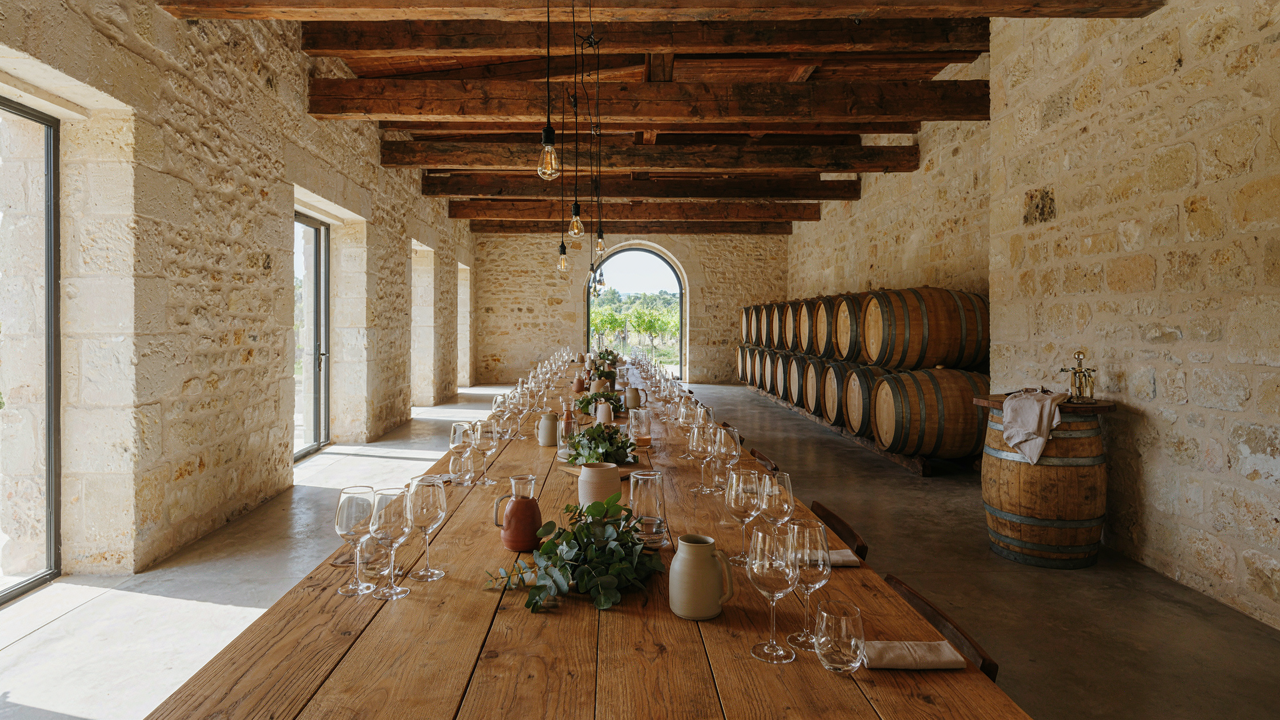
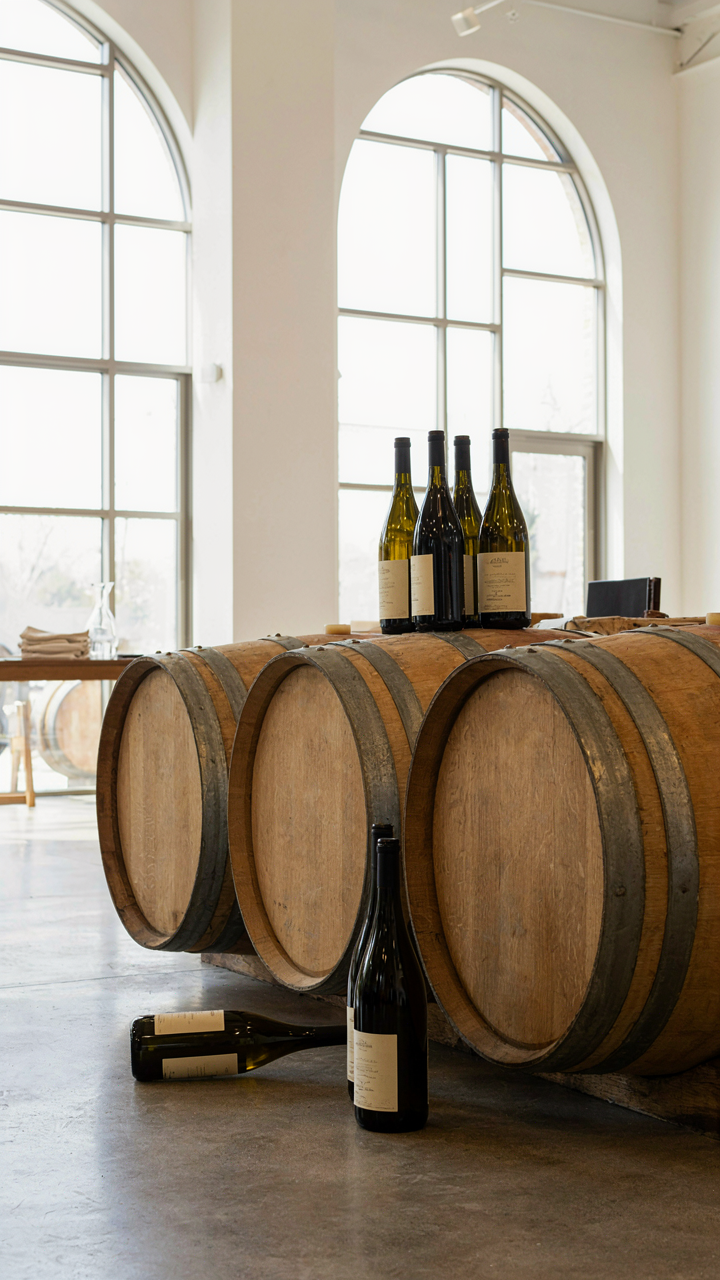
You want permission to skip the decorating budget because you’re scared of looking cheap. Here’s the mechanism: wineries are built as design containers already. The exposed beams, stone walls, barrel racks, and wine-stained wood aren’t decoration—they’re inventory. A tasting room is a finished asset before your event starts. Most venues charge by the hour. Your job is extraction, not creation.

Existing architecture cuts your decoration spend by 60 to 80 percent because the bones do the work. Wood tones, stone textures, and iron fixtures create visual weight without florals, linens, or rental infrastructure. The venue already owns the lighting system. Barrel arrangements, bottle displays, and wooden tables are functional decor. You’re not building atmosphere. You’re revealing it.
- Exposed Beams and Ceilings: Rough wood or timber framing reads as rustic automatically. No uplighting rental needed. Beam geometry creates natural focal points.
- Stone and Concrete Walls: Raw masonry photographs well and requires zero fabric or paint. Patina and texture substitute for expensive backdrop design.
- Wine Barrel Elements: Stacked barrels, barrel tables, and barrel-top bars function as both design and narrative. They’re already on-site and on-brand.
- Vintage Bottle Displays: Existing wine inventory on shelves becomes ambient decor. No floral arrangement budget needed. Glass catches light naturally.
- Iron Hardware and Fixtures: Wrought iron gates, wine racks, and door hardware carry visual weight. Patina reads as intentional, not neglected.
The protocol is simple: walk the space with a photographer’s eye. Document every existing element that creates contrast or shadow. These become your design anchors. Then build the event around what’s fixed, not against it.
Subtract, Don’t Add
The common advice says fill empty space with centerpieces and linens. That’s wrong. Empty space in a winery is an asset. Wineries work because they feel open and authentic, not cluttered. Adding fabric, flowers, and rental pieces cancels the entire reason you chose the venue.
Minimalist design in this context means letting wood grain, stone texture, and bottle shapes be the visual information. Candlelight on existing surfaces costs almost nothing. A simple table runner on wooden tables adds one texture layer without competing. Candles in glass holders eliminate the need for elaborate floral work. Your guests notice absence of clutter more than presence of stuff. The mechanism is contrast: restraint makes existing elements louder, not quieter. Use it deliberately.
The Tactical Vendor Alliance: Reimagining “All Inclusive”

Negotiate À La Carte, Avoid Package Markups
You think bundled packages save money. They don’t. That’s the trap disguised as convenience. Wineries mark up packaged offerings anywhere from 20-40% because couples assume they’re getting a deal when items are listed together. The mechanism works like supply chain economics: bundling reduces the buyer’s ability to comparison shop, which transfers pricing power entirely to the vendor.

Break every service into its component cost. Catering, linens, tables, chairs, bar service, cleanup—request individual pricing. A tasting room might quote you $85 per person for a “full package” that includes wine, appetizers, and basic setup. Negotiate that same package à la carte and you’ll find the actual material cost is closer to $45-55 per person. The gap is pure margin they’re banking on your assumption that packages are locked in.
Local Talent And Emerging Vendor Networks
Established vendors have established rates because they’ve built predictable demand. Emerging vendors haven’t. A photographer building their portfolio charges half what an established one does. A florist opening their first year underprices to fill their calendar. The barter mechanism applies here: you’re not just buying their service, you’re providing them social proof and portfolio material they can’t easily buy elsewhere.
Contact event production programs at local colleges, culinary schools, and photography workshops. Ask for student or recent-graduate referrals directly. Propose bartering: let a videographer film your event in exchange for a reduced rate, then they own footage for their reel. Same with musicians, designers, and catering assistants. Document everything in writing—what they provide, what you provide, and the cash component if any exists. This isn’t about getting free labor. It’s about finding people whose marginal cost of saying yes is low because you’re solving a real problem for them at the same time.
De Commoditizing The Menu: Food As An Experience, Not A Line Item
The Real Cost Of Catering Markup
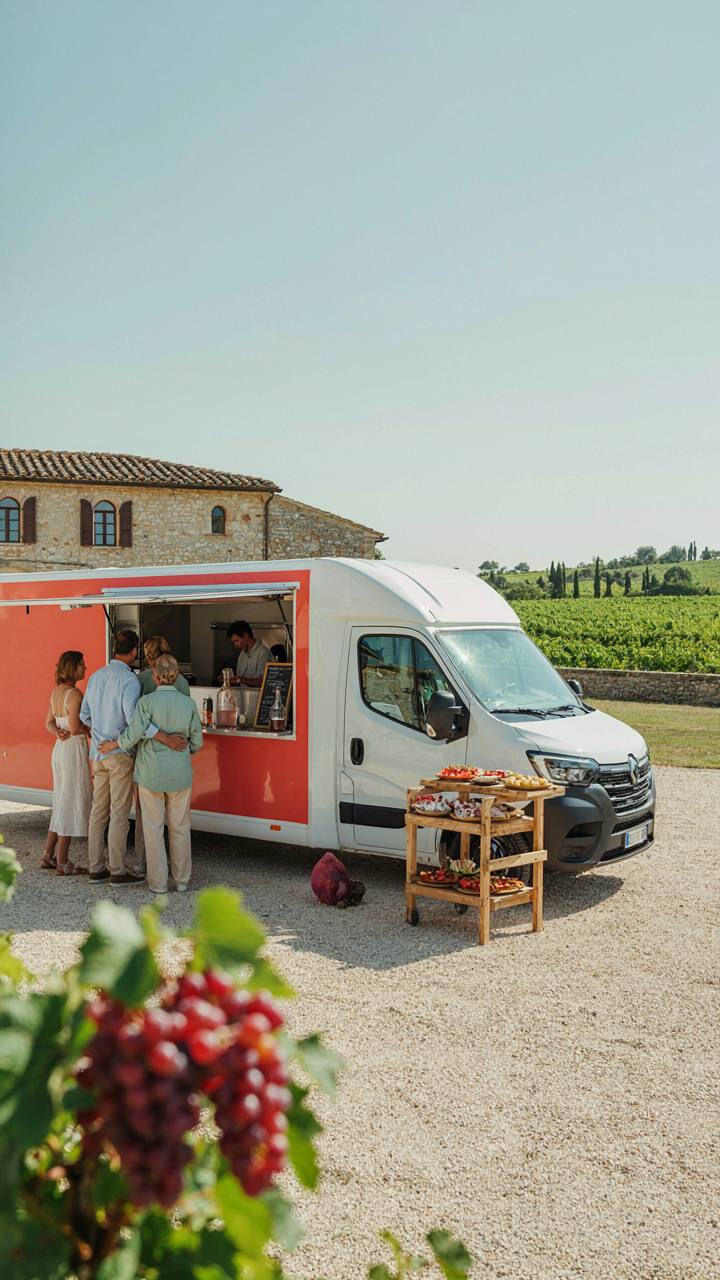
You’re worried the food will look cheap, and that reflection will land on you. Here’s the mechanism: most venues mark up catering 40 to 60 percent because they control the vendor relationship. They extract rent from your supplier instead of letting you negotiate directly. Break that dependency. A local caterer or food truck operator doesn’t have venue overhead baked into their pricing, so they undercut the house vendor by 30 to 50 percent while delivering better quality because their reputation isn’t dispersed across a hundred weddings yearly.

The pivot works because you’re no longer buying “catering.” You’re buying a specific operator who has built their business on doing one thing well. Food trucks started in the street-vending economy, not fine dining, but they’ve absorbed the same precision discipline. A truck operator knows their capacity, their timing, their ability to plate consistently. They own their equipment. You’re renting their skill and their kitchen, not a markup layer. Request references from five recent events and ask about their plating speed on the actual day.
Wine Pairing Without The Wine List Theater
Ignore the sommelier playbook that pairs rare bottles with complex dishes. That’s marketing dressed as sophistication. The real principle comes from chemistry: tannins cut fat, acidity brightens salt, alcohol masks bitterness. You need dishes simple enough that wine becomes the variable, not the noise. A grilled chicken breast with herb oil, a beef carpaccio, roasted root vegetables. These amplify what the wine does instead of competing with it. Your tasting room’s house wines shine because they’re designed to be approachable, not challenging.
The mechanism is constraint. Give your caterer a three-wine limit instead of eight options. One white, one red, one rosé or sparkling. They build the menu around those three bottles, not the other way around. This collapses decision fatigue for guests, simplifies kitchen workflow, and forces the caterer to execute fundamentally sound food. The winery’s sommelier or your caterer can walk guests through the pairing in five minutes. You’re not running a wine education session—you’re orchestrating an association between their taste buds and the bottles you want them to remember.
The First Principles Of Rustic Wine Tasting Venue Aesthetics
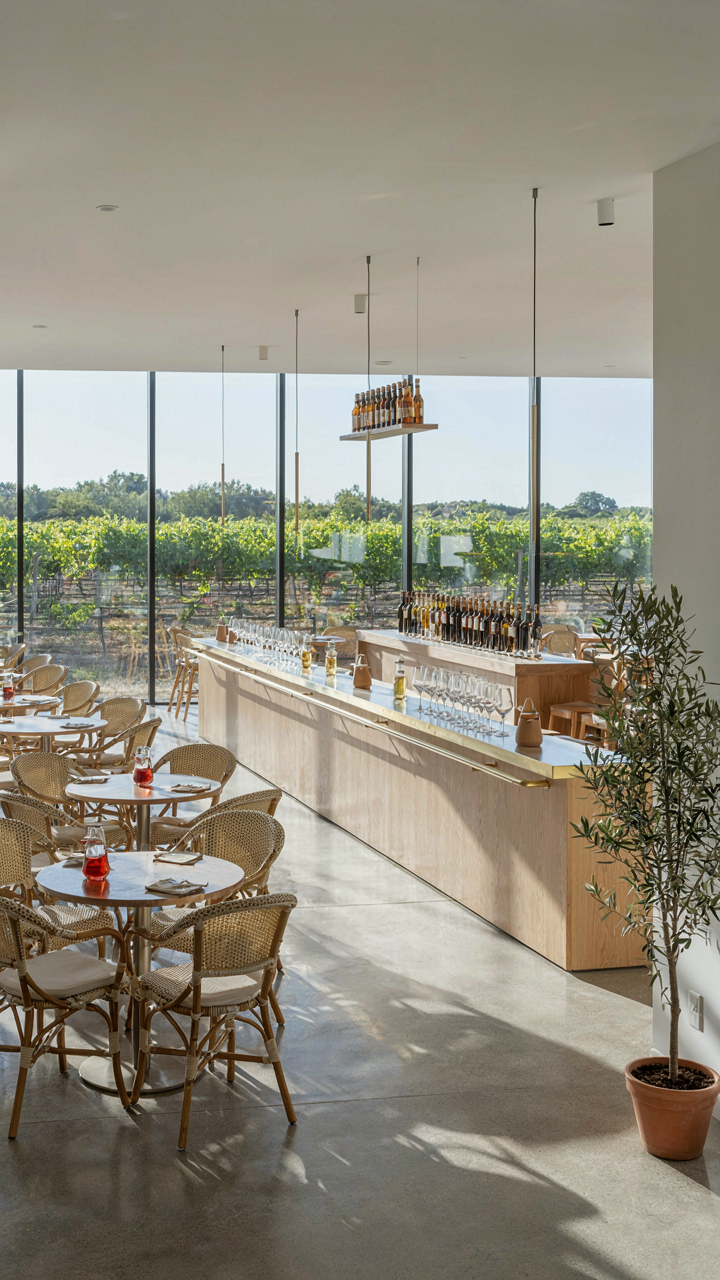
How Natural Systems Cut Your Design Budget
You want the space to feel intentional without hiring a designer. Here’s the real mechanism: organisms thrive when they flow with existing conditions instead of fighting them. A tasting room’s layout should follow how wine naturally moves through the space and how humans naturally congregate around it. Your budget shrinks when you stop fighting the room’s bones.
Wine tasting rooms already have strong architectural anchors: the bar counter, the barrel storage, the natural light patterns. Native materials in your region cost less because suppliers stock them and labor knows how to install them. Oak, stone, and unfabricated wood don’t compete for attention. Let the existing structural elements do the work. Your job is removing obstacles, not adding decoration.
Energy Flow Makes Comfort Automatic
Thermodynamics teaches us that systems fail when energy gets trapped. A tasting room where guests cluster in one corner while another sits empty wastes your venue’s capacity and burns through your service budget. Arrange the bar, seating, and viewing areas so heat, sound, and people distribute naturally through the space. This isn’t about feng shui. It’s about guest flow dictating where staff needs to position themselves.
Temperature control becomes cheaper when you work with the room’s existing ventilation instead of against it. Position the wine service near natural air movement. Use mirrors and open sightlines to make the space feel larger without rebuilding walls. A guest who feels comfortable stays longer, drinks more, and doesn’t require constant attention from staff. One staff member can handle a naturally flowing space better than three people can salvage a poorly designed one.
From Wine Tasting Venue Inspiration To Execution: The Phased Rollout

Break The Plan Into Locked Phases
You’re afraid committing to a full vision upfront will trap you with a bad decision. The real mechanism here is portfolio theory from finance: you reduce total risk by staging capital deployment instead of dumping it all at once. A winery tasting room works the same way. Lock Phase One to venue confirmation and basic logistics only. Don’t design the full rental package or decor scheme until you own the date and space. This costs almost nothing and keeps optionality open.

Phase Two happens after you’ve held one event walk-through at the venue during actual operating hours. You’ll see how light moves through the room, how staff flow works, where guests naturally cluster. Phase Three is final vendor coordination and contingency triggers. Spread your planning across eight to twelve weeks minimum, with hard stop dates between phases. This isn’t slow. It’s the fastest way to avoid expensive pivots.
Separate What Fails From What Matters
Most budget advice tells you to build backup plans for everything. Wrong. You can’t hedge every risk without doubling your spend. Instead, map failures by impact: weather affects outdoor spaces, vendor no-shows destroy timelines, catering shortfalls wreck guest experience. Those three matter. A slightly delayed sound check doesn’t.
For each high-impact failure, build one specific trigger response. Example: if your chosen winery loses availability within six weeks of your date, you activate a pre-scouted backup venue within two miles and renegotiate pricing based on the original terms. Write this protocol before booking. If your catering vendor cancels with less than thirty days notice, the venue’s restaurant partner handles service as defined in your contingency addendum. Lock these agreements during Phase One, not when crisis hits.
The DIY Dignity Protocol: Selective Investment For Maximum Return
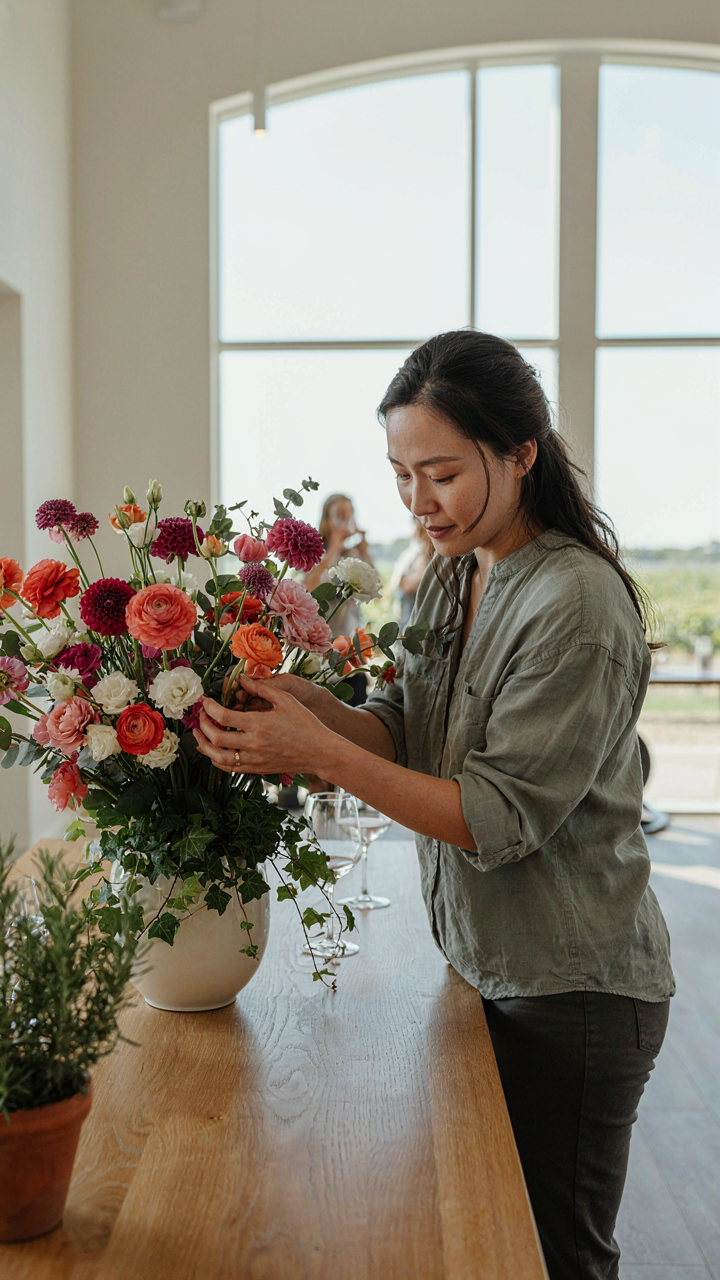
Where Your Labor Actually Moves The Needle
You want to feel like you built something, not like you bought something off a checklist. That’s the real driver here, and it’s valid—but it’s also expensive if you waste effort on tasks that don’t compound in value. The economics of venue decoration work like leverage: some tasks multiply their impact across the entire guest experience, while others are just busy work that eats your weekend.

Focus your hands-on effort on elements guests directly encounter during transitions and key moments. Centerpiece design, signage at entry points, and playlist curation hit harder than, say, reorganizing the tasting room’s wine bottles or hand-folding napkins. These visible, intentional touches signal thought and care. Everything else is friction disguised as preparation.
Outsource The Invisible Infrastructure
Most budget advice tells you to DIY everything. That’s backwards and born from fear of spending money, not from strategy. Delegate tasks that require technical skill, scale linearly with labor hours, or happen behind the scenes. You cannot buy back time, but you can buy back headspace by paying someone fifty dollars to set up tables while you handle the work that actually requires your aesthetic judgment.
The line: hire for execution, keep creative ownership. Catering setup, furniture arrangement, equipment testing, and timeline coordination should go to vendors or day-of coordinators. You keep responsibility for the look, feel, and flow—the decisions that actually define whether guests remember this event. This split prevents you from burning out three days before the wedding while still keeping your fingerprints on what matters.
Stop Chasing Perfection, Start Engineering Experience
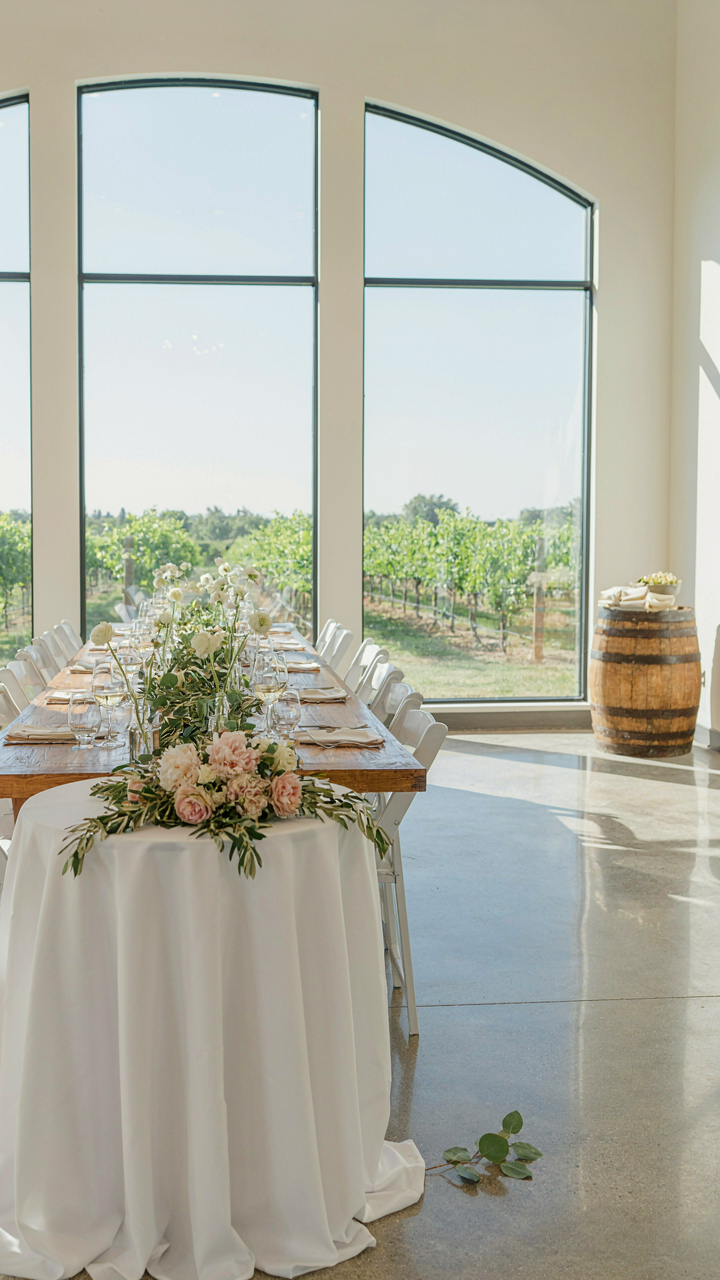
Most couples waste money trying to transform a tasting room into something it isn’t. Stop. A winery’s raw edges are its asset, not a liability to hide. Your budget multiplies when you work with the venue’s bones instead of against them. Call three wineries today and ask one question: what do you already have that we could amplify? The couple who designs around constraints always wins the room.