The Illusion Of Affordable Historic Venue Wedding Packages
What The Base Price Actually Covers
You want to believe a historic home costs less because the venue already exists. That’s the trap. Most historic properties quote a rental rate that covers the structure and liability insurance, nothing else. The quoted price is a floor, not a ceiling. Every system the building lacks—climate control, adequate electrical, parking, restrooms, kitchen capacity—becomes your line item. The venue owner profits by listing what they have, not revealing what you’ll need to rent separately.
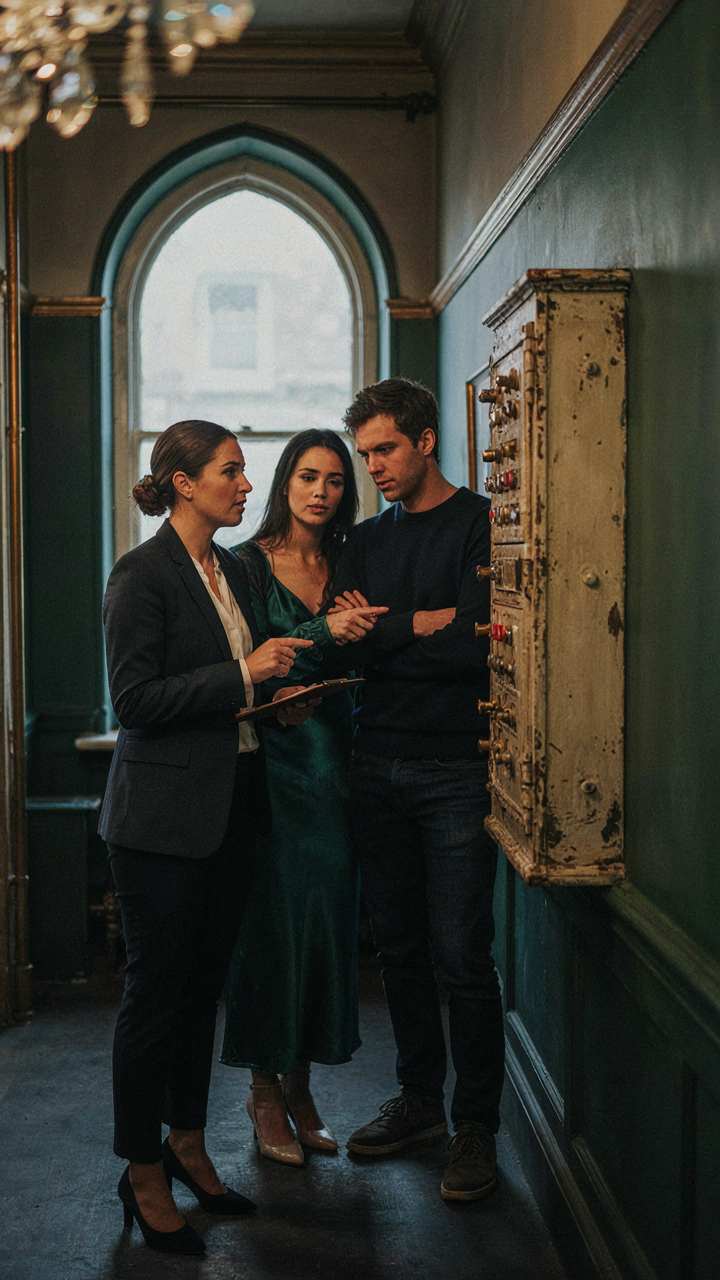
Wedding venues operate like insurance companies: they price the minimum coverage and let you discover gaps. A Victorian mansion might rent for three thousand dollars but require you to rent generators, portable restrooms, catering equipment, and climate tents because the original infrastructure won’t support a hundred guests. The base rate is the hook. The actual cost emerges during the walkthrough when you ask basic questions about water pressure, electrical panels, and loading access.
Negotiating Real Terms Before You Commit
The all-inclusive package pitch is marketing fiction for historic homes. These properties can’t offer true all-in pricing because every property is different and every couple’s needs diverge. What you should negotiate instead is transparency on mandatory add-ons. Ask the owner to provide a written list of what the rental includes, what’s prohibited, what requires outside contractors, and what they charge for overtime or extended hours. This forces them to quantify the hidden costs upfront rather than surprise you at final walkthrough.
Push back on vendor exclusivity clauses that lock you into their preferred caterers or florists at markup rates. Historic homes often justify this by claiming liability control, but the real mechanism is commission revenue. You control the final cost by controlling vendor selection. Insist on bringing your own vendors or pay the venue’s markup explicitly as a line item. Never accept vague language like “approved vendors” without seeing the actual list and their pricing. Get everything in writing before you sign.
Unlocking “Small Wedding” Scale For Grand Historic Venues
The Guest List That Actually Works
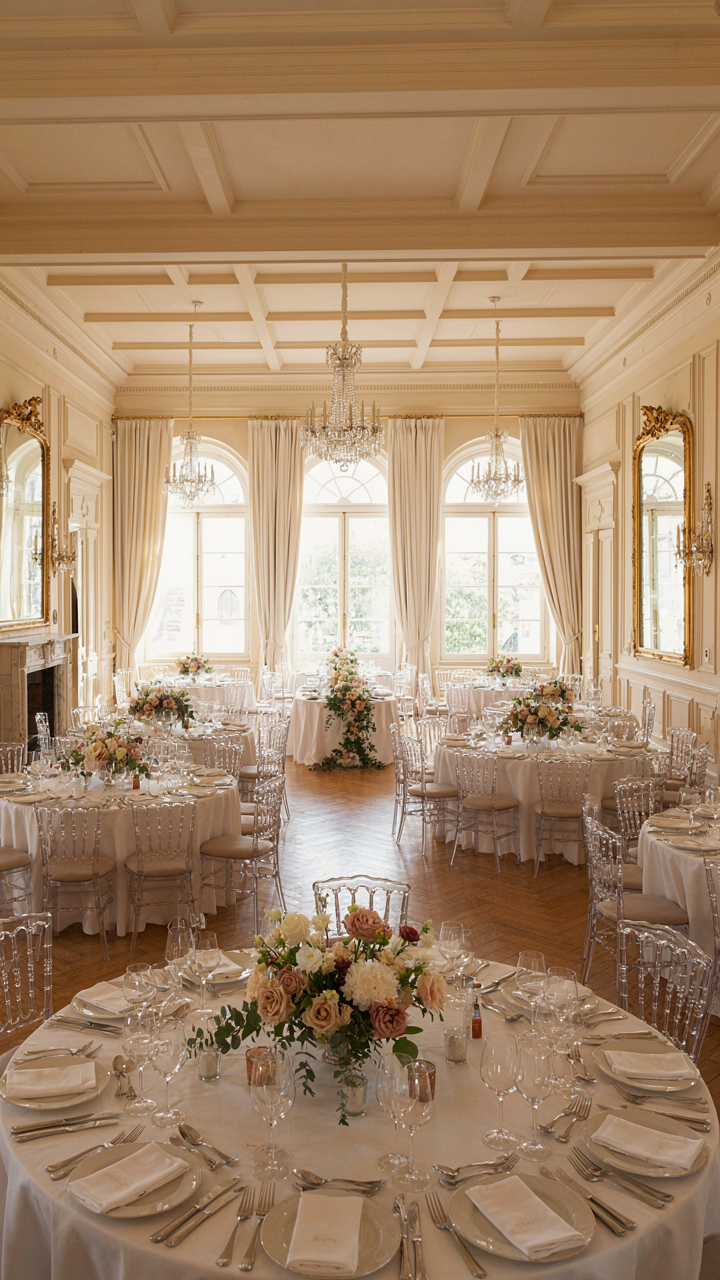
You want the prestige of a sprawling Victorian or colonial mansion without the $40,000 catering bill. That’s the real tension here. The mechanism is simple: historic homes enforce a hard ceiling on what feels intimate versus what feels sparse. You don’t need fewer guests because you’re virtuous. You need fewer because 40 people in a 6,000-square-foot manor reads as intentional. 150 people reads as underfunded.

The math works backward from the room. A historic home’s main gathering space dictates your guest count, not your budget. Most period properties have one or two functional entertaining spaces with original proportions that feel wrong when overscaled. If your venue’s primary parlor is 20 feet by 25 feet, you’ve hit your ceiling around 50 to 80 people. Fill it properly and you control the entire narrative around budget.
Filling The Space Without Overextending
Logistically, a large venue with a small guest list requires you to own the intentionality. This is constraint-based design from architecture: you work within fixed parameters and make every element count. Don’t spread 40 people across eight rooms hoping they’ll mingle. Cordon off the spaces you’ll actually use and stage the event in two or three connected areas that already exist in the home’s original layout.
The staff footprint shrinks proportionally when you compress your guest count into fewer spaces. One bartender can work a contained parlor. One server moves through a focused layout faster than through 10,000 square feet. Rentals drop because you’re not padding empty rooms with uplighting and linens. The historic structure itself becomes the decor. Close the doors to unused spaces and rent only what you inhabit.
The “Off Season” Arbitrage: Timing Your Historic Home Wedding
When Demand Collapses, Prices Follow
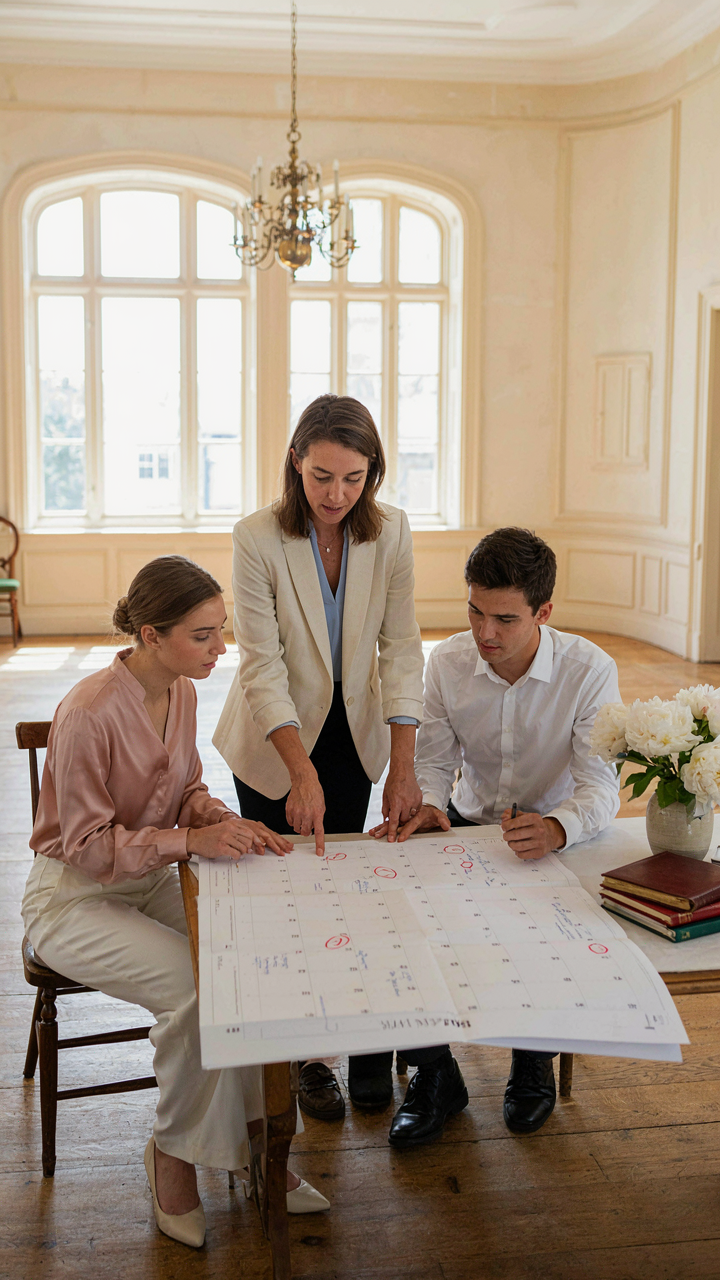
You want to feel like you didn’t compromise on venue quality just because you have a budget. Here’s the mechanism: demand curves in venue pricing work like supply and demand in any market—prices drop when demand drops, and historic homes have brutal off-season windows. November through March sees 60-70% fewer bookings at most period properties. Owners need cash flow. They negotiate.

The real move isn’t booking randomly in winter. It’s identifying which months your specific region’s historic homes sit empty. Southern properties suffer May through September when outdoor venues compete hard. Northern homes tank November through February due to heating costs and guest travel friction. Research three to five venues in your area and ask their booking manager directly about their lowest-demand months. That’s your leverage point.
Weather Resilience Separates Cheap From Smart
Bad advice says off-season weddings require extensive backup plans and contingencies. Wrong. Unconventional dates eliminate the contingency problem entirely because you plan for the weather upfront, not around it. A November wedding at a Victorian home in the South means you design indoors by default. No tent rental gamble. No weather pivot stress. The venue’s existing architecture becomes your weather insurance.
Historic homes built before 1950 typically feature covered porches, wraparound galleries, or interior spaces designed for gathering. These weren’t decorative—they solved climate problems when central heating didn’t exist. Your November or February wedding uses that infrastructure intentionally. Work with the venue to confirm square footage of climate-controlled or semi-protected indoor space. Walk through the actual layout on the date you’re considering to see natural light patterns and assess coat storage. That visit costs nothing and prevents budget overruns from last-minute rentals or heating adjustments.
Historical Wedding Venues: Beyond The Obvious Choices
Local Landmarks Most Planners Overlook
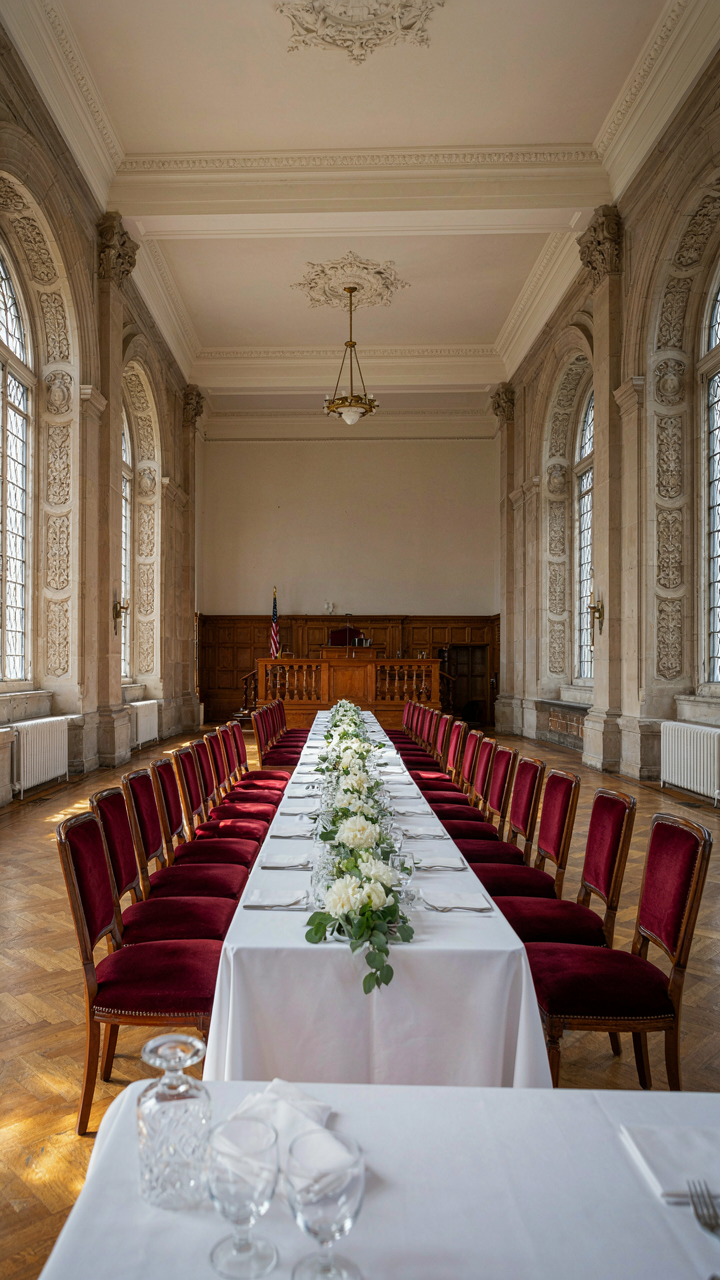
You want to feel like you discovered something nobody else found, which is why generic mansion rentals feel hollow. The real mechanism is scarcity arbitrage: venues nobody markets heavily cost less because demand hasn’t been priced in yet. Local historical societies, county records, and city planning departments hold the actual inventory. These places exist in the gap between “too small for corporate events” and “too unconventional for wedding industry gatekeepers.”
- Decommissioned courthouses or town halls: Built 1800s-1950s with wood beams and original plasterwork. Many municipalities rent them cheaply because maintenance costs are already budgeted. Check county clerk offices for availability.
- Former libraries or educational buildings: Thick walls, high ceilings, period-appropriate architecture. Schools often rent space during off-hours at rates far below wedding venue markups.
- Historic barns on agricultural land: Not trendy barn venues, but actual working or semi-retired farm buildings. Owners rent for practical reasons, not wedding business. Local farm bureaus track these.
- Preserved railway stations or depots: Early 1900s construction, architectural detail built into the bones. Regional historical railroad societies maintain registries and can facilitate direct contact with property holders.
- Historic churches seeking alternative revenue: Older denominations with declining attendance rent fellowship halls and grounds affordably. They need the income, which creates negotiation room other venues don’t have.

The work is in the research, not the booking. Call the county historical society. Ask specifically what properties they maintain or know about that allow private events. Most planners skip this step because it requires phone calls instead of scrolling through Instagram venue listings. You do the work they won’t, and you pay what they won’t.
Public Property Permits Versus Private Rental Agreements
The conventional wisdom says public property is always cheaper. It’s incomplete. What actually matters is liability exposure and who absorbs the administrative load. Permit fees for public parks or grounds run lower than private rental rates, but they require event insurance, setup restrictions, cleanup bonds, and time spent coordinating with parks departments. Private rental homes come with a fixed price and one person accountable if something breaks. The hidden cost of public permits is operational friction, not just money.
A private historic home owner absorbs liability because they already insure the property. A public venue makes you hold the insurance and follow their rules exactly. If you need flexibility on timing, guest count, or setup, private contracts give you room to negotiate. Public permits are rigid. Calculate whether saving two thousand dollars in venue fees costs more in insurance, permit processing, and lost weekend time managing logistics instead of planning.
The DIY Decor Deception: Where “Budget Friendly Wedding” Becomes Expensive

Time Cost Economics Of DIY Decor
You want to feel like you’re winning by doing it yourself. That’s the trap. The real cost isn’t what you spend on materials—it’s what your time is worth when you’re sourcing, assembling, and installing for eight hours the day before your wedding. Economics calls this opportunity cost: the value of the next best thing you could do with those hours. For a historic home venue, this compounds because the space itself demands decisions. You’re not decorating a blank box—you’re working around original molding, period windows, and load-bearing walls that limit where you hang things.

Most couples underestimate labor by 60 percent because they anchor to material costs. A DIY floral garland costs forty dollars in flowers but requires four hours of work, research on what blooms survive in your season, and contingency time if stems break. A rental garland costs two hundred but arrives assembled and gets removed by someone else. The math only favors DIY if you genuinely enjoy the work or have specific skills that save real time. Otherwise, you’re gambling with your stress level and your relationship forty-eight hours before the event.
Borrowing, Renting, And Buying The Right Way
Skip the “borrow from friends” phase unless you have people who professionally maintain event decor. Borrowed items arrive dirty, don’t match, and trigger obligation debt. The person who lent you their grandmother’s candlesticks now owns part of your wedding anxiety. Rental is the mechanism that makes a historic home budget work: you pay for curation, delivery, pickup, and insurance baked into one fee. The vendor assumes the storage cost and maintenance. This matters because historic homes have character but limited storage, and you won’t solve that by owning ten vases you use once.
Buying smart means buying only what stays permanently in your life or in the venue. A historic home wedding often allows you to source locally from the region’s architectural period—if your venue is a 1920s Colonial, authentic Art Deco rentals align with the space and cost less than trendy modern pieces. Buy that one investment piece (a statement mirror, quality linens in a neutral color) that you’ll use again. Rent everything seasonal. Get your final quote in writing from the rental company two weeks out, confirm delivery time and setup support, then shift your attention to what actually matters: the ceremony and food.
The “Home Wedding” Blueprint: Repurposing Grand Estates
Constraint Creates Efficiency
You want to feel like you’re getting a deal without actually doing the work of understanding where money actually goes. The mechanism is this: military logistics solves resource scarcity by forcing accountability at every checkpoint. Apply the same discipline to your venue. Stop thinking of a historic home as a blank canvas. Think of it as a fixed system with defined zones, fixed capacity per zone, and non-negotiable utility limits. Your budget isn’t the problem. Your failure to map inputs against outputs is.

A historic home has immovable walls, one kitchen, finite electrical capacity, and parking that either exists or doesn’t. These constraints aren’t obstacles. They’re your budget’s best friend because they kill scope creep before it starts. When you can’t add a fourth dining area, you stop pretending you need one. When the property has 90 minutes of parking for 120 guests, you make hard decisions about guest count instead of renting expensive overflow solutions. The math becomes visible. Money stops bleeding into invisible places.
Movement, Not Decoration
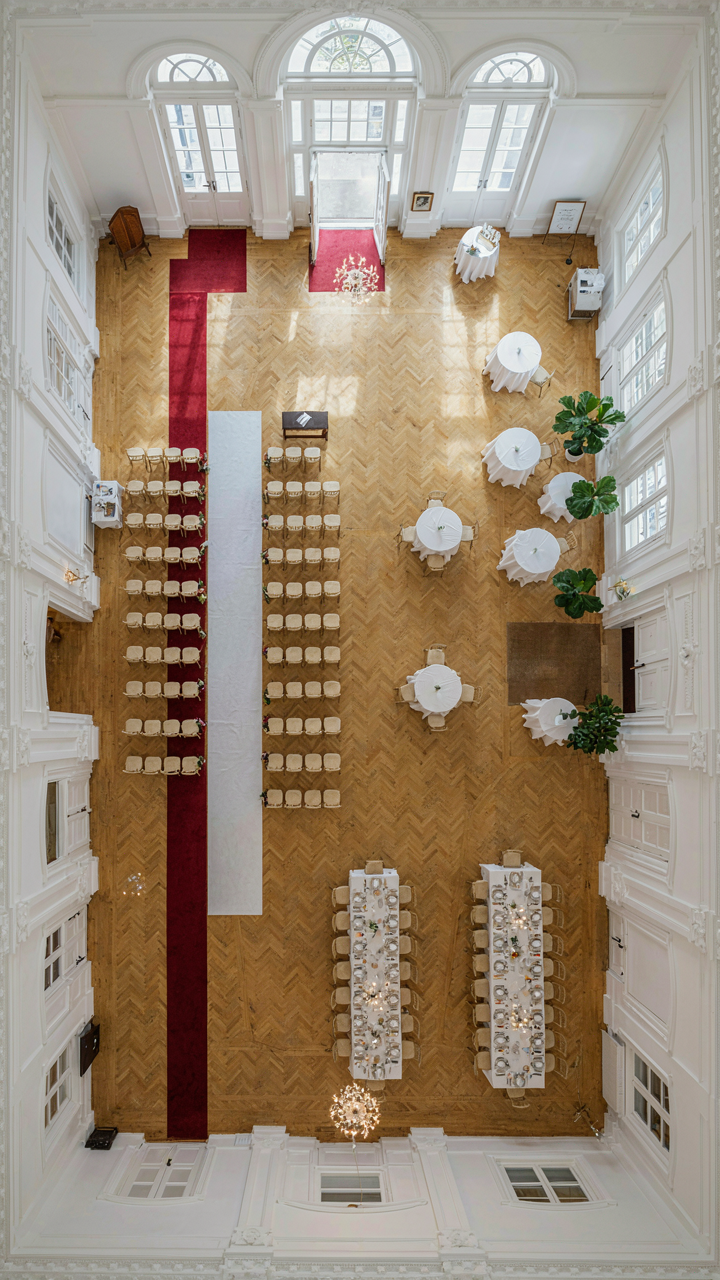
Phased event flow isn’t about making guests feel special with a journey through rooms. It’s about preventing logistical collapse by distributing load across time and space. Common advice says to “maximize the flow between spaces.” That’s vague and wrong. What actually matters is this: calculate the number of minutes each guest spends in each location, then work backward to determine how many staff you need and when.
A historic home wedding with budget constraints succeeds when you can walk 50 guests from ceremony lawn to cocktail porch in seven minutes, then move 30 into the dining room while 20 stay outside. That’s not decoration. That’s traffic management. Define your phases before booking: arrival, ceremony, cocktail, dinner, departure. Assign one room or zone to each phase. Test the timing with the actual dimensions of the property. Build your vendor decisions around these phases, not around aesthetic preference. The staff requirement and the budget requirement flow directly from the movement protocol you establish first.
Budgeting With Precision: The “Zero Based” Wedding Approach
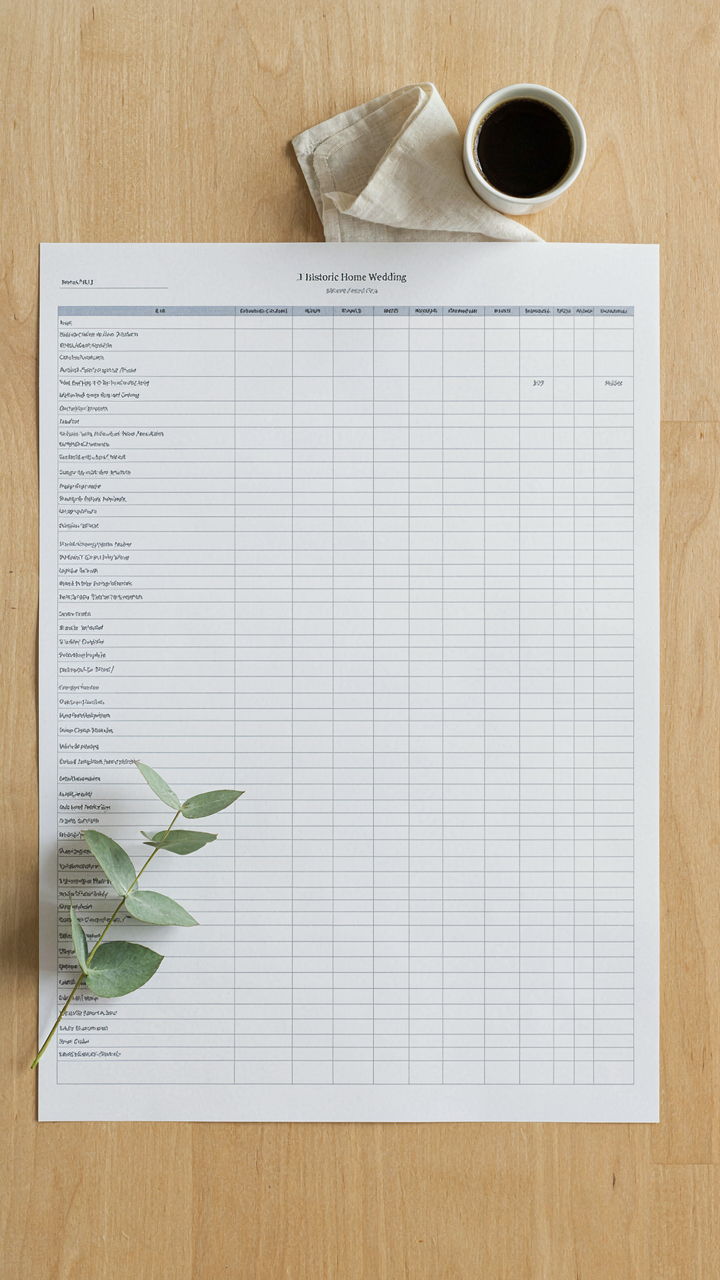
Every Dollar Justified, No Legacy Spending
You’re afraid you’ll spend money on things that don’t matter and won’t know until it’s too late. The mechanism is simple: most couples inherit budget categories from wedding industry templates, not from their actual venue needs. Zero-based budgeting flips this. You start at zero and justify each expense against your specific historic home, not against what other weddings typically cost.

Historic homes have structural quirks that create real costs others don’t face. A Victorian with single-pane windows needs climate control in summer. A converted farmhouse has limited electrical capacity. An 1800s manor requires liability insurance specific to its age and condition. These aren’t optional upgrades. They’re venue realities that most couples discover mid-planning.
- Venue-specific infrastructure: Bathrooms, parking, kitchen capacity, and electrical load. Old homes rarely have these built to modern event scale. Document exact requirements before budgeting anything else.
- Preservation and compliance: Historic homes often fall under local preservation rules. Permits, inspections, and required contractors cost real money. Contact your city’s historic district office before assuming you can hire anyone.
- Rental gear that masks deficiencies: Tent, heating, portable restrooms, generators. These aren’t luxuries in old homes. They’re corrections for infrastructure gaps. Calculate them as venue costs, not decor costs.
- Vendor restrictions: Many historic homes prohibit open flames, certain lighting rigs, or ground stakes. Florists and decorators used to modern venues will quote high once they learn the constraints. Lock this in early.
- Contingency tied to condition: Old plumbing fails. Electrical circuits overload. HVAC systems break during summer events. Reserve 15 percent of your total budget for venue-specific emergencies, not general contingency.
Build your line items by walking the property with contractors who’ve worked on similar homes, not with your Pinterest board. Every category that doesn’t map to a concrete venue problem gets cut. This eliminates the 20-30 percent waste most couples experience through inherited spending patterns.
Tracking Real Time Spend Versus Projections
The common advice here is wrong: spreadsheets don’t prevent overspending. They just document it. Real-time tracking works only when you update it weekly and enforce a decision protocol when actuals diverge from projections. Most couples update their budget once a month, discover overages, and rationalize them instead of cutting elsewhere.
Set up a single source of truth accessible to anyone making purchases. Use a shared spreadsheet or purpose-built wedding budget tool. Require every vendor payment, deposit, and authorization to be logged within 48 hours of commitment. Weekly, compare actuals to your zero-based line items. If a category runs 10 percent over projection, you freeze discretionary spending in that category and make a conscious trade-off elsewhere. Historic home weddings demand this discipline because venue costs are fixed and non-negotiable. You recover overages only by cutting catering, florals, or guest count. Track religiously, or you’ll discover shortfalls during final payments.
Historic Venue Wedding Inspiration: Curating Authenticity, Not Expense
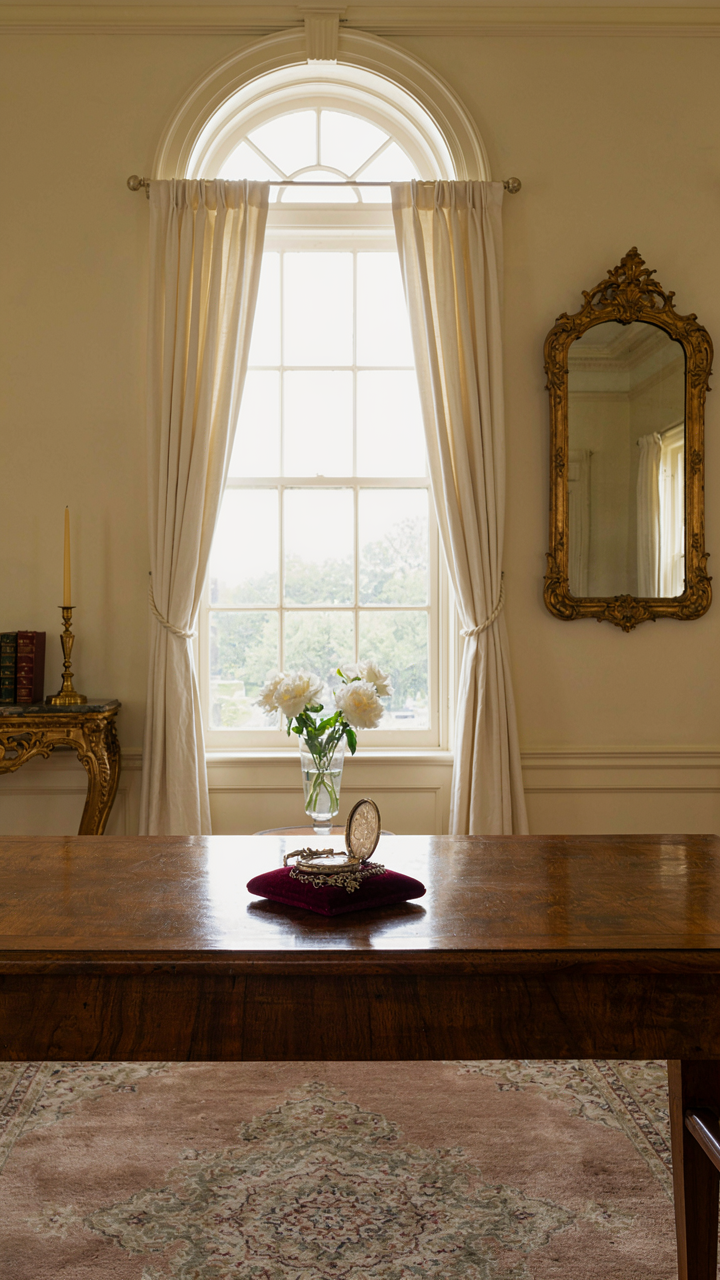
The Bones Already Tell The Story
You want people to think you found something rare and precious without looking like you tried. Here’s the mechanism: most couples add things to historic homes instead of removing them. Every addition is a budget leak and a signal that the space needed help. The real move is identifying what the architecture already does and stopping there.

A 1920s colonial doesn’t need uplighting, draping, or statement florals. The molding works. The proportions work. The windows work. When you add layers, you’re competing with the structure instead of partnering with it. Strip back to materials and lines the original builders chose. Plaster walls, hardwood floors, and period-appropriate fixtures cost less than masking what exists with modern interventions. The venue does the heavy lifting. Your job is subtraction.
Details That Anchor Without Draining
The common advice here is dead wrong: people think historical authenticity requires hiring historians and period-accurate everything. It doesn’t. What works is selecting two or three genuine details that match the home’s actual era, then letting them do the narrative work while you skip the rest.
If the house is Victorian, a single brass candelabra on the mantle and period-correct linens matter more than historically accurate centerpieces at every table. The eye catches one or two authentic signals and fills in the rest. Guests construct a story from fragments. Use that. One original architectural detail or artifact placed thoughtfully reads as intentional curation, not budget limitation. Research the home’s construction period online, choose one element that existed then, and deploy it. That’s your narrative anchor. Everything else can be contemporary without breaking the spell.
The Real Obstacle Isn’t Your Budget; It’s Your Imagination, Shackled By Conventional Expectations
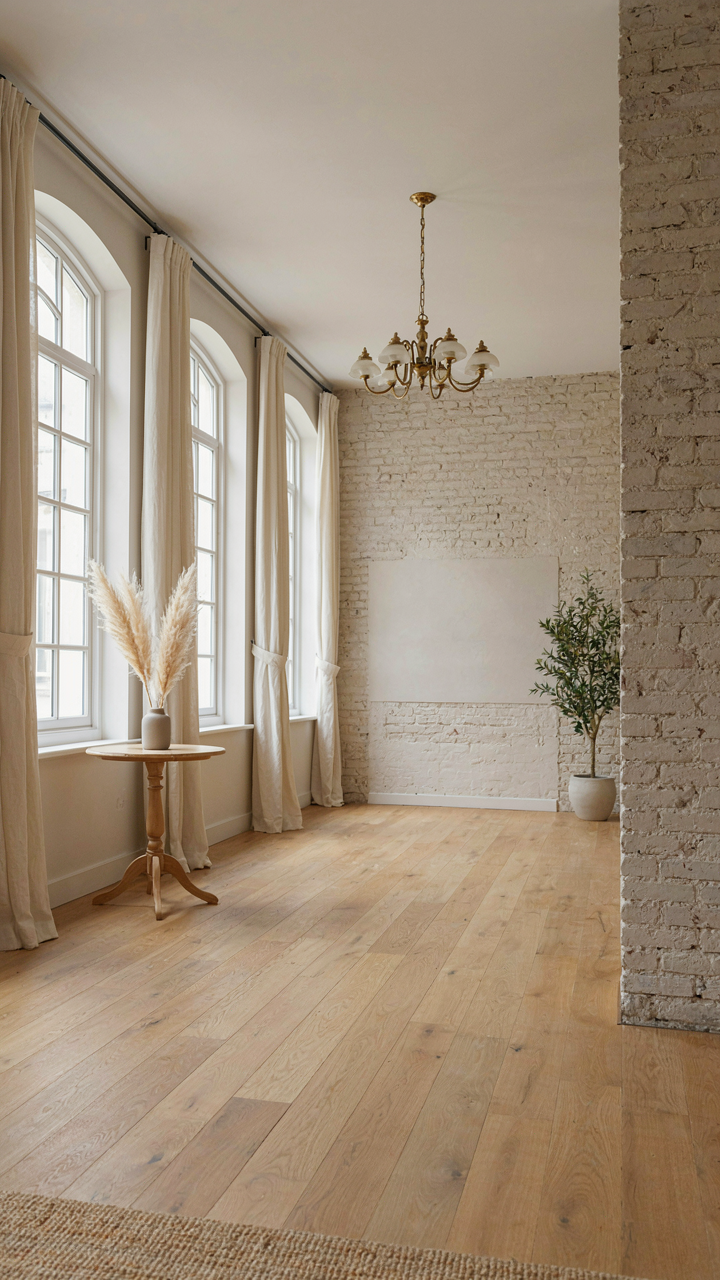
You don’t need more money. You need permission to break the rules you inherited from Pinterest. Stop asking “how do I make this venue look like a typical wedding?” Start asking “what does this specific place want to become?” Pull up Google Maps today. Find three historic homes in your area you’ve never considered. Call the owners. Most say yes because nobody asks. Your wedding won’t look like everyone else’s because you stopped trying to.