Why A DIY Photo Booth Back Drop Is A Must Have At Your Wedding
The Rising Popularity Of Wedding Photo Booths Among Modern Couples
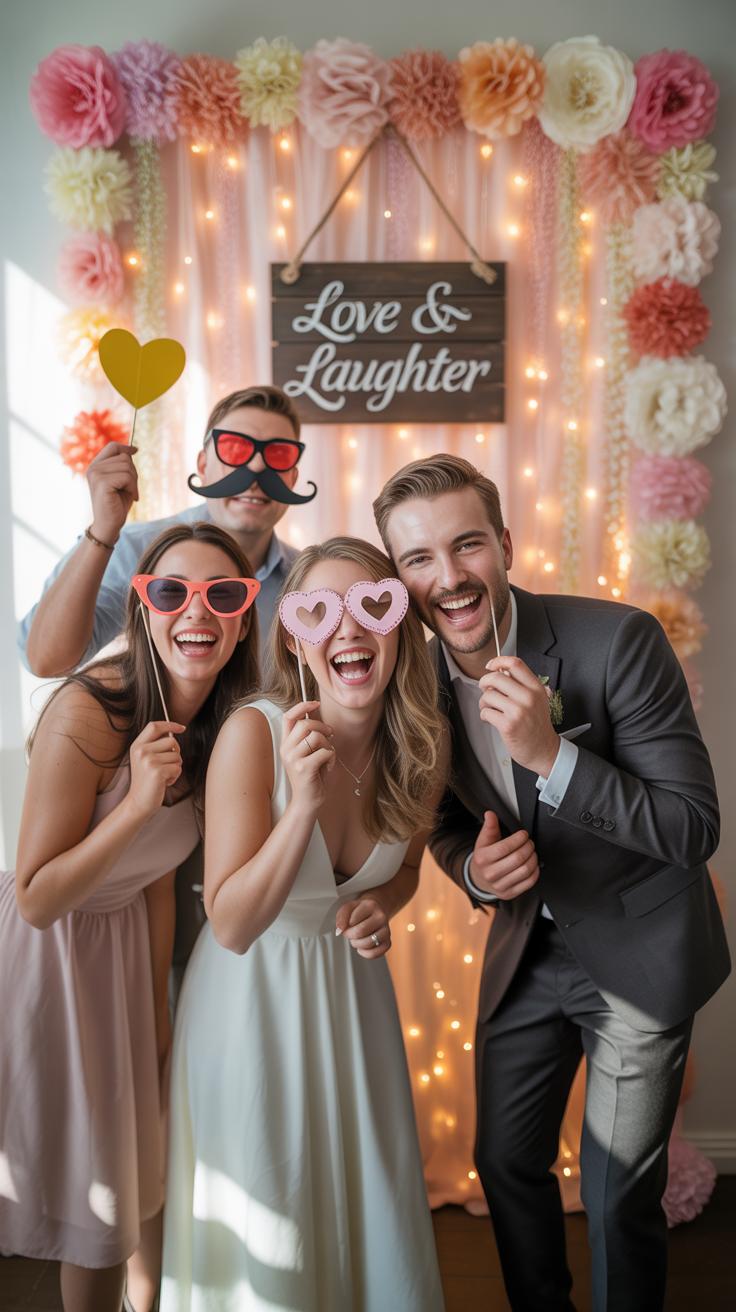
Modern couples prioritize guest experience over traditional formalities. Data shows that interactive elements keep guests engaged longer during receptions. A photo booth provides immediate entertainment and serves as a social hub. It breaks the ice between different guest groups. Digital sharing capabilities also allow for instant social media posting. This trend has moved from a luxury add-on to a standard wedding requirement.
Professional photographers focus on the couple and key ceremony moments. They cannot capture every guest in a candid state. A dedicated photo booth fills this gap by documenting everyone in attendance. It creates a secondary digital archive of the event. Guests enjoy the agency of taking their own photos. This shift reflects a broader movement toward participatory event design. It ensures that no guest feels left out of the visual record.
How A Personalized Backdrop Adds A Unique Touch To Your Wedding Day
Standard rental backdrops often lack character and look generic in photos. A custom wedding photo booth backdrop diy project allows you to match specific color palettes. You can use materials like tulle backdrop layers or reclaimed wood to reflect your wedding theme. Personalization ensures the photos look like they belong to your specific event. It transforms a dark corner into a curated visual asset. Tactical design choices improve the final image quality.
Building your own setup controls the aesthetic and the budget. Off-the-shelf options rarely fit the exact dimensions or lighting needs of a venue. You can integrate specific textures that represent your personal style. Using high-quality fabrics or geometric patterns creates a professional studio feel. This DIY approach eliminates the high cost of custom rentals. It provides a focal point that serves as both decor and an activity. Strategic planning results in better photos.

Planning Your DIY Wedding Photo Booth Setting The Foundation
Defining Your Wedding Theme And Style Before Building Your Backdrop
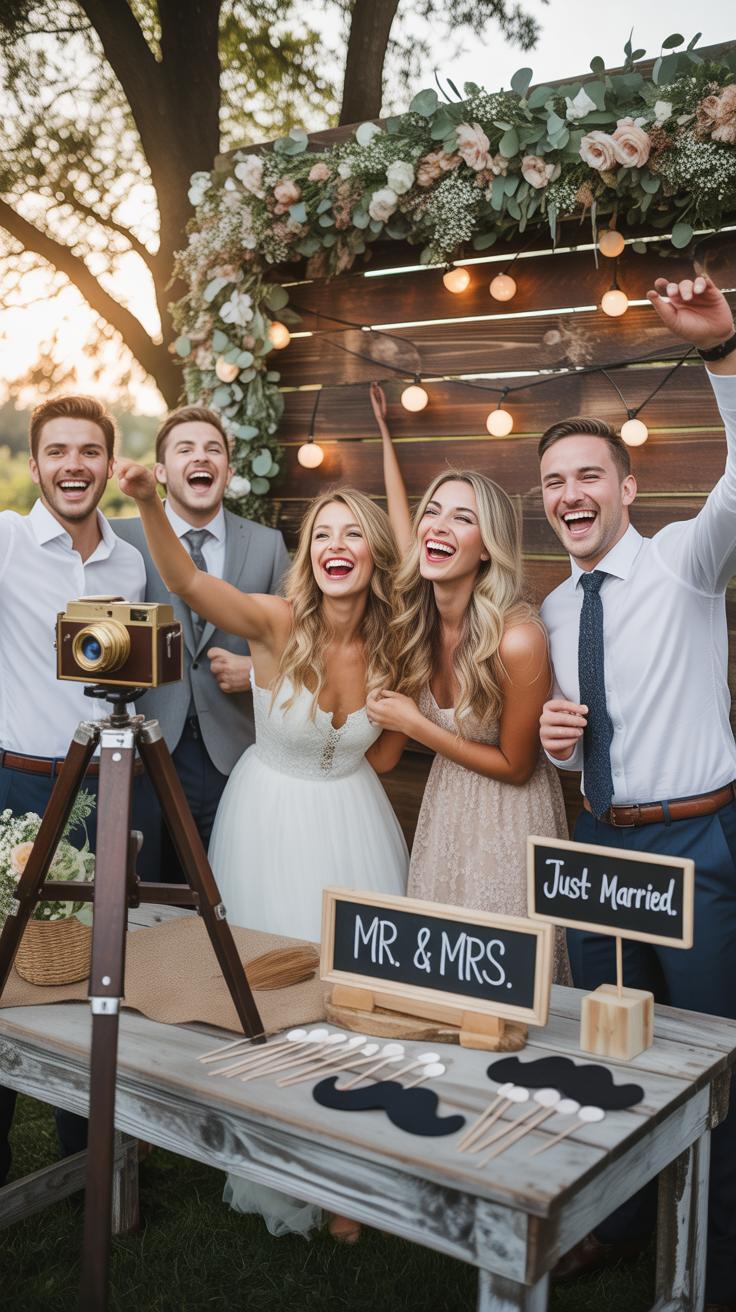
Your backdrop must align with your venue and existing decor to avoid a visual clash. A rustic wedding requires organic textures like wood or burlap. A modern event calls for clean lines and geometric shapes. Identify your primary color palette and textures early. This ensures the diy photobooth backdrop wedding project complements the space rather than distracting guests from the overall aesthetic.
Analyze the lighting at your location before selecting materials. Harsh overhead lights reflect off sequins or metallic foils and ruin photos. Matte finishes work best for indoor setups with flash photography. Determine if you want a minimalist look or a dense wedding photo booth backdrop diy design. Consistency in style ensures the booth feels like a professional installation rather than a last minute addition to the party.
Budgeting Smartly For Your DIY Wedding Photo Booth Without Cutting Corners
Allocate funds toward structural integrity first. A cheap stand will collapse and create a liability. Heavy duty PVC pipe or metal telescoping frames provide the necessary stability for a tulle backdrop. Invest in high quality clamps and weighted sandbags. These items ensure the safety of your guests. Spending on the foundation prevents equipment failure and ensures your diy photo booth for party lasts through the night.

Save money by sourcing materials in bulk from wholesalers. Buy fabrics like chiffon or polyester by the bolt rather than the yard. Reuse household items for props to lower costs. Track every line item to avoid overspending on small decorative details. Prioritize the central focal point of the photo booth back drop. High impact visuals matter more than expensive tiny accessories that guests will likely lose or break.
Essential Materials You Need For A Wedding Photo Booth Backdrop DIY Project
Choosing The Right Frame, Stand, And Support Structure For Your Backdrop
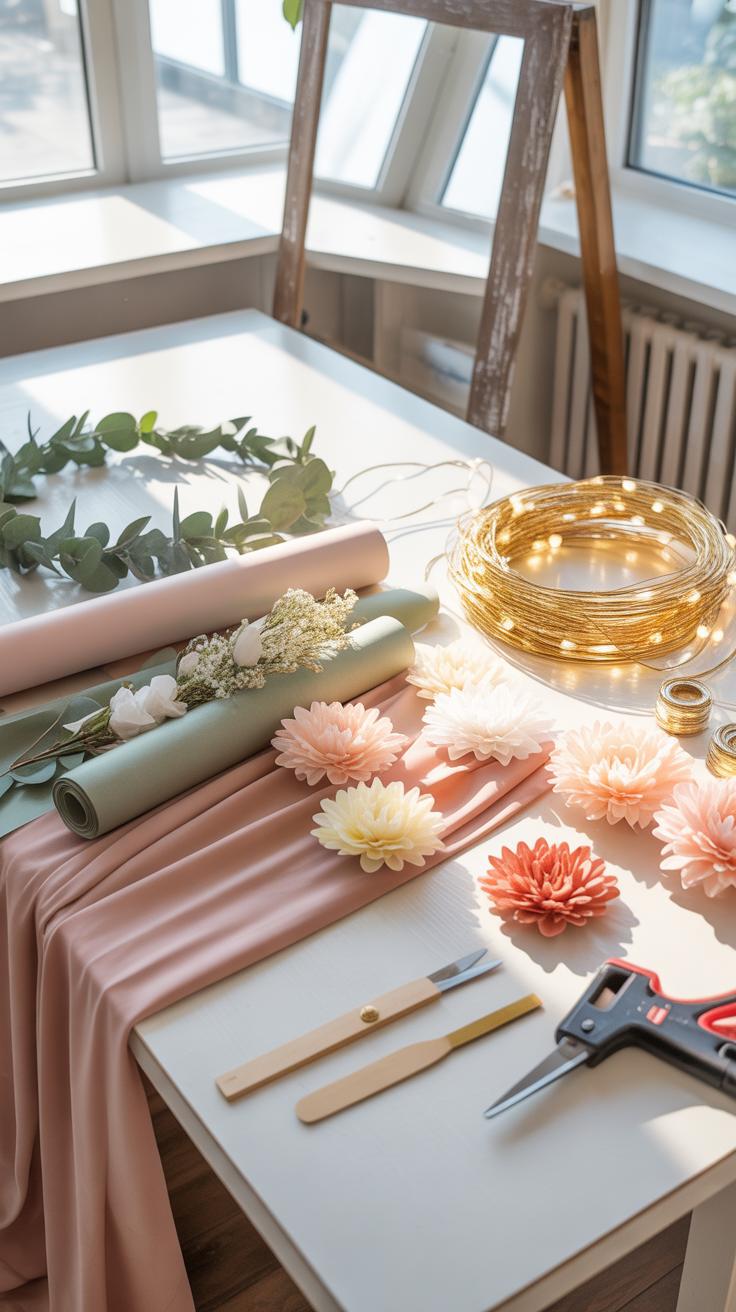
The foundation of your backdrop determines its stability and safety. Heavy-duty telescopic metal stands offer the most reliable support for indoor events. These professional systems use weighted bases to prevent tipping. For outdoor photo booths, you must secure the frame against wind. Use sandbags or ground stakes to anchor the vertical poles. A weak frame will collapse under the weight of heavy fabrics or floral arrangements.
If you choose a lightweight PVC pipe frame, reinforce the joints with industrial adhesive. PVC is cost-effective for a diy wedding photo booth but lacks the rigidity of steel. Wooden frames provide a rustic aesthetic and superior strength for permanent installations. Ensure your horizontal crossbar can support at least twenty pounds without bowing. Measure your venue ceiling height before selecting a stand to ensure the structure fits the allocated space.
Must Have Supplies And Decorative Elements For Building Your Backdrop
Successful designers prioritize materials that create depth and texture without reflecting camera flash. Matte fabrics and non-glossy papers prevent light flares in photos. You need industrial-strength fasteners like zip ties or heavy-duty spring clamps to secure materials to the frame. These tools ensure the backdrop remains taut and professional throughout the event. Every wedding photobooth backdrop ideas list requires high-quality adhesive for small decorative details.
- Wrinkle-Resistant Backdrop Fabric: Polyester or heavy cotton blends work best for photo booth backdrop wedding setups. These materials drape well and hide imperfections in the frame. Avoid thin materials that become transparent under bright photography lights.
- Industrial Spring Clamps: Secure your fabric or tulle backdrop to the top crossbar using steel clamps. These provide a stronger grip than tape or plastic clips. Buy clamps with rubber-coated tips to prevent tearing or staining expensive decorative fabrics.
- Heavy-Duty Sandbags: Professional outdoor photo booths require weight at the base for safety. Fill bags with dry sand or gravel to prevent the structure from blowing over. Place at least fifteen pounds on each leg of the stand for maximum stability.
- Gaffers Tape: Use non-reflective gaffers tape to secure loose cords or floor coverings. Unlike duct tape, this professional adhesive leaves no sticky residue on venue floors or equipment. It is essential for managing cables and preventing guest trip hazards near the booth.
- Safety Pins and Zip Ties: Keep these versatile fasteners in your tool kit for quick adjustments. Zip ties allow you to attach heavy floral arrangements or signage to the main frame permanently. Safety pins help pull fabric tight or hide seams without damaging the material surface.

Select decorative items based on the wedding theme and color palette. A classic tulle backdrop requires layers of fine mesh to achieve an opaque look. For a photo booth back drop with greenery, use high-quality silk vines that look realistic in high-resolution images. Test your materials under flash lighting before the event begins. This technical check ensures the background enhances the subjects rather than distracting from them.
How To Create A Dreamy Tulle Backdrop For Your Wedding Photo Booth
Why Tulle Is One Of The Most Popular Fabric Choices For Wedding Backdrops
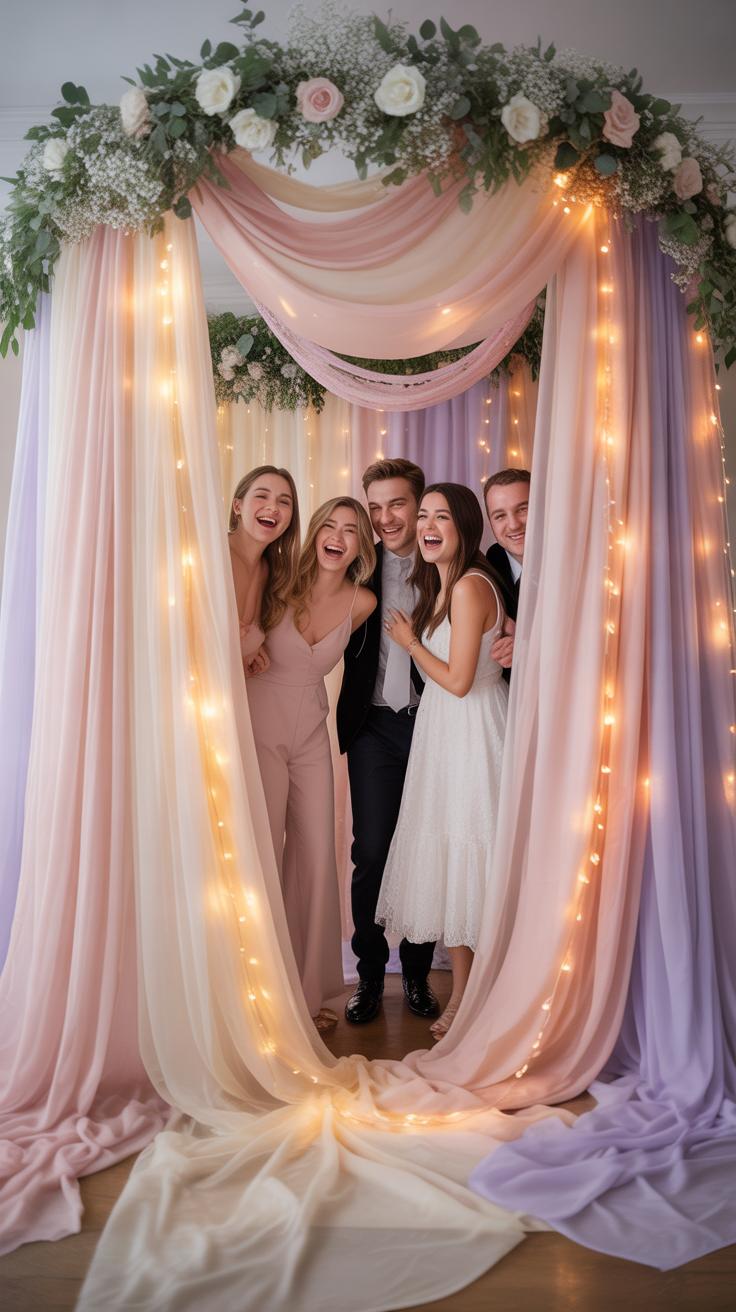
Tulle is a lightweight netting fabric with a fine mesh structure. It originated in the French city of Tulle during the eighteenth century. Designers favor it because it provides significant volume without adding heavy weight. This material stays cheap compared to silk or lace. It works well for large scale wedding installations. It diffuses light effectively to create a soft aesthetic in flash photography.
The fabric allows for easy customization with minimal tools. You can layer multiple colors to create depth. It does not fray when cut which removes the need for sewing or hemming. This makes it ideal for rapid assembly. Tulle also masks structural poles and hardware efficiently. It holds its shape better than most thin fabrics. This durability ensures the backdrop looks consistent throughout the entire event.
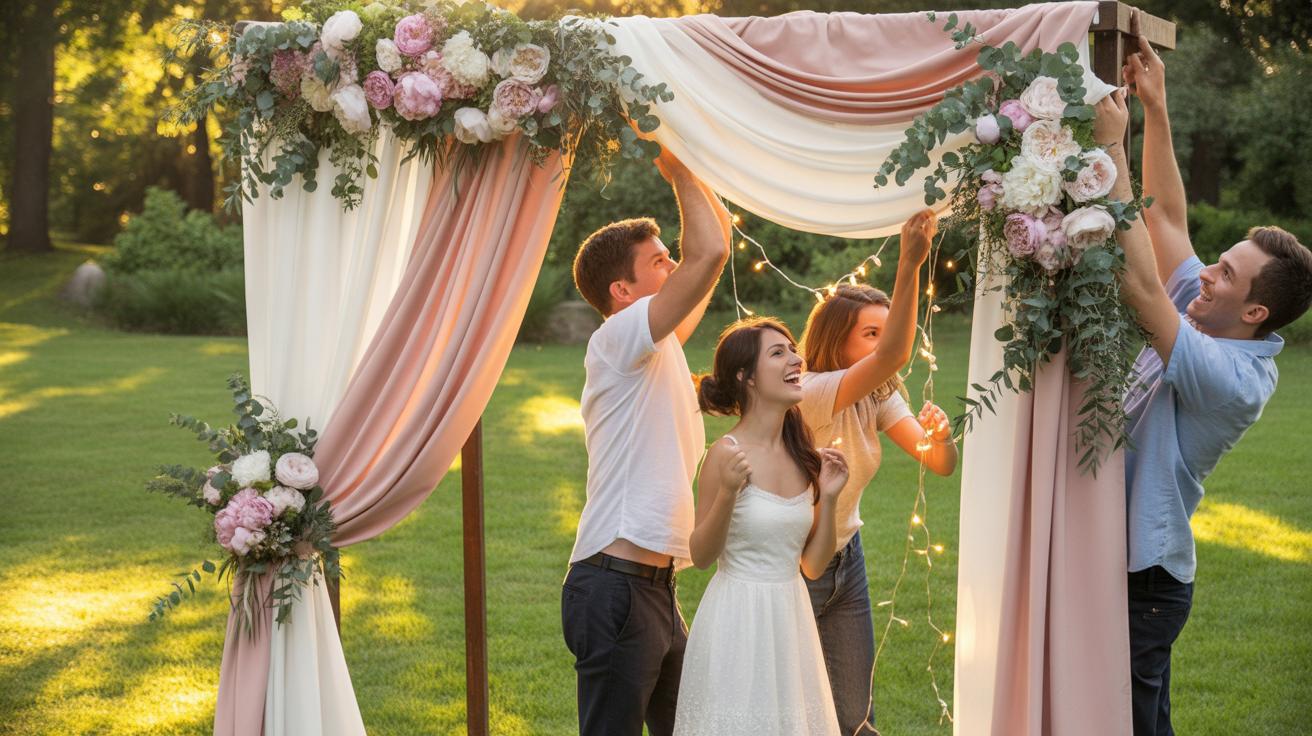
Every piece of thread and hand-painted detail becomes a part of your story, turning a simple corner into a sanctuary for your most cherished memories. Making something by hand for your wedding is like weaving a little bit of your soul into the day itself.
Step By Step Guide To Assembling A Layered Tulle Backdrop At Home
Start by measuring your support frame height and width. Use a heavy duty PVC pipe or a metal photography stand. Cut your tulle strips twice the length of the frame height plus twelve inches. This extra length allows you to loop the fabric over the top bar. Use a simple slip knot or girth hitch to secure each strip. Space the knots closely to ensure full coverage.

Layering is the key to achieving professional results. Place darker colors toward the back and lighter shades on top. This technique creates a three dimensional look that prevents camera glare. Secure the bottom of the tulle with small weights or tape if the wind is a factor. Add LED curtain lights behind the fabric for a glow effect. Ensure all knots are tight to prevent the fabric from sliding.
Top Wedding Photobooth Backdrop Ideas To Inspire Your Creative Vision
Floral, Greenery, And Botanical Backdrop Designs That Never Go Out Of Style
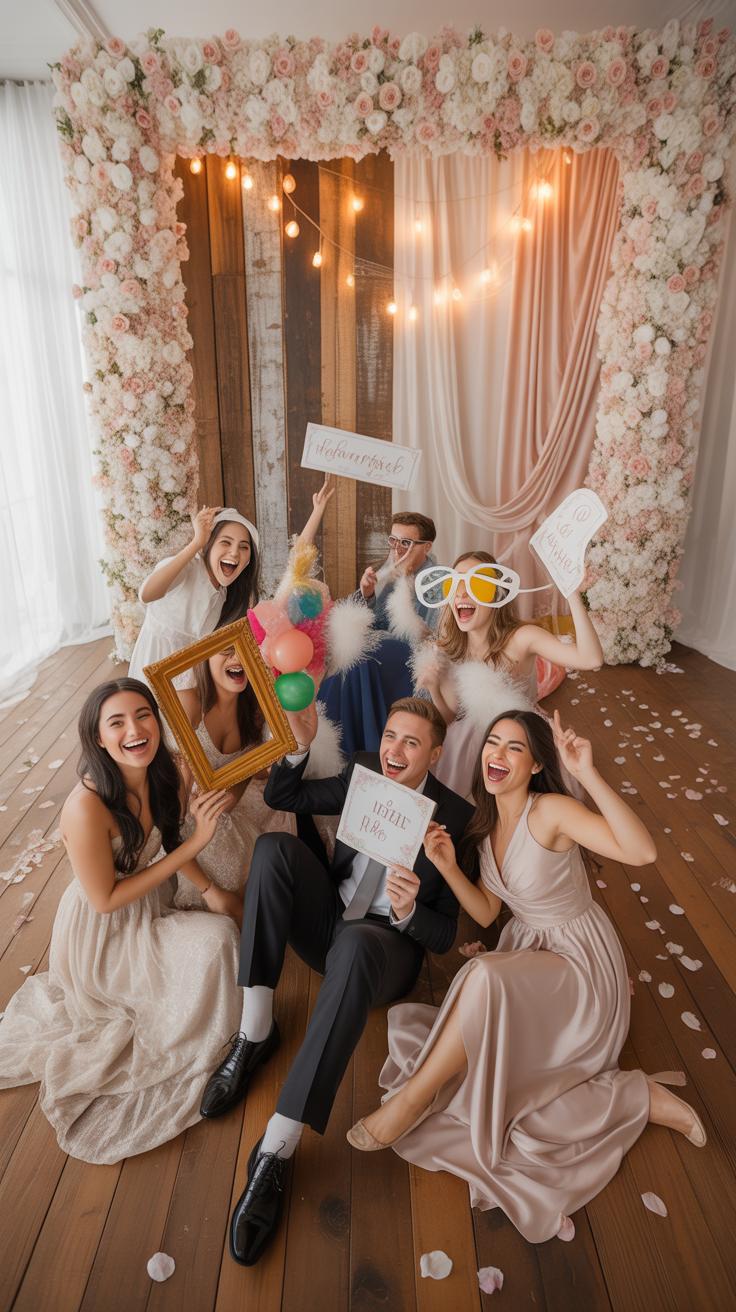
Floral designs rely on structural balance and color theory. Use a heavy-duty wooden frame or metal piping to support the weight of real plants. Eucalyptus and ruscus are the industry standards for greenery because they resist wilting for hours. Secure these stems using green floral wire or zip ties. Dense foliage creates a professional textured look that hides the support stand behind it.
Focus on scale to ensure photos look balanced. Large blooms like hydrangeas or peonies serve as focal points. Intersperse smaller filler flowers to bridge gaps and add depth. For outdoor photobooths, weight the base of your frame with sandbags to prevent tipping. Light colors like white and cream reflect camera flashes better than dark greens. Proper hydration of live stems is critical for maintaining a fresh appearance.
Rustic, Bohemian, And Vintage Backdrop Styles For The Free Spirited Bride
Bohemian styles emphasize natural fibers and hand-knotted techniques. Macramé hangings made from cotton cord provide a heavy, tactile surface for photos. Mount these textiles on a sturdy birch branch or finished wooden dowel. This setup works well for outdoor weddings because the weight of the cord keeps the backdrop from flapping in the wind. Neutral tones highlight the wedding party without clashing with their attire.
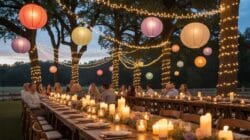
Vintage designs often utilize salvaged materials like reclaimed wood or antique doors. These items require a flat, level surface for safety. Secure individual boards to a plywood backing to create a solid wall. For a softer look, use layered lace curtains or weathered shutters. These materials absorb light and prevent harsh glare in flash photography. Ensure all aged wood is sanded to prevent splinters and injuries during the event.
Photo Booth Backdrop Wedding DCor Combining Aesthetics With Functionality
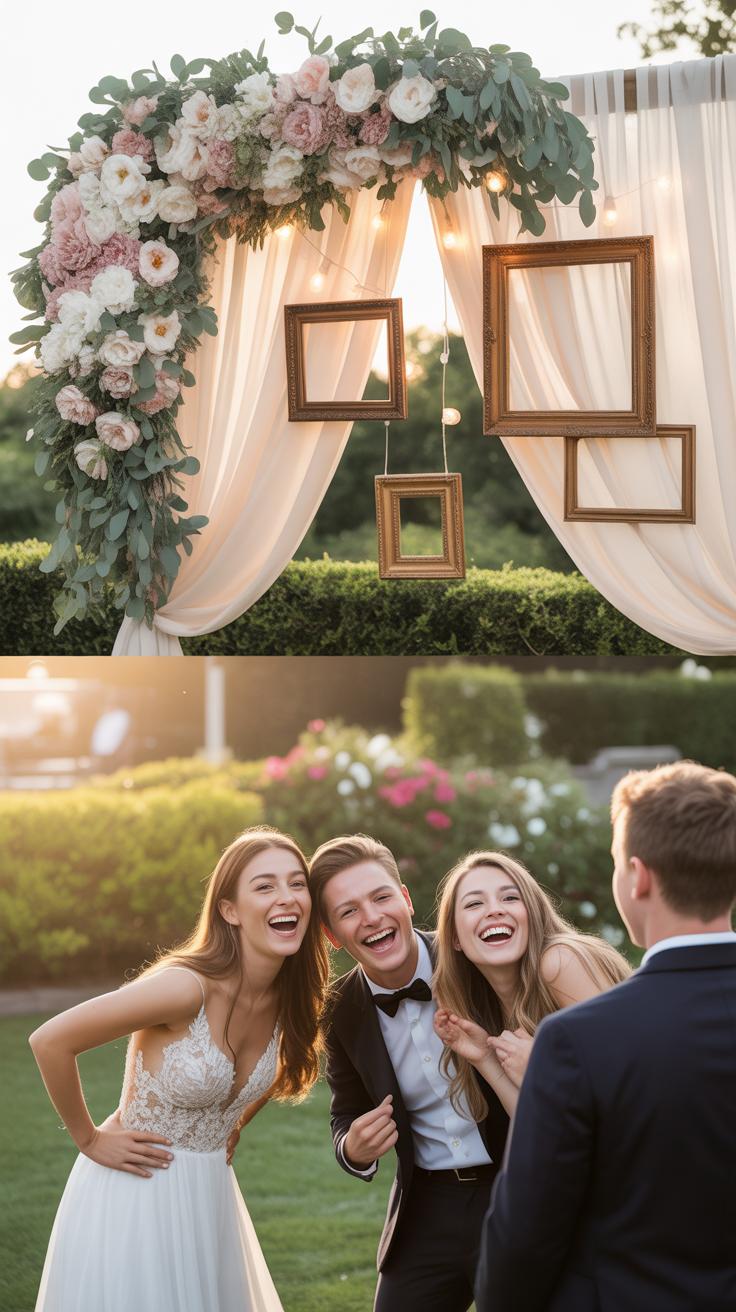
How To Incorporate Lighting Into Your Backdrop For Flattering Photos
Lighting dictates the final quality of every image. Avoid overhead venue lights because they create harsh shadows under guest eyes. Position a continuous ring light or softbox at eye level. This fills in skin textures and adds a catchlight to the eyes. Place the light source slightly behind the camera lens. This ensures even coverage across the wedding photobooth backdrop and minimizes distracting shadows on your fabric.
Maintain a consistent color temperature across all light sources. Use bulbs rated at 5500K to mimic natural daylight. If your tulle backdrop is translucent, place LED strips behind the fabric for a soft glow. This technique adds depth without overexposing the subjects. Avoid mixing warm yellow lights with cool white lights. Inconsistent color temperatures confuse camera sensors and ruin skin tones. Proper lighting makes or breaks the diy wedding photo booth.
Balancing Visual Impact And Guest Accessibility In Your Booth Layout
Effective outdoor photo booths require a clear perimeter for foot traffic. Place the backdrop in a high-traffic area but keep it out of main aisles. Guests need five to six feet of space between the camera and the wall. This distance prevents crowded compositions and allows for group shots. Ensure the ground is level to prevent tripod wobbling. A stable surface is critical for equipment safety and photo clarity.

Accessibility is a primary concern for a successful photo booth backdrop wedding. Remove tripping hazards like loose cables by using gaffer tape. Keep the photo booth backdrop height at seven or eight feet to accommodate tall guests. Provide a small bench or stool for elderly guests or children within the frame. A wide layout allows multiple people to enter and exit quickly. Efficient flow increases the total number of photos captured during the event.
DIY Photo Booth For Party Settings Adapting Your Wedding Backdrop For Multiple Events
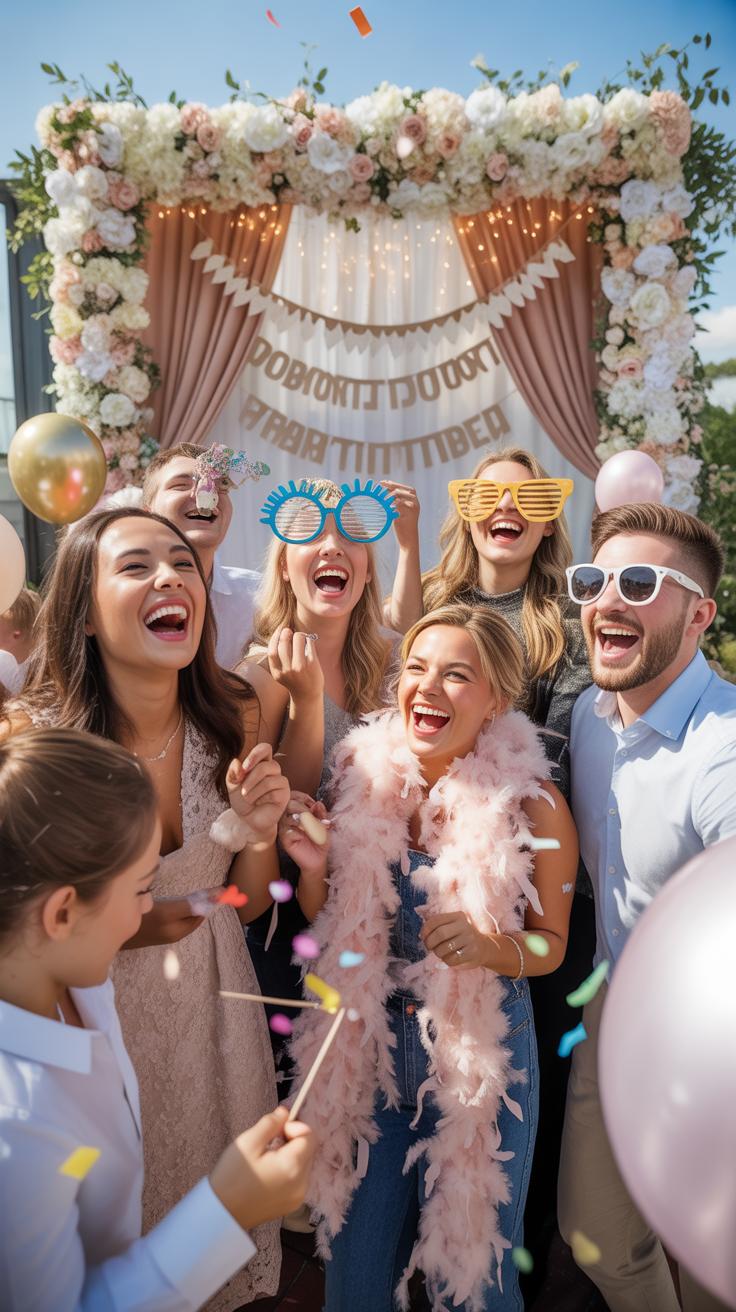
Designing A Versatile Backdrop That Works For Both The Ceremony And Reception
Select a modular frame system to ensure easy movement between locations. Lightweight PVC pipe or aluminum telescoping stands allow for quick teardown and setup. Use neutral base materials like tulle backdrop panels or high quality linen. These fabrics provide a clean visual slate. Neutral colors match the formal tone of a wedding ceremony. They also provide a professional surface for dynamic reception lighting later.
Focus on detachable elements to change the look instantly. Use magnetic clips or hook and loop fasteners to secure floral arrangements. Keep the heavy decor concentrated at the top or sides. This maintains a clear center for photos. A minimalist design prevents the backdrop from clashing with different room aesthetics. Proper anchoring is essential for safety. Use weighted sandbags to stabilize the base during the transition between event spaces.
Repurposing Your Wedding Photo Booth Backdrop For Bridal Showers And Engagement Parties
Scale down the dimensions to fit smaller venues used for pre wedding events. Most bridal showers occur in homes or small restaurant rooms. Remove extension poles from your frame to reduce the width. Swap out formal white silks for colorful streamers or themed banners. This shift creates a casual atmosphere suitable for daytime parties. Using the same hardware saves money across the entire wedding calendar.

Store your fabric panels properly between events to prevent permanent creases. Natural fibers like cotton or polyester blends resist wrinkles better than cheap synthetics. Apply a portable steamer to refresh the material before party guests arrive. Update the props to match the specific event theme. Use engagement photos or custom signage to personalize the display. Consistent reuse of these materials reduces waste and maximizes your initial investment in decor.
Setting Up Outdoor Photo Booths Tips For Open Air Wedding Venues
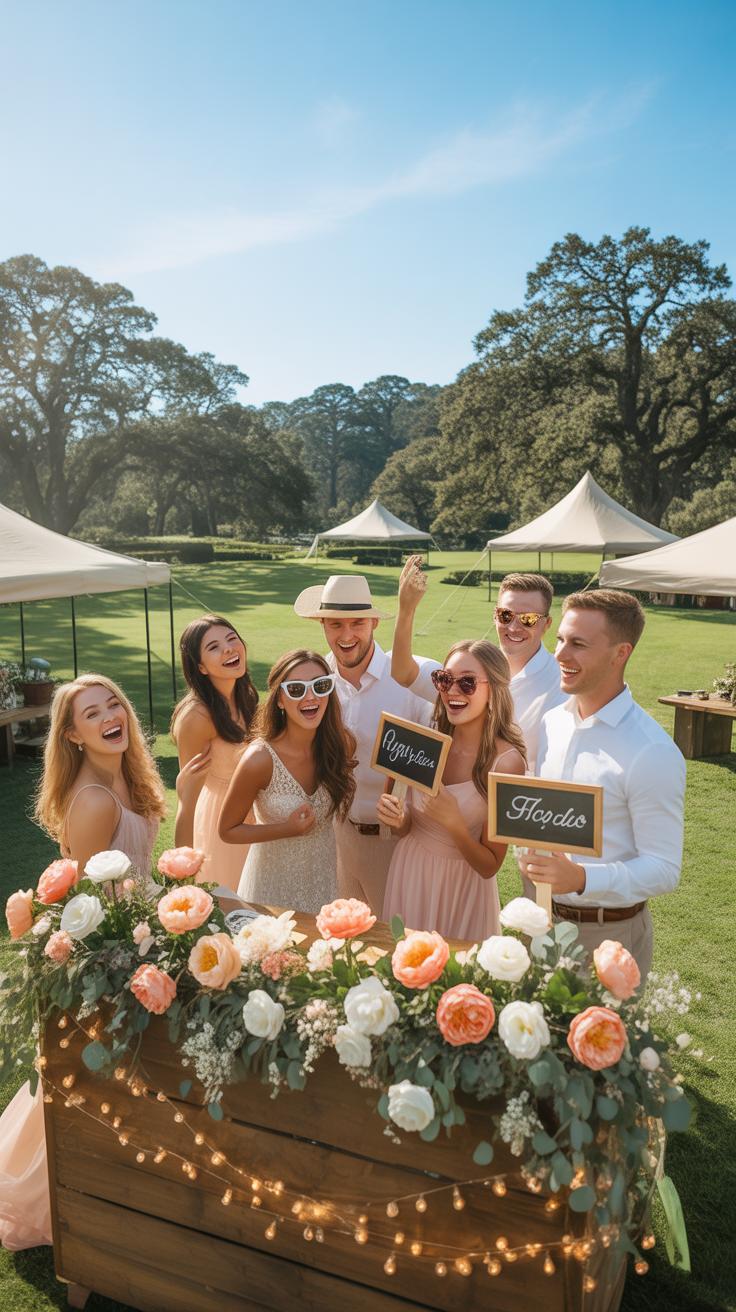
Selecting Weather Resistant Materials For An Outdoor Wedding Photobooth Backdrop
Outdoor environments demand durable materials. Avoid thin paper or lightweight fabrics like silk. These tear easily in the wind. Select heavy canvas or treated wood for the frame. PVC piping provides a low-cost and sturdy structure. Choose synthetic blends or heavyweight linens if you want a fabric look. These materials resist moisture better than cotton. Always verify the fabric weight before you buy.
Vinyl remains the industry standard for outdoor banners. It wipes clean and handles humidity without sagging. If using greenery, select high-quality silk or plastic plants. Natural foliage wilts within hours under direct sunlight. Check that all adhesives involve industrial-strength tapes or hot glue. Standard craft glue fails in heat. Use UV-resistant sprays on dyed fabrics to prevent rapid fading during daylight events.
Practical Tips For Securing And Stabilizing Your Backdrop In Outdoor Conditions
Wind acts as a sail on flat surfaces. You must anchor your photo booth backdrop wedding setup to prevent injury. Start with a wide base to lower the center of gravity. Use sandbags on every leg of the frame. Do not rely on light weights or water bottles. Professional kits use steel stakes for grass installations. Ensure the ground is level before you begin the assembly process.
- Sandbags: Place twenty-pound sandbags over each base plate. This prevents the frame from tipping during sudden gusts. Professional grip bags use durable cordura nylon to prevent messy leaks on the venue floor.
- Ground Stakes: Driven steel stakes secure the frame directly into the turf. Best for grassy areas where wind speeds exceed ten miles per hour. Always check for underground utility lines before hammering stakes into the earth.
- Guy Lines: Attach nylon high-tension ropes from the top corners to heavy anchors. This creates a tripod effect for maximum stability. Use brightly colored ribbons on the lines so guests do not trip over the support wires.
- Wind Slits: Cut small semi-circle flaps into vinyl backdrops to allow air passage. This reduces the pressure on the support structure significantly. Proper placement ensures the slits remain invisible to the camera lens during the event.
- Zip Ties: Use industrial-grade nylon zip ties to fasten the material to the frame. They provide a tighter grip than clamps or tape. Always carry a pair of wire cutters for quick adjustments or emergency teardowns.
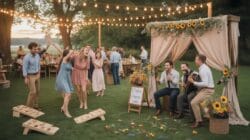
Position your backdrop against a solid wall or fence when possible. This blocks the wind from hitting the rear of the display. If the area is wide open, use a mesh material. Mesh allows air to flow through the tiny holes. This prevents the “parachute effect” which destroys flimsy frames. Always have a backup plan for rain. Tarp covers protect the equipment but thin fabric backdrops require immediate indoor relocation.
Wedding Photo Booth Ideas DIY Adding Props Signage And Personal Touches
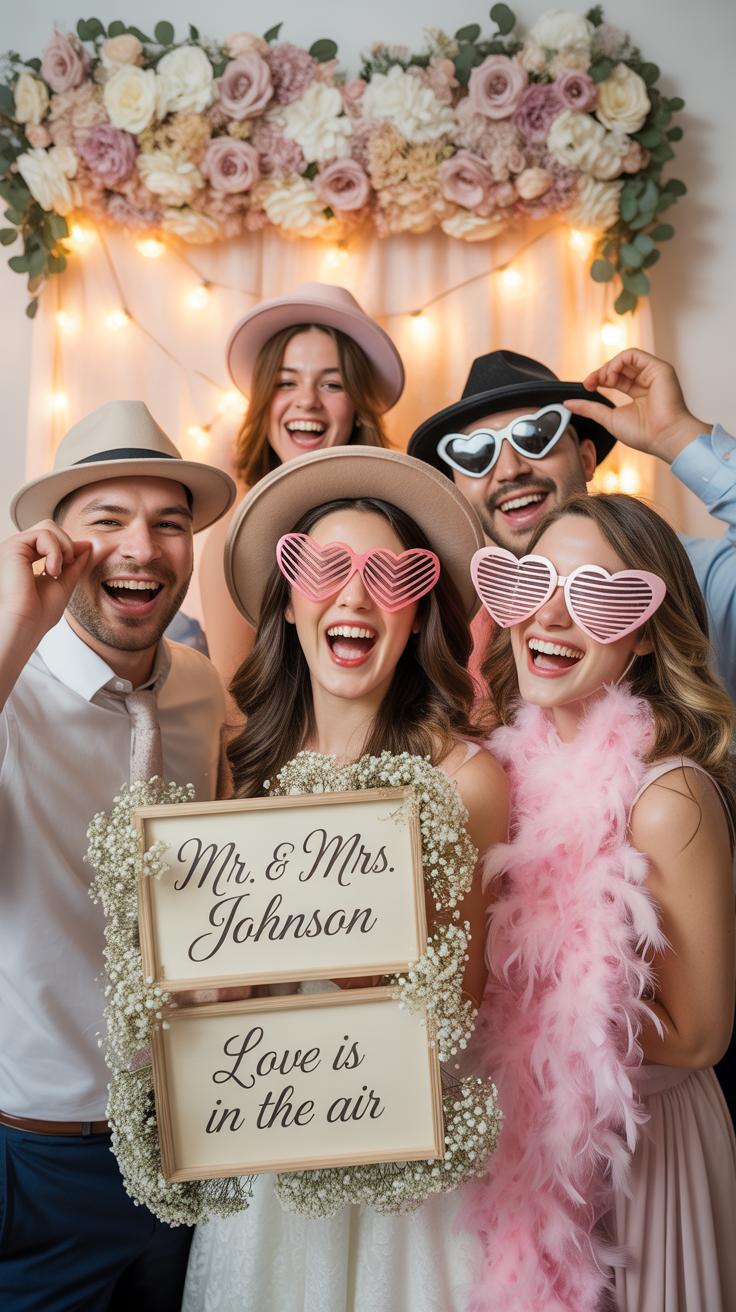
How To Create Custom Props And Signs That Reflect Your Wedding Personality
Tactical prop creation requires durable materials. Use heavy cardstock of at least one hundred pound weight for handheld signs. Mount these onto wooden dowels using hot glue or industrial strength adhesive. Avoid flimsy paper that wilts under humidity or heavy handling. Focus on clear typography and high contrast colors. This ensures cameras capture the text clearly against the background. Use matte lamination to prevent camera flash glare.
Modern DIY props integrate specific event details. Print internal jokes or local references to create a unique experience. Use foam core for larger items to keep them light but rigid. Design signs using minimalist software to maintain professional standards. Check that all handle attachments are secure. Loose parts ruin photos and create waste. Prioritize physical quality over quantity to ensure props last the entire night without breaking.
Encouraging Guest Participation And Making Your Photo Booth The Life Of The Party
Strategic placement drives engagement. Position the booth near the bar or high traffic areas. Clear signage must direct guests to the station. Use bold lettering at eye level. Lighting must remain consistent to draw people in. Bright spaces attract more attention than dark corners. Ensure the camera height works for both tall and short guests. This accessibility keeps the line moving and reduces technical friction.
Provide clear instructions for the equipment. Use a simple one page guide for digital interfaces. Assign a staff member or bridesmaid to monitor the area during peak hours. This person manages the prop layout and resets the backdrop. Keep the prop table organized to prevent clutter. A tidy space looks more inviting. Guests participate more when the process is fast and the results look professional on the screen.
Frequently Asked Questions

What is the benefit of making your own wedding photobooth backdrop instead of renting one?
Creating a diy photobooth backdrop wedding project allows for complete creative control and significant cost savings. While rentals are often generic, a homemade version lets you infuse your personal style, matching your wedding colors and theme perfectly. It also serves as a charming conversation piece for guests. Plus, you can tailor the size to fit your specific venue space, ensuring every photo looks professional and intentional without the premium rental price tag.
How do I ensure my DIY backdrop stands securely throughout the wedding reception?
Stability is essential for a diy photobooth backdrop wedding to ensure guest safety. The most reliable method is using a sturdy PVC pipe frame or a professional heavy-duty photography stand. Always weigh down the base with sandbags or decorative weights to prevent tipping. If your design is lightweight, such as streamers or paper flowers, you may even be able to secure it directly to a flat wall using damage-free adhesive strips.
Can I create a beautiful wedding photobooth backdrop on a very tight budget?
Absolutely! You don’t need expensive materials to achieve a high-end look. Many stunning backdrops are made from affordable items like crepe paper streamers, coffee filters, or even repurposed fabric scraps. Scavenging natural elements like greenery or branches from your backyard is another fantastic way to save. Focus on a repetitive pattern or high-volume texture, as these techniques create a lush, professional appearance that masks the low cost of the materials used.