What Makes A Wedding First Dance So Memorable
Why The First Dance Carries So Much Emotional Weight
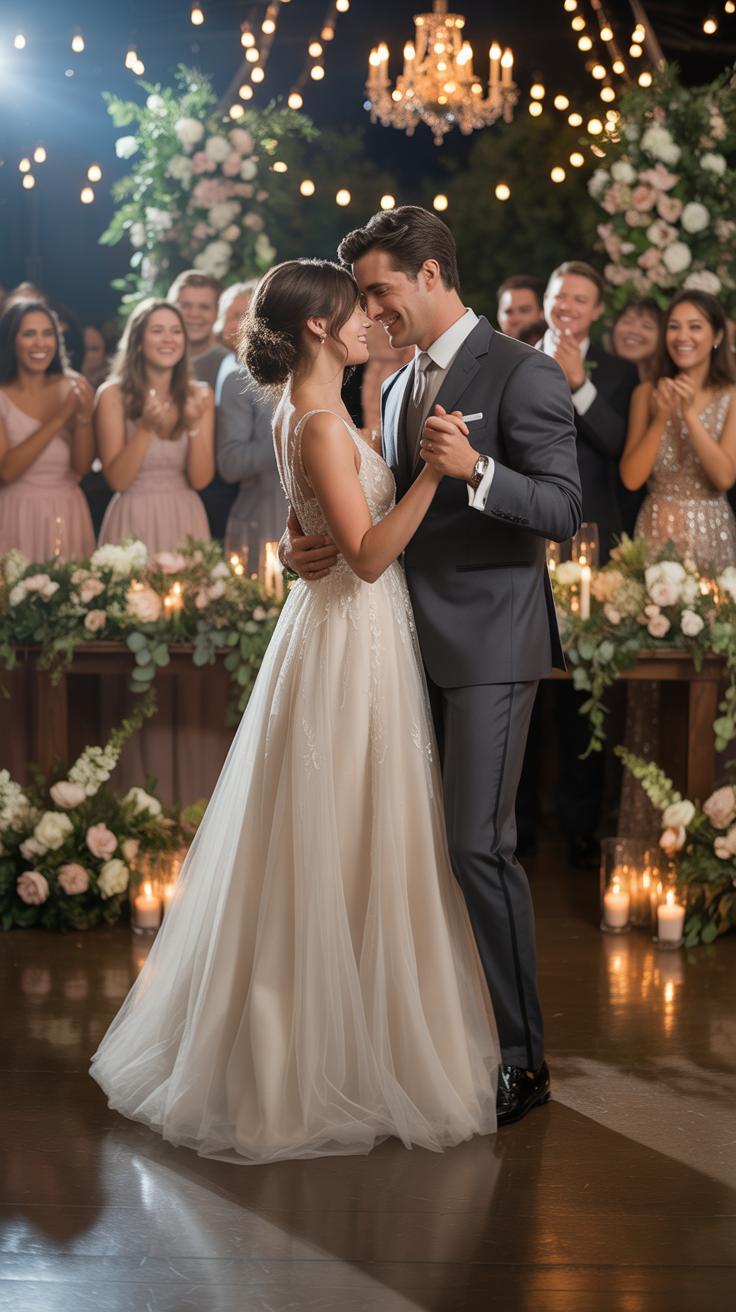
The first dance serves as the official transition from the wedding ceremony to the social celebration. Historically, this custom originates from the grand balls of the early modern period. High society hosts opened events with a formal dance to set the tone for the evening. Today, it functions as a public signal that the couple is now a unified team. It marks the first moments of their life together as a legal unit.
This tradition holds weight because it forces the couple to communicate without speaking. You move together in front of your entire social circle. This vulnerability creates a high stakes environment that guests find compelling. It is a rare moment of stillness during a chaotic event. The weight comes from this shared focus. Every person in the room directs their attention solely to your movement. This makes the dance a foundational memory for the couple.
What Guests Actually Notice And Remember
Guests do not care about technical precision or complex footwork. They focus on the interaction between the partners and the overall confidence displayed. Research into social gatherings shows that observers remember the beginning and the end of an activity most clearly. A strong start and a clean finish define the entire experience for the audience. Small mistakes go unnoticed if you maintain eye contact and keep moving naturally throughout the selected song.
The song choice also dictates how the crowd feels and remembers the event. Familiar rhythms help the audience connect with the moment. Lighting and floor positioning matter more than intricate steps. People notice if you look uncomfortable or if you are having a genuine conversation. High levels of stress are visible to observers. Stick to simple movements that allow you to breathe. Consistency and genuine connection leave a lasting impression on your family and friends.

Setting Realistic Expectations For Your First Dance Wedding Moment
Understanding What Budget Friendly Means For Dancing
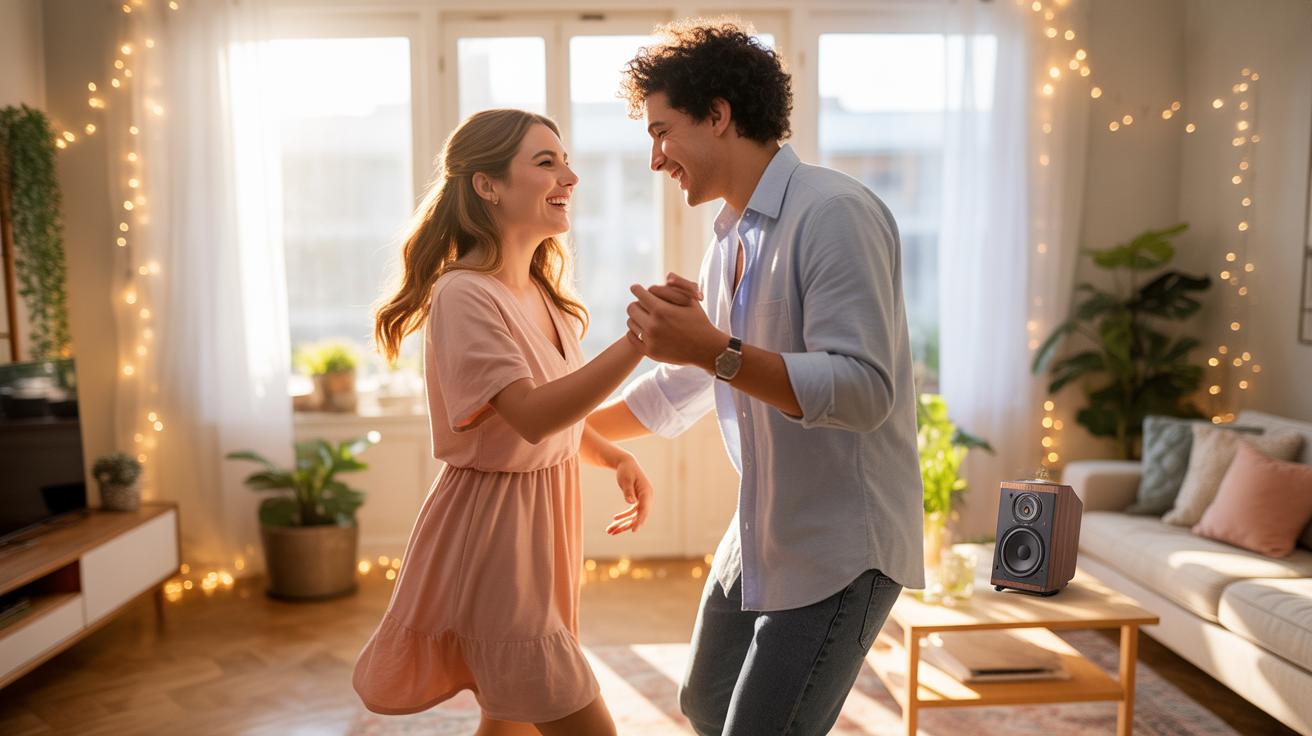
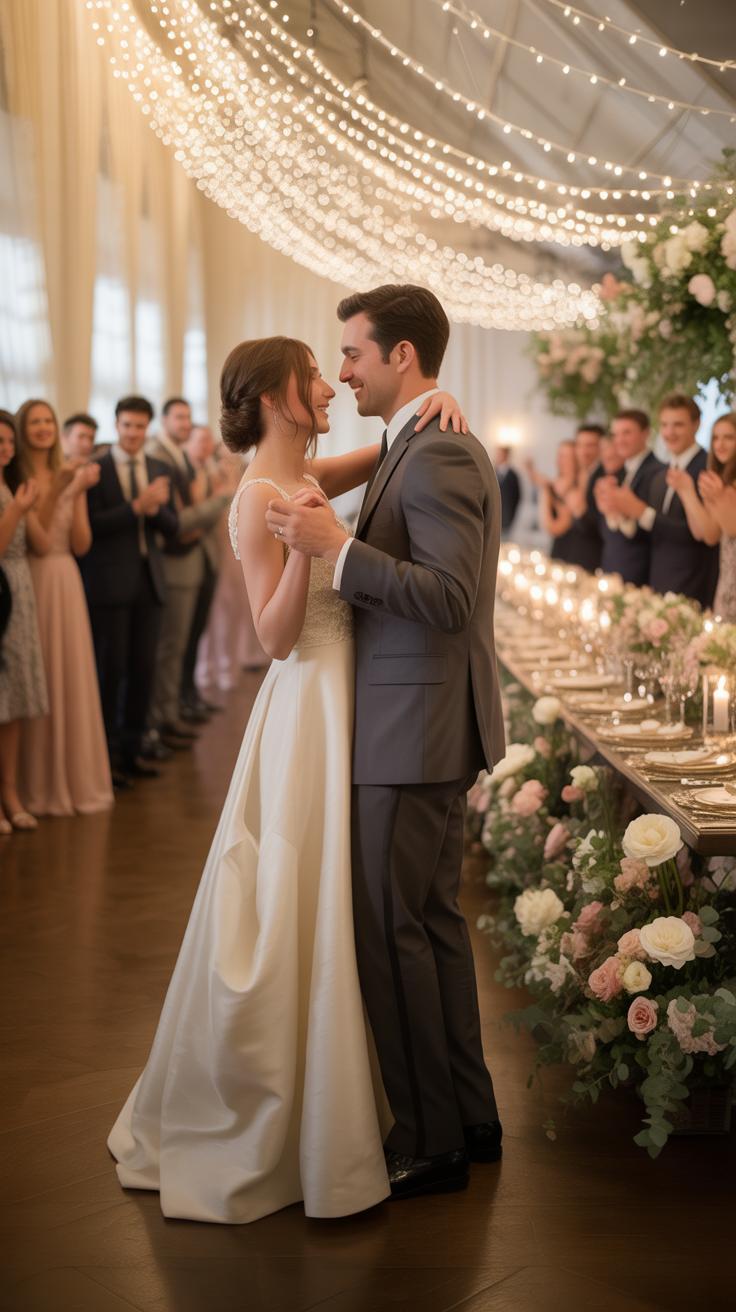
Budget dancing means you stop paying for experts. Most couples spend hundreds on professional instructors and studio rentals. You will save money by using your own living room. You do not need a stage or special shoes. You only need a clear space and a phone to play music. This approach removes the financial pressure of perfection. You control the cost by investing time instead of cash.
A low cost dance relies on basic rhythm. You do not need backflips or complex lifts. Those moves require expensive safety training and hours of practice. Focus on a simple box step or a basic sway. This keeps your wedding costs down. You avoid the stress of memorizing a long routine. True budget dancing is about being comfortable. Practice consistently for ten minutes every night to build muscle memory.
How To Define Success Without Professional Choreography
Success is not a broadway show. You win if you finish the song without stopping. Do not compare yourself to viral videos. Many of those couples have years of dance training. Your goal is to look like two people who love each other. Most guests only care about the emotional connection. If you stay on beat and smile you have succeeded. Keep the performance under three minutes.

Focus on your partner rather than your feet. Eye contact makes you look confident. Lack of choreography actually makes the moment feel more authentic. It looks natural and less rehearsed. If you make a mistake just keep moving. The audience will not notice unless you stop. Success is feeling good while the music plays. You achieve this by keeping your movements small. Stay in the center of the floor and finish strong.
Choosing The Best First Dance Song Ideas For Your Style
How Tempo And Song Length Affect Your Dance Confidence
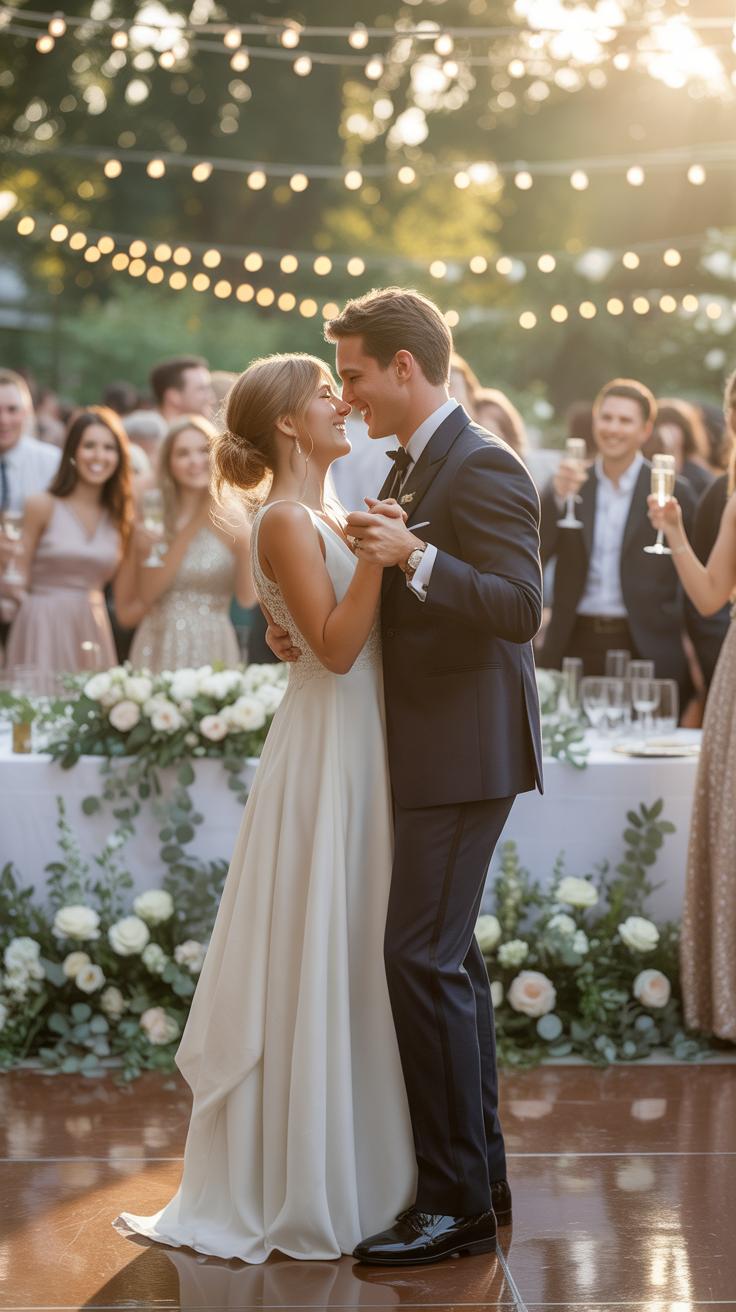
Song tempo dictates your step rate and physical exertion. Fast songs require quick footwork and high energy. Slow songs demand balance and control. Choose a track between 70 and 100 beats per minute. This range matches a natural walking pace. It keeps your movements steady without causing exhaustion. Selecting the wrong tempo forces you to rush. It creates visible tension that undermines your confidence on the floor.
Length is the most critical technical factor. Most commercial tracks run four minutes or longer. Shorter songs minimize the risk of repetitive movements. Aim for a duration of two to three minutes maximum. You can achieve this by fading out early or choosing a radio edit. Long songs create awkward dead air if you lack choreography. A brief performance keeps the audience engaged. It allows you to exit the floor while energy remains high.
Matching Your Song Choice To Your Natural Movement Comfort Level
Identify your baseline physical comfort before finalizing a song. Some people naturally sway whereas others prefer rigid steps. Match the music to how you already move. A song with a heavy downbeat helps you find the rhythm. Percussive tracks provide clear cues for your feet. Avoid complex jazz or syncopated rhythms if you lack formal training. These genres make it difficult to stay in sync with your partner.

Consider the physical constraints of your wedding attire. Heavy dresses and tight suits limit your range of motion. Choose a song that accommodates these restrictions. Modern pop tracks often allow for simple side-to-side stepping. Traditional waltzes require more floor space and specific posture. Select a style that feels authentic to your personality. Forcing a formal style onto a casual couple looks forced. Authenticity reduces performance anxiety and ensures a smoother dance experience.
How To Learn First Dance For Wedding Using Free Online Resources
The Best Free Video Platforms For Self Teaching Basic Dance Steps
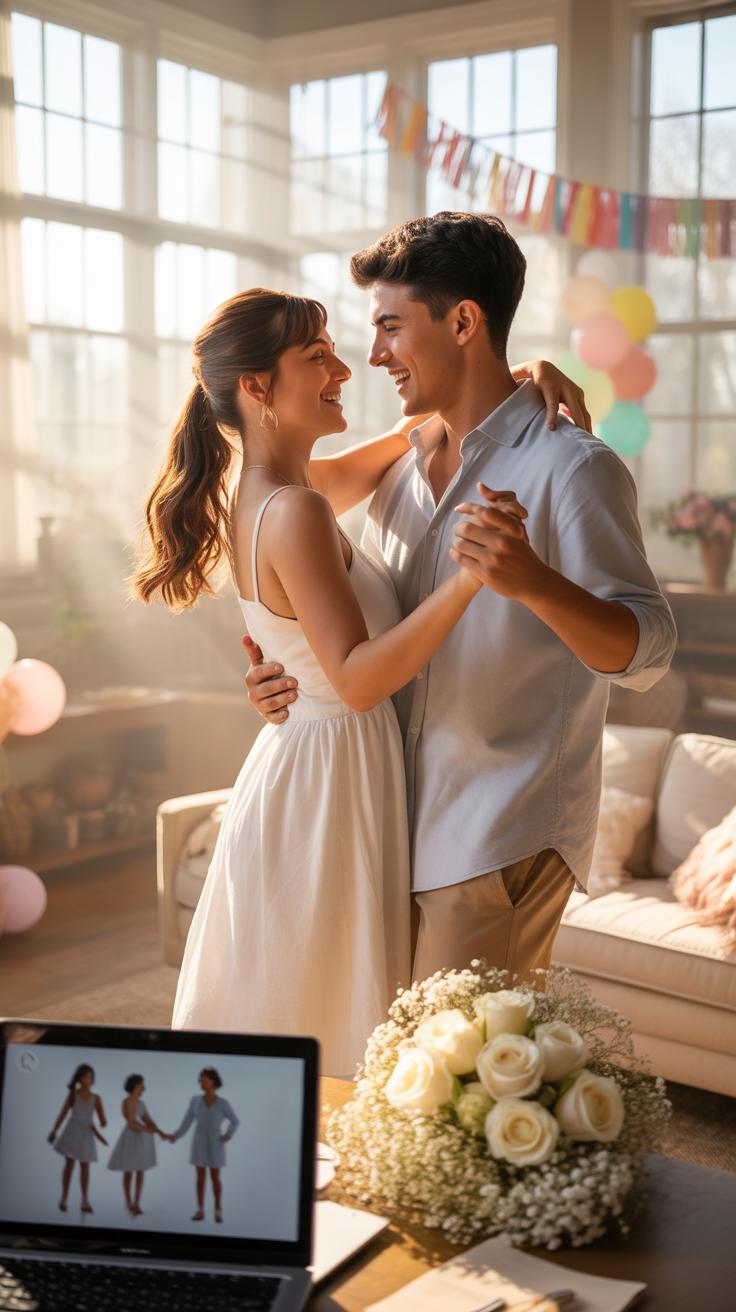
YouTube serves as the primary repository for free dance instruction. Channels run by professional ballroom studios often upload foundational tutorials to attract students. You must look for videos focusing on the box step or the basic sway. These patterns form the core of most wedding dances. Search terms should include specific dance styles like slow dance or social foxtrot to find high quality content.
Social media platforms like TikTok and Instagram offer short tutorials for specific transitions. Creators utilize these platforms to demonstrate dips and turns in under sixty seconds. Use these quick clips to add variety to your movement once you master the basic footwork. Avoid complex choreography that requires professional spotting. Stick to established creators who provide clear footwork angles and counts to ensure your timing remains accurate.
Dancing is not just about the steps, it is about the connection between two hearts moving to the same rhythm. You do not need a stage or a teacher to celebrate the simple magic of being in each other’s arms.
How To Build A Simple Practice Routine At Home
Consistency dictates your success when learning at home. You should schedule three twenty minute sessions per week rather than one long block. This frequency builds muscle memory without causing mental fatigue. Clear a space in your living room that matches the size of a standard dance floor. Wear the shoes you plan to use on the wedding day to understand traction and balance.
- Music Selection: Play your chosen song on a loop during every practice. This helps you recognize specific musical cues for transitions. You will learn exactly when the chorus starts and when to initiate a final dip or pose.
- The Basic Step: Master the box step or the sway before adding any upper body movement. Focus entirely on your feet for the first two sessions. Solid footwork prevents stumbling and builds the confidence needed to look at your partner instead of the ground.
- Lead and Follow Roles: Establish who will lead the movement to avoid physical confusion. The leader directs the direction while the follower maintains frame and tension. Clear communication prevents stepping on toes and ensures the couple moves as a single unit during turns.
- Video Playback: Record your practice sessions on a smartphone to identify errors. Watching yourself reveals slouching or stiff movements that you cannot feel while dancing. Compare your footage to the instructional videos to make necessary technical adjustments to your posture.
- Entrance and Exit: Practice walking onto the floor and taking your final bow or dip. Most couples neglect the start and end of the dance. Perfecting these moments ensures a polished look for your guests and photographers from the first second to the last.

Simulate the wedding environment during your final rehearsals. Dim the lights and wear a jacket or a long skirt to mimic wedding attire. These constraints change how you move and turn. Practicing under these conditions reduces anxiety on the actual day. Finalize your routine at least two weeks before the event. Use the remaining time for light reviews to keep the movements fresh and natural.
Easy First Dance Moves Any Couple Can Pull Off
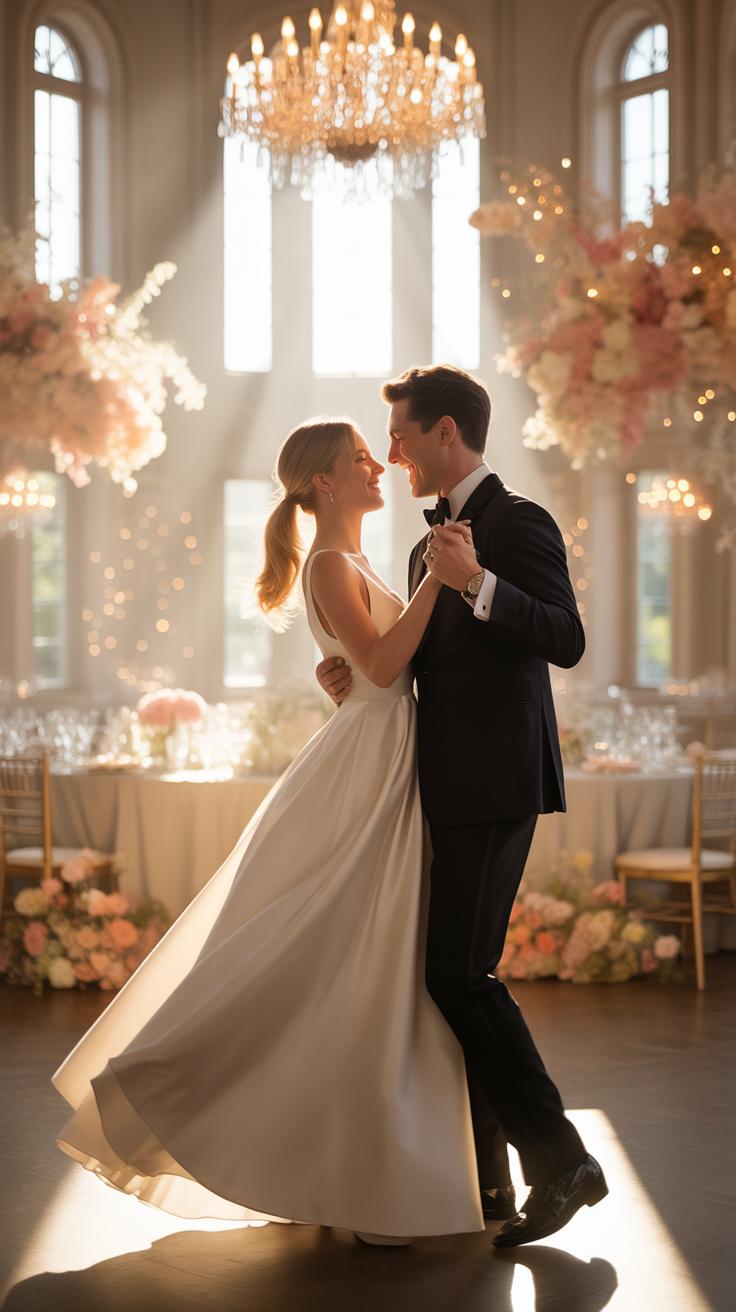
The Basic Slow Dance Sway And How To Elevate It
The basic sway is the foundation of most wedding dances. Stand face to face with your partner. The lead places their hands on the waist of the follower. The follower places their hands on the shoulders of the lead. Shift your weight from one foot to the other in time with the music. Keep your feet apart to maintain stability. This move ensures you stay rhythmic without complex footwork.
Elevate this simple movement with intentional posture. Keep your back straight and your chin up throughout the song. Avoid looking down at your feet as this signals nervousness to the audience. Small rotations will help you use the space effectively. Slowly turn in a circle while you sway. This provides every guest with a clear view of your faces. It creates a dynamic look with zero extra effort.
Simple Turns And Dips That Look Impressive With Minimal Practice
A basic underarm turn adds visual interest to a simple routine. The lead lifts their left hand while maintaining a light grip. The follower walks in a small circle under the raised arm. Use four counts of music to complete the rotation. Keep your steps small to stay balanced. Return to the basic sway position immediately after the turn ends. Practice this move five times to build muscle memory.

Execute a safe dip by prioritizing support over depth. The lead steps forward and braces their core. The follower leans back slightly while keeping their own spine straight. Do not drop the follower toward the floor. Only tilt back a few inches to create the desired silhouette. Hold the position for two seconds before pulling back up. This move works best during the final note of your chosen song.
Creative Wedding First Dance Ideas That Require No Formal Training
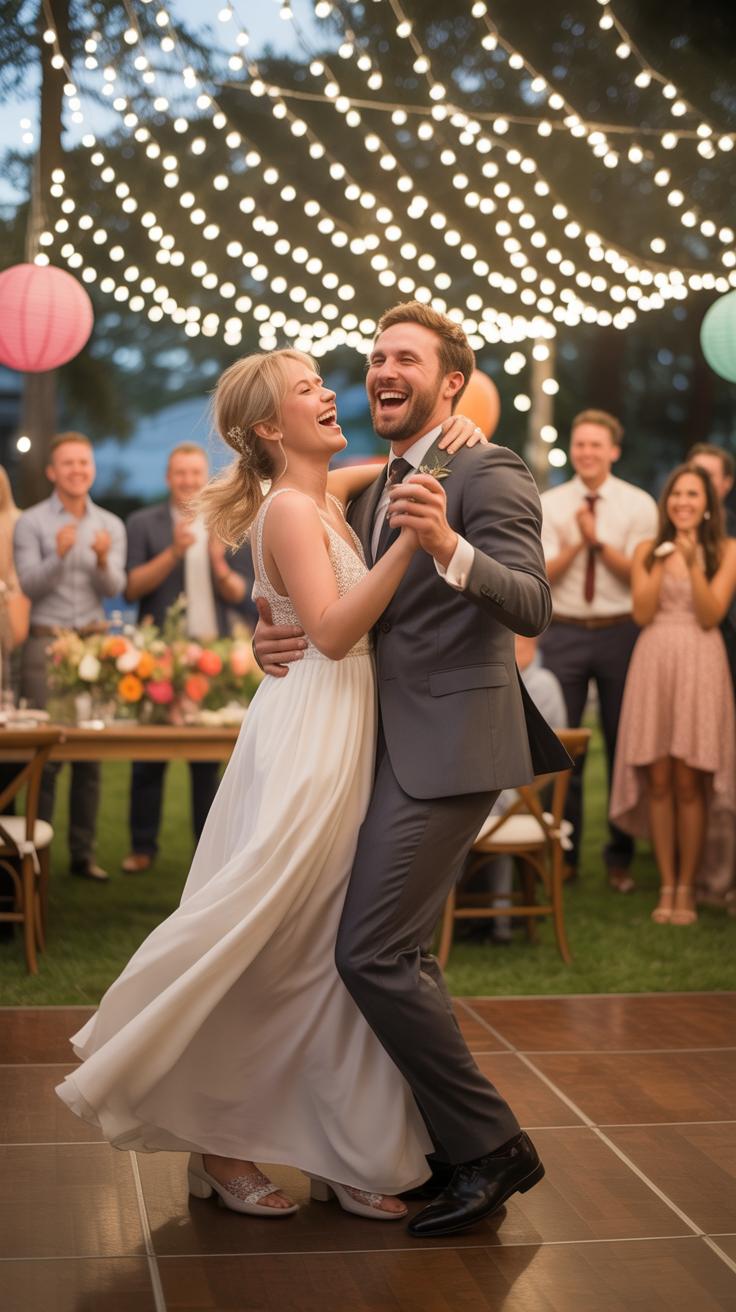
Story Telling Through Movement Without Knowing Footwork
Focus on the physical space between you and your partner. Use simple walking patterns to navigate the dance floor. This removes the need for complex footwork or counts. Move in a circular path to give every guest a clear view. Maintain eye contact to ground the performance. These basic spatial changes create a sense of progression and intent without any formal training or steps.
Vary your distance to shift the mood of the dance. Start with a wide frame using extended arms for an open feel. Transition into a close embrace for a more intimate look. This contrast creates a visual story of connection. Strategic pauses allow the music to take the lead. Standing still for a few beats emphasizes key lyrics and gives you time to reset your position.
Incorporating Personality Moments That Make The Dance Uniquely Yours
Identify a signature move or gesture that reflects your daily life. Use a simple hand-hold or a specific way you lean your heads together. These natural movements look better on camera than forced ballroom poses. They feel authentic because they are authentic. Guests respond more to genuine interaction than to a rehearsed routine. Choose three specific moments in the song to execute these small gestures.

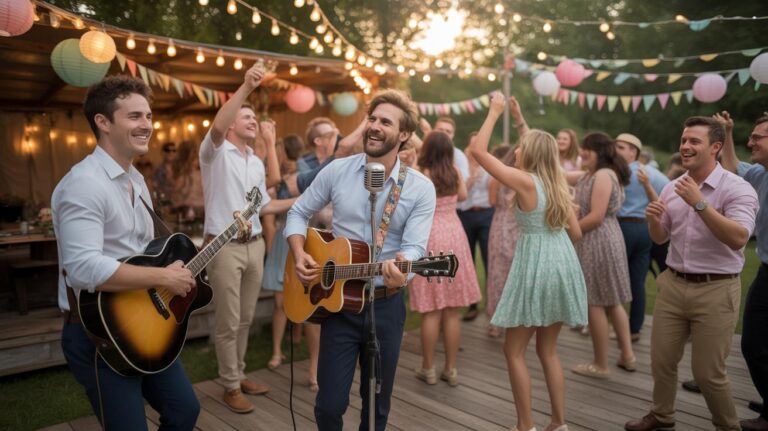
Integrate the crowd to reduce the pressure on yourselves. Give a clear signal at the bridge of the song for guests to join you. This transition shifts the focus from a performance to a social celebration. It also ensures the dance does not drag on too long. Coordinate this with the DJ or band leader in advance. A well-timed invitation keeps the energy high and the atmosphere relaxed for everyone.
Wedding Dance Ideas For Couples Who Feel Awkward On The Dance Floor
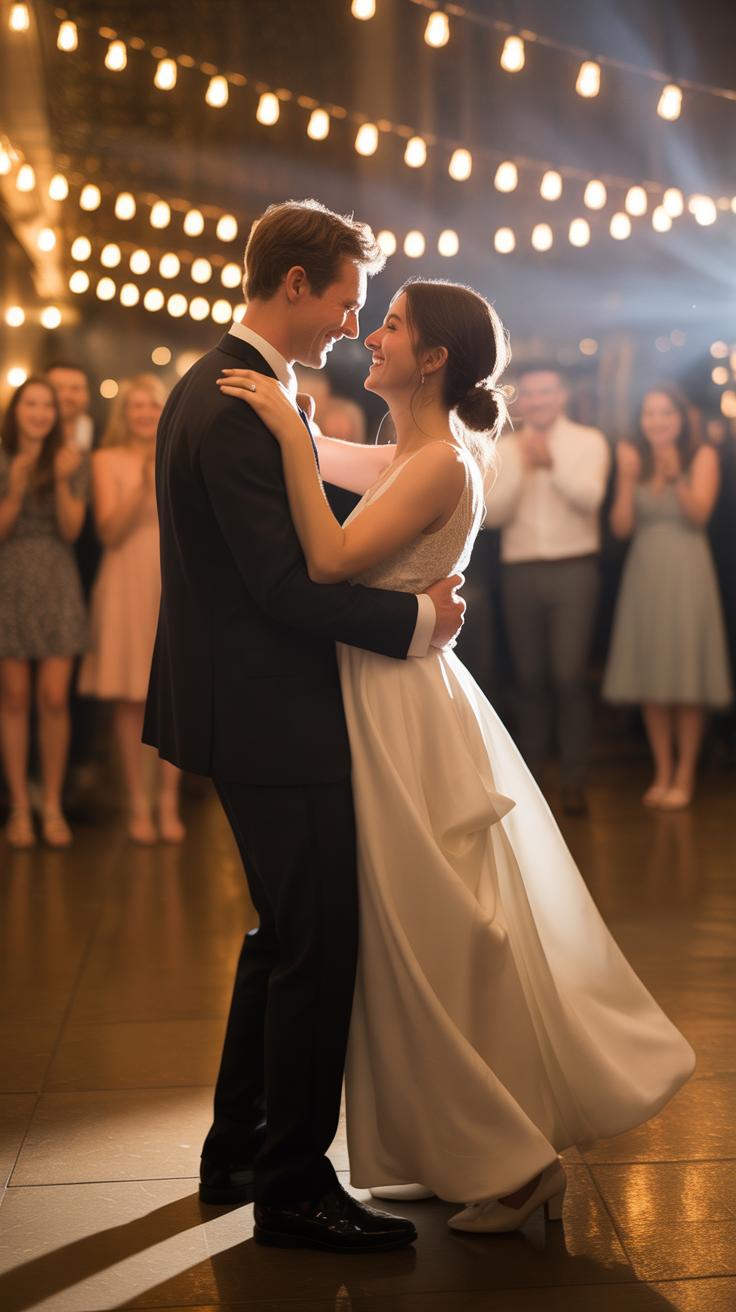
How To Manage Nerves And Stage Fright Before Your First Dance
Stage fright stems from a fear of judgment and the pressure of perfection. To reduce anxiety, focus on your partner instead of the crowd. Narrowing your visual field lowers cortisol levels and stabilizes your heart rate. Maintain eye contact to create a private bubble. This tactic shifts your brain from performance mode into a functional social interaction. You will feel less exposed.
External factors also dictate your comfort level. Keep the song under three minutes to minimize time under the spotlight. Tell your DJ to invite other couples onto the floor halfway through the track. This exit strategy removes the pressure to fill time with complex moves. Knowing you have a planned end point provides a mental safety net. Control the environment to manage your physical stress response effectively.
Confidence Building Exercises You Can Do In The Weeks Before The Wedding
Confidence on the dance floor requires muscle memory and desensitization. Practice your routine in the shoes you will wear on the wedding day. Leather soles and high heels change your center of gravity and balance. Repeating the movements in your formal gear prevents surprises. Familiarity with your physical constraints reduces the likelihood of stumbling and builds real trust in your body.
- Kitchen Dance Sessions: Practice your movement in a small space once a day. This builds comfort with physical proximity and teaches you to navigate tight turns. Frequent short sessions are more effective for memory than one long practice.
- Visual Observation: Watch videos of your practice sessions together. Identify specific movements that look natural and those that appear stiff. Use this data to refine your posture and eliminate awkward arm placements before the wedding day.
- Balance Drills: Stand on one foot for thirty seconds at a time. Stronger stabilization muscles prevent wobbling during turns or dips. Good balance creates a more polished look even if you use very simple steps during the dance.
- Eye Contact Endurance: Practice looking at your partner for the full duration of your song. Most people look at their feet when they are nervous. Training your gaze upward ensures you look confident and engaged for your wedding photos.
- Public Environment Exposure: Play your song in a park or a busy room. Practice your steps while people walk past you or noise occurs. This desensitizes your nervous system to external distractions and prepares you for the wedding crowd.

Eliminate the need for complex choreography by mastering the basic box step or side-to-side sway. Simple movements executed with good posture look better than difficult moves done poorly. Spend ten minutes every night moving to different tempos. This builds your internal rhythm and makes you more adaptable. When you know the basics by heart, your brain stops worrying about the next step and relaxes.
First Dance Tips For Practicing Together As A Couple
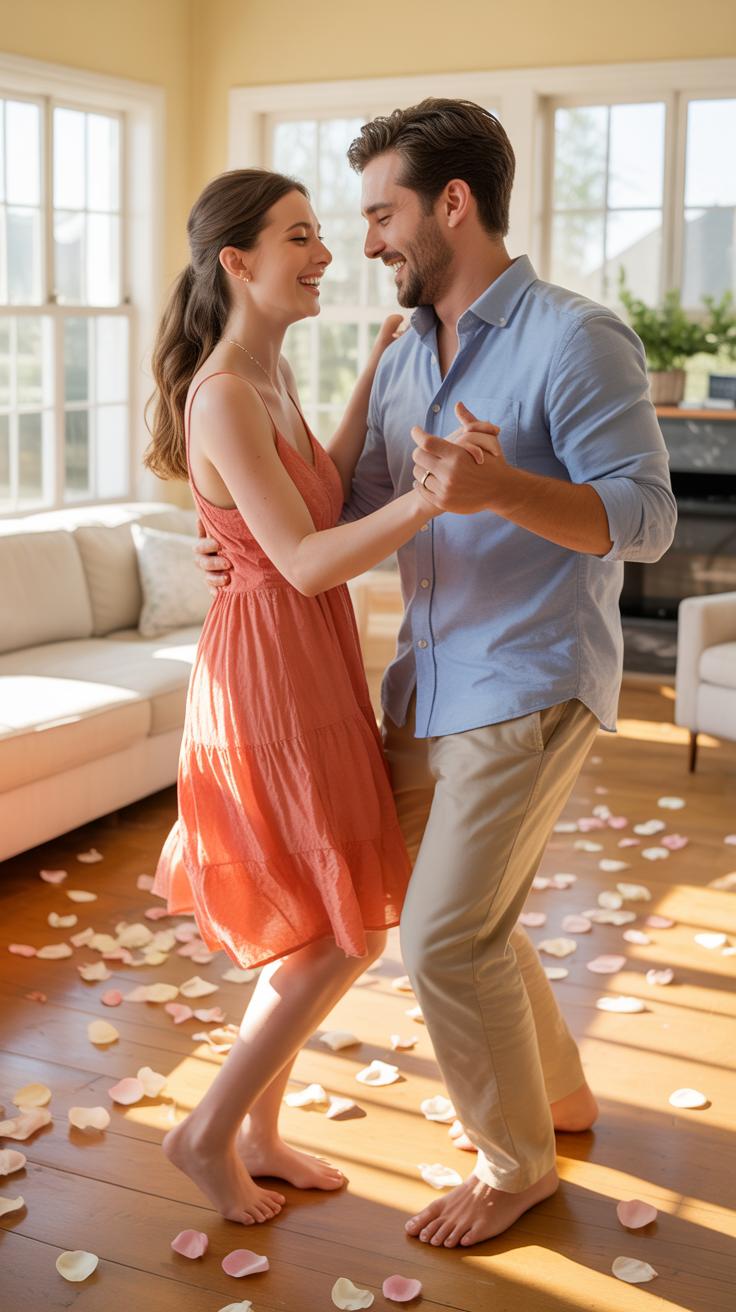
How To Give Each Other Feedback Without Creating Tension
Focus on objective observations rather than personal attacks. Use video recordings to identify errors. A camera provides neutral evidence of footwork and timing issues. This removes local opinions from the discussion. Address one specific movement at a time. Trying to fix five mistakes at once causes frustration. Keep sessions under thirty minutes to prevent mental fatigue. Tired bodies lead to short tempers and poor results.
Establish a safe word or signal to stop the music immediately. Use this when one partner feels overwhelmed or lost. Mutual respect preserves the joy of the event. Frame suggestions as we-statements to build a team mindset. Instead of saying you missed the step say we lost the beat. High pressure kills natural movement. High support builds muscle memory. Success on the wedding floor depends on emotional composure during every rehearsal.
Creating A Realistic Practice Timeline Leading Up To The Big Day
Begin practicing twelve weeks before the wedding date. This duration allows for consistent repetition without daily pressure. Aim for three short sessions per week. Frequent short bursts beat one long marathon session. Early starts help movements become automatic responses. You must master the basic box step or sway before adding turns. Solid foundations prevent mid-dance freezes. Consistency matters more than the total hours spent dancing.

Shift practice locations during the final month. Wear your actual wedding shoes to test grip and balance. Heavy dresses and stiff suits change how you move together. Perform the full routine in front of a friend two weeks out. This simulates the pressure of an audience. Stop practicing forty eight hours before the event. Your brain needs time to process the patterns. Trust the work you completed over the previous three months.
First Dance Ideas That Make A Big Impact On A Small Budget
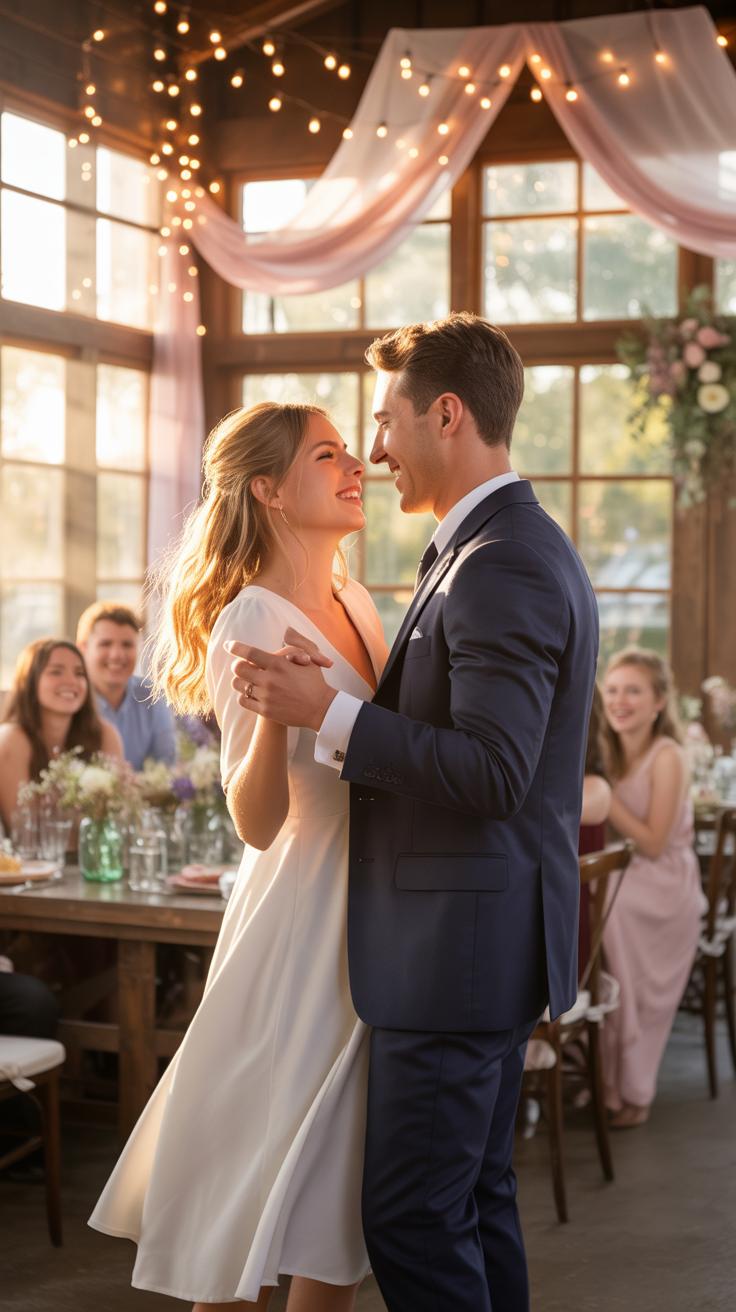
Low Cost Ways To Add Lighting Props Or A Surprise Element
Strategic lighting creates a high production feel without hiring a professional crew. Use battery powered uplights placed at the corners of the dance floor. Set these to a warm white or a color that matches your wedding theme. Dim the overhead house lights to hide floor imperfections and focus attention on the couple. This simple change forces the audience to look at the light rather than your footwork.
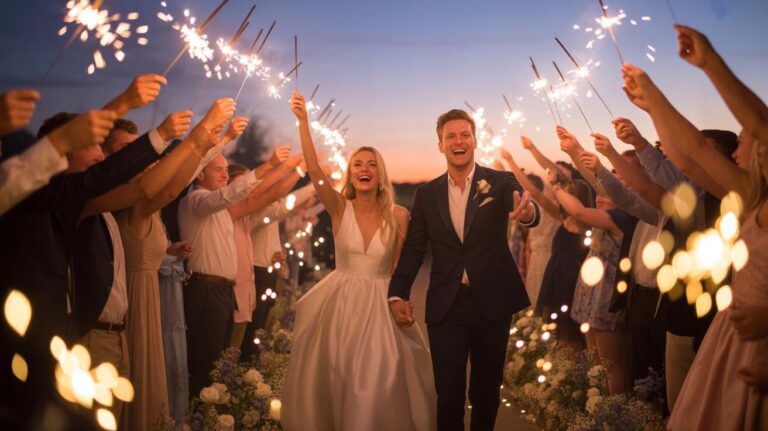
Props offer a physical anchor to distract from simple choreography. Handheld cold sparklers or confetti cannons provide a peak moment for photos at a low cost. Choose one specific beat in the song for the effect to maximize impact. Timing the surprise element for the final chorus ensures the performance ends on a high note. These tools mask a lack of formal training by providing a visual focal point.
When To Invite Guests To Join And How It Takes The Pressure Off
Invite guests to the floor exactly halfway through the song. Most couples feel awkward after sixty seconds of solo dancing. Shortening the solo portion reduces the amount of choreography you must memorize. Ask your DJ to make a clear announcement for all couples to join you. This transition shifts the spotlight from you to the crowd. It turns a performance into a shared social moment.
Bringing guests in early prevents the energy from dipping during long musical bridges. Instruct your wedding party to lead the way as soon as the signal occurs. Their movement encourages hesitant guests to fill the space quickly. This strategy hides your exit from the center of the floor. You can then stop dancing or blend into the crowd without a formal finale. It removes the stress of executing a perfect final dip.
Frequently Asked Questions

Is it possible to have a beautiful first dance if we aren’t natural dancers?
Absolutely! You do not need professional training to create a magical moment on the dance floor. The most important first dance wedding tips for beginners are to focus on your connection and keep your movements simple. By sticking to a basic sway or a simple box step, you can look elegant and composed while prioritizing the emotional bond between you and your partner rather than stressful choreography.
How can we practice our wedding dance at home effectively?
To practice effectively, clear a space in your living room and wear shoes similar to your wedding footwear. Start by moving to the beat without music, then gradually introduce your chosen song. One of the best first dance wedding tips is to record your practice sessions on your phone. Reviewing the footage helps you identify awkward movements and refine your posture, ensuring you feel confident and natural when all eyes are on you.
What are the best ways to keep first dance costs at zero?
You can achieve a stunning performance without spending a dime by utilizing free online resources. Platforms like YouTube offer countless tutorials for basic ballroom steps tailored specifically for couples. Additionally, choosing a song that is easy to time and keeping the duration under two minutes will reduce the need for complex transitions. Focus on your sincere expressions and natural chemistry, which provide more value than any expensive paid choreography ever could.