Essential Survival Foods Prioritizing Nutrition And Flavor
Nutrient Density
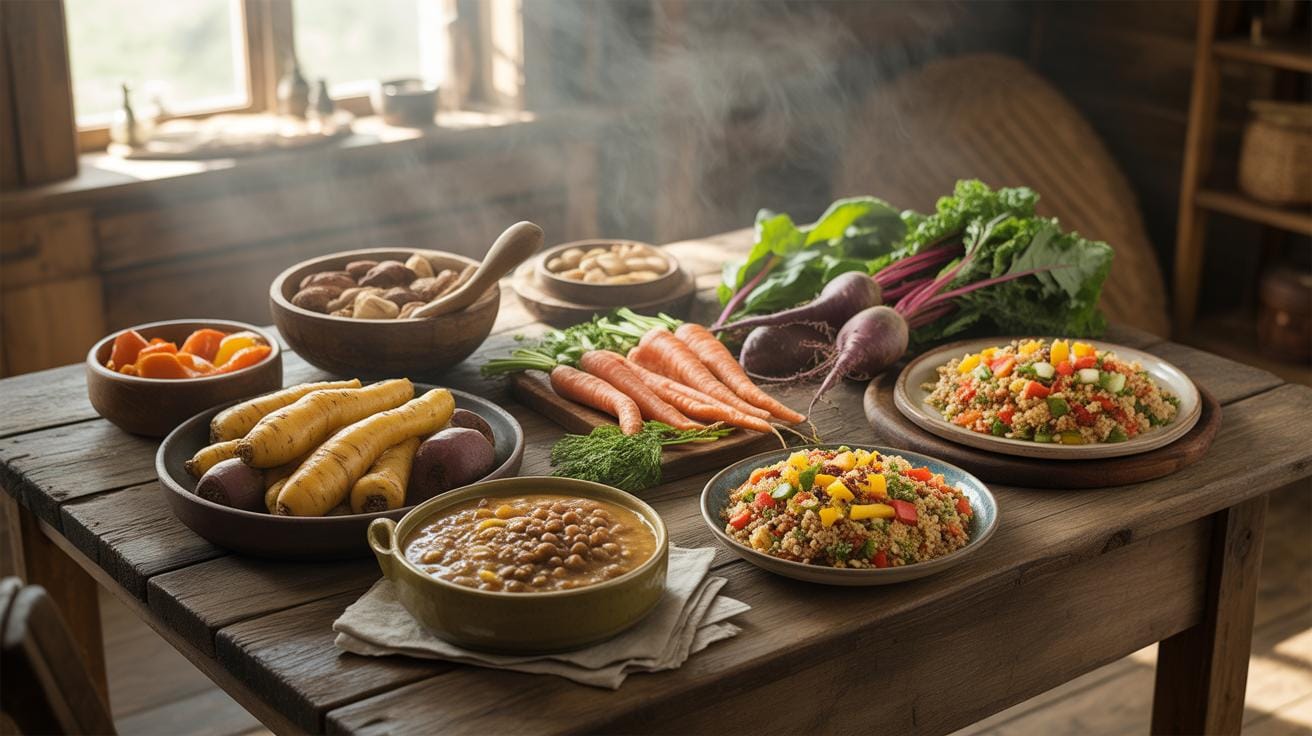
Survival food requires high caloric density to sustain physical exertion during a crisis. You must prioritize fats and proteins over empty sugars. Peanut butter and ghee provide massive energy in small volumes. These items serve as the backbone of an Emergency Food Supply because they prevent muscle wasting. High-density fats also improve the mouthfeel of basic grains. Choosing nutrient-dense options ensures your Survival Foods do more than just stop hunger.
Tactical Emergency Preparation demands a focus on micronutrients alongside calories. Dehydrated vegetables and organ meats provide essential vitamins that prevent fatigue. Do not rely solely on white rice. Mix in lentils or quinoa to boost protein intake. A proper Survival Food strategy balances immediate energy needs with long-term metabolic health. This approach keeps your mind sharp and your body ready for Survival Skills Emergency Preparedness challenges in the field.
Shelf Life Basics
Successful Emergency Food Storage relies on temperature control and oxygen exclusion. Dry goods like white rice and salt last decades if kept sealed. You must rotate your Emergency Preparedness Food to ensure freshness. Avoid items with high moisture content or polyunsaturated fats that turn rancid quickly. Use Mylar bags with oxygen absorbers to extend the life of your List Of Survival Foods. Simple storage steps prevent total waste.
Maintain a diverse Survival Emergency Food inventory by balancing cans with dry staples. Canned meats provide critical moisture and salt for cooking. These items require no additional water to prepare, which saves your potable supply. Longevity does not have to mean bland rations. Spices and vinegar have indefinite shelf lives and fix the flavor of basic calories. Efficient Emergency Preparation turns stable ingredients into palatable meals that sustain morale during long-term events.

The Ultimate List Of Survival Foods For Home Cooked Comfort
Pantry Staples List
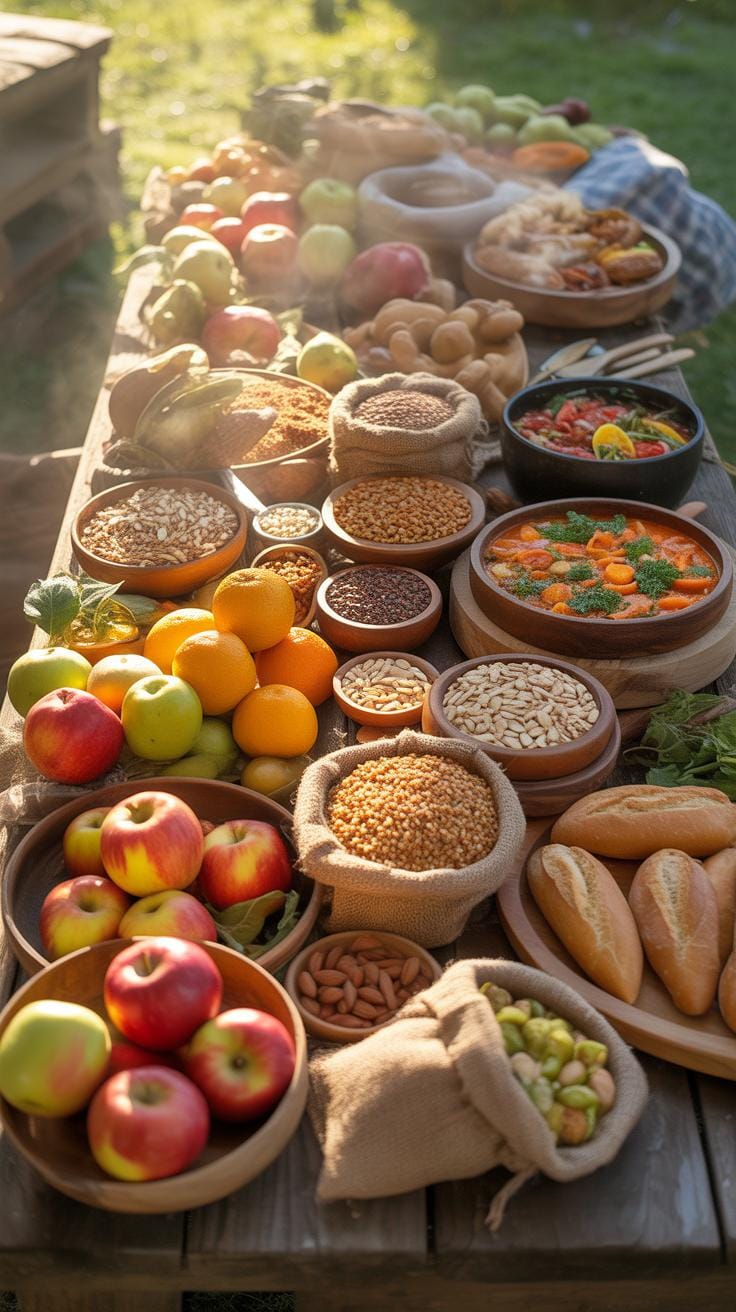
Effective emergency preparation relies on high-calorie, shelf-stable ingredients that mimic daily meals. You must prioritize items with long shelf lives that provide both nutrition and flavor. A diverse emergency food supply prevents appetite fatigue during a crisis. Focus on dry goods that require minimal fuel to cook. These building blocks allow you to create familiar dishes when fresh ingredients are unavailable.
- Hard Red Wheat: This grain lasts thirty years when sealed with oxygen absorbers. Use it for bread or cereal. It provides vital fiber and protein for your survival food needs. Grinding your own flour ensures the highest nutrient density.
- White Rice: Long-grain white rice is a cornerstone of emergency food storage because it stays edible for decades. It carries flavors well and provides necessary carbohydrates for energy. It acts as a reliable base for almost any protein or vegetable.
- Dried Beans: Pinto and black beans offer essential plant-based protein and high fiber content. They are cheap and easy to store in bulk. Use them to bulk up soups and stews in your list of survival foods for sustained satiety.
- Ghee or Clarified Butter: Traditional fats spoil quickly, but ghee is shelf-stable for years. It provides dense calories and healthy fats required for brain function. Use it to prevent food from sticking and to add a rich, home-cooked taste.
- Iodized Salt: Salt is a critical mineral for biological function and a primary flavor enhancer. It also works for curing meats and preserving other perishables. Stocking more than you think you need is basic survival skills emergency preparedness.
Your emergency preparedness food strategy should include spices and acids like vinegar to break up monotony. Plain grains and beans become survival emergency food that people actually want to eat when you add seasoning. Store these items in airtight containers away from light and heat. Rotate your stock every two years to ensure peak flavor and nutritional potency for your family.
Rehydration Tips
Rehydrating freeze-dried proteins correctly determines the final quality of your survival food. Many people make the mistake of using cold water or too much liquid. Use boiling water to penetrate the dense fibers of freeze-dried beef or chicken quickly. This process mimics the texture of fresh meat. Let the protein sit in a covered container for ten minutes to trap steam and heat.

Drain any excess liquid after the meat reaches the desired tenderness to prevent a soggy texture. Use the leftover soaking water as a base for sauces or gravies to retain lost nutrients. This tactical approach turns basic emergency food supply items into high-quality meals. Proper moisture management is the difference between edible fuel and a comforting meal during a difficult situation.
Emergency Preparation Setting Up A Kitchen For Any Scenario
Off Grid Cooking
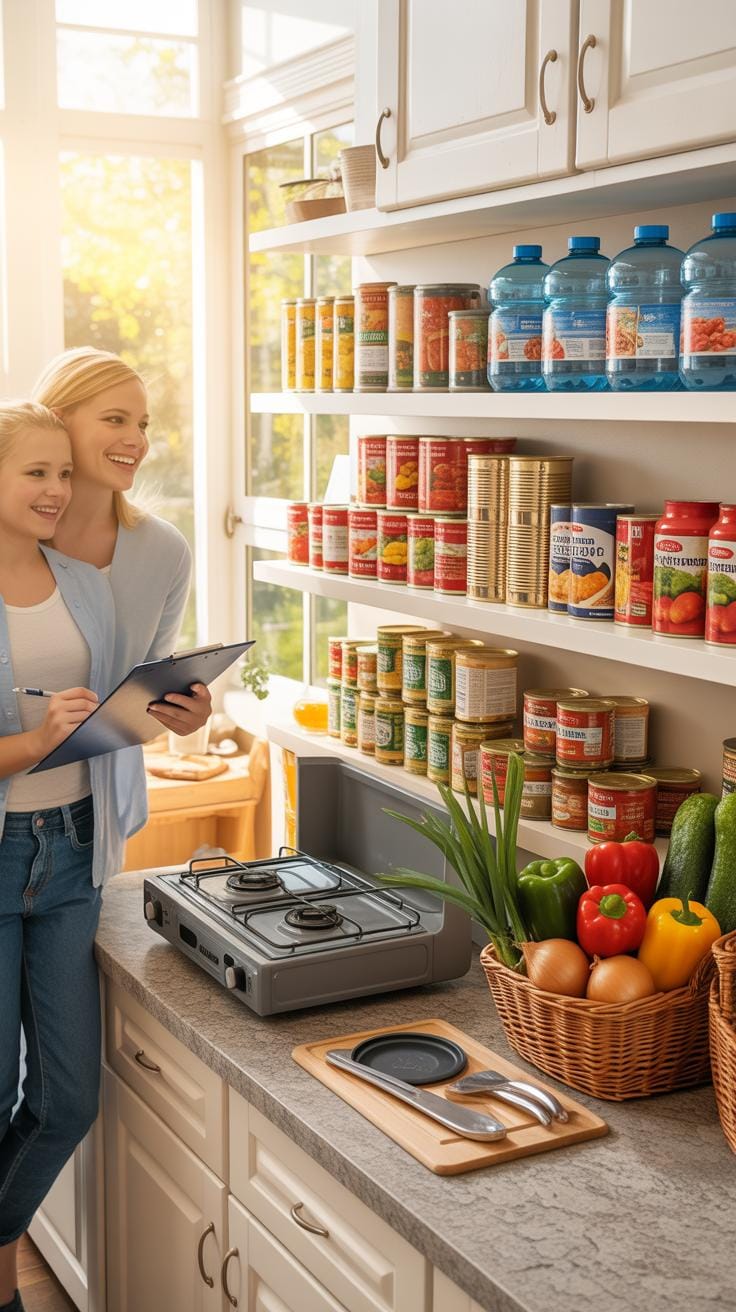
Standard kitchens fail when the grid goes down. You must secure a butane or propane stove to prepare your Emergency Food Supply effectively. These portable burners provide immediate heat for simmering rice and beans. Cast iron cookware remains the industry standard because it retains heat and works on any flame. Efficient heat management ensures your Survival Food tastes like a real meal rather than a cold ration.
Outdoor rocket stoves offer a tactical advantage by using small sticks for fuel. This setup preserves your stored gas for critical situations. Proper ventilation is mandatory if you cook indoors with portable fuels. Carbon monoxide poisoning poses a lethal risk in tight spaces. Match your heat source to your Emergency Preparation goals. Reliable fire starters and backup ignition tools are non-negotiable components for successful Survival Skills Emergency Preparedness.
Water Management
Clean water is the foundation of every List Of Survival Foods. You need 1 gallon per person daily for drinking and basic cooking. Manual gravity filters remove pathogens and debris from raw sources. Store water in food-grade containers away from direct sunlight to prevent algae growth. Managing your Emergency Food Storage requires a strict calculation of water intake versus output to maintain long-term hydration levels.

Cleaning dishes consumes more water than most people realize. Use a two-bin system to wash and sanitize with minimal waste. Boiling water is the most reliable way to kill biological threats before adding it to your Survival Emergency Food. Chemical treatments like bleach or iodine serve as secondary backups. Integrating tiered filtration into your Emergency Preparedness Food strategy ensures you can process grey water for non-consumption tasks safely.
Building A Sustainable Emergency Food Supply With Long Term Storage
Grain Rotation
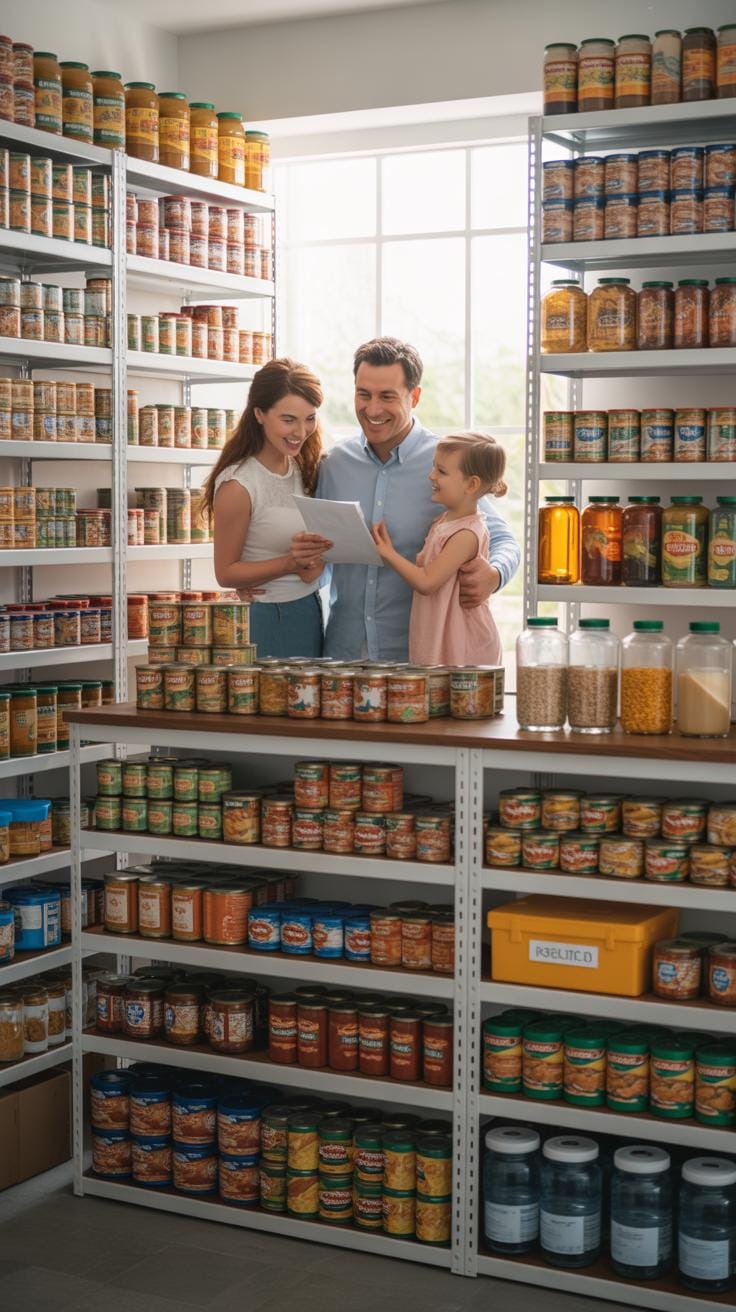
Proper Emergency Food Storage requires a strict rotation schedule to prevent spoilage and nutrient loss. Most Survival Food like white rice or hard red wheat can last thirty years when stored in oxygen-free environments. However, flavor degrades long before the calories disappear. You must use and replace your stock every three to five years. This practice ensures your Emergency Preparation efforts provide meals that actually taste good during a crisis.
Successful Survival Skills Emergency Preparedness depends on physical inventory management. Label every bucket with the pack date and the expected expiration date. Move older stock to the front of your pantry and integrate it into your daily meals. This cycle keeps your Emergency Food Supply fresh and prevents financial waste. Regular rotation is the only way to ensure your List Of Survival Foods remains edible and high in quality.
Flavor Boosters
Spices are the most overlooked part of many Survival Emergency Food plans. Store whole peppercorns, salt, and cumin seeds to maximize shelf life. Ground spices lose their potency within two years because of oxidation. Salt never expires and serves as a vital preservative for other Best survival foods. High-quality salt provides essential electrolytes needed for physical labor during an Emergency Preparedness Food situation.

Maintain a diverse collection of seasonings to prevent appetite fatigue in long-term scenarios. Vacuum seal individual spice jars to protect them from heat, light, and moisture. Store bouillon cubes and dried herbs in Mylar bags with oxygen absorbers. These small additions transform bland grains into satisfying meals. Effective Emergency Preparation must include concentrated flavors to keep morale high when relying on a basic List Of Survival Foods.
Survival Food Curation Selecting Gourmet Canned Goods
Canned Proteins Flavor
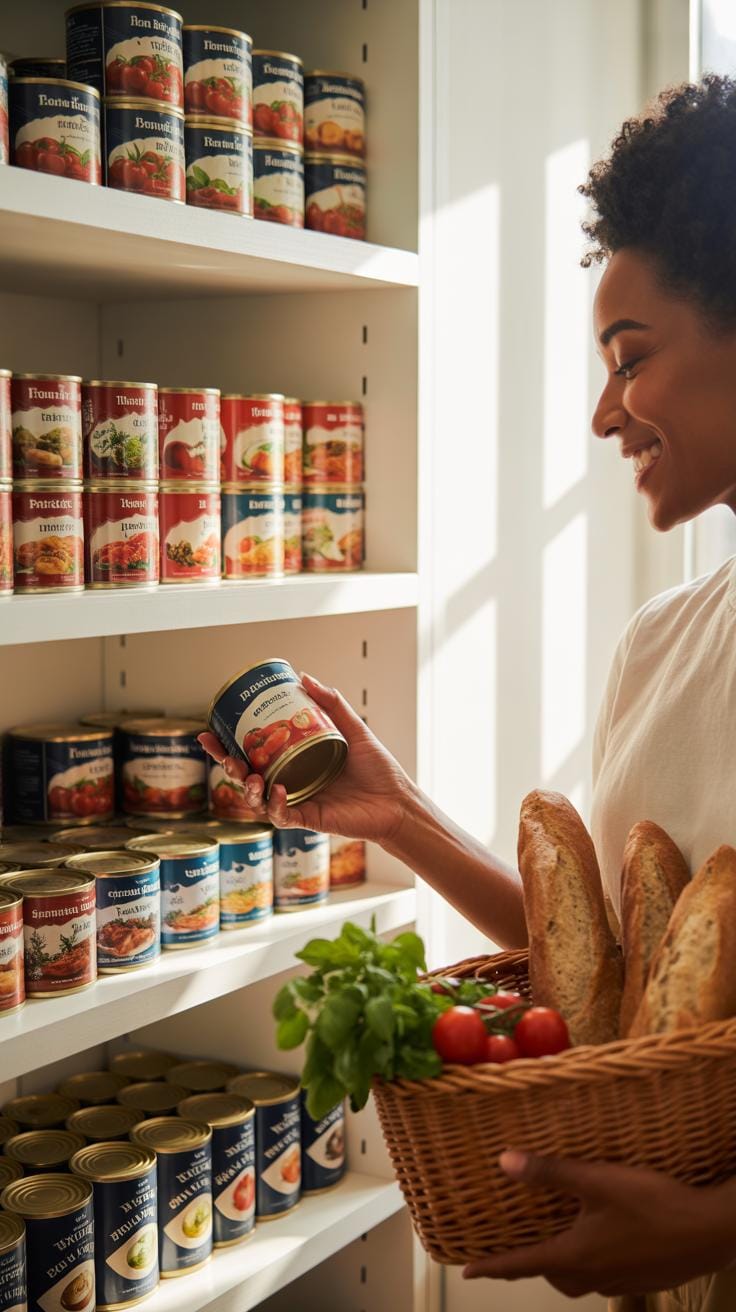
Select whole muscle meats to ensure your Survival Food feels like a real meal. Standard flakes and pastes offer poor texture and low morale. Look for canned chicken breast in water or beef chunks in natural juices. High quality canned proteins retain fiber structure. This mimics fresh cooking better than ground options. Proper Emergency Preparation requires sourcing meats that do not turn into mush when heated or served cold.
Quality meats provide essential calories and structure for a List Of Survival Foods. Avoid products with excessive fillers or heavy sodium nitrate loads. These salt levels cause dehydration during a crisis. Focus on braised meats like pot roast or duck confit in cans. These options provide superior fats and clean protein. Building a reliable Emergency Food Supply means choosing products that sustain the body and provide a familiar eating experience.
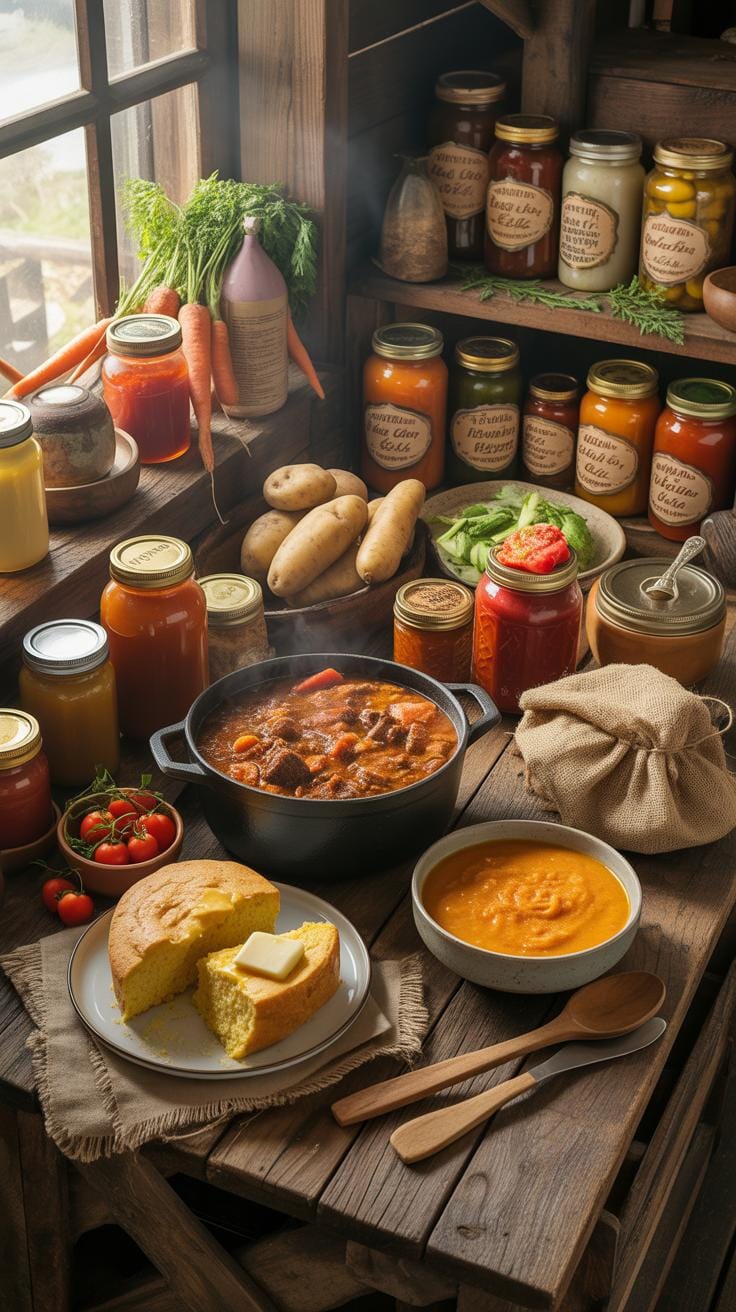
A meal is about more than just calories; it is a way to find comfort and a sense of home even in the most difficult times. True survival is found when we nourish both the body and the spirit with flavors that remind us of where we belong.
Preserved Vegetables
Tangy side dishes provide necessary acidity to break up the heavy fats found in Survival Foods. Pickled beets, carrots, and asparagus offer a crisp texture that standard canned peas lack. Brined vegetables retain more crunch and vitamin content due to lower heat processing. Include these in your Emergency Food Storage to prevent palate fatigue. A sharp vinegar profile improves digestion and makes bland grains taste more like a chef prepared meal.

Acidity is a tactical necessity for your Survival Emergency Food plan. Fermented or pickled goods provide probiotic benefits for gut health under stress. Choose glass jars or lined cans to avoid metallic aftertastes in high acid foods. Integrating these items into your Survival Skills Emergency Preparedness strategy ensures you have vitamins and flavor. Balanced meals depend on contrast. Brined vegetables provide that contrast effectively. This elevates the standard of your Emergency Preparedness Food stock.
Emergency Preparedness Food Organizing Your Meal Rotation Strategy
Meal Planning Steps
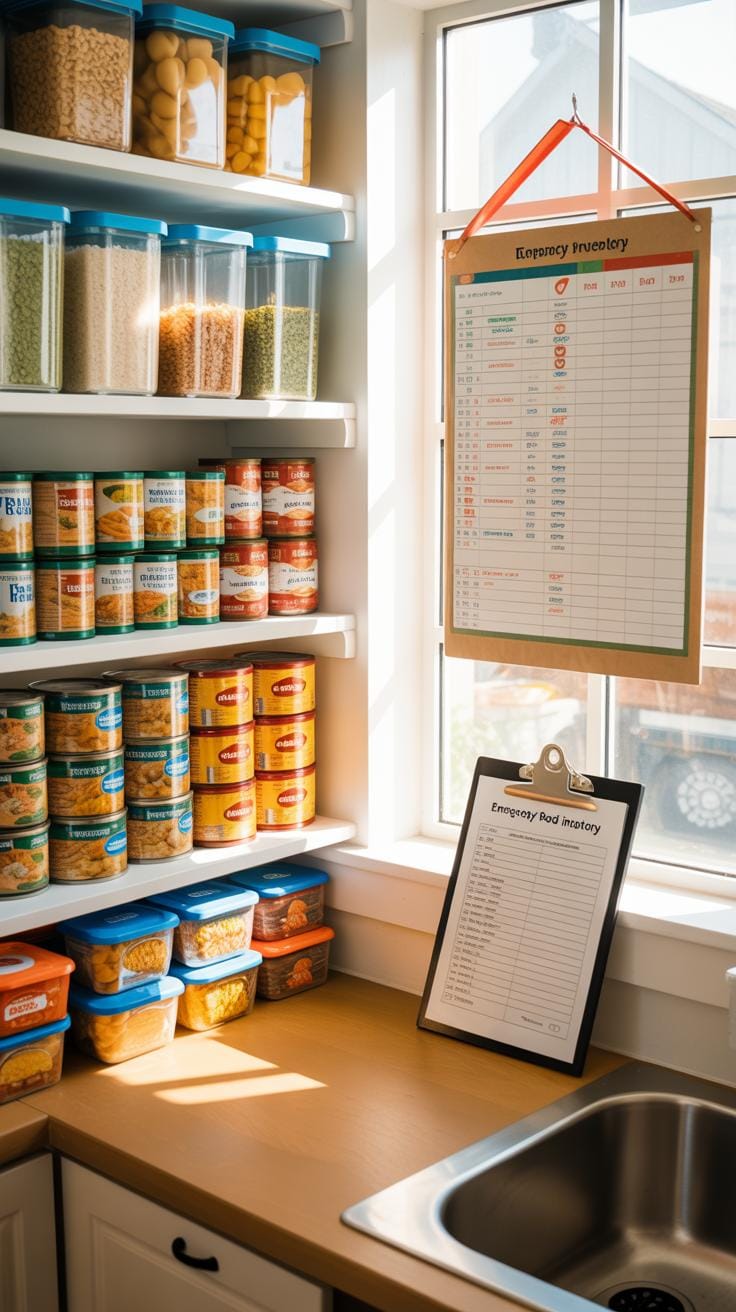
Effective emergency preparation requires a structured approach to your monthly survival food supply. You must transition from buying random cans to building a cohesive strategy that mirrors daily eating habits. A solid plan reduces metabolic stress and ensures psychological stability during a crisis. Use this methodology to organize your emergency food storage into a functional system that provides consistent nutrition for every family member.
- Inventory Assessment: Audit your current list of survival foods and calculate total caloric value per person. Determine the gap between your existing stock and a full thirty-day requirement to ensure your emergency preparedness food meets survival needs.
- Macro Balancing: Distribute fats, proteins, and carbohydrates across every daily menu. Relying solely on one food group leads to fatigue and malnutrition. Ensure your survival food choices offer at least two thousand calories per day.
- Water Correlation: Align your meal choices with available water resources found in your survival skills emergency preparedness kit. Dehydrated meals require significant hydration for digestion. Plan meals that do not deplete your limited potable water supply quickly.
- Supplements and Seasoning: Integrate spices and multivitamins into your emergency food supply. Flavor fatigue causes people to stop eating even when calories are available. High-quality seasonings turn basic survival food into palatable meals that boost morale.
- Testing and Refinement: Cook and eat your survival emergency food before a disaster occurs. This identifies items that cause digestive distress or require too much fuel to prepare. Adjust your inventory based on these real-world findings immediately.
Logic dictates that a diverse menu prevents nutritional deficiencies. Focus on calorie density and ease of preparation when finalizing your monthly meal map. Professionals do not guess their survival readiness. They document every meal and ensure the inventory supports the plan. This disciplined approach guarantees that your survival skills emergency preparedness efforts result in a sustainable and edible food cache for long-term use.
Fifo Method
The first-in-first-out method is the industry standard for managing any emergency food supply. You must treat your survival food like a living pantry rather than a static vault. Every time you purchase new items, place them at the back of the shelf. This tactical rotation forces you to consume the oldest stock first. It prevents waste and ensures your emergency food storage stays fresh and potent.

Neglecting rotation leads to expired calories and wasted capital. Check your survival emergency food labels every six months to verify shelf life integrity. If an item nears its expiration date, move it into your daily kitchen rotation and replace it with a fresh unit. This active management style keeps your emergency preparedness food ready for immediate deployment. Do not let your investment rot through simple laziness or lack of organization.
Advanced Survival Emergency Food Preservation Techniques
Mylar Sealing
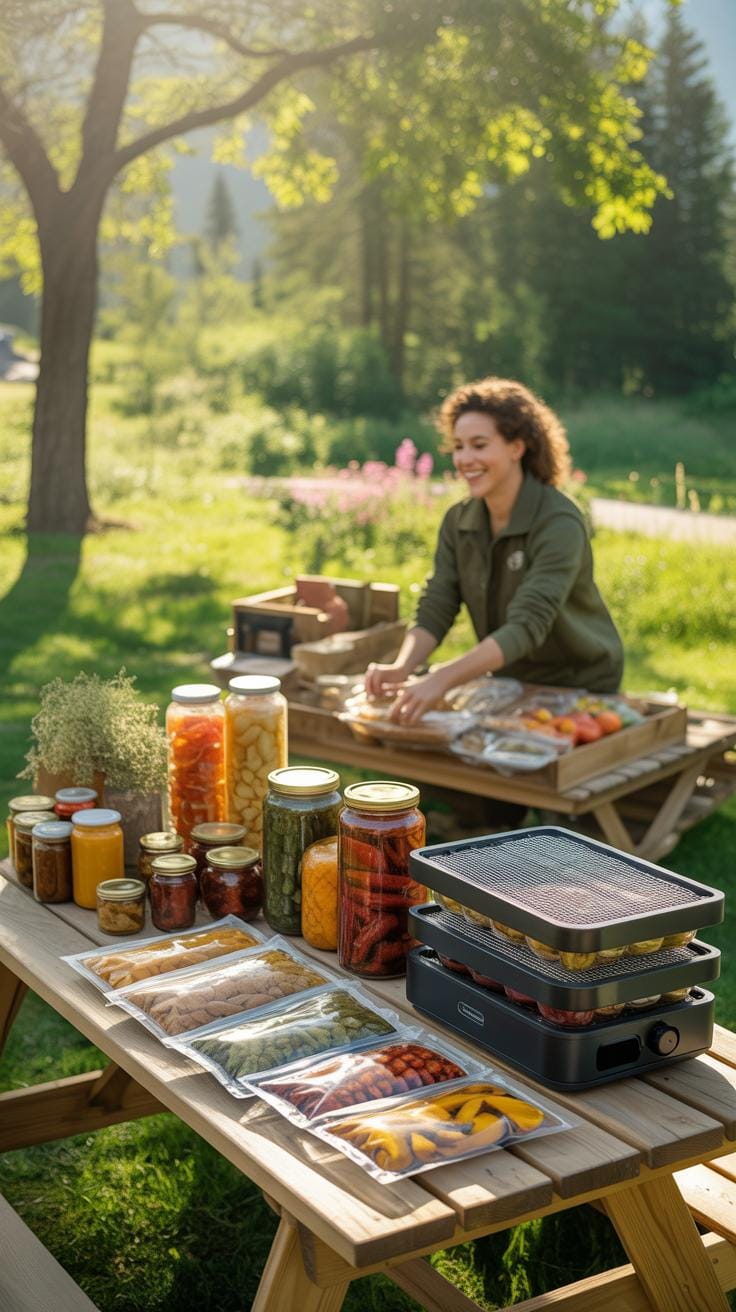
Oxygen is the primary enemy of any Emergency Food Supply. Mylar bags provide a metallic vapor barrier that blocks light and air. You must use an impulse sealer to create a permanent bond. Simply folding the top or using a desk iron is not reliable for long term Emergency Preparedness Food storage. Always match the bag thickness to the specific item to prevent punctures from sharp edges.
Pair your Mylar bags with oxygen absorbers to protect your Survival Foods from oxidation. These sachets contain iron powder that chemically traps oxygen molecules. This process prevents spoilage and kills insect larvae. It is a core part of Survival Skills Emergency Preparedness for anyone building a serious Emergency Food Storage system. Proper sealing ensures your dried goods remain edible for decades instead of just a few years.
Humidity Control
Excess moisture ruins the texture and safety of your Survival Food. When you store dehydrated snacks or fruits, you must keep the interior environment dry. Silica gel packets absorb residual moisture that escapes during temperature shifts. This step ensures your List Of Survival Foods includes items that stay crispy and free from mold. High humidity levels will turn your stored energy into a dangerous health risk.

Effective Emergency Preparation requires monitoring the environment where you keep your Survival Emergency Food. Use hygrometers to track humidity in your storage room. If the air is too damp, your containers will eventually fail. Keeping moisture levels below ten percent is the standard for high quality Emergency Food Storage. This tactical approach preserves the flavor and nutrients of every meal in your inventory for the long haul.
Honing Survival Skills Emergency Preparedness Through Culinary Practice

Training With Supplies
Practice cooking with your Emergency Food Storage before a crisis hits. Most people fail because they do not understand how heat affects bulk grains or dehydrated proteins. Attempting to learn these methods during a power outage adds unnecessary stress. You must master temperature control using camp stoves or wood fires. Testing your Emergency Preparation now ensures you can rotate stock effectively and maintain nutritional density.
High quality Survival Food requires specific ratios of water and heat to become edible. Use your Emergency Preparedness Food once a month to find flaws in your kit. If you cannot make a meal in thirty minutes, rethink your List Of Survival Foods. Tactics matter more than volume. Real resilience comes from knowing exactly how your Survival Emergency Food behaves when kitchen appliances are no longer available.
Foraging Integration
Blending wild plants with an Emergency Food Supply improves health and morale. Stored grains provide calories but often lack vitamins. Adding dandelion greens or stinging nettles to rice increases mineral intake. This method turns basic Best survival foods into balanced meals. You must identify local plants with certainty before eating them. Correct identification is a core part of Survival Skills Emergency Preparedness that prevents toxic mistakes.

Fresh greens provide fiber that helps digest heavy Survival Food. Incorporate seasonal foraging into your routine to supplement your Emergency Food Storage. This reduces the speed at which you consume your limited pantry. Practice adding one wild ingredient to your stored rations each week. This strategy bridges the gap between pre-packaged nutrition and long-term sustainability. It ensures your survival menu remains functional and diverse during extended periods of isolation.
Frequently Asked Questions

What are the best survival foods for someone just starting an emergency pantry?
When building your initial stockpile, focus on high-calorie, nutrient-dense items that require minimal preparation. The best survival foods for beginners include canned stews, hearty chilis, and vacuum-sealed pouches of pre-cooked grains. These options provide comfort during stressful times and taste remarkably like a home-cooked dinner. Look for brands that prioritize natural ingredients and robust seasoning to ensure your emergency rations feel like genuine, satisfying meals rather than just sustenance.
How can I make long-term emergency rations taste more like restaurant-quality meals?
The secret to elevating shelf-stable ingredients is “layering” flavors with a robust spice kit and high-quality condiments. You can transform basic components into the best survival foods by adding dehydrated onions, garlic powder, or red pepper flakes to rehydrated base meals. Additionally, keeping small packets of olive oil or honey can improve texture and richness, turning a standard freeze-dried pouch into a flavorful dinner that provides a much-needed psychological boost.
Is it possible to build a delicious survival food supply on a tight budget?
Absolutely! You don’t need expensive boutique brands to create a tasty pantry. Focus on affordable staples like dried lentils, jasmine rice, and canned proteins such as tuna or chicken. By purchasing these in bulk and rotating through your stock regularly, you can maintain a cost-effective inventory. Many budget-friendly grocery store items are actually the best survival foods because they are familiar staples that your family already enjoys eating during everyday life.