Emergency Bag Essentials: Building Your 72-Hour Preparedness Kit
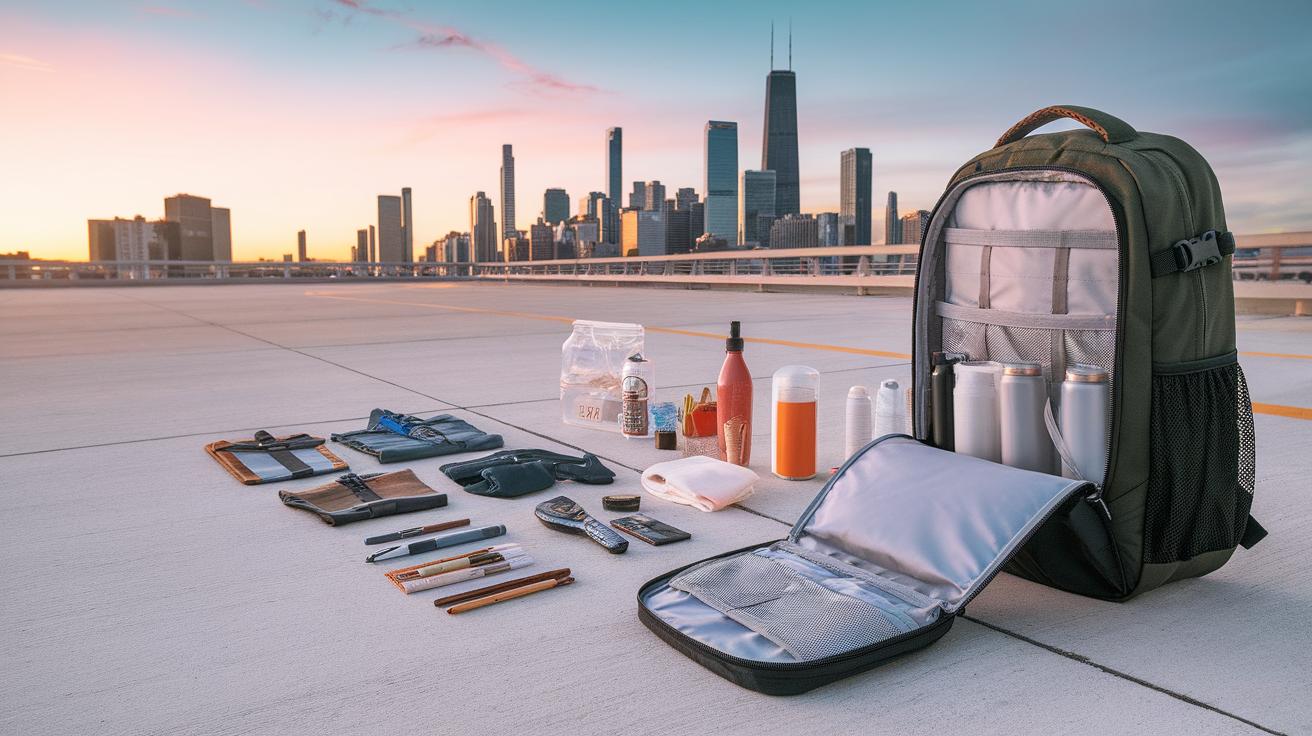
Unexpected situations — severe weather, power outages, travel disruptions, or a sudden need to leave home — can interrupt daily life with little warning. Having an emergency bag packed with the right essentials helps you stay comfortable and self-sufficient for at least 72 hours. This guide walks through the supplies worth including and why each one matters.
Preparedness is often overlooked until it’s needed. A well-stocked emergency bag covers food, water, shelter, health, and communication needs in one place. Each item serves a clear purpose, and together they help you act quickly and stay focused when plans change. This article breaks down the categories and items that belong in a practical emergency bag.
Understanding Your Emergency Bag Needs
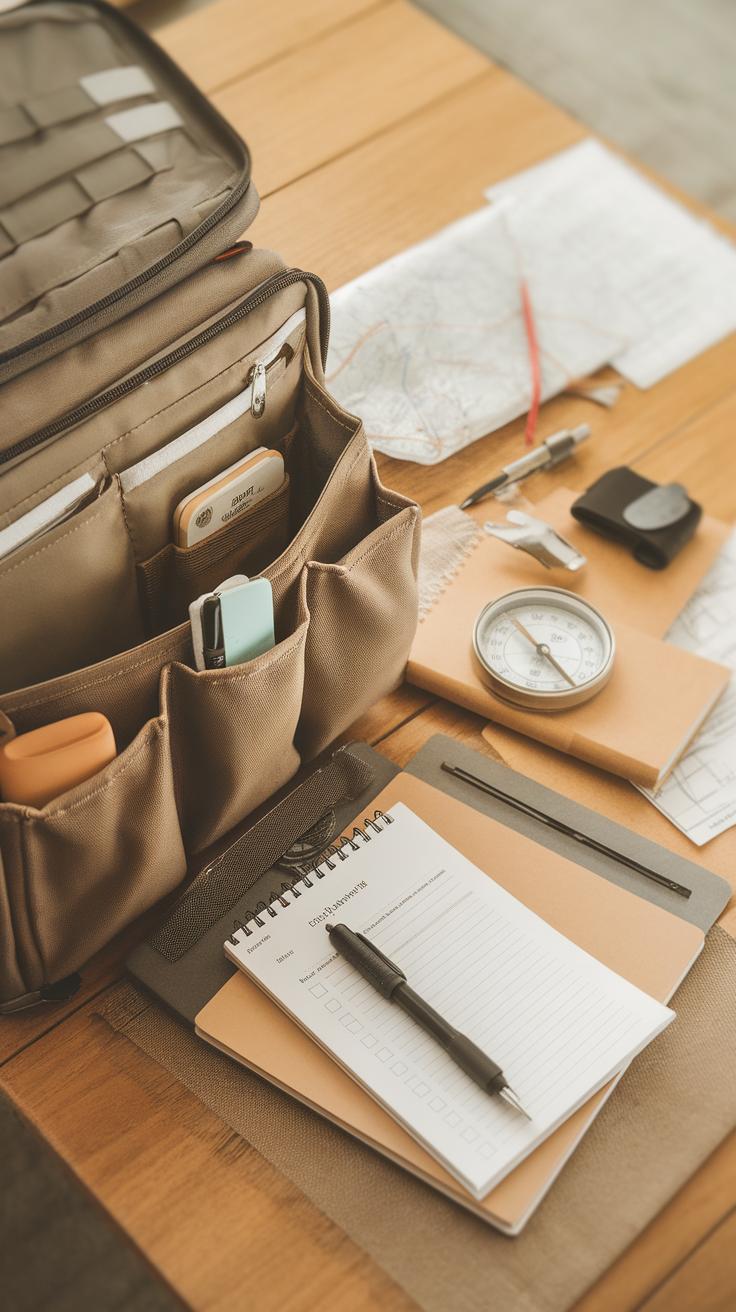
An emergency bag is a pre-packed set of essentials that helps you stay comfortable and self-sufficient when plans change quickly. It lets you leave home on short notice while still having what you need for your wellbeing. People reach for this kind of bag during events like severe storms, power outages, or short-notice travel.
Being ready for at least 72 hours with food, water, first aid, and other supplies gives you a helpful buffer while things get sorted out. The 72-hour timeline is common because that's roughly how long it can take for normal services to resume. Packing your bag carefully now saves time and stress later.
Understanding your needs means knowing what situations are most likely where you live and adjusting your bag accordingly. A good emergency bag offers peace of mind and practical support whenever routines get interrupted. What would you want close at hand if you had to leave in a hurry?
What is an Emergency Bag
Your emergency bag is a portable kit built to keep you comfortable and self-sufficient for at least 72 hours if you need to leave home or work on short notice. It covers situations like severe storms, flooding, or extended power outages.

Being ready means having essentials like food, water, basic medical supplies, a flashlight, and important documents on hand. Three days of supplies is a practical baseline, since that's a common window before normal services resume. The goal is to handle your basic needs comfortably without depending on anyone else right away.
Do you have a clear sense of where your bag is and what's inside it? Preparedness starts with knowing your bag well enough to trust it when you need it.
Difference Between Survival Kit and Emergency Kit
Survival kits and emergency kits serve different purposes even though they're often confused. Survival kits focus on wilderness or extended outdoor trips, with tools like fire starters, fishing gear, and navigation aids for time spent away from modern comforts.
Emergency kits, by contrast, focus on quick departures and short-term readiness in urban or home settings. They include items that help you respond to sudden changes, such as bottled water, non-perishable food, first aid supplies, and a radio.
The 72-hour emergency kit is about lasting just long enough until things settle or help arrives. Do you need gear for outdoor trips, or should you prioritize items for everyday readiness at home? Choose your kit based on your lifestyle and local risks.
Essential Water Supplies For Your Emergency Bag
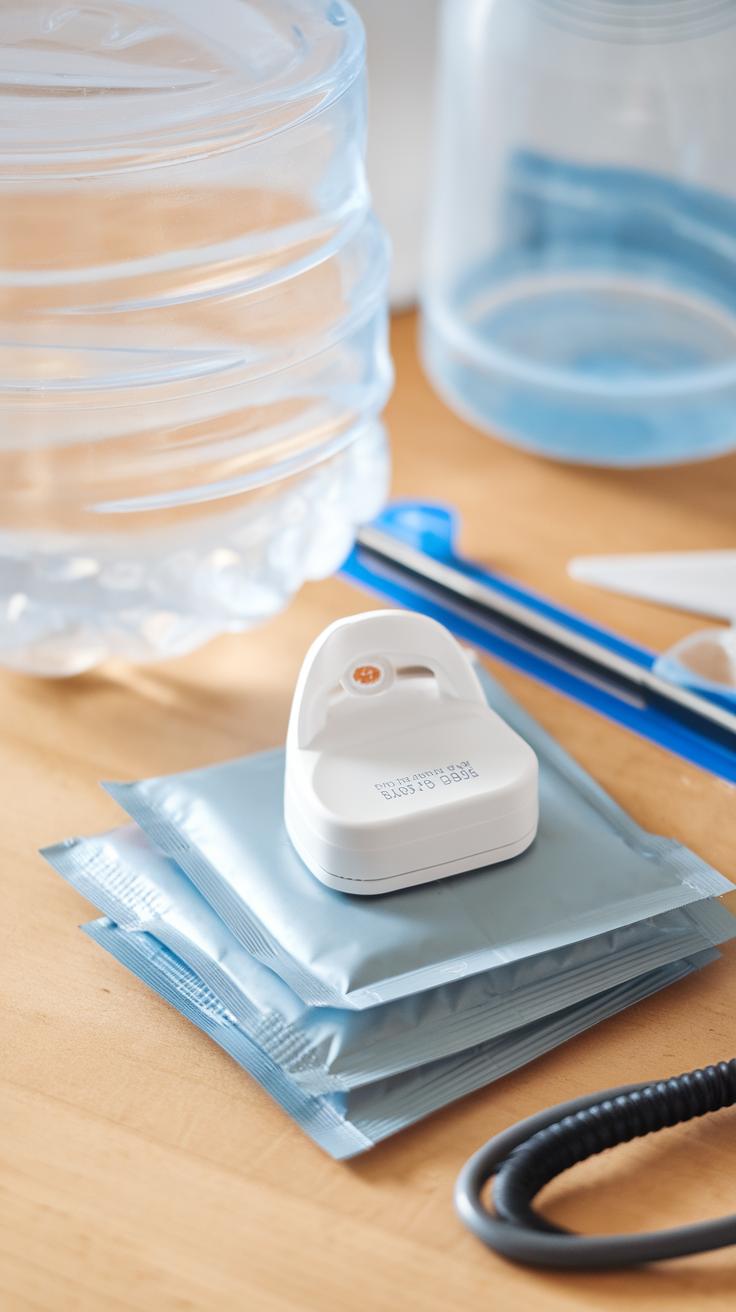

Water plays a key role in staying well-prepared. Your body relies on it for hydration, temperature control, and vital functions. Without enough water, it becomes much harder to function well after just a couple of days. You'll want enough safe water in your emergency bag to stay hydrated under tough conditions.
Think about how you can store water securely and keep it clean. Storing water in durable containers prevents leaks and contamination. Carrying tools for purification means you can treat uncertain water sources when needed. These preparations protect you from waterborne illnesses.
How do you plan on accessing safe water if the supply runs low? Do you have the right gear to purify water from streams or taps? These questions inform what essential water supplies go into your emergency bag. Planning for water ensures you can maintain strength and clarity when it matters most.
How Much Water You Need
You need about one gallon of water per person each day for drinking and basic hygiene. For a 72-hour period, pack at least three gallons per person. This amount covers your body's needs even in hot or stressful conditions.
Staying hydrated helps you think clearly and avoid heat-related illnesses. Dehydration affects your physical and mental performance quickly, which can make any situation harder to manage. Carrying enough water reduces these risks.

Consider the number of people depending on your emergency bag. Children and seniors may need slightly less, but it's safer to prepare for the full gallon each day. What would happen if your stored water ran out sooner than expected? Packing a little extra can make a big difference.
Tools For Water Purification
Water purification tablets are small, lightweight, and kill harmful germs in drinking water. They require little effort to use but need time to work — usually about 30 minutes. Keep a supply of these tablets in your bag.
A portable water filter can remove bacteria, protozoa, and sediment from water. Many filters attach directly to bottles or come as straw-style designs for on-the-spot use. These tools extend your access to clean water beyond what you can carry.
Empty, durable water containers also belong in your emergency bag. They allow you to collect and store water safely after purification. If you rely only on stored water, you risk running out early, but tools for purification help you adapt when needed.
Have you tested your water purification gear before packing it away? Familiarity with these items helps you use them quickly and confidently whenever the moment calls for it.
Food Choices That Last and Sustain You
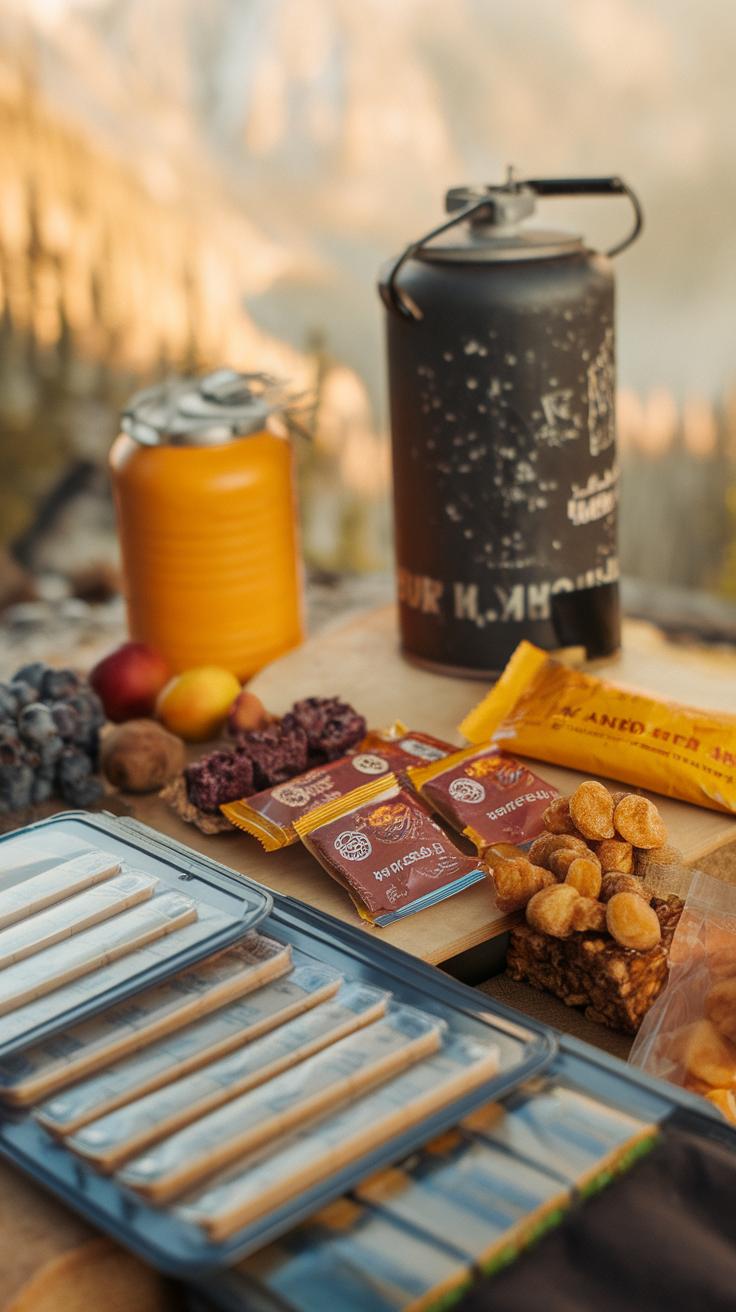

Your emergency bag needs food that stays good for a long time and keeps you strong. Choose non-perishable foods that provide enough calories and nutrients to fuel your body during tough times. Focus on items that don't need cooking or special preparation. Open-and-eat options reduce stress and save precious time when you're on the move.
Energy-dense foods like nuts and dried fruits pack calories and vitamins in small packages. Canned goods offer ready-to-eat protein or vegetables with long shelf lives. Think about how easy it is to open these foods without extra tools or heat. Avoid anything that spoils quickly or requires refrigeration.
Ask yourself: Will this food keep me full and satisfied for hours or days? Can I access it quickly when I'm on the move? Make food choices that support you comfortably without adding hassle to your routine.
Best Non-Perishable Food Items
Canned beans, vegetables, and meats deliver nutrients and last years if stored properly. Select cans with pull tabs or pack a manual can opener in your bag. Energy bars come in handy for fast energy and have long expiration dates. Choose those high in protein and fiber for better sustenance.
Dried fruits like apricots, raisins, and cranberries supply natural sugars and vitamins. Nuts such as almonds, walnuts, and peanuts offer healthy fats and proteins to keep hunger at bay. These foods take up little space, weigh less, and fit well in any emergency bag.

Focus on packaging that is compact and unbreakable when possible. Avoid foods that crumble or need water to prepare, since water might be limited. Keeping your food stash fresh and accessible lets you stay ready without worry.
Planning For Dietary Needs
Your emergency food pack should respect your personal diet. If you have allergies to nuts, gluten, or dairy, avoid including those foods. Pack alternatives to meet your calorie and nutrient needs without risking health issues.
Consider if you follow vegan, vegetarian, or low-sodium diets. Choose canned or packaged foods that meet these criteria. Taking time to customize your food supply helps you feel secure and ready for whatever comes up.
Have you reviewed your food options with your dietary needs in mind? A little planning goes a long way. Protect your comfort by packing foods that suit you personally, not just generic items.
First Aid Kit Must-Haves
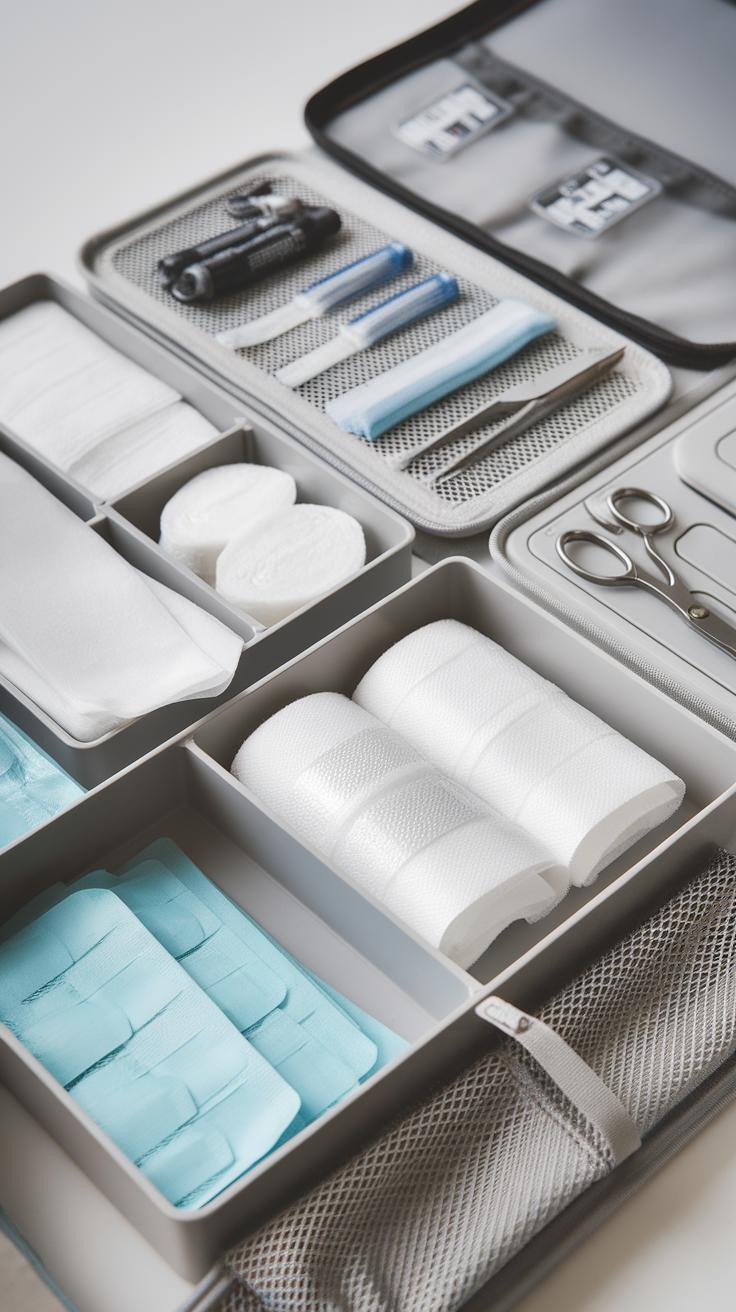
Your emergency bag should include a first aid kit that covers basic medical needs. Bandages come in various sizes to handle cuts and scrapes quickly. Gauze pads and sterile dressings help manage deeper wounds and control bleeding. Antiseptic wipes or solutions help clean the injury area before applying dressings.

Tools like tweezers can remove splinters or debris from minor wounds. A pair of round-tip safety scissors helps cut tape or clothing if needed. Disposable gloves protect you from germs while treating injuries or assisting others.
These supplies allow you to offer basic care and limit complications until you can get further help if needed. Can you imagine how much harder it would be to handle even minor injuries without these items on hand? Packing them today means more peace of mind for any situation.
Basic First Aid Supplies
Small but important items like adhesive bandages come in various shapes, useful for covering cuts of different sizes. Gauze pads act as absorbent dressings when blood or fluids need to be controlled. Antiseptic wipes clean wounds and reduce the risk of infection quickly.
Pain relievers such as ibuprofen or acetaminophen relieve discomfort and reduce inflammation. Including medical tape keeps dressings securely in place over wounds. Don't forget an instant cold pack to control swelling from minor bumps or bruises.
What minor cuts or injuries have caught you off guard in the past? Preparing these basic supplies lets you respond faster and with more confidence whenever something comes up.
Medications and Personal Health Items
Including prescription medications in your emergency bag is a good idea if you rely on daily doses. Pack enough to last several days or longer, and store them in waterproof containers. Don't overlook allergy medicine or inhalers if you have conditions like asthma or severe allergies.

Items like antacids or anti-diarrheal tablets manage common ailments during stressful situations. If you take vitamins or supplements for health reasons, consider adding those too.
What health needs should your emergency kit address? Reviewing your personal and family health reminders ensures the right items are on hand when you need them.
Tools for Shelter and Warmth
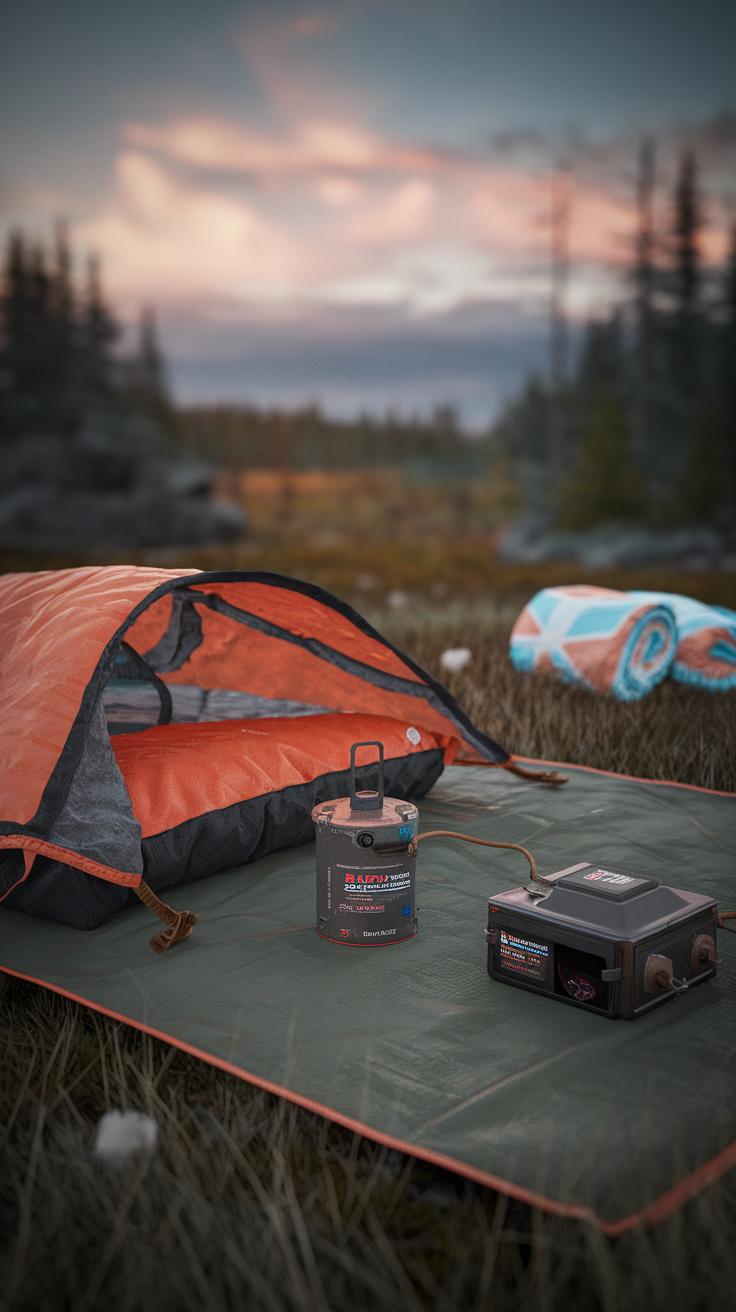
Your emergency bag should include gear that helps you create shelter and maintain warmth quickly. Shelter protects you from wind, rain, and cold, which can quickly become uncomfortable and risky if ignored. A compact tarp is lightweight and versatile; you can rig it up as a makeshift roof or windbreak using cords or nearby trees. Emergency blankets are small but reflect body heat efficiently, making them useful when you need fast warmth. A small, foldable tent offers more comfort and protection when you expect to remain in one spot for longer. Have you tried setting up a tarp or emergency blanket before? Practicing now helps you use these items confidently when it counts.
Portable Shelter Options
Tarps work well for quick shelter. They are easy to carry and take a few minutes to set up. Use a tarp with paracord to build a lean-to or an A-frame shelter. Compact tents provide better protection from insects and weather but take more space and time. Emergency blankets serve multiple roles: ground insulation, rain cover, or windbreaker. Their reflective surface traps heat effectively despite their small size. Can you spot places around your home or outdoors where a tarp or blanket could shield you from the weather? Knowing where to put up your shelter helps you act quickly when needed.
Clothing for Different Conditions
Packing clothing in layers lets you adjust for changing weather. Base layers wick moisture; mid-layers provide insulation; outer layers protect against rain and wind. Choose synthetic or wool fabrics as they dry faster and keep warmth even when damp. Include a waterproof jacket or poncho to stay dry during storms. Don't forget sturdy boots or shoes with good grip for rough terrain. Extra socks and gloves add warmth and prevent blisters or frostbite. What clothes do you feel most comfortable in during cold or wet weather? Prioritize these in your emergency bag for practical, reliable warmth and protection.
Communication and Navigation Tools
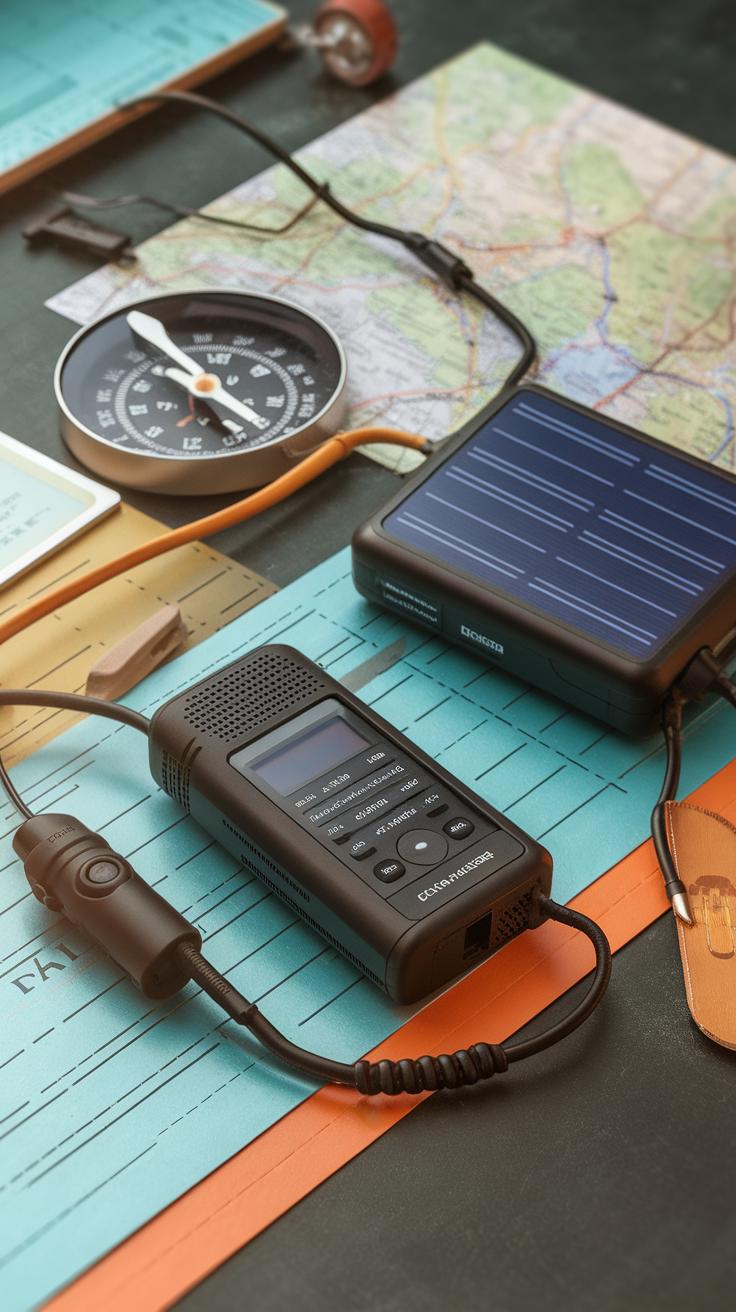

Keeping track of what's happening around you can make a real difference when plans change suddenly. Your emergency bag should include tools that help you stay informed and find your way if needed. Radios that run on batteries or can be hand-cranked let you receive weather updates and emergency alerts even when power is out. Do you know how long your phone's battery lasts under heavy use? Carrying a portable charger or power bank ensures your phone stays charged for calls or GPS use.
Navigation tools like compasses and local maps are useful when landmarks disappear or roads are blocked. A whistle can help you signal others if you're lost or need attention. Would someone hear you if you called out from a distance? A whistle's sound carries much farther. Together, these communication and navigation items keep you connected and improve your chances of getting help quickly.
Staying Connected and Aware
Emergency radios can receive information when other devices fail. Battery-powered or hand-crank radios work without relying on cell towers or electric grids. When severe weather hits, these radios broadcast timely alerts from emergency services and officials. This information helps you make smart decisions, like when to leave or shelter in place.
A hand-crank radio is especially useful if batteries run out. You turn a handle to generate power, so you never lose access. Think about times you lost phone signal but still had news on the radio. Such radios allow you to stay updated when most technology goes dark. Your emergency bag is not complete without one. They keep you informed even when things get chaotic.
Finding Your Way
When roads are blocked or you have to move on foot, knowing how to navigate can prevent confusing detours. A compass works without batteries and helps you stay on course. Combining a compass with local topographic maps lets you plan safe routes. Have you ever tried to find your way without a map? It quickly becomes confusing.
Whistles are useful for signaling without shouting. They can alert others to your location, especially where noise spreads farther than voices. Blowing three short blasts on a whistle is the universal distress signal, easy to learn and remember. Carrying a whistle means you can call for help if you're lost or need assistance. These simple tools make navigation and signaling more reliable when technology fails.
Everyday Carry Tools With Multiple Uses
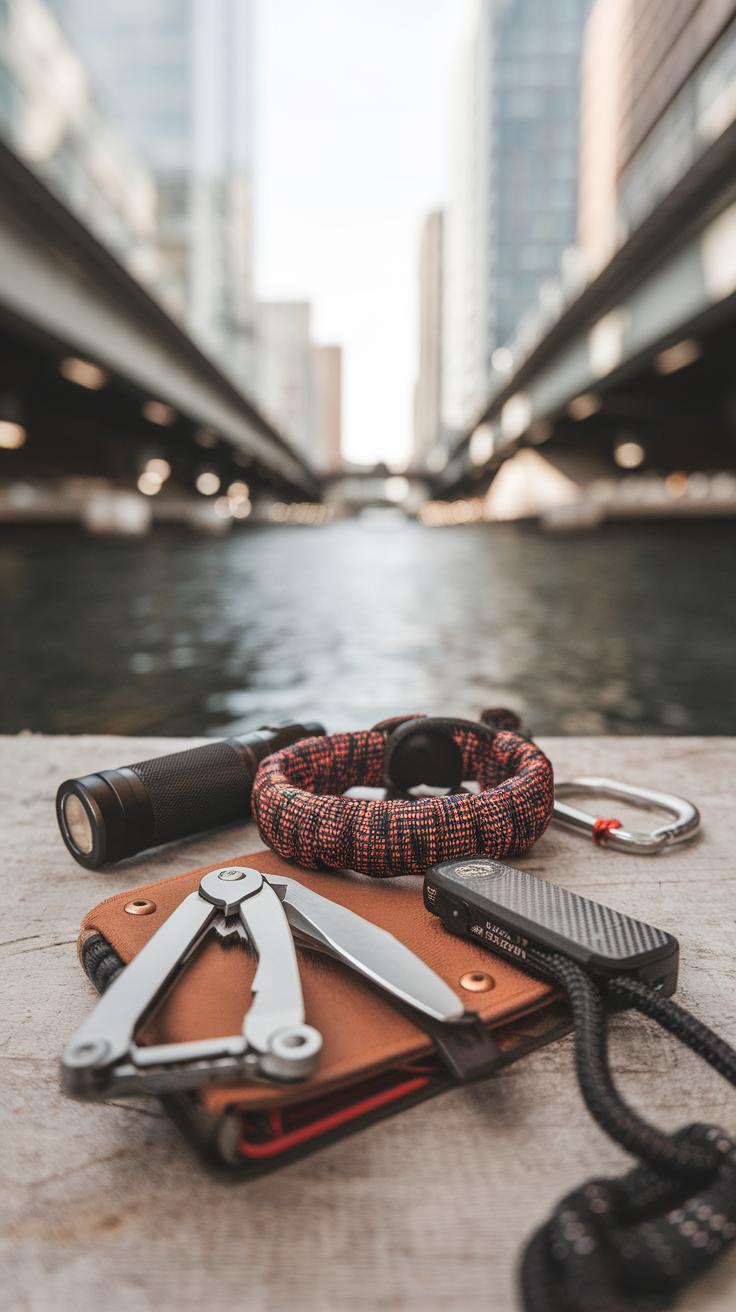
Your emergency bag should include tools that handle many tasks without taking up much space. A compact multi-bit screwdriver covers a range of repairs, from tightening hinges to fixing gear. A small pry tool can help with quick fixes on the move. Carabiners are surprisingly versatile — clip gear together, secure a tarp, or hang a lantern.
Strong paracord is another essential. It can work as a fishing line, tie items together, or help rig a shelter in a pinch. Having a few versatile tools decreases the weight and space in your bag but gives you more problem-solving options when you need to improvise.
Think about how often you need to improvise in daily life. Wouldn't having one or two reliable, multi-purpose tools ease your challenges in unexpected situations? Carrying tools that pack multiple functions saves time and effort when every action counts.
Why Choose Multi-Use Tools
Compact multi-tools built around pliers, a screwdriver set, and a bottle opener stand out because they cover a lot of ground in one small package. Need to tighten a loose screw? It's ready. Facing a stubborn zipper or buckle? Pliers handle it.
These tools cover basic repairs and quick fixes without carrying a bulky toolbox. The versatility means you don't have to guess what gear might be missing when something goes wrong. When water bottles leak or zipper pulls break, a good multi-tool solves the problem faster than searching for a specific single-use item.
Have you ever been caught without the right tool? Choosing multi-use equipment reduces that risk and adds to your overall preparedness. They offer reliable, quick fixes that keep your focus where it needs to be — comfort and readiness.
Additional Useful Accessories
Duct tape is a must-have for quick fixes on everything from gear to clothing. It can patch a leak, mend torn fabric, or hold a temporary splint in place. Safety pins earn a spot for securing bandages or holding gear together temporarily.
Fire starters, like ferro rods or waterproof matches, support your ability to cook, stay warm, and signal for help if needed. Carry small amounts of these accessories throughout your bag, so you always have something handy.
Think of these items as small but useful pieces in your overall preparedness. How would you manage a torn tent or a cold, wet night without easy solutions on hand? Packing these extras boosts your everyday readiness.
Personal Hygiene and Sanitation Items
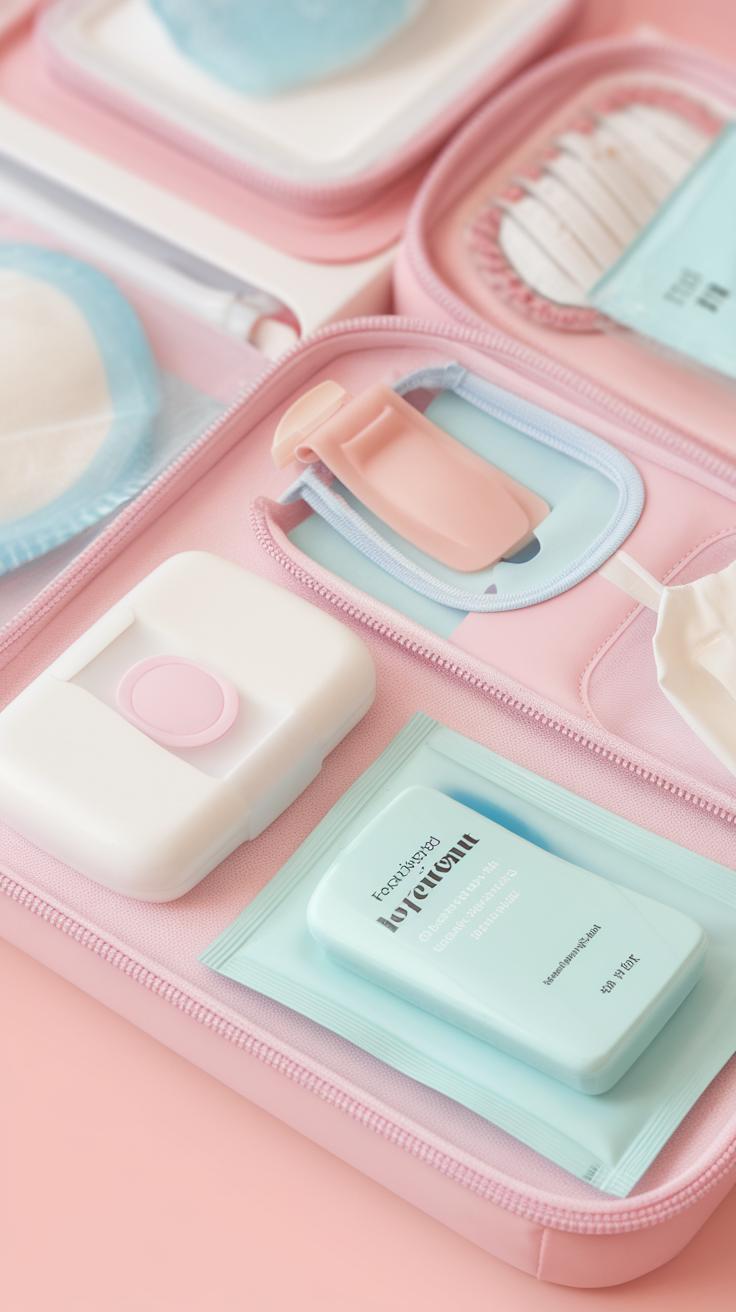
Maintaining personal hygiene during an extended stay away from your normal routine helps keep illness at bay. When conditions are less than ideal, germs spread more easily, so cleaning your hands and body regularly matters. Pack items like antibacterial wipes and hand sanitizer for when water is limited. Include a toothbrush and toothpaste to take care of oral health. Feminine products matter too — comfort depends on having them on hand during longer stays. Staying clean also just feels better when you're away from your usual routine. Keeping your emergency bag stocked with hygiene items helps protect your body and mind when it matters most.
Maintaining Cleanliness
You should include practical hygiene supplies that last. Travel-sized soap bars or liquid soap help remove dirt without wasting water. Pack a small towel or microfiber cloth for drying. Antibacterial hand wipes can clean your hands between washes. Toothbrush, toothpaste, and dental floss prevent mouth issues. Add a comb or brush to keep your hair neat and avoid lice. Feminine hygiene products like pads or tampons ensure comfort. Lip balm prevents chapped skin during outdoor stays. Consider a small mirror to check on minor scrapes or maintain grooming. How will you feel after a few days without your usual routine? Staying clean cuts the risk of getting sick and keeps you more comfortable in tough situations.
Sanitation Solutions
Extended stays away from home often mean limited access to toilets and trash pickup. Plan ahead for waste disposal to avoid health hazards. Small, sealable plastic bags serve as disposable toilets. Line a bucket with one and close tightly after use. Carry extra bags for trash, especially items like used wipes or feminine products. Carrying biodegradable bags helps reduce environmental impact. Pack toilet paper or tissues stored in waterproof containers. Consider hand towels or cloths designated for sanitation tasks only. Cleaning supplies like sanitizing wipes can disinfect surfaces. Planning ahead for waste management keeps your space cleaner and more comfortable for everyone.
Planning and Customizing Your Emergency Bag
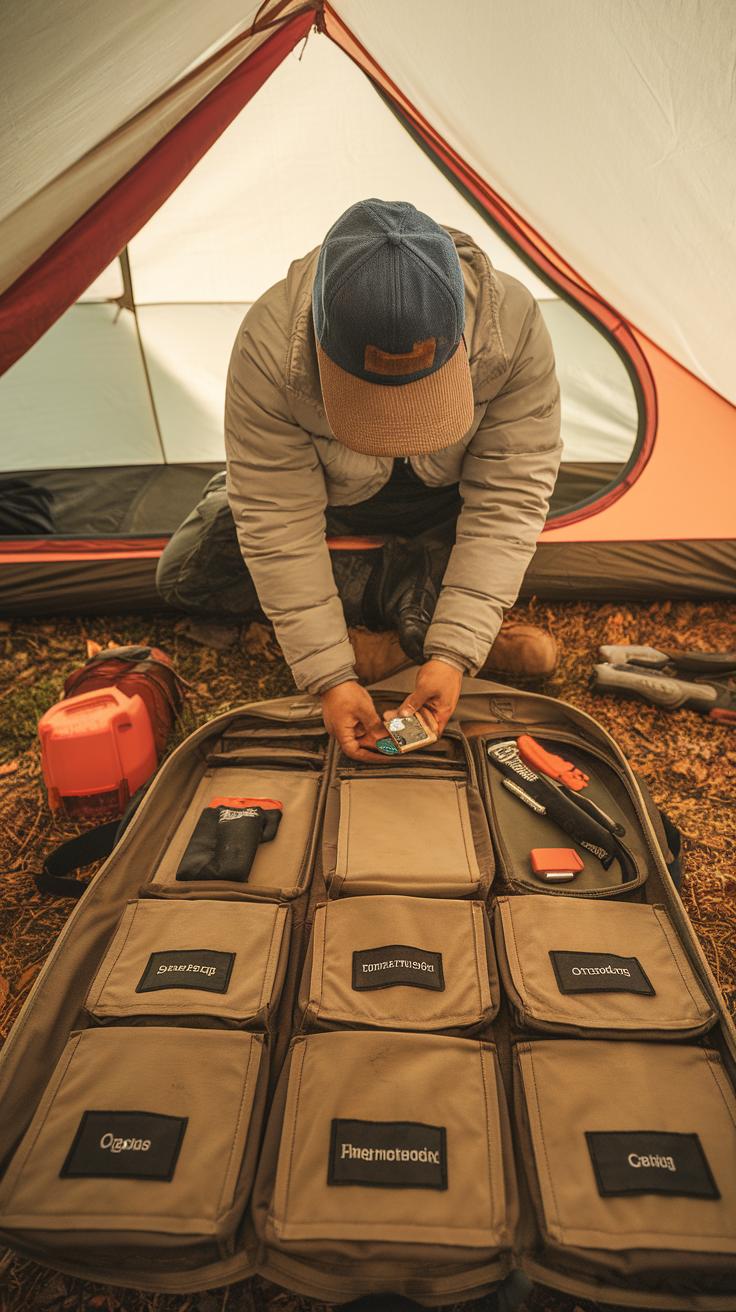
Assessing Your Risks and Needs
Start by thinking about where you live. Is your area prone to flooding, earthquakes, or severe winters? Your emergency bag should reflect the kinds of challenges you might face. For example, if you live in a cold climate, include extra warm clothes or a thermal blanket. If wildfires are common nearby, pack a dust mask and goggles to protect your eyes and lungs.
Consider who will use the bag. Families with small children need extra supplies like baby food, diapers, and favorite comfort items. Older adults might require medications or mobility aids. Pets also need their own food and water. What medical conditions do you or your family members have?
Think about the length of time you may need to be self-sufficient. Should your bag support you for 24 hours, three days, or longer? The more you understand your personal and local risks, the smarter your packing choices will be.
Regular Maintenance and Updates
Check your emergency bag every few months. Look at expiration dates on food, water, and medicine. Swap out anything that is expired or damaged. Make sure batteries still work and replace them if needed. This small effort ensures your bag is always ready.
Reassess your family's needs regularly. Have your children outgrown their clothes in the bag? Do you still have the correct medications for everyone? If your living situation changes, update your pack accordingly.
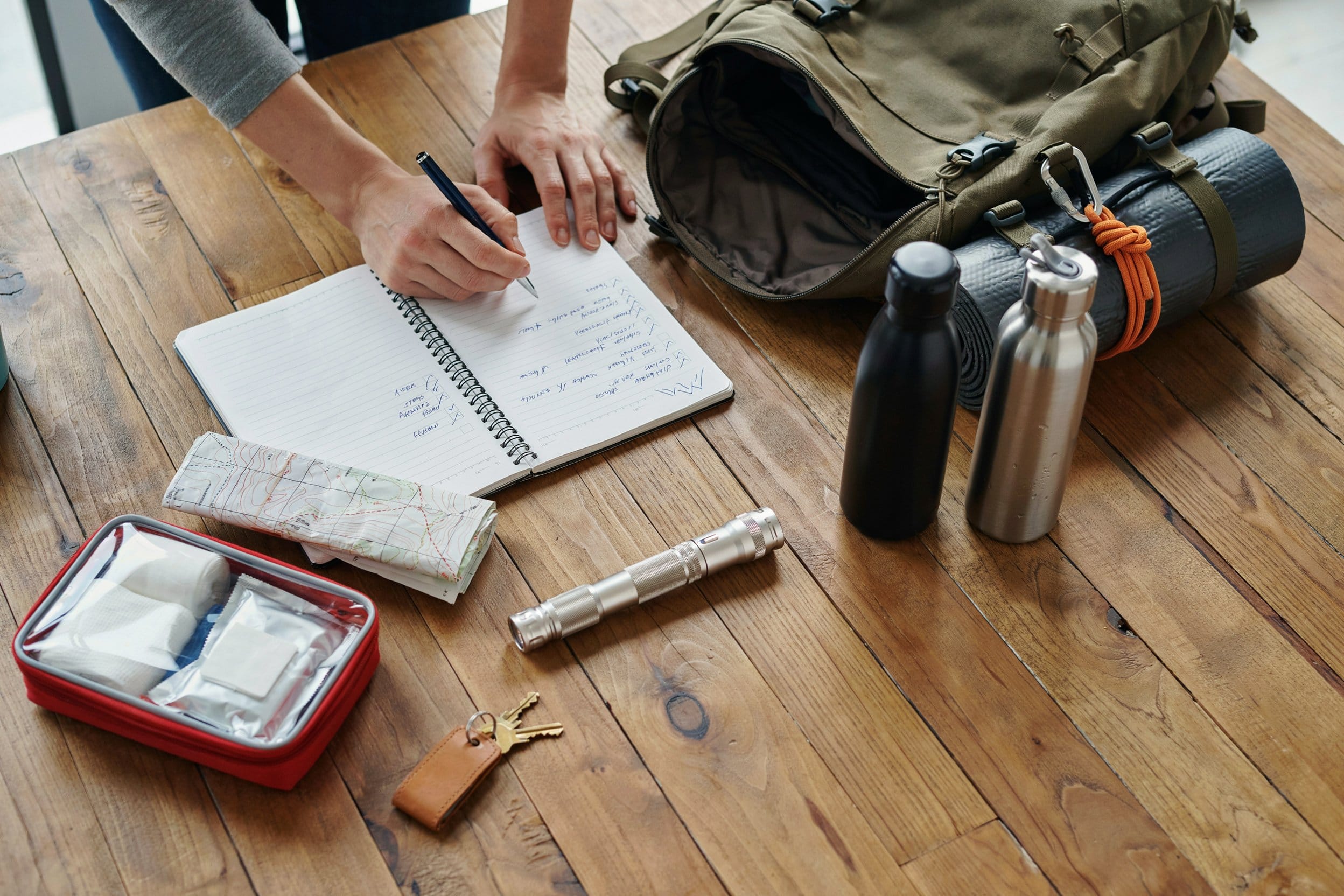
Use a checklist to track items and dates. Set a reminder on your phone to review your bag, so it doesn't get ignored. Keeping your emergency bag current protects you from surprises down the road.
Frequently Asked Questions
What should be in an emergency bag?
A well-rounded emergency bag includes water and a way to purify more, non-perishable food, a basic first aid kit, a flashlight and batteries, a hand-crank or battery radio, important documents in a waterproof pouch, weather-appropriate clothing, and basic hygiene items. The exact mix depends on your household and local risks, but those categories cover most situations.
What are 10 items in an emergency kit?
A solid starting list includes: water, non-perishable food, a first aid kit, a flashlight with extra batteries, a hand-crank or battery-powered radio, a whistle, a multi-tool, duct tape, a change of clothes, and copies of important documents. From there, you can add extras based on your climate and household needs.
What is the best emergency bag?
There's no single "best" bag — the right one depends on how many people it needs to support, how long you might need it to last, and how much you're comfortable carrying. A sturdy backpack with multiple compartments works well for most households, since it keeps supplies organized and is easy to grab quickly.
What are 20 items in an emergency kit?
Beyond the basics, a more complete kit adds: a water filter, extra batteries, a portable charger, a compass, local maps, a tarp, an emergency blanket, rain gear, sturdy shoes, gloves, prescription medications, allergy medicine, hand sanitizer, toothbrush and toothpaste, feminine hygiene products, sealable plastic bags, cash in small bills, a paper list of emergency contacts, pet supplies if needed, and a notebook with pen.