Why These Fall Essentials Belong in Every Closet
Must-have fall wardrobe essentials for every closet help you transition smoothly from warm to cooler weather. Knowing what to include keeps your style versatile and practical as temperatures drop. This guide breaks down the necessary items you’ll want for a reliable fall wardrobe.
Whether you prefer casual or polished looks, fall staples create a solid foundation. From key outerwear to layer-friendly basics, you’ll learn what pieces serve multiple purposes. You’ll also get tips on combining these essentials to fit your daily needs.
Choosing the Right Fall Jackets
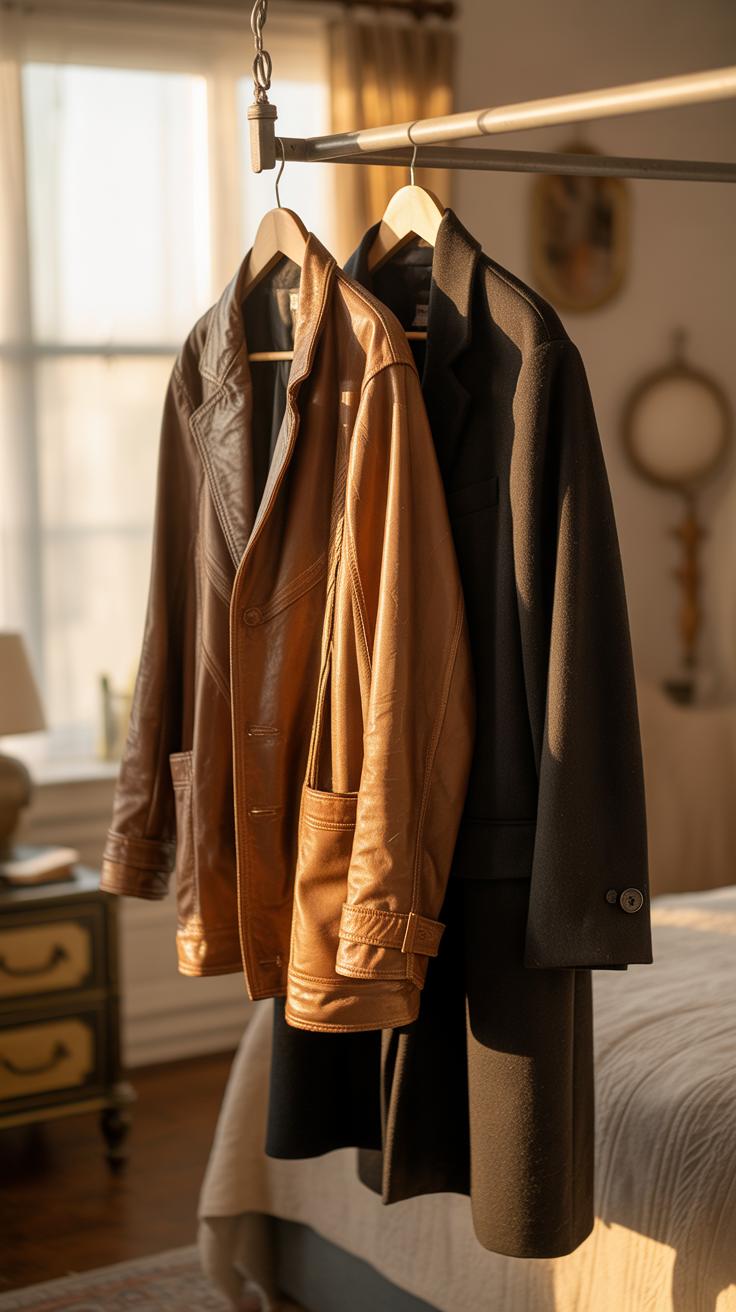
Fall jackets come in various styles, each suited for different occasions and climates. Denim jackets are casual, perfect for mild autumn days or layering over hoodies. They work best for weekend outings or casual office environments but aren’t great for wet or very chilly weather. Leather jackets, on the other hand, offer more warmth and a bit of edge. They fit well for evenings out or days when you want to elevate your look. Leather tends to be better in dry conditions since water can damage the material. Then there are trench coats—classic and versatile. These are great for rainy or windy days and can easily go from work meetings to dinner plans. While they aren’t the warmest option, pairing them with layers keeps you ready for fluctuating fall temps. Choosing between these comes down to how formal you want to look, your weather, and honestly, what feels comfortable. Sometimes, you want practicality; other times, style takes the lead.
When deciding on the jacket that fits your fall needs, think carefully about your local climate and daily activities. If you live somewhere where the temperature barely dips below 60°F, a lighter denim or unlined leather jacket might do just fine. But if your falls are colder and wetter, you might need heavier or water-resistant fabrics. Also, reflect on what you usually do outside. Are your days mostly spent commuting to work dressed casually, or do you spend weekends hiking or running errands? A trench coat might impress at the office but feel out of place on a trail. Consider layering possibilities, too. Sometimes, picking a jacket that fits easily over sweaters makes more sense than something bulky but warm. I’ve learned the hard way that a jacket too tight for layers ends up tossed to the back of the closet by midseason.
Caring for your jackets can extend their life, even if they get heavy use each fall. For denim, washing less frequently preserves the fabric, but when you do, turning it inside out helps keep color intact. Leather needs special attention—conditioners or specific leather cleaners prevent it from cracking or stiffening after months in storage. Avoid soaking or machine washes. Trench coats benefit from spot cleaning and occasional dry cleaning if the label says so. Storing jackets properly is just as crucial. Hanging them on sturdy, shaped hangers keeps their form intact and avoids wrinkles. Make sure they dry fully before wardrobe storage to prevent mildew or odor. A bit of care goes a long way to keep your fall pieces looking fresh, season after season.
Building a Layering System


Layering in fall is a bit of a balancing act. You want to stay warm but not feel like you’re wearing a ton of clothes all at once. It’s about combining thinner pieces in a way that traps heat but still looks put together. For example, starting with a basic long-sleeve shirt or thin turtleneck, then adding a sweater, perhaps a cardigan or a crewneck, and topping it off with a vest if needed. Each layer adds warmth without too much bulk, and you can take pieces off if the temperature shifts during the day.
Think of each item as a step—you don’t have to pile the heaviest sweaters first. Start light and build up. Combining cotton or lightweight wool shirts with slightly thicker sweaters creates enough space between layers, which helps keep you cozy without feeling overwhelmed. You’re basically creating a system you can adapt if it gets warmer or colder, and that flexibility is key. It’s a little like puzzle-solving, but with your clothes.
Key Layering Pieces to Own
Some pieces work better for layering than others. You’ll want to have:
- Long-sleeve tees or thin turtlenecks in neutral colors—great as a base
- Lightweight knit sweaters, like merino wool or cotton blends
- A versatile vest, whether fleece or quilted, adds warmth without restricting movement
- Button-up shirts, especially flannel or chambray, that can be worn under or over other layers
- A mid-weight cardigan that’s not too bulky but gives you options
Owning these basics means you won’t have to scramble when the weather changes suddenly. By mixing and matching, you can find combinations that feel comfortable and look polished. Plus, layering lets you get creative—it’s not just practical; it can be fun too.
Layering Mistakes to Avoid
One common mistake? Wearing all your heaviest pieces at once. It can feel like a straight jacket. Instead, choose layers that allow movement and breathability. Another slip-up is ignoring fit; bulky layers under tight jackets never look or feel good. If your sweater bunches uncomfortably under a coat, you might want a thinner layer there instead.
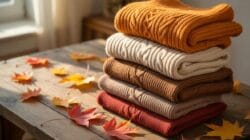
Also, don’t forget about fabric choices. Mixing different textures works, but avoid combining too many synthetic materials that trap heat and moisture. That’ll leave you sweaty or chilled, which is exactly what you want to avoid. Lastly, steer clear of too many bulky collars or hoods, which can make your neck area clunky and uncomfortable.
When in doubt, try layering in front of a mirror or during a quick walk. It’s the best way to spot what feels off—then adjust. After all, comfort is part of style.
Footwear for Fall Storms and Sun
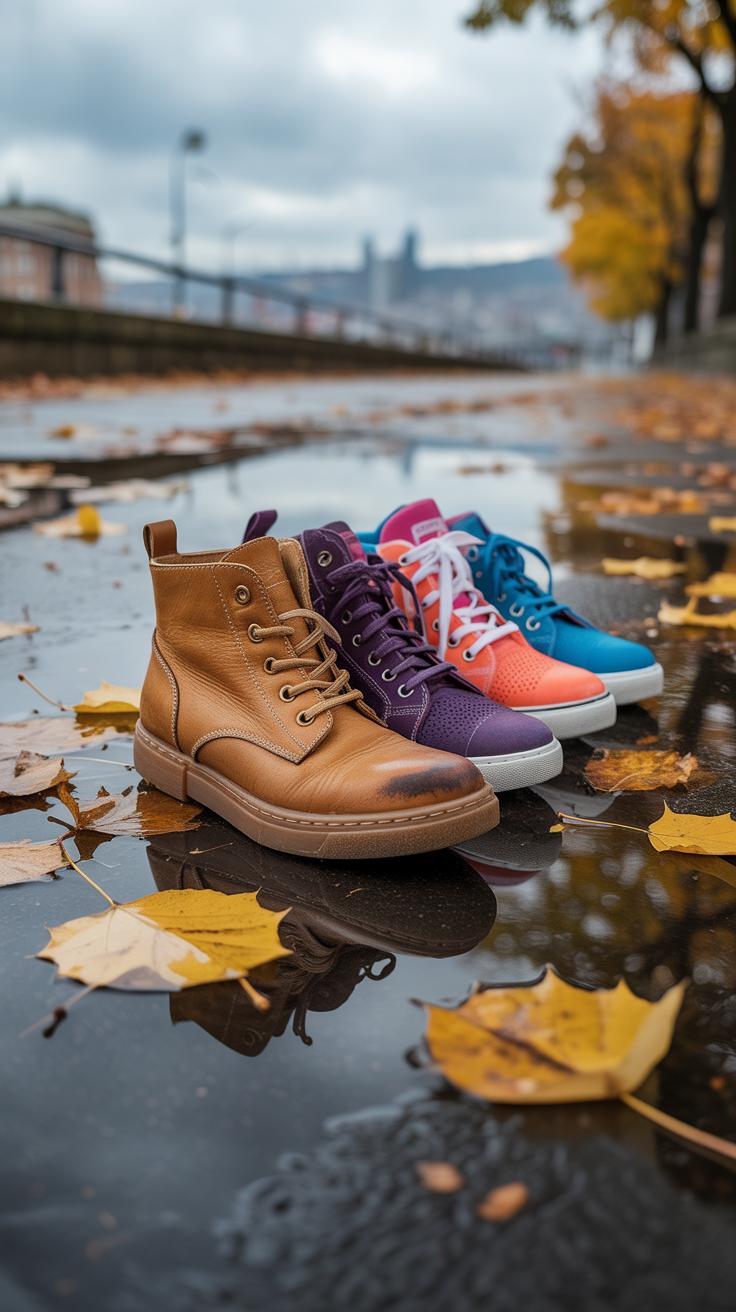
When fall arrives, your shoes need to handle all kinds of weather—rain one moment, dry and crisp the next. Boots are a classic go-to, and rightly so. Leather or waterproof materials, like treated suede or rubberized fabric, protect you well from puddles and mud. I’ve found that full-grain leather boots break in nicely and repel water better than cheap alternatives. But, they do require some upkeep, which I’ll touch on later.
Loafers can sometimes work for dry fall days, especially if you’re mostly indoors or in an office setting. Aim for those made with thicker, water-resistant leather rather than delicate materials. They won’t be comfortable stomping through a sudden shower, though. Sneakers, especially those with Gore-Tex or similar water-repelling membranes, offer a modern twist. They’re lighter and great for casual wear but may not last long if exposed to heavy rain.
Which to pick depends on where fall finds you. Do you face muddy sidewalks often? Or mostly dry streets with a brief drizzle? These factors can steer your choice. I tend to lean on boots for reliability but keep a pair of water-resistant sneakers on hand for less demanding days.
Boot Styles for Different Outfits
Boots aren’t one-size-fits-all, and that’s part of the charm. Chunky work boots add a rugged touch, perfect with jeans or flannel shirts for casual weekends. On the other hand, sleek Chelsea boots easily elevate a tailored fall ensemble—think slim trousers and a wool coat, comfortable in a casual office but sharp enough for a dinner out.

There’s also the desert boot, a sort of in-between. Made of softer suede, these fit well with chinos or corduroys and can balance casual with semi-formal. But they’re not ideal in wet conditions unless you treat them well first.
Lastly, consider harness or engineer boots—they carry a guitar player’s attitude and pair well with rugged outerwear, yet might feel heavy for everyday wear. It’s odd how a single pair can change the whole vibe of an outfit, isn’t it?
Maintaining Shoes in Fall Weather
Keeping your shoes sound through fall’s unpredictable weather requires some effort. Rain and mud can ruin materials quickly if left untreated. A good rule? Apply a waterproofing spray or wax before the season truly starts. It’s a small, almost tedious task but pays off.
Once you’re home, wipe dirt and moisture off as soon as possible. Leaving mud to dry on leather can cause cracks or stains that don’t simply wash away later. Using a shoe brush or soft cloth works well.
Also, rotating your footwear lets each pair dry and rest. If you don’t, damp shoes hold onto odors and lose shape faster. Storing them with shoe trees made of cedar can help maintain form and absorb moisture too. I admit, I’ve skipped this step and regretted it when my boots lost their shape after a week of constant wear.
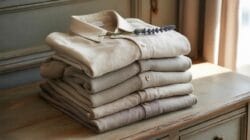
Do you care for your shoes regularly, or do they only get attention when something’s visibly wrong? I’ve found routine maintenance makes a surprising difference—not just in appearance, but how long shoes last into the next season. Maybe it’s time to give your fall footwear a little more attention.
Incorporating Fall Colors and Patterns

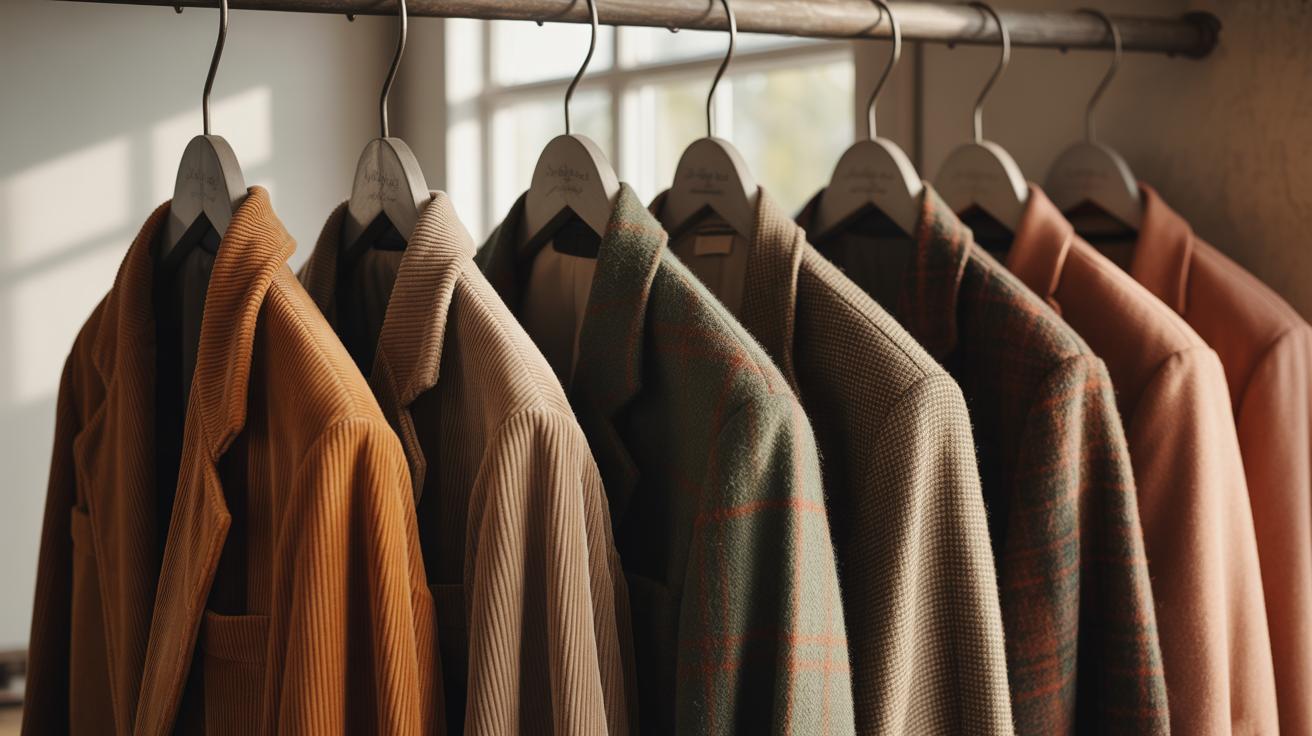
Fall colors are often grounded in earth tones: think warm browns, muted greens, deep rusts, and soft mustard yellows. These shades feel natural and comforting, yet they can sometimes risk blending together if you’re not careful. To avoid that, try mixing a couple of these tones in your outfit, rather than sticking to just one. For example, pairing an olive sweater with a rust-colored scarf can add subtle contrast without overwhelming your look.
Plaid patterns are another key piece for fall. They bring texture and visual interest, especially when layered. You might wear a plaid shirt under a solid cardigan or choose plaid trousers paired with a simple top. But mixing plaids with other patterns calls for a bit of caution. Stick to variations in scale — a large, bold plaid with a tiny, understated stripe usually works well.
Selecting Colors That Match Your Style
Pick fall colors that feel right for you, not just what’s popular. Your skin tone plays a role, sure, but personal comfort matters more. If you have warmer undertones, shades like burnt orange or olive tend to brighten your complexion. Cooler undertones might be better off with deeper blues or plums. That said, sometimes wearing an unexpected color can surprise you in the best way.
Also, consider your lifestyle. If your daily routine is mostly outdoors, earthy greens and tans might blend in perfectly. But if you want to stand out a bit at work or social outings, a pop of dark red or muted teal can spice up your outfits. There’s no absolute rule here—what feels stylish is often about experimenting.
Pairing Patterns for a Balanced Look
Mixing patterns can be tricky, especially in fall when different textures and prints abound. One safe approach is sticking to one dominant pattern and using smaller, subtler patterns as accents. For instance, pair a large plaid coat with a thin striped scarf.
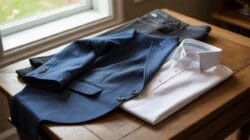
Another trick is to use a common color to tie different patterns together. If your floral top has olive shades, you could wear a plaid skirt that picks up that exact green. And remember, plain pieces help balance any patterned mix, giving your outfit room to breathe.
Sometimes, the risk pays off. A bold mix of patterns can work, if you keep shapes and scale in check. So if you love a patterned look but worry about clashing, try layering items separately at first. That way, you can better judge which combinations feel right without diving in headfirst.
Fall Accessories to Complete Outfits
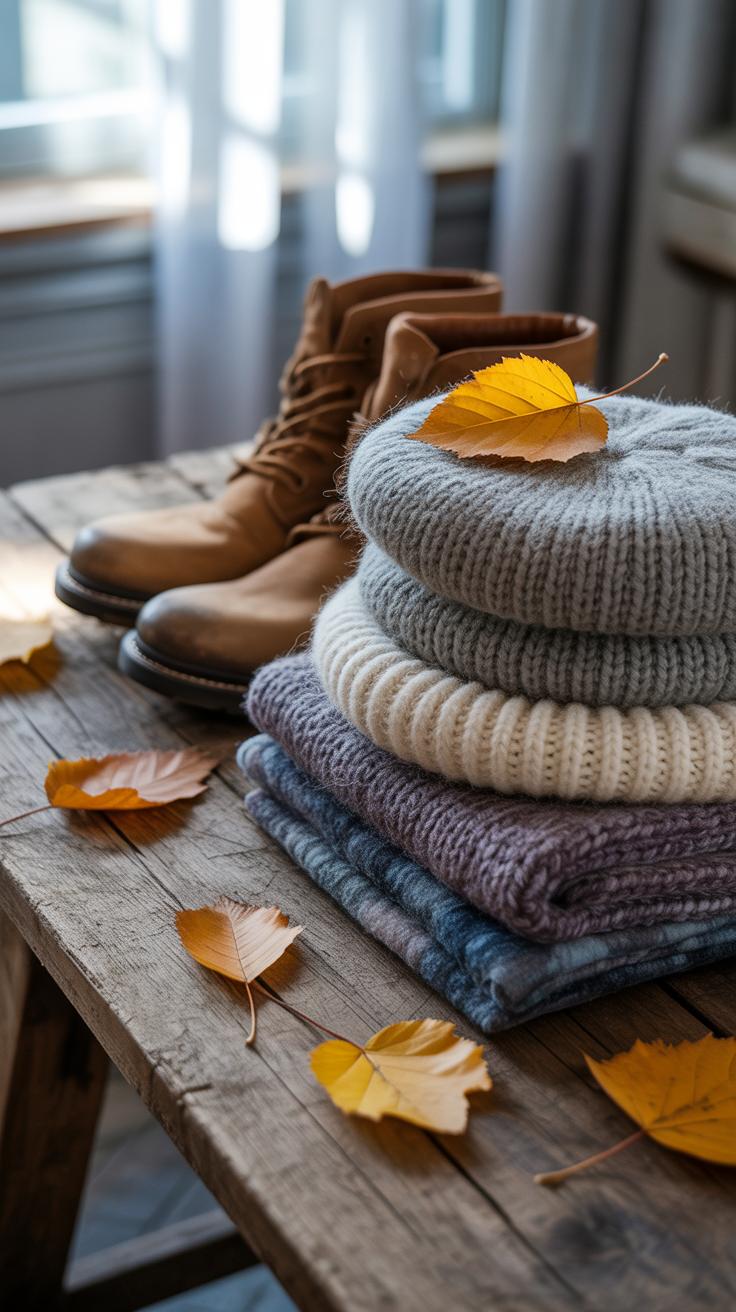
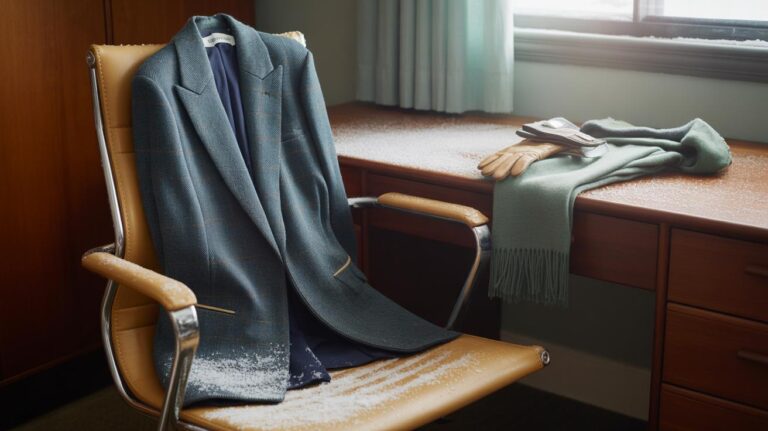
Scarves, hats, and gloves are not just about keeping warm; they can really change the whole feel of your outfit. A wool scarf, for example, can serve a practical purpose by blocking chilly winds but also add a layer of texture and color. Think about a simple gray scarf that pairs with nearly everything in your wardrobe, or a plaid one that brings a quiet pop to neutral tones.
When picking accessories, it’s good to find pieces that work both ways—functional and stylish. Leather gloves with a soft lining feel great but also look sharp, especially when you’re stepping out in a structured coat. And hats, whether it’s a fedora or a knitted beanie, can brighten up a dull fall day. I mean, sometimes it’s the small things that pull together a look, right?
Matching your accessories with outerwear can feel tricky at times, but there are some easy rules to follow. Pair chunky knit scarves with casual puffer jackets for a cozy vibe. Sleek, smooth gloves go better with tailored trench coats, while soft felt hats complement wool peacoats nicely. Just watch for clashing patterns or too many textures—it’s about creating a subtle balance, not an overload.
Sweaters That Work All Season
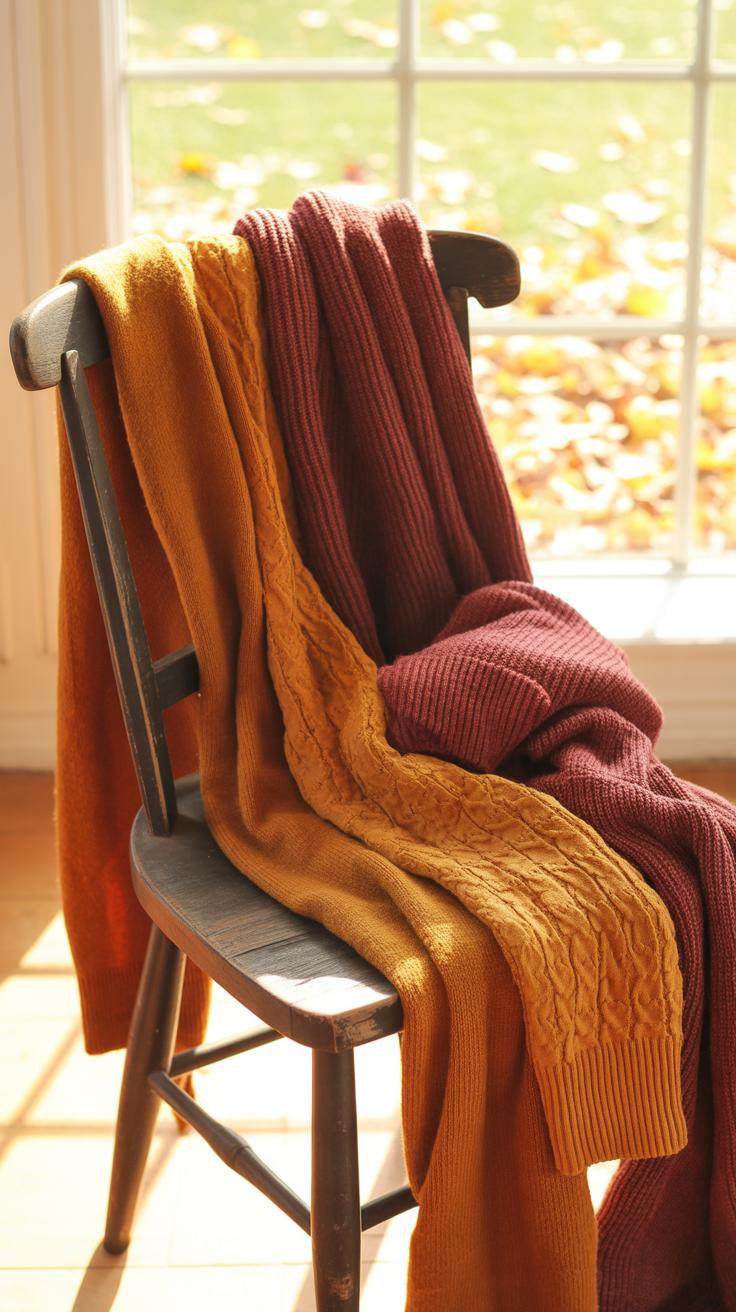
Choosing Sweaters for Warmth and Style
When picking a sweater for fall, it’s tempting to grab whatever feels soft, but there’s a bit more to it. Think about where you’ll wear it and what temperatures you might face—some days are chilly, others just crisp enough to need a light layer. For casual outings, cotton blends work well—they breathe and aren’t too heavy, so you don’t overheat indoors.

Wool or cashmere sweaters can add warmth and polish if you’re dressing up or need extra insulation. Though, I find that sometimes wool can feel itchy or stiff unless you’ve tested it first. Layering plays a key role too—thin merino wool or fine-gauge knits slide easily under jackets without bulk, while chunkier cable knits serve better as standalone pieces.
Also, consider styles: a crew neck might pair well with a collared shirt underneath, whereas turtlenecks offer a sleek look on their own. It’s a little tricky deciding between comfort and style, especially when unpredictable weather throws you off. Do you sacrifice some warmth for breathability? Maybe, sometimes.
Sweater Care Tips for Longevity
Keeping sweaters fresh isn’t complicated, though it does take some routine. After wearing, air them out—no need to wash after every use unless they’re stained or smell. Washing too often wears out fibers faster, and machine cycles can be rough.
Hand washing or using a delicate cycle with cold water helps maintain shape. Also, skip the dryer. Laying sweaters flat to dry prevents stretching or misshaping—hanging often makes shoulders droop. Storing sweaters folded rather than hung preserves their form, too.
And, if you notice pilling, a gentle comb or fabric shaver works wonders. It’s easy to overlook these small steps, but they truly extend the life of your favorite fall pieces. Sometimes I forget and end up tugging a sweater back into shape—does anyone else do that? Anyway, little efforts go a long way with sweaters.
Mixing Casual and Dressy Pieces
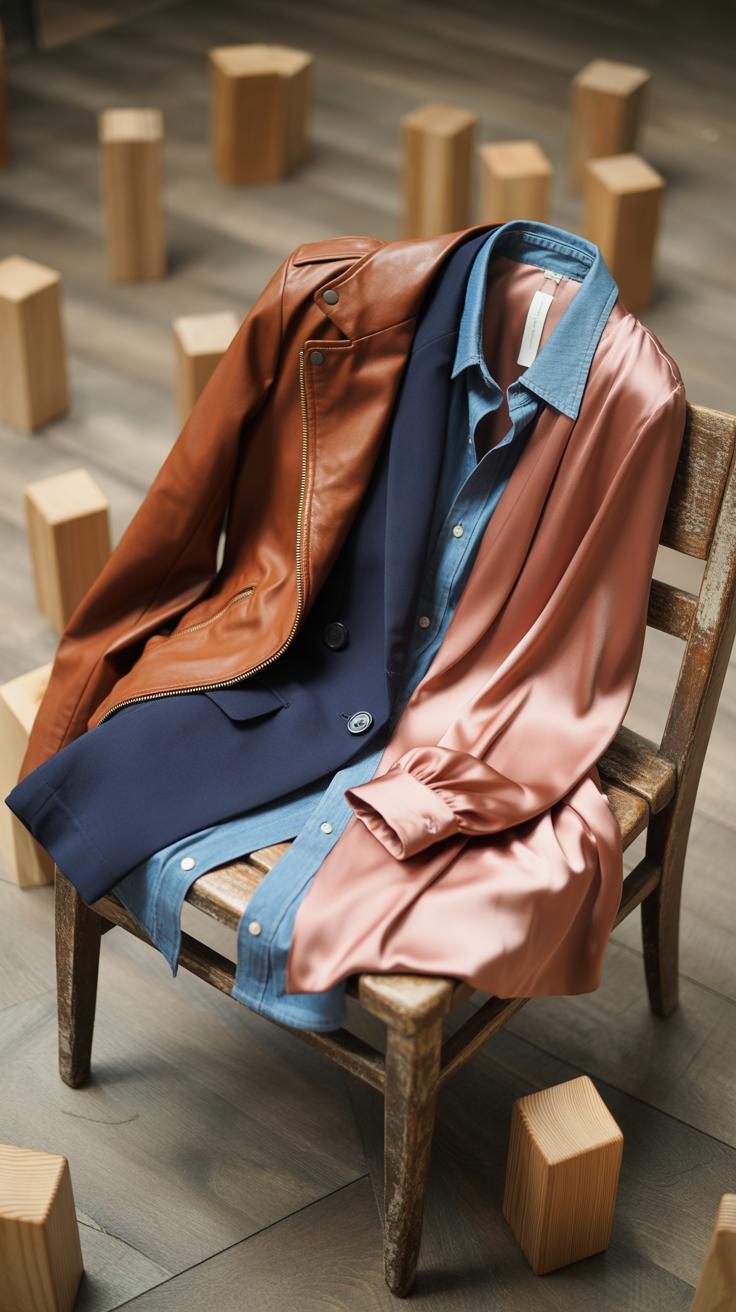

Combining casual basics with dressier items can feel like a puzzle at first, but once you get the hang of it, it opens up a lot of options for fall. Think of your favorite jeans paired with a sharp blazer — suddenly, what was just comfortable daywear becomes office-ready. Or maybe a cozy knit sweater layered under a structured coat adds a touch of polish without losing that easy vibe. It’s about balance. Not too formal, not too relaxed.
For work, consider a simple turtleneck with tailored trousers and ankle boots. Swap the boots for sleek loafers or heels for meetings or after-hours drinks. For social events, a printed midi skirt with a chunky sweater can work, especially when you add a leather jacket or statement boots. The trick? Keep one piece grounded in comfort, and the other more refined. That way, your outfit doesn’t scream “trying too hard” or feel too laid-back.
Example Outfits Blending Comfort and Formality
Try these combos if you’re stuck:
- Soft cashmere sweater + dark skinny jeans + pointed-toe ankle boots + blazer
- Button-down shirt tucked into midi skirt + chunky knit cardigan + heeled boots
- Classic white tee + tailored wide-leg pants + structured trench + leather loafers
- Fitted knit dress + oversized denim jacket + sleek belt + heeled booties
Each mixes something relaxed with something sharper, letting your outfit flex from casual meetings to more polished settings.
Tips for Transitioning Daywear to Evening
Switching from daytime to evening looks doesn’t mean a full outfit change. Small tweaks go a long way:
- Add jewelry like bold earrings or layered necklaces to dress up a casual base
- Swap out a cardigan for a structured blazer or leather jacket
- Change flat shoes to heels or dressier boots
- Apply a darker, moodier makeup look or change your hairstyle to something sleek
- Carry a smaller, dressier bag instead of your roomy daytime tote
Sometimes, just pulling your hair up or adding a touch of lipstick makes you feel completely different, even if your clothes stay mostly the same. It’s these simple shifts that keep your fall wardrobe practical without sacrificing style. Ever tried to wear a comfy sweater out to dinner? A quick style update often surprises you—maybe it’s your new favorite trick.
Buying Quality Versus Quantity
How Quality Impacts Wardrobe Longevity
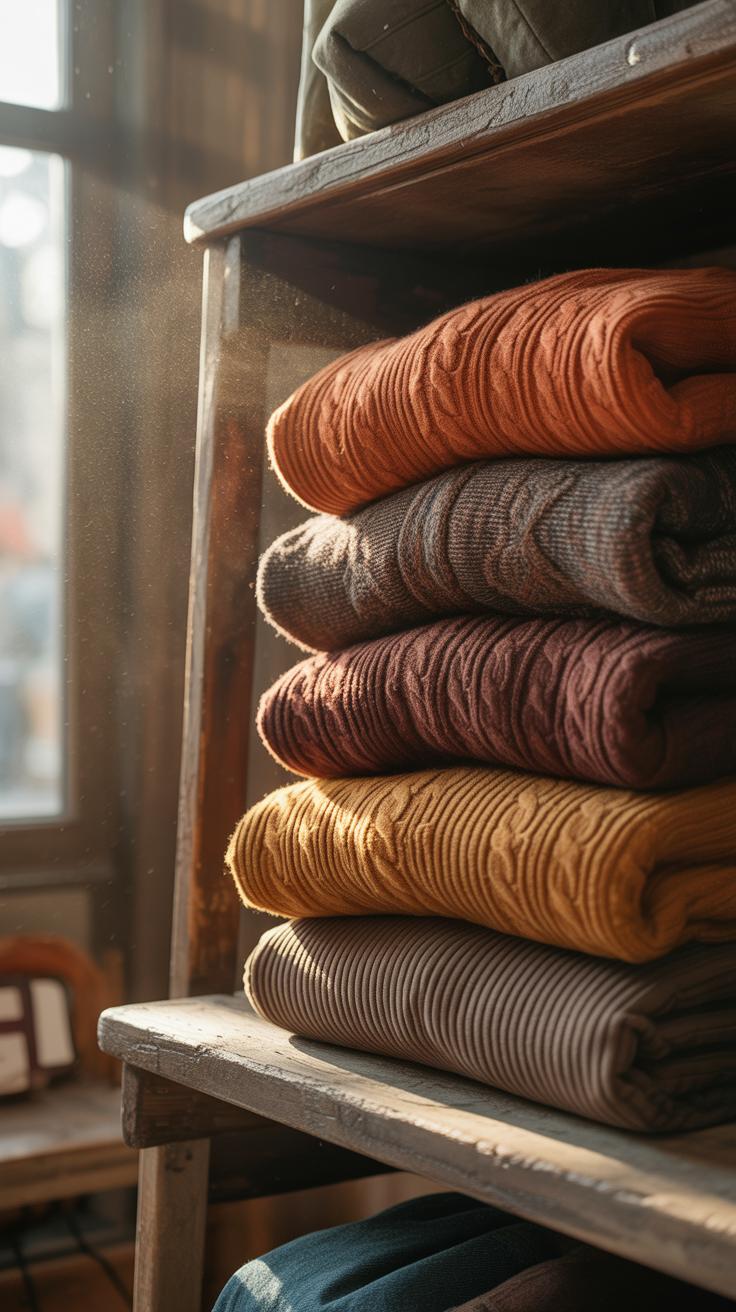
When you invest in higher-quality fall essentials, you’re really choosing durability. Not just for a season, but often for years. I mean, a well-made wool sweater or a sturdy leather boot can last through countless falls without showing much wear. Contrast that with cheaper items that might stretch out, fade, or lose shape after just a few washes.
Quality also goes beyond just lasting longer; it often feels better to wear. The fabric breathes, the cuts fit more comfortably. It’s a quiet kind of satisfaction that you notice little by little—like not having to fiddle with your sleeves all day or the peace of mind that your coat won’t fall apart on a chilly morning.
So yes, quality is an upfront cost. But the payoff is a closet that doesn’t fill up with fast fashion that you’ll regret soon after buying.
Budget Tips for Quality Fall Fashion
You might be thinking, “But quality usually means high prices, right?” Well, sometimes yes, but there are ways to stretch your budget and still walk away with good pieces. Let me share what’s worked for me and many others:
- Shop off-season sales. End-of-fall clearances can bring great items down to affordable prices.
- Explore thrift stores or online resale platforms. Gently used quality pieces often pop up there, and it takes patience but can be rewarding.
- Focus on timeless basics. These tend to be marked down less but hold their value longer, so you might want to splurge a little here.
- Wait for local brands or artisan makers to offer discounts. Sometimes smaller producers price more fairly than big-name fast fashion.
Not every piece you own needs to be luxury-level. But if you pick a few items carefully, you’ll notice they carry your wardrobe in style and comfort through many seasons.
Organizing Your Fall Wardrobe
Preparing Wardrobe for Seasonal Change
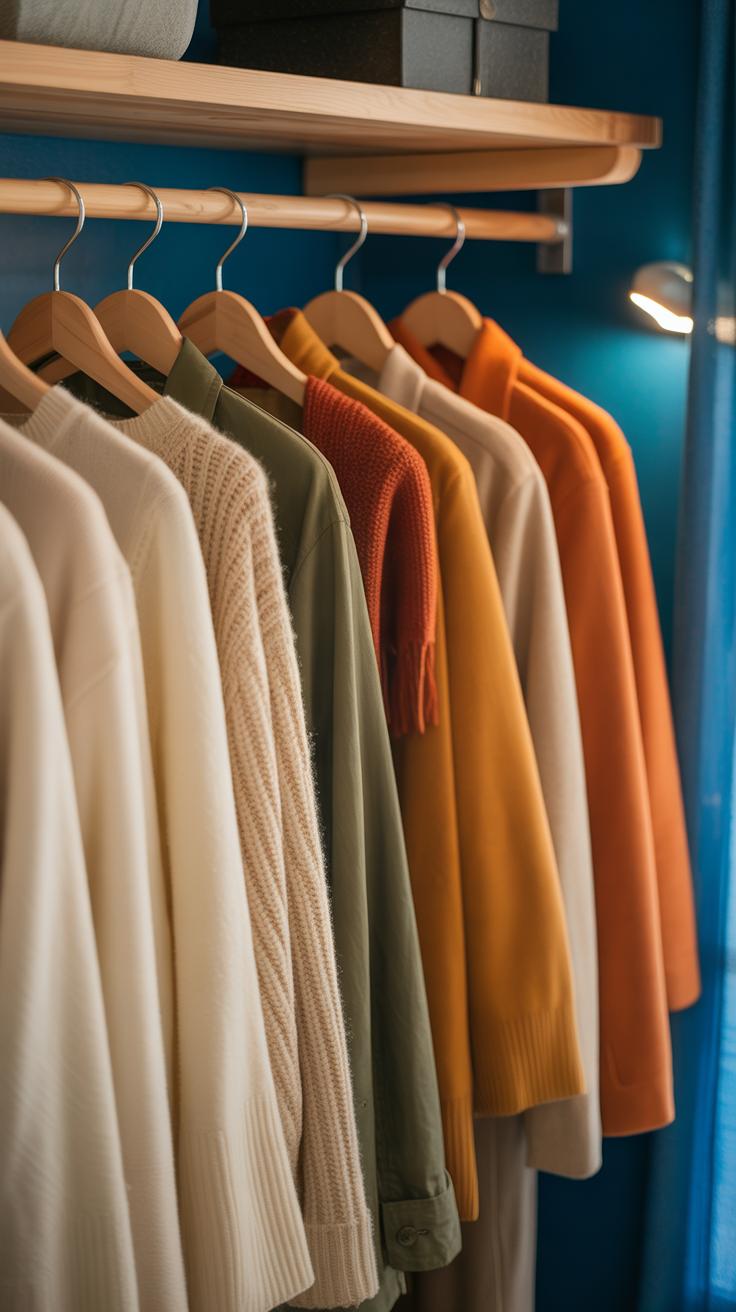
Switching from summer to fall clothes isn’t just about swapping tanks for sweaters. It’s a process that can actually make your daily dressing easier—if done thoughtfully. First, take time to review what you wore this past summer. What did you really reach for? What sat forgotten? This little reflection can help decide what truly deserves space in your closet.
Next, pull out your fall items—jackets, boots, scarves—and check for any repairs or cleaning needs. Nothing worse than unpacking a sweater only to find a snag or stain.
Clear out the warm-weather pieces to make room, but don’t just shove them in a corner. Fold delicate items neatly. Maybe pack away bulky ones to avoid clutter. I’ve found that labeling these boxes by type or occasion saves hours in future searches.
Storage Solutions for Fall Clothes
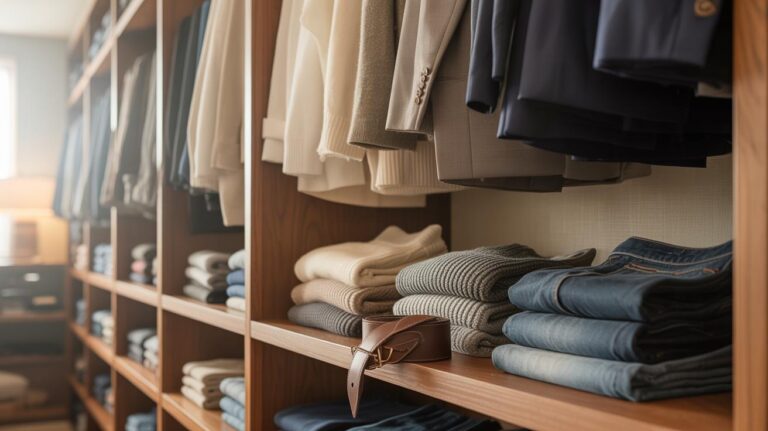
Fall clothes like knitwear and coats need a bit of care when stored. Airflow matters. Breathable cloth bags or fabric storage bins work better than plastic ones, which can trap moisture and cause mustiness. You might want to add cedar blocks or lavender sachets; they seem to keep moths and odors at bay without overpowering your garments.
Vacuum-sealed bags sound tempting for saving space but use them cautiously. Compressing wool or cashmere too much can damage fibers over time.
For items you’ll use often through fall, think about accessibility. Open shelves or clear bins make it easier to spot what you need quickly, cutting down on the morning scramble.
Planning Outfits Ahead for Weekdays
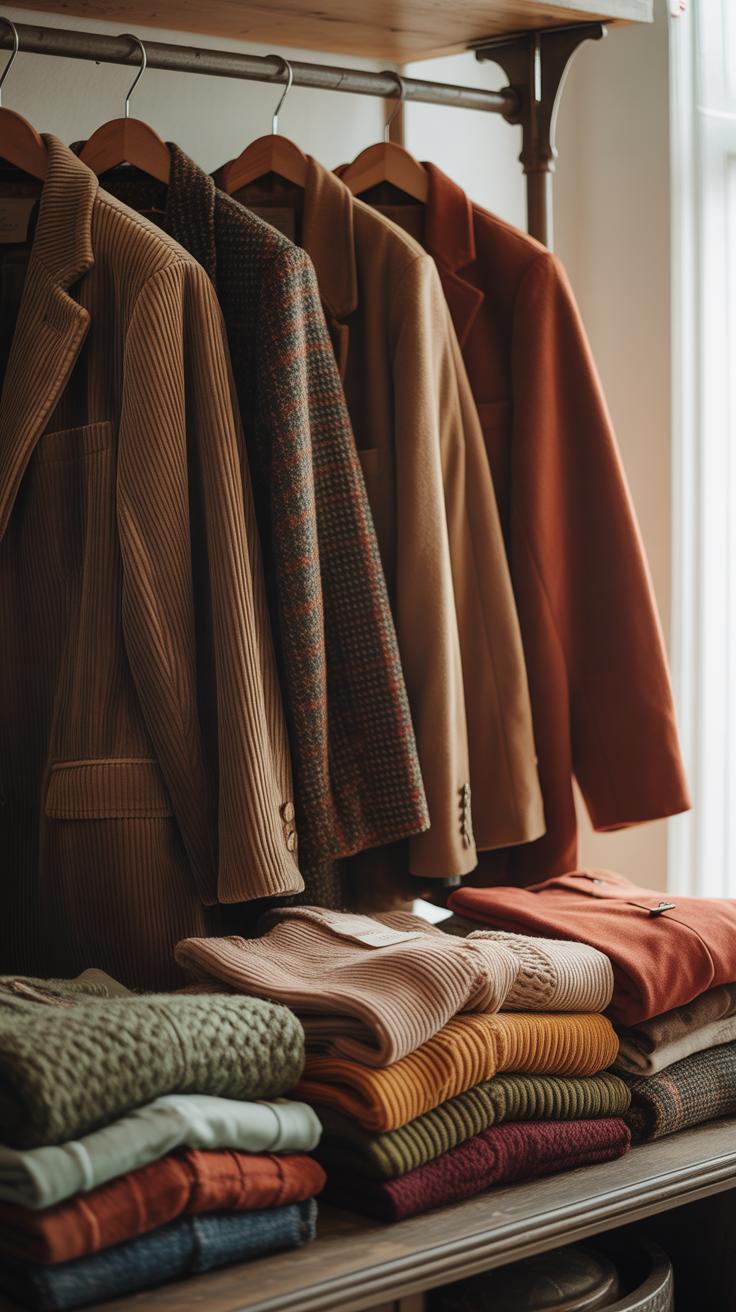
Getting dressed on busy weekday mornings can be a bit of a scramble, especially in fall when layering becomes essential. One way to ease that rush is by planning your outfits a day or two ahead. You might think it sounds like extra work, but it really saves time and stress later. Plus, it helps you avoid last-minute decisions in half-awake moments — you know, when you’re just guessing what’ll go well together.
Try setting aside a few minutes on Sunday evening to map out your outfits for the week. Pick your main pieces first, like your favorite cozy sweater or those well-fitting jeans, then build around them. Mixing and matching can feel less daunting when it’s all laid out in advance.
Creating a Fall Outfit Checklist
It helps to have a simple checklist or formula that fits your style and schedule. Something like:
- Start with a base: jeans, trousers, or a skirt.
- Add a top: long-sleeve shirt, blouse, or sweater.
- Layer: cardigan, jacket, or vest.
- Footwear: boots, sneakers, or loafers.
- Accessories: scarf, hat, or belt.
This checklist can act like a quick guide. You don’t have to think too hard each morning. Over time, you might find your favorite combos faster, but the checklist keeps you from staring blankly at your closet.
Tracking Weather for Outfit Decisions
Fall weather can be so unpredictable. One morning feels crisp and chilly, the next surprisingly warm. Checking the weather daily sharpens your outfit choices. I usually glance at both temperature and forecasted rain — it matters whether to grab an umbrella or a thicker coat.
Even if it’s just a quick look at your phone, that small habit cuts down on those moments when you’re freezing or overheating at work because your clothes didn’t match the weather. Maybe consider keeping a light jacket handy on milder days and switching to heavier layers only when the forecast truly calls for it.
Thinking about how the weather shifts, combined with prepping outfits ahead and using a checklist, you can avoid morning chaos and dress comfortably for whatever fall tosses your way.
Conclusions
A well-rounded fall wardrobe starts with the right essentials. These key pieces support both comfort and style as the weather shifts. By focusing on versatile items like outerwear and layering pieces, you prep your closet for many occasions.
Remember to pick fall essentials that fit your lifestyle and personal taste. With smart choices, you build a practical wardrobe that makes dressing easy during cool months. Invest in quality basics, and your closet will serve you well into every fall season.