What Is A Zero Waste Wedding And Why Does It Matter
Understanding The Environmental Impact Of Traditional Weddings
Traditional weddings produce massive amounts of trash in a single day. Most celebrations generate hundreds of pounds of garbage from plastic packaging and discarded food. Single use decor and cheap party favors end up in landfills immediately after the event. The carbon footprint grows through long distance travel and heavy resource use. This cycle creates a significant negative impact on local ecosystems and global climate health.
The floral industry and catering sectors contribute heavily to this waste. Imported flowers require high energy for transport and chemical treatments for preservation. Unused food often goes to waste because of strict health codes or poor planning. Standard wedding practices prioritize temporary aesthetics over long term sustainability. Recognizing these facts allows couples to identify specific areas for change. Zero waste strategies target these high impact zones to reduce the total environmental load.
The Real Benefits Of Choosing A Waste Free Wedding
Choosing a waste free wedding reduces your total costs. You save money by cutting out useless items like plastic favors and paper programs. Renting high quality goods is cheaper than buying new single use items. This approach focuses your budget on better food and meaningful experiences. You pay for quality instead of quantity. Strategic planning ensures every dollar spent supports a functional and sustainable goal.
Sustainability also simplifies the planning process. You deal with fewer vendors and less physical clutter. Using local resources reduces shipping delays and logistics headaches. A zero waste framework forces you to make intentional choices. You avoid the stress of managing hundreds of small disposable pieces. This efficiency leads to a cleaner event design and a more relaxed atmosphere. It proves that luxury and environmental responsibility can exist together through smart management.

Setting A Budget For Your Low Waste Wedding Without Compromising On Style

How To Prioritize Spending On Sustainable Choices That Save Money
Traditional wedding budgets follow a standard formula that often maximizes waste. You must pivot. Direct your funds toward high quality rental items rather than cheap disposables. Renting high end linens and glassware eliminates trash and saves on bulk purchase costs. This shift focuses your capital on the guest experience. It removes the hidden costs of storage and disposal for single use items.
Analyze your guest list to reduce food and beverage waste immediately. Overproduction is the biggest budget killer in events. Hire caterers who practice nose to tail cooking or farm to table sourcing. These vendors often have better margins because they use every part of the ingredient. You pay for better quality food rather than extra pounds of wasted scraps. Efficiency drives both sustainability and your bottom line.
Free And Low Cost Resources For Planning A Low Waste Wedding
Utilize digital coordination tools to eliminate paper waste entirely. Digital RSVPs and wedding websites cost significantly less than traditional stationery suites and postage. These platforms provide real time data tracking for your guest counts and dietary needs. Accurate data prevents over ordering supplies. This strategy keeps your budget locked on actual needs rather than expensive and wasteful estimates or printed invites.

Source decor from local community resale groups and specialized wedding exchange platforms. Many couples sell high quality centerpieces and signage at a fraction of retail prices once their event ends. This circular economy model keeps materials out of landfills and protects your cash flow. Reuse movements emphasize the value of existing materials. Buying used items ensures your budget supports the local economy instead of mass production factories.
Eco Friendly Wedding Ideas For Invitations And Stationery
Switching To Digital Invitations And What Platforms Work Best
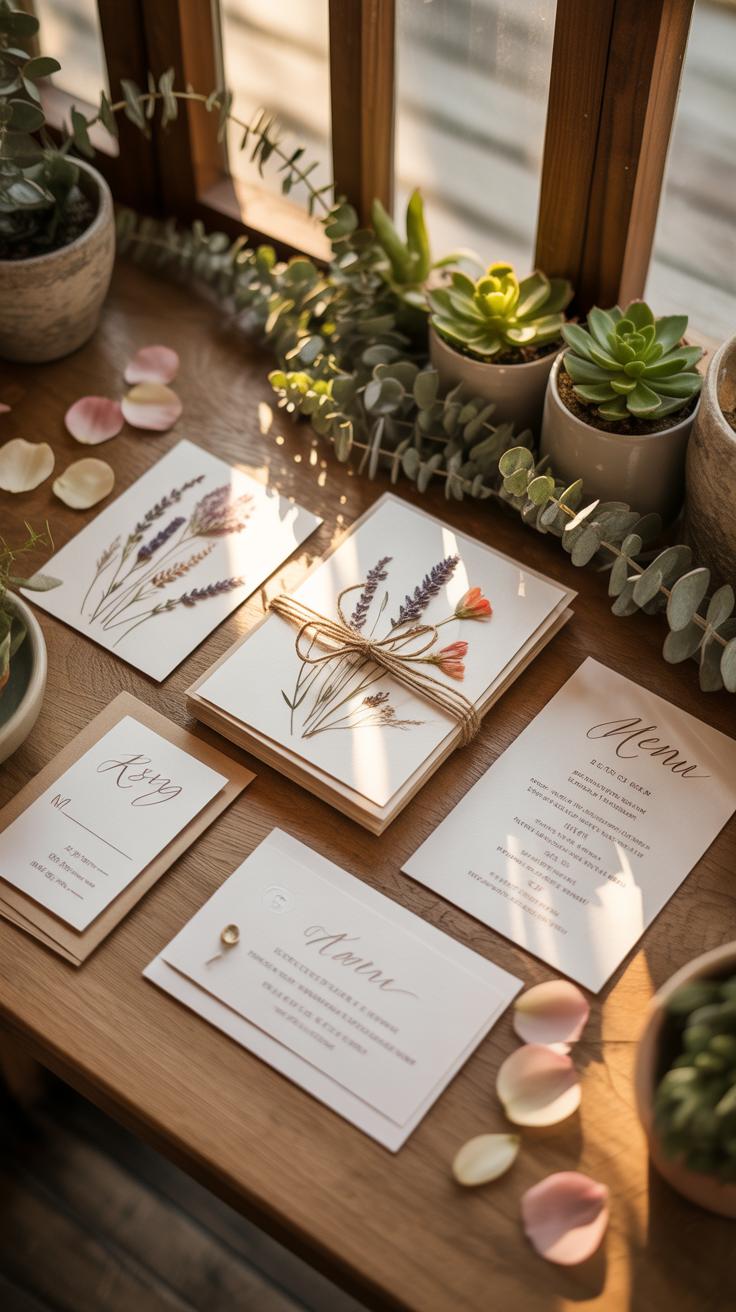
Digital invitations eliminate paper waste and shipping emissions entirely. This tactic removes the cost of stamps and expensive printing services. Modern couples use digital platforms to track guest responses in real time. This approach ensures no physical materials end up in a landfill. It also simplifies the guest experience by providing direct links to maps and gift registries on one screen.
Platforms like Paperless Post and Greenvelope mimic the look of traditional stationery without the environmental toll. These services offer robust RSVP tracking and messaging tools for instant updates. Managing a guest list digitally prevents the loss of mail and reduces administrative errors. Choose a platform that provides an ad-free experience to maintain a formal tone. Using digital tools is the most effective way to reach zero waste.
Choosing Recycled Or Seed Paper Stationery When Print Is Necessary
Traditional paper production relies on heavy chemical use and massive water consumption. If you must print physical cards, select 100 percent post-consumer recycled paper. This material uses existing fibers and requires less energy to produce than virgin paper. Look for FSC-certified stocks to ensure the wood pulp comes from responsibly managed forests. Avoid glossy coatings or metallic foils because they make paper non-recyclable.

Seed paper offers a functional end-of-life plan for stationery. Manufacturers embed wildflower or herb seeds into biodegradable pulp during the production process. Guests can plant the invitation in soil instead of throwing it in the trash. This method turns a potential waste product into a source of local biodiversity. Always use natural vegetable-based inks for printing. This ensures that no toxic chemicals leak into the ground when the paper breaks down.
Sustainable Wedding Ideas For Your Venue And DCor
Selecting An Outdoor Or Already Decorated Venue To Minimize Waste
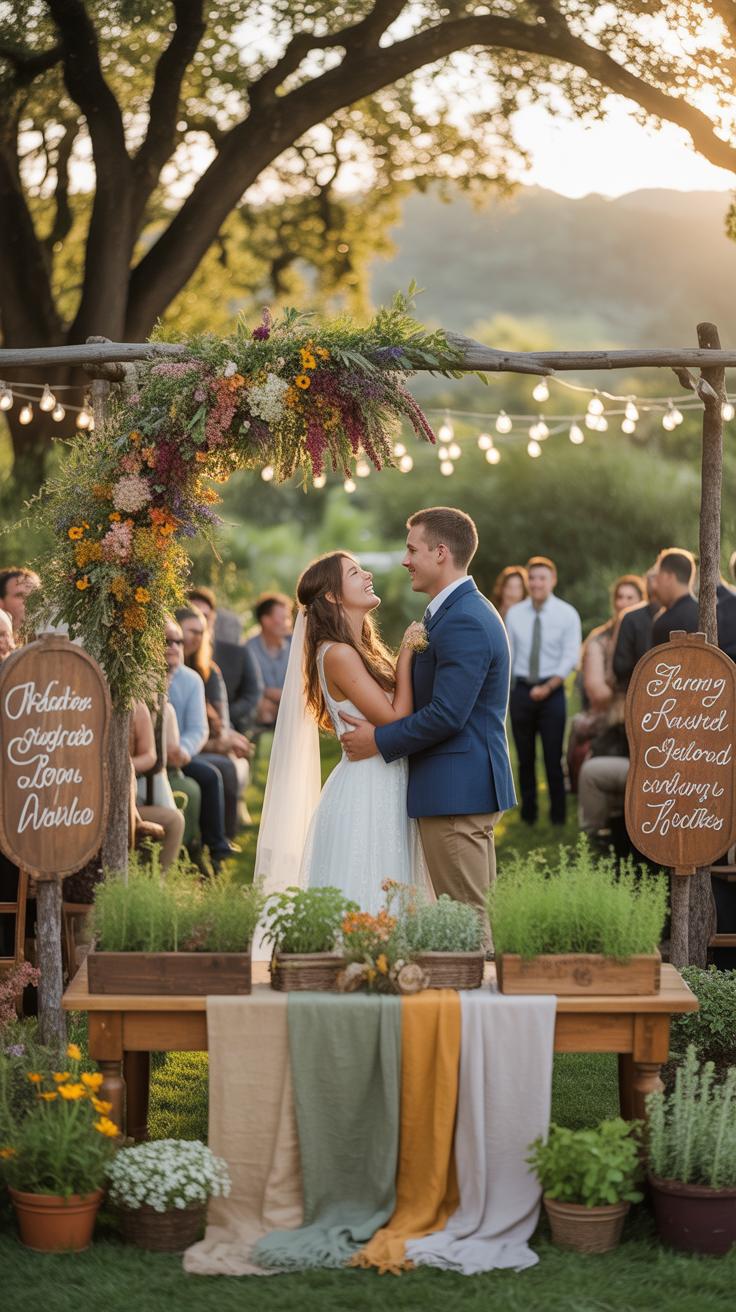
Outdoor venues use natural landscapes as the primary backdrop. This strategy reduces the need for synthetic decorations. Public parks and botanical gardens offer structural beauty that requires zero additional setup. Choosing a space with existing flora eliminates floral waste. You also reduce energy consumption by utilizing natural daylight. This approach cuts the carbon footprint and lowers the total procurement of single use items.
Historical architecture and art museums provide built in aesthetics. These venues feature permanent installations and period details. You save money by not covering up the space. Seek venues with high quality lighting and furniture already on site. This prevents the transport of heavy rental equipment. Minimizing logistics reduces fuel emissions. A well chosen venue serves as the main décor. This is the most effective way to reach zero waste.
Renting, Borrowing, And Upcycling Decorations Instead Of Buying New
Buying new wedding décor creates a cycle of waste. Most items serve a purpose for only five hours. Renting professional gear ensures high quality without the burden of ownership. Event companies maintain inventory for hundreds of uses. This supports a circular economy. Borrowing from recently married friends is another tactic. It keeps functional items out of landfills. Use items that already exist in your local community.

Upcycling turns discarded materials into functional assets. Use glass jars for lighting or vintage fabrics for linens. This method mirrors the Arts and Crafts movement values. It focuses on hand craftsmanship and simple materials. Focus on wood, metal, and glass. These materials are durable and recyclable. Avoid plastic and composite materials that cannot be repurposed. Tactical sourcing prevents post event trash. Every item must have a plan for after the wedding.
Sustainable Wedding Ideas Eco Friendly Couples Love For Attire And Accessories
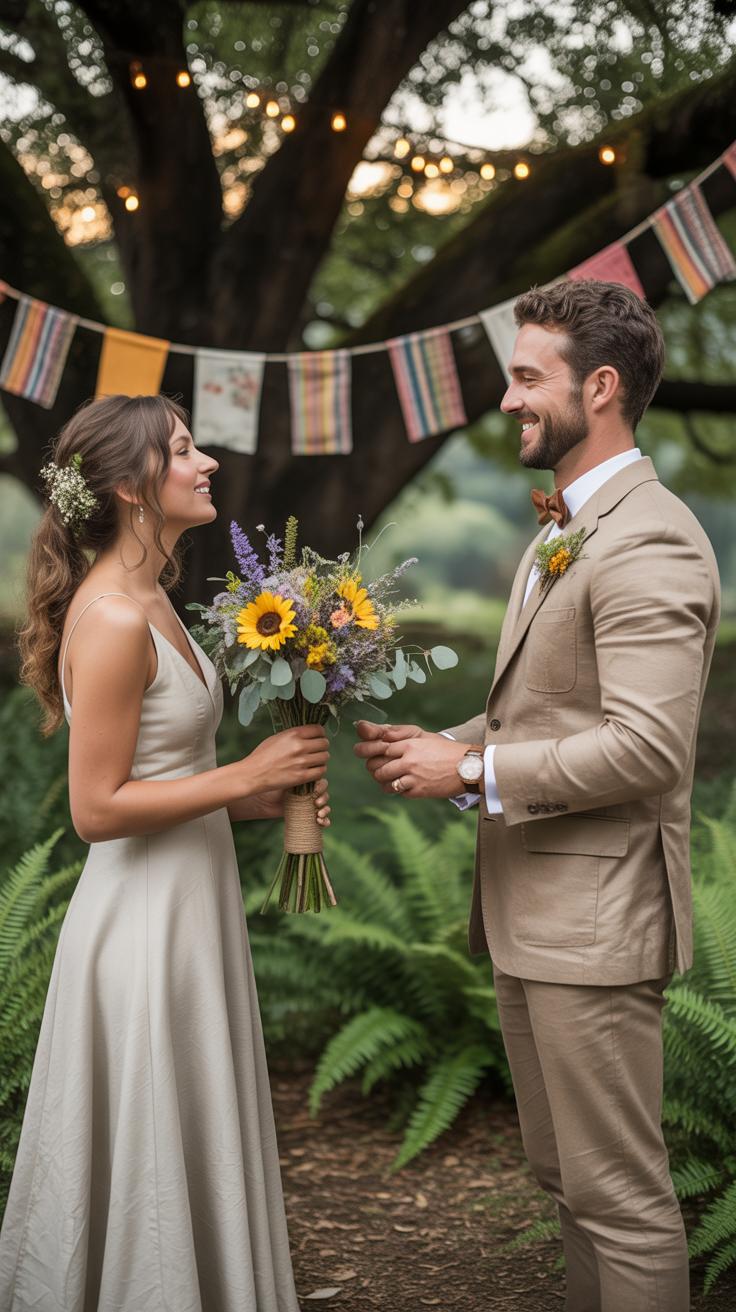
Buying Secondhand Renting Or Choosing A Rewearable Wedding Dress
The fashion industry produces massive waste and Carbon emissions. Most wedding dresses use polyester which is a plastic derivative. This material does not biodegrade. Buying a new dress for one day creates a heavy footprint. Tactical couples choose pre owned gowns from online marketplaces. This keeps existing garments in use. It also cuts costs by fifty percent or more.
Renting is the most efficient choice for zero waste goals. Rental services manage cleaning and repairs. This maximizes the life cycle of every garment. If you buy new, choose a simple silk or linen dress. These natural fibers are compostable. Pick a silhouette you can wear to other events later. Avoid beads and sequins. These plastic pieces often fall off and enter waterways.
Ethical And Sustainable Options For Wedding Rings And Jewelry
Gold mining destroys habitats and uses toxic chemicals like cyanide. Traditional diamond mining also causes significant land displacement. To avoid this impact, look for recycled metals. Many jewelers now use gold and platinum recovered from old electronics or jewelry. This removes the need for new mining entirely. It is a factually superior choice for the environment and your budget.

Lab grown diamonds offer a clean alternative to mined stones. They have the same chemical structure but require no digging. You can also repurpose family heirlooms for a zero waste approach. Reusing an existing ring requires zero new energy or materials. Check for certifications like Fairmined or Fairtrade. These labels prove the metal meets high social and environmental standards during production.
Low Waste Wedding Ideas For Food Drink And Catering
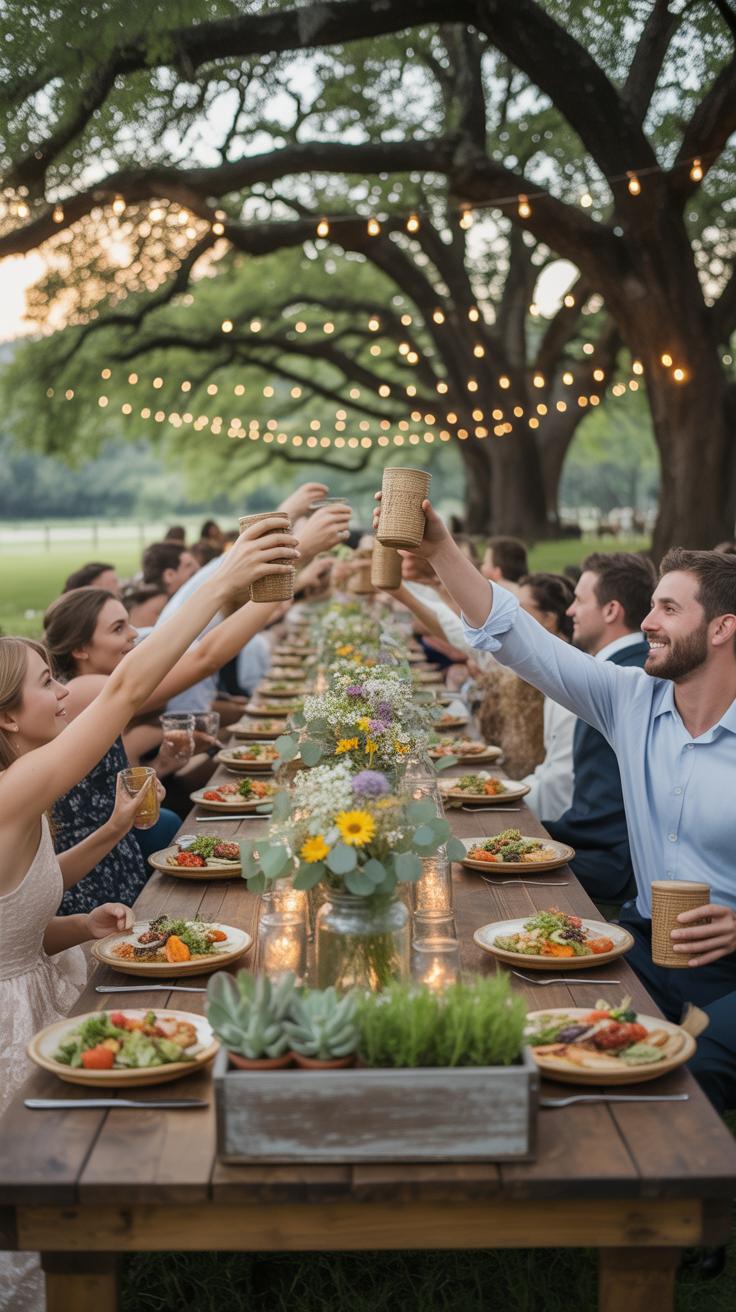
Working With Caterers Who Prioritize Local, Seasonal, And Plant Based Menus
Standard catering creates massive carbon footprints through long distance shipping. You must hire vendors who source ingredients from local farms. This strategy reduces transport emissions and supports the regional economy. Ask for a menu based on seasonal harvests to ensure peak quality without greenhouse cultivation. Seasonal sourcing eliminates the need for energy intensive storage and chemical preservation. It also lowers your total food costs.
Prioritize plant based options to reduce the environmental impact of your event. Meat production requires high levels of water and land use. Proposing a vegetarian or vegan menu significantly cuts the waste and resources tied to animal agriculture. If you include meat, choose small scale producers with regenerative practices. A targeted menu allows for tighter inventory control. This prevents the over ordering that typically characterizes traditional wedding buffets.
How To Handle Leftovers Responsibly By Donating Or Composting After The Reception
Unused food often ends up in landfills where it produces methane gas. You must create a plan for surplus meals before the event starts. Research local health codes and find food banks that accept prepared donations. Partner with organizations like Food Rescue US to facilitate the transfer of leftovers. Provide clean containers and designate a staff member to handle the logistics. This ensures edible food feeds people.

Composting is the final step for scraps and plate waste. You cannot throw organic matter into standard trash bins. Hire a specialized composting service to provide collection bins for the kitchen and dining area. Clear signage or staff instruction prevents guest contamination of the compost stream. This process turns waste into nutrient dense soil instead of trapped greenhouse gases. Proper disposal turns your reception into a closed loop system that restores the earth.
Eco Friendly Wedding Tips For Flowers And Greenery
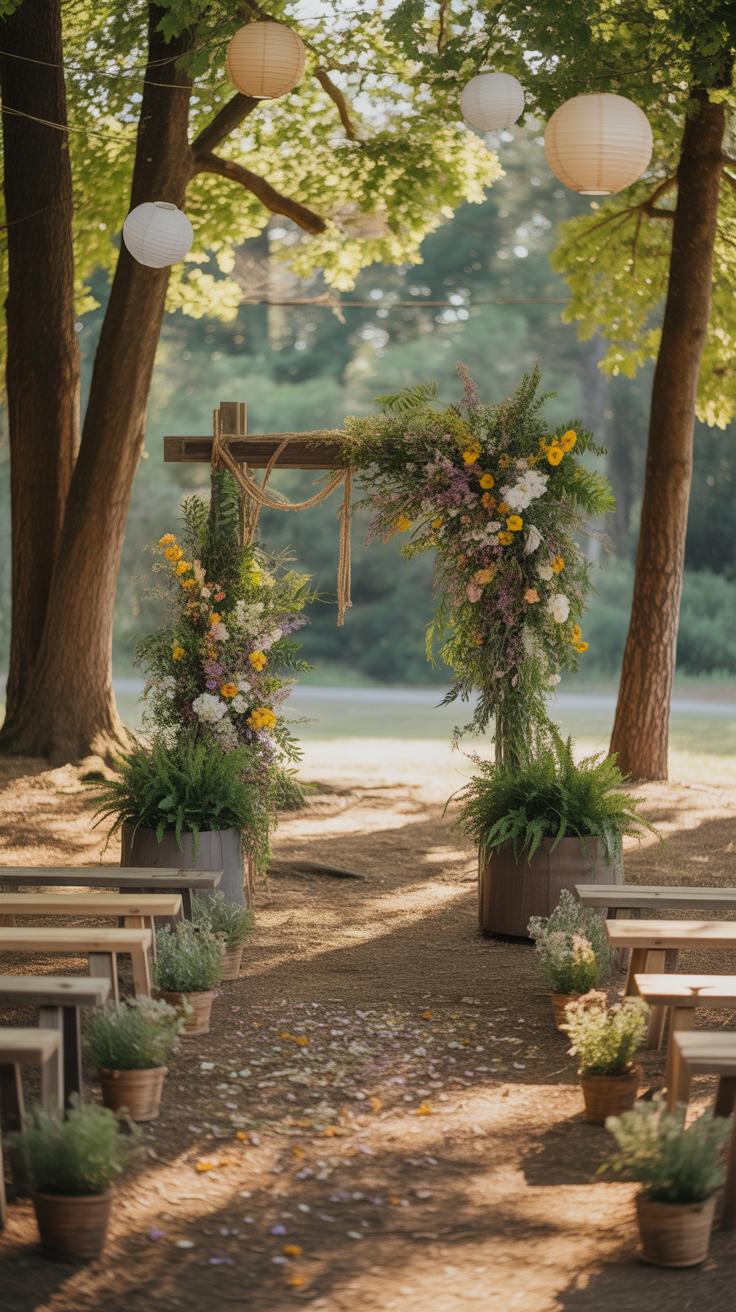
Choosing Locally Grown, Seasonal, Or Dried Flowers To Reduce Carbon Footprint
Imported flowers travel thousands of miles in refrigerated aircraft and trucks. This process creates heavy carbon emissions. High pesticide use in major export countries also damages local ecosystems. You can eliminate these issues by sourcing blooms from local organic farms. This strategy supports regional biodiversity. It also ensures your flowers are fresh and sturdy without needing chemical preservatives or excessive packaging.
Seasonal flowers cost less and look better. Nature dictates what grows best at any given time. Forced greenhouse growth requires massive energy inputs for heat and light. Dried flowers offer another tactical advantage for zero waste goals. You can source them months in advance. They require no water or refrigeration. They last for years after the event. This prevents immediate organic waste after your wedding ends.
Creative Ways To Repurpose Or Donate Your Wedding Flowers After The Ceremony
Wedding flowers usually end up in trash bins once the reception ends. This is a waste of money and resources. You must plan for the afterlife of every stem before the event starts. Proper planning ensures these materials continue to provide value. You can move ceremony arrangements to the reception bars or head tables. This reduces the total volume of flora you need to buy.
- Hospital and Hospice Donations: Contact local medical facilities or nursing homes two weeks before the wedding. Arrange a volunteer to drop off centerpieces the morning after. These organizations often welcome fresh flowers to brighten patient rooms. Ensure all pins and wires are removed for safety.
- Professional Floral Composting: Hire a service to collect organic waste for industrial composting. Most residential bins cannot handle the volume of a full wedding. Industrial sites reach higher temperatures. This breaks down thick stems and organic debris faster than backyard piles. It keeps methane-producing waste out of local landfills.
- Guest Take-Home Station: Set out kraft paper sleeves or simple twine at the end of the night. Task the bridal party with inviting guests to pull arrangements apart. People enjoy taking free bouquets home. This move clears the venue fast. It ensures the life of the flower continues in a private home.
- Flower Petal Confetti: Collect excess blooms to dry and crush into natural confetti. Use these for the grand exit or future events. Real petals biodegrade fast and do not harm wildlife. This replaces plastic glitter or paper scraps. It turns potential trash into a functional celebratory tool for the couple.
- Professional Preservation Services: Send your primary bouquet to a preservationist to be pressed or cast in resin. This turns temporary plants into permanent home decor. It prevents the bouquet from entering the waste stream entirely. Select a local artist to minimize the shipping footprint. This creates a lasting memento from organic materials.

Repurposing requires a designated logistics lead. Do not expect to handle this yourself on the wedding night. Assign a specific person to manage the transport or donation of all greenery. Use compostable mechanics like chicken wire or wood wool instead of floral foam. Floral foam is a microplastic that never biodegrades. Switching to reusable mechanics makes the post-wedding cleanup faster and significantly more eco-friendly.
Eco Friendly Or Zero Waste Wedding Favors And Guest Gifts
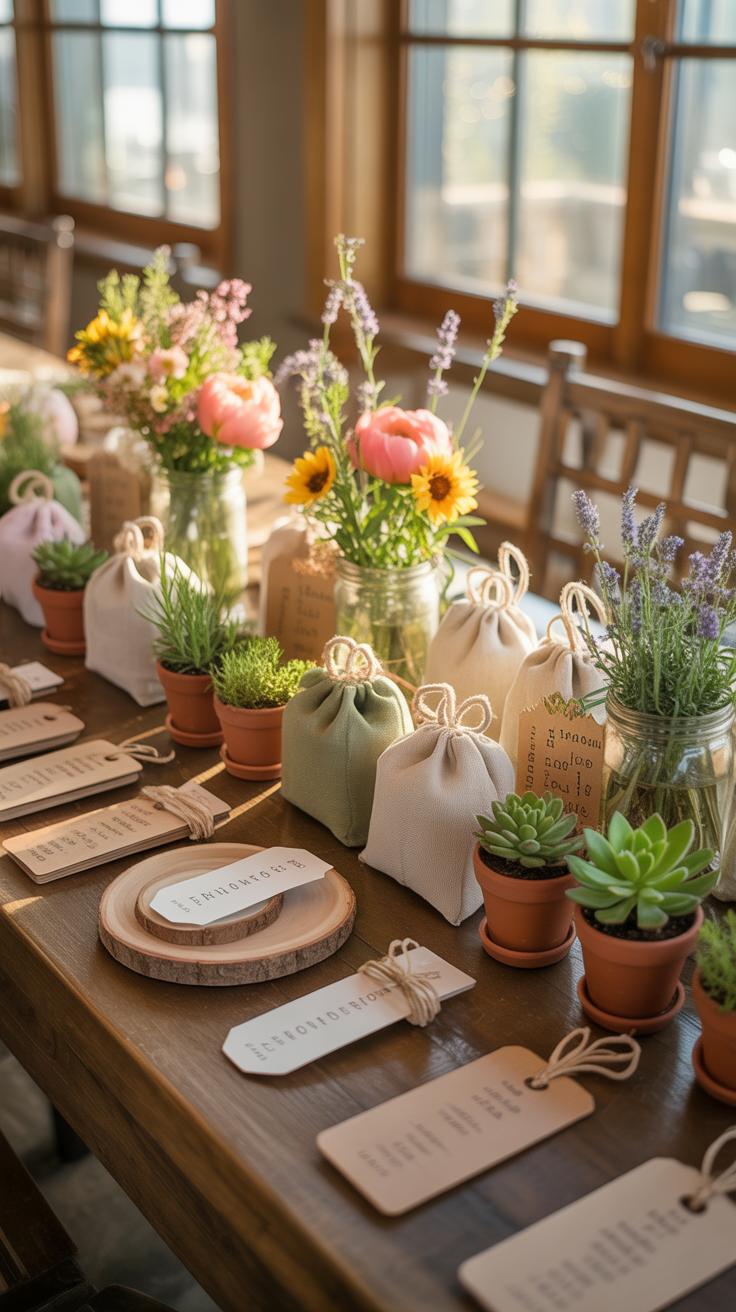
Meaningful Zero Waste Favor Ideas Guests Will Actually Use And Keep
Traditional wedding favors often end up in landfills. Guests frequently leave behind plastic trinkets and personalized items they cannot reuse. To achieve a zero waste wedding, you must select items that are consumable or biodegradable. This strategy prevents physical waste and ensures your budget goes toward items that provide real value. Focus on high-quality materials and practical uses.
- Edible Treats: Provide locally sourced honey, jam, or coffee beans in reusable glass jars. Consumables are the most effective zero waste option because they leave no permanent footprint once consumed. Ensure the packaging is plastic-free and fully recyclable or compostable.
- Seed Packets or Seed Bombs: Give guests native wildflower seeds or culinary herbs. These gifts support local ecosystems and promote biodiversity in guest gardens. Use recycled paper envelopes with soy-based inks. Avoid invasive species by verifying regional plant lists before purchasing.
- Artisanal Bar Soap: Select handmade soaps wrapped in paper or fabric scraps. Choose vendors who use natural oils and avoid synthetic fragrances or microplastics. Bar soaps are functional and eliminate the need for plastic bottled body wash. They serve as a practical daily tool for guests.
- Bulk Beeswax Wraps: Offer reusable food wraps as a sustainable alternative to plastic cling wrap. These items are made from cotton and beeswax. They help guests reduce their own kitchen waste long after the event ends. Purchase them in bulk to lower costs and reduce shipping emissions.
- Potted Succulents or Herbs: Use small clay pots with live plants as both table decor and favors. Guests can grow these at home for years. Teracotta is a natural material that breathes well and eventually breaks down. This dual-purpose approach saves money on floral arrangements and gift procurement.
Effective gifting requires eliminating excess packaging. Skip the plastic ribbons and synthetic gift bags. Use natural twine or recycled paper tags if labeling is necessary. Set up a dedicated favor station where guests can opt-in to take an item. This prevents leftover waste from guests who do not want a gift. A focused selection reduces clutter and respects the environment.
A wedding should be a day that celebrates love without leaving a footprint for the future. By simplifying our celebrations, we honor both our heritage and the earth we pass on to the next generation.
Making A Charitable Donation In Guests Honor As An Alternative To Physical Favors
Directing your favor budget to a non-profit organization eliminates all physical waste. This tactic removes the need for manufacturing, shipping, and packaging materials. You can choose a charity that aligns with environmental conservation or social causes. This move turns a potential waste stream into a positive social impact. It is the most streamlined approach to a waste free wedding.

To execute this properly, place a single sign at the reception explaining the donation. Use a chalkboard or a frame you already own rather than printing individual cards. Mention the specific organization and why you chose it. This transparency connects guests to the cause without giving them an object to carry home. It simplifies your logistics and ensures every dollar supports a meaningful mission.
Sustainable Wedding Ideas For Transportation And Guest Travel
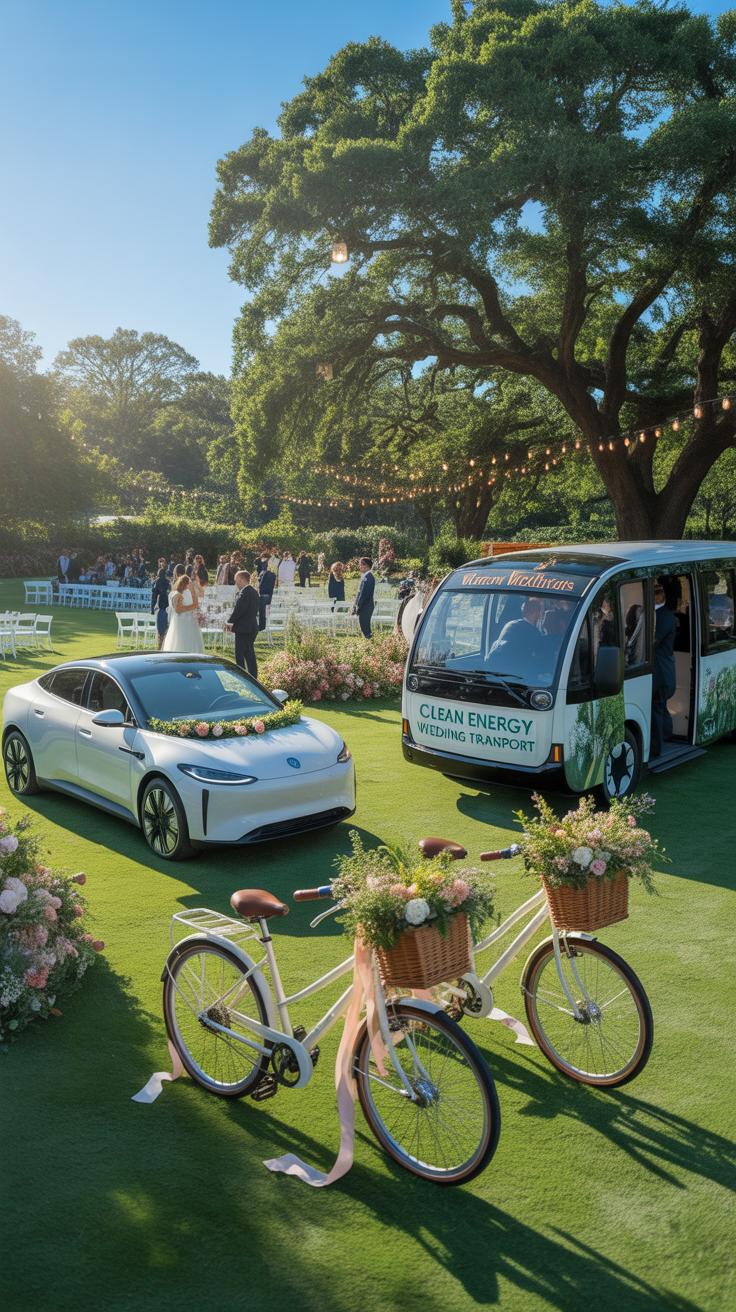
Encouraging Carpooling, Public Transit, And Shuttle Services For Guests
Transportation generates the largest carbon footprint of any wedding event. You must provide clear instructions on your wedding website about local public transit options. List specific bus routes and train schedules that lead to the ceremony site. If the venue lacks transit access, organize a group shuttle from a central hotel hub. Shuttles consolidate dozens of individual car trips into one efficient journey.
Require guests to RSVP with their lodging location to facilitate carpool matching. Use digital tools to connect travelers coming from the same city or airport. This strategy reduces the total number of vehicles entering the venue parking lot. Fewer cars mean less idle time and lower emissions. Strategic planning puts the burden of logistics on the host rather than the environment or the guest.
Choosing A Local Or Close To Home Venue To Reduce Overall Travel Emissions
Select a venue within a thirty mile radius of the majority of your guests. Long distance travel, especially air travel, creates massive carbon spikes that negate other zero waste efforts. A local wedding minimizes the fuel consumption required for guests to attend. Look for urban spaces with high walkability scores. Central locations allow guests to move between the ceremony and reception without using any vehicles.
Analyze the geographic center of your guest list before booking a site. Choosing a destination wedding forces every attendee to burn fuel for transport and lodging. A home town wedding keeps the logistical chain short and manageable. Use existing infrastructure in your community to avoid building temporary setups in remote areas. Proximity is the most effective tool for cutting total wedding emissions and simplifies the entire planning process.
Frequently Asked Questions

What exactly is a zero waste wedding and where do I begin?
A zero waste wedding focuses on reducing environmental impact by eliminating trash sent to landfills. To start, evaluate your biggest waste contributors like single-use plastics, paper invites, and food scraps. By adopting intentional zero waste wedding ideas, you can prioritize reusable decor, digital invitations, and compostable materials. The goal isn’t perfection but making conscious choices that reflect your values while celebrating your love in a sustainable, eco-friendly way.
How can I handle catering and leftovers without creating massive waste?
To minimize food waste, opt for family-style dining or plated meals over large buffets, which often lead to significant overproduction. Work with a caterer who sources local ingredients and uses washable linens and dinnerware. One of the best zero waste wedding ideas is to provide compostable containers for guests to take home leftovers or pre-arrange a donation to a local food bank to ensure nothing delicious goes to the landfill.
Is it possible to host a sustainable wedding on a very tight budget?
Absolutely! Sustainable weddings are often cheaper because they focus on “less is more.” You can save money by thrifting mismatched vintage glassware, using potted plants as centerpieces that guests can take home, or hosting your ceremony in a natural outdoor setting. Incorporating these affordable strategies shows that your celebration doesn’t need a huge price tag to be beautiful, proving that eco-conscious choices are accessible for every couple.