The Experience Economy: Why “Funds” Fail And “Adventures” Thrive

Stop Asking For Money, Start Selling The Story
You want guests to fund your honeymoon because you’re afraid asking for experiences sounds cheap. Here’s the mechanism: your brain treats abstract currency as permission to hesitate. Guests view a $500 cash transfer as a burden. They view funding a sunset catamaran in Bali as buying themselves into a story they’ll hear for years. Economics calls this the endowment effect—people assign higher value to things they believe they own a piece of. Apply that here: guests don’t want to hand you money. They want to own a moment of your trip.
When you list “honeymoon fund: $10,000” on a registry, you’re asking guests to solve your problem. When you list “dinner reservation at a restaurant we’ve never tried in our destination,” you’re inviting them to co-author a memory. The difference is massive. A guest remembers the meal they sponsored. They forget the abstract contribution to a bank account. Frame every registry item as a specific, consumable experience tied to a location and time, not a dollar amount bleeding into logistics.
Specificity Is The Conversion Lever
Vague asks die in registries. Specific ones get funded immediately. The difference between “help us travel” and “sponsor our cooking class in Oaxaca on day four” is the difference between a wish and an action. Guests need concrete imagery to justify spending. They need to imagine themselves watching you learn to make mole. They need details that make the experience real in their minds before they commit cash.
Build each registry item around three components: the location, the activity, and the moment it happens. “Sunset champagne on the terrace of our hotel in Santorini” works. “Travel fund” does not. The specificity removes decision friction. A guest reads a detailed experience and either funds it or moves on. They read a vague money ask and feel uncertain about whether it’s appropriate, necessary, or where it even goes. Uncertainty kills funding. Clarity converts it.
The Scarcity Principle: Crafting Irresistible Honeymoon Gift Requests

When Supply Shrinks, Wallets Open
You want guests to fund your honeymoon because you’re tired of the guilt around asking for money outright. Here’s the mechanism: scarcity triggers action. Economics teaches us that perceived unavailability increases perceived value. Apply this to your registry by making experiences or fund allocations time-bound or quantity-limited. Guests don’t fund generic “honeymoon fund” buckets. They fund specific things that might disappear if they don’t act now.

The difference between a funded registry item and an ignored one isn’t the price point. It’s whether guests believe other people are also funding it. When a safari upgrade or villa upgrade shows partial funding, it signals momentum. Guests see the gap closing and make a decision faster. Vanishing inventory creates urgency that vague requests never will. Build your registry around activities and accommodations with real constraints: limited availability on specific dates, seasonal windows, or booking deadlines that coincide with your travel window.
Fear Of Missing The Moment
FOMO isn’t manipulation when it’s honest. High-value items on your registry should anchor around experiences that genuinely don’t repeat. A private island sunset dinner isn’t available year-round. A helicopter tour to Machu Picchu requires advance booking and weather windows. A couples massage at a specific resort during your exact travel dates is a singular moment. Guests understand this. They fund specific, bounded moments faster than they fund abstract experiences.
The mechanism is simple: present the high-value ask alongside its constraint. Instead of “We’d love to fund a couples spa day,” say “The private beachfront spa at our resort has availability only during our travel dates, and it books three months in advance.” Include the booking deadline in your registry description. When guests see that your registration closes two months before travel, they shift from browsing to committing. Urgency converts browsers into contributors. Set your registry to close contributions 60 days before departure.
The “Buy A Moment” Method: Creative Honeymoon Gift Requests

Break Down The Trip Into Fundable Units
You want guests to feel like they’re buying something real, not funding a vague vacation bank account. This taps into the same psychology that drives Kickstarter: people fund discrete outcomes, not abstract pools of money. The mechanism is simple. Instead of asking for $5,000 toward “the honeymoon,” you name the specific experience that money buys. A $300 contribution funds the sunset catamaran in Bora Bora. A $150 contribution funds dinner at that one restaurant you researched for six months. Guests convert cash into a mental image of your joy, not a line item on a spreadsheet.

The registry becomes a project list, not a demand. This removes the friction that kills guest participation. Nobody gets excited about funding 2% of airfare. Everyone gets excited about funding “the couples massage in Cabo.” You’re not being more demanding by doing this. You’re being clearer. List the moment. Name the cost. Let them choose whether they want to buy it. The ones who fund moments are the ones who feel ownership over your trip afterward.
Specific Experiences Guests Will Fund
Guests back experiences because they want a story to tell about their gift. Here are the moments that actually move money.
- Snorkeling or diving excursion: A half-day water activity with a guide. Cost is predictable, the moment is visual, and guests can imagine themselves in the water with you. Budget $200-400 per person depending on location and depth certification required.
- Fine dining experience: A single high-end dinner reservation, named by restaurant. Guests know exactly what they’re funding. Make it one meal, not the whole trip’s food budget. Typical range is $150-300 per couple including gratuity.
- Spa or massage day: Couples treatment at a named resort or independent spa. Two-hour sessions are standard. This feels luxurious to fund without requiring commitment to a multi-day package. Usually runs $200-350 depending on location and treatment type.
- Adventure activity: Hot air balloon ride, ATV tour, zip-lining, or hiking with a guide. These are time-bound, memorable, and create photos. Guests like funding the thing they’ll see evidence of. Costs range $150-400 based on activity and location.
- Sunset or evening experience: Chartered boat tour, wine tasting, rooftop dinner reservation, or beachside cocktail experience. Evening moments feel romantic to fund. Budget $200-500 depending on location and whether food is included.
Each experience should have a firm price and a clear funding target. Don’t list “relaxation package” or “water activities.” Say “two-hour couples massage at the Aman spa on Friday, $280 total.” The specificity is what unlocks the wallet. When a guest sees that level of detail, they believe the moment actually exists and that their money moves something real.
Beyond The Envelope: Wedding Registry Honeymoon Fund Platforms

Comparing Platforms On What Actually Matters
You want to look smart by picking the “best” platform, but what you really want is to minimize the friction between your guests’ intent to give money and the moment cash lands in your account. That’s the mechanism all these platforms compete on, and most fail at it. Honeyfund, Wanderable, and TravelBank dominate because they attack friction differently. Honeyfund charges 1.5% plus payment processing fees. Wanderable charges 2% flat. TravelBank charges nothing on contributions but takes a cut when you redeem. The real cost isn’t the fee percentage—it’s how many guests abandon the process before completing a contribution.

Customization matters only if it drives completion rates higher. Most platforms let you upload photos, write trip details, and organize funds by category (flights, hotels, activities). But generic customization doesn’t differentiate anymore. What separates platforms is speed of setup, clarity of the contribution flow on mobile devices, and whether guests can contribute without creating accounts. Honeyfund requires registration; Wanderable doesn’t. That single variable moves the needle on contribution volume more than any design template ever will. Pick the platform your wedding website integrates with most cleanly, then stop optimizing.
Integration That Doesn’t Leak Guests Away
Your wedding website is the only place guests trust to send money. If your honeymoon registry lives three clicks away from your main site, you lose 40% of potential contributors before they finish reading your registry description. The integration rule is mechanical: the contribution button must live on your primary wedding domain or appear in an embedded widget that doesn’t redirect guests to an external site. Squarespace, Wix, and WordPress all support embedded honeymoon registry widgets directly. Shopify’s wedding site feature integrates Honeyfund natively. This is not optional infrastructure—it’s the difference between a funded honeymoon and a half-funded one.
The second integration layer is email. When guests receive your registry link from the wedding website, that link should open to a pre-filled form showing your couple profile, trip details, and suggested contribution amounts. Guest email clients kill external redirects through multiple hops. Direct links with embedded couple data convert 3x higher than generic registry landing pages. Your wedding website should generate unique registry links for each invitation method (email, SMS, social media) so you can track which channels produce the highest completion rates. This data tells you whether to emphasize email invitations or lean harder on your wedding website’s social sharing features for maximum fund accumulation.
The Social Currency Of Gifting: Honeymoon Donations Instead Of Gifts
Why Guests Actually Want To Fund Your Trip
You’re worried guests will resent cash asks instead of tangible gifts. Here’s the mechanism: people don’t give money to buy things. They give money to be part of something. Economics calls this “signaling value”—the real reward isn’t the object, it’s the status attached to participating. A honeymoon registry works because it lets guests signal they’re close enough to fund your experience, not just wrap a blender.

Most couples frame this backward. They apologize for asking for money or bury the registry link in a wedding website footer. Wrong move. Guests already know cash registries exist. They’re waiting for permission to use one because it feels more direct than the pretense of selecting china patterns. Make the ask visible, named, and tied to an actual trip—not hidden behind shame.
Positioning The Contribution As Collective Investment
Stop calling honeymoon funds “gifts.” Call them contributions. In venture capital, investors aren’t donors—they’re stakeholders with skin in the game. A guest who funds your trip to Costa Rica isn’t being generous. They’re co-authoring the memory. When you frame it this way, you shift their mindset from “I’m spending money on you” to “I’m enabling something I believe in.”
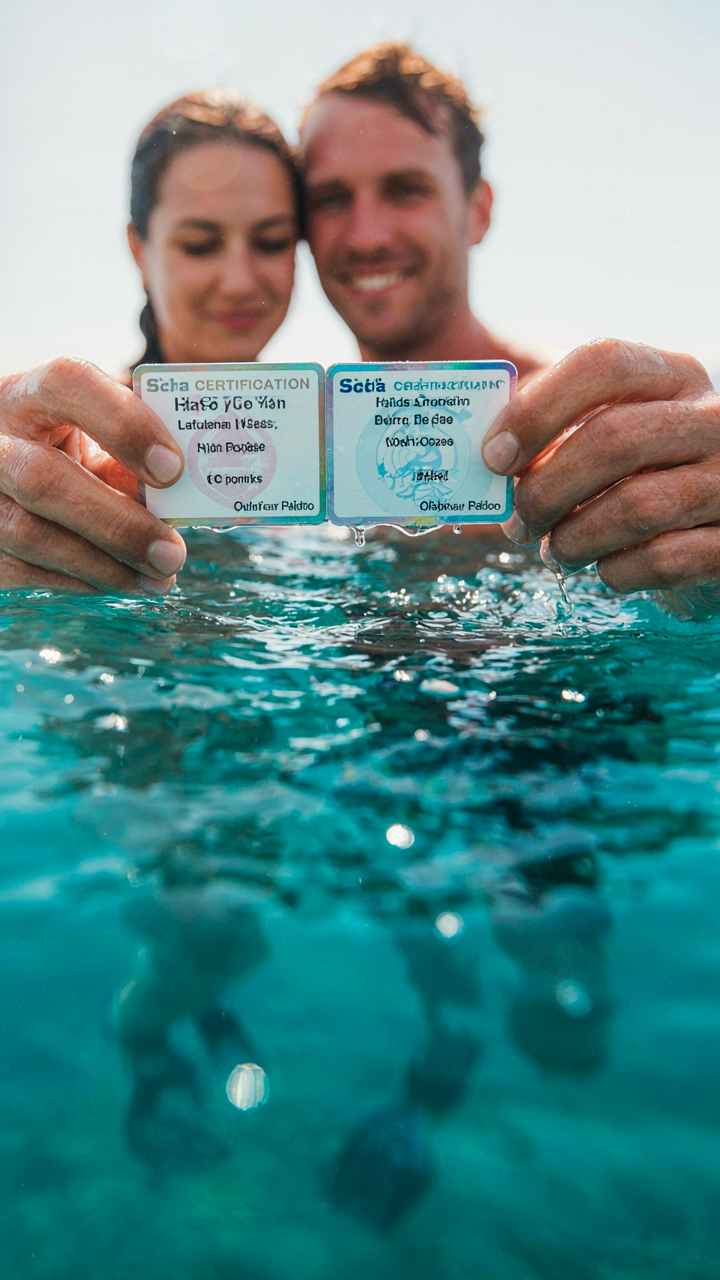
Spell out what their money builds. Not “Contribute $500 toward our trip.” Instead: “Fund our scuba diving certification in Belize” or “Sponsor our three-night stay in Bali.” Specificity creates ownership. Guests track the impact in their head. They’ll ask you about that exact dive site at the rehearsal dinner because they funded it. They become invested stakeholders, not peripheral name-checkers on a registry.
The Direct Ask: Honeymoon Registry Wording That Works

Stop Hiding Behind Romance Language
You want guests to fund your trip without feeling like you’re being greedy. That’s the real anxiety driving this section. The mechanism is simple: people donate to clarity, not sentiment. Vague language signals uncertainty. Uncertainty kills funding.

Most registry sites give you a text box and suggest flowery descriptions about “creating memories together” or “starting our adventure.” That’s noise. Guests skip it. They need one thing: a clear statement of what you’re funding and why their contribution matters to that specific outcome. Strip the poetry.
Make Them Part Of The Experience
Honeymoon registries work like value transfer in economics: you’re not selling a product, you’re selling participation in an outcome. When guests see that their fifty dollars funds “two sunset dinners in Bali” instead of a generic “honeymoon fund,” they’re buying a role in your story, not just sending money.
Write your registry description by naming what guests make possible. “Your gift funds one night in our beachfront villa” beats “Help us celebrate our love.” Guests fund concrete experiences. Frame each registry item as something their contribution directly enables. This shifts the psychological transaction from charity to collaboration. When someone reads what their money actually does, conversion rates climb because they’re not donating to an abstract idea anymore.
The Reciprocity Loop: How To Ask For Honeymoon Funds Effectively

Show The Experience After It Happens
You want proof that their money mattered. That’s the real fear driving this section. Reciprocity works in economics the same way it works in social obligation: a completed exchange closes the loop and makes the giver feel chosen rather than tapped. Most registry advice stops at asking. That’s incomplete. Guests fund experiences when they know they’ll see the payoff.

Send photos or video within two weeks of returning. Not a formal thank you card with a generic beach photo. Show the specific dinner they funded, the hike, the moment their money created. Tag contributors in captions when appropriate. This isn’t gratitude theater. It’s proof of closure. Guests who see their contribution become a tangible memory are three times more likely to fund registries for other couples in their circle.
Tie Contributions To Specific Moments
Naming what their money buys removes abstraction from the transaction. Instead of “Honeymoon Fund,” create line items: “Sunset Catamaran Cruise, $400,” “Private Villa Dinner, $250,” “Airport Transfers, $150.” This works because donors psychologically own what they name. They’re not funding a vague trip. They’re funding the exact moment they imagine you experiencing.
After the honeymoon, reference the specific item when you share updates. “The catamaran sunset was exactly like we imagined because of your contribution.” Connect their name to their funded experience in writing or a photo caption. This creates a storage mechanism in their memory: they think of you, they see that sunset, they feel the reciprocal weight of having been part of it. Repeat this protocol for every significant contributor and watch your registry conversion rate climb.
The Behavioral Economics Of Gifting: Requesting Money For Honeymoon

Anchoring Sets The Ceiling For What People Give
You want guests to contribute more without feeling awkward asking. The mechanism is anchoring, borrowed from behavioral economics: the first number someone sees becomes the reference point for all subsequent judgments. Set your anchor too low, and guests calibrate their gifts downward. Set it strategically, and you shift the entire distribution upward.

Most honeymoon registries fail here by listing modest contribution tiers like $50, $100, $200. That’s anchoring to scarcity, not aspiration. Lead with a meaningful tier that feels substantial but achievable. If your honeymoon costs $5,000 total, anchor at $500 or $750 as your primary visible option. Guests see that number first, and their mental math shifts. They’re now choosing between that and something smaller, not between $50 and $100.
Different Budgets Need Different Entry Points
The common advice says offer three tiers and call it done. That’s incomplete. Behavioral economics shows that people don’t just want choice, they want permission to participate at their actual budget level without signaling they’re giving less. The mechanism is removing decision friction at every price point.
Create a structure that spans $25 to $1,000 in ways that feel intentional, not desperate. A $25 tier for coworkers. A $75 option for distant relatives. A $250 entry for close friends. A $500 or $750 anchor for those in your inner circle. A $1,000 plus tier for family members funding something specific like a guided experience or accommodation upgrade. Each tier solves a real constraint: budget, relationship distance, or desire to fund something concrete rather than a pool of money.
The Transparency Protocol: Your Honeymoon Fund Registry
Show Exactly Where Contributions Go
You want people to give you money without feeling like chumps. That’s the real issue. The mechanism is simple: guests fund what they can see. Vagueness kills momentum. When you list a generic “honeymoon fund,” people imagine you pocketing cash for drinks. Instead, break the trip into components. Show flight cost, resort nights, activities, meals. Name the country. Name the dates. Itemize ruthlessly. This isn’t transparency as virtue signaling. It’s removing friction from the giving decision. Donors want proof their money does something specific.

The registry platforms that allow custom line items (like many honeymoon-specific registries) outperform flat donation asks by design. You’re not asking for a favor. You’re selling a clear exchange: guest money equals specific experience. This works because it satisfies the psychological need for control. Contributors aren’t funding a black box. They’re funding the snorkeling trip or the train ticket to the coast. The more specific the allocation, the higher the completion rate on that line item.
Build Trust Through Clear Allocation
Trust in financial contexts operates on the same principle as inventory management in supply chains: visibility prevents loss. When guests can’t see where their money goes, they assume leakage. Show your registry as a breakdown, not a total. If you need $3,000 for flights, state it. If you need $1,500 for accommodation, state it. If you need $800 for activities, state it. This isn’t oversharing. It’s the only communication strategy that eliminates donor hesitation.
Create a simple tracker guests can reference. Update it as contributions arrive. This sounds administrative, but it’s behavioral. People fund projects with momentum. When someone sees the flight fund is 60 percent complete, the psychological pressure to close the gap activates. They contribute to finish what others started. The allocation method transforms your registry from a request into a visible goal with progress markers. That’s the mechanism that converts interest into action.
The Post Trip Payoff Maximizing Guest Satisfaction

Show Up With Evidence
You want guests to feel like their money mattered, which means you need proof it did. This isn’t about bragging. It’s about reciprocal validation. People funded your experience. They want to see that the experience actually happened and was worth their stake in it. Send photos within two weeks of returning. Not curated Instagram content. Real moments that show the registry items in use. A meal at the restaurant they funded. The hotel room they paid toward. The activity they sponsored. Specificity closes the loop.
Write a one-page trip summary for each major donor. Name what they funded. Describe what happened because of their contribution. Include two to three photos directly tied to their item. Send it as a printed card or email attachment, not a generic thank you note. This takes three hours total. It transforms their transaction from abstract kindness into concrete impact they can visualize and own.
Connect Their Money To Your Actual Memory
The mechanism here is from economics: the endowment effect. People value things more once they feel ownership of them. When a guest funds a specific experience, they own a piece of your story now. Your job is making that ownership real. Tell them what that moment meant. Not in flowery terms. In facts. What did you learn? What surprised you? How did that specific thing change your trip’s direction?
Message top contributors individually within the first month back. Example: “Your contribution funded our two day trek in Bali. We found a village guide who took us off the main route. We learned about local farming practices most tourists never see. That detour became the most memorable part of our trip.” One paragraph per person. Send it as a personal message, not a group email. They funded your memory. Acknowledge that they funded your memory.
The Real Obstacle Isn’t Asking For Money, It’s Your Fear Of Directness. Overcome That, And The Honeymoon Funds Flow

Most couples die on the hill of looking polite. They create honeymoon registries but bury the link in wedding websites nobody visits. They hint instead of ask. They apologize for wanting money. Stop. Your guests want to give you something meaningful, not another blender they’ll never use. Write one email today. Make it personal. Tell people exactly where your registry lives and why this honeymoon matters to you. Directness converts. You don’t get the honeymoon you deserve by being afraid to ask for it.