The Unspoken Rule Of DIY Wedding Napkin Rings: It’s Not About Saving Money
The Real Reason You Care About This
You’re afraid you’ll spend money and still end up with something that looks cheap. That’s the actual mechanism driving this decision. The cost savings narrative is cover for a status problem. DIY napkin rings work because they signal intentionality, not because they drain your budget slower than buying finished pieces. Constraint forces specificity. Generic store-bought rings telegraph indifference. A napkin ring you made tells a guest you thought about their experience at your table.
The gap between homemade and mass-produced isn’t price. It’s coherence. When you design your own rings, every material choice connects to something real about the wedding. Your color scheme. Your venue. The formality level you actually want, not what a retailer decided was safe. That alignment reads as expensive, regardless of what you paid. Most people reverse-engineer this and assume DIY equals budget, when really it equals control over signal.
Design Constraints Generate Originality
Constraints aren’t limitations in design thinking. They’re the fuel. You strip away every option except the ones available to you right now, and suddenly you have to think harder. A florist with unlimited inventory copies trends. A florist with three flower types creates something distinctive. The same logic applies to napkin rings. Budget constraints force you to work with specific materials. That specificity becomes your aesthetic.
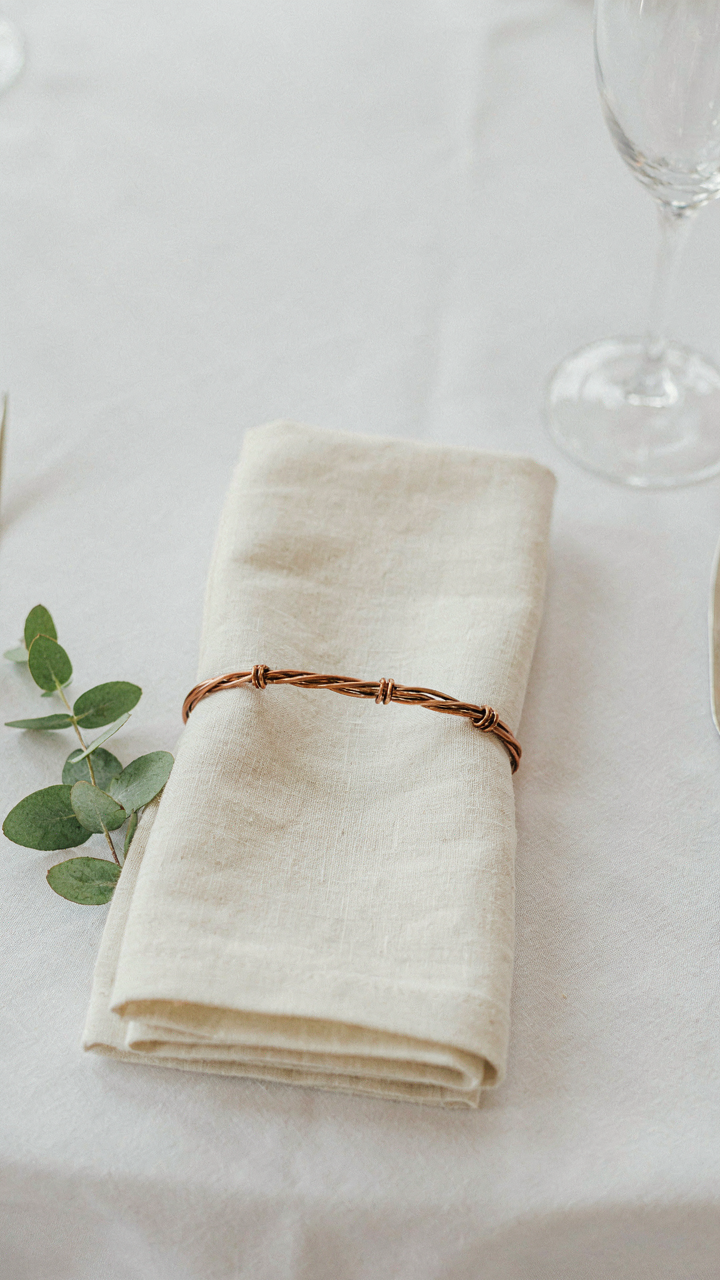
Real napkin ring design works through material honesty, not disguise. Copper wire wound around a branch reads as intentional because it is. A plastic ring airbrushed to look like metal reads as evasion. Your constraints tell you to commit to what the material actually is. That commitment is what separates a thoughtful detail from decoration. Choose materials you can access consistently, then design the ring around that material’s properties instead of fighting them.
The Minimalism Protocol: Elevating Diy Napkin Rings With Scarcity
Material Essence Over Decoration
You want people to notice your restraint and assume you have taste. That’s the real driver here. The mechanism is simple: constraint forces intention. When you remove the option to hide behind volume, every material choice becomes visible. Minimalism in napkin ring design isn’t about poverty. It’s about eliminating what doesn’t contribute to function or form. One quality material outperforms ten cheap ones layered together.

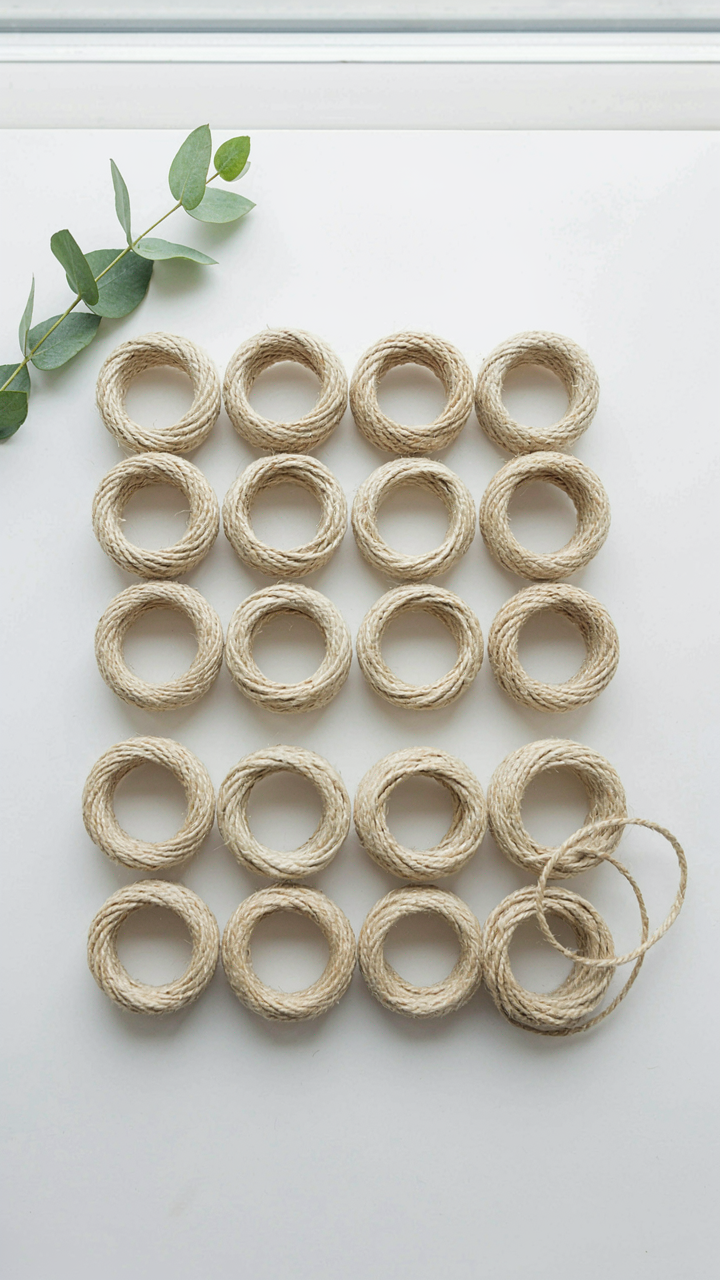
Borrow from industrial design’s concept of “form follows function.” Your napkin ring has one job: hold a napkin. Everything else is noise. Paper napkins need different grip than fabric. A ring that works for one fails for the other. Choose your material based on the mechanical requirement, not the aesthetic impulse. Copper wire, wooden dowels, natural twine, or metal bands each solve a specific problem. When you pick the material first and the look second, you avoid the trap of decoration masquerading as design.
Maximum Impact Through Reduction
The common advice says “add texture” or “layer materials.” Wrong. Adding creates complexity without adding value. Real impact comes from subtracting until only the essential remains. A single material executed precisely beats mixed materials executed loosely. Precision here means consistency in diameter, tension, and finish across all napkin rings.
Start with one core material. Keep its color true. Make the execution flawless. The Bauhaus movement proved this decades ago: a perfectly formed object in raw material commands attention because nothing distracts from it. Your task is to match material to method. If you’re using wire, keep the wrap tight and the angle consistent. If you’re using wood, sand to the same smoothness on every ring. This uniformity across your set creates the perception of intentional design, not accidental variation.
Beyond The Obvious: Sourcing Unconventional Diy Napkin Ring Materials
What’s Already In Your Drawers
You want to feel resourceful without actually being resourceful. That’s why this section exists. The real mechanism is simple: your home contains finished goods that already solve the structural problem napkin rings must solve, which is holding fabric in a closed loop while looking intentional. You don’t need to make anything. You need to recognize what already works.

Vintage leather belts, old watch bands, and fabric scraps you’re hoarding all function as napkin rings without modification. Take a belt that no longer fits and cut it to napkin width. Tie it around the roll. Leather holds its shape, takes a fold cleanly, and signals restraint instead of effort. Old silk scarves work the same way. Wrap them around napkins and knot them. The knot becomes the visual anchor. None of this requires tools or skill.
Finding The Raw Material Outside
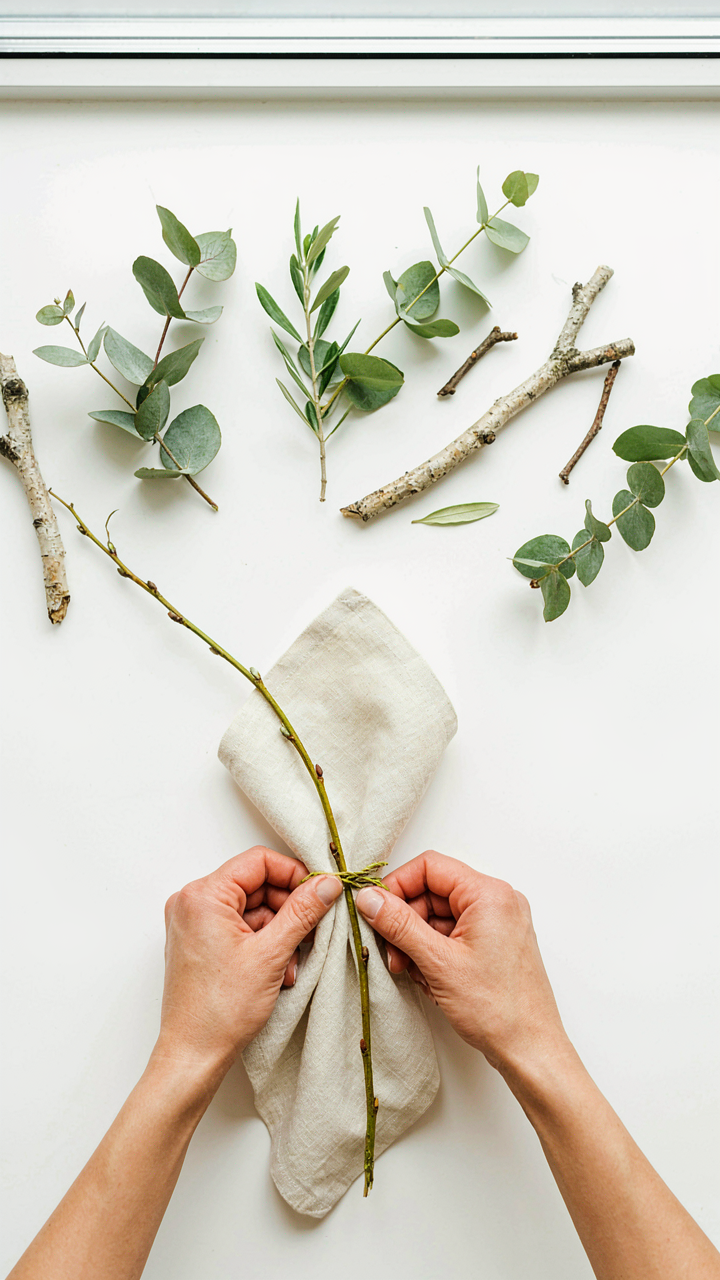
Nature operates on a principle economists call “comparative advantage.” You have access to something your venue doesn’t: whatever grows near you. Branches, vines, and stripped twigs cost nothing because they’re already here. Stripped bark from fallen branches creates texture without looking unfinished. Flexible vines like clematis or honeysuckle bend into rings without breaking. Collect materials in their green state when they bend easily, then let them dry into fixed shapes over two to three days.
Test the material’s holding power before the wedding. Wrap a sample around a roll, leave it for an hour, and check if it holds or slips. Branches thicker than a pencil tend to crack when you bend them. Vines work best. If you find willow or supple birch branches, these bend without splitting. Harvest one week before the event, let them dry indoors away from direct sun, then bend and wrap them the morning of service.
The “Elegant Imperfection” Method For Homemade Napkin Rings
Why Handmade Beats Factory Precision
You’re worried your rings won’t look “professional enough” because you’re comparing them to mass-produced sets. That’s the real problem here. The mechanism is simple: human variation reads as authenticity, while machine uniformity reads as cheap. Wedding guests notice when something cost forty dollars a dozen because every piece is identical. They notice when something took time because the rings breathe with small differences.

Handmade napkin rings inherit their credibility from the craft movement, which emerged as a direct rejection of industrial sameness in the late 1800s. The core insight still holds: visible human effort signals value. Your slight size variance, slight color shift, or texture inconsistency isn’t a flaw you need to hide. It’s the evidence of the work. Document the process with photos if you’re still doubtful.
The Strategic Use Of Raw Materials
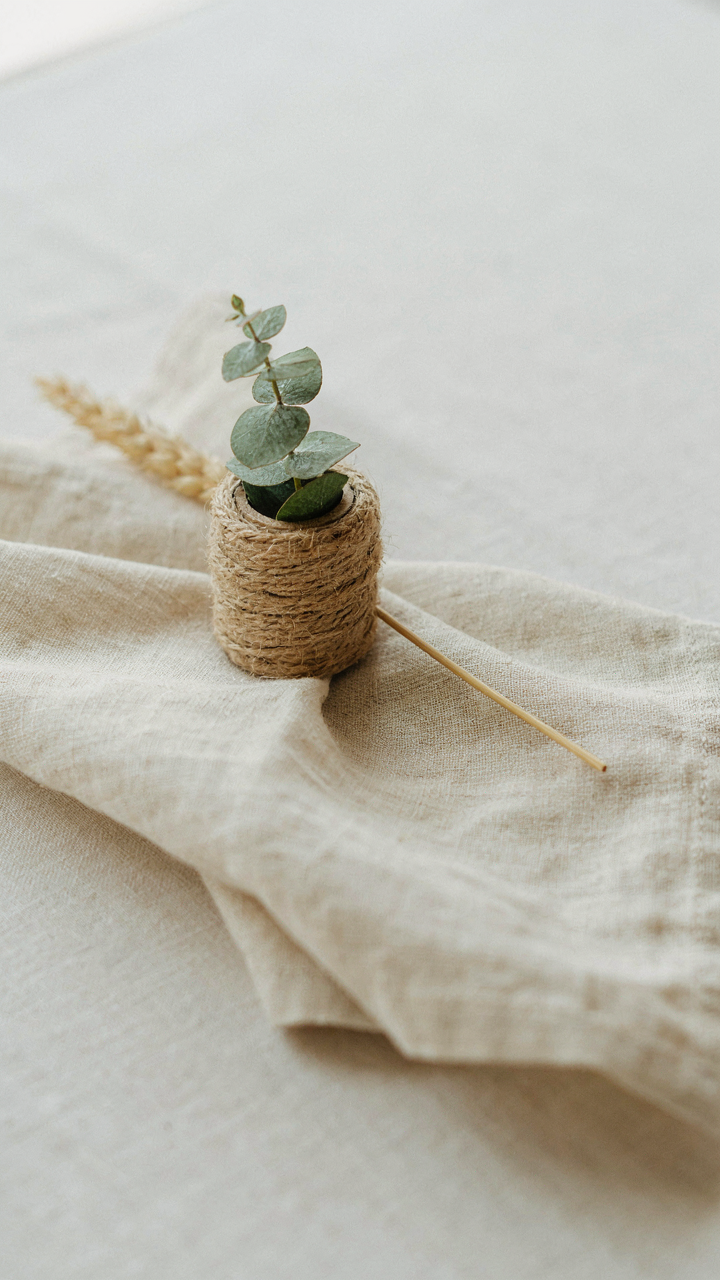
Everyone defaults to the same tired advice: “use ribbon and twine.” That’s incomplete. The real move is choosing materials that hide imperfection by design. Rope, burlap, copper wire, and leather naturally conceal minor gaps or uneven wrapping because their texture already reads as organic. These materials don’t demand precision the way smooth satin does.
Rough materials work in your favor because irregularity is baked into their nature. A slightly loose wrap on jute looks intentional. The same wrap on silk looks like a mistake. This is why experienced makers gravitate toward textured bases. Your hand variations become invisible inside the material’s own variation. Stop fighting the medium. Lean into what it already does.
Psychology Of Perception: Making DIY Wedding Napkin Rings Seem High End
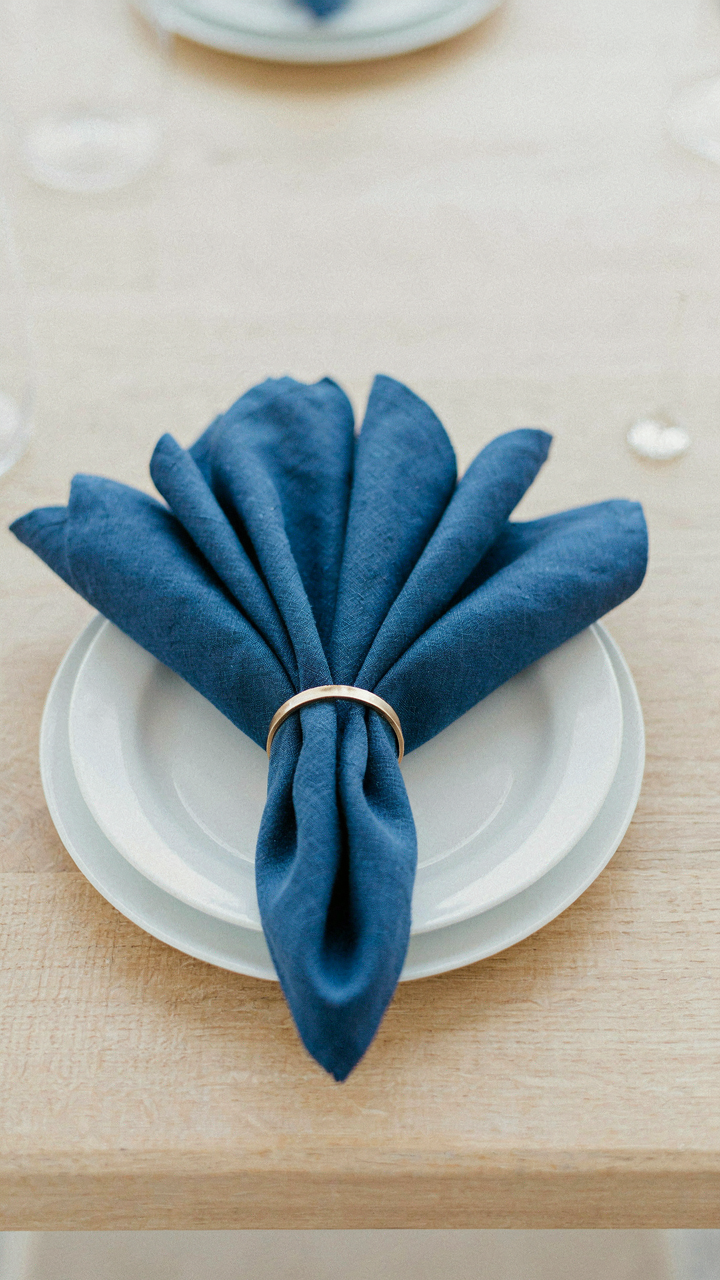
The Contrast Play
You care about this section because you’re afraid guests will clock your napkin rings as cheap. That fear is valid. Here’s the mechanism from contrast theory: perception isn’t absolute. Your brain measures objects against their neighbors, not against some objective standard. A simple wire ring becomes luxe when wrapped around a heavy linen napkin in a rich color. The napkin does the work. The ring gets credit.

This is why expensive weddings pair minimal place settings with premium textiles. The eye compares the ring to the napkin, not to what you paid for materials. Use a thin metal band, copper wire, or even twisted cord on a napkin that costs more per unit than your ring does. The disparity reverses in your favor. Guests perceive restraint as intention, not poverty.
Setting And Table Architecture
Placement changes what people think they’re seeing. A napkin ring sitting loose on a table reads as decorative afterthought. The same ring placed with precision inside a folded napkin at the table setting reads as thought-out design. This follows principles of environmental psychology: context shapes perception faster than the object itself does.
Fold your napkin into thirds or quarters before sliding the ring on. Place it centered at each seat before guests arrive. Add a small card or menu beside it. The ring now exists within a composed tableau, not as an isolated craft project. This single protocol shift moves perception from DIY budget hack to intentional aesthetic choice.
The 3 Step Iteration Cycle For Wedding Napkin Ring Ideas
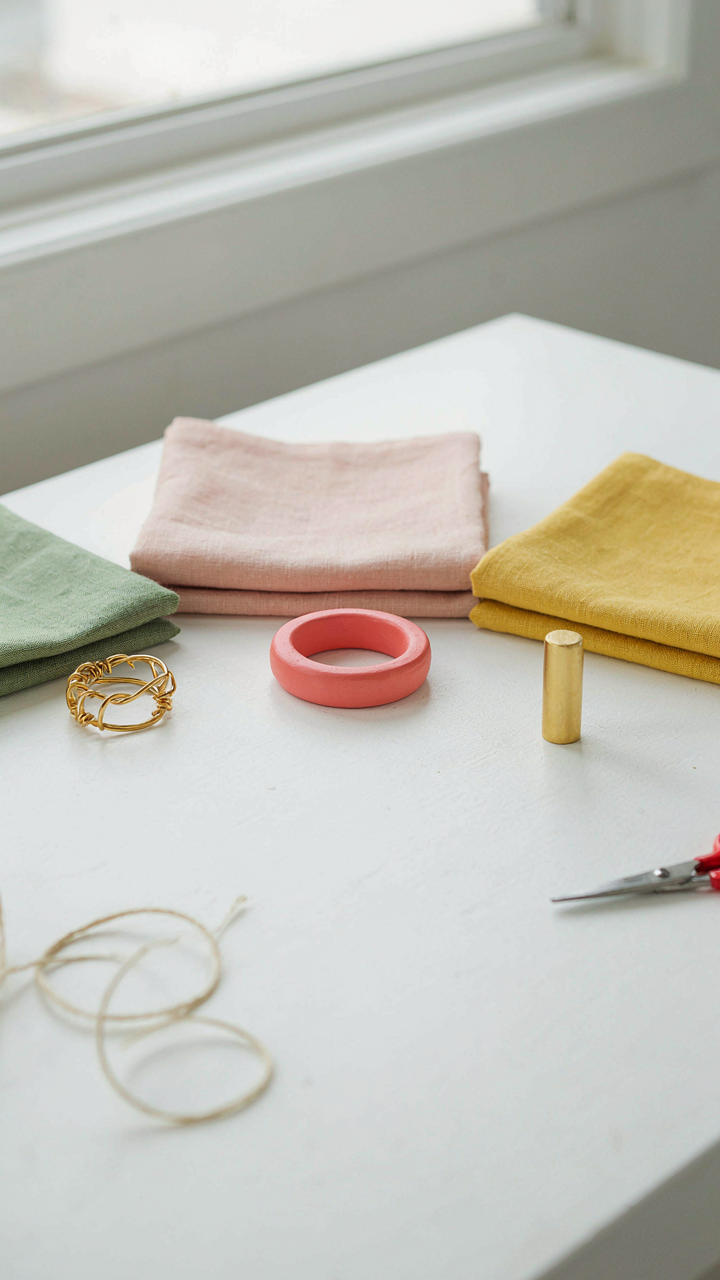
Design, Build, Test, Refine
You want to skip failure and land on the perfect napkin ring on attempt one. It won’t happen. The real mechanism is that every material behaves differently in your hands than it does in your head. Brass wire doesn’t curve like copper. Fabric frays at edges you didn’t predict. Wood splits along grain you can’t see coming.
Start with the cheapest version of your core idea. Use dollar store supplies, scrap materials, whatever. Build three identical prototypes in an afternoon. Test them on actual napkins under realistic conditions: pull tension, crease resistance, how they look after sitting folded for two hours. Document what breaks, what bends wrong, what looks cheap versus intentional. Refine one element per cycle, not everything at once.
Rapid Prototyping Beats Perfection Planning
Engineering calls this iterative design: you don’t optimize for precision upfront, you optimize for feedback speed. In napkin ring terms, this means making ten mediocre versions teaches you more than planning one perfect version teaches you. The gap between theory and material reality is where all learning lives.
Most DIY wedding advice tells you to “sketch your design” and “plan carefully.” Sketching napkin rings is almost worthless. Your hand can’t feel tension, weight, or how fabric sits. You need velocity: build, fail fast, adjust, build again. Set a rule: each iteration takes no longer than thirty minutes and costs under five dollars. This forces you to notice what actually matters and strip away decoration that looked good on Pinterest but serves no structural purpose.
Debunking The “Easy” Myth: DIY Napkin Rings Easy Requires Forethought
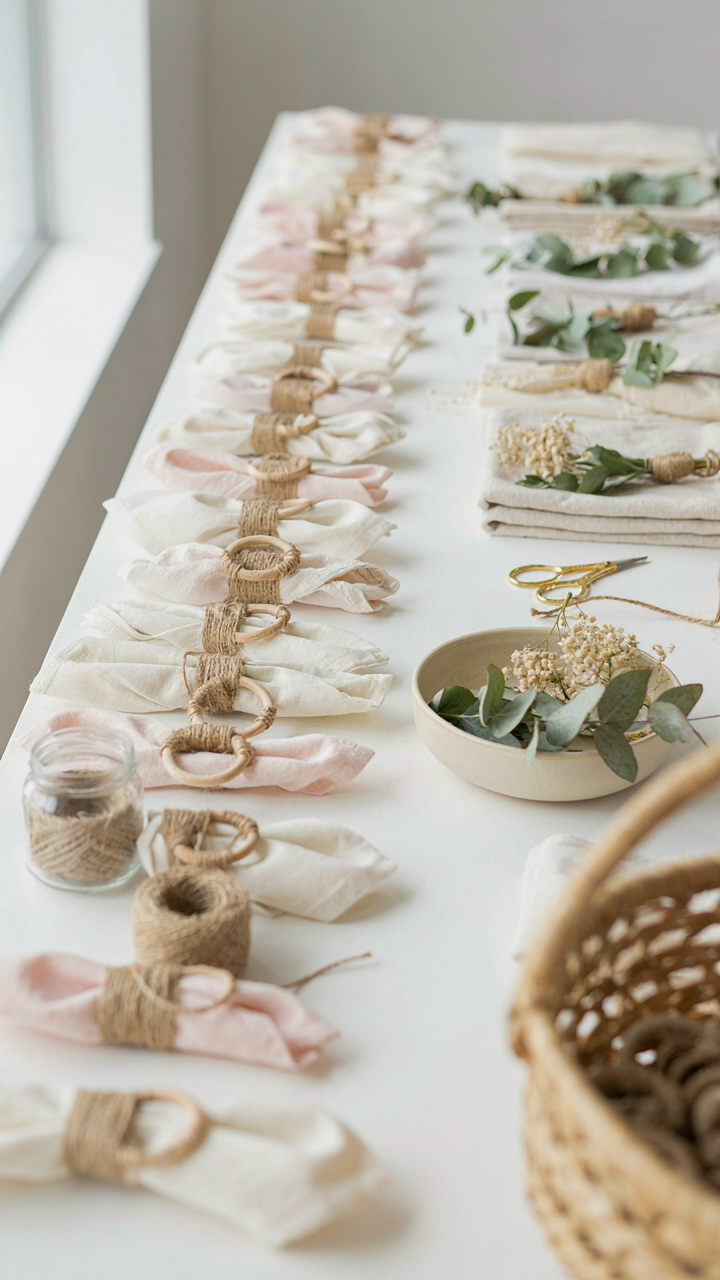
What Actually Gets Mistaken For Simplicity
You want to believe DIY napkin rings are simple because that means you can decide this Sunday and execute Wednesday without stress. The real mechanism at play comes from manufacturing: what looks like a single product is actually a multi-stage assembly line compressed into your dining room. Each stage has different tooling, material prep, and quality gates. Skip the forethought and you’ll restart work halfway through, wasting both materials and time.

Most people confuse “few components” with “easy execution.” A napkin ring made from three elements still demands setup, repetition, and consistency across fifty units. The cognitive load isn’t in the individual ring. It’s in maintaining identical specs across your entire batch while managing material flow, drying time, and quality checks. You need a system before you touch the first piece.
The Production Protocol Separates Winners From Restarters
Treat napkin ring assembly like a factory floor, not a craft project. Station-based production means one physical area handles prep, another handles assembly, another handles finishing. Your hands stay trained on one motion instead of switching contexts fifty times. This reduces error and cuts total time by roughly 30 to 40 percent compared to making each ring start-to-finish individually.
Map out the exact sequence before you start: material cutting, base construction, embellishment attachment, finishing, quality inspection, and packaging. Write down timing for each stage. Batch identical tasks together in one sitting rather than mixing them. If you use adhesive, let all pieces cure in one designated spot. If you’re wrapping wire or ribbon, do all wrapping, then move everything forward. The protocol is the product. Execute it consistently and your rings look intentional instead of handmade.
Beyond The Ring: Integrating Diy Napkins Into The Tabletop Story
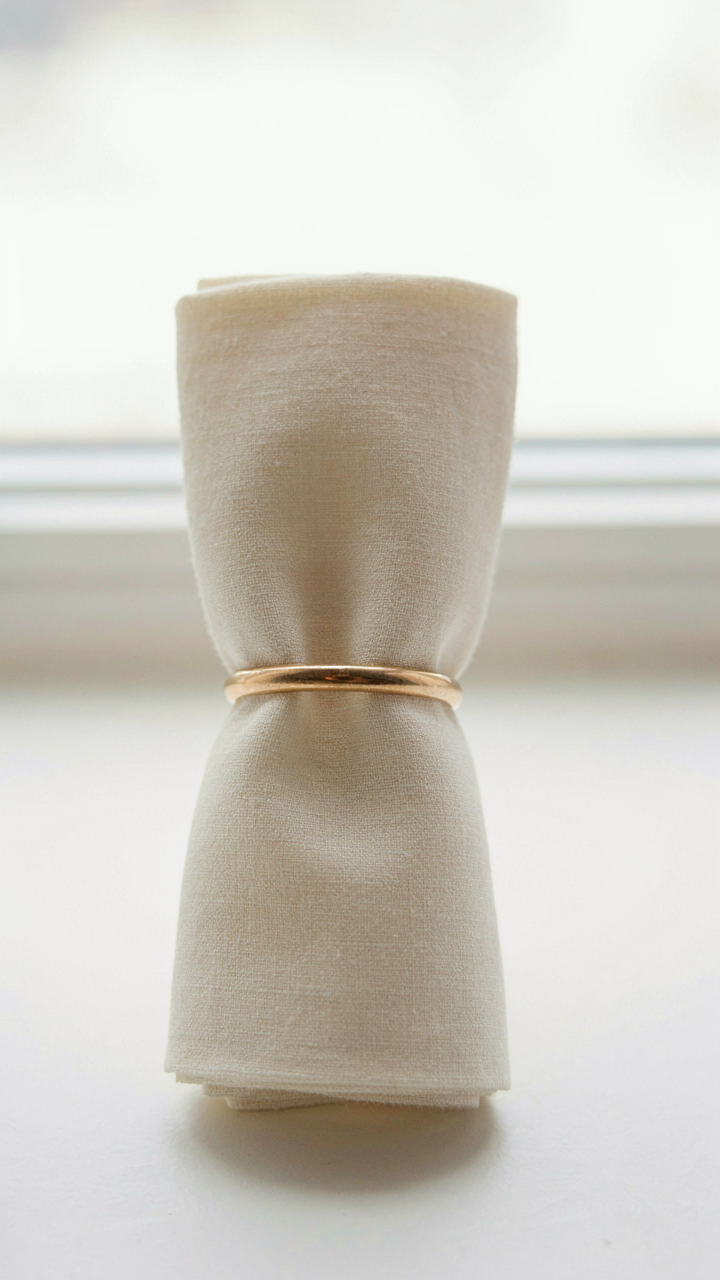
When The Ring Meets The Cloth
You’re worried people will notice if your napkin ring doesn’t match some invisible standard you think exists. Here’s the mechanism: a napkin ring doesn’t float in space. It’s a constraint object in design terms borrowed from systems thinking. The ring creates a perimeter that either harmonizes with adjacent elements or creates visual friction. Most people treat the napkin ring and napkin as separate problems. That’s the error.
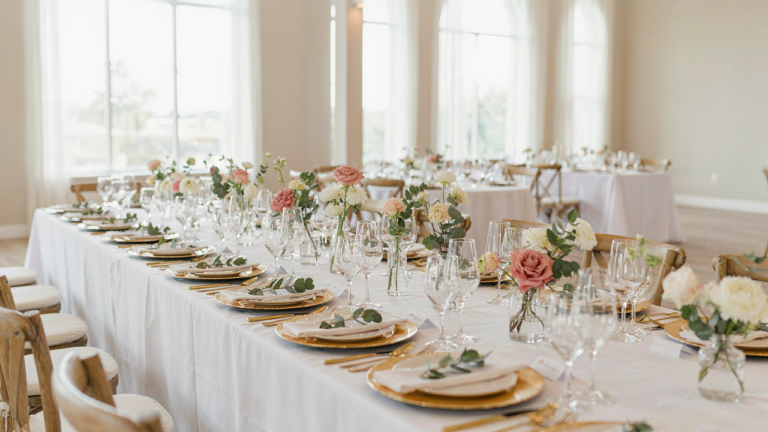
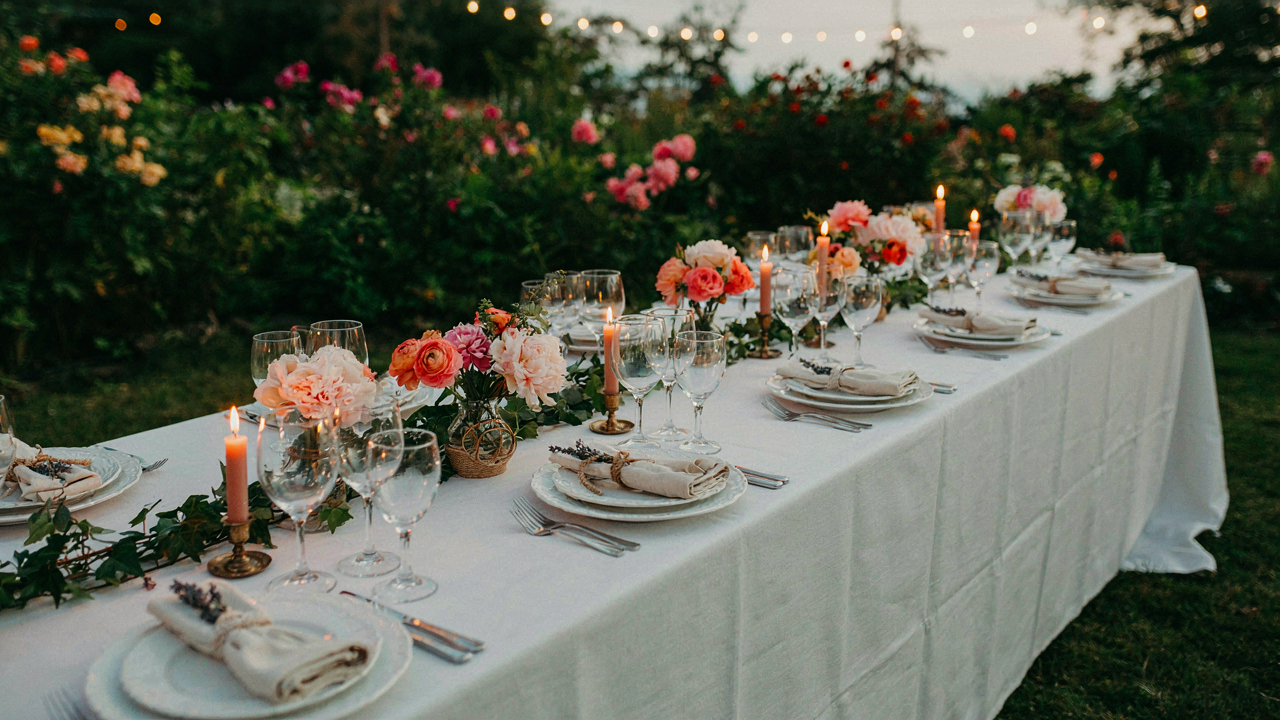
Color and texture coordination between napkin and ring determine whether the table feels intentional or assembled from leftovers. If your ring is copper wire, your napkin works better in cream or natural linen than in hot pink. The ring’s material weight should match the napkin’s visual weight. A thin brass ring demands a lightweight fabric. A chunky wooden ring anchors heavier linens. Test this by laying the ring on the napkin before committing to production.
The Napkin As A Framing Device
Your napkin isn’t a canvas for the ring to sit on. The napkin is the ring’s context. The ring’s job is to define where the napkin begins and ends, which shapes how the eye moves across the place setting. A napkin folded too loosely under a tight ring creates tension. A napkin folded too tight under a loose ring reads as careless. The fold mechanics matter as much as the ring’s material.
The standard restaurant fold is the quarter fold: napkin folded in half lengthwise, then in half again widthwise. You slide the ring two-thirds up the folded napkin, leaving fabric above and below the ring to frame it. This proportion creates visual balance. If your ring is wide, tighten your fold or use a longer napkin. The napkin’s behavior under the ring’s pressure determines whether your table looks planned or improvised.
The Investment Fallacy: Why Time Trumps Money For How To Make Napkin Rings

Time As Your Actual Currency
You think you’re saving money by making napkin rings yourself, but you’re really just hoping nobody notices you wasted three weekends on something that costs seven dollars to buy. Here’s the mechanism: time compounds. Every hour spent sourcing materials, testing designs, or redoing failed attempts is an hour you don’t get back. You can earn money tomorrow. You cannot earn yesterday’s time back.

Economics calls this opportunity cost, and it applies directly to napkin ring production. Your hands have a market value whether you acknowledge it or not. If you earn thirty dollars per hour through your actual work, and you spend five hours making napkin rings, you’ve burned one hundred fifty dollars of potential income to save maybe forty dollars on retail pricing. The math doesn’t care about your intentions.
What DIY Actually Costs You
The common advice says DIY is cheap. It isn’t. It’s only cheap if your time has zero value.
- Material sourcing time: Hunting down beads, wire, or fabric scraps across multiple retailers burns two to four hours before you cut a single piece. Shipping delays extend this further.
- Design iteration and failure: First attempts rarely work. Expect one to three failed batches before you hit a usable design, each requiring materials repurchased and time reinvested.
- Tool acquisition and learning: If you lack basic supplies like wire cutters or glue guns, you buy tools. Then you learn their proper use. That’s real overhead.
- Quality control rework: Even successful designs may need adjustments for consistency across fifty or more rings, adding hours of repetitive labor with no margin for error.
- Stress and decision fatigue: Choosing colors, materials, and attachment methods drains mental energy. Decision fatigue degrades judgment and slows production speed significantly.
Run the actual numbers before you commit. Calculate your hourly rate, multiply it by realistic hours spent, then subtract retail savings. If the result is negative, buy the rings and spend those hours on work that pays. The decision isn’t emotional. It’s mathematical.
Aftermath: What Your Guests Actually Remember About Your Diy Napkin Ring Ideas
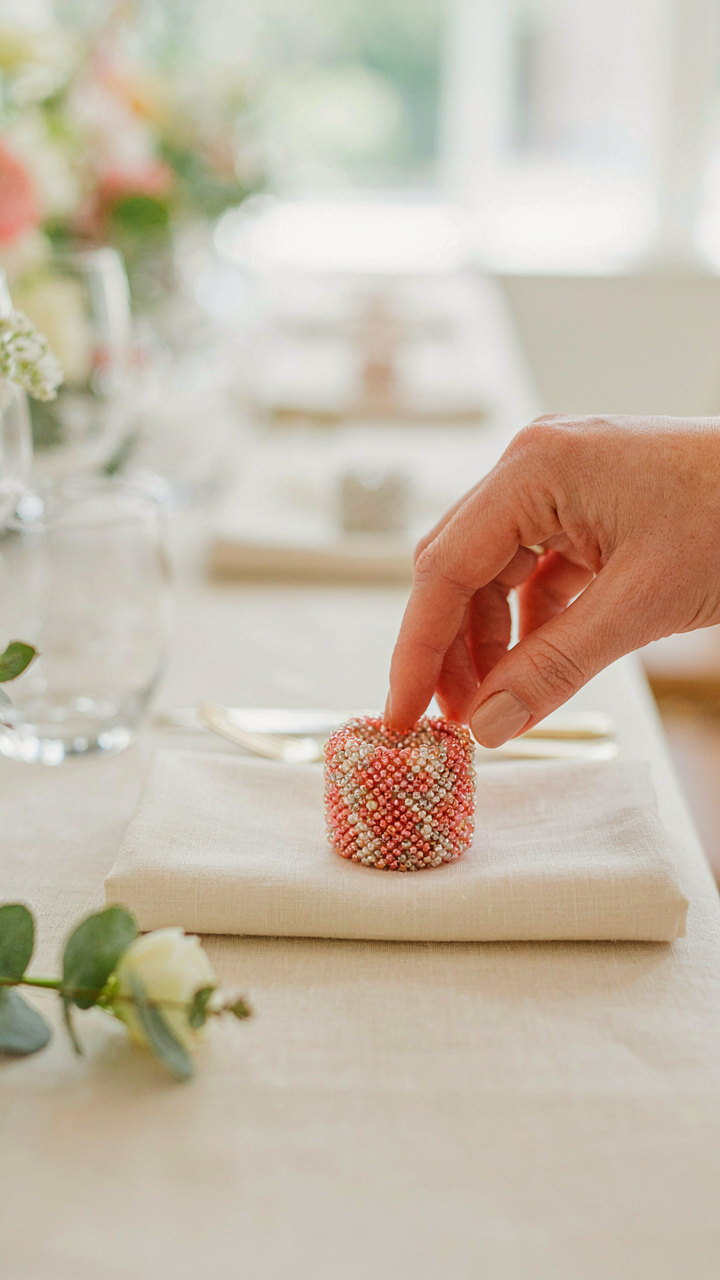
The Visual Anchor That Stays
You want proof that your effort mattered. That’s the real question underneath this section. Here’s what actually happens: your napkin rings function as a visual anchor in guest memory because they sit at the table throughout the meal. Unlike flowers that blur into background noise, or a centerpiece guests glance at once, the napkin ring is in hand. It’s tactile. A guest picks it up, feels the weight, notices the construction. That moment of interaction cements it into memory differently than passive observation.
The mechanism is simple attention economics. Your guests’ brains are running on limited processing power during the event. They’re managing conversation, eating, social navigation. A well-executed napkin ring cuts through that noise because it demands a micro-interaction. Beaded wire, wrapped fabric, hand-painted ceramic, macramé, or laser-cut wood each trigger a separate neural pathway. The guest doesn’t just see it. They handle it. They think “someone made this.” That’s where the retention happens, and it’s where your budget investment returns real dividends in perception.
Details That Resurface In Conversation
The common advice says guests won’t notice or care about small details. That’s incomplete. Guests absolutely notice and retain specific details when those details break from expectation or require evident skill. A napkin ring made from twine wrapped around a sprig of dried lavender reads differently than a store-bought plastic ring. The guest registers “this was considered.” That registration happens whether your budget was fifty dollars or five hundred.
What actually gets remembered and mentioned later are the napkin rings that required visible decision-making. A handwritten tag attached to each ring. A color scheme that matched the season or the couple’s actual preferences rather than generic wedding aesthetics. A textured material that felt substantial in the hand. Months later, when a guest recalls your wedding, they might not remember the playlist or the menu, but they’ll mention the napkin ring if it communicated care through specificity. Specificity is the only anti-generic defense. Build it into the material choice itself, not into unnecessary ornamentation.
The Real Obstacle Isn’t Your Budget; It’s Your Imagination’s Reliance On Convention
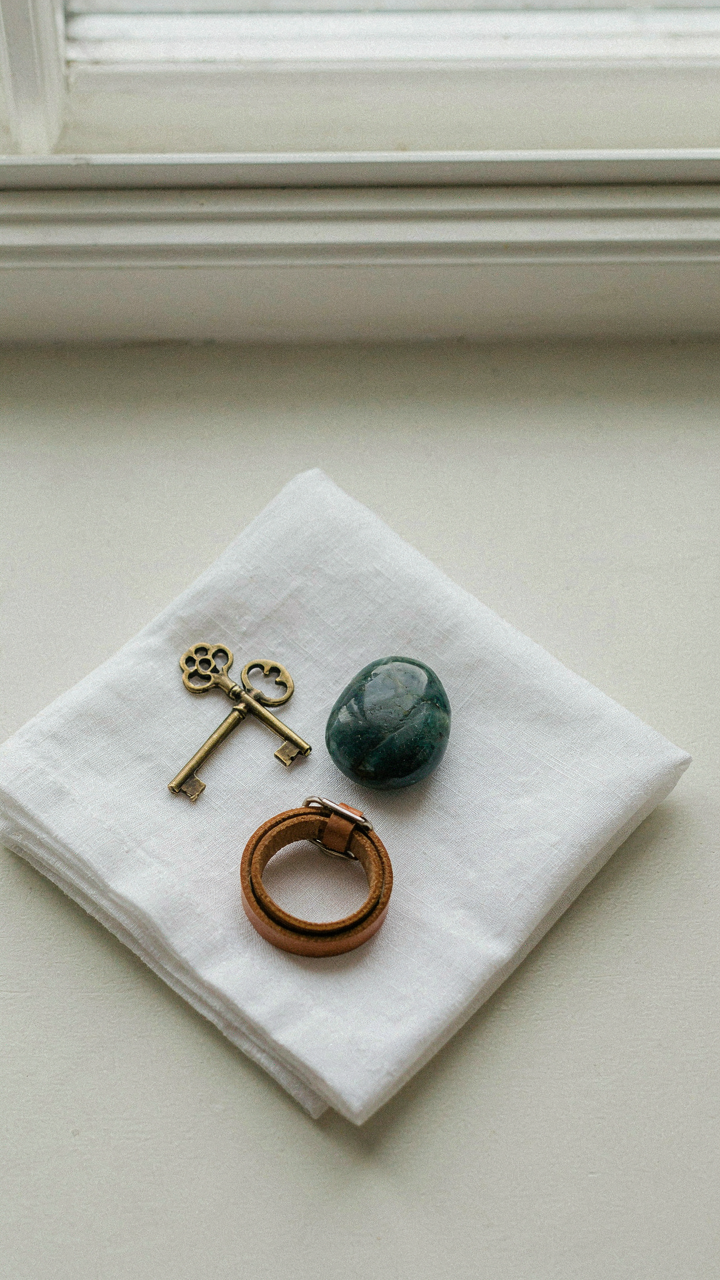
You’ve seen a thousand weddings copy the same napkin ring aesthetic. So you assume that’s what you’re supposed to do. Wrong. Your guests don’t care about matching Pinterest boards. They care about sitting at a table that feels intentional. Stop browsing examples today. Instead, grab three random objects from your home, photograph them together, and ask yourself: could this work? That single shift from consumption to creation exposes the lie your budget was hiding: the real cost was always your conformity.