Why Wedding Dress Alterations Can Completely Transform A Budget Gown
The Difference A Perfect Fit Makes On Affordable Bridal Fabric
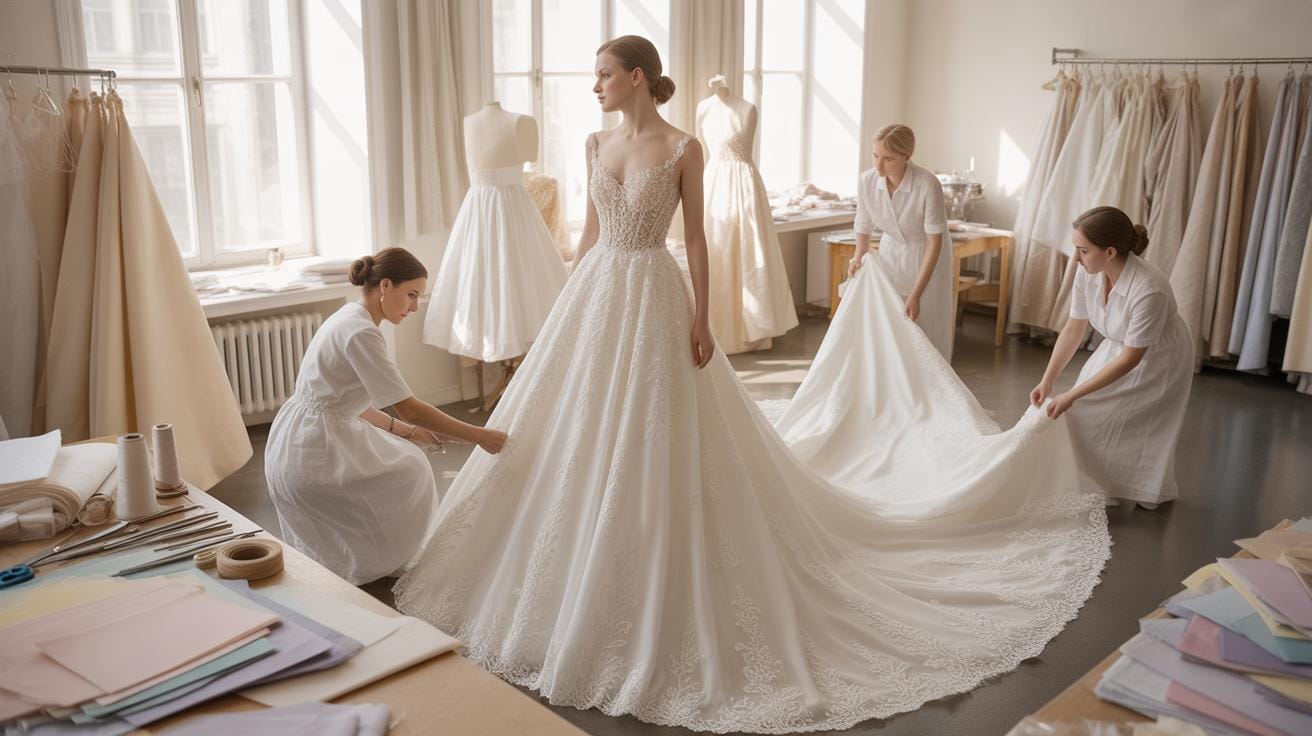
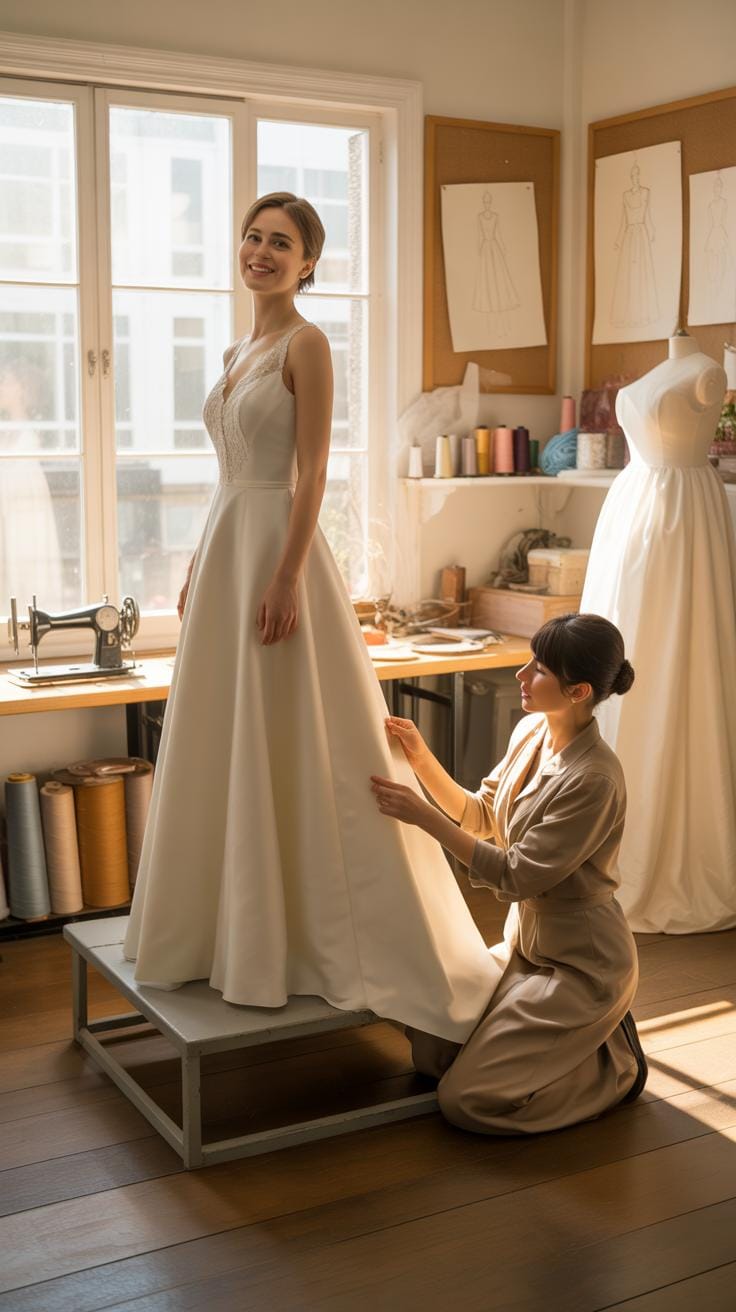
Cheap bridal fabrics like polyester satin or basic tulle often look stiff. These materials do not drape naturally over the body. Proper Wedding Dress Alterations fix this by removing excess bulk. A tailor adjusts the side seams to follow your natural silhouette. This prevents the fabric from bunching or pulling. Precise molding makes a budget gown look like a custom commission.
Achieving a high-end look requires more than just steaming. Even a unique Hand Knit Wedding Dress or a delicate Knitting Pattern Wedding Dress needs structural support to hang correctly. Without a proper fit, thin fabrics highlight every flaw. Standard Dress Alterations build an internal framework. This supports the weight of the garment. It ensures the dress moves with you rather than against you.
How Professional Tailoring Elevates The Perceived Value Of A Dress
Expert tailoring creates the illusion of luxury through structural integrity. A White Wrap Wedding Dress or a Wrap Long Sleeve Wedding Dress relies on tension and placement. Cheap gowns often have generic proportions. Professionals adjust the shoulder points and waistline to match your specific frame. This creates the balanced proportions found in designer labels. It removes the mass-produced look instantly.
Modern brides often use a Knit Wedding Dress Pattern or a Wedding Dress Knitting Pattern to save money. These pieces require specific Diy Wedding Dress Alterations to finish the edges properly. Sloppy seams signal low quality. Clean finishings and crisp lines suggest expensive craftsmanship. Using a professional for these tasks secures the garment. It ensures the final product resembles a heritage piece rather than a project.

Understanding Dress Alterations What Can And Cannot Be Changed
Common Structural Alterations A Seamstress Can Realistically Make
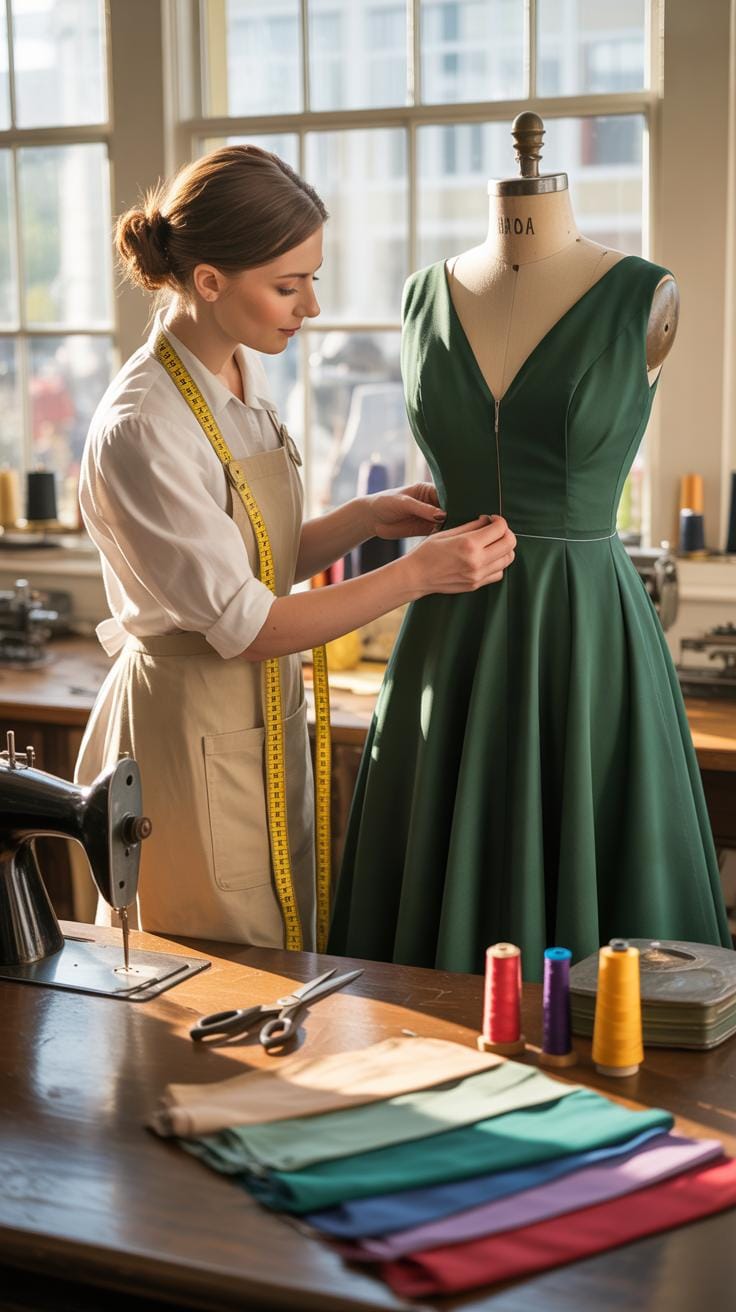
Professional Wedding Dress Alterations focus on fit and silhouette. A seamstress can easily take in side seams to contour the bodice. They can shorten hems or adjust shoulder straps for better lift. If you have a White Wrap Wedding Dress, a pro can secure the closure to prevent gaping. These changes fix the drape. They make a cheap gown look custom made by following your body lines.
Adding sleeves is a common request to elevate a basic look. A tailor can integrate a Wrap Long Sleeve Wedding Dress style into an existing strapless base. They can also swap cheap plastic zippers for high quality metal versions or bridal buttons. These structural upgrades require technical skill. They ensure the garment holds its shape during movement. Proper boning installation is also possible to provide better internal support.
A wedding dress is as much about the woman who wears it as the stitches that hold it together, for true elegance is found in the fit. With a little love and the right tailor, a simple gown becomes a masterpiece that feels like a family heirloom.
When To Hire A Professional Vs. Attempting Alterations Yourself
Simple tasks like sewing on beads or minor steaming fall under Diy Wedding Dress Alterations. You can manage these if you have basic hand sewing skills. However, complex tasks like resizing a bodice require industrial machines. If you are working from a Wedding Dress Knitting Pattern or a Knit Wedding Dress Pattern, finishing the edges takes patience. Only attempt small repairs yourself. Do not cut into expensive silk or delicate lace.

Hire a professional for any change involving the foundation of the gown. A Knitting Pattern Wedding Dress or a Hand Knit Wedding Dress needs expert blocking to keep its shape. Standard Dress Alterations on heavy satins or multi layered tulle also need professional grade equipment. One wrong cut can ruin the entire garment. Save your money by doing the small aesthetic tweaks. Pay a master tailor for the structural work.
DIY Wedding Dress Alterations Beginner Friendly Upgrades To Try At Home
Essential Tools And Materials You Need Before Starting DIY Alterations
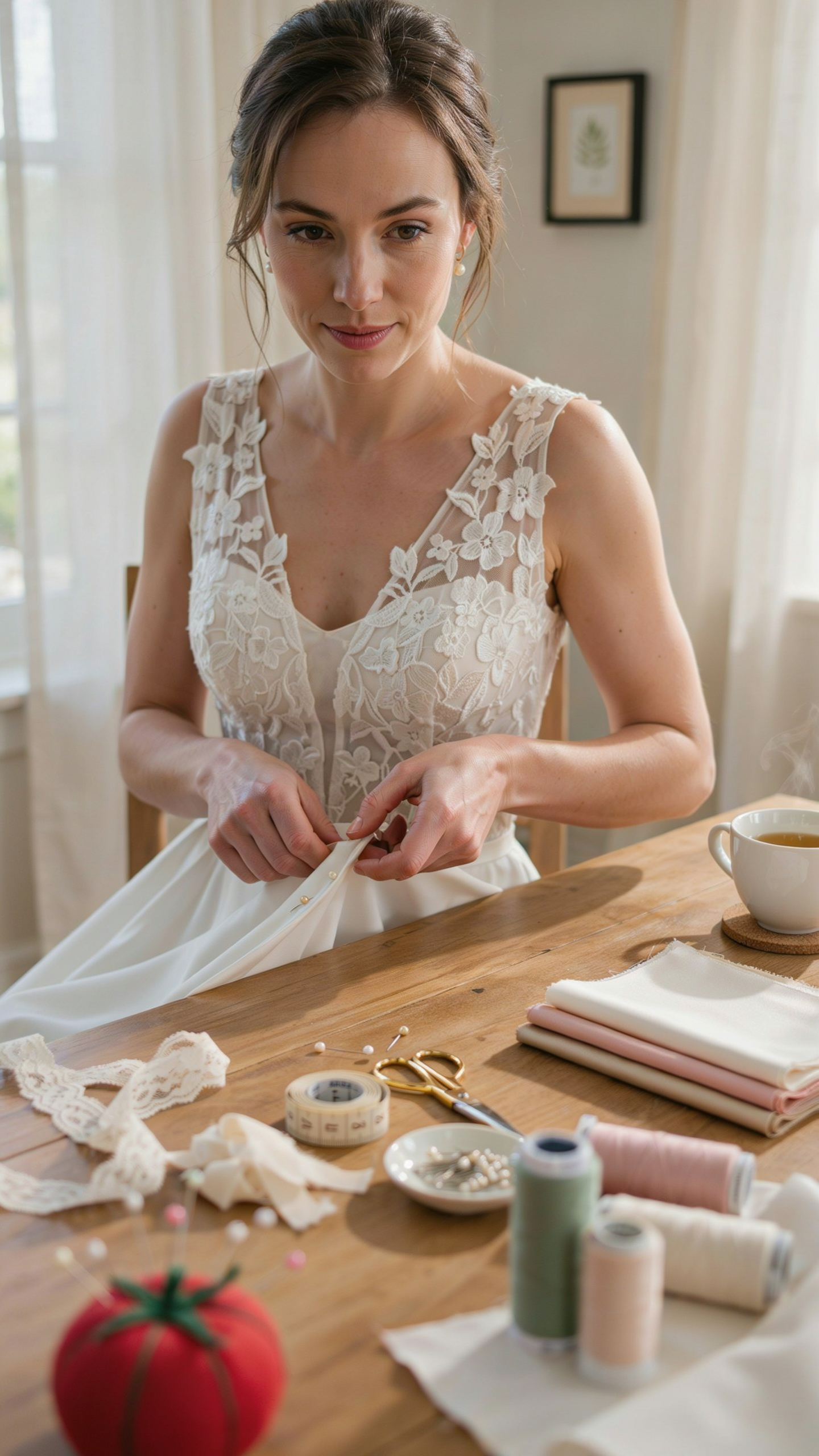
Professional Diy Wedding Dress Alterations require high-quality precision tools to avoid ruining delicate cheap fabrics. You must match your thread weight and needle size to the specific weave of your gown. Using the wrong equipment causes puckering and visible snags. Gather every item before you cut any fabric. Organization prevents costly mistakes during the construction process. Proper lighting and a clean workspace are mandatory for these Dress Alterations.
- Fabric Shears: Invest in professional-grade steel scissors dedicated solely to fabric. Cheap household scissors chew through delicate bridal lace and satin instead of cutting cleanly. Keep these blades sharp to ensure straight edges on long skirt panels.
- Fine Silk Pins: Use extra-fine steel pins to hold layers together without leaving permanent holes. Standard sewing pins are too thick for high-density bridal fabrics. These specialized pins slide through silk and polyester blends without snagging the delicate threads.
- Seam Ripper: A sharp seam ripper allows you to undo factory mistakes or adjust previous Wedding Dress Alterations. You will use this tool to remove bulky internal tags or stiff plastic boning. Slow, careful movements prevent the tip from piercing the main dress body.
- Tailor’s Chalk: Mark your adjustment lines clearly using professional chalk or disappearing ink pens. Never use standard pencils or markers which stain bridal fabrics permanently. Accurate marking ensures your symmetry remains perfect across the bodice and the entire length of the hem.
- Clear Monofilament Thread: High-strength clear thread works best for attaching lace appliques or securing beads. It disappears against the fabric regardless of the specific shade of white. This tool is essential for invisible repairs on a White Wrap Wedding Dress or complex lace overlays.
If you are working from a Wedding Dress Knitting Pattern or a Knit Wedding Dress Pattern, your tool set changes significantly. You will need blunt tapestry needles and stitch markers to navigate the rows. A Hand Knit Wedding Dress requires careful blocking tools to set the final shape. Always keep a Knitting Pattern Wedding Dress guide nearby to track your stitch counts during every modification session.
Simple Hemming And Seam Adjustments That Instantly Improve Dress Shape
Correcting the hemline is the fastest way to make a budget gown look custom. Most cheap dresses come with standard lengths that drag or trip the wearer. Use a blind hem stitch for a clean finish that hides the thread from the outside. Aligning the side seams to your natural waist creates a more expensive silhouette. This specific adjustment removes the boxy look common in mass-produced bridal garments.
A Wrap Long Sleeve Wedding Dress often requires sleeve tapering to look polished. Tightening the forearm and wrist area prevents the fabric from looking limp or oversized. If the bodice lacks structure, shorten the shoulder straps to lift the entire garment. This simple change improves the neckline fit and prevents the bust from sagging. Focus on symmetry to ensure the dress looks balanced from every viewing angle.
Adding Luxurious Embellishments To Make A Cheap Wedding Dress Look High End
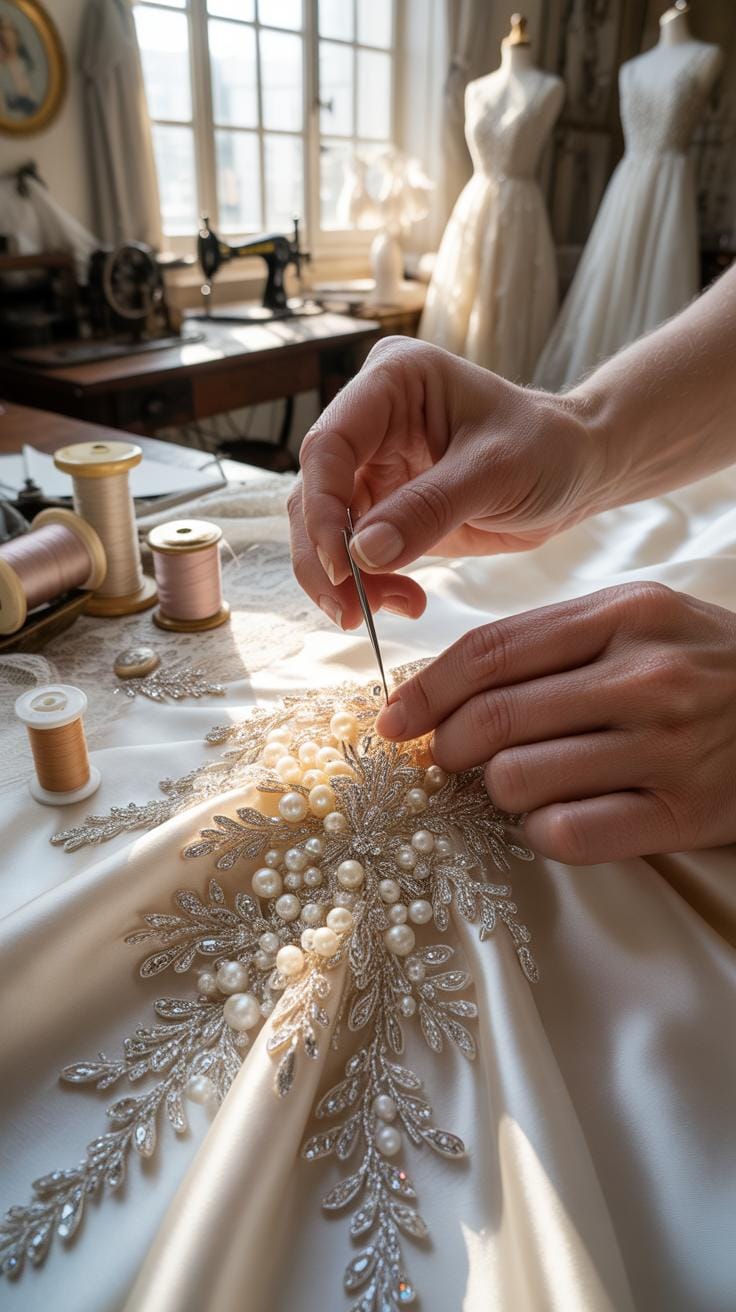
Choosing The Right Lace, Beading, And Trim To Elevate Your Gown
Cheap dresses often use synthetic lace with a plastic sheen. Replace these sections with Alencon or Chantilly lace to improve the visual texture. High-end gowns utilize glass beads and Swarovski crystals rather than plastic sequins. When you perform wedding dress alterations, focus on the bodice and neckline first. Strategic placement of quality materials pulls the eye away from lower-quality base fabrics found in a white wrap wedding dress.
Avoid heavy trims that weigh down light materials. If you use a knitting pattern wedding dress or a wedding dress knitting pattern, match the yarn weight to your embellishments. Metallic threads or silk ribbons add depth to a simple knit wedding dress pattern or any hand knit wedding dress. Precise selection ensures the dress looks intentional. Proper dress alterations require matching the white balance of the trim to the gown fabric perfectly.
How To Attach Embellishments Securely Without Damaging Delicate Fabric
Secure embellishments using a fine needle and clear nylon thread or silk thread. Never use hot glue on bridal fabrics as it ruins the fibers. For diy wedding dress alterations, use a tambour hook or a small sharps needle for precision. If you are working on a wrap long sleeve wedding dress, ensure the stitching allows for arm movement. Tight stitching on mesh sleeves causes the fabric to tear under tension.

Reinforce the underside of the fabric with lightweight organza or stabilizer before sewing heavy beads. This prevents the fabric from sagging or puckering over time. Professional dress alterations rely on hidden knots and backstitching to keep details in place. Test your technique on a hidden seam first. Consistent tension keeps the embellishments flat. This step is vital for maintaining the structural integrity of your high-end look.
How A Wrap Long Sleeve Wedding Dress Style Can Be Recreated Through Alterations
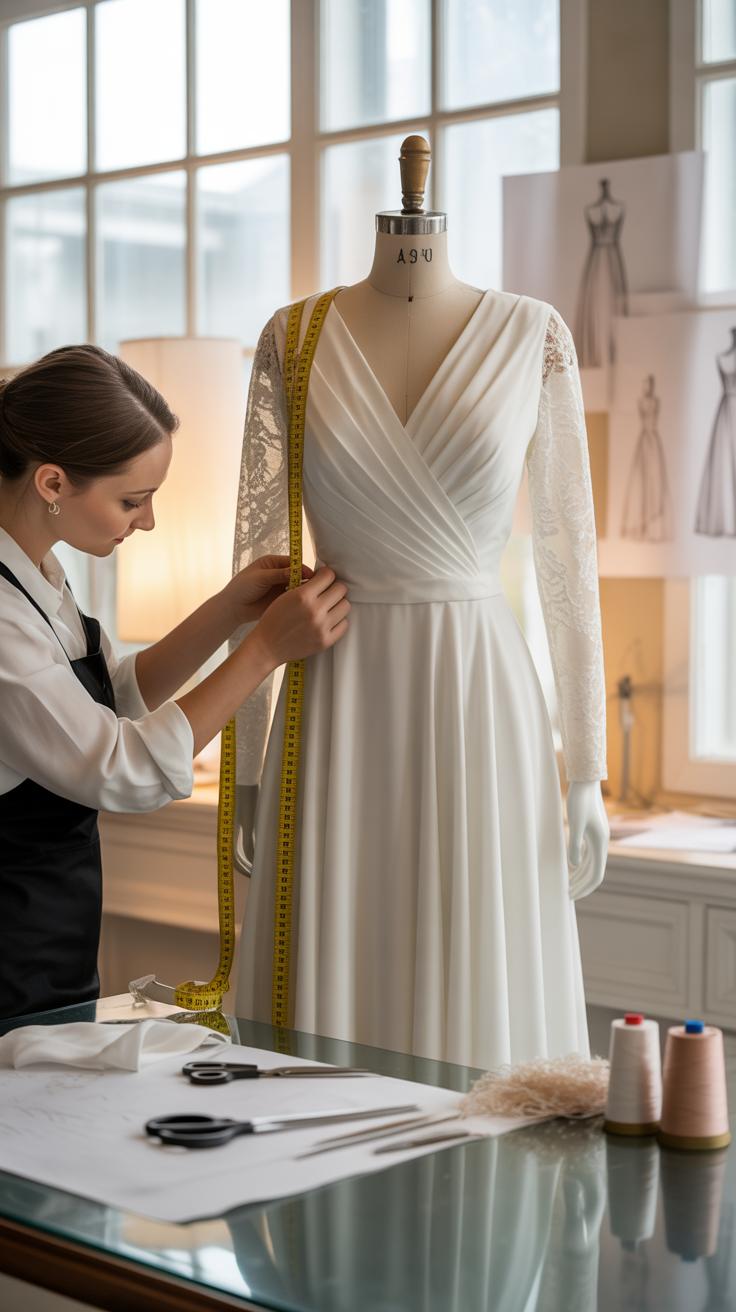
Adding Sleeves To A Sleeveless Gown: What The Process Involves
Adding components to cheap wedding dress alterations requires matching the fabric grain and weight precisely. To create a wrap long sleeve wedding dress look, you must first open the armscye seams. A tailor integrates new sleeves by drafting a pattern that aligns with the existing bodice structure. If you are skilled in diy wedding dress alterations, you can use a wedding dress knitting pattern for custom texture.
The structural integrity of the shoulder determines the sleeve weight. For those seeking a unique finish, a hand knit wedding dress style sleeve can be attached to a silk or satin base. You must ensure the knit wedding dress pattern allows for enough arm movement. Precision in dress alterations prevents pulling at the chest. Matching the white wrap wedding dress aesthetic requires securing the sleeve cap to the internal bodice lining.
Why The White Wrap Wedding Dress Silhouette Flatters A Wide Range Of Body Types
The wrap design creates a diagonal line that draws the eye across the torso. This visual trick narrows the waist and balances the shoulders. Many brides choose these wedding dress alterations to define their shape without restrictive corsetry. A knitting pattern wedding dress bodice often uses this wrap style to provide natural stretch. It adapts to the body while maintaining a high end architectural look on a budget.

Functionality is the core benefit of this specific silhouette. It accommodates fluctuating measurements better than a fixed waist seam. Whether using a traditional woven fabric or a knit wedding dress pattern, the overlap provides adjustable coverage. Strategic dress alterations can convert a standard front into this crossover style. This modification enhances the bust line and provides a secure fit for different heights and proportions during the ceremony.
Fabric Upgrades And Lining Improvements That Mimic Designer Quality
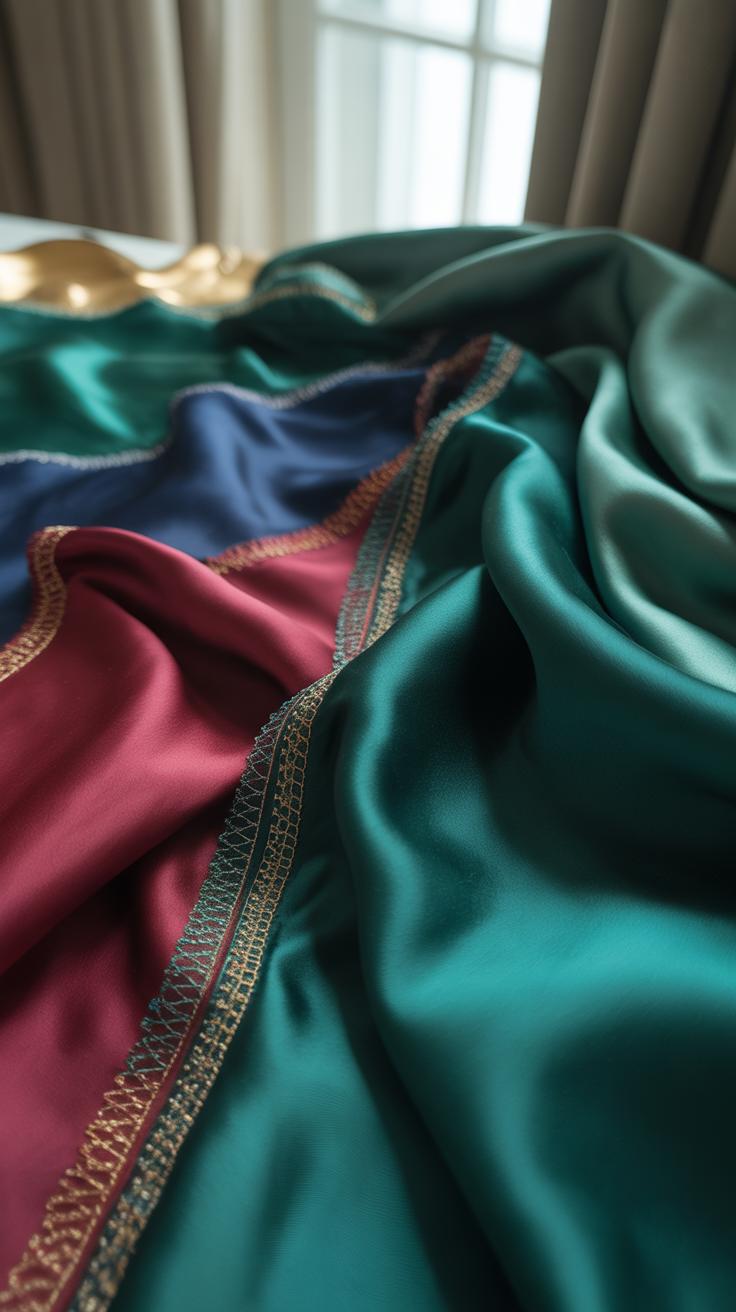
Replacing Cheap Lining Fabric With Higher Quality Alternatives
Budget gowns often feature stiff polyester linings that trap heat and feel rough. To alter cheap wedding dress interiors, swap standard lining for silk charmeuse or high-grade rayon bemberg. These materials provide a cool touch and superior drape. Start by carefully ripping the original seams. Use the old pieces as a template for your new fabric. Proper linings prevent the outer shell from clinging or bunching during movement.
Superior interior fabrics transform the overall silhouette of a white wrap wedding dress or a wrap long sleeve wedding dress. Light colors require opaque linings to hide undergarments and internal construction details. High-quality linings also improve the longevity of dress alterations. A well-lined garment feels heavier and more substantial. Even a hand knit wedding dress benefits from a silk slip lining to maintain the shape of the delicate stitches over time.
Understitching Boning And Bustling Techniques That Add Structure And Luxury
Luxury gowns rely on internal architecture to maintain their shape. Add plastic or steel boning to the bodice to prevent sagging and wrinkles. This is a common step in wedding dress alterations to create a sculpted look. Use understitching on the neckline and armholes to keep the lining from rolling outward. This technical detail ensures the edges remain crisp and hidden. Effective diy wedding dress alterations focus on these invisible support systems.

Install a French or American bustle to manage the train after the ceremony. This prevents the fabric from dragging and getting damaged. If you are working from a wedding dress knitting pattern or a knit wedding dress pattern, reinforce the waist with a grosgrain stay. This internal belt distributes the weight of the skirt and prevents the knitting pattern wedding dress from stretching. These structural dress alterations provide a professional finish that mimics expensive custom couture.
Inspired By The Hand Knit Wedding Dress Trend Texture And Detail Alterations
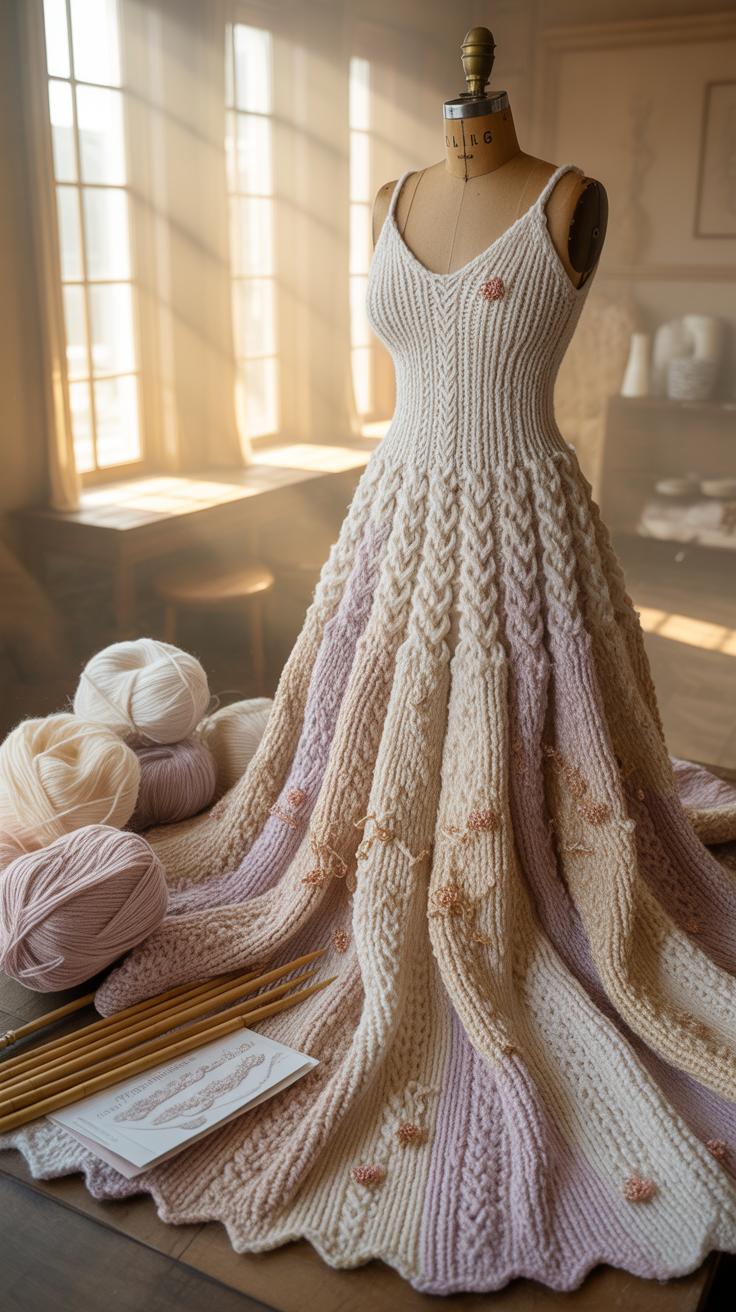
How The Knit Wedding Dress Pattern Aesthetic Influences Modern Bridal Styling
Modern bridal styling shifts toward tactile surfaces and organic structures. Use a wedding dress knitting pattern to understand how depth and relief work on a garment. Standard retail gowns often lack this dimensional quality. You can upgrade a flat bodice by mimicking these textures. This approach bridges the gap between mass-produced items and the high-end look found in a professional hand knit wedding dress.
Strategic dress alterations allow you to introduce these artisanal elements without rebuilding the entire gown. Many designers now look at a knit wedding dress pattern for inspiration on sleeve construction and bodice overlays. Applying these concepts helps you alter cheap wedding dress options into custom pieces. Focus on the geometry of the stitches. Use these patterns to guide your placement of lace or textured fabric during diy wedding dress alterations.
Incorporating Textured Overlays And Knit Inspired Panels Into An Existing Gown
Adding texture creates immediate perceived value in a low-cost garment. You can modify a basic silhouette by integrating a white wrap wedding dress overlay. This adds layers and complexity to the design. If your base gown is too simple, use a knitting pattern wedding dress style to inform your choice of lace or crochet appliqués. These additions mask cheap fabric and create a high-end, custom appearance for the wearer.
- Geometric Lace Appliqués: Apply heavy, structured lace to the bodice to mimic the relief of a knit wedding dress pattern. This hides thin synthetic materials and adds weight to the garment.
- Textured Sleeve Extensions: Create a wrap long sleeve wedding dress look by adding detachable sleeves made from open-weave bridal fabrics. These provide the visual interest found in artisanal knitted designs without the bulk.
- Tiered Tulle Panels: Layer varying lengths of soft tulle over the skirt to replicate the movement seen in a hand knit wedding dress. This technique provides volume and softens the overall silhouette.
- Ribbed Ribbon Detailing: Use grosgrain or velvet ribbons to create vertical lines on the torso. This mimics the structural ribbing of a knit wedding dress pattern and creates a slimming visual effect.
- Dimensional Waist Wraps: Incorporate a white wrap wedding dress element using textured silk or linen. This breaks up the flat appearance of common polyester blends and adds a bespoke architectural layer.

Precision is vital when executing these wedding dress alterations. Secure each panel with hidden stitching to maintain a professional finish. Ensure the tension of your overlays matches the stretch of the base gown. This prevents bunching or distorted seams during movement. By following a knitting pattern wedding dress logic, you achieve a balanced distribution of weight. These diy wedding dress alterations transform basic retail silhouettes into sophisticated bridal statements.
Budgeting Smart How To Alter A Cheap Wedding Dress Without Overspending
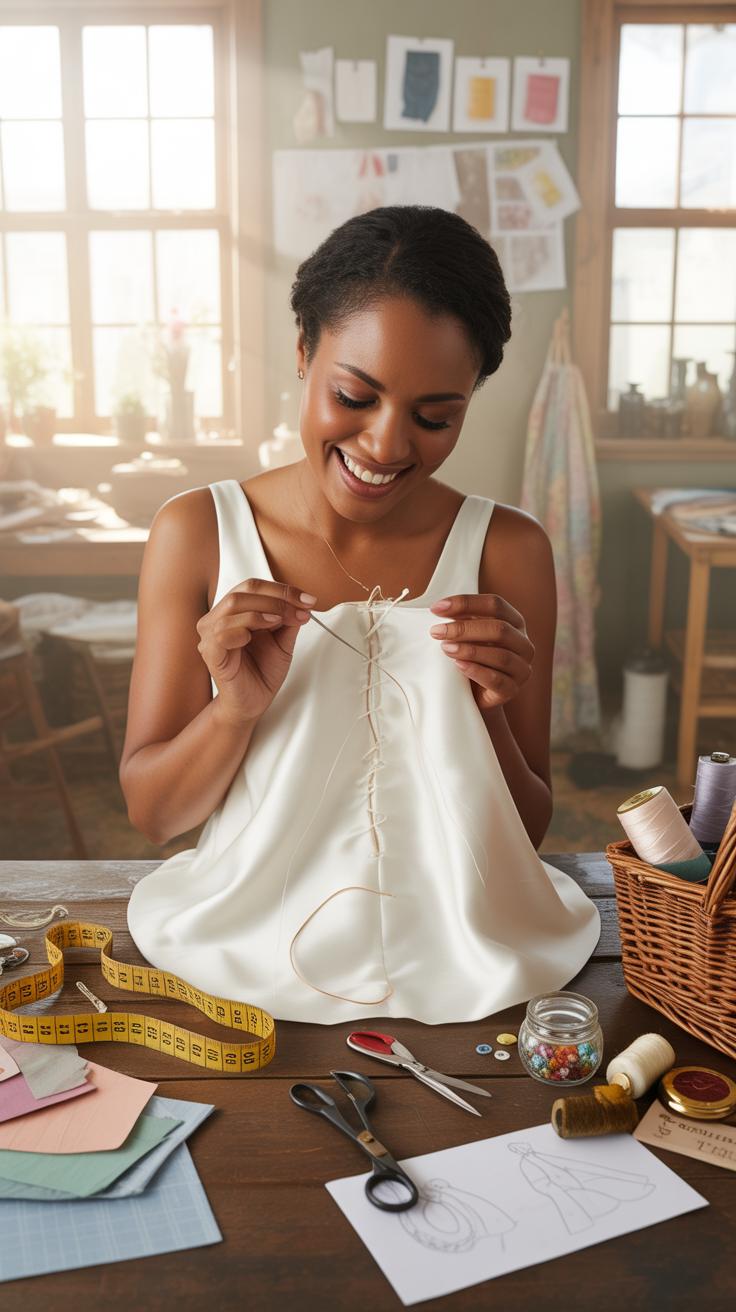
Average Cost Of Common Wedding Dress Alterations And How To Prioritize Them
Standard Wedding Dress Alterations costs vary by region and fabric complexity. Hemming a gown usually costs between seventy five and two hundred dollars. Taking in the bodice or adjusting the bust often requires another fifty to one hundred fifty dollars. You must prioritize structural fit over cosmetic changes. A cheap gown looks expensive only if it sits perfectly on your frame. Focus your budget on the waist and bust.
If you plan to DIY Wedding Dress Alterations, study structural integrity first. Adding a White Wrap Wedding Dress or a Wrap Long Sleeve Wedding Dress element can hide fit issues in the arms. Some brides choose a Hand Knit Wedding Dress or use a Knitting Pattern Wedding Dress to create unique accessories. Use a Knit Wedding Dress Pattern or Wedding Dress Knitting Pattern for smaller details. These additions reduce the need for expensive professional Dress Alterations.
Finding Affordable Seamstresses And Alteration Studios Without Compromising Quality
Search for independent tailors instead of high end bridal salons to save money. Local seamstresses often have lower overhead costs and charge fair rates. Ask to see photographs of their previous work on formal gowns. Look for experience with specific fabrics like lace or silk. A skilled professional can transform a basic garment into something high quality. Clear communication about your budget and timeline prevents unexpected charges during the process.

Consider non traditional options like knitting shops for specific textures. A expert familiar with a Knit Wedding Dress Pattern or Knitting Pattern Wedding Dress can assist with specialized repairs. If you are handy, a Wedding Dress Knitting Pattern allows you to customize the look for less. Always get a written estimate before leaving your dress. This ensures your project stays on track. Proper research helps you find a technician who understands both value and craftsmanship.
Frequently Asked Questions

Is it really possible to make an affordable gown look like a designer piece?
Absolutely! You can successfully alter a cheap wedding dress to look expensive by focusing on structure and fabric quality. Many budget gowns lack the internal support found in luxury brands, so adding boning or higher-quality cups can instantly elevate the silhouette. By swapping out generic details for more refined materials, you create a custom, high-end aesthetic that mimics the look of a boutique designer gown without the steep price tag.
What specific changes should I make to elevate the overall look of my gown?
To effectively alter cheap wedding dress designs, start by replacing plastic zippers with delicate bridal buttons and upgrading thin, itchy lace for premium appliqués. Shortening a hem to the perfect floor-grazing length or narrowing the straps can also make a mass-produced garment feel bespoke. These small, intentional adjustments remove the “off-the-rack” markers and give your dress the sophisticated, tailored finish that characterizes luxury bridal fashion.
How much should I expect to pay for these types of bridal alterations?
Costs vary depending on the complexity, but expect to spend between $200 and $600 to professionally alter cheap wedding dress options. While this might seem high, it is significantly less than purchasing a premium designer gown. Investing your savings into a skilled seamstress ensures the fit is flawless, which is the ultimate secret to making any affordable fabric look like a million dollars on your big day.