What Is An A Line Wedding Dress A Wedding Dress Silhouettes Breakdown
Defining The A Line Cut: How This Silhouette Gets Its Name
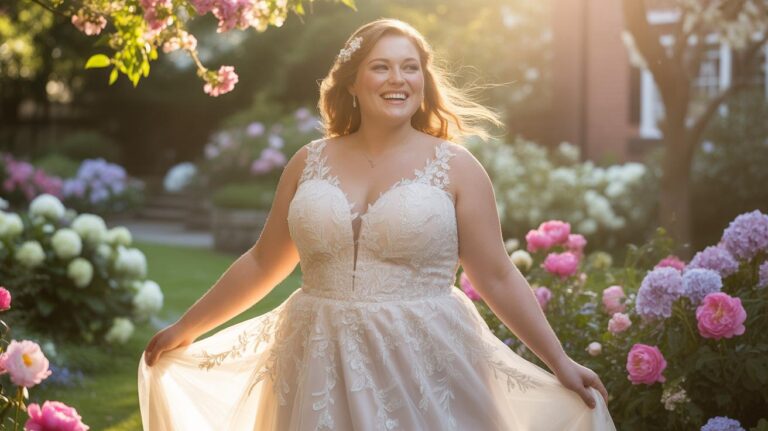
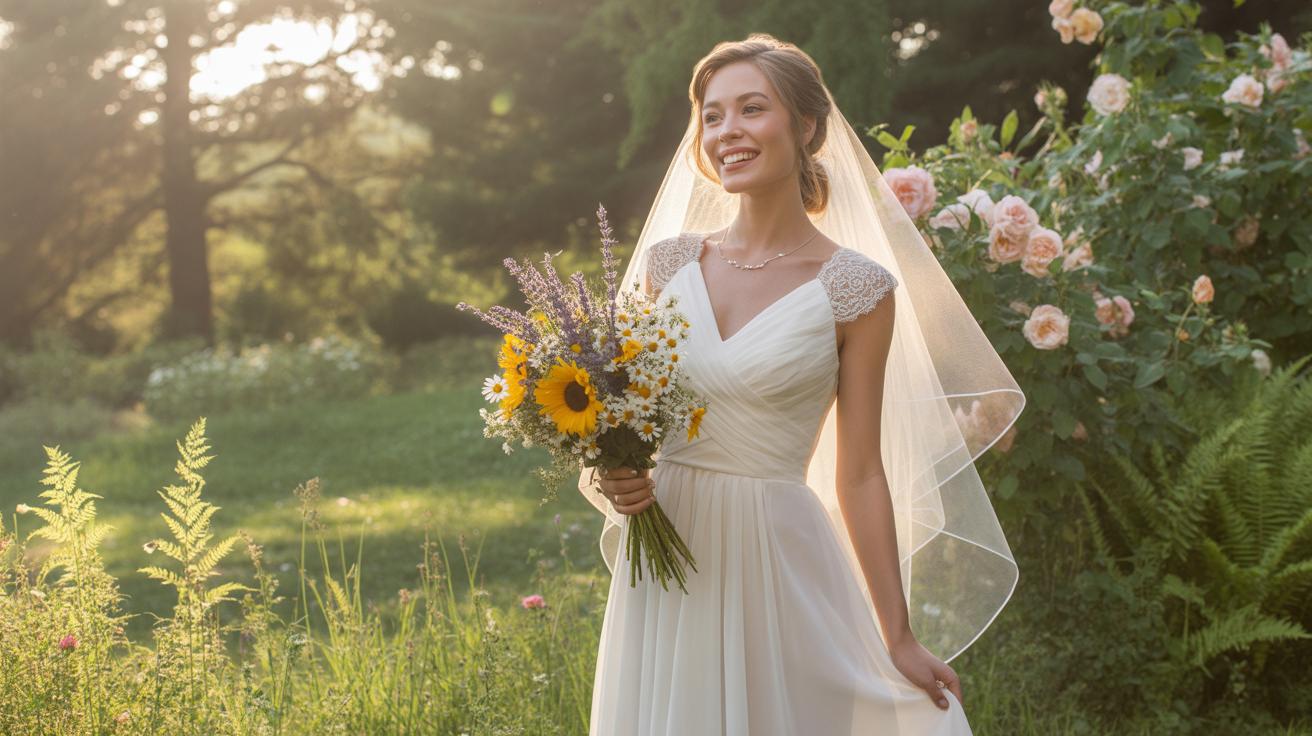
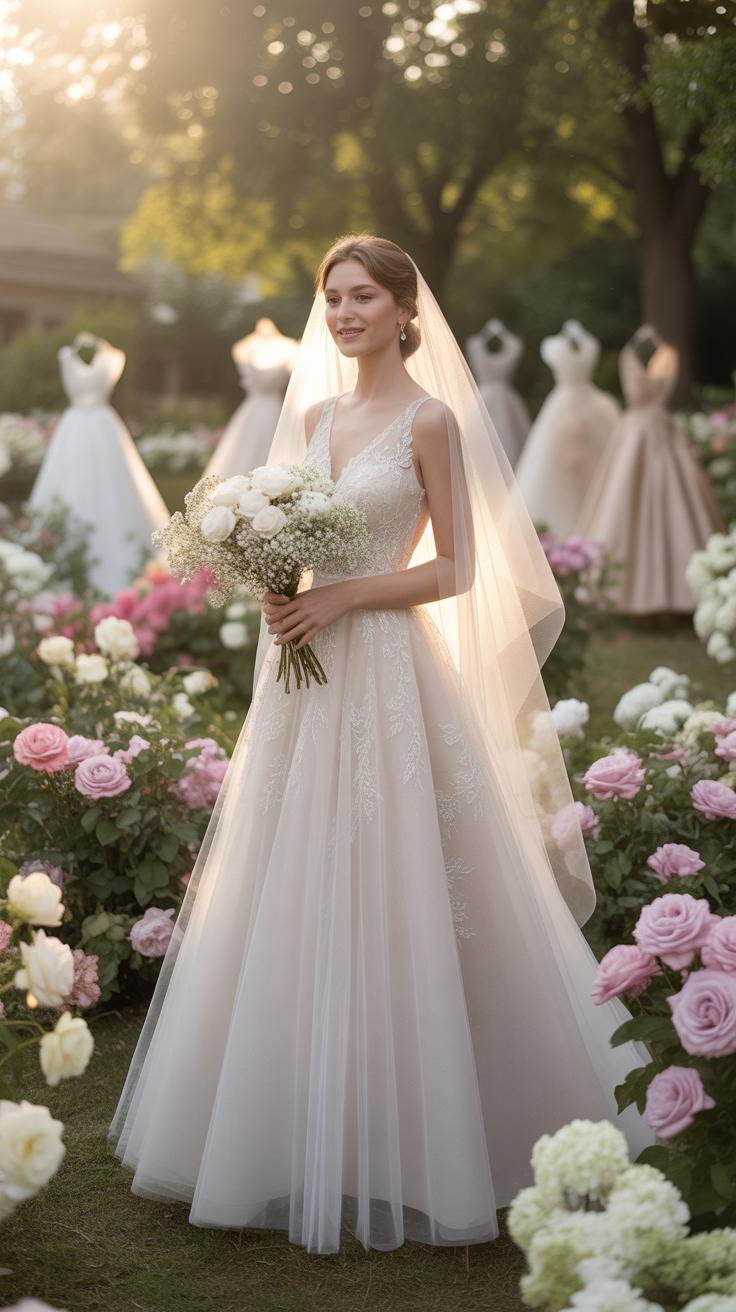
The A-line silhouette features a fitted bodice through the chest and waist. It then flares gradually toward the hem. This design creates a shape like the capital letter A. Christian Dior popularized this term in his 1955 spring collection. It differs from a ball gown because it lacks extreme fullness at the hips. The transition from the waist remains smooth and narrow.
This cut depends on vertical seams to maintain its structural integrity. Designers often use stiff fabrics like taffeta or organza to hold the shape. These materials prevent the skirt from collapsing against the legs. By flaring from the natural waistline, the dress minimizes the focus on the lower body. It offers a balanced look without the weight of heavy petticoats or structural metal hoops.
Why The A Line Silhouette Is One Of The Most Universally Flattering Wedding Dress Types
The A-line works because it balances the wearer’s proportions. It draws the eye upward to the narrowest part of the torso. For brides with wider hips, the flared skirt masks the lower half effectively. For those with a straight frame, the cut creates the illusion of curves. This versatility makes it the top choice for mass production and custom tailoring in the industry.
Budget brides benefit from this cut because it requires less fabric than a full ball gown. Fewer layers of tulle and crinoline reduce the overall garment cost. The simple construction also makes alterations cheaper and faster. Tailors can easily adjust the side seams without ruining the garment’s visual flow. It provides a high-end look while keeping the manufacturing and maintenance expenses within a strict limit.

Understanding Wedding Dress Silhouettes Where A Line Fits In The Styles Of Wedding Dresses Chart
Comparing A Line To Other Wedding Dress Names Style Types Of: Ball Gown, Mermaid, Sheath, And Empire
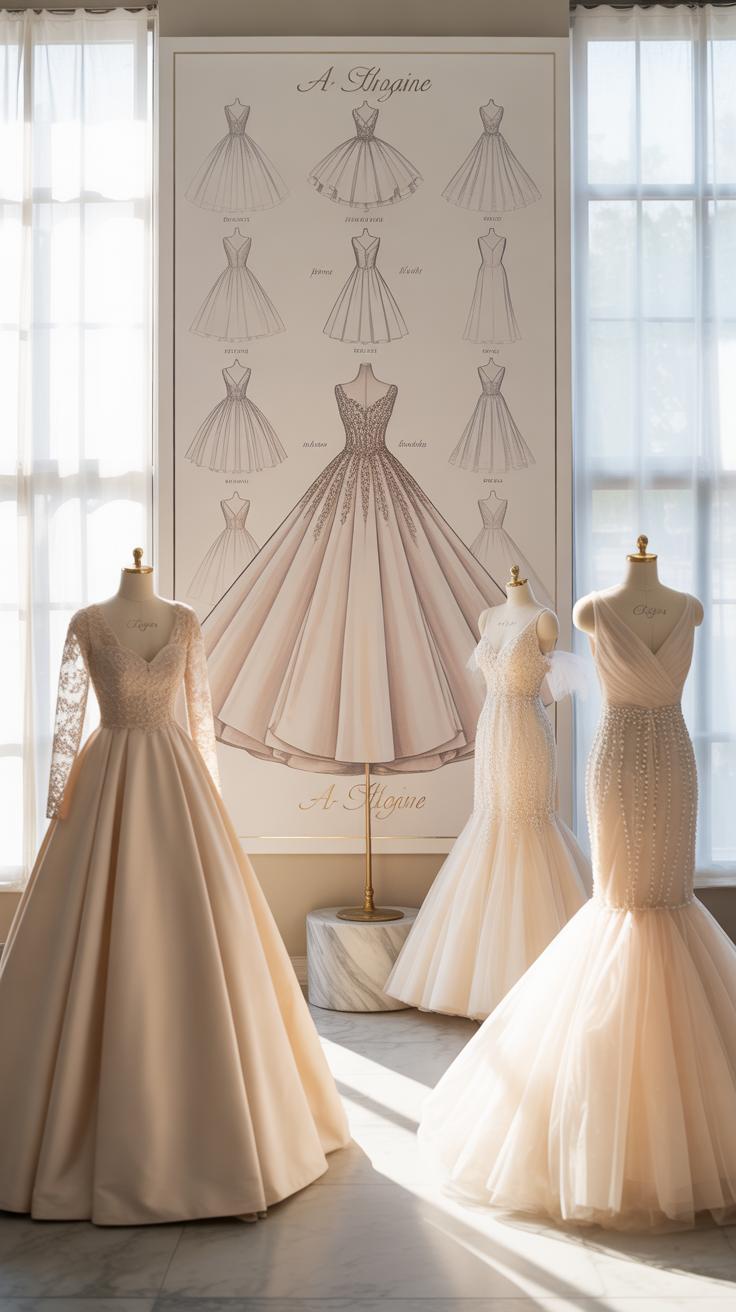
The A-line silhouette features a fitted bodice and a skirt that flares gradually from the waist. It differs from the ball gown because it lacks extreme volume and heavy layers of crinoline. While the mermaid style hugs the hips and knees, the A-line offers more movement and comfort. It provides a structured middle ground between the tight fit of a trumpet and the loose drape of a sheath.
Christian Dior coined the term A-line in 1955 to describe a specific geometric shape. This cut hides the lower body while highlighting the natural waist. Empire waists sit much higher, just below the bust, which changes the visual center of the dress. Sheath dresses follow the bodys line without any flare. The A-line remains the most versatile choice for different body types and formal settings.
How To Read A Wedding Dress Cuts Guide Before You Shop
A wedding dress cuts guide ranks silhouettes by their volume and construction. You must look for the focal point of the garment. In an A-line dress, the focus is the waistline and the diagonal slope of the skirt. Guides often group these by fabric weight and seam placement. Heavier fabrics like satin hold the A-shape better than lightweight chiffon or silk.

Smart shoppers use these guides to identify labor costs. Simple A-line cuts require fewer internal support structures than complex mermaid or ball gown styles. This reduces the total price of the gown. Check the guide for descriptions of the side seams and hemline. Straight lines are easier to alter than curved seams found in contoured fits. Understanding these technical details helps you manage your budget.
The A Line Wedding Dress And Body Types A Practical Wedding Dress Type Guide
Which Body Shapes Benefit Most From The A Line Wedding Dress Style
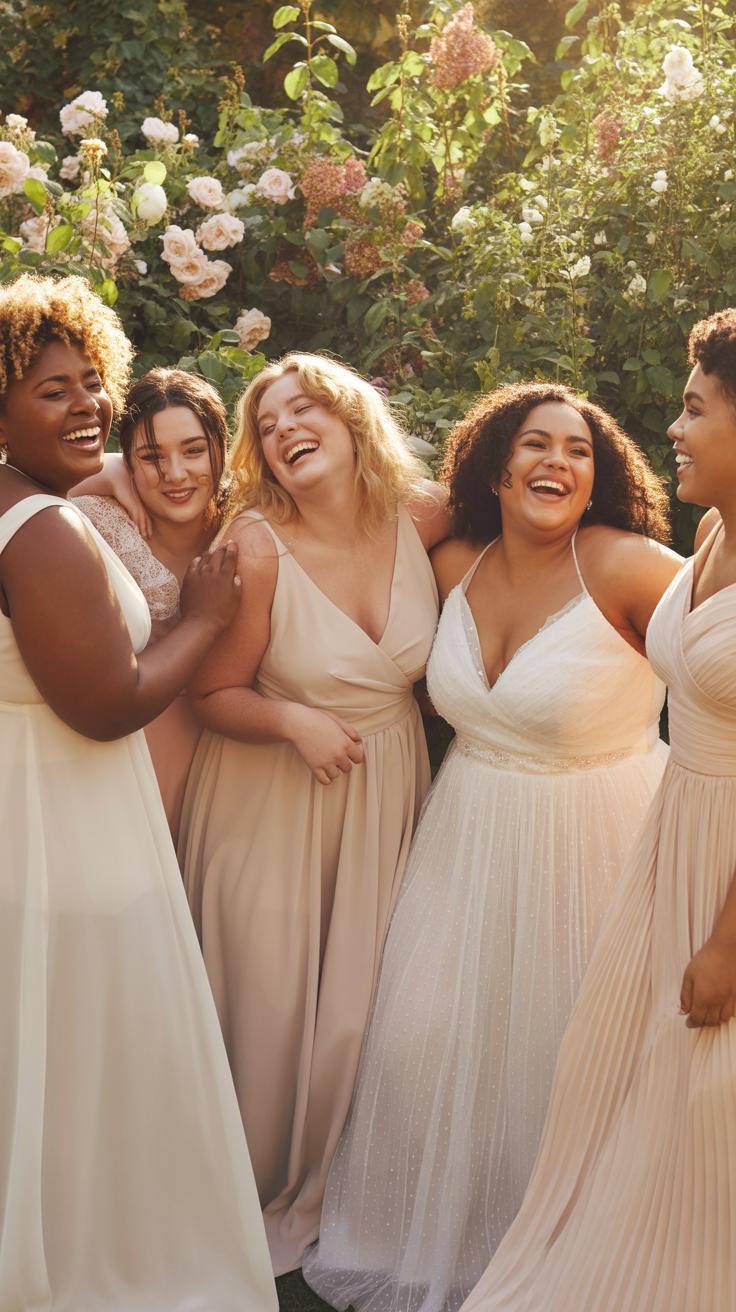
The A-line wedding dress budget benefits from a design that suits almost every body type. Christian Dior coined the term in 1955 to describe a silhouette that flares from the hips. This cut creates balance for pear-shaped figures by concealing the lower body. It also adds curves to rectangular frames by defining a narrow midpoint. The structural geometry works for everyone.
Plus-size brides and petite women both find value in this cut. The vertical lines create an illusion of height for shorter frames. For full-figured women, the skirt bypasses the midsection to prevent pulling or bunching. This versatility reduces the need for expensive custom structural alterations. You save money by choosing a shape that naturally aligns with your skeletal frame.
Proportions, Waistlines, And Fit: What To Look For When Trying On An A Line Gown
Check the waistline placement first to ensure the gown fits your torso. A true A-line sits at the natural waist, which is the narrowest part of your body. If the waist sits too high, it becomes an empire cut. If it sits too low, it becomes a dropped waist. Correct placement ensures the fabric skims the hips without adding unnecessary bulk or weight.
Inspect the side seams and the transition from the bodice to the skirt. High-quality construction uses interior boning to maintain the shape of the bodice. Cheaply made gowns often collapse at the waist, ruining the intended silhouette. Look for a smooth flare that starts exactly at the hip bone. Proper fit here eliminates the need for extra petticoats, which lowers your total dress cost.
Setting A Realistic Wedding Dress Budget What Inexpensive Wedding Dresses Budget Actually Means
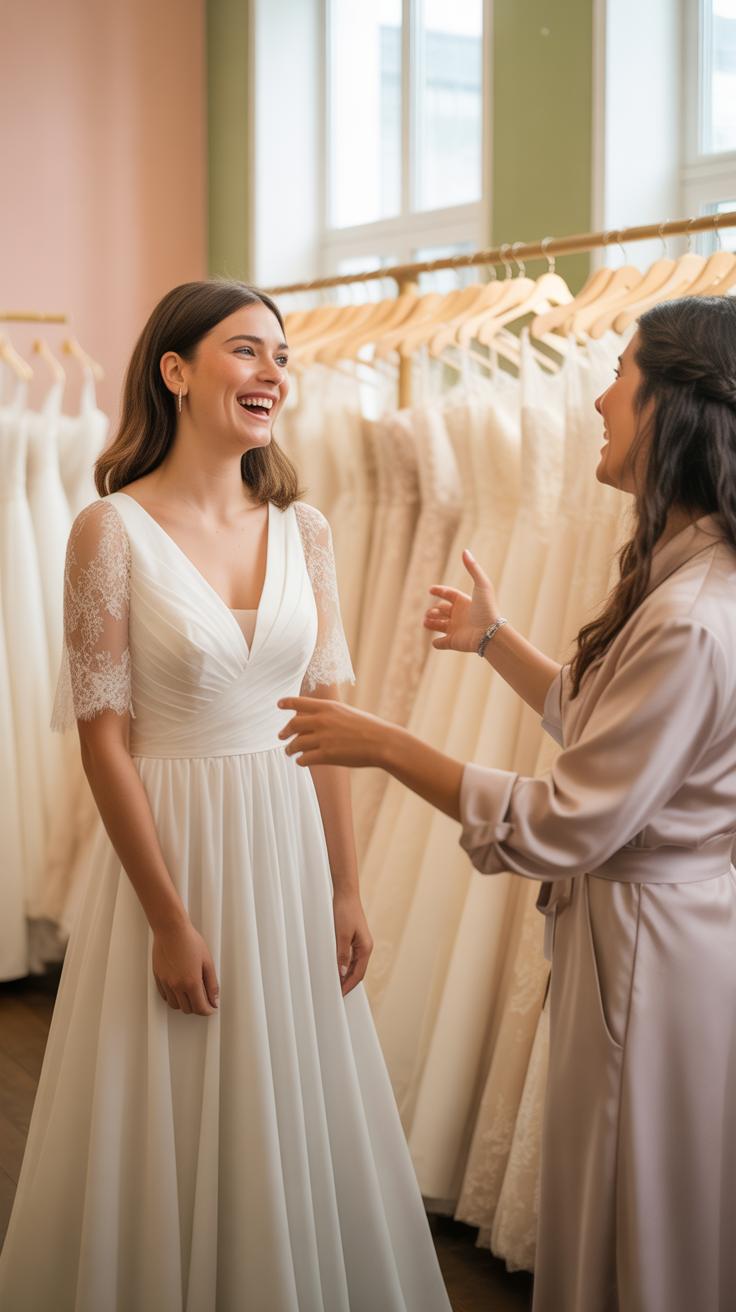
What Is The Average Cost Of A Wedding Dress And Where Does Budget Begin
The average wedding dress cost in the United States currently sits between 1800 and 2000 dollars. This figure includes standard boutique retail prices but excludes high-end custom couture. For an a line wedding dress budget, any price point below 1000 dollars qualifies as inexpensive. This tier typically includes off the rack samples, mass market labels, and gowns from online direct to consumer brands.
Navigating the budget category requires understanding manufacturing trade-offs. Most dresses under 1000 dollars use synthetic fabrics like polyester satin instead of silk. They also feature machine-applied lace rather than hand-stitched details. This lowers the production cost significantly. You can find quality construction at this level if you focus on simple silhouettes. A minimalist a line cut often looks more expensive than a cheap heavily beaded ballgown.
Hidden Costs Beyond The Tag: Alterations, Pressing, And Preservation Fees To Plan For
The price on the tag is never the final price you pay. Alterations are the most significant hidden expense for any bride. Even a budget dress requires professional tailoring to fit correctly. Expect to pay between 300 and 800 dollars for standard adjustments. Hemming an a line skirt is a common necessity. Shortening multiple layers of tulle or satin requires precision and labor-intensive work.
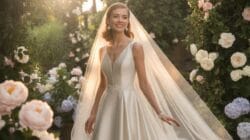
You must also account for post-purchase services like professional pressing and long-term preservation. A wedding dress arrives with wrinkles that require industrial steaming before the ceremony. This service costs roughly 50 to 100 dollars. After the wedding, cleaning and preservation kits cost another 250 to 400 dollars. Failure to budget for these line items leads to overspending. Factor these costs into your initial financial plan to avoid surprises.
Best Places To Shop For An Aline Wedding Dress On A Budget
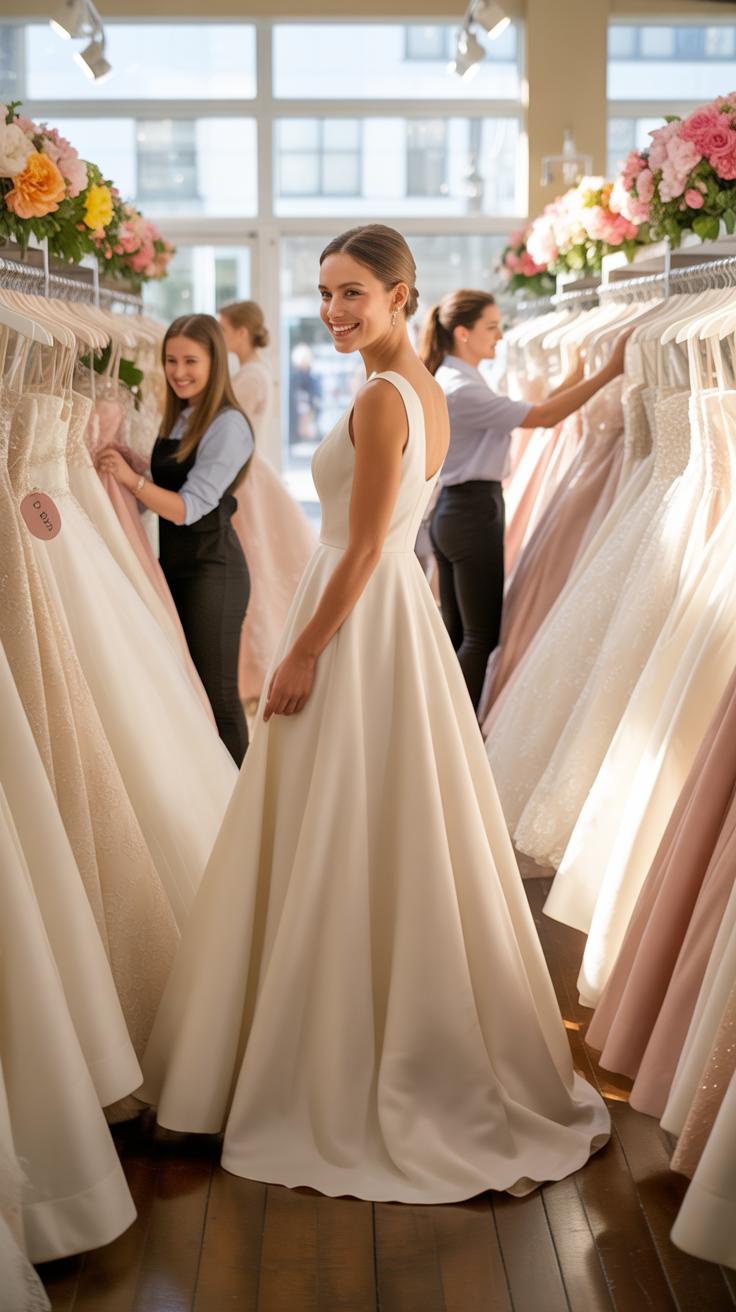
Bridal Boutique Sample Sales, Off The Rack Options, And Consignment Shops Explained
Bridal boutiques rotate inventory twice a year to make room for new seasonal collections. They sell floor samples at steep discounts to clear space quickly. These gowns often feature classic A-line silhouettes that do not go out of style. You buy the dress exactly as it sits on the hanger. This method eliminates the standard six-month lead time required for custom orders.
Consignment shops offer high-end designer A-line dresses for a fraction of the original retail price. Many of these gowns are once-worn or brand-new with tags from canceled weddings. Examine the seams and hemline for wear before purchasing. Off-the-rack outlets specialized in overstock also provide immediate inventory. These stores bypass the traditional ordering process to save you money on luxury materials and construction.
Top Tips For Shopping Online For An Affordable A Line Wedding Dress Safely
Buying an A-line wedding dress online requires strict attention to sizing charts rather than standard dress sizes. Every designer uses different measurements for the bust and waist. Verified resale platforms offer the best protection for your money. Look for listings that include photos of the actual dress, not just stock images. Check the return policy before you enter any credit card information.
- Verify Measurements: Compare your chest, waist, and hip measurements to the specific size chart provided by the seller. Wedding dress sizes run smaller than street clothes. Accurate measurements prevent costly returns.
- Check Fabric Details: Look for descriptions of the material used in the A-line skirt. Stiff fabrics like taffeta hold the shape better than cheap polyester. High-quality linings indicate better overall construction.
- Review Seller Ratings: Only buy from sellers with high ratings and positive feedback from previous brides. Read comments regarding shipping speed and item accuracy. Avoid sellers who have zero transaction history or poor communication.
- Inquire About Alterations: Ask if the dress has been hemmed or taken in by a previous owner. An A-line dress that is already too short cannot be lengthened. Knowing the modification history is vital for fit.
- Use Secure Payment: Use payment methods that offer buyer protection in case the dress is not as described. Avoid direct wire transfers or cash apps that offer no recourse. Security is your top priority.

Shipping costs and import duties can inflate your total a line wedding dress budget significantly. Always calculate the final price including delivery fees and potential taxes before completing the checkout. Factor in the cost of a local tailor to fix the fit once the dress arrives. Online shopping works best when you have a clear understanding of your body shape and the silhouette.
Fabric Choices That Keep Your A Line Wedding Dress Beautiful And Affordable
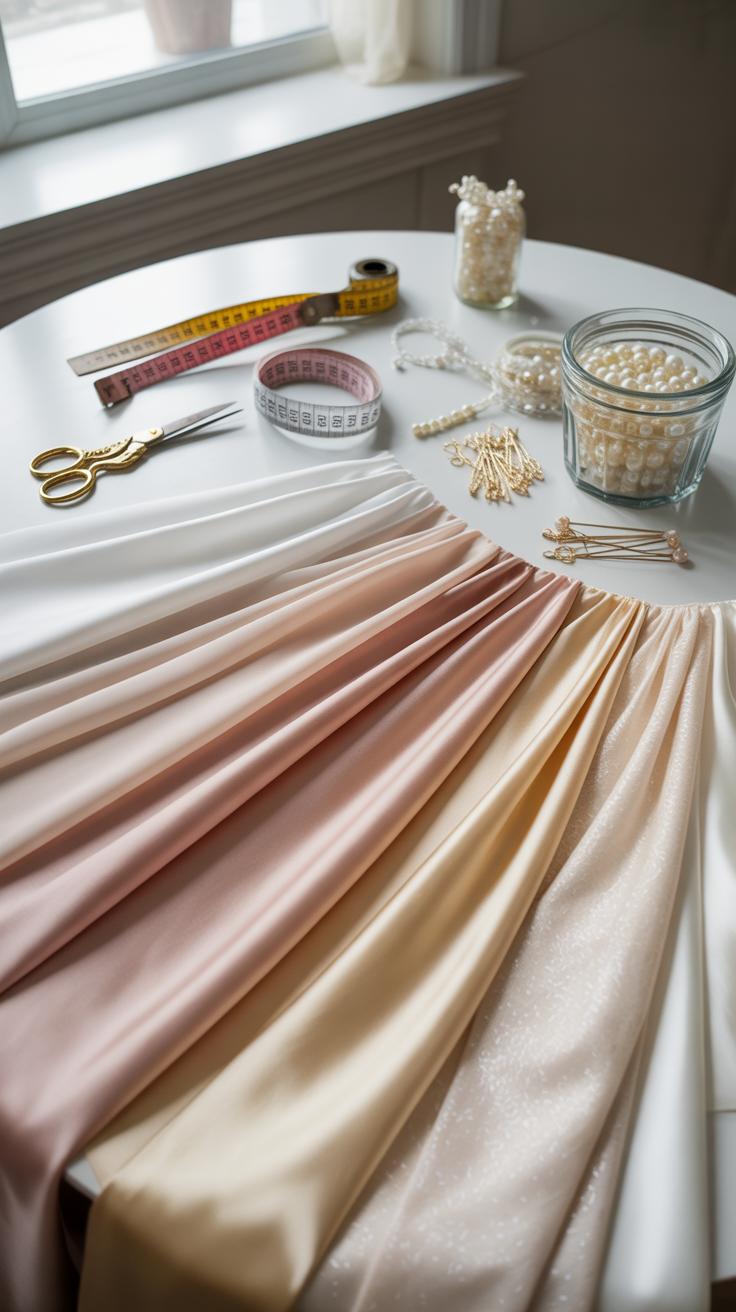
Budget Friendly Fabrics Like Chiffon Tulle And Polyester Satin That Work Well For A Line Gowns
Chiffon and tulle offer the best value for the A-line silhouette. These lightweight materials drape naturally without requiring expensive structural supports. Manufacturers produce synthetic versions easily, which lowers the raw material cost. Chiffon provides a soft matte finish that hides minor construction flaws. Tulle creates volume through layering rather than density. Both fabrics remain staples for mass-market bridal production due to their low price points.
Polyester satin mimics the look of high-end silk at a fraction of the cost. Modern textile technology has improved the hand-feel and sheen of synthetic satin. It holds the structured flare of an A-line skirt better than lighter fabrics. This material resists wrinkling during shipping and storage. Choosing high-quality polyester blends ensures durability throughout the wedding day. It offers a formal aesthetic for brides on a strict budget.
True elegance is not defined by a price tag but by the grace with which a woman carries her dreams. The timeless silhouette of an A-line gown honors the bride you were always meant to be.
Fabrics To Be Cautious About When Shopping Inexpensive Wedding Dresses On A Budget
Selecting the wrong material can double your alterations bill or make a dress look cheap. Natural silk and heavy brocades rarely fit within an entry-level budget. When these luxury textiles appear at low prices, they are often low-grade remnants with visible defects. You must evaluate the weight and weave of the fabric before purchasing. Stiff or scratchy synthetics often indicate poor manufacturing standards that affect the dress fit.
- Silk Mikado: This high-end blended fabric is prized for its heavy structural weight and subtle glow. Authentic Mikado is expensive to source and difficult to sew. Budget versions often use stiff plastic-like substitutes that do not move well.
- Handmade Chantilly Lace: True French lace requires intense labor and precision. Inexpensive dresses use machine-made chemical lace instead. These mass-produced versions often have thick edges and loose threads that snag easily during the wedding ceremony.
- Heavy Silk Velvet: Velvet made from natural silk fibers is exceptionally soft and costly. Budget-friendly velvet usually contains high amounts of polyester or rayon. These synthetic blends trap heat and can cause the wearer to overheat in poorly ventilated venues.
- Intricate Alençon Lace: This fabric features a distinct corded outline around the floral patterns. Genuine Alençon lace is a luxury product. Cheap imitations often use thick glue to attach the cording, which can peel off or irritate the skin.
- Double Faced Satin: This material is finished on both sides and carries significant weight. It is far more expensive than standard bridal satin. Low-cost alternatives are usually single-faced and lack the necessary body to support a clean A-line shape.

Avoid fabrics that require specialized dry cleaning or delicate handling. Traditional lace and silk pique demand expert tailoring that exceeds the cost of the gown itself. Look for synthetic blends that provide the same visual impact without the high maintenance. Precision in fabric choice dictates the final look of your silhouette. Stick to proven budget materials to ensure your dress remains affordable and functional for the entire event.
A Line Wedding Dress Details And Embellishments Getting A Luxe Look For Less
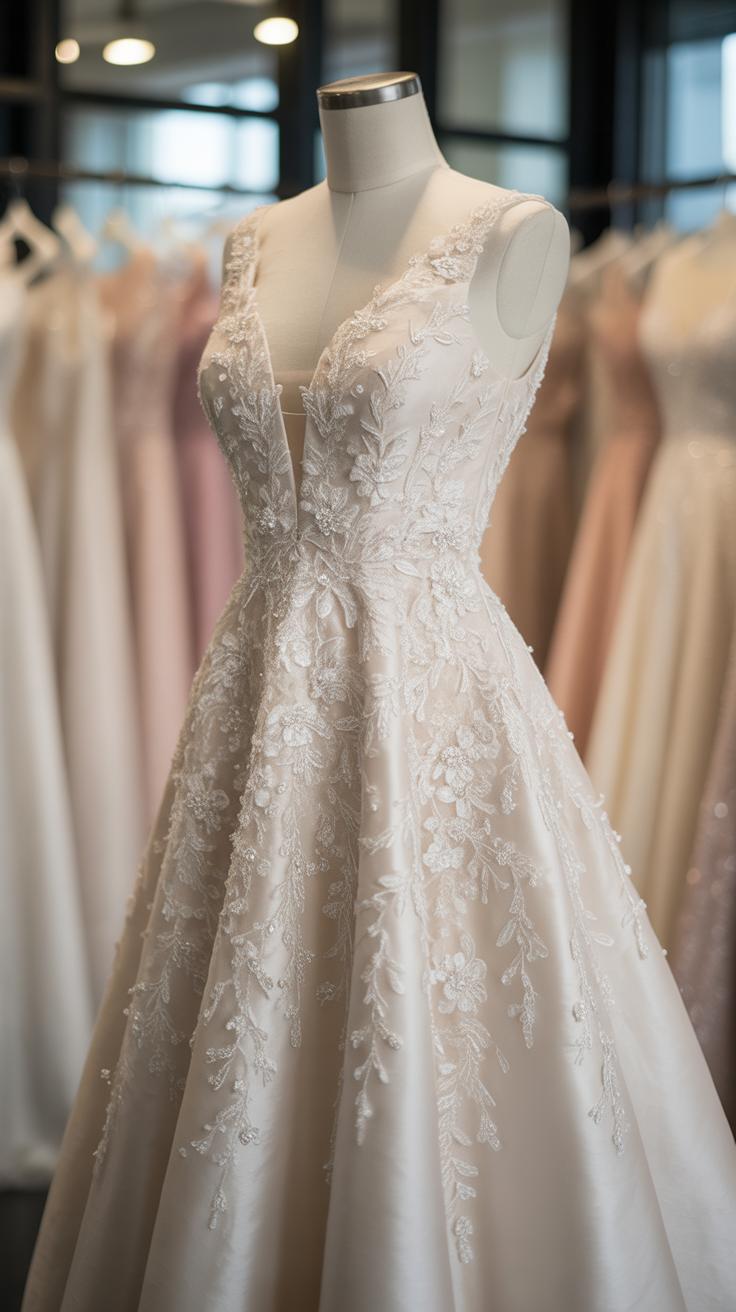
Neckline And Sleeve Styles That Elevate An Affordable A Line Gown Without Adding Cost
Structural necklines provide a high-end look without expensive beadwork. A clean V-neck or a square neckline uses simple seams to create a modern aesthetic. These geometric shapes draw the eye upward and define the torso. High-quality construction in these areas mimics the precision of mid-century couture. Choosing a dress with these flat-felled seams ensures a sharp profile. High production volume keeps these designs affordable for any bride.
Long sleeves made of plain crepe or stretch jersey add instant formality. These materials are cheaper than intricate lace but look more expensive. A bicep-length cap sleeve also provides a tailored appearance at a low price point. Avoid heavy embroidery on sleeves to keep costs down. Simple fabric choices allow the architectural shape of the A-line silhouette to stand out. Stick to clean edges for a sophisticated and timeless result.
How Simple Accessories And Alterations Can Transform A Budget A Line Dress Into A Show Stopper
Custom tailoring is the most effective way to make a cheap dress look bespoke. Most mass-produced A-line gowns have extra fabric in the waist. A tailor can nip the waist to create a precise fit. This mimics the labor-intensive draping found in expensive design houses. Ensure the hem touches the floor correctly to maintain the flared shape. Correct proportions matter more than the price tag on the label.
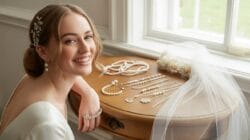
Adding a structural belt or sash defines the narrowest part of the body. Use a silk or grosgrain ribbon to cover basic waist seams. This hides manufacturing shortcuts common in budget dresses. Swap plastic buttons for fabric-covered ones to improve the tactile quality. These small manual changes create a customized look for a fraction of the cost. Strategic updates focus the viewer on the overall silhouette rather than individual material costs.
Wedding Dress Names To Know Budget Friendly A Line Designers And Brands Worth Exploring
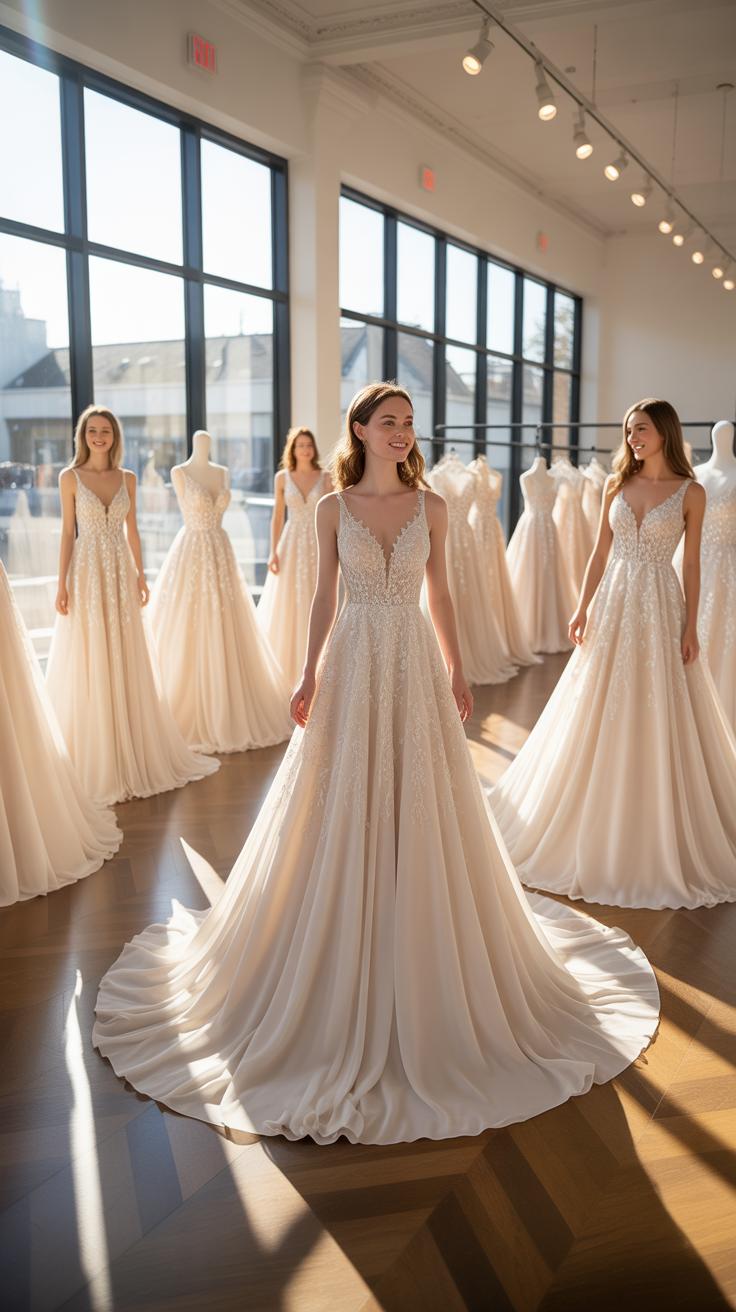
Established Bridal Brands Known For Offering Quality A Line Gowns At Accessible Price Points
Savvy shoppers focus on high-volume manufacturers to secure a low a line wedding dress budget. Brands like David’s Bridal dominate this sector by leveraging massive supply chains. Their in-house lines offer classic silhouettes using polyester satin and machine-made lace. These materials mimic expensive silk but cost significantly less. Large scale production keeps retail prices down while maintaining structural integrity in the bodice.
Avery Austin and Azazie provide direct-to-consumer models that bypass traditional boutique markups. They use standard sizing grids to reduce custom labor costs. Most budget-friendly gowns from these labels feature built-in corsetry and tulle layering. This construction creates the signature A-line flare without requiring extra petticoats. Selecting these established brands ensures you receive a proven design that fits reliably within a strict financial limit.
What To Ask A Bridal Consultant When Shopping For An Inexpensive A Line Wedding Dress
Ask your consultant specifically for sample sale inventory or discontinued styles. Floor models often sell at deep discounts of forty to seventy percent. Focus on gowns with simple hemlines to keep alteration costs low. Sharp questions about fabric content help identify durability. Synthetic blends often resist wrinkling better than pure silk. This saves money on professional steaming services before the wedding event.

Inquire about the internal structure of the gown. Many affordable A-line dresses include internal boning which eliminates the need for expensive specialty undergarments. Ask if the designer offers a “standard length” option to avoid custom hem fees. Pinpoint exactly where the waistline hits to ensure the flare begins at your natural curve. This tactical approach prevents hidden costs from inflating your total investment at the register.
Frequently Asked Questions
What exactly is an A-line wedding dress and why is it popular?
An A-line gown is a classic silhouette that is fitted through the bodice and flows out gradually from the waist to the hem, mimicking the shape of the letter “A.” This style is incredibly popular because it flatters nearly every body type by highlighting the waist and skimming over the hips. If you are searching for an a line wedding dress budget option, this timeless design offers elegance without requiring expensive custom structural work.
How can I style a simple A-line gown to make it look more expensive?
Elevating a simple dress is all about the accessories. To make your a line wedding dress budget find look high-end, consider adding a beaded sash to define the waist or a delicate lace bolero for extra detail. High-quality tailoring is also essential; a perfectly fitted gown always looks more luxurious. Pair your look with statement jewelry or a floor-length veil to add drama and sophistication to your overall bridal aesthetic.
Where are the best places to shop for affordable A-line wedding dresses?
To save money, start by exploring off-the-rack collections at bridal outlets or reputable online retailers like ASOS and Lulus. Many brides also find designer gems at sample sales where boutiques sell floor models at deep discounts. Additionally, consider pre-owned wedding dress websites or looking at “white collection” bridesmaids’ dresses, which often feature the flattering A-line silhouette at a fraction of the cost of a traditional bridal gown.