The Unseen Cost Of Industrial Chic: Beyond The Aesthetic
What Industrial Actually Means
You want industrial because it signals you’re educated enough to reject generic. That’s the real driver. But here’s what vendors exploit: industrial as a design movement emerged from actual factory spaces in the 1980s and 1990s, when artists converted raw warehouses into lofts. The aesthetic was free. Now it costs triple because “industrial” is a brand category, not a material reality. Vendors mark up basic materials 200-300% simply by naming them “industrial.”
The gap between authentic industrial and commercialized industrial is where your budget vanishes. Real industrial used whatever was there: concrete that existed, exposed brick from 1920s construction, steel beams load-bearing the actual building. Current “industrial” weddings buy replicas of these things. You’re not renting a venue that happens to be industrial. You’re paying to make a normal space look industrial through purchased props and labor. That distinction determines your actual spend.
The Markup On Basic Materials
Economics has a concept called “information asymmetry”: one party knows the true value of a good and the other doesn’t. Wedding vendors exploit this ruthlessly. A steel beam rental company knows you have no reference point for steel. They charge 400 dollars for a decorative beam that costs them 40 dollars to fabricate and install.
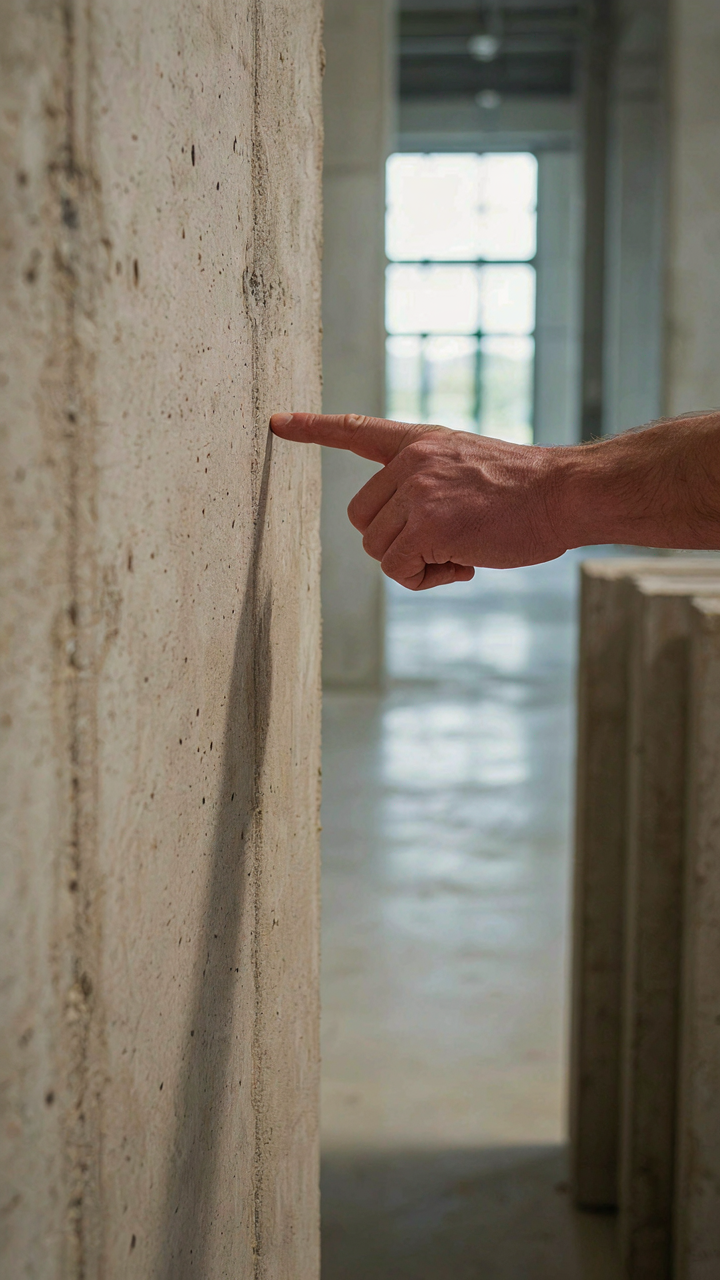
Concrete is the clearest example. A single 4×8 foot concrete panel rents for 150-250 dollars. The material itself costs 30-50 dollars. Installation takes one person 30 minutes. The markup isn’t about skill or scarcity. It’s about you not knowing the actual input costs and vendors knowing couples will pay whatever makes the vision real. Request itemized breakdowns from every vendor quoting “industrial elements.” Watch them suddenly become flexible on price when forced to justify labor and materials separately.
The “Scarcity Principle” Venue Hunt: Industrial Wedding Venue Value
Raw Spaces Cost Less Because Nobody Knows What To Do With Them
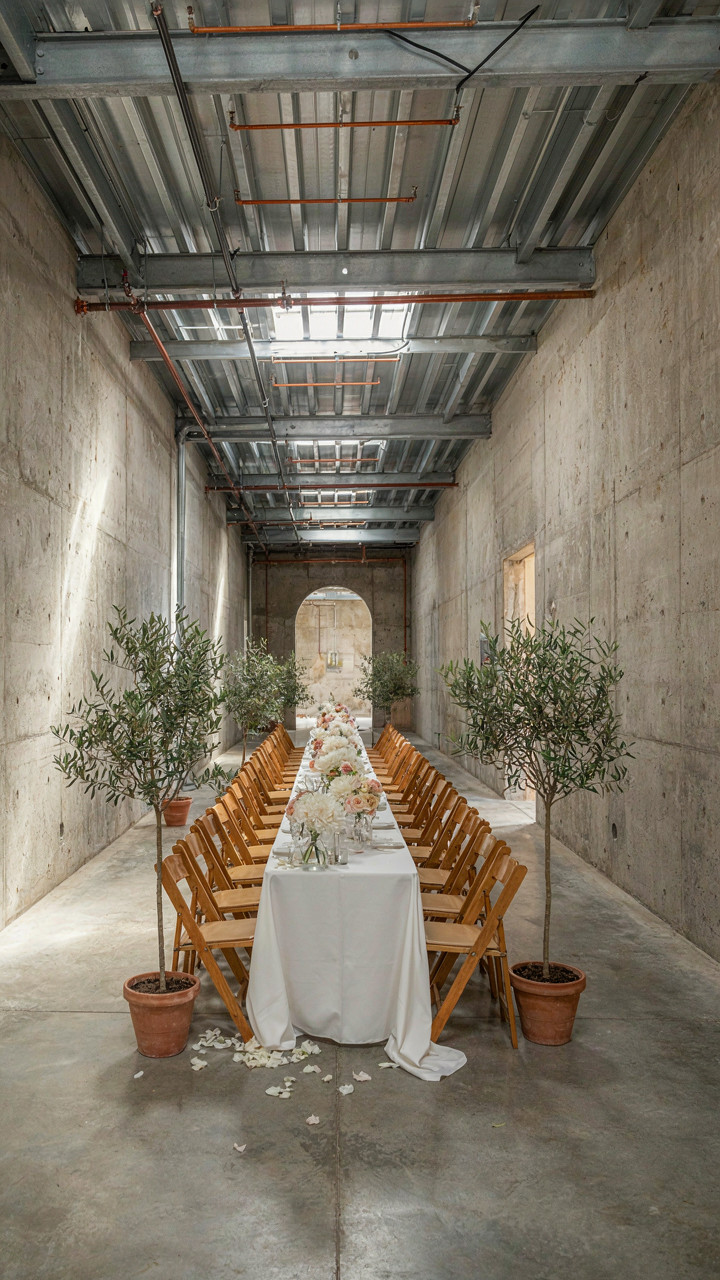
You want the venue to feel intentional, not like you settled. That’s the real reason you’re reading this section. Here’s the mechanism: venues priced by their “finished” state anchor your perception of value. A raw warehouse hasn’t been packaged into a product yet, so it trades at 40 to 60 percent below market rate for comparable square footage. The venue operator doesn’t have a pricing comp sheet. They’re recovering occupancy cost, not selling a brand.

Landlords and property owners with unused industrial space prioritize occupancy over margin. A half-empty manufacturing floor generates zero revenue. Your wedding fills it for one weekend and justifies the overhead. You negotiate from their position of actual scarcity, not perceived luxury. Walk into spaces that are legitimately unfinished: concrete, exposed brick, no built-in lighting, no climate control premium. The venue doesn’t market these as “industrial chic.” It markets them as available.
Negotiating Beyond The Standard Package Trap
Most venue contracts bundle services to hide their true cost structure. Catering minimums, setup fees, staffing requirements, and rental add-ons are negotiable line items, not fixed law. The common advice says “ask for discounts.” That’s incomplete. You’re actually renegotiating the entire contract from component cost, not percentage off. Separate the venue rental from every other service they push.
Demand an itemized breakdown of what you’re actually paying for: the space, the hours, the tables and chairs, the lighting, the restrooms, parking. Then remove what you don’t need. Most industrial spaces require you to hire their preferred caterer or pay a kitchen fee. Refuse it. Bring in your own or use an outside caterer and negotiate a flat facility fee instead. The venue’s margin evaporates when they can’t bundle services, so they’ll move on pricing faster than you expect.
The Brutalist Decor Protocol: Industrial Wedding Decor On A Shoestring
Existing Bones Make The Budget Work
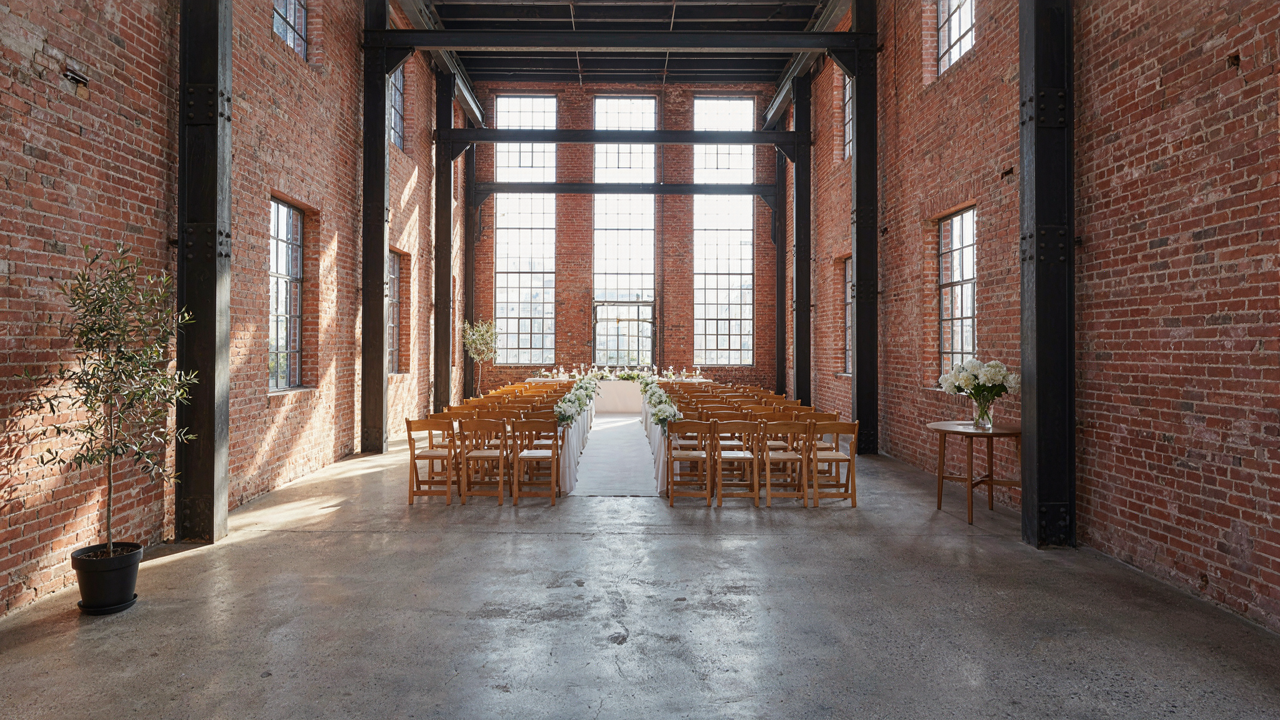
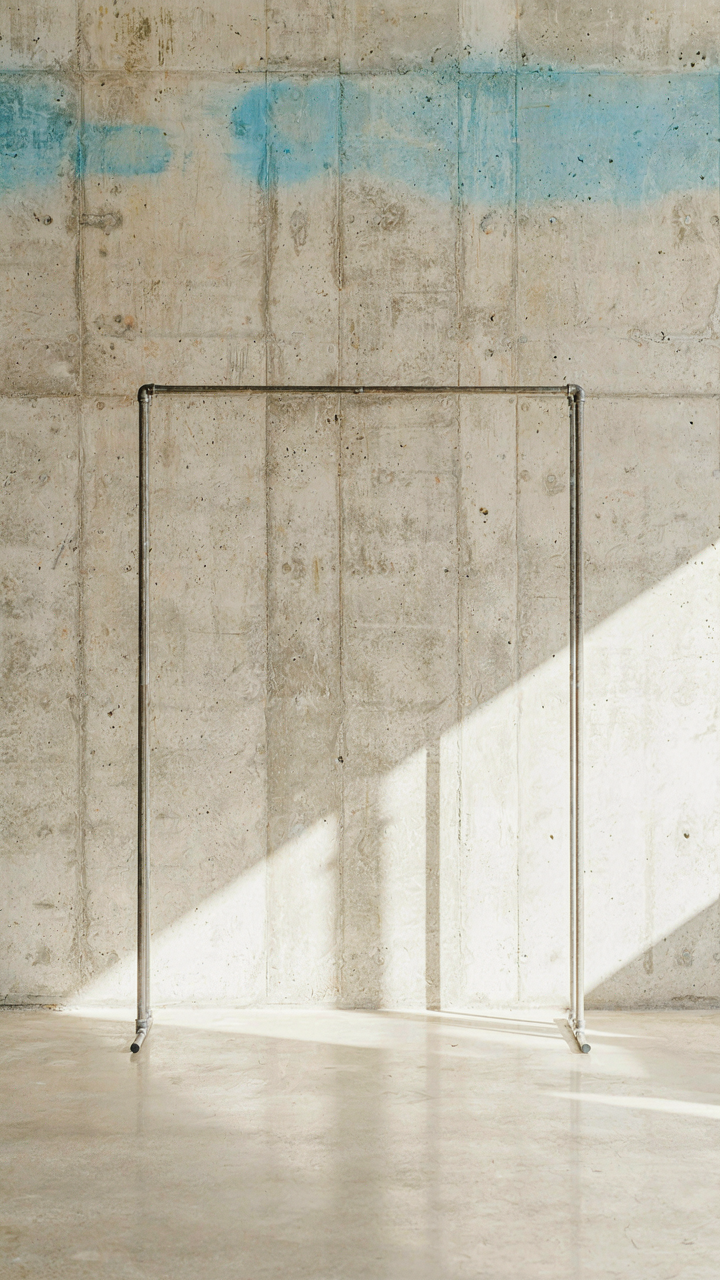
You want industrial aesthetic without the price tag because you’re watching money evaporate elsewhere in the wedding budget. The mechanism is simple: existing structural elements carry weight visually and emotionally without you paying for fabrication. Exposed brick, concrete floors, steel beams, and timber joists already exist in most urban venues. You’re not decorating around them. You’re decorating with them. The venue’s bones become your primary design layer, which means you stop paying for what’s already paid for.

Most couples treat the venue shell as something to cover up or hide. That’s the wrong move. Industrial design emerged as an honest aesthetic about showing what’s real, not disguising it. A raw concrete wall costs nothing to display and reads louder than any rented backdrop. Your job is identifying which structural elements the venue already has, then building your design vocabulary around those. The cost difference between hiding a brick wall and featuring it is the difference between spending and saving five figures on rentals.
Raw Materials Work At Scale And Cost
Steel and concrete aren’t decorative choices. They’re economic ones. Think about material economics: the cost per unit of raw materials drops dramatically when you buy them in visible bulk rather than in processed, styled, small-quantity packages. A sheet of raw steel or a stack of unfinished wood costs less than dozen designer candle holders because you’re buying material, not curation.
Concrete can be rented or borrowed from construction suppliers far cheaper than from event rental companies. The same concrete blocks, when grouped strategically, become your ceremony backdrop or cocktail hour divider. Raw wood beams, reclaimed or new, function as table runners, structural frames, or wall installations at the cost of materials plus basic labor. Steel piping from industrial supply stores becomes table bases, installations, or archway frames. You’re sourcing like a contractor builds, not like a designer rents. Buy directly from the material source, not the event middleman, and watch your per-unit cost collapse while visual impact stays identical.
Modern Industrial Wedding Lighting: The “Contrast Theory” Advantage

Leverage Natural Light And Shadow Play
You want lighting to do the heavy lifting so you don’t pay for it. That’s the real reason this matters. Industrial design borrows from theater’s contrast principle: dramatic shadow and light separation creates perceived value without expensive fixtures. Daylight entering through warehouse windows or exposed brick creates natural spotlighting. You’re not buying ambiance; you’re positioning existing light sources to work harder.

Afternoon sun through large windows eliminates the need for uplighting. Position ceremony seating to face the light source. Shadows from exposed beams and structural elements become free design elements. This setup costs nothing beyond thoughtful room positioning. Most venues already have this infrastructure. You’re simply redirecting what exists into a deliberate visual hierarchy.
Minimal Fixtures Create Maximum Visual Weight
Everyone buys too many lights because they fear darkness. Wrong. Industrial spaces read as intentional when light is scarce and placed with precision. One statement fixture suspended over the dance floor or bar generates more visual impact than a dozen generic string lights. The mechanism is scarcity economics applied to illumination: fewer elements force guests to focus on what matters.
Edison bulbs in minimal quantity create focal points, not fill light. Bare filament bulbs cost fifteen to thirty dollars each. A single vintage-style chandelier or industrial pendant over your main gathering zone establishes the aesthetic without the expense of complete coverage. Stop filling space with light. Start placing it strategically where people actually gather. That shift in approach cuts your lighting budget by sixty to seventy percent while strengthening the design.
Deconstructed Feasts: Industrial Wedding Reception Food
Food Truck Efficiency Over Plated Service
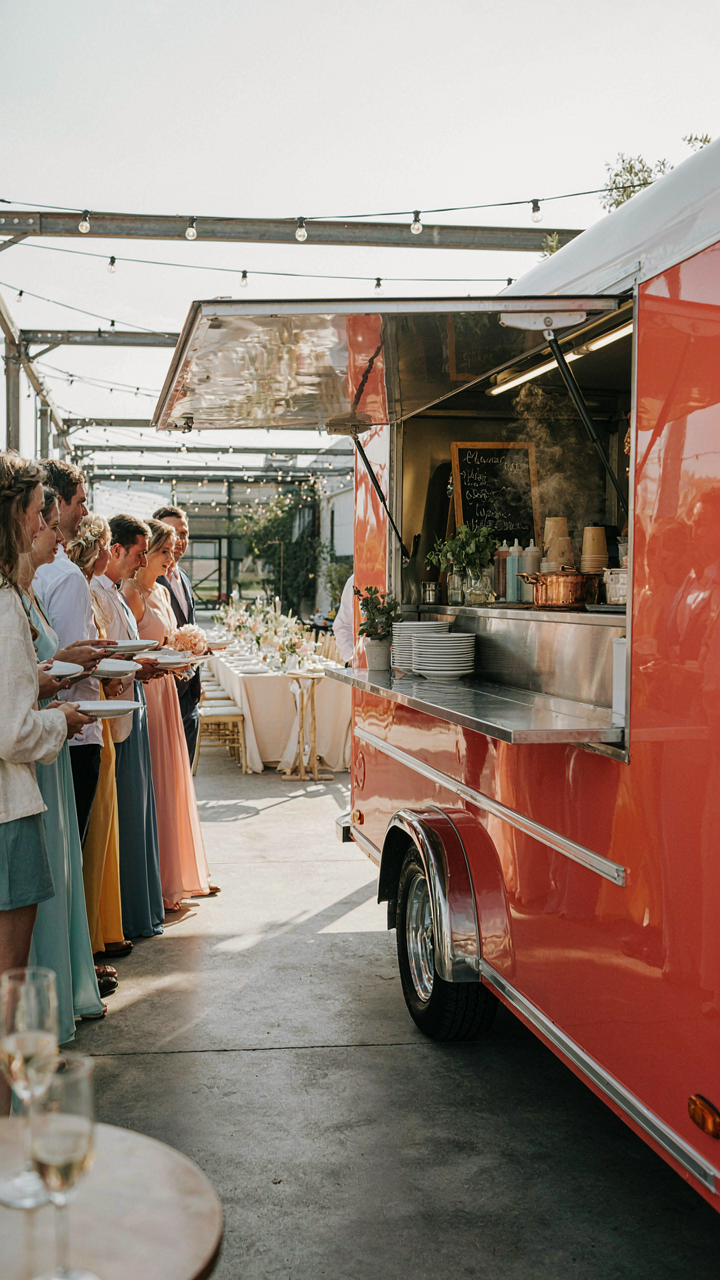
You want the industrial aesthetic without looking cheap. Here’s the mechanism nobody states: plated dinners force you to pay for labor at every table simultaneously. Food trucks and station service separate production from delivery, which is basic operations management applied to catering. The truck handles volume. Your staff handles pacing.

Plated service demands a server-to-guest ratio that scales with headcount. Food trucks operate on throughput, not coverage. One truck feeds 80 people in the time a plating line serves 30. The industrial look actually demands this efficiency. Exposed kitchens, open prep stations, and self-service elements align the aesthetic with the cost structure instead of fighting it.
Seasonal Buying And Local Sourcing
Most couples treat seasonal eating as a trendy add-on. It’s actually your cost lever. Strawberries in December cost three times what they cost in June because demand creates supply scarcity. Buy what’s abundant in your wedding month and build the menu around it, not the other way around.
Local sourcing cuts the markup chain. Farm-to-table catering removes middlemen and transportation costs. A farmer selling directly to your caterer prices 20 to 40 percent lower than wholesale distributors. Your caterer passes some of that savings to you if you specify it upfront. Lock in pricing three months before the wedding with a written agreement on ingredient sourcing.
The “DIY Or Die” Mentality: Authentic Industrial Chic Wedding Decor

Break Down Tasks Like Mission Planning
You want to feel in control of your wedding budget because the alternative is admitting you don’t understand where money actually goes. Military logistics solves this by treating every operation as a sequence of discrete, measurable tasks with clear dependencies. Apply this framework to your industrial decor: identify which elements must be sourced first, which can be assembled in parallel, and which tasks have no slack. Your venue rental and structural pieces become the critical path. Everything else threads around them.

Break your decor into three tiers. Tier One: fixed rentals like tables, chairs, and lighting rigs. Tier Two: materials you source yourself (pipe, Edison bulbs, raw wood). Tier Three: assembly and installation labor, yours or hired. This ordering prevents waste. You don’t buy materials until you know exactly what your venue allows and how much space you actually have. You don’t schedule installation until you know all materials are on site. The common mistake is reversing this, buying decor first and then trying to fit it to your space.
Source Materials Before You Need Them
Your actual cost per item drops when you shop on the industrial supply chain instead of the wedding market. This isn’t philosophy, it’s basic arbitrage. A steel pipe costs one price at a plumbing supplier, another at a wedding rental company, and a third at Home Depot. You need to know those three prices before you commit to any vendor.
- Plumbing and HVAC suppliers: Stock raw black iron pipe, fittings, and flanges at contractor wholesale rates. No markup for wedding use. Call ahead to verify minimum order quantities, but most accept single-unit sales at slightly higher per-unit cost than bulk.
- Architectural salvage yards: Source reclaimed wood beams, metal gates, vintage factory signage, and worn leather at 40-60% below retail. Inventory rotates constantly, so visit monthly and keep a wishlist of usable items.
- Lighting distributors: Buy Edison bulb strings and industrial pendant fixtures direct instead of through event rental companies. Prices drop 30-50% when you eliminate the rental markup and commit to purchase over lease.
- Structural steel fabricators: Custom brackets, stands, or frameworks cost less when ordered directly than when sourced through a florist or event designer. Get quotes for 3-5 pieces at once to negotiate volume pricing.
- Bulk fabric and textile wholesalers: Raw canvas, burlap, and cotton duck for table runners or backdrop draping sell at per-yard wholesale rates. No wedding price inflation on undyed, unfinished textiles.
The timing constraint here is real. Most suppliers need 2-4 weeks lead time for custom orders or to let you place a hold on used inventory. You can’t optimize supply chain three weeks before your wedding. Start sourcing eight weeks out minimum, or you default back to retail prices and rental markups. Calculate your per-item material cost, add your labor time at an hourly rate, then compare to rental quotes. If the total beats the rental price by less than 20%, rental is actually faster and worth the premium.
Beyond Blooms: Industrial Wedding Backdrop Alternatives

Greenery And Structural Elements As Focal Points
You want the backdrop to look intentional, not cheap. That fear drives most couples toward flowers, which cost three times what they should. The mechanism is simple: florists price arrangements by labor and perishability, not material value. Greenery inverts this equation. Buy potted plants, trailing vines, or branches wholesale. They survive the event and sell after. You’re renting aesthetics, not buying consumables.

Industrial backdrops use scale and vertical line weight to create impact. Steel piping, reclaimed wood frames, and living walls accomplish what $8,000 in blooms attempt. Eucalyptus garland costs $40 to $80 per strand and drapes across metal structures. Ivy or pothos propagates endlessly and climbs framework without adhesive. The tactic: build skeletal structure first, then layer greenery as filler. This inverts traditional floral design where flowers are primary and structure supports them.
Artist Installations Over Floral Arrangements
Florists will tell you floral arrangements are the only backdrop option. This is incomplete. Art installations cost less, photograph better, and scale to any budget without looking sparse. A painted steel panel, geometric neon, or stacked reclaimed brick creates a statement flowers cannot match. The cost sits between $300 and $2,000 for something custom, versus $4,000 to $8,000 for premium floral work covering the same wall space.
Local artists and fabricators undercut event florists by 60 percent because they’re not pricing scarcity. A commission drives their business model. Contact sculpture studios, metal shops, or set designers instead of event planners. Specify dimensions and material preferences. Negotiate labor by offering portfolio photos and referrals. The installation stays modular so you reposition it or repurpose it post-wedding. Assign one person to oversee setup timing and secure it to prevent drift during the ceremony.
The “Less Is More” Mandate: True Industrial Wedding Aesthetic
Curating Intentional Impactful Details
You want permission to spend less while looking like you spent more. Here’s the mechanism: industrial design borrows from constraint-based thinking in architecture. Constraint forces prioritization. When you remove choice, you amplify impact.

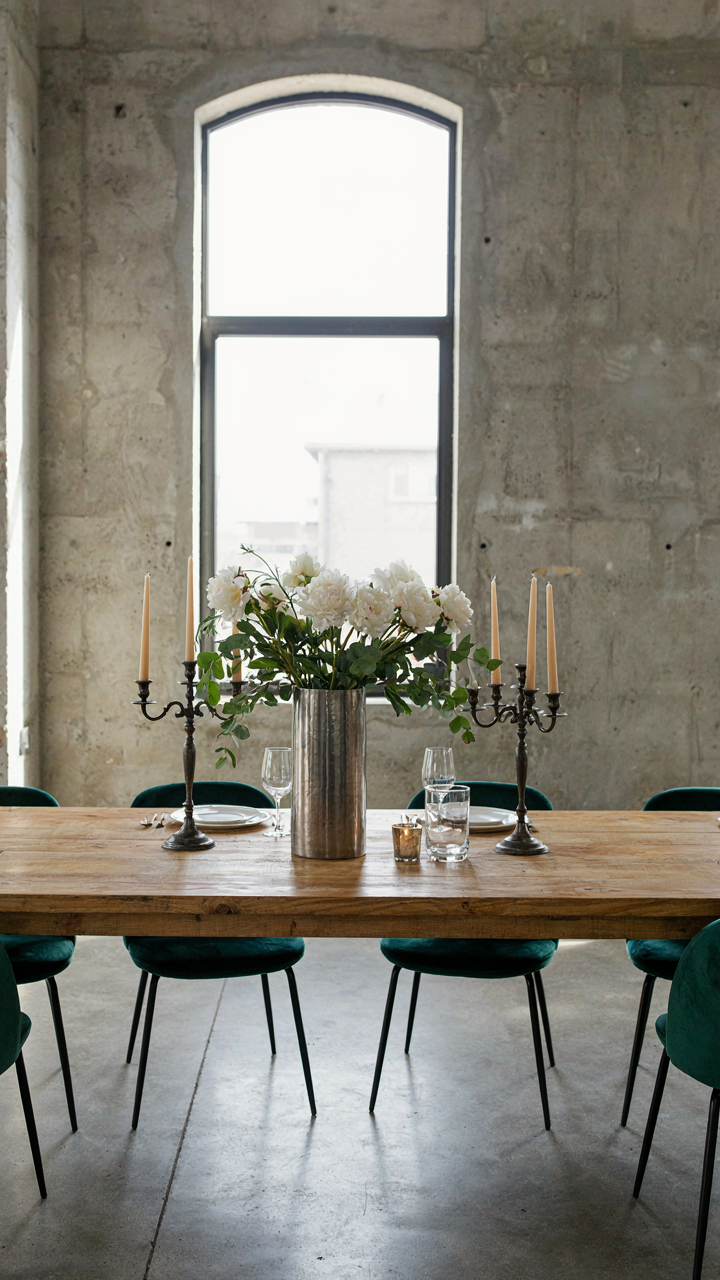
The industrial wedding aesthetic emerged from early 20th-century factory and warehouse repurposing, where budget constraints were literal survival necessities. That DNA still matters. Exposed brick, steel beams, concrete floors, and raw metal fixtures became premium because they were honest about material limits. You select one dominant material and repeat it relentlessly. Concrete floors throughout. Steel accents on every table. Brick walls as your anchor. Repetition reads as intentional design, not budget compromise.
Eliminating Superfluous Elements That Inflate Costs
Most wedding advice tells you to subtract things gently. Wrong. Industrial weddings demand aggressive subtraction. Every decorative element that doesn’t reinforce raw materiality is waste.
Floral arrangements are the first casualty. Industrial venues don’t need them. Bare branches in metal vessels cost a fraction of florals and amplify the aesthetic. Uplighting, pin-spot lighting, and projection mapping vanish. Use overhead warehouse lighting as your primary source and let shadows do the work. Table linens disappear entirely. Bare wood or concrete surfaces are the baseline. Centerpieces become single metal vessels or industrial candelabras, not complex arrangements. The rule: if it decorates without structure, remove it. What remains drives your entire budget efficiency forward.
Your Biggest Budget Constraint Is Your Imagination, Not Your Bank Account

Most couples fixate on what they can’t afford instead of engineering what they can. Industrial themes thrive on this constraint. Raw brick, steel, concrete, repurposed wood—these materials cost nothing when you stop treating your venue like a blank canvas. Stop scrolling Pinterest for inspiration today and walk through your actual space with one question: what here already looks expensive? Build your wedding around that. Your budget isn’t your problem. Your willingness to work with what exists is.