The Scarcity Breeds Ingenuity Protocol For Wedding Card Box Ideas Diy
What’s Already Sitting In Your Garage
You want to save money without looking cheap. That’s the real calculation here. The mechanism is simple: constraint forces specificity, and specificity reads as intentional design. Borrow from economics. In supply chain management, scarcity doesn’t weaken output—it redirects it. Your wedding card box works the same way. When you limit your material options to what you own, you stop chasing trends and start making decisions.
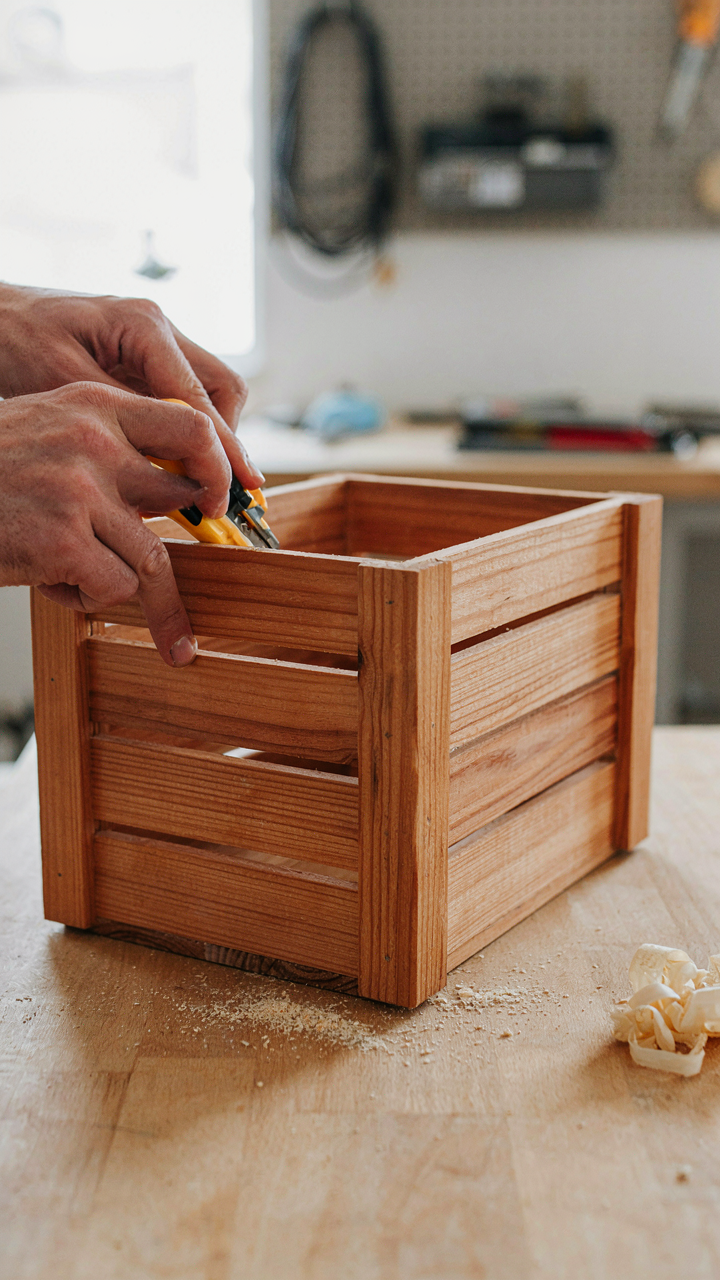
Most households have the raw materials for a functional card box already on hand. A wooden wine crate, a shoe box, a picture frame, an old filing container, or a plastic storage bin can all become the structure. The wood itself is the asset. What matters is whether you see it as material or as trash. This shift in perception costs nothing and changes the outcome.
Building From What Needs A Second Job
Repurposing isn’t recycling—it’s giving an object new economic value through functional change. Furniture design uses this constantly: a ladder becomes shelving, a door becomes a tabletop. Your card box works on the same principle. Take a small wooden shelf, a decorative metal box from a thrift store, or even a hollowed-out book collection and convert it into a slot-equipped container. The slot is the only functional addition that matters. Everything else is surface treatment.
The critical step is measuring the card dimensions first—standard cards are 5 by 3.5 inches—then cutting a slot slightly wider than the card thickness. A circular saw, utility knife, or even a drill with a spade bit works. You drill two holes and connect them with a knife, or you cut straight through with a table saw. The method depends on your tool access, not your budget. Once the slot exists, you have a functional card box regardless of what wrapping comes after.
Deconstructing “Budget”: What You Actually Save On (and What You Don’t)
What Pre Made Options Actually Cost You
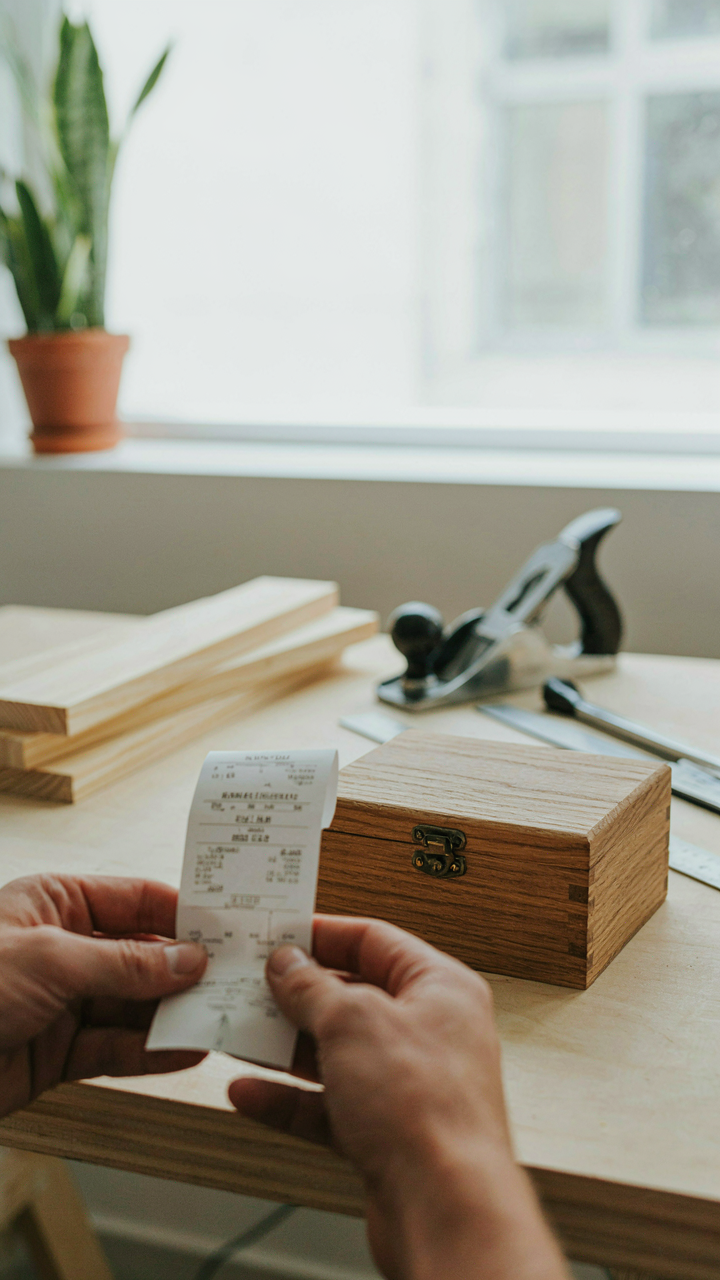
You want to feel like you made a smart financial choice. Here’s what matters: the pre-made card box market uses artificial scarcity and wedding tax to inflate prices beyond material value. A vendor selling a basic wooden box with a slot charges 40-80 dollars for 5-12 dollars in lumber and hardware. The markup exists because couples believe they must buy from “wedding” retailers to avoid looking cheap.
The real cost sits elsewhere. Shipping adds 15-25 dollars to online orders. Minimum order quantities on bulk sites force unnecessary spending. Return policies on pre-made boxes often run 14 days only, trapping you if timing slips. Customization fees stack fast. The moment you request a size adjustment or different stain, vendors add 20-35 dollars per modification. You pay for their inflexibility disguised as personalization.
The Economics Beyond The Receipt
This section operates on a principle from resource allocation: you trade one asset for another, and the hidden cost is what you sacrificed to obtain it. Building your card box trades money for time and control, but the real value emerges in what you actually gain.
A DIY build eliminates vendor dependency. You control the timeline, materials, and final product without negotiating with someone else’s schedule or aesthetic. You also gain the ability to iterate. If the first version doesn’t fit your aesthetic or the dimensions feel wrong, you adjust immediately without losing money or facing restocking fees. The budget savings matter less than the leverage you hold over the outcome itself.
The Minimalist’s Canvas: Elegant Wedding Card Box Diy From Unexpected Sources
Raw Materials Over Finished Products
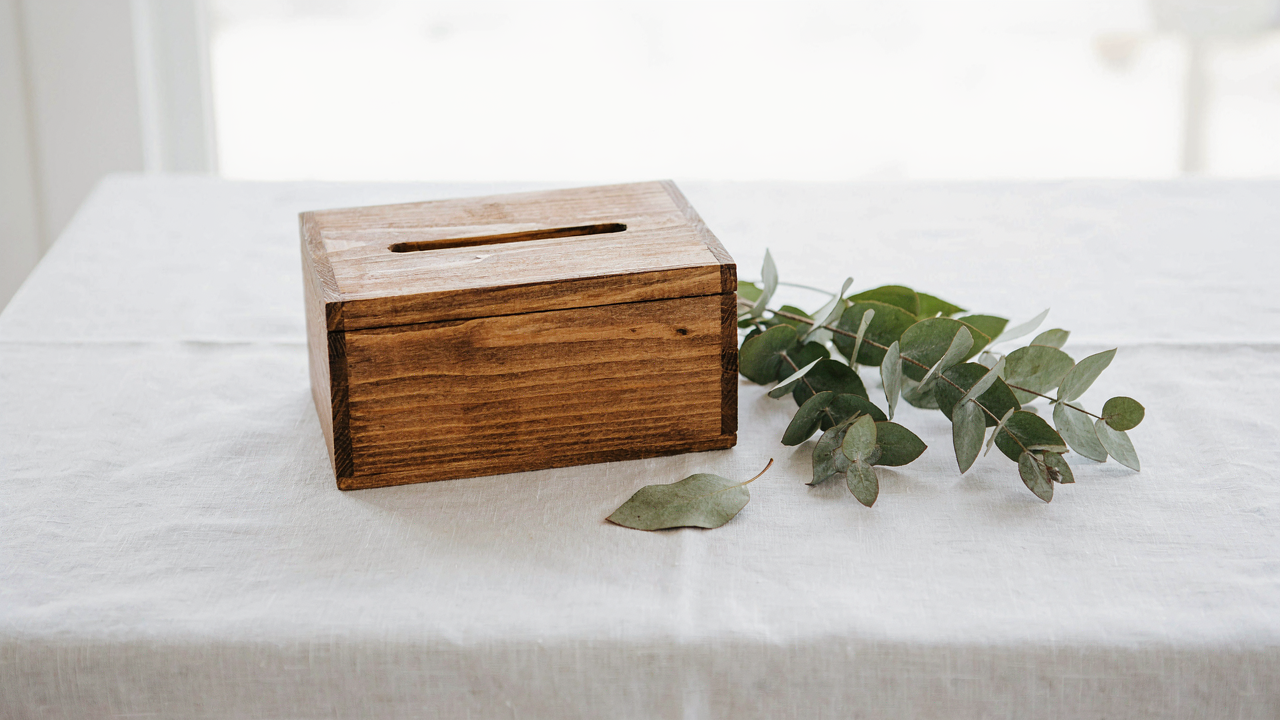
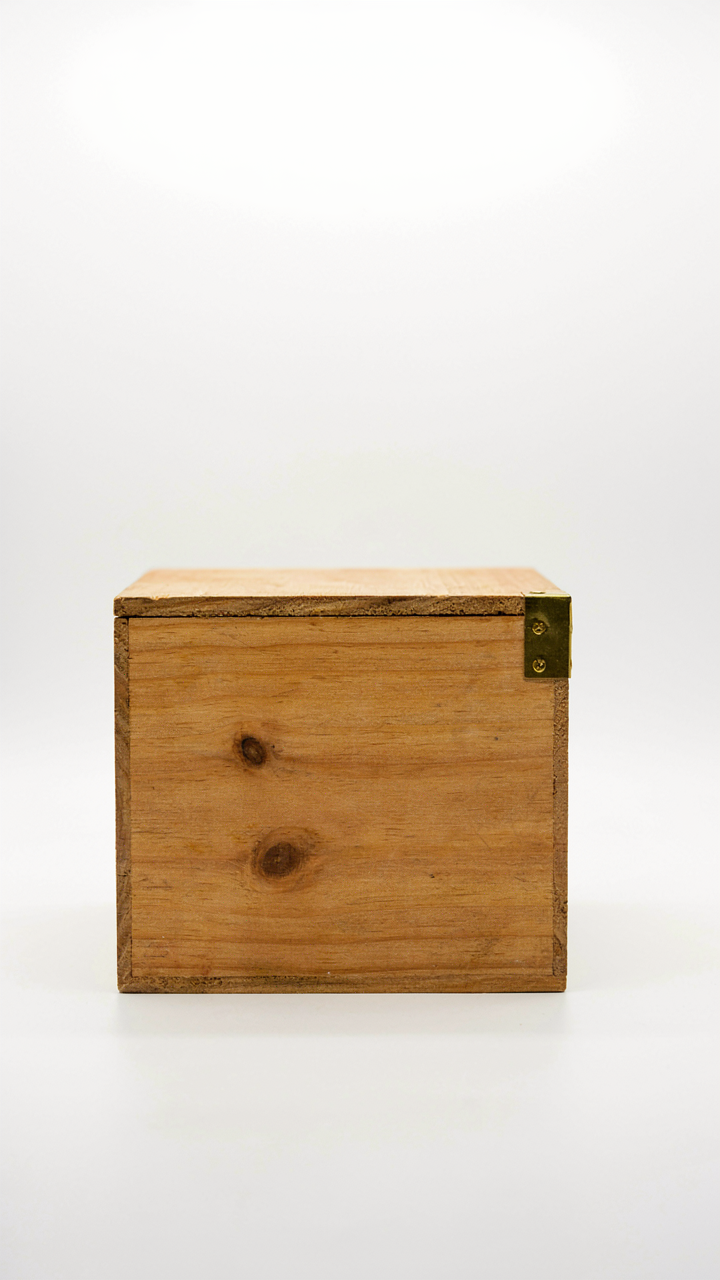
You want people to think you spent more than you did. That’s the real reason you’re reading this section. The mechanism is simple: raw materials signal intentionality. A plain wooden box from a craft store looks cheap. The same box left unfinished, with visible grain and natural edges, reads as deliberate design. This is the principle of honesty in materials, borrowed from industrial design. The material itself becomes the statement, not what you layer on top of it.
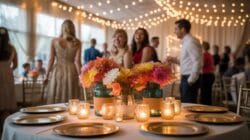
Find unfinished wood boxes at craft suppliers, or source reclaimed wood from pallets and barn sales. Cardboard boxes work too if you commit to the aesthetic. The goal is to start with something that has texture and structure already baked in. Don’t sand everything smooth trying to hide the material’s origin. Let the wood speak. A box with visible knots costs nothing extra but changes how guests perceive the entire setup.
Restraint As Design Strategy
Most people overcomplicate this part. They glue flowers, ribbon, beads, and charms until the box disappears under decoration. That’s not adornment. That’s panic spending. Strategic adornment means every element serves a function or connects to your wedding’s visual system. One material accent per surface. One color family. One texture emphasis. That’s the formula.
If your wedding uses navy and gold, add one gold metal handle or corner bracket to the box. Nothing else. If the aesthetic is natural wood and linen, add a single piece of burlap or muslin as a band around the middle. Attach it clean and straight. The constraint forces better decision-making. You’re forced to choose what actually matters instead of filling space. This restraint is what separates a handmade box from a craft project gone wrong.
The “Cognitive Dissonance” Method: Blending Rustic With Refined For Unique Wedding Card Box Ideas
Contrast Materials For Visual Interest
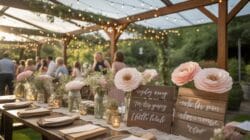
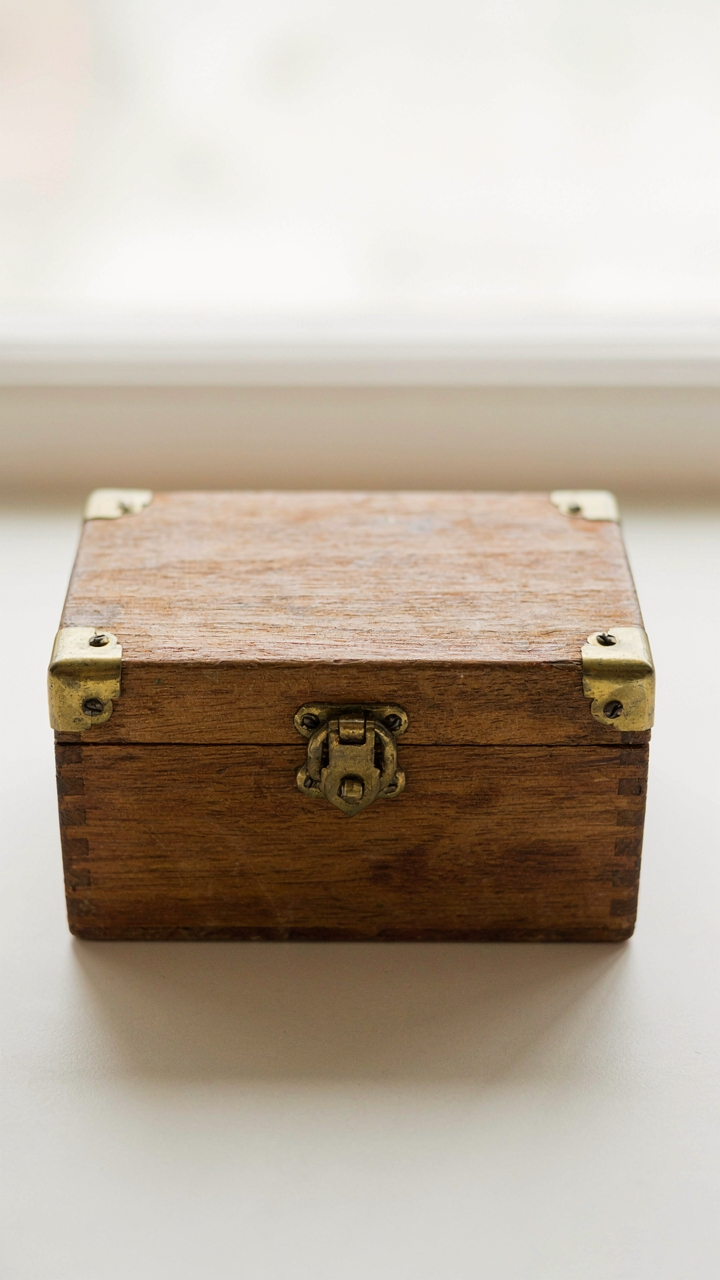
You want guests to remember your box because you’re afraid a generic one signals you didn’t care enough to try. The mechanism is simple: tension between opposing materials stops the eye. Your brain registers conflict and pays attention. Rustic and refined aren’t enemies. They’re opposites that amplify each other when placed side by side. A weathered wood box gains sophistication when paired with polished brass corners. A sleek white box reads boring until you add raw burlap ribbon. The contrast does the work your taste cannot.
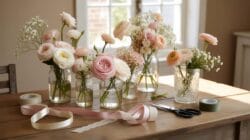
The rules of visual weight apply here. Heavy materials anchor light ones. Matte surfaces make glossy ones pop harder. You don’t blend these materials evenly. You collide them. Attach a high-gloss lacquered top to a reclaimed wood base. Mount brushed copper hardware on a whitewashed crate. The imbalance creates interest. Most budget wedding boxes fail because they commit to one aesthetic and half-execute it. Your constraint is actually your advantage. You can’t afford to be boring in one direction, so you’re forced to play both sides.
Unexpected Pairings Create Memorable Design
The common advice says to match your box to your wedding theme. Wrong. Your box should contradict your theme just enough to be memorable. If your wedding is formal, make the box slightly rough. If it’s casual, add one element of luxury. This isn’t rebellion for its own sake. It’s contrast psychology. Your guests’ eyes land on contradiction before they land on harmony.
Pair industrial metal with soft linen. Combine vintage brass with modern acrylic. Mix rough twine with delicate lace trim. The specific pairing matters less than the decision to pair at all. When you glue a piece of hammered copper to painted MDF, you’ve created a talking point. That object now has a story. The mechanism is friction between materials that shouldn’t work together but do. Build your box by selecting one rustic element, one refined element, and committing to both completely rather than softening either one.
Beyond The Card Slot: Reinventing Functionality

Locking Down Your Box Before It Matters
You’re worried someone walks off with cash that isn’t theirs, and you’re too polite to say it out loud. The real mechanism here borrows from security design: you’re creating a barrier between opportunity and action. People don’t steal from locked boxes. They steal from open ones.

A functional card box needs a lock mechanism that actually works, not decorative hardware that looks locked. Metal hasps with small padlocks, magnetic closures hidden on the interior, or a simple keyed box all remove the temptation. The cost difference between an unlocked box and a locked one is under ten dollars. Your guests won’t resent the lock. They’ll respect the clarity.
The Second Life Strategy
Most card boxes die after the wedding. Build yours to transform into something your household actually uses, and the upfront investment stops feeling like pure wedding overhead. A wooden box becomes a keepsake storage container, a document holder, or a memory archive. This shifts the value calculation from “temporary event prop” to “functional furniture I already paid for.”
Use materials and proportions that work outside a wedding context. Avoid excessive decoration that screams “bride and groom” on the outside. Paint it a neutral color. Choose a size that fits on a shelf or desk. When you lock this box after the honeymoon and store it in a closet or den, it still belongs in your home. That alignment of purpose is the entire mechanism.
The Biomimicry Blueprint: Natural Forms And Textures For Your Wooden Card Box
How Trees Build Without Collapsing
You want your card box to look intentional, not like you assembled it in your garage on a Saturday. That’s the real motive here. Biomimicry is the field that studies how natural systems solve structural problems, and a tree’s load-bearing architecture directly maps onto your card box’s internal bracing strategy. Trees don’t waste material. They distribute stress along grain lines and branch angles to maximize strength while minimizing weight. Your box needs the same principle: strategic internal supports that take the load without visible scaffolding.
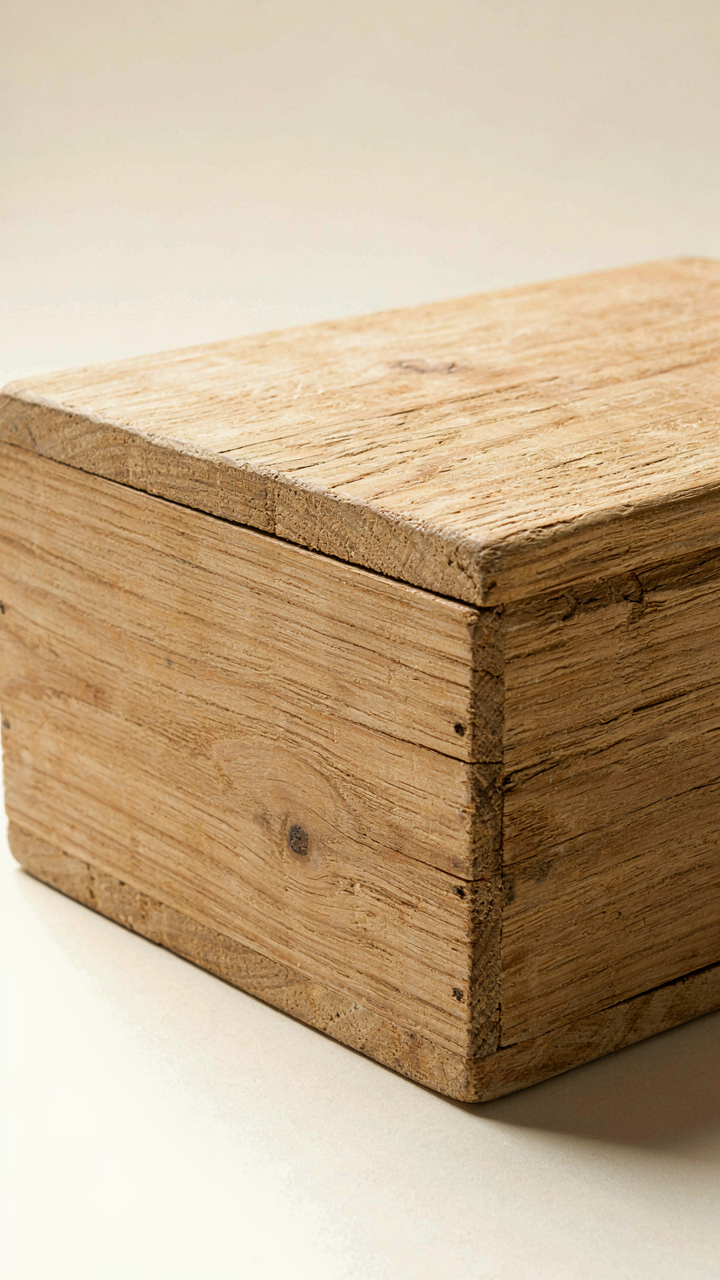
Wood grain runs in one direction for a reason. When you orient your box’s sides and bottom perpendicular to the grain flow, you create natural load paths that prevent warping under the weight of accumulated cards and cash. The Japanese understood this centuries ago in furniture making. Most DIY guides skip this detail entirely and just nail boards together. That’s why half these boxes fail by the reception’s end. Your internal frame should follow the wood’s natural stress lines, not fight against them.
Raw Materials That Show Their Origin
- Unfinished reclaimed wood: Retains visible weathering, knots, and color variation that adds credibility without forcing a rustic narrative. Use as-is or lightly sand.
- Bark-edged slabs: The rough outer layer creates visual interest and structural edge without needing veneer. Keeps costs low while looking intentional.
- Live edge pieces: Where the tree’s outer boundary remains on the cut wood. Creates an organic perimeter that needs no trim or molding to feel complete.
- Untreated plywood with visible lamination: The layers themselves become design. No stain hides the material’s honest structure and construction method.
- Rope handles from natural fiber: Jute or hemp tie directly into wood without hardware. Moves with the material instead of fighting its properties.
The consensus says to sand everything smooth and stain it to match your color scheme. Wrong. That erases the material’s actual character and forces you into mimicry. Organic texture works because it’s real. The wood’s age, grain pattern, and surface variation tell a specific story that mass-produced finishes can’t replicate. Your card box doesn’t need to be polished. It needs to look like you chose the material deliberately because of what it is, not despite it.
The “Heirloom Hack”: Transforming Everyday Objects Into Creative Card Box Wedding Masterpieces
Start With Objects That Already Mean Something
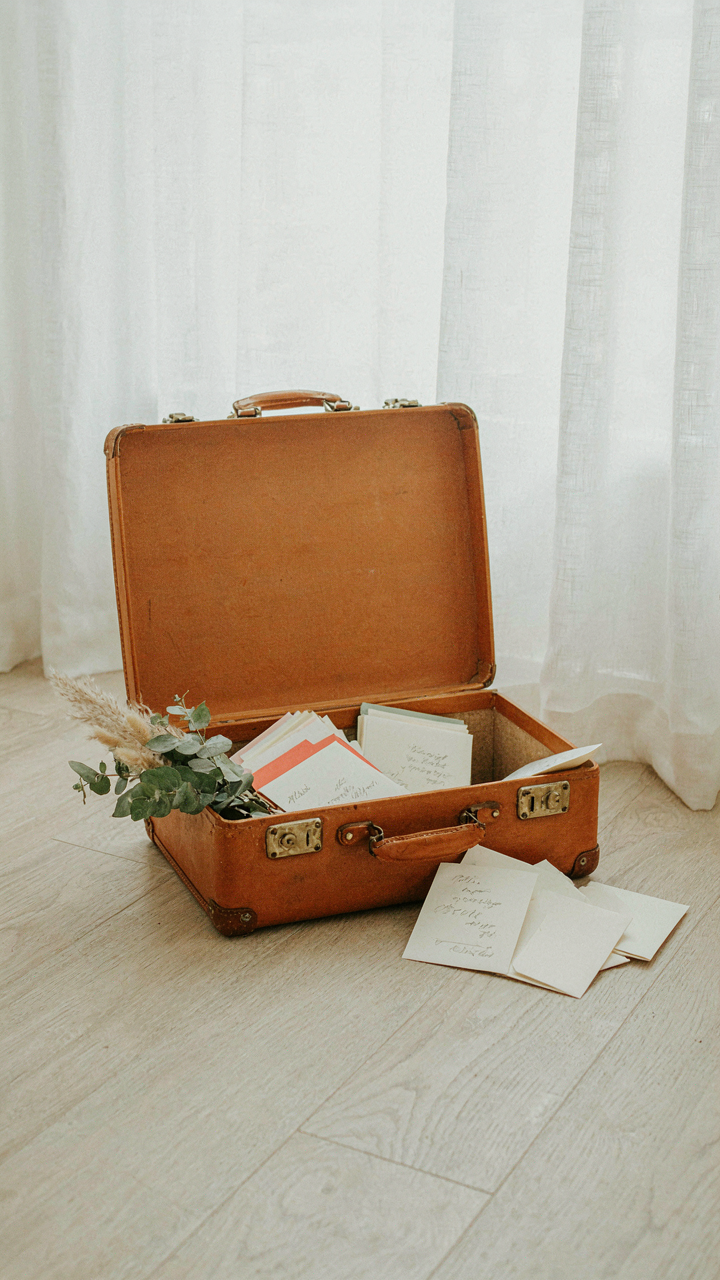
You want this box to feel intentional, not like you ran out of budget. That’s the real motive here. The mechanism is simple: objects already loaded with meaning require almost no design work to feel valuable. A vintage suitcase, your grandmother’s wooden chest, a mason jar collection, an old breadbox—these carry narrative weight before you touch them. The cost difference between a blank box and a found object is negligible, but the perceived value gap is massive. You’re not building from nothing. You’re editing what exists.
Sourcing these objects takes deliberate searching, not luck. Estate sales, Facebook Marketplace, thrift stores, and family attics are where functional pieces hide. The key is choosing something that actually holds the volume of cards you’ll receive—don’t pick a decorative item that looks good but can’t do the job. Test the interior dimensions before committing. A box that overflows at the reception looks worse than one that was never full.
The Design Principle That Actually Works
Industrial design has a term called “form follows function.” Apply this here: don’t add elements to a card box just to decorate it. Every modification should solve a problem or improve usability. Most DIY advice suggests covering boxes with fabric and ribbon—that’s decoration masking poor choices. The real move is revealing what’s already there and fixing what doesn’t work.

If you use a vintage suitcase, the hinges and latches already exist. Reinforce them if they’re weak. If you use a wooden chest, the grain is your decoration—sand and seal it instead of painting over it. If you use mason jars stacked in a wooden frame, the glass shows off the cards inside, which is functional design. A brass nameplate or initials engraved on wood costs thirty dollars and serves as both identification and refinement. Start with the object’s existing qualities. Only then add what’s missing.
Beyond Pinterest: Cultivating Original Wedding Box Ideas

Stop Copying What Everyone Else Built
You want originality because it signals taste and intention, not because you actually care about being different. The real mechanism is constraint. Pinterest floods you with finished boxes because algorithmic curation removes friction, but friction is where thinking happens. When you inherit a template, you outsource the decision-making. The box becomes invisible because it matches what your brain already expected to see. Originality forces your guests to actually notice it.
Start by naming what you actually have access to, not what you wish you had. A woodworker cousin, a tile collection, access to reclaimed materials, skills in a specific craft, a color palette from your venue. Work backward from those constraints instead of forward from what looks good online. The constraint becomes your competitive advantage because it’s unreplicable. No one else has your exact combination of materials, skills, and access.
The Visual Signature That Sticks
Design borrows from information architecture. A box needs a clear information hierarchy, just like a website does. Most people fail here because they treat the box as a canvas to fill rather than a system to organize. Your card box needs one dominant visual element that communicates its function immediately, then supporting elements that reinforce your wedding’s aesthetic. That hierarchy is what makes a box feel intentional instead of cluttered.
Pick one material or technique that appears nowhere else in your wedding design, then use it as your signature. Burned wood details, hand-stamped patterns, a specific fabric texture, metalwork that matches your ceremony arch. The repetition creates coherence without copying. Execution matters more than concept here. A poorly painted box with one clear idea beats a perfectly constructed box with five competing ideas. Document your process during construction. Guests remember the story of how you made it more than the finished object itself.
The “Sunk Cost Fallacy” Avoidance: When To Buy, Not DIY

Time Is The Real Currency You’re Protecting
You’re reading this section because you’re terrified of wasting money on a wedding detail that doesn’t matter. That fear is backwards. The real cost isn’t the thirty dollars you spend on a pre-made box. It’s the eight hours you burn building one yourself when you should be handling logistics that actually move the needle. Economics calls this opportunity cost: the value of the next best thing you give up by choosing one path over another. A DIY card box occupies your time the same way a paying project would, except it generates zero return on that investment.
Most budget wedding advice tells you to DIY everything as a money-saving move. That’s lazy thinking. You save money on a card box by buying one. The real savings come from knowing which tasks demand your hands and which ones don’t. If you can source a finished box for under fifty dollars and it takes you six hours to build from scratch, you’re paying yourself less than ten dollars an hour to do manual work. That math doesn’t move when your weekend time has actual value.
Where Your Labor Actually Belongs
Stop spending effort on components that don’t change guest experience or photos. A card box sits in a corner of your reception. Nobody remembers it. Everyone remembers a speech that wasn’t rushed because the couple spent their final week obsessing over box construction instead of preparation. Prioritize tasks where your personal touch creates measurable difference: curating your ceremony music, refining your vows, designing your seating arrangement, managing vendor timelines.
The protocol is simple: list every DIY wedding task you’re considering. For each one, calculate true time cost in hours and compare it against the purchase price of a finished version. If labor cost exceeds purchase price by more than two to one, buy it. If the task appears in ceremony or key photography moments, prioritize it. If it’s background decoration, cut it. This framework saves you dozens of hours across your entire wedding planning timeline.
The “Antifragile” Approach To Wedding Card Box Ideas: Embrace Imperfection
Beauty In Imperfection Works Better
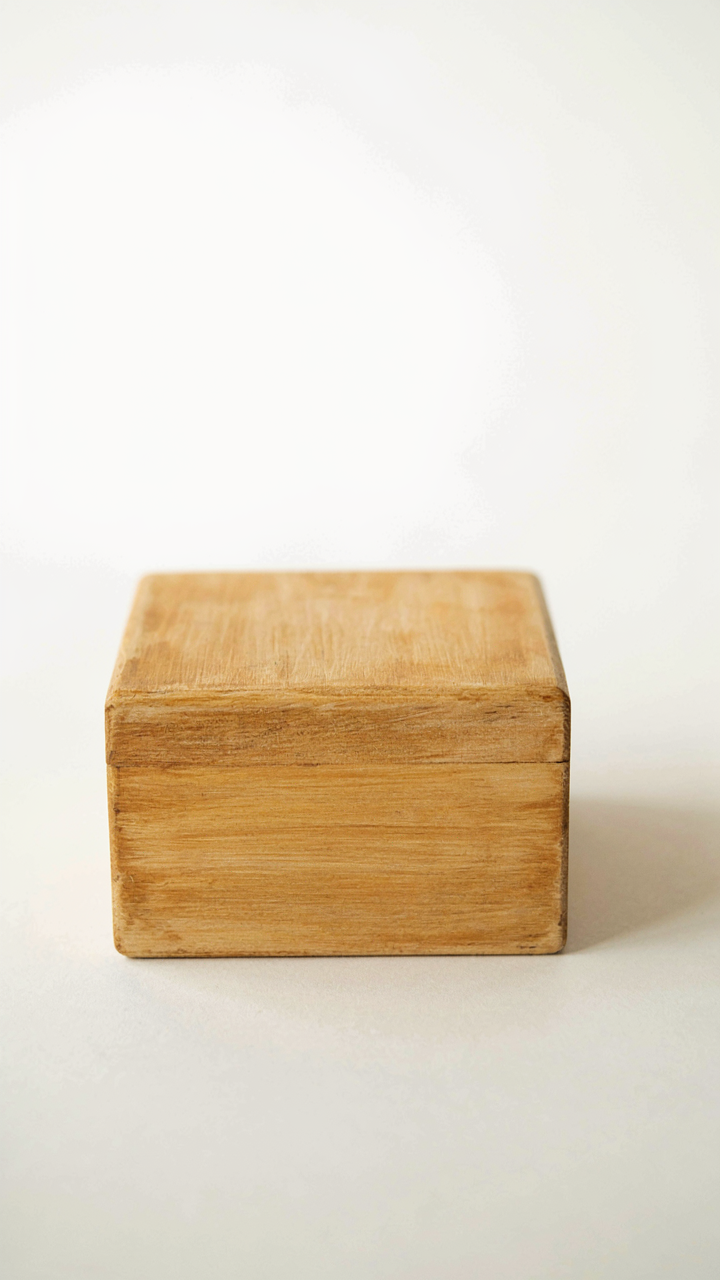
You’re worried people will judge your box as cheap or unfinished. That’s the real fear here. The mechanism is simple: wabi-sabi, a Japanese design principle, treats visible flaws as proof of authenticity rather than failure. A dented corner, uneven stain, or hand-painted imprecision signals genuine craft. Guests read handmade mistakes as effort, not incompetence.
Factory-perfect boxes signal mass production. A slightly warped wooden box with visible brush strokes or nail marks tells a different story: you built this yourself. That shift in perception costs nothing. It’s the gap between “budget constraint” and “intentional design choice.” The imperfection becomes the feature. Embrace it explicitly rather than hiding it.
Handmade Character Beats Precision Every Time
The common advice says make it polished and professional. That’s wrong. Professional card boxes look like every other wedding. Handmade boxes with visible construction methods, irregular edges, and human-scale details create memory. People remember the thing that felt different, not the thing that looked expensive.
Build your box to show its construction process. Leave the wood grain visible. Let brush strokes show in the finish. Use materials that age visibly: untreated wood, unvarnished surfaces, exposed joints. Your goal is a box that looks like someone cared enough to spend time, not money. That’s the mechanism that makes guests feel the weight of their contribution when they deposit their card. The imperfection is what makes it real.
The Real Obstacle Isn’t Your Budget; It’s Your Willingness To Break Free From Pinterest Perfection
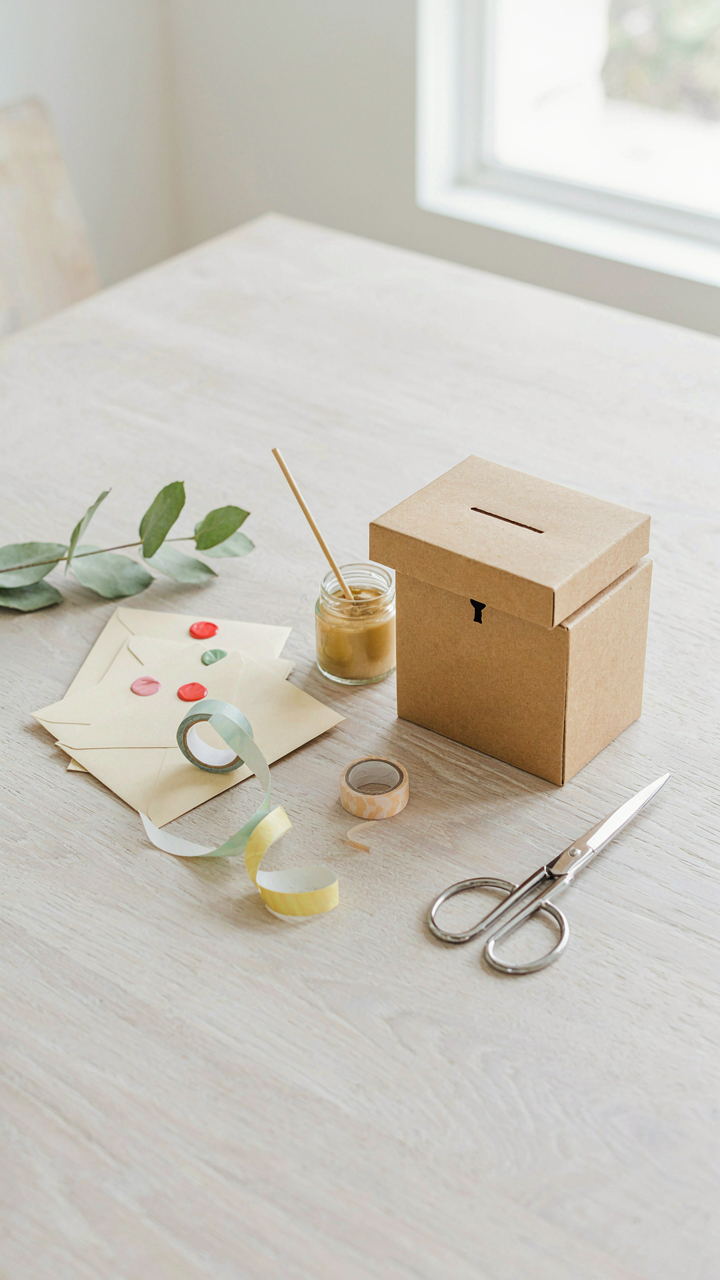
You don’t need permission to make something imperfect. Your card box doesn’t need to match your color palette or win Instagram approval. It needs to hold cards. Build it this week from materials you have. Ignore what other weddings did. Your guests won’t judge the box. They’ll judge whether you had the guts to own your own vision instead of renting someone else’s.