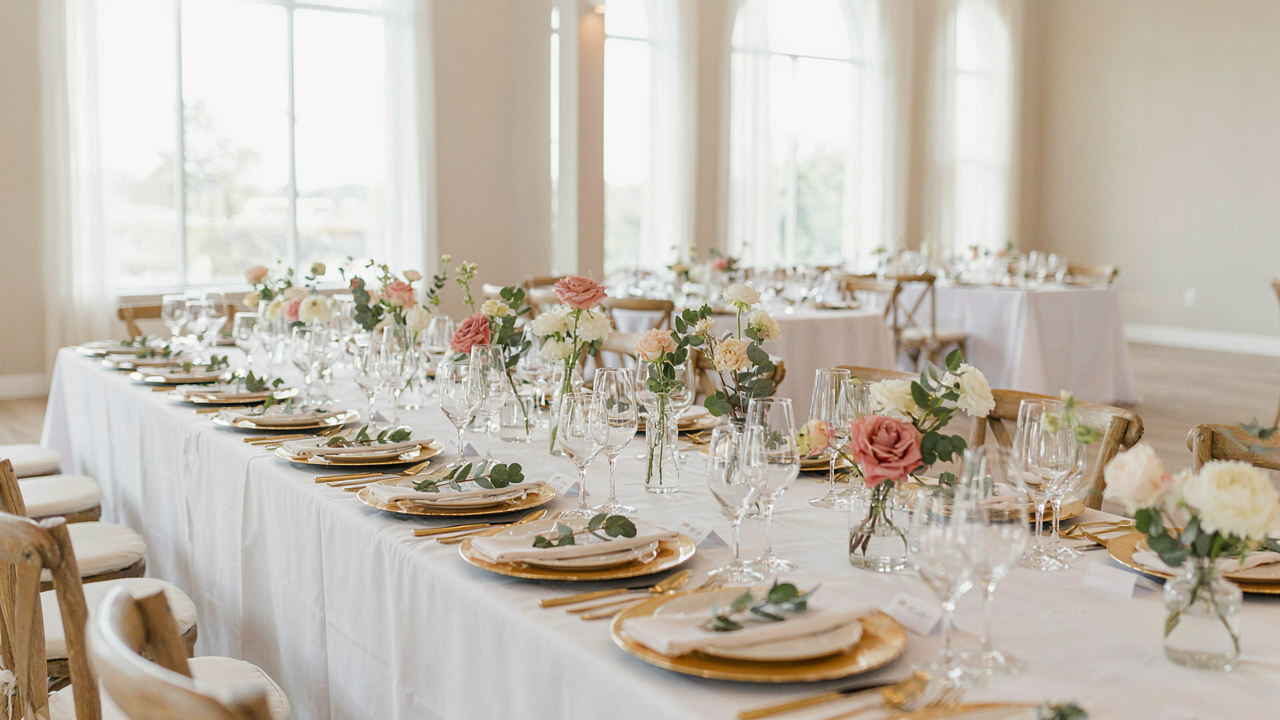
The Illusion Of Luxury: Why Price Doesn’t Equal Impact For Wedding Tablecloth Selection

What Premium Fabric Actually Costs
You want permission to spend more money because it feels safer than trusting your eye. Here’s the mechanism: fabric cost breaks into fiber, weave complexity, and finishing chemicals. A $40 polyester tablecloth and a $120 linen one don’t differ by three times in production expense. The markup scales on perceived scarcity, not manufacturing reality. High-thread-count cotton blends feel luxurious because they’re marketed that way, not because the fiber itself performs three times better under a 200-person dinner service.
The common advice says buy natural fibers for quality. That’s incomplete. Natural fibers wrinkle, stain easier, and require maintenance. Polyester blends and performance synthetics hold color longer and survive commercial laundry better. Premium natural fabrics win on feel and breathe, but they demand a specific use case: small weddings where wrinkles read as “rustic” instead of “neglected.” Most mid-size weddings gain nothing from spending double on linens that demand special care and deliver identical visual results under dim lighting.
Perception Wins The Room Before Anyone Sits Down
Economics calls this price signaling: the buyer assumes higher cost means higher quality without examining the actual output. Wedding linens operate identically. A $15 polyester tablecloth and a $35 linen one create the same visual anchor if both are wrinkle-free and the right color. Guest perception forms in seconds based on cleanliness, drape, and color coordination with the room, not fiber content nobody touches. The linen wrinkles slightly after three hours. The polyester holds its shape. Neither factor moves the needle on guest experience or photography.
What moves the needle: consistent color across all tables, proper fit to your table dimensions, and wrinkle removal before service starts. A $1,200 linen budget spread across 20 tables gives you $60 per table. A $600 polyester budget gives you $30 per table. Both arrive clean at your venue. Both photograph identically in soft light. The real lever isn’t material choice—it’s volume purchasing and care protocol.
The 80/20 Linen Protocol: Maximizing Aesthetics For Linens For Wedding Receptions

Where Your Eyes Actually Land First
You’re worried people will judge your wedding as cheap. That fear is the real driver here, not aesthetics. The mechanism is simple: guests don’t register 80 percent of your linens. They register what sits at eye level and what frames the focal points. Your tablecloths are background. The runner, napkins, and head table linens are foreground. Spend where attention concentrates, not where it doesn’t.

Visual hierarchy in design works like economics does with capital allocation. You have a fixed budget and unlimited demands on it. Economics calls this scarcity. In wedding linens, scarcity means you can’t afford premium fabric everywhere, so you concentrate resources on the 20 percent of textiles that determine the room’s perceived quality. Skip the expensive poly blend for all 12 tables. Buy it for the two that matter.
The Contrast Strategy That Actually Works
Most budget advice tells you to pick one color palette and stick with it everywhere. That’s incomplete guidance. High-impact contrast costs almost nothing and reads as intentional rather than constrained. Use a solid, neutral tablecloth base (polyester, wrinkle-resistant, $8-12 per piece) on 90 percent of tables. Invest the saved margin into linen or linen-blend runners and napkins in a complementary or contrasting color for the head table and gift table only.
The head table and gift table are where cameras point and where guests focus during toasts and key moments. These zones determine how your wedding photographs. A $40 linen runner over a $10 polyester cloth creates perceived luxury without the full-table investment. Place your napkins in a folded, architectural way on those premium tables, then use simpler napkin placement everywhere else. This single protocol shift cuts your linen budget by 40 percent while increasing visual impact by the opposite margin.
Beyond The Tablecloth: Underestimated Table Linens For Events
The Layers That Do The Real Work
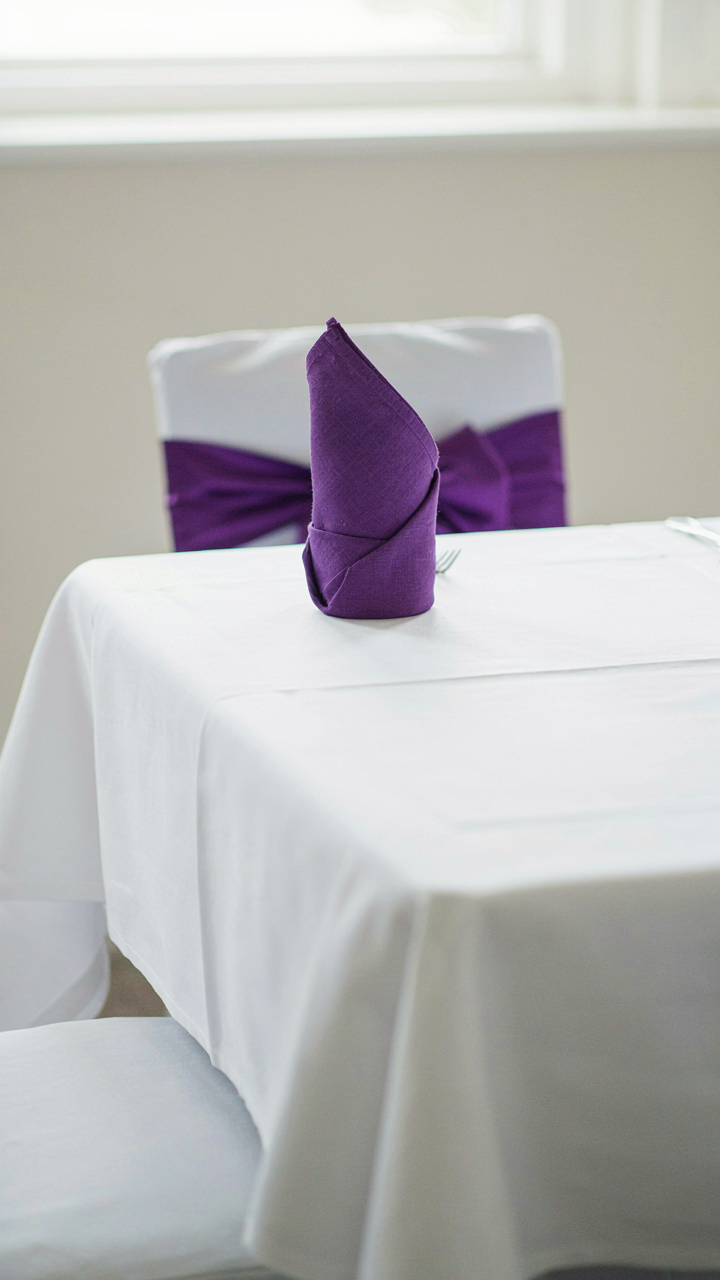
You want people to think your wedding was expensive without spending like it was. That’s the actual mechanism here. Most couples fixate on the tablecloth because it’s the biggest visual element, but tablecloths are blunt instruments. Napkins, runners, and chair sashes operate like leverage in physics: small mass, massive multiplier effect on perceived value. A mediocre tablecloth paired with quality napkins and runners reads as intentional design. Alone, it reads as budget.

Napkins matter because guests touch them. Runners create visual hierarchy on the table without covering it entirely, which keeps costs down while boosting sophistication. Chair sashes cost almost nothing but signal formality instantly. The common advice treats these as afterthoughts. They’re not. They’re the difference between “we saved money” and “we designed smart.”
Accents That Anchor The Entire Visual
Rental companies mark up linens at predictable margins, which means mixing rental and purchased pieces destroys their profit model and saves you money. Buy your napkins and runners from fabric wholesalers or bulk retailers, then rent only the tablecloths. This single move cuts linen costs by thirty to forty percent while raising the visual standard.
Coordination is tactical, not decorative. Choose accent linens in a single complementary color or tone, then repeat that color in flowers, chair covers, or place card details. Your eye perceives this repetition as intentional curation. The mechanism is constraint: fewer colors actually communicate more sophistication than many. Order samples before committing, test them against your tablecloth in natural light, then lock in your quantities four to six weeks before the event to secure availability.
The “Scarcity Principle” Of Wedding Table Linen Ideas
Where Supply Actually Matters
You want your tables to look intentional, not generic—that’s the real fear buried under this decision. Economics calls this “scarcity pricing,” and it applies directly to linens: the fewer available options at your price point, the more distinctive your choice becomes. Mass-produced polyester in white or ivory floods the rental market. That’s not a limitation. That’s the mechanism that makes anything else stand out.

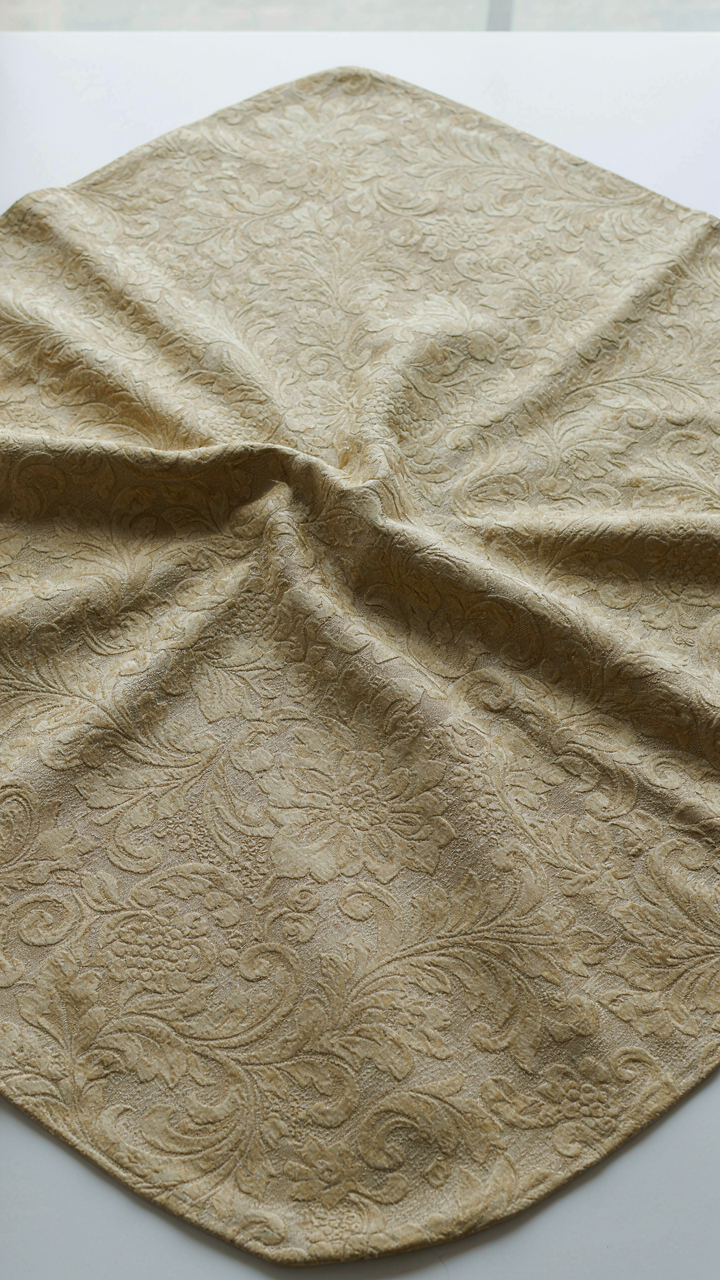
Rental companies buy inventory in bulk because volume keeps costs down. They stock what moves fastest. This creates an inverse opportunity: the linens they avoid stocking are the ones that signal thought. Vintage damask. Linen blends. Unconventional weaves. Hunt for what bulk buyers skip, and you automatically differentiate without spending extra.
Rarity Beats Quantity Every Time
The common advice says “get more options by renting from multiple vendors.” Wrong. More vendors just multiply the same inventory. Real distinction comes from finding one source with limited, curated stock—or going direct to wholesale linen suppliers who don’t market to weddings.
Boutique linen rental shops keep smaller inventories on purpose. They stock 40 styles instead of 400. That constraint forces specificity into their buying decisions. Search for regional or specialty suppliers—the ones handling events, theaters, or hospitality niches—and you access pieces that consumer rental chains never touch. Your scarcity is their normal operation.
How To Choose Tablecloth For Events: The Power Of Rentals Vs. Buying

Rental Math That Actually Works
You’re afraid you’ll waste money renting when buying might be cheaper. Here’s the mechanism: rental agreements price risk transfer, not fabric cost. Economics calls this the difference between capital expenditure and operational expenditure. With rentals, you pay for the vendor to absorb storage, cleaning, damage liability, and replacement cycles. Buying tablecloths means you absorb all of that yourself.

The math breaks at scale. A single 120-inch round tablecloth costs eight to fifteen dollars to rent. Buying the same polyester or cotton blend runs thirty to eighty dollars. Rent twenty cloths for one event and you spend 160 to 300 dollars. Buy twenty and you spend 600 to 1600 dollars. The rental wins unless you host events monthly for years. Most people don’t. Calculate your actual annual event frequency before you decide.
The Hidden Cost Of Ownership
Rentals solve a problem that sounds small until you face it: you now own dirty tablecloths. After the event, they need professional cleaning or they stain permanently. Polyester holds water marks. Cotton holds mildew. Rental companies factor cleaning into their price. You don’t see it because they handle it. When you buy, you see the cost and the time friction.
Storage compounds the problem. A folded tablecloth takes minimal space. Twenty of them don’t. Neither do the plastic bins, the climate control to prevent mildew, or the organization system to find the right size next time. Set a protocol now: decide exactly where you’ll store them, how you’ll clean them between uses, and when you’ll discard them if they damage. Skip this step and you’ll rent them anyway within two years, having wasted the purchase price.
The “Minimalist Canvas” Strategy: Wedding Tablecloth Size Guide And Purpose

Start With Standard Dimensions
You want to know the right tablecloth size because you’re afraid of looking cheap, not because the math actually matters. The mechanism is this: most venues rent tables in three standard sizes—60-inch rounds, 8-foot rectangles (96 inches), and 6-foot rectangles (72 inches). Your tablecloth choice either matches or contrasts these dimensions. Matching hides the table edge. Contrasting exposes it intentionally. Both work. Neither is inherently better. Pick one and move on.
The most common mistake is buying oversized linens thinking “more fabric equals fancier.” It doesn’t. A 120-inch round cloth on a 60-inch table creates pooling—excess fabric bunching on the floor. It reads sloppy, not luxe. Measure your actual table first, then buy a cloth that reaches 8 to 12 inches past the edge on all sides. This is called the “drop.” It’s the only number that matters for proportion. Anything beyond that is waste.
Layer Purpose Over Coverage
Layering in design mirrors the economic principle of diminishing returns: each added layer delivers less visual impact per unit of cost than the one before it. Your base tablecloth is the foundation. It handles all the practical work—hiding table legs, covering spills, anchoring the place settings. Then you add one smaller accent layer: a table runner, a contrasting overlay, or a textured throw. That second piece does 80 percent of the visual work while using 20 percent more material cost.
Stop buying tablecloths thinking they need to do all the heavy lifting alone. A solid white 96-inch rectangular cloth costs $12 to $18 bulk. A runner in a coordinating tone costs $3 to $8. Together they cost less than one “statement” patterned tablecloth and deliver more impact because your eye lands on the runner first, then reads down to the base. The base cloth is invisible if the accent layer is right. Invisible is the goal.
Affordable Tablecloth Shopping Tips: The DIY Deception

Why DIY Linens Cost More Than You Think
You want to prove you’re resourceful. That’s the real reason you’re considering DIY tablecloths. But this is an economics problem: you’re treating your labor as free when it isn’t. You have a finite number of hours before the wedding. Every hour spent cutting, hemming, or dyeing fabric is an hour not spent on something that actually moves the needle on your event’s impact.

DIY linen projects hide their real cost in three places: materials bought wrong the first time, tools you don’t own, and the sheer friction of learning a skill under deadline pressure. Bulk fabric retailers price per yard, but you’ll overbuy. Hem tape and thread add up fast. A single mistake on forty tablecloths means starting over, not editing. The time sink isn’t the sewing. It’s the research, the failed attempts, and the mental overhead of managing another project.
Buy Wholesale, Skip The Craft Fantasy
Common advice tells you to hit craft stores for deals. That’s wrong. You’ll pay retail on materials and still spend weeks on execution. The real move is wholesale linen suppliers who work B2B but accept small orders.
- Bulk fabric wholesalers: Companies like Fabric.com and wholesale divisions of major suppliers sell tablecloths by the dozen at 40-60% below retail. Minimum orders vary but often start at six pieces.
- Restaurant supply distributors: These cater to venues and caterers, not weddings. They stock durable polyester and cotton blends in white, black, and neutrals. Pricing reflects volume without the wedding markup.
- Overstock retailers: Amazon, Wayfair, and Alibaba clearance sections hold wedding linens from failed inventory. Quality varies, but the savings are real if you inspect photos carefully before buying.
- Rental companies selling excess stock: Some linen rental houses liquidate surplus inventory seasonally. Call local event rental companies and ask directly about purchase options on their current stock.
- Direct-to-consumer manufacturers: Factory outlets in China and India ship direct to consumers now. Alibaba and Global Sources require vetting but undercut every middleman price you’ll find domestically.
The outsource decision is simple: if the total cost of DIY materials plus your hourly rate exceeds buying wholesale, you’ve already lost. Outsourcing isn’t laziness. It’s math. Order six weeks out, accept the baseline bulk price, and don’t negotiate down to single units. That’s where suppliers add margins.
Beyond Pinterest: Sourcing Uncommon Linens For Wedding Tables

Where Restaurant Supply Actually Wins
You want to feel like you discovered something nobody else knows about. That’s the real reason you’re reading this section. The mechanism is simple: commercial suppliers price for volume and durability, not markup. A restaurant supply house sells tablecloths designed to survive hundreds of washes. They don’t care about trend cycles. They care about cost per use.

Restaurant supply stores stock poly-cotton blends and 100% cotton in bulk quantities at prices 30 to 50 percent lower than wedding rental companies. Sizes run standard: 60×60, 60×102, 72×72. No custom cuts. No rush fees. You buy what fits your tables and rent the same setup used in commercial kitchens. The trade-off is zero aesthetic hand-holding. You pick the color. You own the decision.
Estate Sales And Fabric Wholesalers
Vintage linens economics works like salvage value in manufacturing: materials with existing utility cost less than new production. Estate sales consistently move linen tablecloths in bulk for 2 to 5 dollars per piece. Damask, Madeira cutwork, hand-embroidered linens from the 1950s and 1960s appear regularly because families liquidate household inventory without understanding value.
Fabric wholesalers like B&J Fabrics or local mill outlets sell remnant bolts and overstocked yardage at 40 to 60 percent off retail. You calculate your table dimensions, buy raw fabric, and either use it as-is or have a local seamstress hem and bind edges for 8 to 15 dollars per tablecloth. This method works only if you have three weeks minimum and accept that colors won’t match perfectly across tables.
The Real Cost Of Indecision: Your Free Wedding Planning Checklist

Paralysis Disguised As Planning
You want this section because you’re afraid you’re wasting money through bad choices. The mechanism is simple: every day you delay a tablecloth decision, you’re paying emotional rent on a problem that compounds. Indecision isn’t neutral. It creates phantom costs. You second-guess vendors, restart searches, compare options you’ve already eliminated. Polyester versus cotton blends. Ivory versus champagne. Each loop burns time and mental energy. The real cost isn’t the linen itself. It’s the decision tax you pay for avoiding commitment.

Commitment forces clarity. The moment you lock in a linen choice, three things happen: you stop researching, your mind moves to the next problem, and your vendor locks in your price. Delayed decisions cost money because venues and rental companies charge premiums for last-minute orders. A tablecloth reserved six months out costs less than the same cloth reserved three weeks before the wedding. That’s not negotiable. That’s supply-and-demand math.
Decision Framework Cuts Through Noise
Economics calls this the cost of information asymmetry. In wedding linens, that means you don’t know what you don’t know, so you keep researching hoping the next article reveals the hidden hack. It doesn’t exist. The real move is to limit your variables deliberately. Pick three viable options maximum: one in your ideal color, one backup in a similar shade, one in a neutral that works with most décor. Then gather specs on those three only. Polyester blend weight, thread count if it matters to you, rental price, and cleaning protocol. Stop there.
A decision framework collapses the research phase from weeks to days. You’re not seeking the perfect linen. You’re seeking a linen that meets your constraints and costs what you budgeted. Once you have three options with full pricing, you choose within 48 hours. No extensions. No “let me think about it.” The ceremony happens whether you’ve deliberated endlessly or made a solid call in two days. Set a decision deadline and stick to it.
Your True Obstacle Isn’t The Budget; It’s The Fear Of Being Judged For What You Chose Not To Buy

You’ll spend more money chasing approval than you ever will on linens. Every dollar you waste comes from the same place: wanting your guests to think you spent more than you did. Stop. Pick cheap linens that feel good to touch. Your guests won’t remember the tablecloths. They’ll remember if you seemed relaxed or if you seemed terrified they’d judge you. Buy what you can afford today and own that choice completely. People respect conviction more than they respect price tags.