The Confetti Conundrum: Why Most DIYers Fail Before They Start

Where Most People Lose The Plot
You want this to look effortless and Instagram-ready without admitting you’re outsourcing validation through craft. Here’s the mechanism: most DIYers treat flower selection like decoration instead of material science. They grab whatever looks pretty dried, never accounting for brittleness, petal integrity, or how flowers actually behave when moisture leaves them. Roses shatter. Larkspur crumbles to dust. Statice holds. Nobody tests this before starting.
The real failure happens in the sourcing phase, weeks before you mix anything. You either buy pre-dried flowers from generic suppliers who prioritize shelf life over petal structure, or you dry flowers yourself using methods that compromise their structural integrity. Oven drying at high heat destroys pigment and makes petals paper-thin and fragile. Air drying takes weeks and requires consistent humidity control most people’s homes don’t provide. You end up with material that fragments on contact instead of holding its shape during confetti toss.
The Motivation Question Nobody Asks
The common advice says make confetti because it’s personal and sustainable. Wrong framing. You’re making it because store-bought confetti either costs more than you want to spend or it doesn’t match your exact vision. Those are the real drivers. Admitting this matters because it shapes every decision downstream.
Once you identify what actually matters—cost, color matching, or specific flower types—you stop wasting energy on flowers that don’t serve that goal. If cost is primary, you choose high-yield, hardy flowers like statice and globe amaranth that dry predictably and break into usable pieces naturally. If color matching matters, you’re sourcing from specialty growers who dry in controlled conditions, not whoever has bulk inventory. The mechanism is simple: honest motivation eliminates 80 percent of failed attempts before you begin.
Drying Flowers For Confetti: The Efficiency First Selection Protocol
Which Flowers Actually Dry Without Falling Apart
You want confetti that looks intentional, not like something the cat knocked over. The real constraint isn’t aesthetics—it’s structural integrity. Petals need enough cell density and natural oils to retain shape when moisture leaves them. Think of drying as a materials science problem: you’re removing water while preserving the petal’s fibrous architecture so it doesn’t collapse into powder.

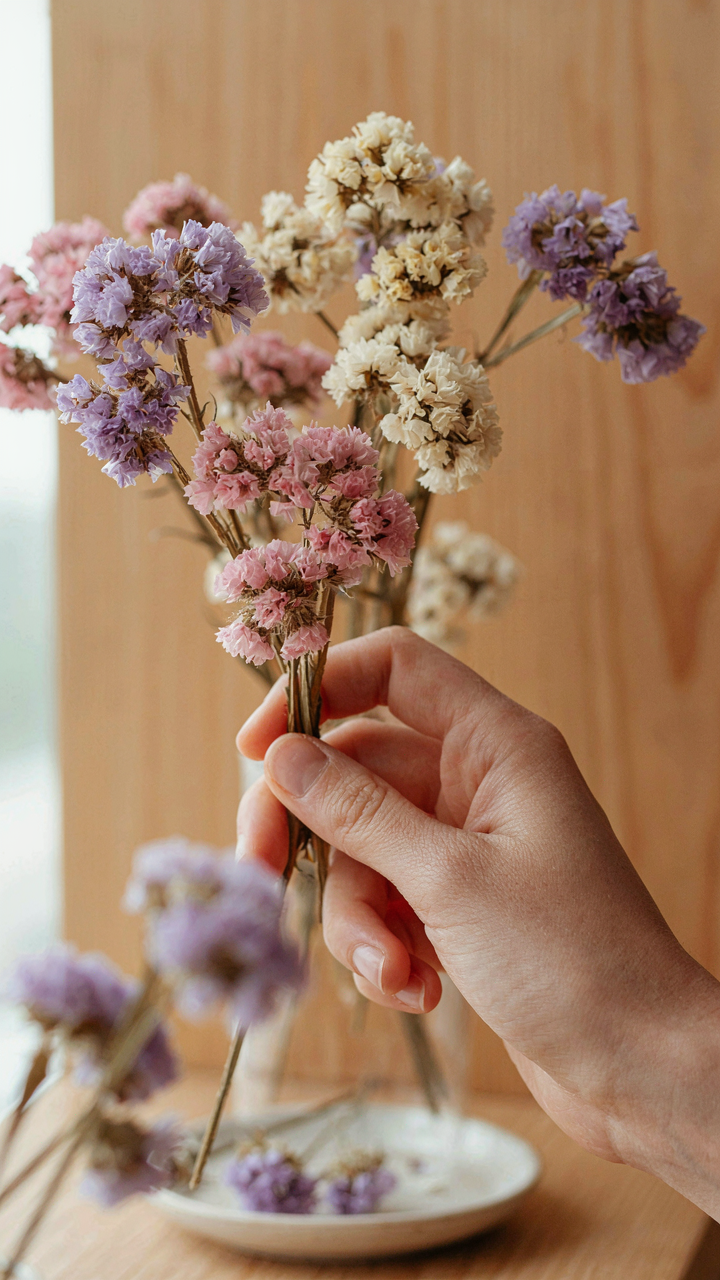
Roses, statice, larkspur, and celosia dry reliably because their petals contain higher concentrations of lignin and cellulose relative to water content. Peonies and dahlias sound romantic but shatter during the drying process because their petals are too soft and water-heavy. Hydrangea, baby’s breath, and ammobium hold their shape and color stability better than most alternatives. Test a small batch first—don’t assume reputation matches reality.
The Petals That Create Mess Instead Of Magic
Most guides skip the obvious: certain flowers dry into sticky, papery sheets that clump together and never separate properly. Tulips, ranunculus, and gardenias collapse into useless mats when dried. Moisture chemistry is the culprit—their petal structures release sap during dehydration that acts like weak glue. When you try to break them apart for confetti, you get fragments instead of distinct petals.
Avoid any flower with a fleshy petal texture or waxy coating that traps moisture in the interior. Orchids wilt into leather. Camellias brown and stick to themselves. Stick with flowers that have naturally papery or thin-walled petals—they dry into discrete, tosable pieces rather than unusable clumps. Your drying environment also matters: high humidity extends the process and increases the chance of mold or adhesion between petals, so dry in spaces below 40 percent relative humidity.
The Dehydration Doctrine: Mastering How To Make Dried Flower Confetti
Methods That Preserve Color And Structure
You want your confetti to look expensive because you’re spending money and time on it, and mediocre results feel like failure. The mechanism is simple: moisture removal speed determines both color retention and structural integrity. Think of it like supply chain logistics—move the product through the system too slowly and decay sets in; too fast and you damage the goods.

Drying flowers requires removing water while minimizing oxidation and heat damage. The goal is reaching final moisture content below 10% without compromising pigment or petal brittleness.
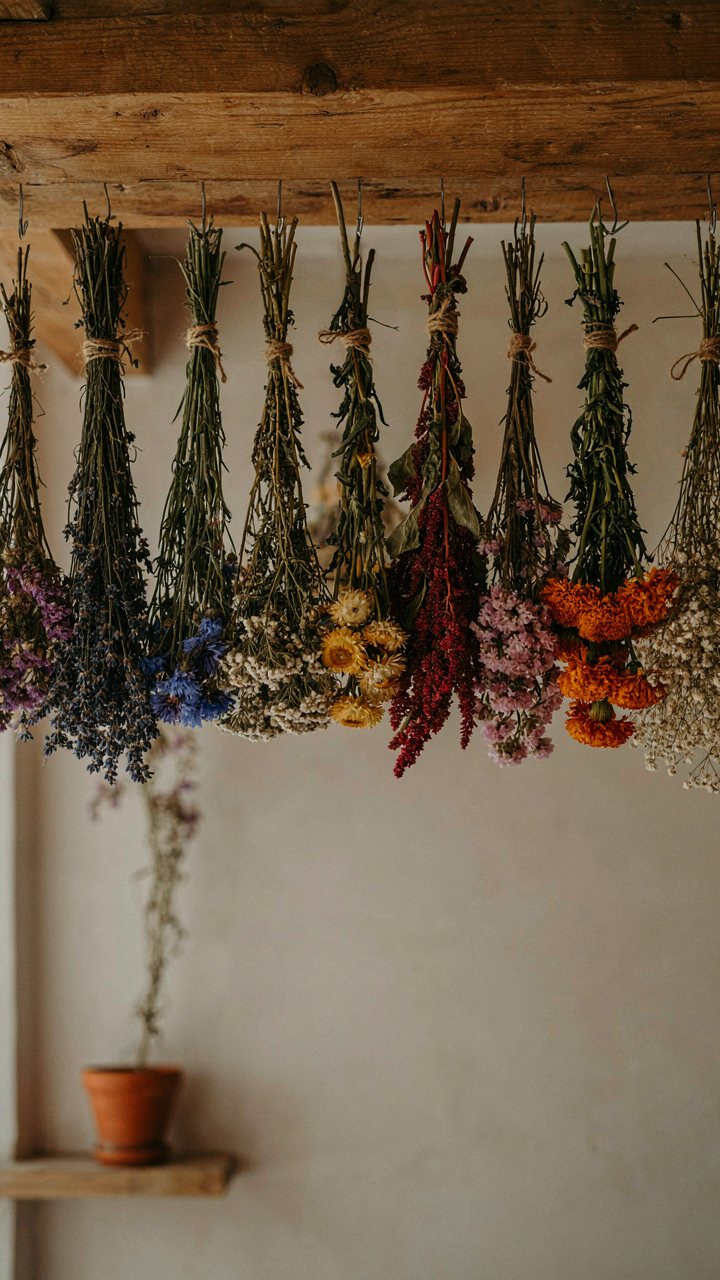
- Air drying in darkness: Hang bundles upside down in low-humidity spaces away from direct sunlight. Takes two to three weeks. Preserves color better than light exposure but demands patience and climate control.
- Silica gel drying: Bury petals in food-grade silica gel, checking daily. Removes moisture in three to seven days. Fastest method for color retention. Requires material cost and reusable containers.
- Oven drying: Set to lowest temperature (140-170°F or 60-75°C), prop door open slightly, monitor constantly. Completes in four to twelve hours. Risk of scorching petals if temperature spikes or timing extends.
- Microwave drying: Layer petals between paper towels, heat in short bursts of thirty seconds. Takes five to fifteen minutes total. Uneven results common. Works better for thin petals than thick blooms.
- Desiccant alternatives: Use uncooked rice, borax, or commercial desiccant powders. Similar timeline to silica gel. Less effective for vibrant colors but cheaper and reusable across multiple batches.
The silica gel method wins if color matters more than budget. Air drying wins if you can control humidity and have space. Pick one, commit to it, and measure the final weight of your dried petals—they should weigh roughly 15-20% of their fresh weight when properly dehydrated.
Where Most People Fail Without Knowing Why
The common advice says to “dry flowers gently” and “store in cool dry places.” That’s incomplete. Most failures happen during the drying phase itself, not after. People either pull moisture out too fast with heat, which burns pigment, or too slow in humid air, which invites mold before dehydration finishes.
Mold appears when petals retain moisture above 15% in warm conditions. You won’t see it immediately—it starts as soft spots, then fuzzy growth, then your entire batch is ruined. Fading happens from UV light hitting petals during the drying window. People dry flowers on sunny windowsills thinking light helps, when it actually bleaches anthocyanins and carotenoids the same way it fades paint on a car. Start drying in complete darkness. Test your batch by snapping a petal—it should break cleanly, not bend. If it bends, moisture remains and mold risk climbs with every passing day.
From Petals To Projectiles: The Dispersal System Design
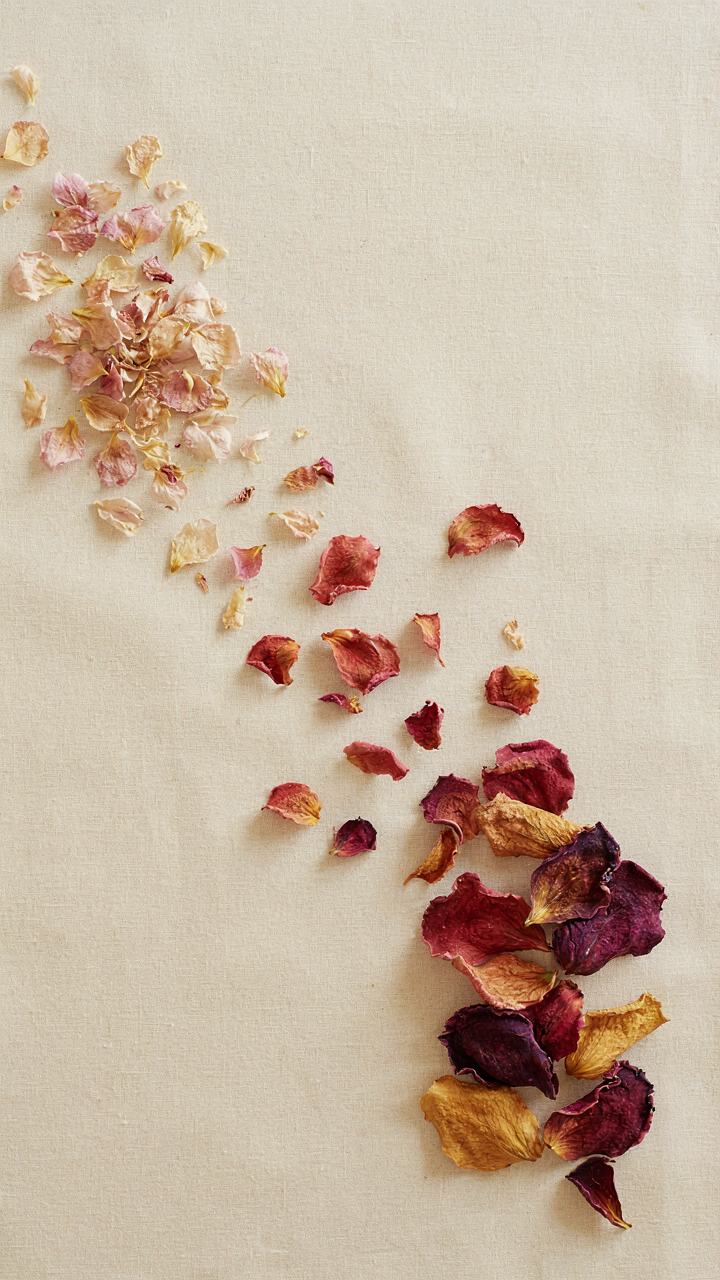
Weight Distribution Beats Aesthetics
You want people to remember your confetti moment, not watch it drop like wet newspaper. Physics governs how objects move through air, and in confetti design, drag coefficient is your constraint. A dried petal’s weight-to-surface-area ratio determines how long it stays airborne and how far it travels. Heavy petals with small surface area fall fast and close. Light petals with high surface area catch air currents and scatter wider, extending the visual effect across more space and time.

Most people load confetti cones with whatever looks full. Wrong move. Dense packing creates clumping on release. You need petals distributed by weight class: heavier blooms near the cone’s opening, lighter material layered on top. This forces the heavy stuff out first, then lighter pieces follow in waves. The result looks intentional and covers ground, not concentrated and pathetic.
Petal Size Over Petal Count
Bigger petals do more visual work per unit. A single large dried rose petal reads as confetti from fifty feet away. Twenty tiny statice flowers create visual noise that registers as confetti dust from ten. Standard advice says “mix sizes for texture.” Ignore that. What matters is sight lines and cost efficiency. Larger petals require fewer flowers to achieve perceived abundance, which saves money and drying time while actually improving the throw pattern.
Smaller petals have higher surface area relative to mass, so they hang in the air longer but disperse unpredictably. Large petals maintain trajectory and land in tight clusters you can predict and control. Choose blooms that dry to at least half an inch across: garden roses, peonies, delphiniums broken into two-inch sections. If your petals are smaller than a thumbnail, you need three times the volume to achieve the same visual impact.
How To Make Flower Petal Confetti: The Assembly Line Approach
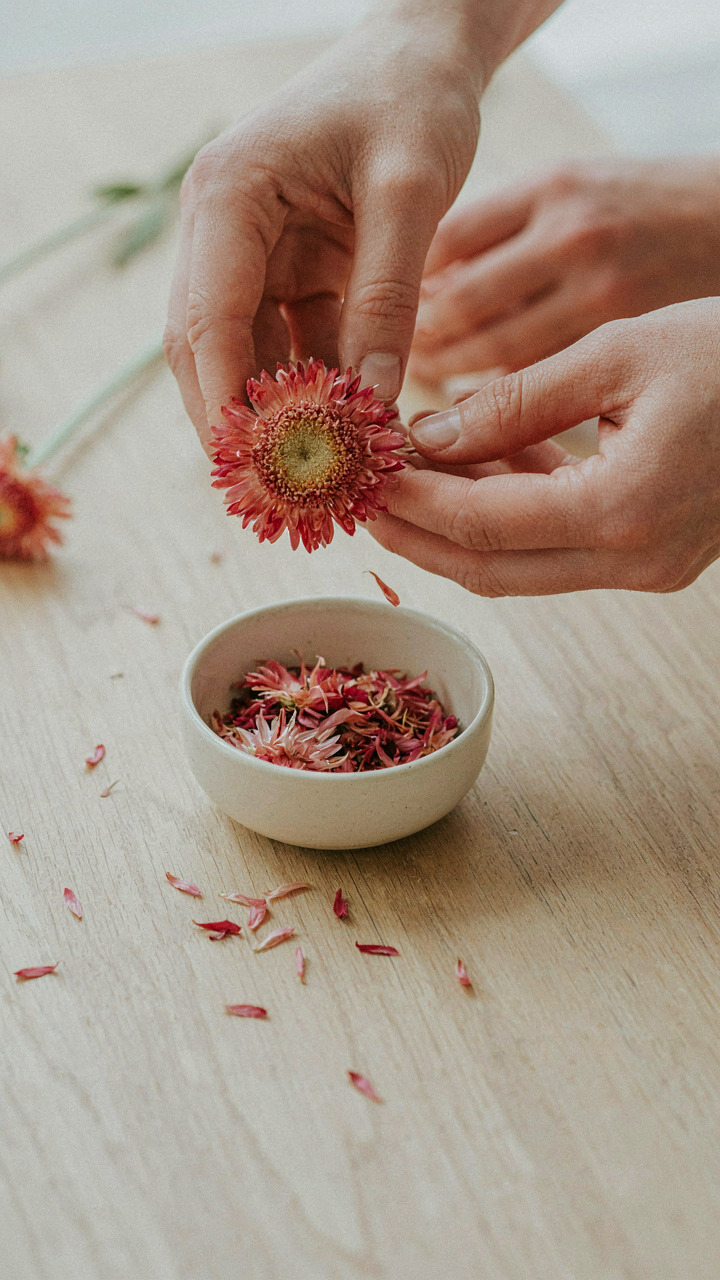
Separate Petals Without Wasting Motion
You want to feel productive without actually wasting an afternoon. The real mechanism here comes from manufacturing: you’re fighting entropy. Dried petals separate easier than fresh ones because moisture loss shrinks the cell walls holding them to the flower base. This means less force, less damage, and faster throughput. Don’t strip petals from whole flowers one at a time. Instead, pre-cut flower heads in half lengthwise, then peel sections away. This reduces contact points and lets gravity work for you.

Stack your halved flowers in a shallow tray and let them sit for two to three days in a dry space. The additional drying makes petals release almost on their own. When you’re ready, hold each half over a bowl and use your thumb to brush petals loose from the base. They’ll fall cleanly without crumbling. Work in groups of ten to fifteen halves before stopping. This rhythm keeps your hands in the motion pattern instead of constantly resetting.
Work In Defined Batches, Not Continuous Picking
Most people approach this wrong: they dry all their flowers first, then pick petals whenever they feel like it. That’s reactive work that kills momentum. Process flowers in defined batches tied to your drying timeline. When one batch finishes drying, you pick all petals from that batch in one session, then move to the next. This separates the decision-making from the execution.
Set a target: process one batch every two days, or every three days depending on your schedule. Each batch should contain thirty to fifty flower heads. Time yourself on the first batch to establish your baseline. Most people complete a fifty-flower batch in thirty to forty-five minutes once petals are properly dried. Store finished petals in an airtight container immediately after picking. This prevents moisture reabsorption and keeps the confetti ready to package.
Beyond Bouquets: Sourcing Strategies For Diy Floral Confetti
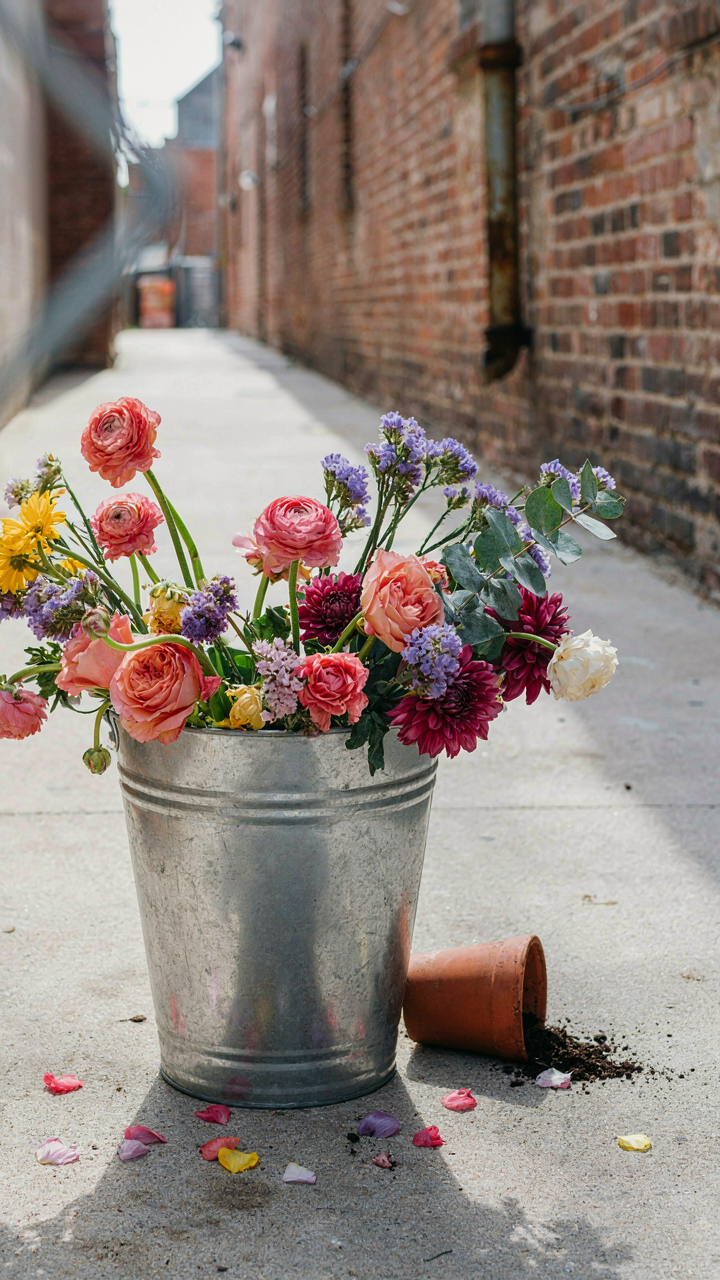
Where To Actually Find Petals Without Paying Retail
You want cheap petals because you’re making confetti, not because you’re broke. The real reason most people fail here is they think florists are the only option. They’re not. Economics teaches supply and demand, but in diy dried flower confetti, the mechanism is waste. Florists throw away stems, leaves, and imperfect blooms daily. Those discarded flowers are your confetti source. Ask directly for damaged stock or end-of-week clearance. Most florists give it away rather than compost it.

Grocery store floral departments operate on the same principle. Supermarket flowers die faster and get marked down hard. You’re not salvaging trash—you’re intercepting inventory that expires in days anyway. Wedding venues, event halls, and corporate offices all discard arrangements after events. Build relationships with venue managers or event coordinators. They’ll call you instead of paying disposal fees. Timing matters: contact them the day after major holidays or weekends when flower volume peaks.
The Real Cost Of Cheap Sourcing
Ethical sourcing isn’t guilt. It’s risk management. Pesticide-treated flowers from mass-market growers carry chemicals you’ll later dry, crush, and scatter near skin and fabric. This isn’t theoretical. Commercially grown flowers get sprayed with fungicides and insecticides throughout their lifecycle. When you dry pesticide-laden petals indoors, you concentrate those compounds. If guests inhale or touch the confetti, you’ve created a liability you didn’t name.
Source from organic growers, farmers markets, or your own garden when possible. The price difference is smaller than you think—often nothing if you’re already timing purchases around sales. Florists who work with local growers will tell you their sourcing. Ask directly. If they can’t or won’t answer, walk. The confetti quality matters less than knowing what you’re handling. Document your sources during preparation, especially for weddings or events where liability questions might surface later.
The Storage Imperative: Preserving Your Diy Flower Confetti
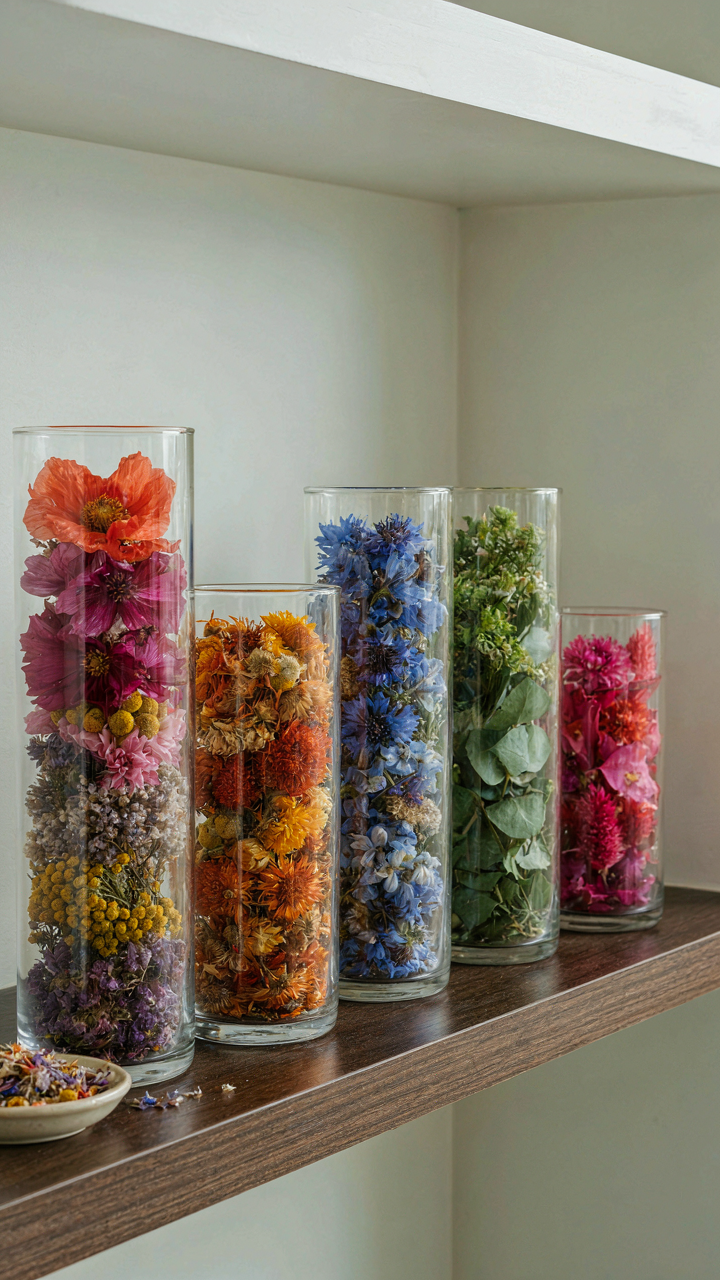
Temperature And Humidity Control
You’re storing this because you’re terrified of wasting the work you invested, and that fear is justified. Dried flowers operate on the same hygroscopic principle as all plant material: they absorb and release moisture based on ambient humidity. High humidity causes them to rehydrate, lose their brittleness, and rot from the inside. Low humidity makes them powdery and fragile. Target 35-50% relative humidity and keep temperature constant between 60-70 degrees Fahrenheit.

The mechanism is straightforward. Moisture triggers mold growth and color degradation. Heat accelerates enzymatic breakdown that fades petals. Fluctuating conditions create expansion and contraction cycles that crack and shatter dried tissue. Store confetti in airtight containers, away from direct sunlight and heat sources. A dark closet, sealed drawer, or dedicated storage box works. Silica gel packets inside the container stabilize humidity without adding complexity.
What Fails And When
Most advice tells you dried flowers last years. That’s incomplete. Petals fade and become papery within months if exposed to light. Humidity spikes make them moldy within weeks. Temperature swings cause structural failure within days. Realistically, properly stored confetti holds vibrant color and structural integrity for four to six months before noticeable degradation occurs.
Beyond that window, petals continue to exist but lose visual impact. They become pale, brittle, and prone to breaking under minimal handling. If you’re storing for an event more than six months away, you’re gambling on appearance. The strategic move is simple: make confetti closer to your event date, or store only small backup batches for longer periods. Store in glass jars with tight lids, label with the creation date, and don’t open containers until deployment.
Make Your Own Confetti Wedding: Dispensing Dynamics And Logistics
How Guests Actually Throw Confetti
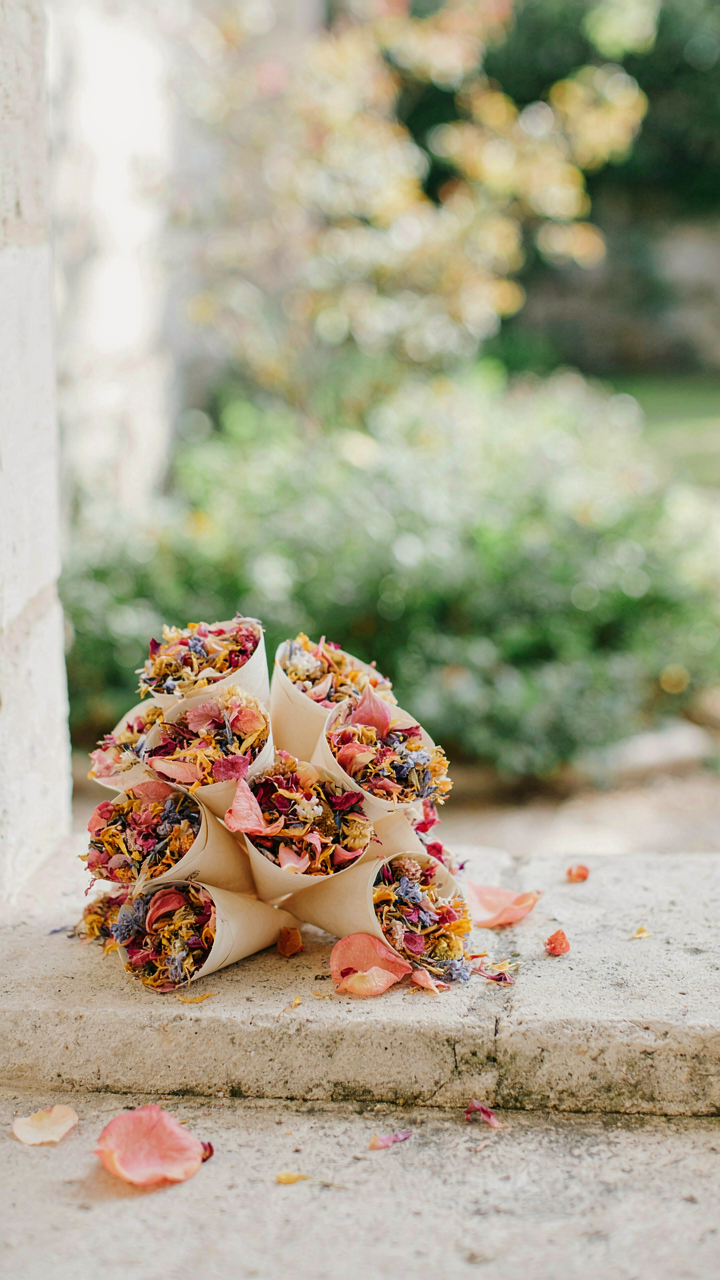
You want people to throw it at the exact moment that matters, which means you need to solve a logistics problem, not a sentiment one. The real issue: most guests won’t throw confetti unless the mechanism is frictionless. Confetti dispensing uses the same principle as ammunition distribution in field logistics—proximity and ease determine execution rate. Hand out small paper cones or pouches filled and sealed at tables, not loose piles that require assembly mid-celebration. Guests with ready-to-throw vessels will actually use them.

The physics of dry flower confetti differs from paper. Petals and leaves scatter wider and slower than paper shreds because they weigh less and catch air. Place distribution stations at ceremony exits, not tables, so timing remains under your control. Pre-portion into single-use vessels that guests grab on their way out. This forces the action into the moment you designed for, instead of leaving it to chance or table-by-table enthusiasm.
Planning For What Stays Behind
The common advice ignores reality: dried flower confetti doesn’t disappear overnight, and biodegradable doesn’t mean it vanishes at dawn. Your actual job is managing the visible cleanup window and choosing materials that don’t stain or embed into surfaces. Rose petals, lavender, and statice (limonium) break down faster than hardy dried flowers like protea or eucalyptus. Check your venue’s cleanup timeline before selecting flowers. If staff needs the space cleared by evening, skip fragile materials that scatter into corners and stick to sturdy petals that sweep in one pass.
Wet conditions accelerate decomposition but create immediate messes. Dry confetti on dry pavement needs one to three days of foot traffic or rain before it stops looking intentional. Test your flower choice on the venue surface two weeks prior. Sweep concentrated piles into collection bags for composting rather than asking staff to vacuum, which damages equipment and spreads fine particles. Document where confetti lands during your ceremony walk-through so cleanup crews know which zones need attention.
The Hidden Cost Of “Free”: Calculating True DIY Flower Confetti Wedding Value

Time Investment Versus Perceived Monetary Savings
You want to believe making confetti yourself saves money. That belief is what lets you skip hiring a florist without guilt. Here’s the economics: growing or sourcing flowers takes weeks. Drying them takes two to four weeks more. Stripping petals takes hours. You’re trading cash for labor, and labor has a real cost whether you bill it or not.

Most people quote confetti prices at twenty to forty dollars per pound from vendors. They then calculate backwards: “I can make five pounds for five dollars in supplies.” But that math ignores the actual hours involved. If you spend fifteen hours total and value your time at thirty dollars per hour, your true cost is four hundred fifty dollars plus supplies. The vendor’s price suddenly looks rational, not expensive.
An Effortless Event Requires Unseen Infrastructure
Operational efficiency in event planning works like systems thinking in manufacturing. You either build redundancy into your process or you build stress into your day. With DIY confetti, you trade one for the other.
An effortless wedding means nothing breaks two weeks before the date. It means your confetti sits ready in sealed containers, your backup sits in another container, and you haven’t spent mental energy on either. Outsourcing confetti creation removes a variable from an already complex system. You stop managing flower drying schedules, petal brittleness, moisture content, and color degradation. The intangible value is control over your attention on the day itself. When a vendor handles it, you show up to your wedding instead of managing logistics. Track your actual hours spent on confetti preparation week by week, then multiply by your hourly rate to see the real number.
The Real Obstacle Isn’t The Flowers; It’s Your Willingness To Embrace Strategic Laziness

Most people won’t make diy dried flower confetti because they chase perfection instead of shipping. You don’t need premium roses or a Pinterest-worthy process. You need to start drying whatever flowers you have access to today. Pick them, hang them, forget about them for two weeks. The confetti market doesn’t care about your methods, only your execution. Stop waiting for the ideal conditions and make the imperfect version now because done beats perfect every single time.