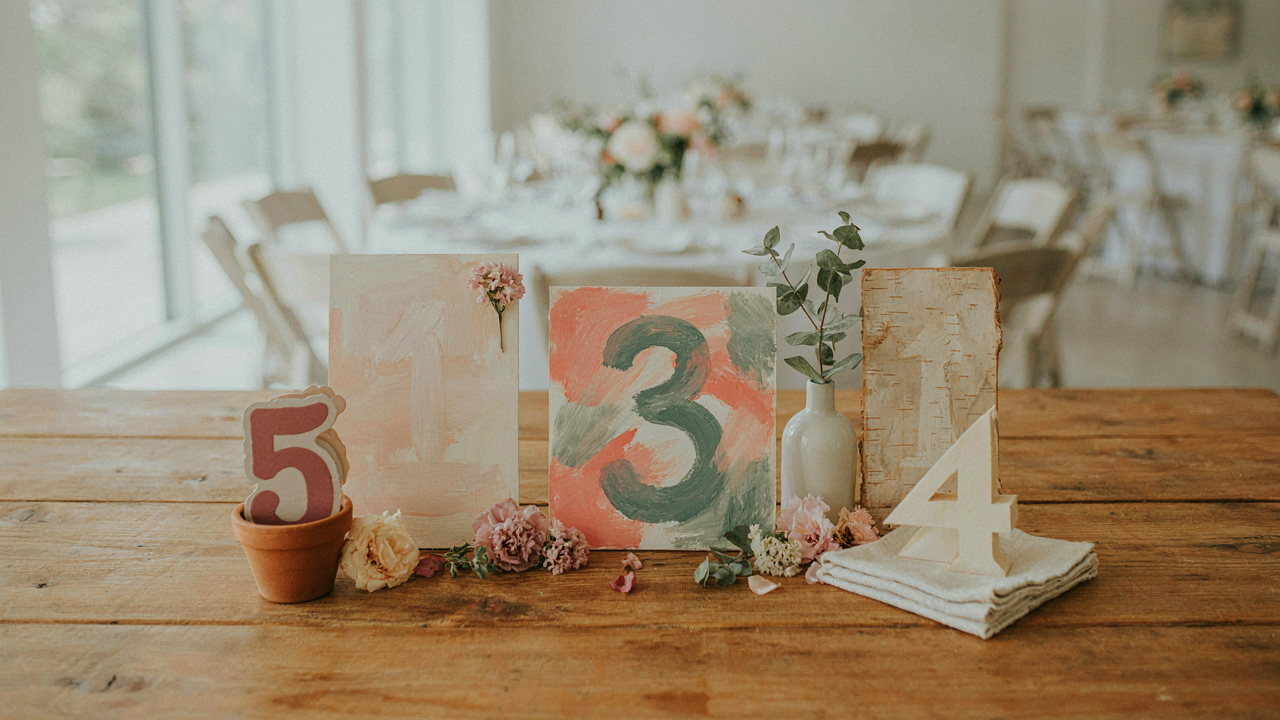
The Unseen Cost Of Affordable Decor
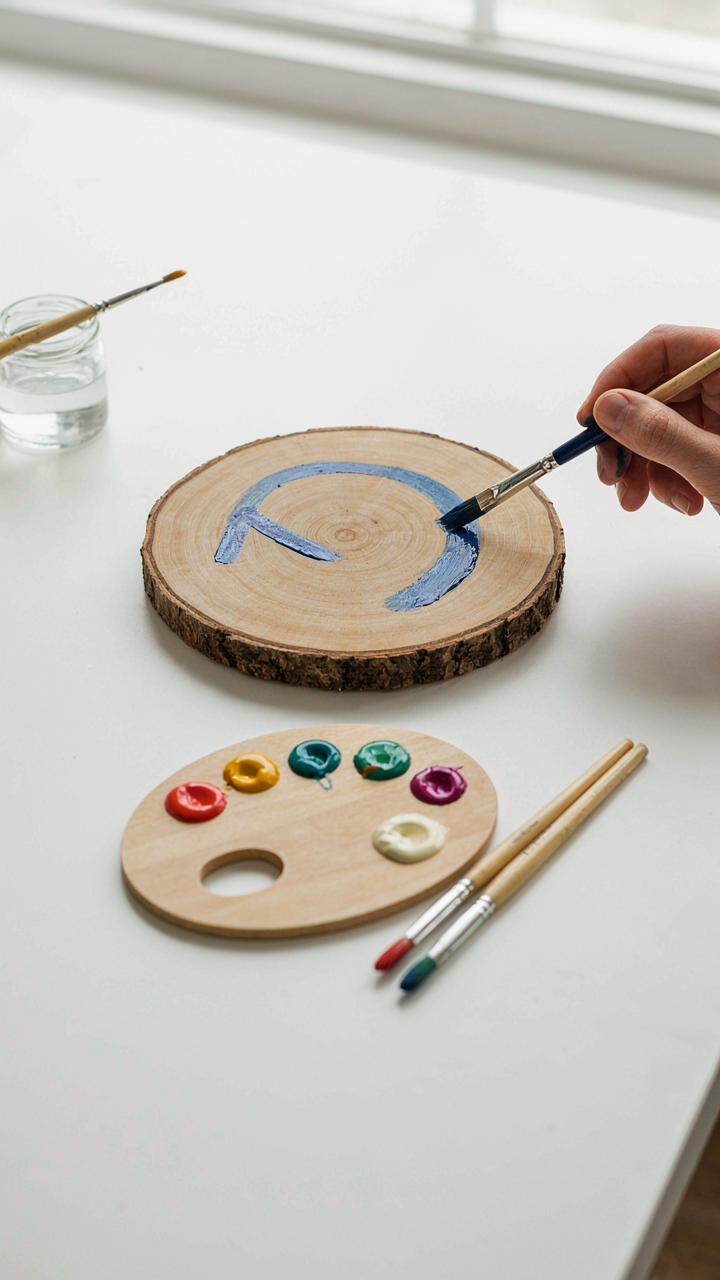
Generic Versus Handmade Signals
You’re drawn to DIY table numbers because you want to look thoughtful without spending money, but what you’re really avoiding is the status signal that mass production sends. Here’s the mechanism: your brain categorizes decor into two camps the moment guests see it. Mass-produced items signal “we bought the safe option.” Handmade items signal “we invested effort.” That gap exists whether the handmade version costs three dollars or thirty.
The distinction matters because guests unconsciously read your choices as either deliberate or default. A printed number on card stock from a template site looks identical to fifty other weddings. A hand-lettered number, wood-burned table marker, or paper-cut design tells a different story because it required a decision beyond shopping. That decision carries weight in how people perceive the event, regardless of actual budget spent.
The Emotional Void Mass Production Creates
Psychology has a term called “processing fluency” that applies here: when something is too easy to recognize, your brain stops processing it. You’ve seen those metallic table numbers before, packaged in identical sets at three different retailers. Your guests register them instantly and forget them instantly. Handmade pieces create friction in that recognition, which forces attention and memory formation.
The real cost of affordable store-bought decor isn’t financial, it’s perceptual. Your guests remember the wedding less vividly because nothing demanded their cognitive engagement. When you make table numbers yourself, you introduce texture, irregularity, and intentionality that breaks the autopilot response. Start with one decision today: pick a medium you’ll actually make (calligraphy, wood burning, collage, hand painting) rather than betting on a kit you’ll assemble in the day before the wedding.
Beyond Pinterest: The Authenticity Algorithm For Diy Table Numbers For Wedding
Find Your Wedding’s Actual Story
You want table numbers that don’t scream “I bought this off Etsy” because you’re afraid your wedding will feel generic. Here’s the mechanism: every couple has a narrative thread that runs through their relationship, but most people bury it under Pinterest aesthetics instead of building from it. Your table numbers work only when they encode something true about how you and your partner actually exist together, not how weddings are supposed to look.
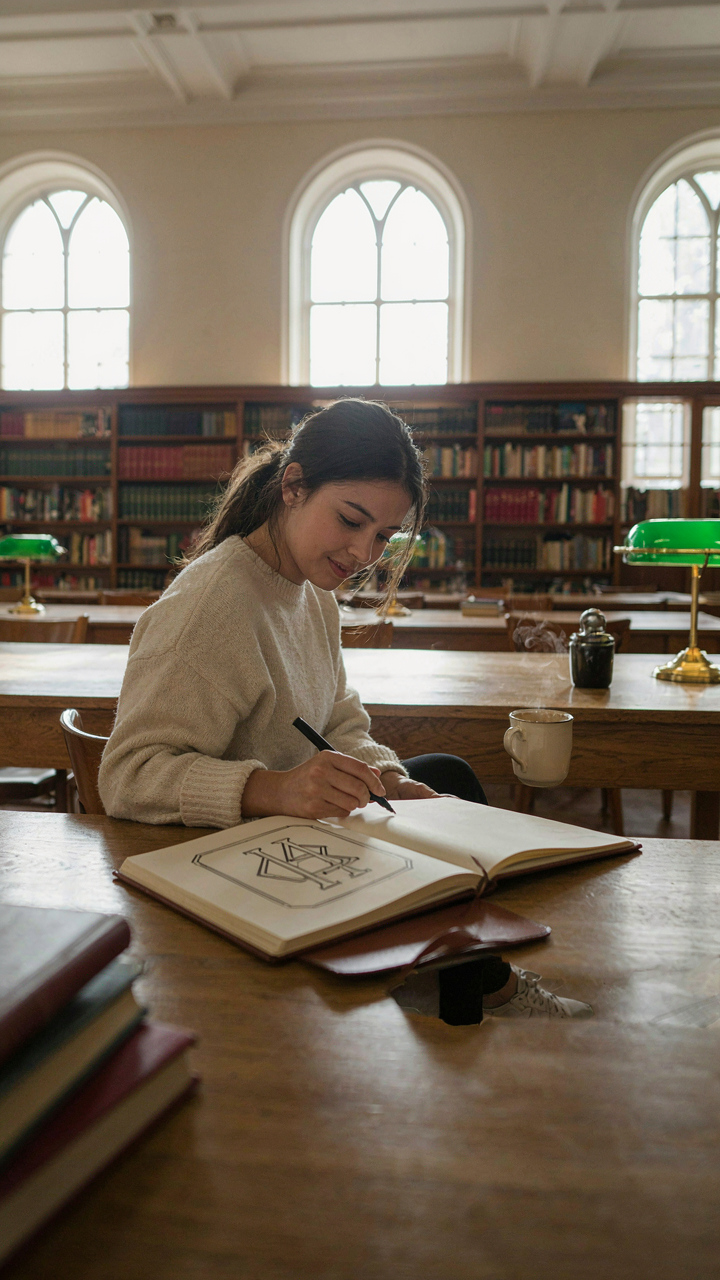
Start by naming the specific thing that brought you two together. Not the romantic version. The real one. Did you meet at a job site, a music venue, a university library, through a shared obsession with something weird? That origin point contains all the visual language you need. Your table numbers should emerge from that detail, not from what’s trending in wedding design feeds. Most DIY table number projects fail because they skip this step and copy surfaces instead.
Translate Meaning Into Physical Form
Design borrows from semiotics, the study of how symbols communicate meaning. Your table number isn’t just directional information; it’s a sign that carries the emotional content of your story. If you met rock climbing, a table number carved into slate or wood with climbing holds as numerals works because the form matches the signified meaning. If you’re both writers, typography becomes the primary tool. If you share a specific place, that location’s architectural details become your design language.
Build your visual motifs by extracting three concrete elements from your narrative: a material, a technique, and a color or texture you both respond to. Write these down. Then sketch how each element appears in a table number. The work of translating narrative into visual form forces you to make decisions instead of defaulting to whatever looks nice. This is where authenticity shows up. Your guests read it whether they can articulate it or not.
The “Scarcity Principle” Of Wedding Diy Table Numbers
When Constraints Force Better Design
You want people to think you spent money you didn’t spend. That’s the real reason this matters. Economics calls this scarcity principle: when resources are limited, perceived value climbs. Apply it to table numbers and the mechanism becomes obvious. You’re not making cheaper versions of store-bought items. You’re creating something that looks intentional because it had to work within real constraints.
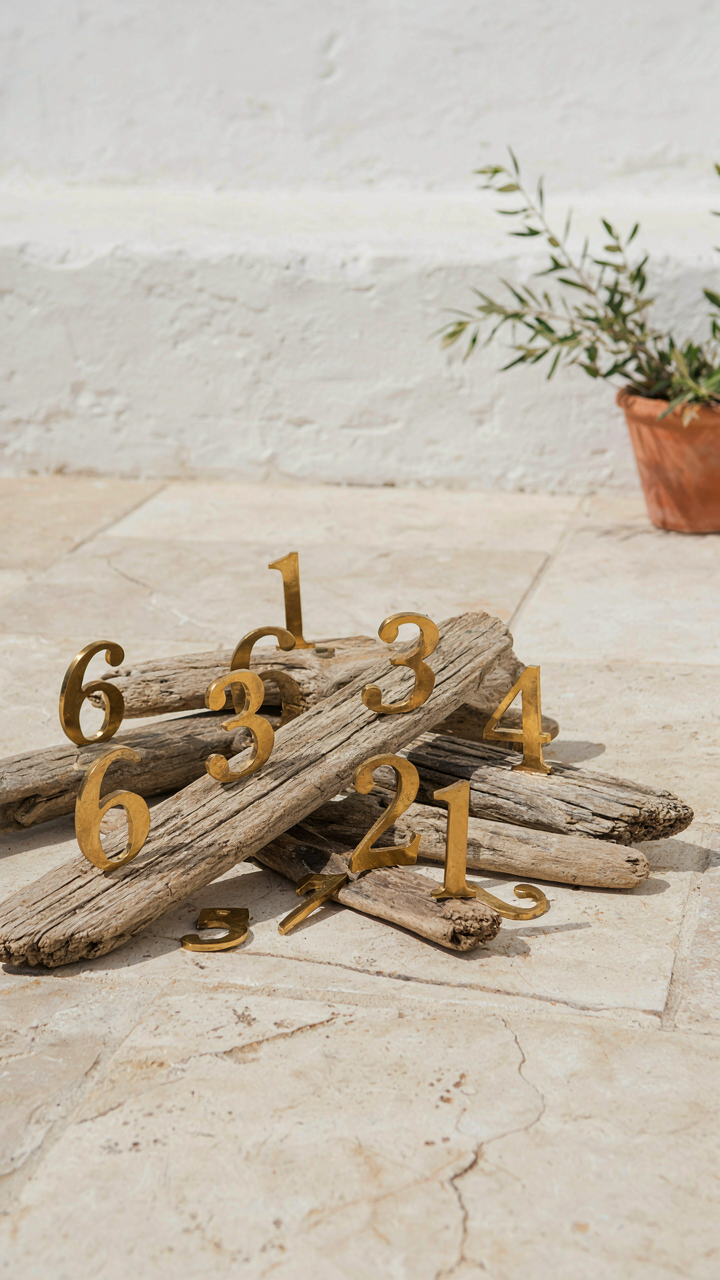
Handmade table numbers signal effort in a way mass-produced ones cannot. Your guests see the difference between “we ordered these” and “we made these.” The constraint of a budget forces you to choose materials and techniques that actually mean something. Wood burned with numbers, cardstock folded by hand, or brass numerals mounted on salvaged materials all read as deliberate choices, not budget compromises. This is the opposite of generic.
What Bespoke Actually Means Here
Bespoke doesn’t mean expensive. It means matched to specific context. Your table numbers don’t need to match anyone else’s wedding. They need to match your venue, your guest count, your timeline, and your actual skill level. Most wedding advice skips this step and shows you gallery photos of elaborate designs. Wrong move. What matters is whether the piece functions in your specific situation.
When you make your own table numbers, you control the variable that matters most: relevance. A number etched onto a stone that matches your venue’s exterior reads as intentional. A number pressed into clay that echoes your invitation’s texture reads as coordinated. These details compound in a guest’s mind. They don’t consciously catalog them, but they register the coherence. That coherence is what transforms a functional item into evidence of thought. Start by listing your venue’s three dominant materials or colors, then build from there.
Creative Table Numbers Wedding Diy: The “Entropy” Design Method
When Imperfection Becomes The Design
You want your table numbers to look intentional, not like you made them in your garage. That’s the real fear. The mechanism is simple: thermodynamics teaches us that systems naturally move toward disorder. In design, this means controlled randomness reads as authentic. Embrace slight asymmetry, uneven edges, and visible handwork. The audience interprets these flaws as evidence of craft, not carelessness. This is the opposite of what mass production teaches you.
Most DIY advice tells you to make everything match perfectly. That’s backward. Humans trust inconsistency more than factory precision because inconsistency signals a real person made it. Use wood slices of slightly different thicknesses. Hand-paint numbers with intentional wobble. Vary your material weights. The scattered imperfections become your proof of authenticity. Your guests will assume you spent more time on them, not less.
Finding Structure Inside Randomness
Chaos theory reveals that apparently random systems contain hidden patterns. Apply this to your table numbers by designing them with one constraint that forces cohesion while allowing variation. The constraint could be a color palette, a material base, or a typeface. Everything else stays loose. Numbers 1 through 12 don’t need identical sizing, spacing, or positioning on their backgrounds, but they all use your chosen constraint.
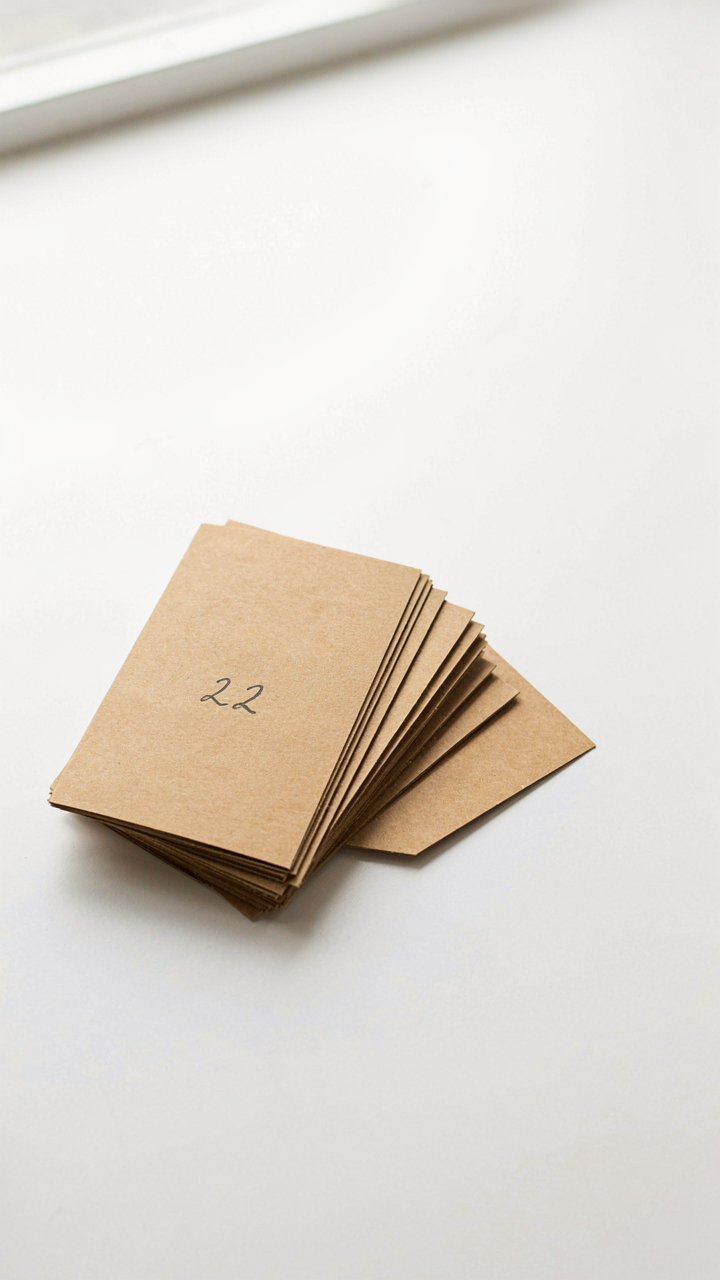
This method solves the real problem: DIY table numbers fail when they look accidental. They succeed when they look deliberately imperfect. Create a design rule, then violate every other rule around it. Use kraft paper cards with handwritten numbers, but ensure the ink color stays consistent. Or use mismatched stones with painted numerals, but keep the paint finish uniform. The pattern your brain detects is what transforms disorder into intentional design. Your final step is photographing three finished numbers before making the full set, confirming the constraint holds while variation remains visible.
Easy Table Numbers DIY: Leverage Your Existing Resources
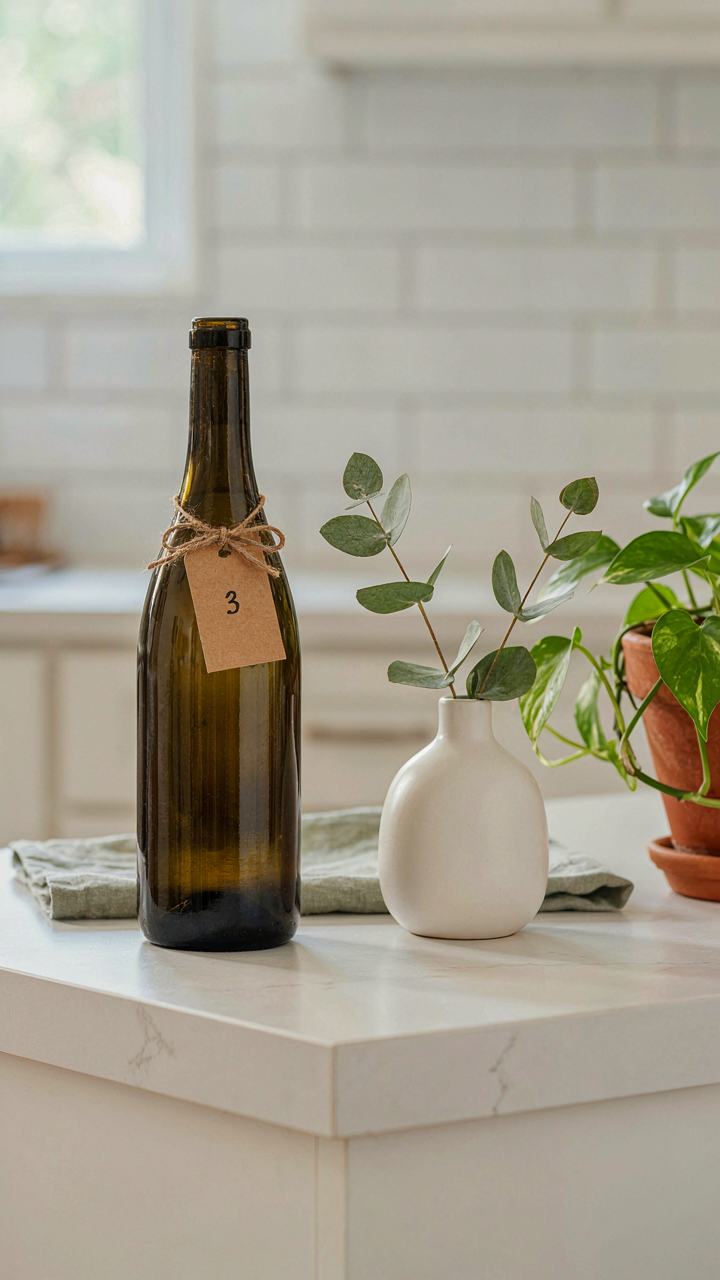
What You Already Own Works Better Than You Think
You’re drawn to this section because you want permission to skip spending money. That’s the real mechanism at play. The truth: items already in your home often photograph better and feel more intentional than mass-produced alternatives because they carry actual history instead of factory uniformity.

Start with what surfaces genuine constraint. Wine bottles, old books, picture frames, mason jars, wooden blocks from kids’ toys, vintage tin cans, driftwood pieces, or ceramic plates you don’t use. Each has weight, texture, and dimension that printed cardstock cannot match. The visual hierarchy happens naturally because these objects aren’t trying to look like table numbers.
Source Materials With Actual Texture
Sourcing in design borrows from economics: comparative advantage means using what you access most cheaply or efficiently. Your advantage here is proximity and material friction. Real texture beats visual texture every time because guests register it tactilely before they read the number.
- Reclaimed wood scraps: Ask contractors, woodworkers, or Facebook Marketplace listings for offcuts. Sand smooth, paint numbers with acrylics, and they hold restaurant-quality weight.
- Cardboard and kraft paper: Collect from recent deliveries or ask local shops for their excess packaging. Layer, weather with tea stains, and mount numbers with impact adhesive for depth.
- Fabric scraps and canvas: Cut from old clothing, bedding, or thrift store finds. Stretch over wooden frames or cardboard backing, then stencil or hand-paint numbers directly.
- Natural materials: Gather branches, slate pieces, smooth stones, or cork from a local environment. Mount numbers using outdoor adhesive or wire wrapping for permanent bond.
- Vintage or secondhand frames: Source from estate sales, thrift stores, or family storage. Insert numbered cardstock, chalkboard panels, or fabric backgrounds inside existing glass.
The sourcing phase itself filters for authenticity. Materials that require active hunting feel earned, not purchased. Your guests notice the difference because the table numbers no longer look like decoration—they look like decisions.
DIY Table Number Crafts: The Craftsmanship Fallacy
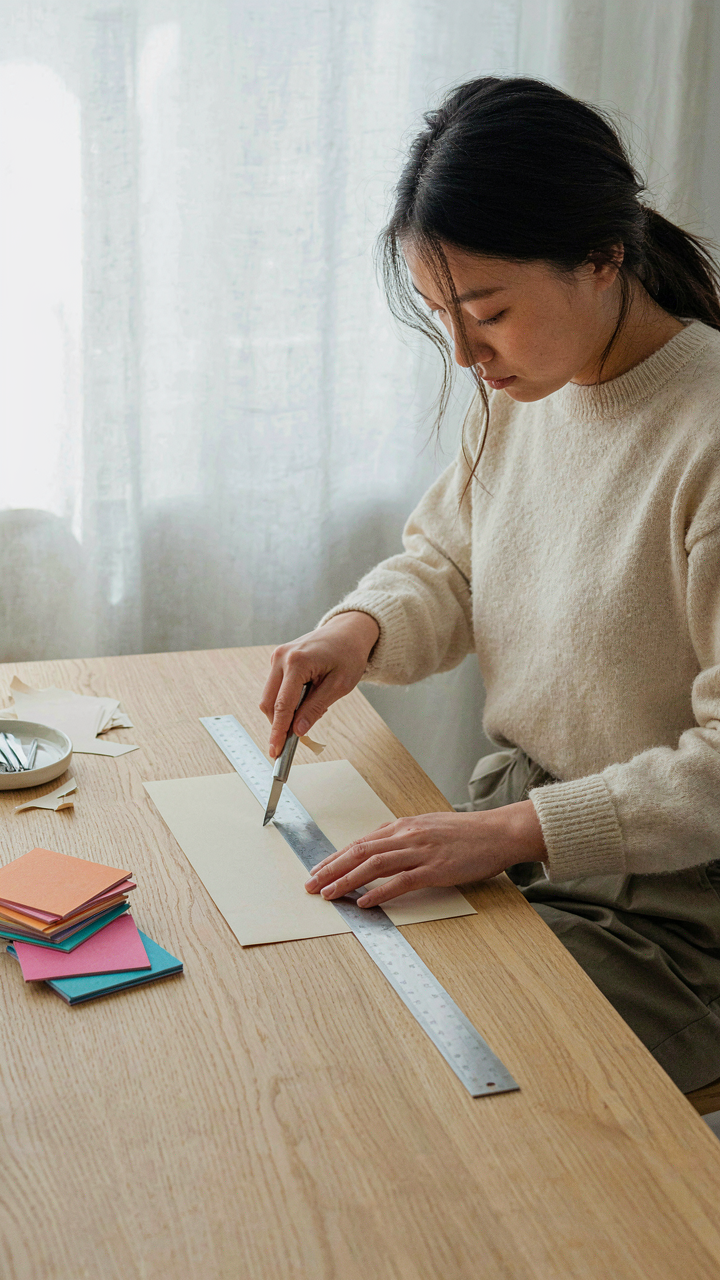
You Don’t Need Better Tools
You think you need a Cricut machine, a heat press, or specialty paper stock because that’s what Instagram shows you. The real mechanism is constraint. Constraint forces prioritization. You’ll make better table numbers with scissors and cardstock than you will with a tool closet full of equipment you’re still learning to use. Skill compounds faster under limitation than under abundance.
Hand-cut materials teach you proportion, balance, and rhythm in a way templates don’t. You notice when measurements are off. You catch design mistakes before printing. You develop the judgment that comes from doing the work yourself, not outsourcing it to a machine. This judgment transfers to every creative decision you make at the wedding itself.
Direct Methods, High Impact Results
The advice to “find a technique that works for you” misses the point entirely. You need a technique that scales without breaking your attention span or budget. Letterpress doesn’t. Hand calligraphy doesn’t. What works is this: choose a base material that holds up (cardstock, wood veneer, kraft paper), apply a single clear visual hierarchy (number size and placement), add one accent element that takes less than two minutes per card.
This isn’t minimalism for its own sake. Simple techniques win because they let you produce fifty consistent pieces in four hours instead of fifteen pieces in eight. Consistency reads as intentional. Your guests notice when all your table numbers feel like they belong together, even if you made them on your kitchen table. Use a metal ruler, a sharp blade, and one marker color. Execute the same cut and mark on each card. Repetition creates presence.
Wedding Table Number Ideas Diy: From Concept To Tabletop
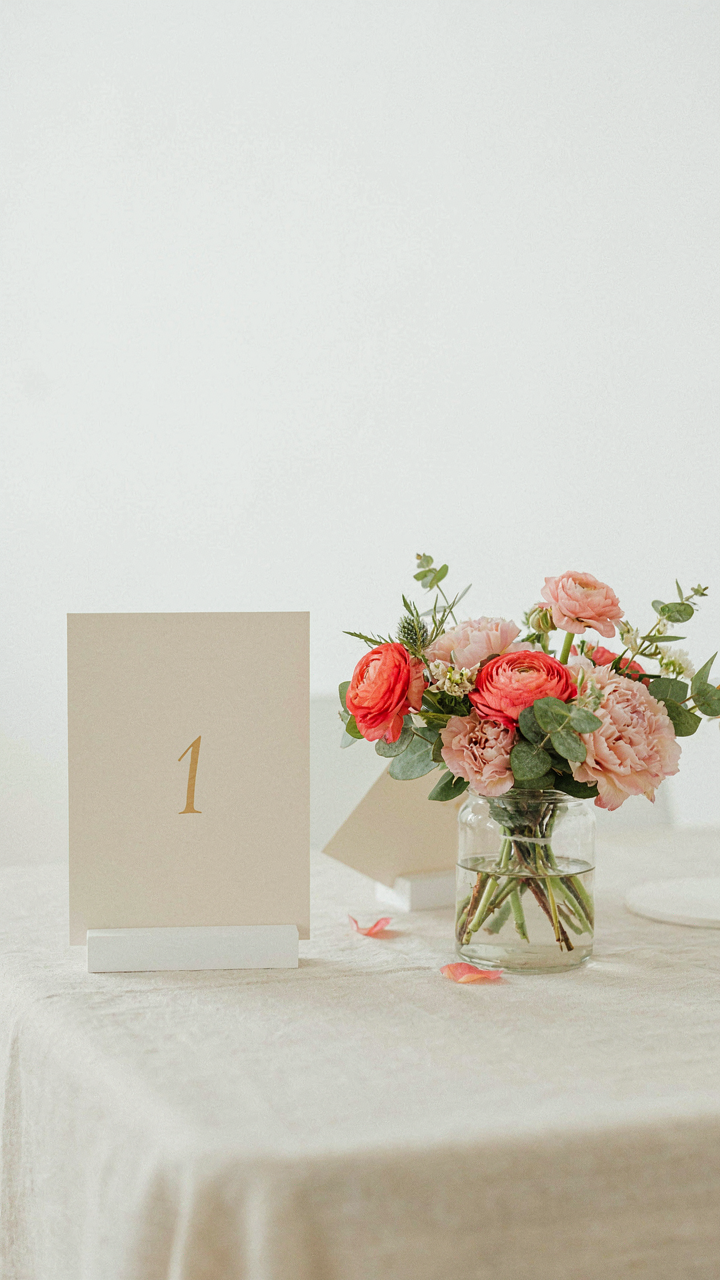
How To Build Without Wasting Materials
You want your table numbers to look intentional because you’re terrified they’ll scream “budget wedding” instead of “we made deliberate choices.” Here’s what actually matters: the assembly method determines whether your numbers stay upright under real conditions. Most DIY failures happen because people pick materials first and construction second. Reverse that. Decide your display mechanism, then choose materials that support it. A cardstock number needs different backing than a wood slice.

Start with a base that won’t tip. Foam board, chipboard, or plywood offcuts work because they’re rigid and won’t bend under their own weight. Attach your number to the base using contact cement or hot glue for paper, wood glue for layered materials. Let adhesive cure fully before moving anything. The gap between “looks good in your hands” and “stays upright under napkins and wine glasses” is usually twenty-four hours of curing time that nobody plans for.
Standing Power: Where And How They Stay Put
The physics term is center of gravity—where the weight concentrates determines stability. Your table number’s center of gravity must sit directly above the base’s support area, or it tips. A tall, narrow number tips unless you anchor it low. A wide, flat number stays put. This is why heavy cardstock numbers on thin wire stands fail at the first bump. The wire creates a point load instead of distributing weight. Use a weighted base instead: fill a vase with sand, anchor a dowel in it, then attach your number to the dowel. That’s structural honesty.
Position your numbers at seat height or slightly above, around eight to twelve inches high. Guests need to read them without lifting centerpieces. Avoid placing them directly behind the tallest arrangement. Test placement with actual centerpieces before the day of. Use painter’s tape to mark positions on tablecloths during setup. This prevents the chaos of people repositioning numbers mid-reception because they can’t see them.
The Investment Of Time: A Misunderstood Asset
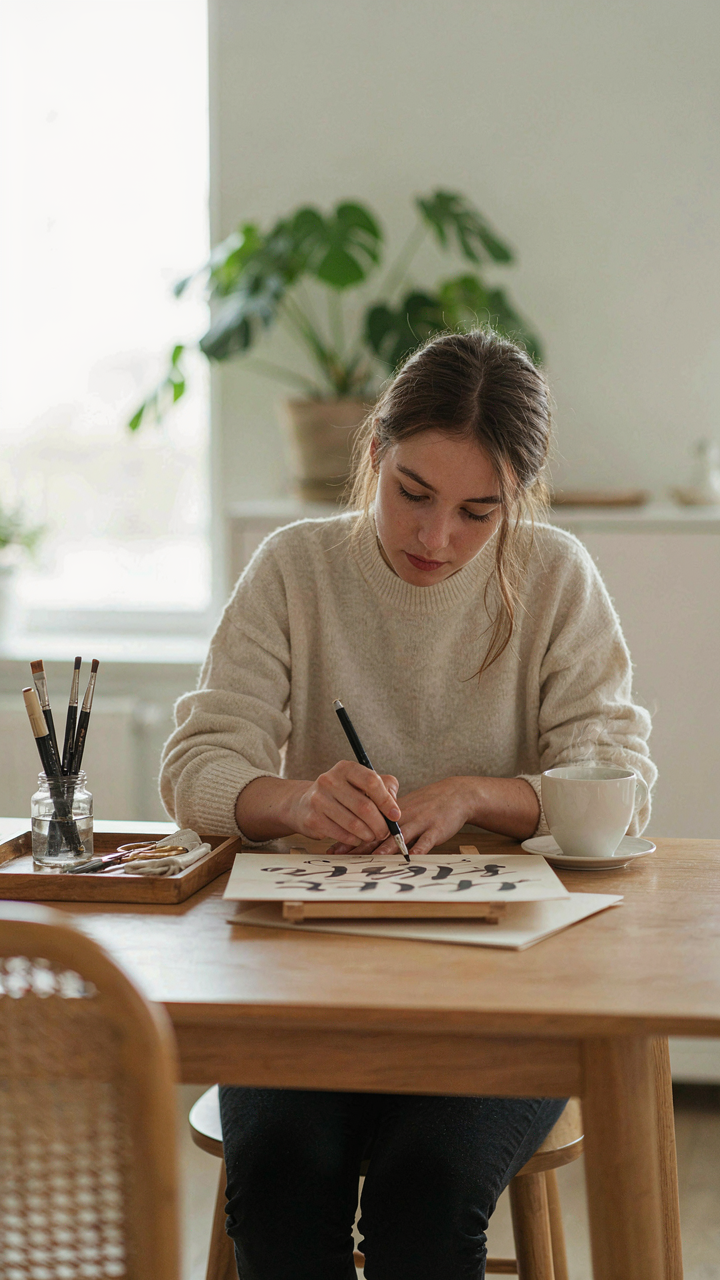
Time Spent As Value Creation
You’re reading this section because you’re afraid you’re wasting time making table numbers by hand instead of ordering them. That’s the real tension here. But economics teaches us opportunity cost, and here’s the mechanism: you’re not comparing handmade table numbers to store-bought ones. You’re comparing the hourly value of your time right now to the hourly value of your time on wedding day. Making them now costs you future stress and rush fees later.
Three hours spent crafting table numbers this week beats two hours of panic hunting for a vendor next month who charges rush premiums. The act of making something tangible with your own hands also transfers knowledge—you know exactly how durable your numbers are, what angle works best for visibility, and whether calligraphy holds up under water rings. That’s information money cannot buy you at the last minute.
Avoiding The Time Poor Money Rich Trap
Most advice says: if you have money, buy the numbers. If you have time, make them. That’s incomplete thinking. The real constraint is decision velocity, not raw dollars. Someone with high income but low time awareness often spends money frivolously because they haven’t trained themselves to notice where time actually creates value versus where it just drains hours.
Making your own table numbers forces a real trade-off conversation. You’re not just asking can I afford this, you’re asking does outsourcing this task free me to handle something I cannot delegate. If your energy goes to vendor management, family logistics, or ceremony details that only you can decide, then buying makes sense. If you’re spending that freed time scrolling or attending to low-leverage tasks, making them yourself wins. The protocol: list every task for your wedding, rank them by decision authority, and make the numbers yourself only if that task doesn’t require your unique judgment.
The Real Obstacle Isn’t Your Budget; It’s Your Fear Of Standing Out
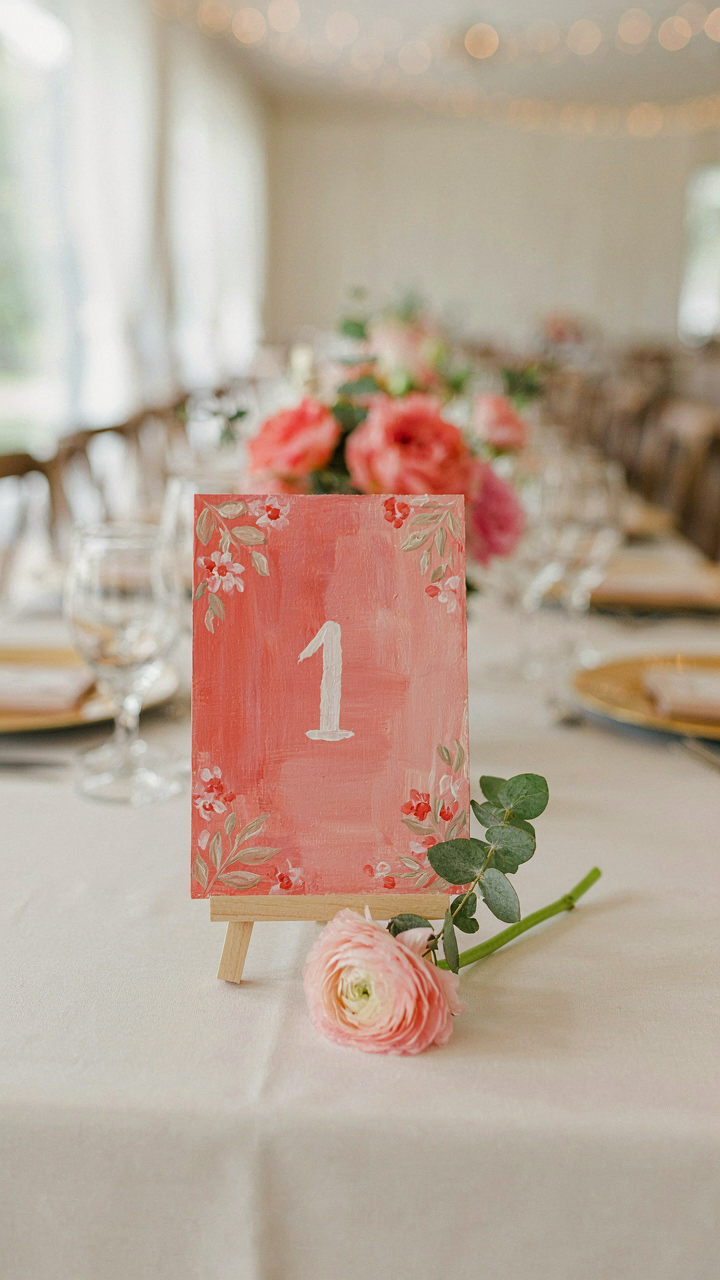
You’re afraid your homemade table numbers will look cheap. That fear costs you more than any materials ever could. Everyone else at that wedding chose the generic rental option because they feared the same thing. Your hand-painted numbers, your custom design, your actual effort tells a story rentals never will. Stop waiting for permission to be different. Pick one style today and commit to it. The weddings people remember aren’t the ones that blended in.