The Anti Honeymoon Imperative: Why Less Is More

Challenge The Honeymoon Industrial Complex
You’re worried people will judge you for not doing the “real” honeymoon. That fear is the mechanism the travel industry weaponizes to drain your savings. The honeymoon as we know it is a manufactured need, not a requirement for a marriage.
The two week Caribbean resort became status currency only after airlines and resort chains created the category in the 1950s. Before that, couples took shorter trips or stayed local. The expectation of expensive travel as proof of commitment is recent invention, not tradition. You can reject it entirely.
High Impact Moments Beat Expensive Locations
Economics teaches us about diminishing returns. The first dollar spent on an experience yields high satisfaction. Each dollar after that yields less. A mini moon exploits this by front loading impact instead of stretching mediocre experiences across two weeks.
A three day mountain cabin with daily hikes delivers more memory density than ten days of resort lounging. Concentrated time in one place builds narrative. You actually notice the person you married. The constraint forces design decisions that hotels never do. Your move is to pick one location, one specific activity type, then stay put instead of chasing multiple destinations.
Precision Budgeting: Allocating Resources Like A Special Ops Team

Define What Actually Matters
You’re afraid you’ll look cheap. That’s the real reason you’re reading this. Stop. The mechanism is simple: romantic impact has nothing to do with total spend. Military strategists call this “force concentration”—deploying resources where they create measurable outcomes instead of spreading thin across every front. Your mini moon works the same way. You identify three to four moments that actually move the needle on connection, then funnel money there. Everything else gets zero.

Most couples waste half their budget on invisible expenses: airport transfers they don’t remember, hotel minibar charges, meals at restaurants chosen by algorithm instead of intention. The romantic payoff from a premium airport lounge is negative. The payoff from one shared experience you planned together is exponential. Lock in what creates actual memory, then defend that number ruthlessly. That’s the only math that matters.
Strip Down To Operating Essentials
The common advice is wrong: you don’t need a “balance” between experiences and comfort. You need to cut everything that competes for attention without generating connection. If a hotel costs 40 percent more for a view you’ll see during one sunset, that money leaves your experience budget starved. Ruthless cutting means saying no to amenities, not to moments.
- Premium hotel room upgrades: A standard room and two restaurant reservations at places you actually want to eat creates more memory than a suite you spend eight hours in sleeping.
- Activity packages sold by resorts: Overpriced, generic, designed for volume not experience. Book direct through local operators or skip the activity entirely if it doesn’t align with your stated priority.
- Dining at hotel restaurants: Captive pricing and mediocre food. Eating where locals eat costs the same or less and actually matters to the trip narrative.
- Souvenir shopping: You won’t wear it. You won’t display it. It occupies mental real estate without return. Remove the budget line entirely.
- Travel insurance beyond medical: Trip cancellation insurance and baggage coverage sound responsible but statistically protect you against scenarios with low probability. Redirect that premium to one shared meal you’ll actually remember.
The output is a mini moon where every dollar connects directly to why you’re taking the trip: time with your partner without distraction. Each cut frees capital for what you said mattered. Build your budget bottom-up from the three experiences you won’t compromise on, then assign everything else a cost only if it directly supports those three.
The Kinetic Connection Protocol: Activating Proximity And Novelty

Closeness Breeds Real Connection
You want to believe distance doesn’t matter if the destination is impressive enough. It does. Proximity is borrowed from physics, but it operates identically in relationships: the closer two objects, the stronger the force between them. On a mini moon, physical closeness compounds every interaction. A three-hour drive to a cabin forces sustained attention. A two-week international trip spreads that same attention thin across logistics, jet lag, and decompression time. Budget constraints actually favor you here.

The mechanism is simple: remove friction from togetherness. Shorter travel times mean more hours actually present with each other. Less time planning means more spontaneity. Less money spent on airfare means more spent on experiences you’re both actually in. A weekend mountain rental sixty miles away beats a week-long destination where half your energy goes to getting there and recovering. Proximity isn’t romantic. It’s just more efficient at building connection.
New Experiences Lock In Memory
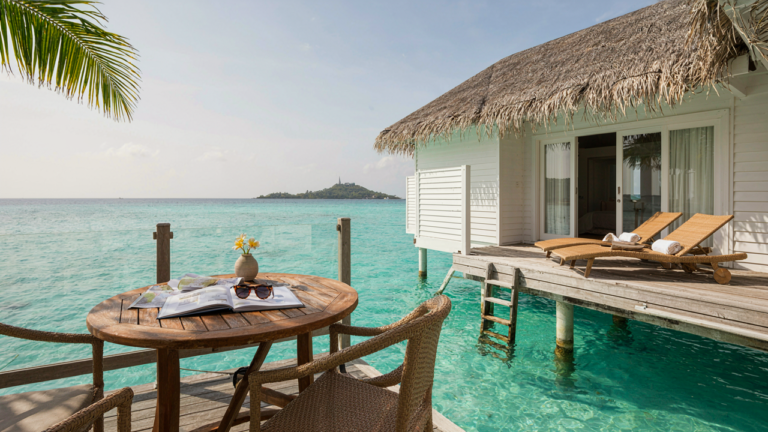
The common advice says travel to somewhere famous. That’s backward. Novelty, not prestige, forges memory. Neuroscience shows new stimuli trigger stronger encoding than familiar ones. On a budget mini moon, this works in your favor. You can’t afford the Maldives, so you’re forced toward the real lever: doing something neither of you has done.
This could be learning to cook a specific cuisine together, renting a cabin and building something with your hands, or taking a class in a skill neither of you has. The activation isn’t the location. It’s the unfamiliar action. Budget mini moon success depends on this: spend money on experiences that require you to focus, learn, or create together. That creates the memory. Everything else is decoration.
Geographical Arbitrage: Unearthing Undervalued Minimoon Destinations

Off Peak Destinations Nobody Talks About
You want the wedding photos without the wedding price tag. That’s the real reason you’re reading this. The mechanism at work here is supply and demand, borrowed from economics: when demand drops, prices collapse faster than most people adjust their expectations. Travel operates on this principle brutally well.

Most couples book during peak season and pay peak rates because social proof tells them that’s when honeymoons happen. The actual calendar doesn’t care. Easter week in Portugal costs triple what late May costs for identical rooms, identical weather, identical experience. The difference is crowds and competition for beds. Shoulder seasons, winter months in warm places, and weekday travel in expensive cities crater your costs without degrading your experience one bit.
Domestic Escapes And Overlooked International Routes
The consensus says go far or go home. That’s incomplete. The real answer: go where your currency works hardest and where tourism infrastructure already exists but remains undersaturated. Parts of Mexico, Central America, and Southeast Asia deliver luxury experiences at costs that make domestic travel look wasteful by comparison.
Within the US, mountain towns in Colorado and Montana, coastal spots in the Outer Banks, and lesser-known parts of New Mexico operate at 40 to 60 percent below major metro honeymoon pricing. The trade-off isn’t quality. The trade-off is Instagram footprint. If your minimoon doesn’t need to broadcast status to your network, the actual experience stays rich while the bill shrinks.
Temporal Compression: Maximizing A Short Honeymoon

The Anchor Day Strategy
You’re worried about wasting money on travel logistics that eat into your actual time together. That’s the real fear here. Borrowed from military logistics, the concept of “concentration of force” applies directly: you bundle all your travel friction into one or two anchor days, leaving the remaining days untouched for presence. Pick a destination within four hours of your home base or a single nonstop flight. Every hour spent in transit is an hour you’re not experiencing what you paid for.

The math is brutal. A five-day mini moon where you spend twelve hours traveling loses nearly 25% of your time before you arrive. Reverse this by choosing proximity over prestige. A lake house two hours away beats a Caribbean island that demands a six-hour travel day. You land, decompress, and move into your actual honeymoon within the same calendar day. No jet lag negotiation. No missed first evening. The anchor day becomes your pivot point between logistics and lived experience.
Density Over Distance
Travel writers will tell you to “see more” by hopping between locations. Ignore that. You accumulate memory through depth, not breadth, and jumping destinations fractures both your time and mental state. Stay in one place for the entire mini moon. One hotel, one neighborhood, one rhythm. This removes the cognitive load of navigation and lets you actually notice things.
Three days in one town generates more tangible memory than five days split across two locations. You develop a mental map, find a coffee shop you revisit, discover a restaurant that becomes “yours.” You stop being a tourist processing content and start being someone who exists somewhere. Book your accommodation first, then plan activities within walking distance or a single taxi ride. This constraint sounds limiting. It produces the opposite effect.
The “Moonlit View” Advantage: Optimizing For Night Sky Romance

Where The Moon Actually Shows Up
You want the Instagram moment without admitting you’re buying romance on a budget. Here’s the mechanism: moon visibility follows predictable orbital patterns, and most people plan trips without checking lunar phases at all. This is a free variable you control before booking anything. The moon’s brightness and position shift on a 29.5-day cycle. During a new moon, the sky darkens and stars emerge. During a full moon, the landscape lights up without artificial light. Neither is objectively better, but one serves your actual goal: romance on less money.

Check the lunar calendar before selecting your travel dates, not after. Sites like timeanddate.com show exact moon phases for any location months ahead. A full moon eliminates the need for expensive restaurants with city views or resort lighting upgrades. You get the same visual effect from a parking lot if the moon is bright enough. This reframes the entire budget equation: you’re not paying for infrastructure, you’re timing a celestial event that does the work for free.
Astronomical Events As Planning Anchors
Borrowing from astronomy, the concept of “opposition” applies here: when a celestial body reaches the point farthest from the sun relative to Earth, it shines brightest. Plan your mini moon around major lunar or planetary events, and you eliminate expensive venue decisions. Most couples don’t realize that meteor showers, supermoons, or planetary conjunctions happen on fixed dates every year. You can build your entire trip calendar around these events instead of picking dates that work “generally.”
Supermoons occur 3-4 times per year when the moon orbits closest to Earth, appearing 14 percent larger and 30 percent brighter than normal moons. A supermoon eliminates the need to pay for specialized accommodations with “premium night sky views.” Meteor showers like the Perseids (mid-August) or Geminids (mid-December) offer free spectacle if you’re awake at 2 AM on the right nights. The tactical move: book your trip to overlap with the event itself, not around a specific date your job or calendar demands. This single constraint actually simplifies decision-making and cuts options that would waste your budget on mediocre locations.
Experience Stacking: Curating Mini Moon Ideas For Maximum Impact

The Prisoner’s Dilemma Of Activity Selection
You want proof that you did something worthwhile in a compressed timeframe. Game theory exposes why most couples waste mini moon days on random activities instead of stacking them strategically. In game theory, a dominant strategy is the move that yields the best outcome regardless of what your opponent does. Apply this to your mini moon: select activities where each one amplifies the value of the next, so no choice stands alone and fails. You’re not collecting experiences like a checklist. You’re architecting them so the second activity makes the first one better in retrospect.

Most couples pick activities independently: dinner here, hike there, museum tomorrow. They treat each day as isolated decisions. The real mechanism is dependency. A sunset dinner on a cliff means nothing if you haven’t spent the morning learning the region’s geology. That geology walk now matters more because you’ll recognize the rock formations at dinner. You’ve compounded the cognitive load and emotional resonance of both experiences. Map your mini moon backward from your anchor experience, then fill gaps with preparatory activities that load context into the final moments.
The Layering Effect On Limited Time
Combining activities for compounding joy isn’t about doing more. It’s about building narrative density so three days feel like a week of meaning. Most travel guides tell you to pack your itinerary. That’s lazy. You instead engineer overlaps where one activity’s output becomes the next activity’s input. This requires seeing your mini moon as a sequence, not a scatter.
A cooking class becomes worthless if you eat the meal alone in your hotel. It becomes compounding if you source ingredients at a local market the morning before, learn the dish’s regional history during the class, then share the meal at sunset with a view you scouted during a morning walk. Each experience now carries forward. You’re not adding more activities. You’re weaving them so tightly that separation becomes impossible. Time stops being the constraint. Density becomes the budget you’re actually spending.
Post Minimoon Debrief: Integrating Lessons For Ongoing Connection

Extract The Actual Pattern From What Happened
You want to believe the mini moon itself was the win. It wasn’t. You’re hoping the trip somehow solved the connection problem, but trips don’t do that—they expose how you actually operate as a unit under pressure. The mechanism is simple: shared novelty reveals behavior patterns you can’t see in routine. Extract those patterns or you’ve wasted the budget and the time.

Write down three specific moments where you handled conflict, decision-making, or stress differently than you would at home. Not the Instagram moments. The friction points. How did you decide where to eat? What happened when plans changed? Who adapted and who resisted? These become your data set for what works between you two. This isn’t therapy language—it’s observation. You need the raw input before you can design anything that sticks.
Design Intentional Reconnection Checkpoints
Military strategy calls this “communication under uncertainty.” You can deploy the same framework: plan recurring moments where you process connection deliberately instead of letting it atrophy between events. A mini moon works because it forces proximity and removes distraction. Most couples think they need another trip. Wrong move. They need a protocol.
Pick a specific day each month where you revisit what you learned. Fifteen minutes minimum. Use the patterns you extracted from the trip as reference points. Did you both default to planning mode? Use that monthly checkpoint to reverse it—let one person make all decisions that day. Did one of you shut down under stress? Build a signal system into your routine where that person can flag it earlier. The protocol doesn’t need to be complex. Consistency beats elaboration every time.
The Real Obstacle Isn’t Time Or Money, But The Generic Expectations You Refuse To Shed

You don’t need permission to skip the resort package deal. You don’t need Instagram validation for your trip. The couples who execute mini moon budget ideas that actually stick are the ones who kill the script society wrote for them. Stop asking what you’re supposed to do. Start asking what you actually want. Right now, open your calendar and block three consecutive days that belong only to you two. That single move rewires everything.