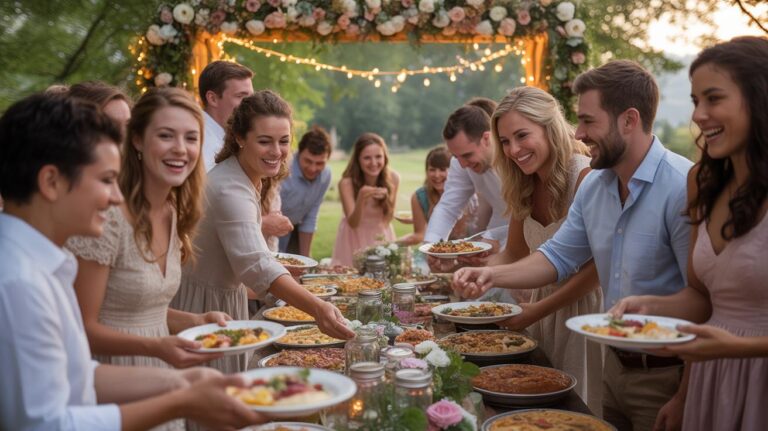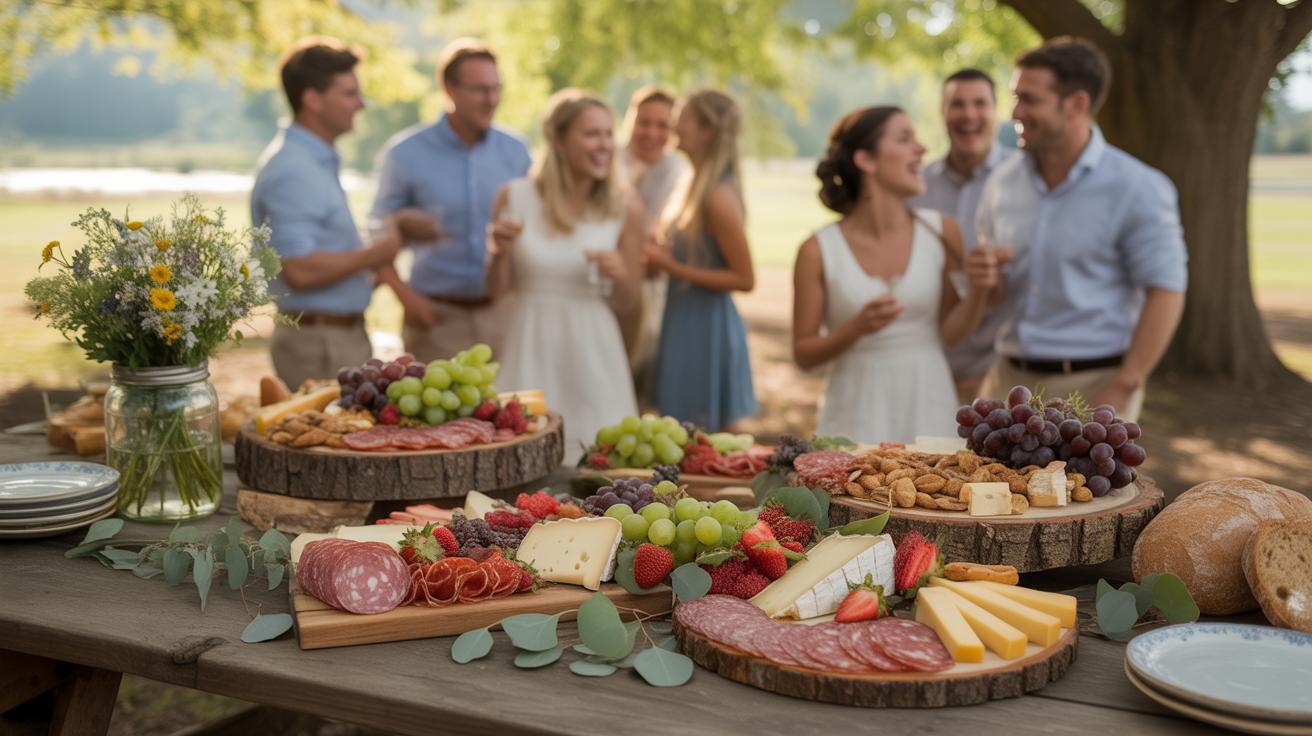
What Is A Wedding Charcuterie Table And Why Is It Trending
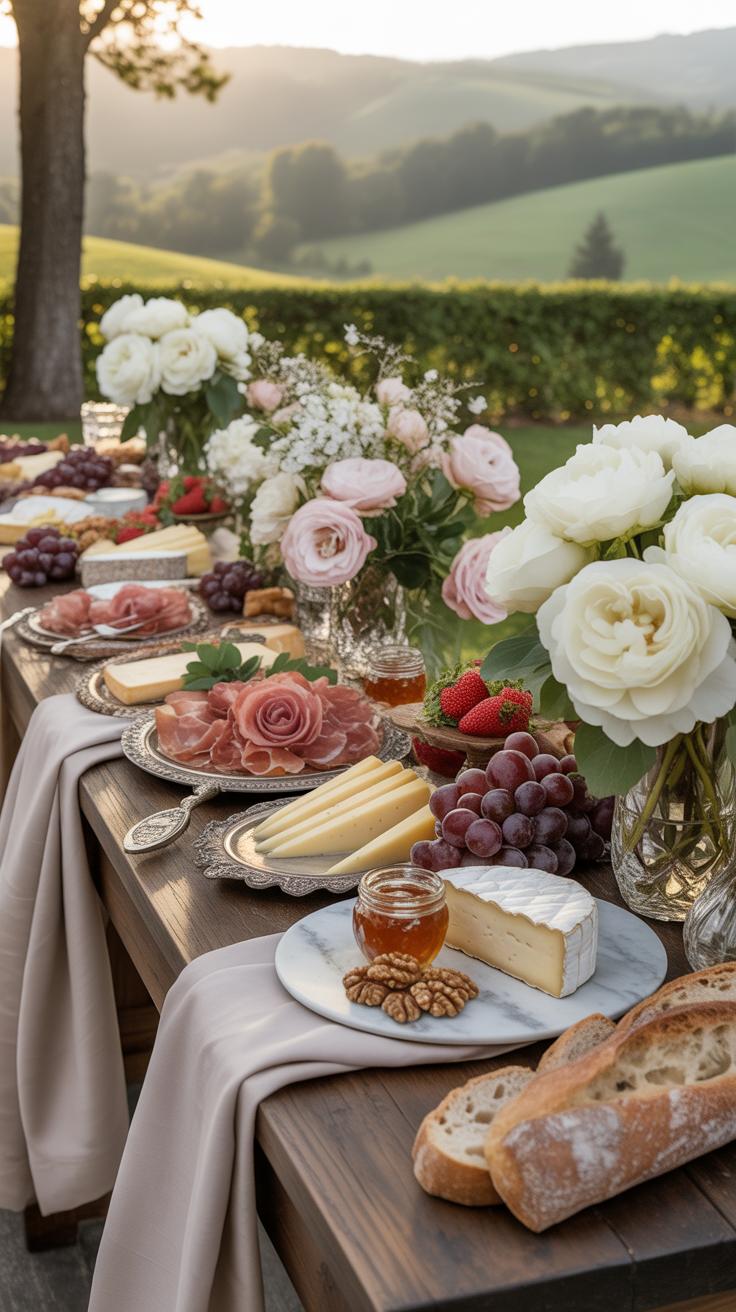
The Rise Of The Charcuterie Board Wedding Table As A Reception Staple
The wedding charcuterie table evolved from the traditional French practice of preserving meats. Modern receptions transitioned from simple cheese plates to expansive grazing installations. This shift aligns with the move toward informal, social dining. Hosts now prioritize visual impact and food variety over rigid meal structures. Large-scale boards allow guests to customize their plates. This trend satisfies the demand for high-quality, artisanal ingredients in a flexible format.
Standard service models often create bottlenecks during cocktail hours. A dedicated charcuterie station solves this by providing immediate access to food. Designers use tiered heights and wooden slabs to maximize surface area. This approach accommodates diverse dietary needs through ingredient separation. These tables serve as a functional centerpiece. They reduce the need for expensive floral arrangements by using food as a primary visual element for the event space.
Why Couples Are Choosing A Grazing Table Over Traditional Catering
Grazing tables offer a strategic cost advantage over plated appetizers. Traditional catering requires high labor costs for plating and tray-passing. A self-service table eliminates the need for a large service staff. Couples can allocate their budget toward premium ingredients rather than hourly labor. This model simplifies logistics for large guest counts. It allows for a continuous flow of food throughout the event without timed courses.
Traditional catering often leads to significant food waste due to pre-portioned servings. Grazing tables allow guests to take only what they intend to consume. This efficiency appeals to modern couples focusing on sustainability and value. The format supports a wide range of temperatures and food types safely. High-protein items like cured meats and cheeses remain stable at room temperature. This reliability makes the grazing table a superior choice for outdoor or non-traditional venues.
How To Plan Your Wedding Charcuterie Table On A Tight Budget
Setting A Realistic Budget For Your Buffet Grazing Table
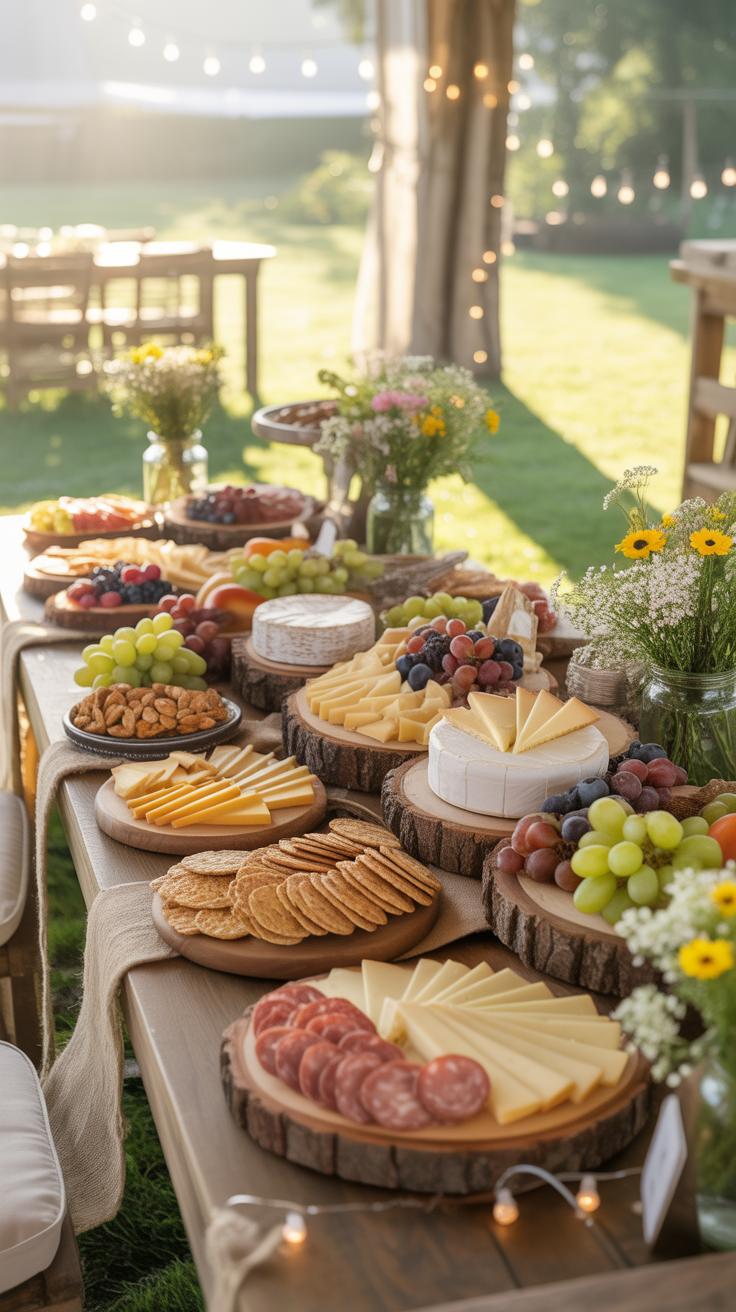
Establish your total spend before visiting any grocery store. A professional grazing table typically costs twenty to thirty dollars per person. You must reduce this to five or ten dollars per attendee for a budget approach. Prioritize high volume items like bread and seasonal fruits. These fillers take up physical space on the table. They allow you to spend more on limited quantities of expensive cured meats.
Avoid specialty cheese shops that inflate prices for artisan branding. Purchase bulk blocks of sharp cheddar or gouda from wholesale clubs. Slice these yourself to mimic high end catering styles. Do not buy pre cut platters because labor costs are baked into the price. Focus your funds on three distinct meats and four cheese types. This provides enough variety without overextending your financial resources or causing unnecessary food waste.
Estimating Quantities: How Much Food Do You Need Per Guest?
Calculate two to three ounces of meat per guest for an appetizer portion. Increase this to five ounces if the charcuterie serves as the main meal. Provide four ounces of cheese per person to ensure full coverage. Guests consume more when items are sliced thin and spread across large surfaces. Plan for half a cup of fruit and three ounces of bread or crackers to balance the heavy proteins.
Control consumption by using small four inch plates rather than large dinner plates. Large plates encourage guests to pile food high and waste expensive items. Monitor the table during the first hour of the reception. Refill only the crackers and cheaper fruits to maintain the visual look of plenty. Keep back stock in a cool area to prevent spoilage. Proper portioning prevents a thousand dollar mistake on your wedding day.
Best Charcuterie Table Ideas Wedding Couples Love On Any Budget
Rustic Wooden Board Setups That Look Luxurious For Less
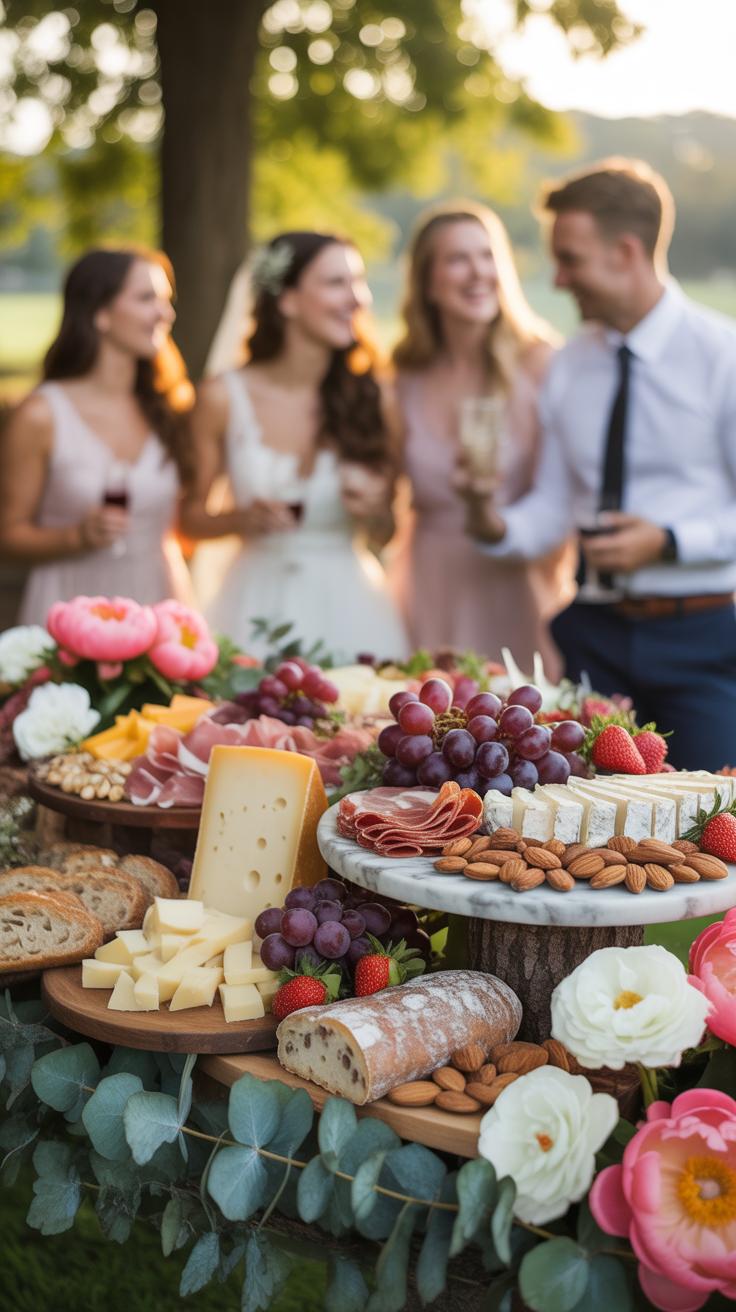
Placing meats and cheeses directly on craft paper reduces equipment costs. You create a high end look by layering reclaimed wood planks of different heights. Use various thicknesses of pine or oak to build vertical interest. This strategy fills the visual space without requiring more food. It mimics the luxury of custom builds while using scrap materials from local hardware suppliers.
Secure your food safety by sealing raw wood with food grade mineral oil. Do not use chemical stains on surfaces touching food. Focus on the contrast between light wood and dark grapes or cured meats. Align the boards in a staggered pattern to allow guests access from all sides. This layout prevents bottlenecks and keeps the flow of the wedding reception moving efficiently.
Elegant Floral And Herb Garnishes That Elevate Your Display
Standard garnishes like rosemary and thyme provide structure and scent for pennies. Use woody herbs to create borders between different cheese types. This prevents flavor transfer and adds organic texture to the table. Fresh eucalyptus or bay leaves offer a professional finish. These plants are durable and do not wilt quickly under indoor lighting. They provide a high end aesthetic without the cost of flowers.
Avoid expensive floral arrangements by using edible greens like kale or Swiss chard as a base. Place these under soft cheeses to add height and color. Select herbs that complement the specific flavor profiles of your charcuterie. Use sage with pork products and mint with fruit selections. Strategic greenery masks empty spots on the board. This technique ensures the table looks full and lush throughout the entire event.
Building A Large Charcuterie Board Ideas Wedding Guests Will Rave About
Choosing Affordable Meats, Cheeses, And Fillers For A Large Board
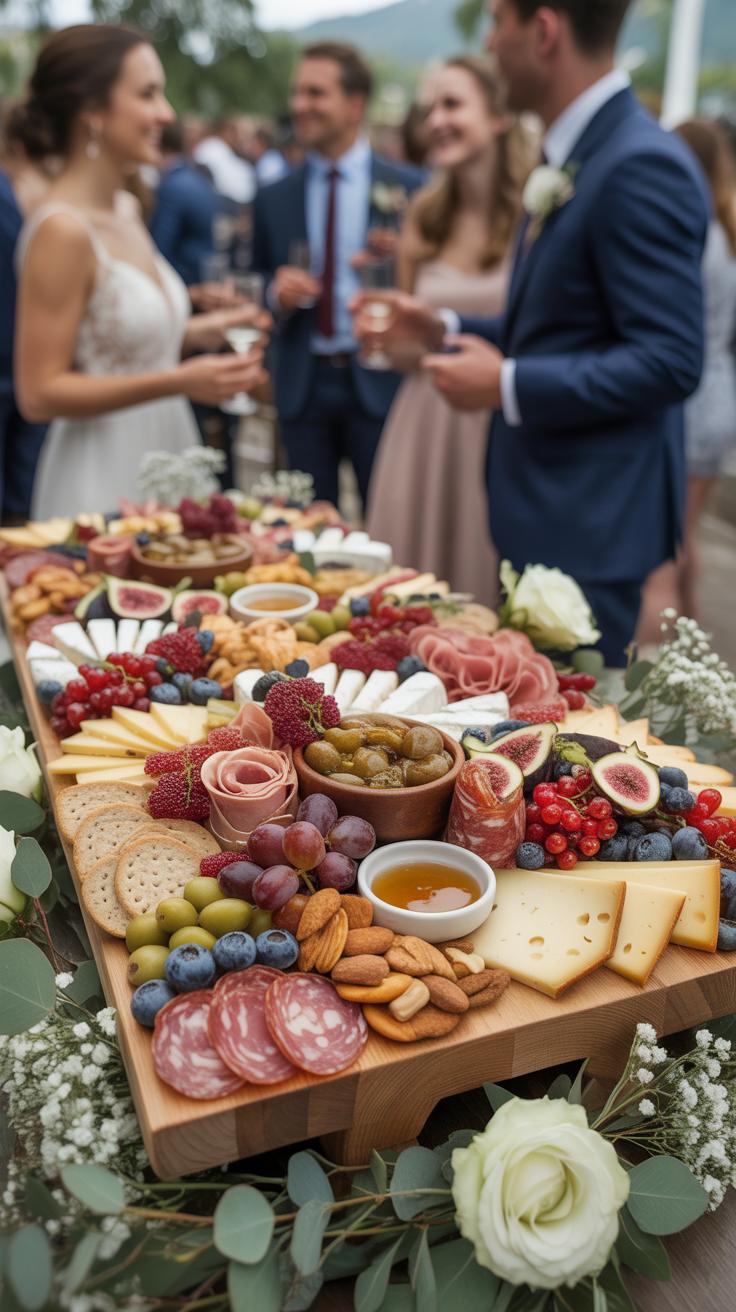
Select bulk meats to keep costs low. Hard salamis and pepperoni provide salt and fat at a lower price point than imported prosciutto. Fold these meats into fans or roses to increase volume on the table. You can purchase large blocks of sharp cheddar, gouda, and monterey jack. Slice these into uniform cubes or triangles. These domestic cheeses satisfy most palates and cost significantly less than artisanal wheels.
Fill large gaps with cheap starchy items. Use plain crackers, pretzels, and fresh baguette slices to add height and texture. Fresh grapes and seasonal berries add color and acidity for a small investment. Buy dried apricots and almonds in bulk to occupy tiny spaces between premium items. Sticking to a high ratio of bread and fruit reduces the total weight of expensive dairy and protein needed for the display.
How To Arrange A Large Grazing Table For Maximum Visual Impact
Start with the largest items to anchor the table layout. Place wooden boards or marble slabs at different heights using hidden boxes or crates. This creates a vertical focal point that draws the eye. Position large bowls of dips or jams first. These items serve as the foundation for the rest of the arrangement. Use the edges of the table for tall items like breadsticks to frame the food.
Follow the river technique to guide the guest’s path. Place meats and cheeses in winding lines across the surface. Group items by flavor profile to prevent taste contamination. Put honey near soft cheeses and mustard near cured meats. Intersperse herbs like rosemary or eucalyptus between sections to add contrast. This method hides the surface of the table completely. A full table looks more expensive than a sparse one.
Top Budget Friendly Charcuterie Appetizers To Include On Your Table
Crowd Pleasing Charcuterie Appetizers That Cost Little To Prepare
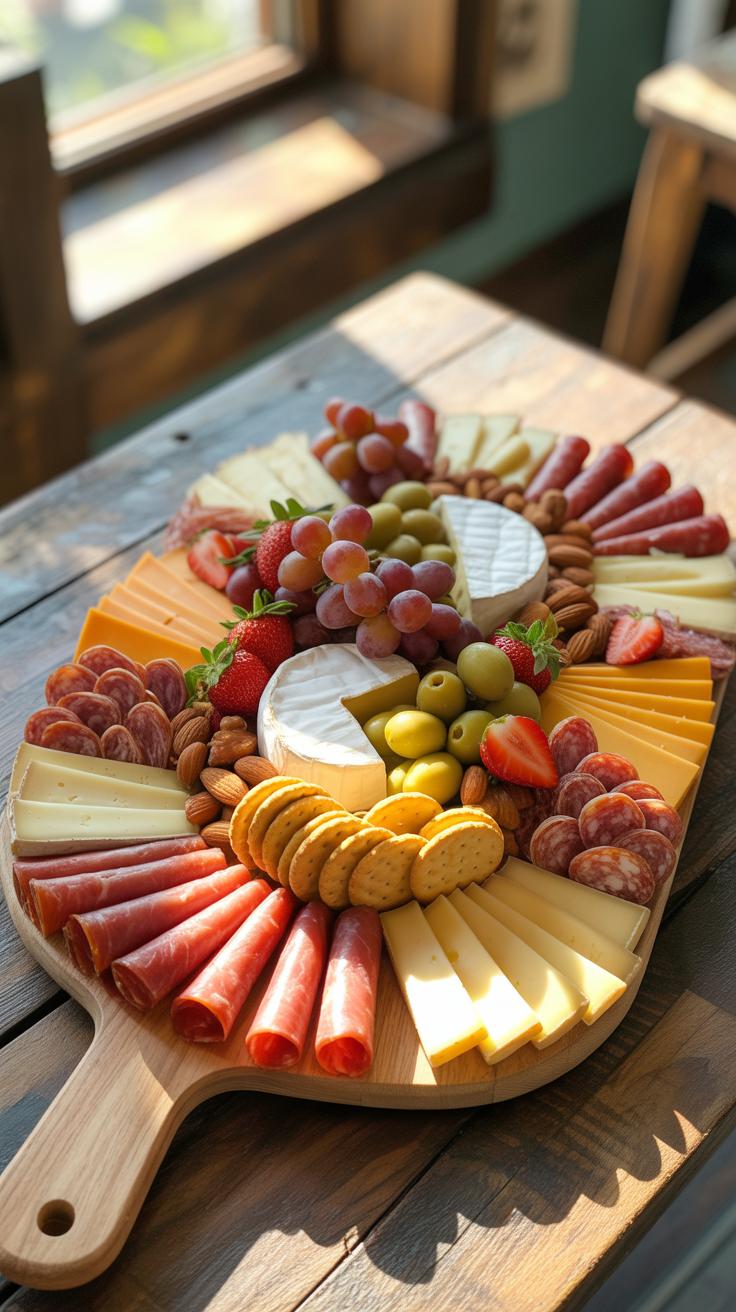
Smart wedding planners focus on high-volume fillers to keep food costs low. Bread and crackers form the base of any successful wedding charcuterie table. Purchase wholesale baguettes and slice them thin at home to save money. Toasted crostini stays fresh longer than soft bread and adds a necessary crunch. These items fill space on the board and satisfy guests without overspending on expensive meats.
Select affordable proteins like hard salami or large blocks of cheddar. Slice these items yourself rather than buying pre-cut packs. Cubing cheese is faster and stretches the product further than thin slices. You can also offer deviled eggs as a high-protein, low-cost addition. These eggs fill guests up quickly and use basic pantry staples. Focus on items that provide bulk and protein to minimize the total budget.
Seasonal Produce And Dips That Add Color Without Adding Cost
Produce provides the best visual impact for the lowest price. Always buy fruits and vegetables that are currently in season. Summer weddings should feature grapes and berries purchased in bulk. Fall events benefit from sliced apples or pears dipped in lemon juice to prevent browning. Using seasonal items ensures peak flavor and the lowest market price. Vibrant produce makes a wedding charcuterie table look expensive and professional.
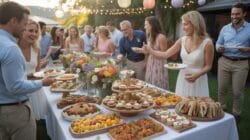
Dips offer a way to include flavor without high costs. Make large batches of hummus or whipped feta at home using basic ingredients. Place these dips in small bowls to create structure on the table. Surround the bowls with inexpensive vegetables like carrots or celery sticks. This technique encourages guests to eat more vegetables and less expensive meat. High-quality dips hide the fact that you are serving basic, affordable produce.
Designing A Party Food Buffet Style Charcuterie Table For Your Wedding
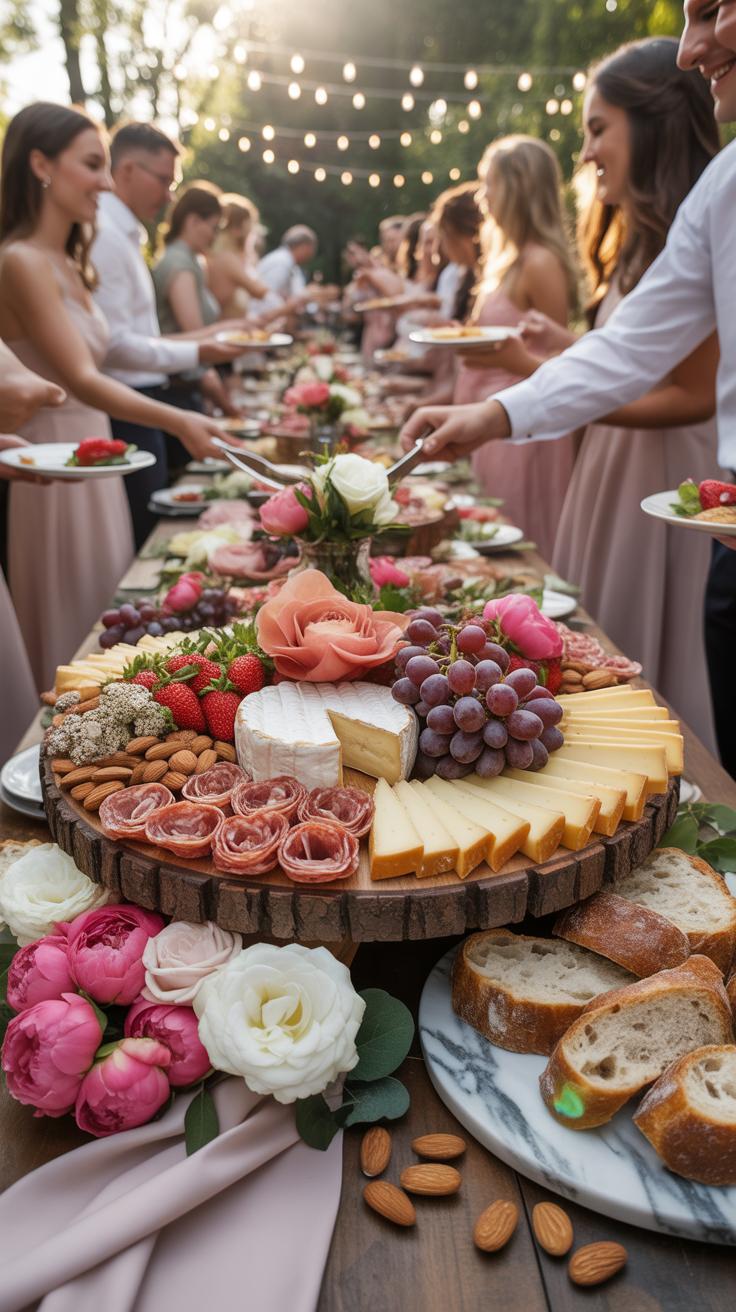
How To Lay Out A Party Food Buffet That Flows Naturally For Guests
Effective flow prevents bottlenecks at the wedding charcuterie table. Place plates and napkins at the start of the line. Arrange items by texture and temperature. Start with crackers and breads as the base layer. Place cheeses and cured meats in the center. End the table with small fruits and nuts. This sequence helps guests build their plates logically without stopping or backtracking.
Separate the drink station from the food station to reduce crowding. Place tall items like tiered stands at the back of the table. Keep low items like dip bowls toward the front. This visibility allows guests to see options from a distance. Use clear signage for dietary restrictions. Fast access to utensils at the end of the line ensures guests move away quickly to eat.
Budget Table Decor Tips That Complement Your Charcuterie Spread
Use natural materials to save money on decor. Brown butcher paper works as a functional table runner. It looks professional and makes cleanup fast. Scatter fresh herbs like rosemary or thyme around the platters. These add color and scent for a low cost. Use wooden crates to create height. Elevation makes the table look full even with fewer ingredients on the wood surfaces.

Focus on lighting to improve the presentation. Place small candles near glass jars of pickles or olives. The light reflects off the glass and makes the food look fresh. Avoid expensive floral centerpieces that take up food space. Use seasonal whole fruits like grapes or pears as edible decor. This approach reduces waste and keeps the budget focused on high quality meats and cheeses.
Smart Catering Ideas Food Couples Can DIY For Their Wedding Day
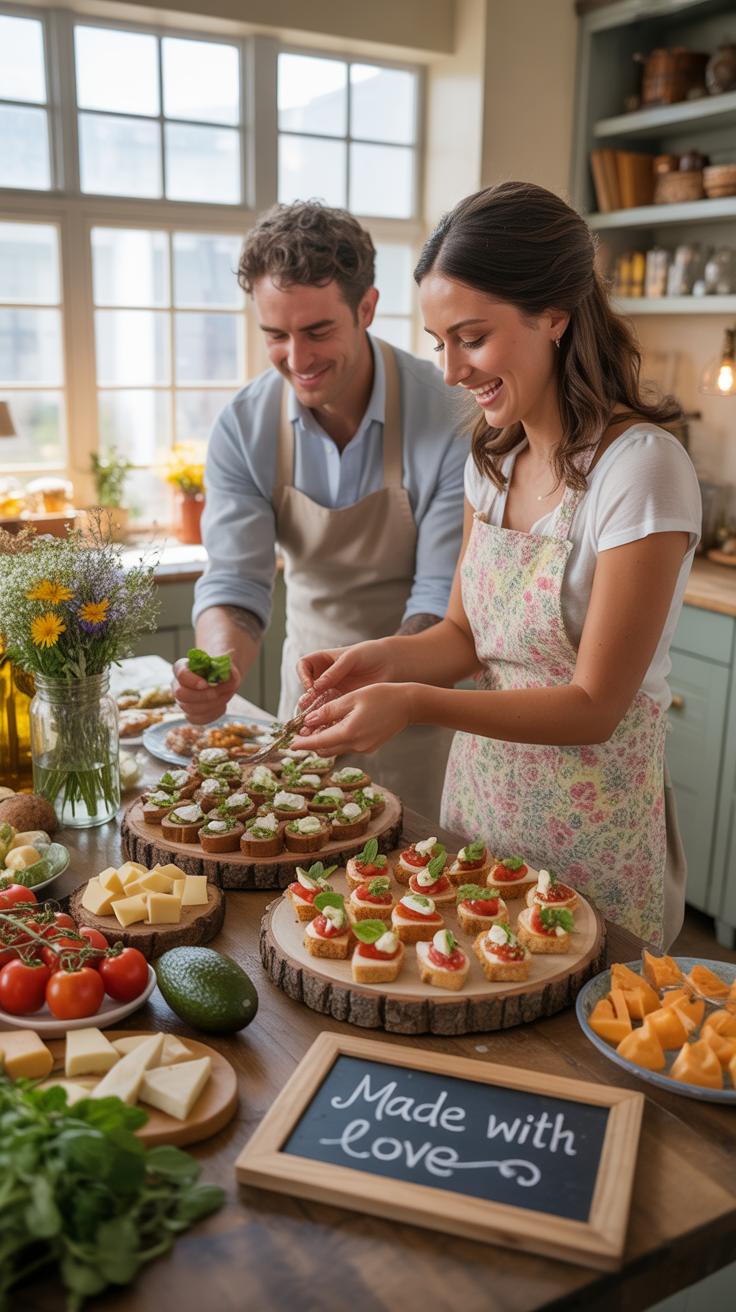
When To DIY Vs. When To Hire A Caterer For Your Grazing Table
DIY charcuterie works best for guest counts under 75 people. Small weddings allow couples to manage food safety and prep without professional help. You must have access to industrial refrigeration at the venue. Transporting cured meats and soft cheeses in hot weather creates high risks. If your wedding lacks a kitchen or cooling space, hire a professional caterer to avoid foodborne illness and spoilage.
Time management determines your success. A full grazing table takes four to six hours to assemble on-site. You cannot build the table the night before because crackers get soggy and fruit bleeds into cheese. If you want to enjoy your wedding morning, hire a pro. DIY is only tactical if you have a dedicated team of friends to handle the setup and teardown while you get ready.
Essential Tools And Supplies Needed To Self Cater A Wedding Charcuterie Table
Successful DIY execution requires commercial-grade hardware. You cannot rely on household platters for a large wedding. You need consistent elevation to create visual interest and maximize surface area. Purchase bulk quantities of parchment paper to protect venue tables from grease and moisture. Use professional tongs and cheese knives to keep the line moving. These tools ensure guests stay clean and the food remains organized during the event.
- Food Grade Parchment Paper: This material acts as a barrier between the food and the table. It prevents oils from staining furniture and makes cleanup fast. Buy wide rolls to cover the entire grazing area before you start placing the heavy items.
- Tiered Riser Sets: These blocks or stands create height on the table. Elevation allows you to fit more food into a smaller footprint. Use wood, acrylic, or marble risers to separate different food groups and create a professional look for the guests.
- Stainless Steel Serving Tongs: Small tongs prevent guests from using their bare hands to touch the food. This is a critical sanitary requirement for any buffet. Buy at least twelve sets to scatter across the table so guests do not wait in long lines.
- Insulated Transport Coolers: You must keep cheese and meat below forty degrees until the moment of setup. High-quality coolers maintain the cold chain during transport from the store to the venue. Use ice packs instead of loose ice to keep the packaging dry.
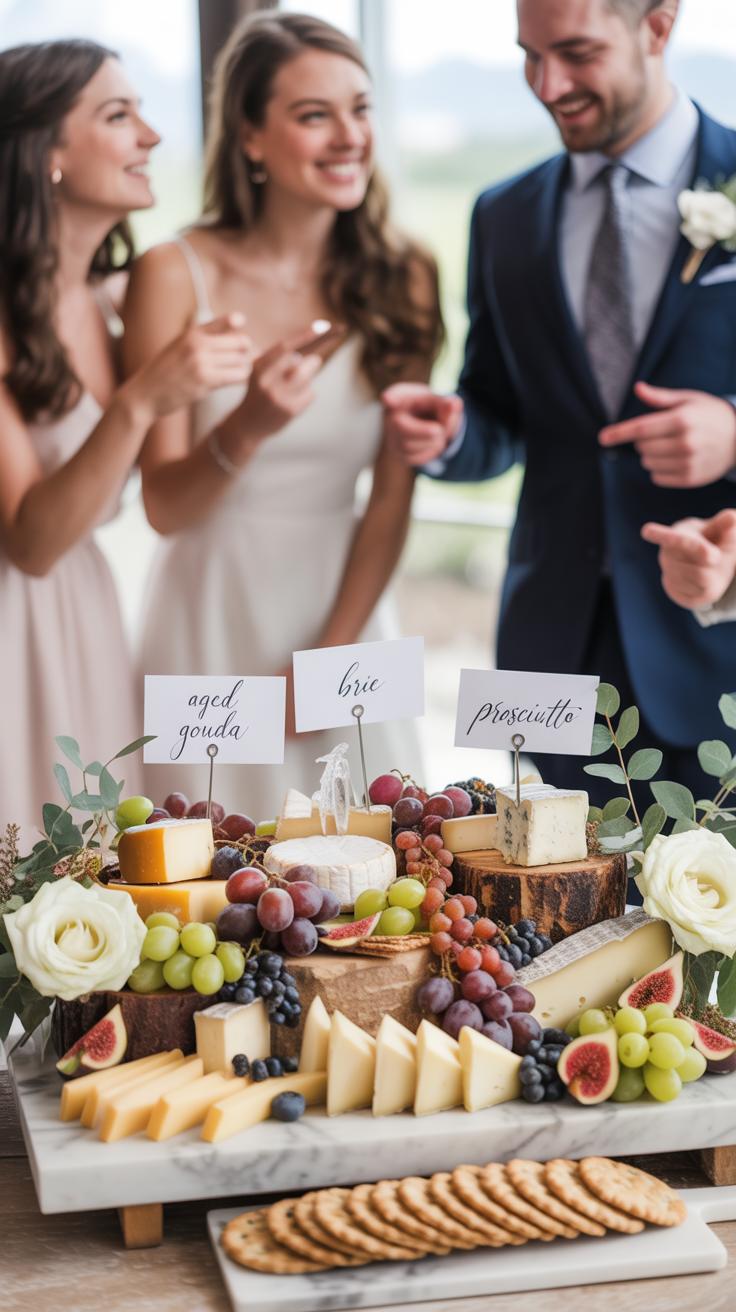
- Label Holders And Cards: Clear signage identifies allergens like nuts, dairy, and gluten. Use small metal or wood holders to display cardstock labels. This saves time because guests do not have to ask what each item is. It also protects people with severe food allergies.
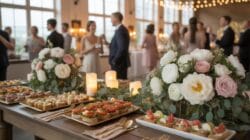
Organization beats style every time. Label your storage bins by food category before arriving at the venue. Group your cheeses, meats, and produce together in the fridge. This system allows your assembly team to work fast. Use disposable bamboo plates and napkins at the end of the table. Keep a trash bin nearby to prevent guests from leaving waste on your hard work.
How To Style Stunning Party Food Platters For A Wedding Charcuterie Table
Choosing The Right Boards, Platters, And Vessels On A Budget
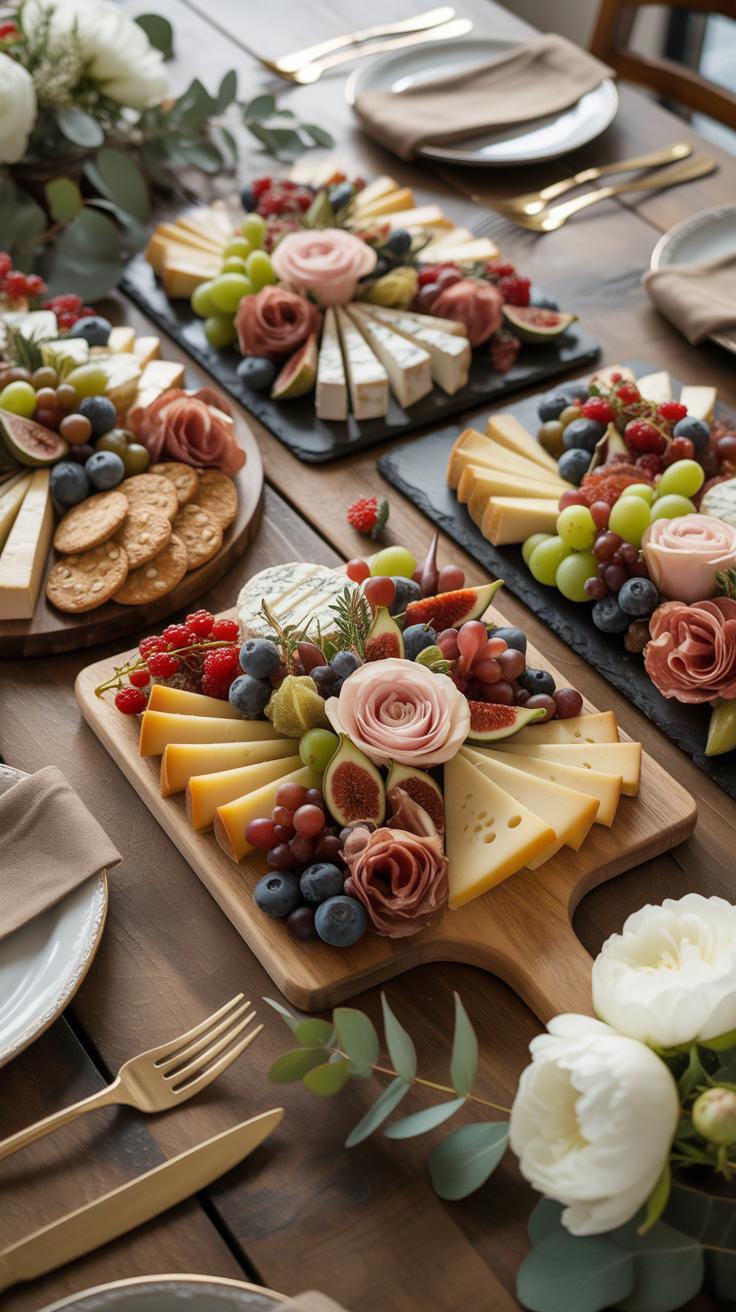
Effective styling starts with the base. Avoid expensive specialty stores for wide boards. Use food-safe butcher block or pine planks from a hardware store instead. Sand the edges smooth and seal them with food-grade mineral oil. This creates a massive surface for a fraction of the cost of retail boards. Large slate tiles also work well as cold surfaces for cured meats.
Mix materials to create an established look. Use thrifted ceramic white plates and clear glass bowls for wet items like olives and dips. Uniform shapes look corporate and dry. Variance in material suggests a higher value. Stick to wood, glass, and ceramic. Avoid plastics as they reflect light poorly in photos. Consistent material choices ensure the table looks cohesive even with mixed found objects.
Color, Texture, And Height: The Visual Principles Behind A Beautiful Platter
Visual appeal relies on the principle of grouping by contrast. Place bright fruits next to pale cheeses to make colors pop. Use the S-curve technique when laying down meat ribbons to create movement across the board. Texture comes from adding nuts and dried apricots into empty gaps. This prevents the platter from looking flat. Every square inch must feature different tactile surfaces to engage the eye.
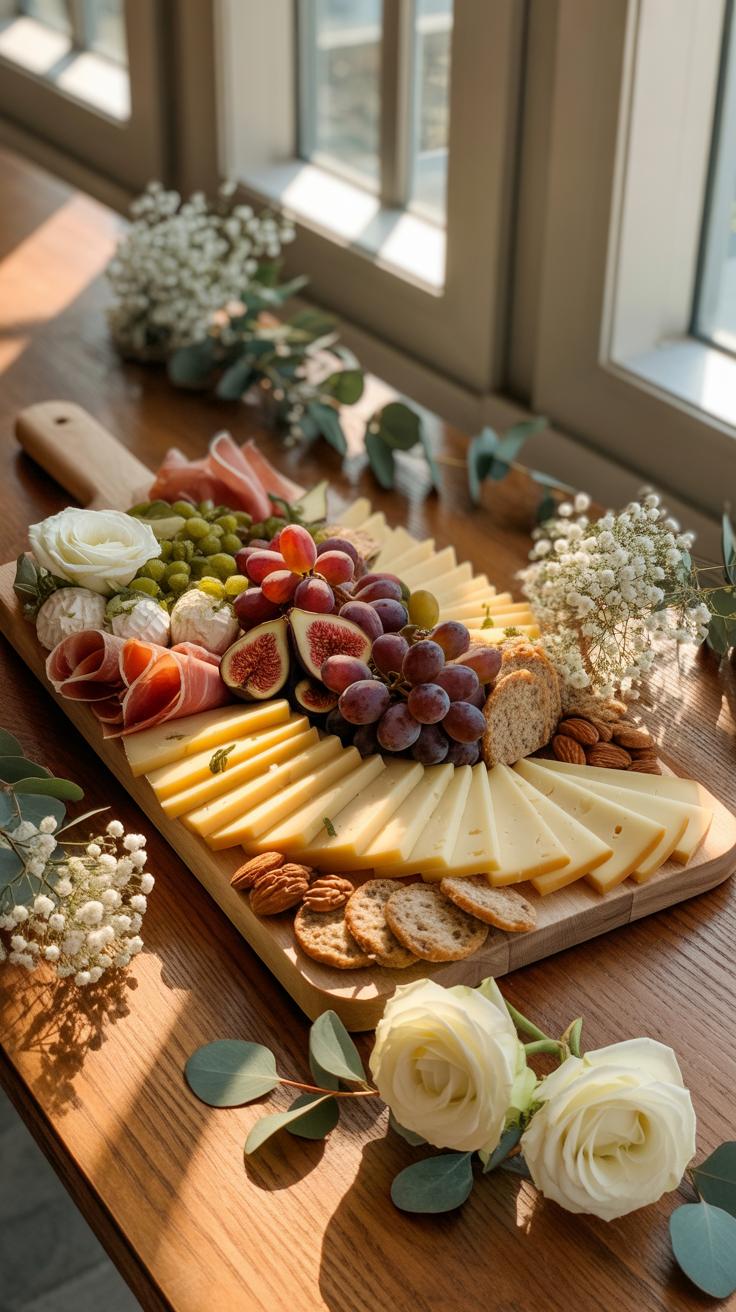
Height is the most important tactical element for a professional finish. Flat tables look cheap and unorganized. Use sturdy wooden crates or overturned bowls hidden under a tablecloth to elevate specific platters. Direct the guest’s eye to premium items like aged cheddar or prosciutto by placing them at the highest point. Creating levels increases the surface area and makes the wedding charcuterie table appear more abundant and expensive.
Easy Charcuterie Recipes You Can Prepare In Advance For Your Wedding
Simple Make Ahead Charcuterie Recipes That Hold Well At Room Temperature
Success relies on moisture control and stability. Focus on recipes using cured meats like salami and prosciutto. These items remain safe and appetizing at room temperature for hours. Acids like vinegar and salt act as preservatives. Marinated olives and pickled vegetables provide essential crunch without wilting. Prepare these three days early to deepen the flavor profiles. Storage in airtight glass containers maintains peak freshness.
Avoid soft cheeses that sweat or oxidize quickly. Choose aged cheddar, manchego, or gouda instead. Pre-cut these into uniform cubes or wedges forty-eight hours before the event. Store them in parchment paper to allow the cheese to breathe while preventing drying. Assemble skewers with dry meats and hardy vegetables on the morning of the wedding. This method prevents the bread or crackers from becoming soggy or unappealing.
A banquet of simple, seasonal things shared with love is far more memorable than any lavish display. True elegance is found in the joy of the gathering, not the cost of the spread.
Budget Charcuterie Recipe Combinations That Taste Gourmet
Strategic pairing makes cheap ingredients feel upscale. Use high-volume fillers to occupy space on the wedding charcuterie table. Traditional European techniques rely on balancing salt, fat, and acid. You can achieve this using store-brand staples enhanced with fresh herbs. Focus on textures to create a high-end sensory experience for your guests. These combinations provide maximum visual impact for a very low cost.
- Herbed Goat Cheese Logs: Roll affordable bulk goat cheese in fresh minced rosemary and cracked black pepper. This adds a French bistro aesthetic and doubles the perceived value of the cheese. Prepare these forty-eight hours early for the best flavor infusion.
- Balsamic Glazed Salami Bites: Fold inexpensive genoa salami into quarters and secure with a toothpick. Drizzle with a reduced balsamic glaze just before serving. The acidity of the vinegar cuts through the fat of the pork perfectly.
- Spiced Candied Walnuts: Roast halves with brown sugar, cayenne pepper, and salt. These provide a crunch that mimics expensive artisanal nuts. Store them in a dry pantry for up to two weeks to save time during wedding week.
- Marinated Mozzarella Pearls: Submerge small cheese balls in olive oil, dried oregano, and red pepper flakes. This technique mimics traditional Italian antipasto at a fraction of the deli counter price. Serve them in small ceramic bowls for easy access.
- Apricot and Almond Brie: Top a standard brie wheel with dried apricot slivers and slivered almonds. The sweetness of the fruit complements the creamy texture of the cheese. It creates a focal point that looks professional but requires zero cooking.
Balance the heavy meats with seasonal fruit like grapes or apple slices. Brush apples with lemon juice to stop them from turning brown. This keeps the display looking fresh throughout the entire reception. Use standard wooden boards or butcher paper to layout the spread. Direct placement on the table saves money on expensive platters. Follow these steps to ensure your food is safe and visually striking.
Common Mistakes To Avoid When Setting Up A Wedding Charcuterie Table
Food Safety Rules Every Couple Must Follow For An Outdoor Grazing Table
Outdoor temperatures pose the greatest risk to meat and cheese. Bacteria grow fast when food stays between 40 and 140 degrees Fahrenheit. This range is the danger zone. Most soft cheeses and cured meats spoil after two hours in the heat. Check the local weather forecast before the event starts. High humidity or direct sunlight accelerates the melting of fats and the growth of mold.
Control the environment to protect your guests from foodborne illness. Use chilled trays or ice beds hidden beneath the table linens. Keep the wedding charcuterie table under a tent or heavy shade. Replace empty platters with fresh ones rather than refilling old trays. Use small portions to ensure food stays cold longer. Assign a staff member to monitor the time and remove any items sitting out too long.
Presentation Pitfalls That Make A Charcuterie Table Look Less Impressive
Flat layouts destroy the visual impact of a buffet grazing table. Placing every item directly on the surface looks cluttered and cheap. Amateur setups often lack elevation and texture. Guests should see a landscape of food rather than a single plane. Poor spacing also creates bottlenecks. If you put all the crackers in one spot, people will crowd that area and block the line.
Color choice impacts how appetizing the food looks to your guests. Avoid monochromatic spreads with only brown and white tones. Use deep reds from meats and bright greens from herbs to add contrast. High quality materials like wood and slate improve the aesthetic. Cheap plastic trays signal a lack of effort. Maintain a clean table by removing pits and stems immediately. Messy surfaces ruin the overall design.
Frequently Asked Questions

What is a wedding charcuterie table and why is it popular?
A wedding charcuterie table is an expansive, artistically arranged spread of cured meats, artisanal cheeses, seasonal fruits, nuts, and crackers. It has become a viral sensation because it doubles as a stunning focal point and an interactive dining experience. This self-serve style encourages guests to mingle during cocktail hour while offering a sophisticated variety of flavors that accommodate diverse dietary preferences, making it both a practical and visually breathtaking catering choice.
How do you build a wedding charcuterie table on a budget without sacrificing style?
To create an affordable wedding charcuterie table, focus on “bulk and beauty” by purchasing staples like crackers, nuts, and dried fruits from warehouse stores. Use inexpensive fillers like fresh grapes, sprigs of rosemary, and sliced baguettes to occupy space. Elevate the presentation by using varied heights with wooden crates or thrifted platters. Choosing three high-quality cheeses and pairing them with more affordable meats ensures a luxury feel without the artisanal price tag.
How much food should I provide per person for a grazing display?
For a wedding charcuterie table serving as an appetizer, plan for about 3 to 5 ounces of food per guest. If the display is the primary meal, increase that to 8 or 10 ounces. Balance the board with roughly two ounces of meat and two ounces of cheese per person, then supplement heavily with breads and seasonal produce. This ensures your display looks abundant and overflowing throughout the entire reception without overspending on expensive proteins.