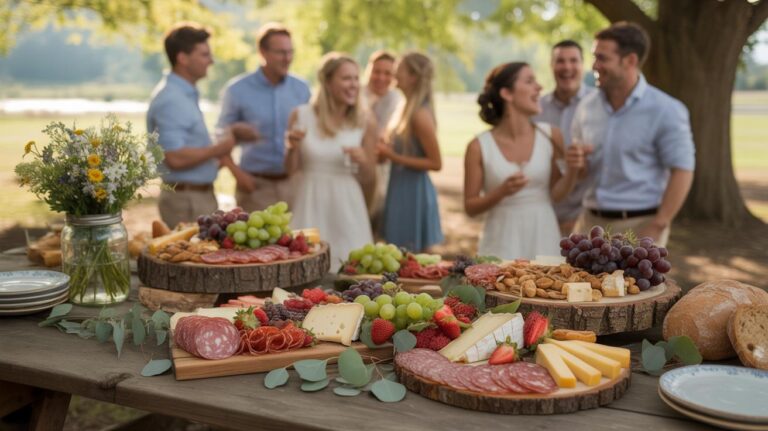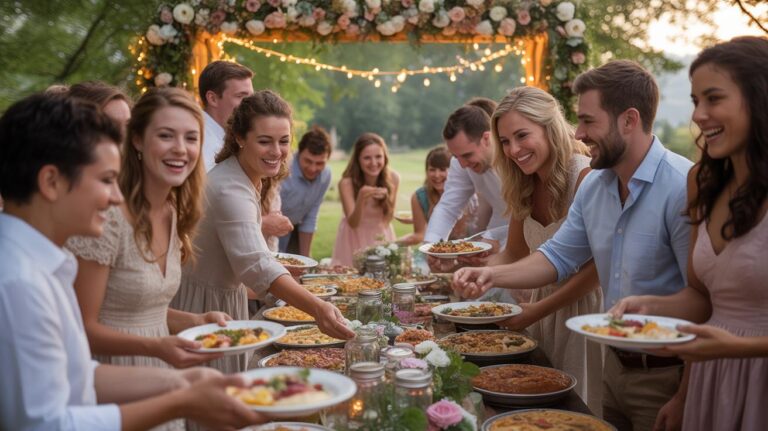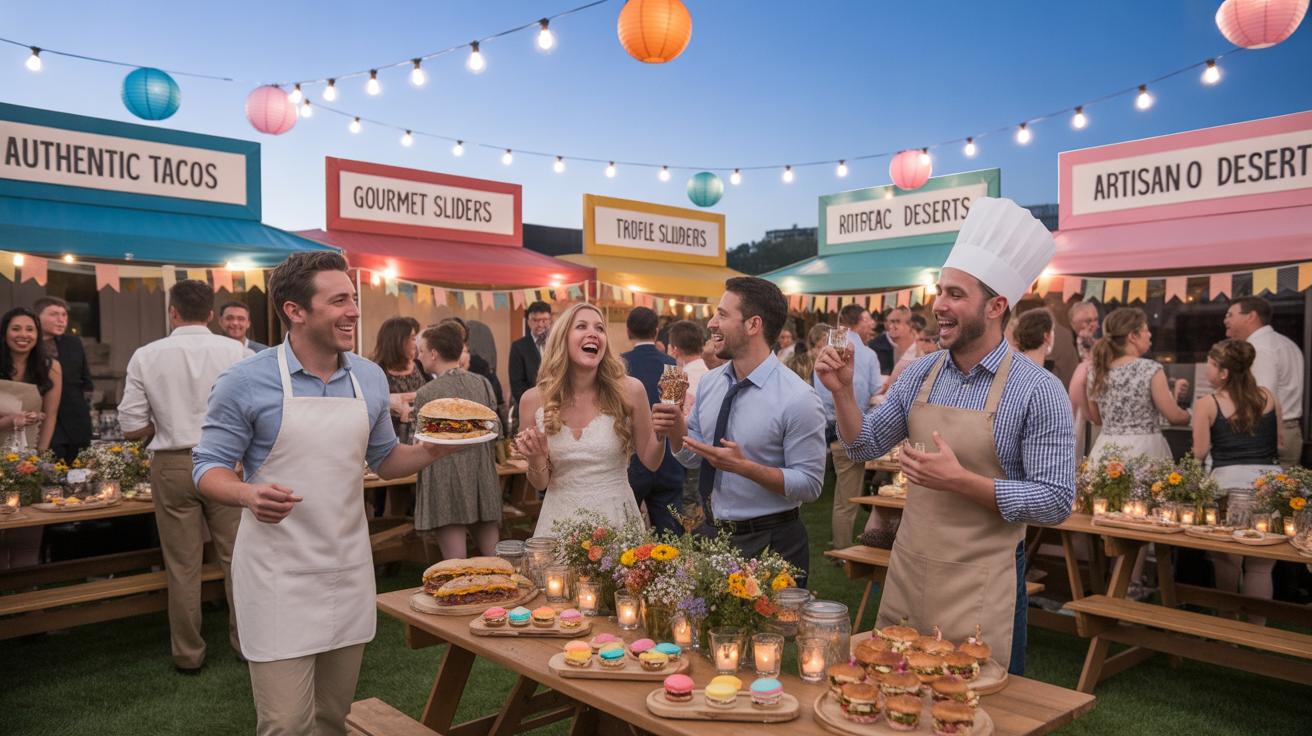
What Is A Street Food Wedding Reception And Why Are Couples Choosing It
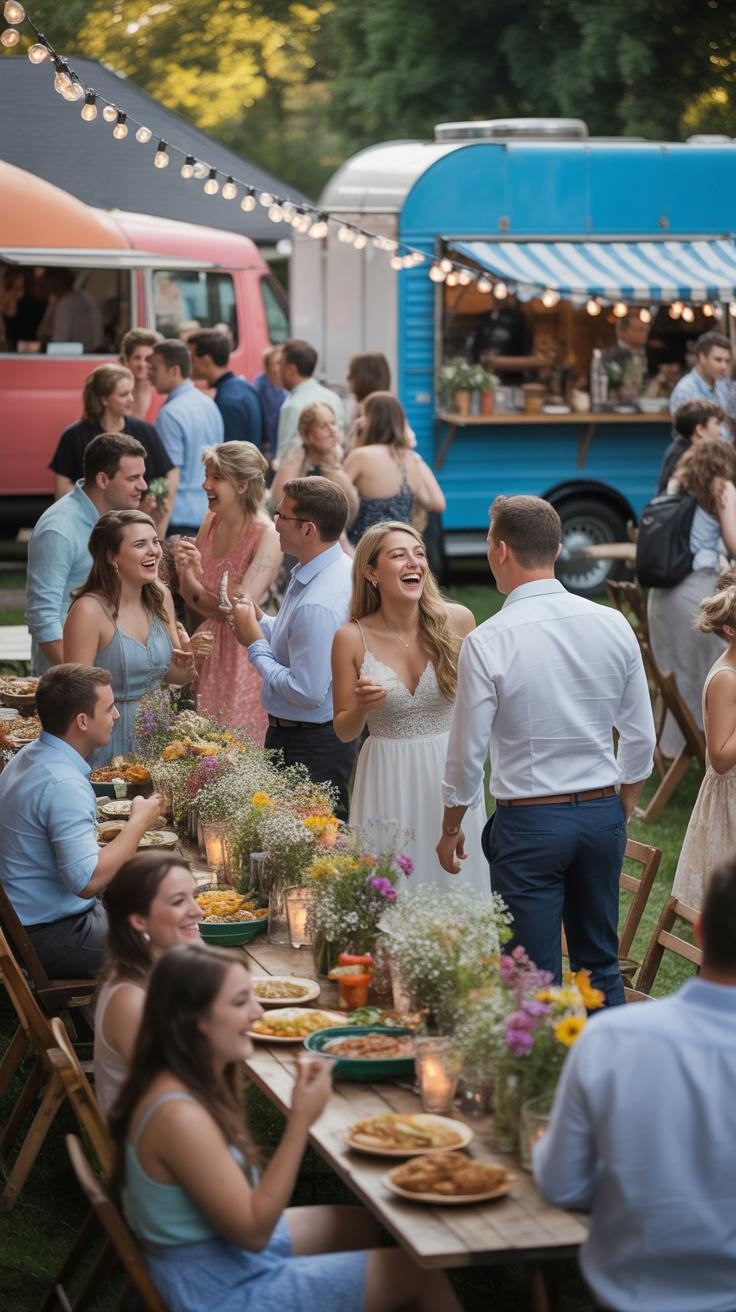
The Rise Of Casual And Experience Driven Wedding Dining
Modern couples now prioritize guest experience over formal tradition. Rigid three course meals often stall the party flow and force guests into fixed seating for hours. Street food concepts break this mold by offering diverse menu options and active participation. This shift mirrors a broader movement toward informal luxury where high quality ingredients meet a relaxed service style.
This dining model focuses on social interaction and culinary variety. Couples select food trucks or stalls that reflect their personal tastes or cultural backgrounds. Guests appreciate the ability to customize their portions and move freely around the venue. This tactical choice removes the friction of assigned seating. It also ensures the energy of the reception remains high throughout the entire event.
How A Street Food Reception Differs From Traditional Wedding Catering
Conventional catering relies on industrial kitchens and plated service. Street food receptions use mobile units or open fire cooking to prepare food on demand. This setup eliminates the need for large back of house spaces. It allows for decentralized dining where food comes to the guest. Traditional catering often produces static meals that lose temperature during transport from the kitchen.
Service logistics change entirely with a street food approach. You trade silver service for speed and direct interaction with chefs. Traditional weddings often waste high percentages of food due to set menus. Small plates and made to order items reduce this waste significantly. This method provides a higher level of transparency in food preparation. It turns the cooking process into a visual anchor for the reception.

Food Trucks At Wedding How To Make Them Work Seamlessly On Your Big Day
Choosing The Right Number Of Food Trucks For Your Guest Count
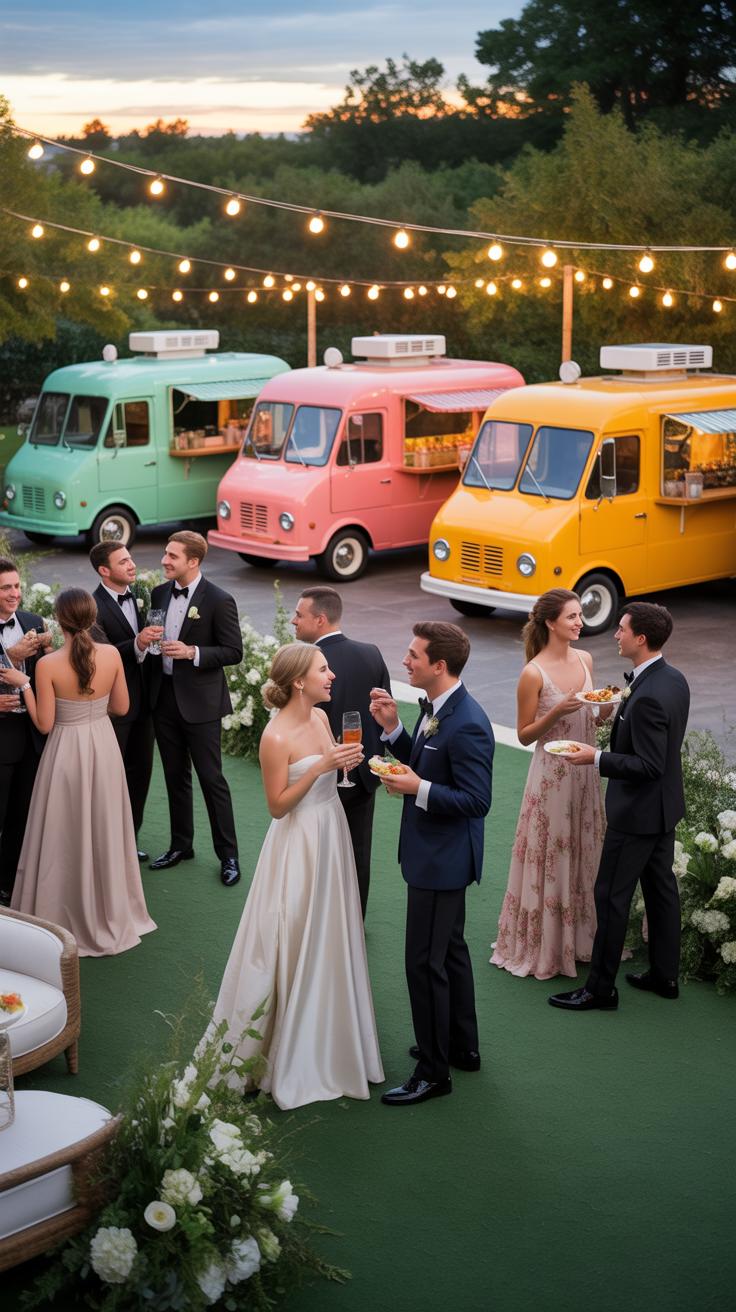
Calculating truck capacity is a math problem. One truck typically serves 75 to 100 people within a two hour window. If you exceed this ratio, guests will stand in line for hours. A 150 person wedding requires at least two trucks to keep the flow moving. This ensures variety and reduces the pressure on a single kitchen staff during the peak rush.
You must also consider the menu complexity. A truck serving custom burgers takes longer than one serving pre made tacos. Faster service models allow for higher guest counts per vehicle. Always ask the vendor for their average transaction time per person. Aim for under 60 seconds per order. If the menu is complex, hire an extra truck to prevent a bottleneck that ruins the evening timeline.
Logistics To Discuss With Your Venue Before Booking Food Trucks
Venues often have strict rules regarding external vendors. You must confirm the availability of level ground for parking. Food trucks are heavy and require stable surfaces to operate safely. Verify that the ground can support the weight without sinking or damaging the landscape. Check for overhead clearances like low tree branches or arched gates. Measure the specific dimensions of the trucks before finalizing the site plan.

Power and waste management are critical operational needs. Most trucks prefer to plug into a dedicated 220V outlet to avoid using loud generators. Noise from generators disrupts ceremonies and speeches. Clarify who handles the trash generated by disposable packaging. You need a plan for clearing grease traps and gray water. Ensure the venue insurance policy covers mobile food vendors. Get every technical requirement in writing to avoid last minute failures.
Wedding Food Truck Ideas Cuisines And Concepts That Wow Every Guest
Global Street Food Themes From Tacos And Ramen To Crepes And Sliders
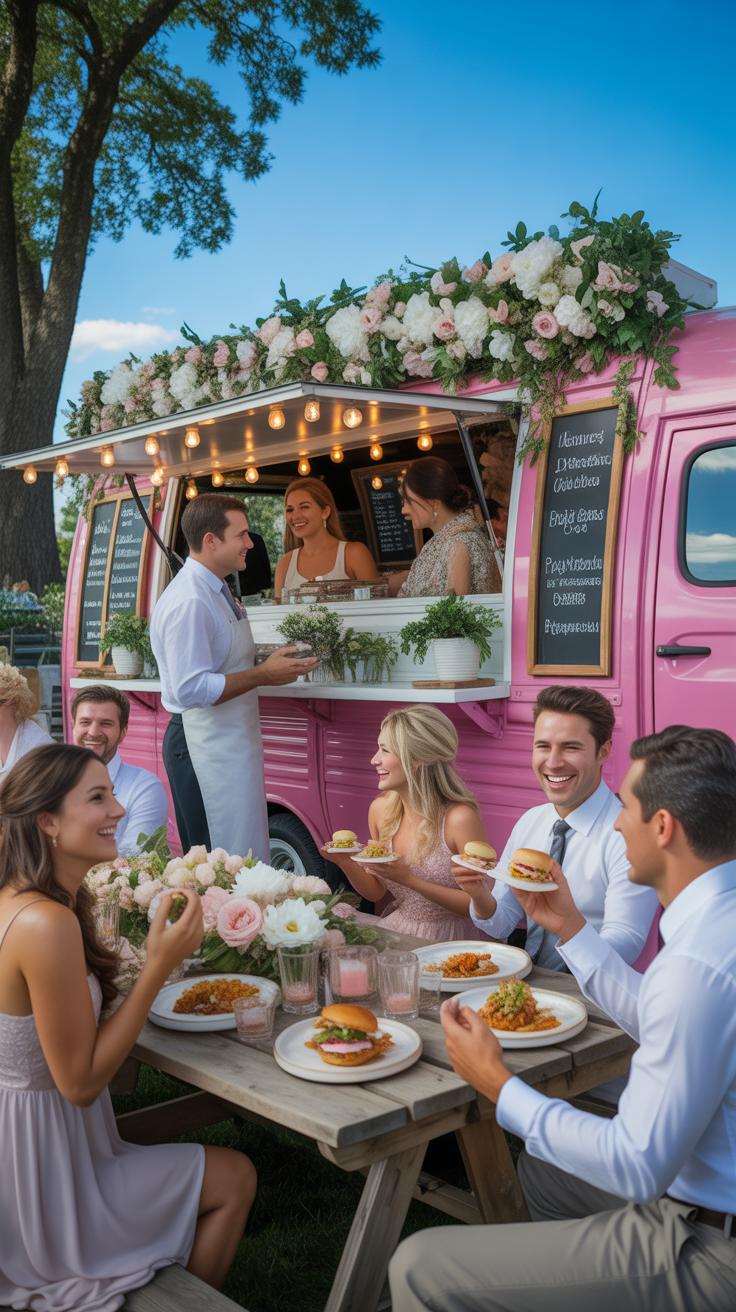
Global street food concepts provide high variety and rapid service. Tacos offered from a truck allow for easy customization and handle dietary restrictions like gluten allergies effectively. Ramen trucks provide a unique, warm alternative for evening receptions but require stable surfaces for guests. Slider stations work because they mimic high-end catering in a handheld format. These options keep your guests moving and reduce long wait times.
Street food choices should reflect popular regional staples with broad appeal. Crepes serve as both a main course and a dessert option, reducing the need for multiple vendors. Wood-fired pizza trucks produce high volumes of food in under three minutes, making them the most efficient choice for large guest counts. Select cuisines that do not require heavy cutlery. Handheld foods ensure guests stay engaged with the event rather than stuck at tables.
There is no love sincerer than the love of food, especially when shared under the open sky. Let your wedding be a global feast that mirrors the wild adventure of your hearts.
How To Match Your Food Truck Menu To Your Wedding Theme And Season
Match your food truck to the environment to maintain guest comfort. Serve hot ramen or grilled cheese during autumn or winter weddings to provide internal heat. Choose ceviche or poke trucks for summer outdoor events to avoid heavy, greasy meals in the heat. A rustic wedding food plan benefits from smoked meats and barbecue. Align the truck aesthetic with your venue to ensure the setup looks intentional rather than accidental.

Logistics dictate the menu success as much as the theme. A formal black-tie event requires trucks that serve refined portions like bao buns or lobster rolls. Casual backyard weddings handle burgers and fries better. High-fat foods like pizza or tacos work best for late-night snacks after the open bar starts. Always verify that the truck power needs match your venue capabilities. Mismatched electrical requirements will shut down your kitchen and ruin the flow.
Food Trucks Wedding Setup Designing A Reception Space That Feels Festive
Outdoor And Indoor Venue Layouts That Complement A Food Truck Setup
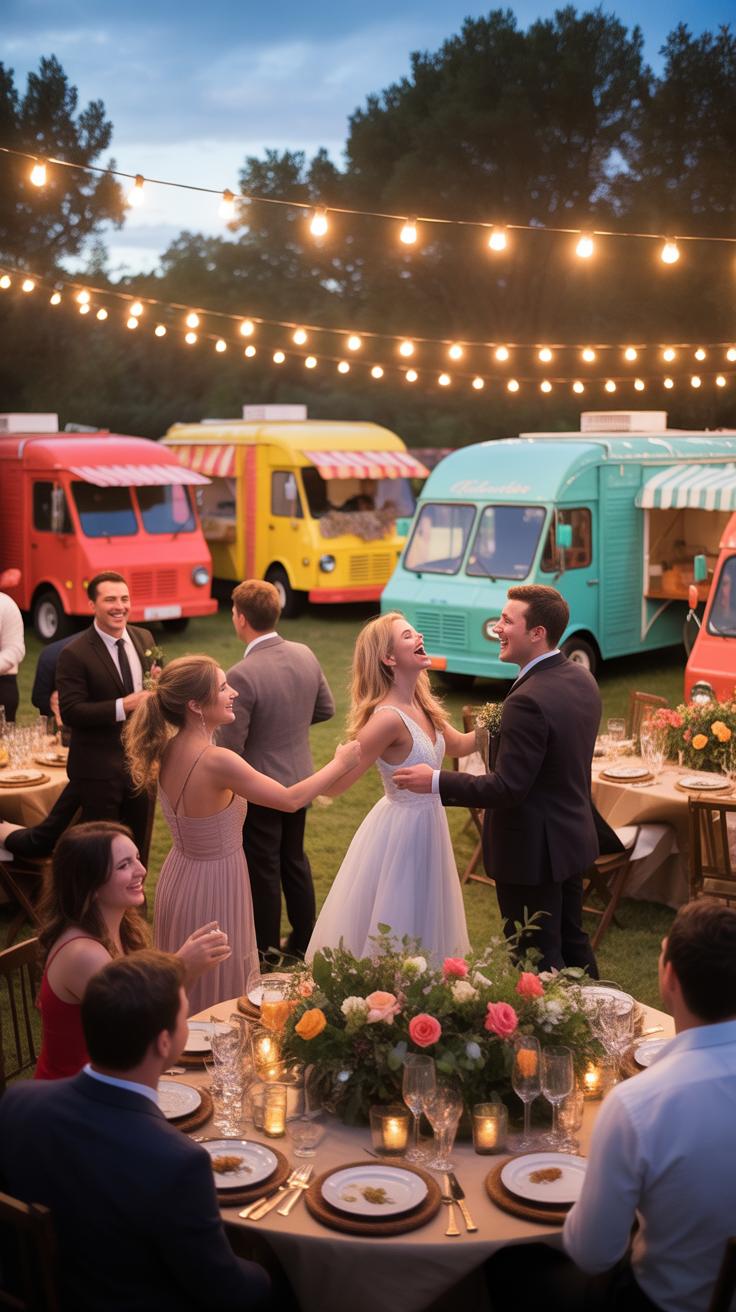
Successful layouts prioritize flow and accessibility. You must place food trucks on flat, load-bearing ground to prevent sinking or tilting. Position vehicles near the perimeter to keep the center open for guests. This creates a natural courtyard effect. Ensure the service windows face the main gathering area. If you use an indoor venue, park trucks near large bay doors or outside a central patio.
Connectivity is the primary technical requirement for any layout. You must map out power sources to avoid loud generators. Keep trash bins and beverage stations away from the truck lines to prevent bottlenecks. Use high-top tables near the trucks to encourage quick standing meals. This strategy frees up formal seating for older guests. Proper spacing prevents long queues from disrupting the dance floor or ceremonial spaces.
Decor Details That Tie Your Food Truck Zone Into The Overall Wedding Aesthetic
Unified signage bridges the gap between rugged trucks and elegant wedding decor. Use professional chalkboards or acrylic menus that match your wedding font. This makes the street food look intentional rather than accidental. Add custom napkins or branded food boats to reinforce the theme. String lights or Edison bulbs draped between the trucks and the venue create a cohesive visual ceiling.

Materials define the transition between the truck and the reception space. Use wine barrels or reclaimed wood crates as makeshift condiment stands for a rustic look. If the wedding is modern, choose sleek metal bar stools. Rugs and potted plants placed around the truck tires hide mechanical parts. These physical layers turn a mobile kitchen into a permanent-looking food station. Small details ensure the trucks feel integrated.
Rustic Wedding Food Pairing Street Food With A Relaxed And Earthy Atmosphere
Why Rustic Venues Like Barns And Vineyards Are Perfect For Street Food Receptions
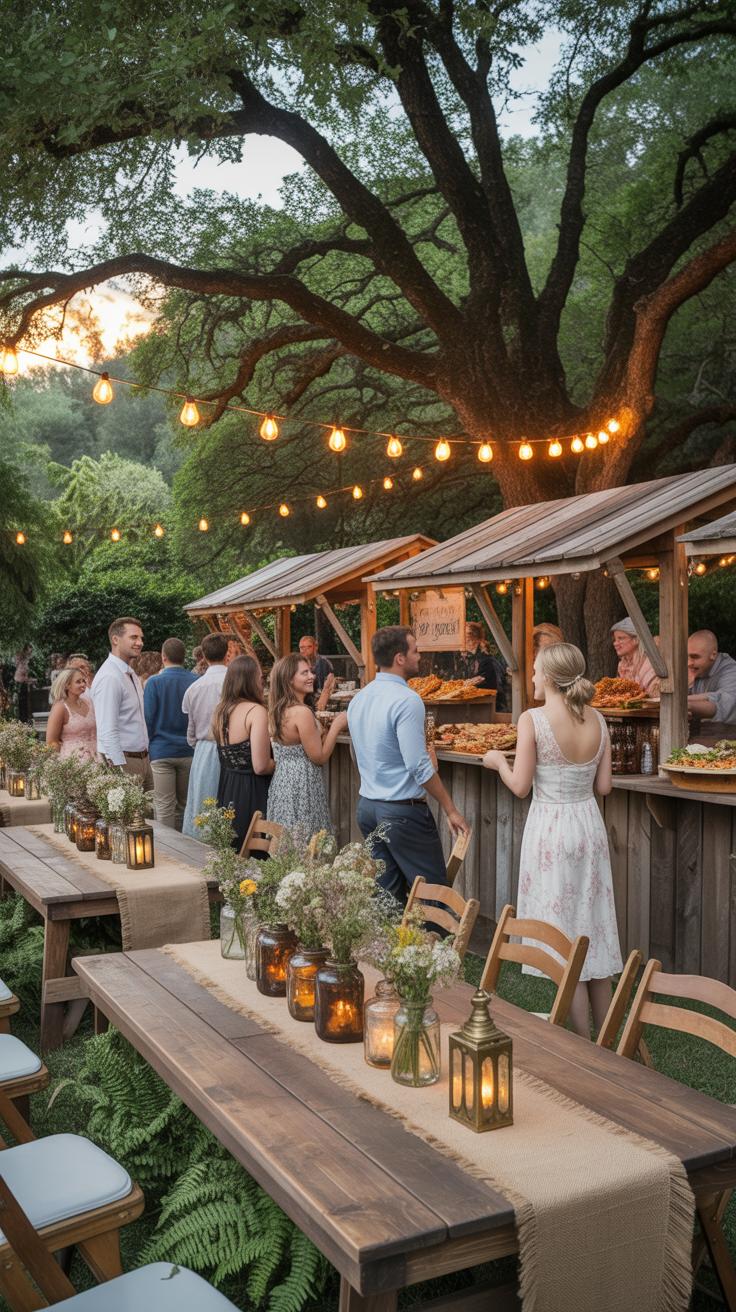
Rustic venues offer the physical space and logistical infrastructure required for street food operations. Barns and vineyards typically feature wide outdoor perimeters and flat gravel or grass pads. These areas accommodate the heavy axle weight of food trucks without damaging the ground. The open layout allows mobile kitchens to park close to the dining area. This proximity ensures food moves directly from the grill to the guest.
The informal nature of street food matches the unrefined aesthetic of timber beams and stone floors. Formal sit-down service often feels stiff in a repurposed agricultural building. Street food stations encourage guests to move through the space and explore different areas of the property. This movement breaks the traditional banquet mold. It creates a high-energy environment that aligns with the raw and natural materials found in rural wedding settings.
Rustic Street Food Menu Ideas Including BBQ Stations, Flatbreads, And Loaded Fries
The best rustic menus focus on fire, smoke, and locally sourced ingredients. BBQ stations and stone-baked flatbreads use primitive cooking methods that suit the outdoor environment. These options scale easily for large crowds. Using raw wood serving boards or recycled paper trays maintains the earthy theme. High-heat cooking ensures fast service times. This prevents long lines and keeps the guest experience focused on the celebration rather than waiting.
- Wood Fired Flatbreads: Chefs use portable stone ovens to cook dough at high temperatures. These ovens reach 800 degrees for a fast finish. Toppings incorporate regional cheeses and seasonal vegetables to highlight the vineyard or farm location.
- Slow Smoked Brisket: Pitmasters use oak or hickory wood to cook meat over twelve hours. This method delivers deep flavor without complex kitchen equipment. Serving the meat on brioche buns makes it easy for guests to eat while standing.
- Loaded Hand Cut Fries: This high volume option uses local potatoes fried twice for texture. Toppings like pulled pork, gravy, or truffle oil turn a basic side dish into a main meal. Guests appreciate the familiar comfort of hot, salted fries.
- Grilled Street Corn: Known as elote, this dish utilizes seasonal corn charred over an open flame. It provides a visual element for the reception. Topped with lime and chili, it offers a fresh contrast to heavier smoked meats and breads.
- Gourmet Venison Sliders: Game meats provide a sophisticated touch to the rustic theme. Small sliders allow guests to sample unique proteins without committing to a full plate. These pair well with bold fruit chutneys and sharp, aged cheddar cheeses.

Execution requires careful planning of power and water needs. Most rustic sites lack high-voltage outlets near the designated food truck zone. Strategically placed quiet generators keep the noise low while powering refrigerators and fryers. Organizers must clear a path for large vehicles before the ceremony begins. Proper placement ensures the smoke from the grills drifts away from the main seating area to protect guest comfort.
Burgers At Wedding Why The Humble Burger Has Become A Reception Showstopper
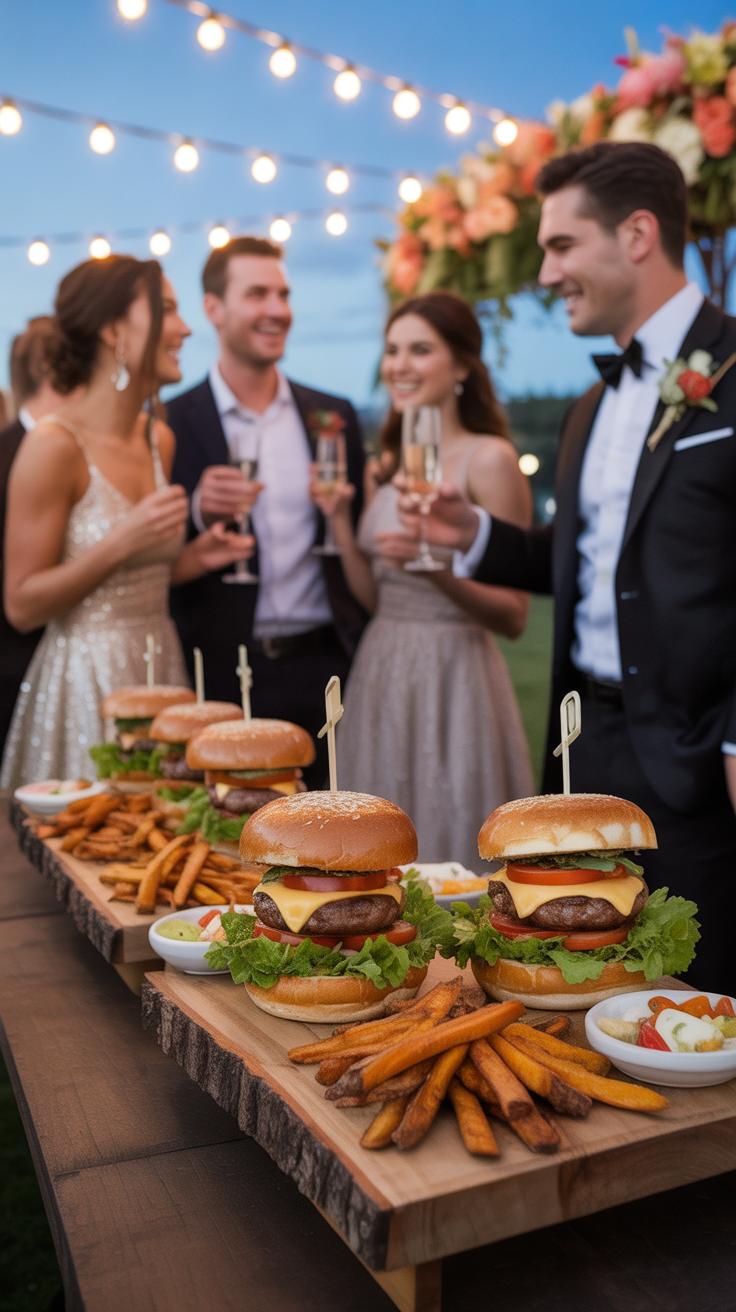
Build Your Own Burger Bars And How To Customize Them For Every Dietary Need
The build-your-own burger bar provides total control over the dining experience. This setup allows guests to manage their own portions and flavor profiles. It effectively eliminates the stress of pre-selecting a single menu for hundreds of people. You simply provide the base components and let the guests act as their own chefs. This strategy reduces kitchen labor and speeds up the service line significantly.
Dietary restrictions no longer break the kitchen workflow with this model. You must stock high-quality gluten-free buns and plant-based patties to ensure inclusivity. Keep vegan proteins on a separate grill surface to avoid cross-contamination. Provide clear labels for every tray to prevent accidental allergen exposure. This tactical approach ensures every guest eats safely without requiring special side orders or making them feel like an afterthought.
Gourmet Burger Toppings And Bun Options That Elevate The Classic Wedding Bite
Standard fast food buns fail under the weight of premium ingredients. You must upgrade to brioche or pretzel buns to handle moisture and heat. These options provide a structural foundation that supports heavy toppings without falling apart. Using high-fat content meats like Wagyu or custom short-rib blends also changes the burger from a basic snack into a high-end culinary centerpiece for your event.
- Brioche Buns: These yeast breads contain high egg and butter content. They offer a rich flavor and a sturdy texture that prevents the bread from becoming soggy. This choice adds a visible touch of luxury to the plate.
- Truffle Aioli: Use this spread as a sophisticated alternative to standard mayonnaise. It injects a deep earthy flavor into the burger. This single ingredient elevates the perceived value of the meal while requiring almost zero extra prep time.
- Caramelized Onions: Slow-cooking onions until they reach a dark jam-like consistency adds natural sweetness. This topping balances the salty profile of the beef. It provides a gourmet texture that raw onions cannot match for a formal evening setting.
- Aged Sharp Cheddar: Ditch the processed American cheese for aged varieties. A sharp white cheddar offers a bold flavor profile that stands up to seasoned meat. It melts well and looks more professional on a display tray or a finished burger.
- Balsamic Glaze: Drizzling a thick balsamic reduction over the patty adds acidity and visual flair. It cuts through the fat of the burger and the cheese. This simple addition creates a complex taste profile usually found in high-end sit-down restaurants.

Presentation matters as much as the ingredients. Use branded parchment paper and bamboo skewers to hold the assembly together. These small tools prevent the burgers from sliding during transport from the station to the table. Strategic lighting at the burger bar also highlights the fresh colors of the produce. This focus on detail transforms a casual food item into a professional catering experience.
Wedding With Food Trucks Budgeting Contracts And Vendor Tips For Couples
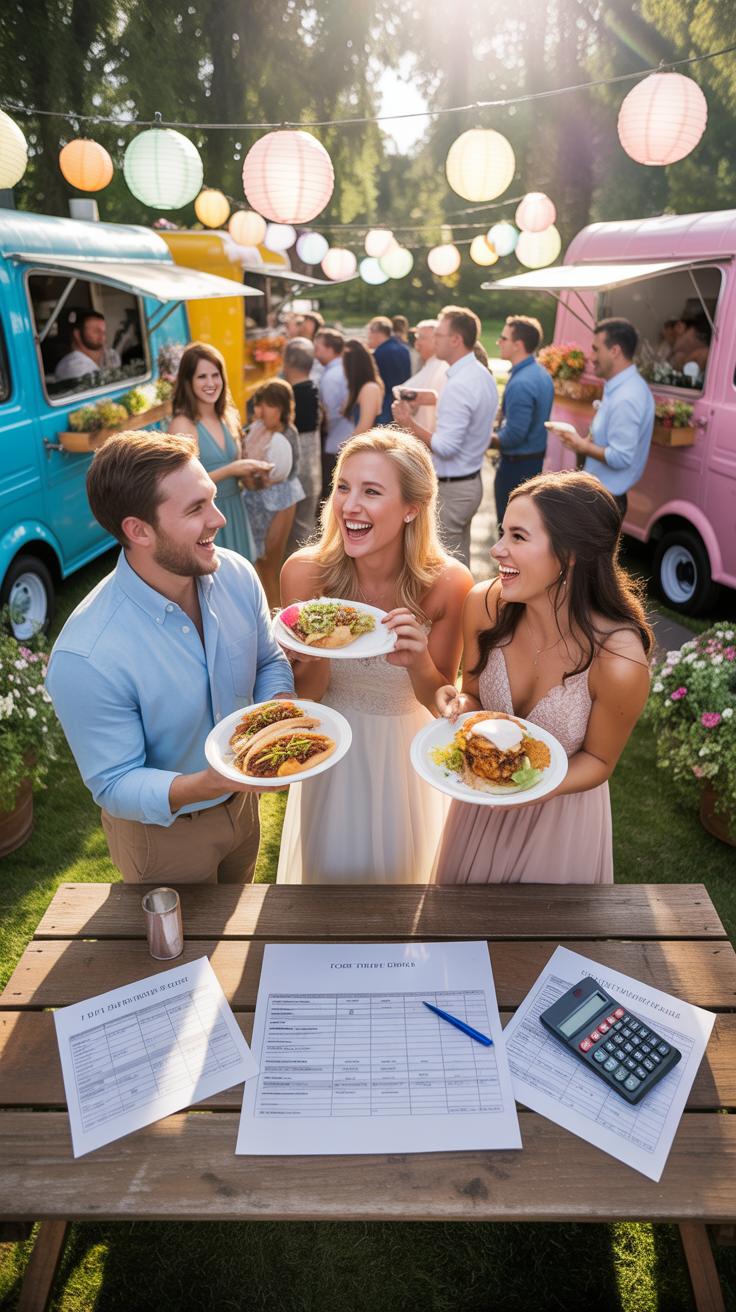
Understanding Food Truck Pricing Structures And What Is Typically Included
Food truck pricing deviates from traditional catering models. Most vendors charge a flat booking fee plus a per-person rate. This fee covers the vehicle travel and staff labor. You must account for minimum spend requirements. Truck owners set these minimums to ensure profit on weekend dates. Expect to pay for a specific number of plates even if your guest count drops.
Standard packages usually include disposable bamboo or paper service ware and basic napkins. Heavy-duty power needs often incur extra charges if the venue lacks proper hookups. You must clarify if the quote includes trash removal. Many trucks only handle waste generated at their window. Professional planners recommend budgeting an extra fifteen percent for gratuity and local sales tax to avoid total cost overruns.
Key Contract Clauses To Review Before Signing With A Food Truck Vendor
The service window duration is a critical contract element. Most agreements specify a two-hour serving period. You will pay hourly overage fees if the event runs late. Verify the arrival time for setup and internal prep. The contract must state the exact power requirements for the truck. Failure to provide the correct voltage can lead to equipment failure and no food.

Review the cancellation policy regarding inclement weather. Food trucks are mobile kitchens but have limits during extreme storms. Seek a specific clause regarding mechanical breakdowns. The vendor should provide a backup plan or refund if the truck fails to reach the venue. Check for a guaranteed headcount deadline. Most vendors require a final guest tally fourteen days before the wedding to order fresh ingredients.
Food Truck Party Ideas To Keep Guests Entertained Beyond The Meal
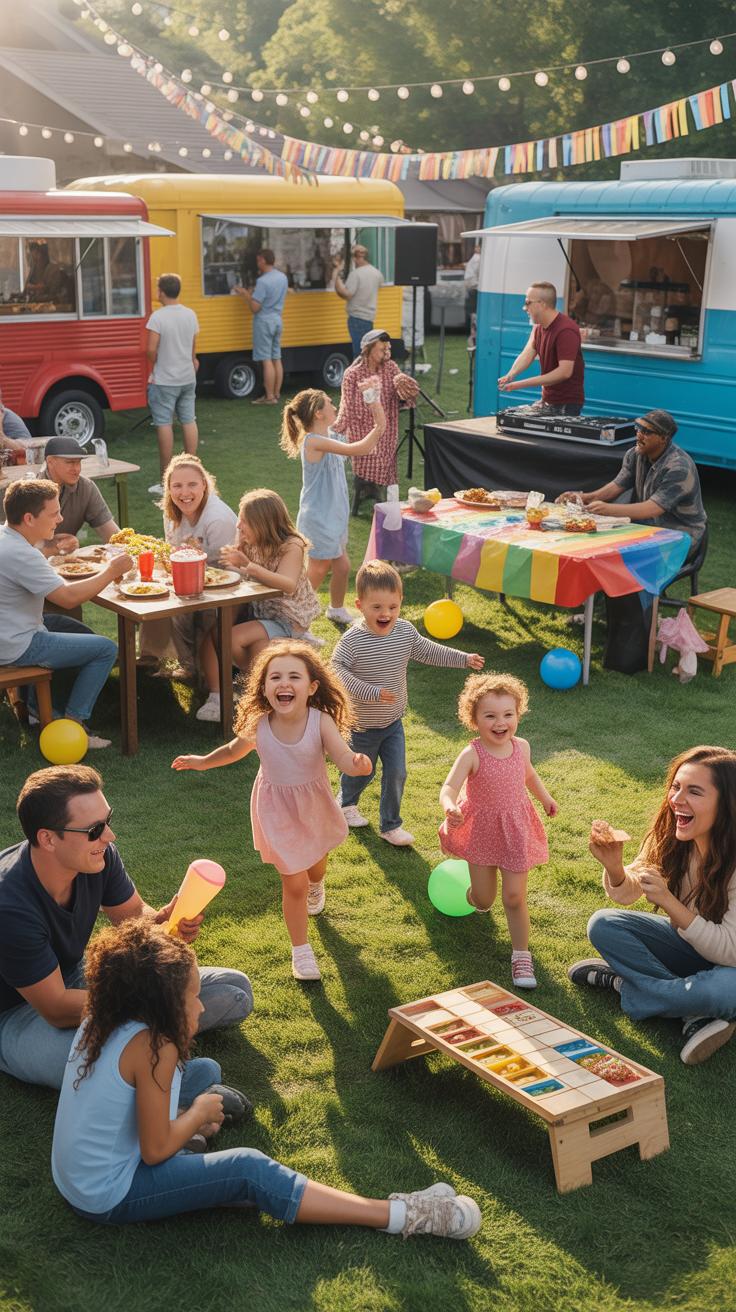
Interactive Food Stations And Late Night Snack Trucks That Extend The Celebration
Interactive food stations transform dining into entertainment. Live fire cooking or hand-pulled noodle stations capture guest attention through visual skill. These setups reduce typical buffet boredom. They create a focal point for social interaction. Guests watch the process and customize their orders. This approach removes the barrier between the kitchen and the table. It ensures the food is hot and fresh.
Late night snack trucks prevent the evening energy from dipping. Serve high carb items like sliders or street tacos after the main meal ends. This strategy keeps guests at the venue longer. It manages alcohol levels effectively. Ensure the truck parks near the dance floor or exit. Fast service is critical here. Guests want quick fuel so they can return to the party.
Dessert Trucks Cocktail Carts And Sweet Street Food Finales For Your Reception
Dessert trucks offer a mobile alternative to the traditional wedding cake. Options like churro wagons or crepe stations provide hot, made to order treats. This format allows guests to eat while standing or dancing. It eliminates the need for formal seating arrangements. Use small portions to encourage sampling. Mobile units handle high volume quickly. This keeps the reception moving without a scheduled sit down break.

Cocktail carts provide a specialized bar experience. These units move through the crowd to prevent bar lines. Focus on one or two signature drinks to maintain speed. Use vintage trailers or converted bikes for visual impact. This tactical choice balances the floor plan. It stops congestion in the main bar area. Professional staff manage the flow. They ensure consistent quality and fast delivery to every guest.
Frequently Asked Questions

What exactly is a street food wedding reception?
A street food wedding reception is a modern, relaxed alternative to traditional sit-down dinners. Instead of a formal three-course meal, couples serve diverse dishes from food trucks, stalls, or kiosks. This style reflects a love for travel and adventure, allowing guests to mingle freely while sampling gourmet tacos, bao buns, or wood-fired pizzas. It creates a vibrant, festival-style atmosphere that prioritizes social interaction and culinary variety over stiff formality.
How do you manage logistics for a street food wedding reception?
Planning a street food wedding reception requires careful attention to guest flow and timing. To avoid long queues, hire one truck or stall for every 50 to 75 guests and encourage “staggered” service. Ensure your venue has flat ground for trucks and adequate power sources. Providing plenty of high-top bistro tables and comfortable lounge seating allows guests to enjoy their handheld street eats easily without needing a formal place setting.
Is a street food menu more budget-friendly than traditional catering?
Generally, opting for street food can be more cost-effective because it reduces the need for extensive waitstaff and expensive tableware rentals. While premium ingredients still carry a cost, the overhead is typically lower than a plated ballroom meal. This approach allows adventurous couples to allocate more of their budget toward unique food options or personalized decor, making a high-quality culinary experience accessible for those planning a celebration on a tighter budget.