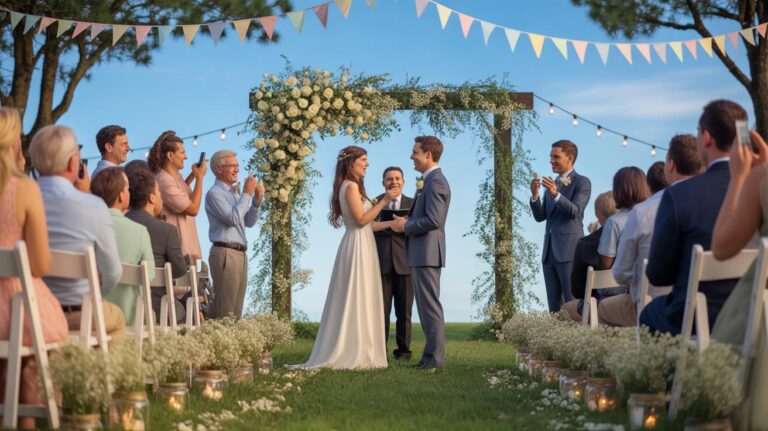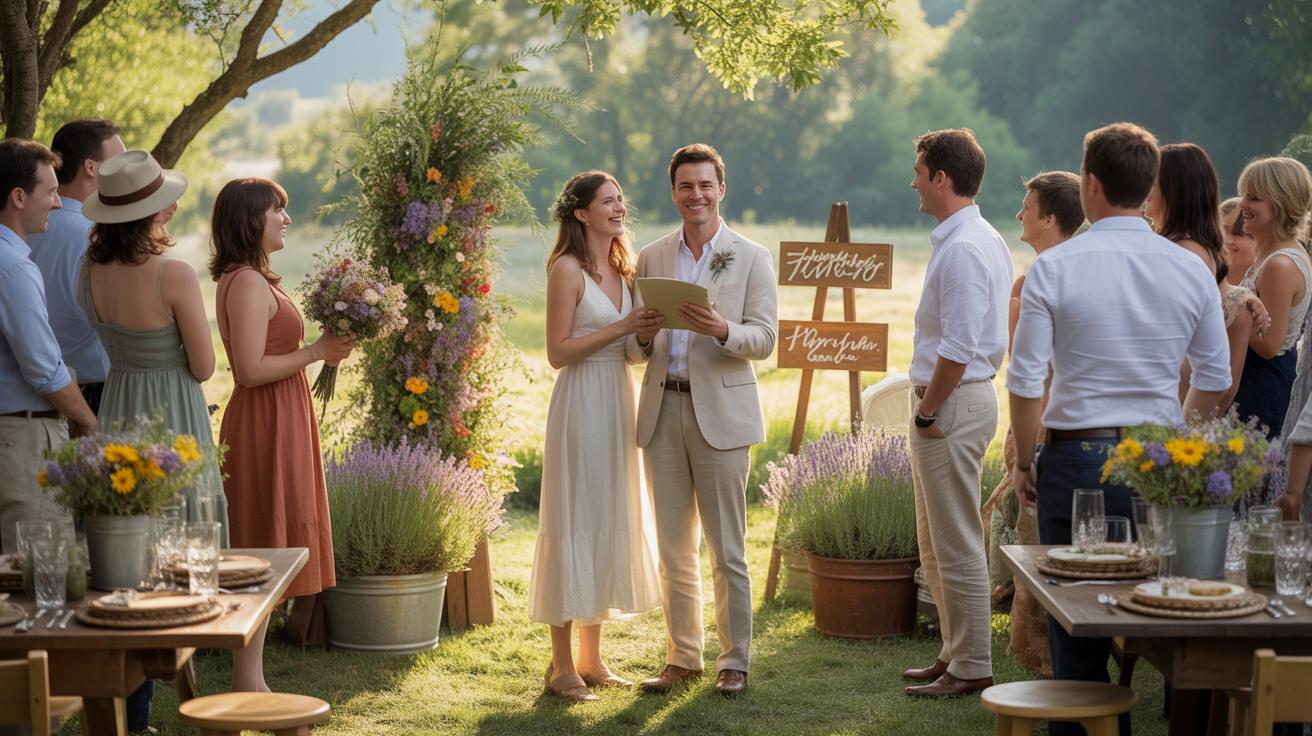
Why This Couple Chose A Zero Waste Wedding Over A Traditional One
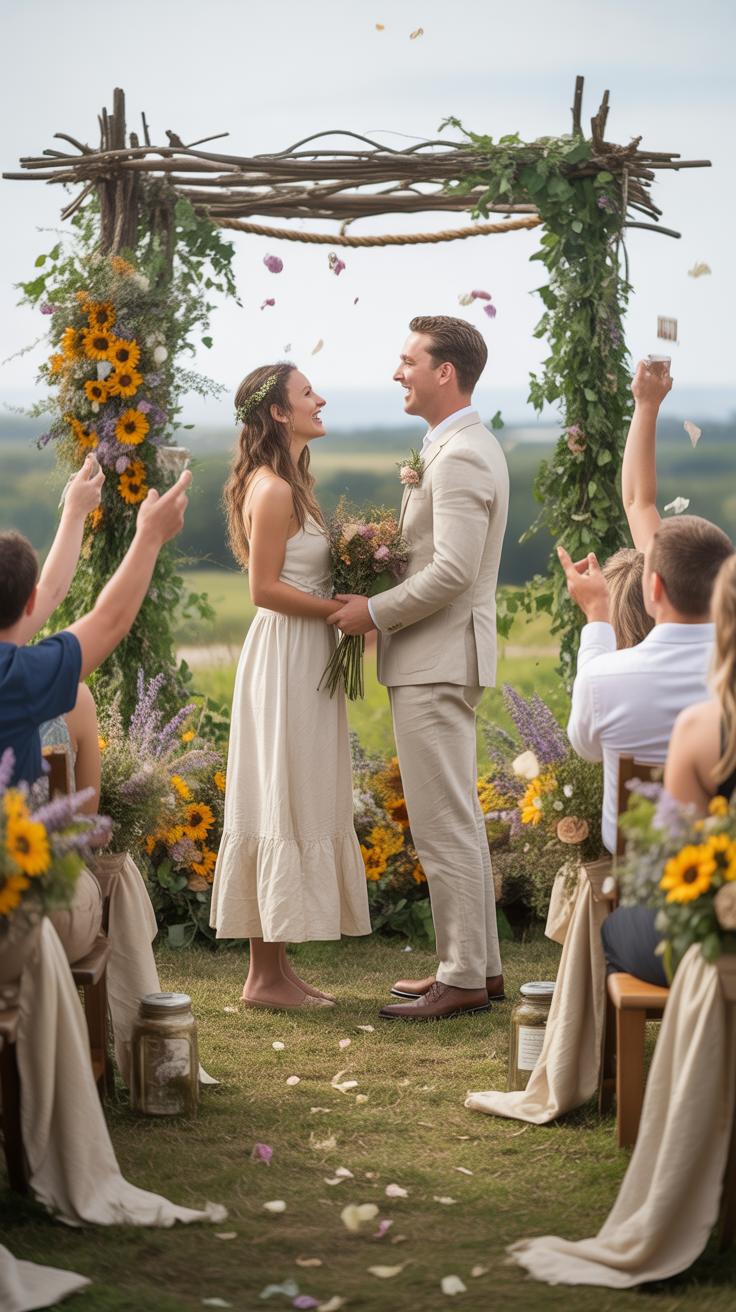
The Environmental Wake Up Call That Changed Their Wedding Plans
The couple researched the standard wedding industry and found alarming data. A single wedding creates an average of four hundred pounds of trash and sixty tons of carbon dioxide. These numbers shocked them. They realized their one day of celebration would leave a massive footprint. They decided they could not justify this level of waste. Their personal values required a drastic shift in planning priorities.
Traditional weddings rely heavily on single use items. This includes plastic favors and disposable dinnerware. It also includes chemical soaked flowers and paper invites that end up in landfills. The couple saw these items as unnecessary costs and pollutants. They chose to reject the standard industry model. They prioritized the planet over convenience. This choice forced them to find creative and sustainable alternatives for every detail.
Setting A Clear Intention What Zero Waste Actually Meant For Them
For this couple zero waste did not mean absolute perfection. It meant sending nothing to a landfill. They focused on a circular economy model. They prioritized items they could compost or recycle easily. They also focused on the hierarchy of refuse. This means they chose to refuse and reduce before they even considered recycling. Their strategy focused on local sourcing and second hand materials to lower emissions.
Clear goals kept the budget under six thousand dollars. They avoided the markup on new luxury items. They used digital communication to save paper and postage costs. Every purchase had to serve a future purpose or biodegrade. They tracked the lifecycle of every material brought onto the site. This tactical approach eliminated the typical stress of wedding logistics. It also proved that sustainability and affordability work well together.

How They Built A Realistic Budget For A Waste Free Wedding Under 6000
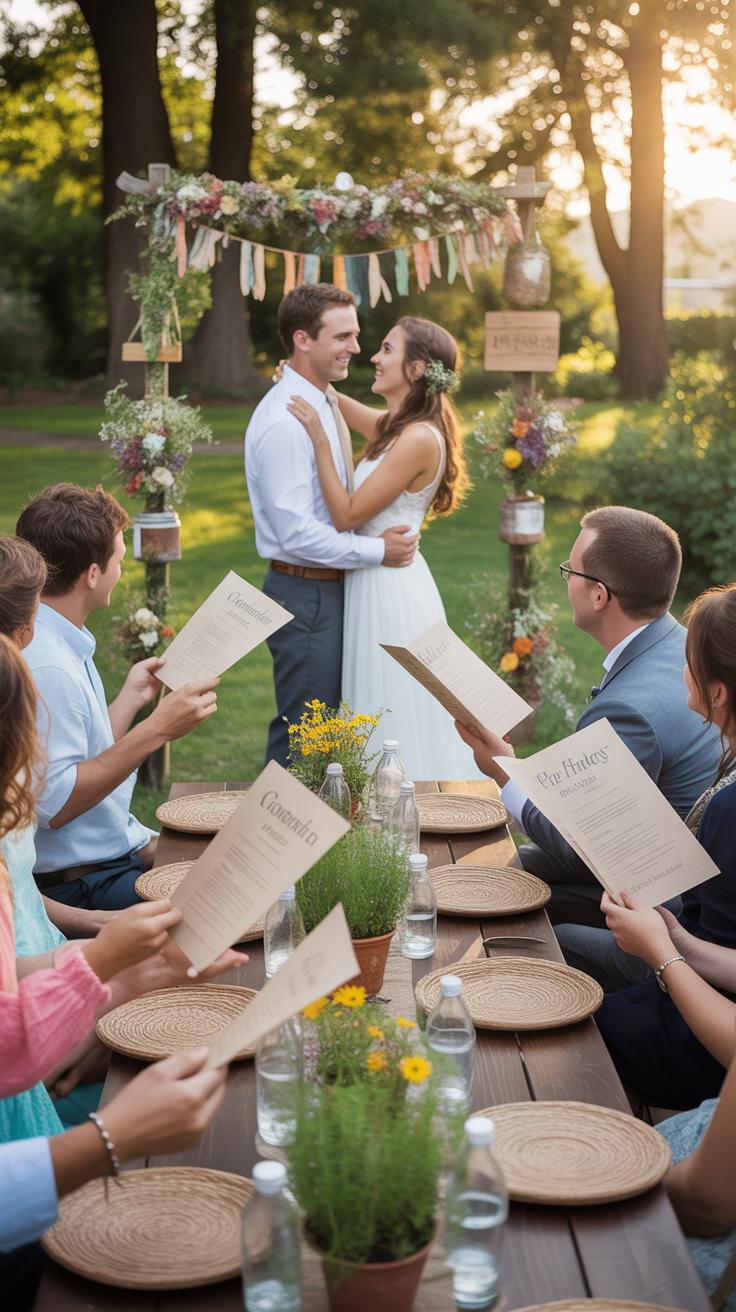
Breaking Down The $6000 Budget: Where Every Dollar Actually Went
The couple allocated forty percent of the budget to a local organic farm venue. This fee covered both the ceremony site and the reception space. They spent fifteen hundred dollars on catering, focusing on seasonal plant-based platters. This choice reduced carbon emissions and eliminated expensive meat sourcing. Bulk purchasing through a local cooperative kept food costs low while ensuring high quality for every guest.
The remaining funds supported thrifted attire and digital logistics. They spent three hundred dollars on a pre-owned vintage gown and a used suit. One thousand dollars went toward a professional photographer who specialized in natural lighting. They bypassed physical invitations entirely to save five hundred dollars in printing and postage. Small fees for compostable rentals and bulk beverage bins rounded out the final financial tally.
The Budget Decisions That Saved The Most Money Without Sacrificing Style
Opting for a Sunday morning timeline slashed venue costs by half. Traditional Saturday night events carry a heavy premium in the wedding industry. By hosting a brunch, they avoided the need for a full open bar. They served local cider and coffee in reusable glassware instead. This shift focused the budget on food quality rather than alcohol volume. Minimalist decor relied on the natural landscape.

They leveraged the communal economy by borrowing items instead of buying new. Friends provided speakers for music and glass jars for lighting. This eliminated the three thousand dollar average spent on floral arrangements and professional lighting kits. They used potted herbs as centerpieces which guests took home to plant. This method ensured zero floral waste and provided functional favors at a fraction of the standard retail cost.
Low Waste Wedding Ideas They Used For Invitations And Guest Communication
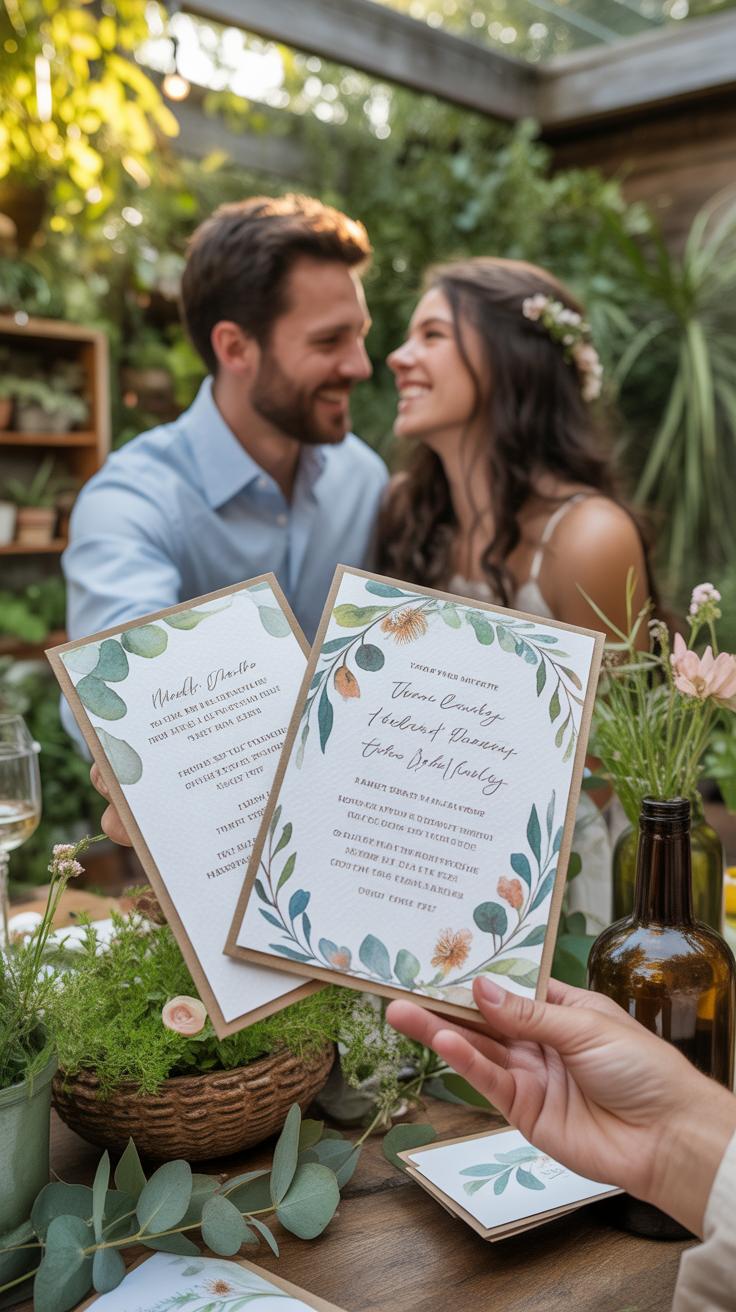
Going Digital: How They Replaced Paper Invites Without Losing The Personal Touch
The couple eliminated paper waste by using digital invitation platforms. They chose tools that offered tracking and automated reminders. This move saved hundreds of dollars on postage and printing. Most guests already use email daily. Digital invites allow for instant updates if wedding details change. Using high resolution graphics ensures the design looks professional on mobile screens and desktop monitors.
They added a personal touch by filming a short video message for the landing page. This replaced the traditional handwritten note. They used a simple website builder to host the RSVP form. This system gathered dietary needs and song requests into one spreadsheet. Digital methods prevent the carbon emissions from transporting physical mail. It also stops paper from ending up in local landfills.
Seed Paper And Recycled Alternatives For Guests Who Wanted Something Physical
A small group of older relatives lacked digital access. The couple printed a limited run of cards using post-consumer waste paper. They skipped glossy coatings and foil stamps. These additions make paper non-recyclable. Instead, they used soy based inks for clear text. This choice follows the principles of circular design. It ensures the materials can return to the earth or the recycling stream.

Plantable seed paper served as the primary physical alternative. This material contains wildflower seeds embedded in the pulp. Guests can bury the paper in soil after the event. The paper biodegrades while the flowers grow. This method turns a potential waste product into a habitat for pollinators. It provides a tactile experience without creating a permanent footprint. This strategy honors tradition while maintaining strict environmental standards.
Eco Friendly Wedding Ideas For Flowers DCor And Venue Styling
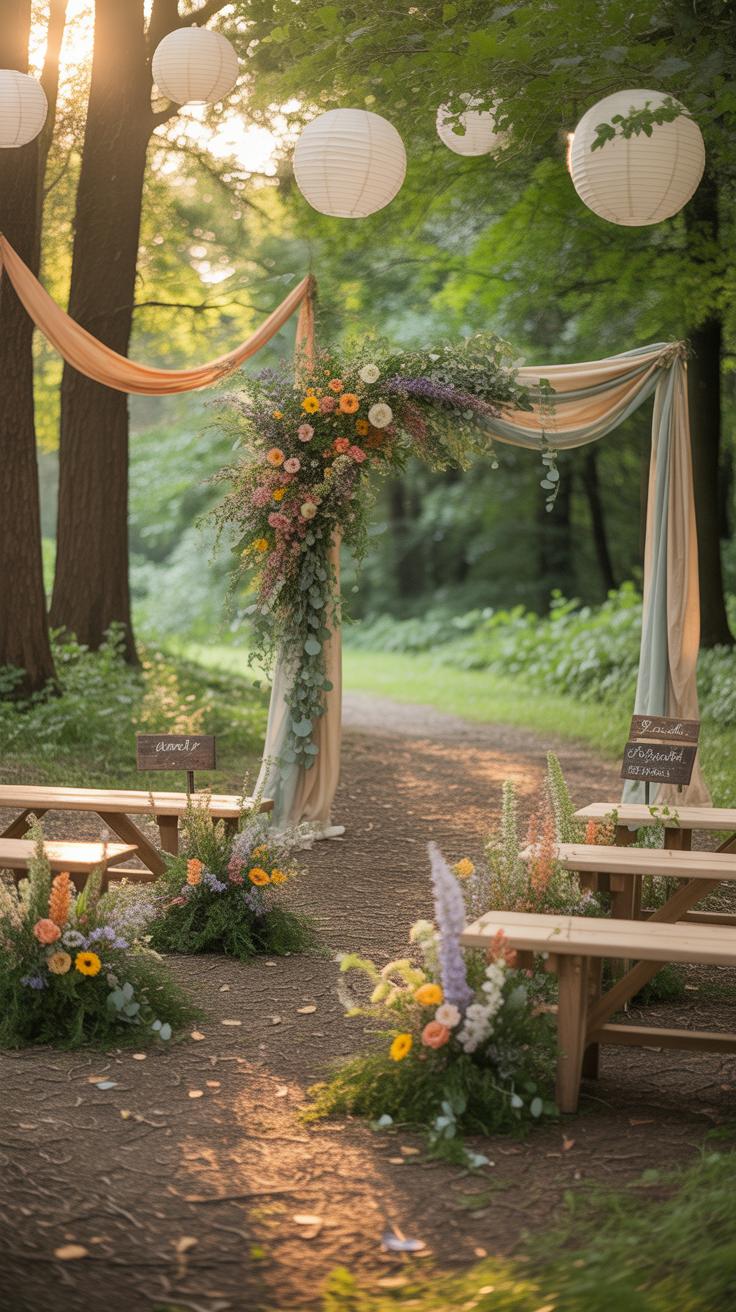
Choosing Locally Grown And Seasonal Flowers To Reduce Carbon Footprint
Traditional wedding flowers often travel thousands of miles in refrigerated planes and trucks. This process creates high carbon emissions and relies on heavy pesticide use. To achieve a zero waste wedding, source blooms from local flower farms. This strategy ensures your money stays in the local economy. It also guarantees your flowers are fresh. Fresh flowers last longer without chemical preservatives or plastic floral foam.
Skip the roses in winter if you live in a cold climate. Use what grows naturally during your wedding month. Seasonal sourcing eliminates the need for energy intensive greenhouses. If flowers are not in season, consider using dried arrangements or potted plants. You can replant these or give them to guests after the event. This tactic removes the concept of single use beauty and prevents landfill waste.
True love does not cost the earth, nor does it require a fortune to flourish. When we choose to live simply, we find that the most beautiful memories are those that leave behind nothing but joy.
Borrowing, Renting, And Repurposing DéCor Instead Of Buying New
Buying new décor for a one day event creates massive waste. Most mass produced wedding items consist of cheap plastic and synthetic fabrics. These materials do not biodegrade. Smart planners use the circular economy by borrowing items from friends or family. Rental companies also offer high quality glass, wood, and metal pieces. Renting keeps items in use for years. It prevents the post wedding clutter common in traditional ceremonies.

Repurpose items from the ceremony for the reception to save money and resources. Move chair markers to the head table. Use ceremony backdrops as photo booth stations. Focus on natural materials like stone, wood, and metal. These items have a high resale value or are easy to recycle. Avoid glitter, sequins, and balloons. These products contain microplastics that harm the environment. Stick to durable goods that serve multiple purposes throughout the day.
Sustainable Wedding Catering How They Fed 80 Guests With Almost No Food Waste
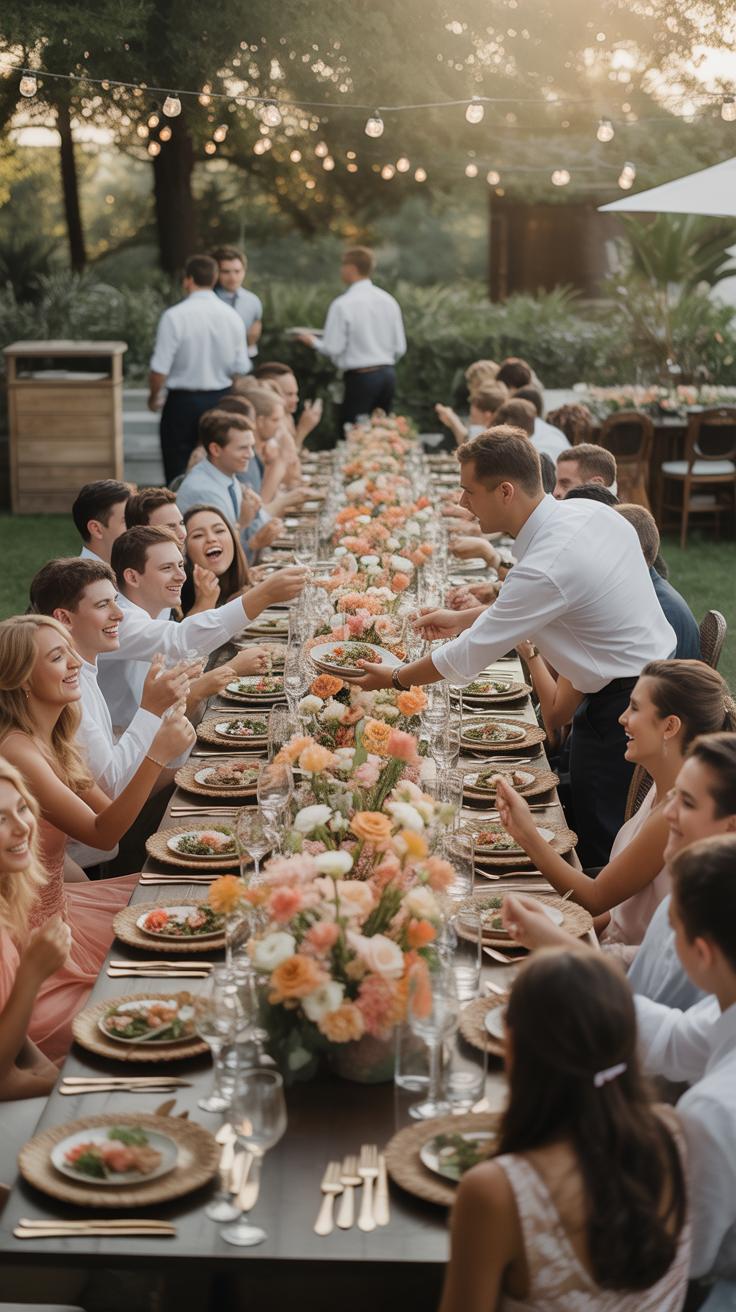
Working With A Caterer Who Composted Scraps And Used Reusable Servingware
The couple selected a local farm-to-table caterer willing to manage back-of-house waste. This vendor prioritized bulk procurement to eliminate individual plastic packaging. They processed all vegetable peelings and protein scraps in an on-site industrial compost bin. This step prevented organic matter from entering landfills where it produces methane. The strategy required clear contract clauses regarding waste diversion goals and precise guest counts to prevent overproduction.
To eliminate disposable waste, the couple rented ceramic plates, glass tumblers, and stainless steel cutlery. They avoided paper napkins and chose cloth linens that the rental company laundered for reuse. Using real dishware saved money otherwise spent on high-end disposables. It also ensured the event generated zero trash from the dining service. This tactical choice forced the kitchen to focus on efficient washing cycles rather than piling up garbage bags.
Donating Leftover Food After The Reception Through A Local Food Bank Partnership
Planning for surplus food started three months before the wedding day. The couple contacted a local food rescue organization to understand health safety protocols. They verified that prepared dishes could be donated if kept at specific temperatures. The caterer agreed to pack leftovers in clean, reusable containers immediately after the buffet ended. This proactive coordination ensured that perfectly good meals reached people in need instead of the trash.

Safety regulations often discourage food donation, so the couple used a professional third-party service for transport. This partner provided the necessary liability protection under the Bill Emerson Good Samaritan Food Donation Act. By mapping out the logistics early, they moved ten gallons of high-quality food to a shelter within two hours. This step closed the loop on the zero waste wedding real story by providing a social benefit from the surplus.
Eco Friendly Wedding Supplies They Sourced And What To Look For
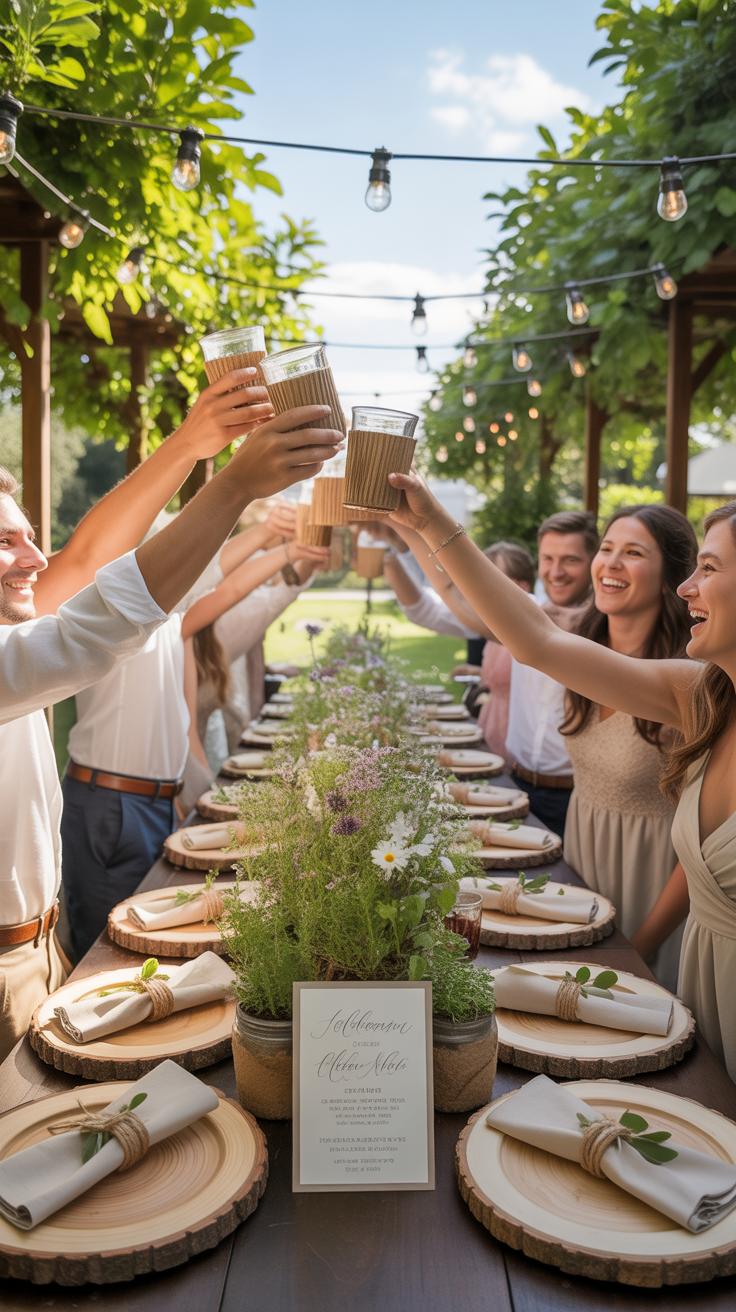
What Made A Supply Truly Eco Friendly: Compostable, Recycled, Or Reusable
True eco-friendly supplies must follow a strict lifecycle hierarchy. This couple prioritized items that already existed. Reusable goods beat single-use items every time because they stay out of landfills. If an item was new, it had to be made from high post-consumer recycled content. This reduces the need for raw material extraction. They ignored greenwashed marketing and checked for third-party certifications on all bulk paper products.
Biodegradability is a trap if items end up in a landfill. Landfills lack the oxygen needed for organic matter to break down safely. This couple chose compostable items only when they had a guaranteed industrial composting facility nearby. They focused on materials like untreated wood, cotton, and linen. These materials return to the earth without leaving microplastics or toxic chemicals behind. Practicality drove every sourcing decision they made.
The Specific Eco Friendly Wedding Supplies This Couple Used From Ceremony To Send Off
The couple avoided the typical bridal supply chain to keep costs under $6000. They looked for high-quality goods at thrift stores and online marketplaces. By choosing used items, they eliminated manufacturing waste and packaging. They focused on functional pieces that served multiple roles during the day. This list shows the exact supplies they used to maintain a zero waste profile from start to finish.
- Thrifted Glassware: They sourced mismatched wine glasses and tumblers from local charity shops. This approach eliminated the need for plastic cups. Guests used one glass all night. The couple resold or donated the glasses after the event ended.
- Seed Paper Invitations: The couple used paper embedded with wildflower seeds for their physical invites. Guests planted the paper in soil instead of throwing it away. This turned a traditional waste product into a source of local pollinator habitat.
- Bulk Beeswax Candles: They avoided paraffin candles which are petroleum-based. Beeswax burns cleaner and lasts longer. They bought these in bulk from a local apiary to reduce shipping emissions and support regional agriculture. This provided natural light and scent.
- Linen Napkins: They bought large lots of second-hand linen napkins. Fabric napkins create a premium feel while preventing mounds of paper waste. Linen is a durable natural fiber that becomes softer with every wash. They laundered these at home after the wedding.
- Dried Leaf Confetti: For the send-off, they used a hole punch on fallen leaves. This cost nothing and required no manufacturing. The confetti was 100 percent biodegradable and disappeared into the ground after the first rain. It caused zero harm to the local ecosystem.

For all other needs, they rented from local vendors. Renting is a core pillar of a zero waste wedding real story. It ensures high-value items like tables and chairs remain in a circular economy. They avoided buying cheap decorations that would only see one day of use. This strategy kept their budget low and their environmental impact nearly zero. Every logistical choice favored long-term utility over short-term convenience.
Eco Friendly Wedding Tips For The Attire Rings And Personal Styling
Choosing A Pre Loved Wedding Dress And Suit To Avoid Fast Fashion Waste
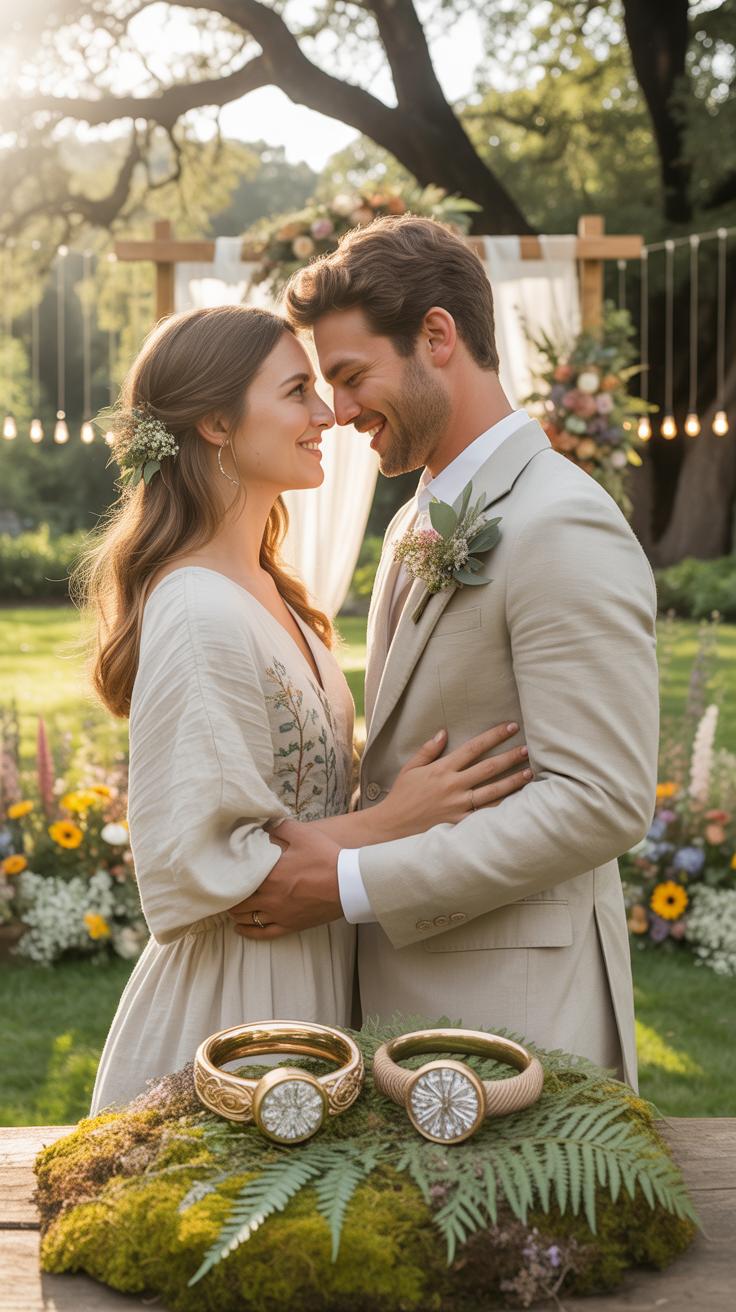
New bridal wear generates massive textile waste. Most gowns use polyester, which is plastic. These garments take hundreds of years to decompose in landfills. Buying second-hand stops this cycle. Look for shops like Stillwhite or Worthy. These platforms offer designer gowns at half the price. You save money and prevent new production. Vintage stores also offer unique styles from better eras of construction.
Tailoring is your best tactical move for suits. Buy a high-quality used wool suit instead of a cheap synthetic one. Wool is a natural fiber and lasts longer. A local tailor can fix the fit for a small fee. This approach keeps your budget under six thousand dollars. You get a custom look without supporting fast fashion. Choose timeless cuts so you can wear the suit again.
Opting For Ethical And Recycled Metal Rings As A No Waste Wedding Statement
Traditional gold mining destroys ecosystems. It uses toxic chemicals like cyanide and mercury. These poisons leak into groundwater. Recycled gold is a cleaner alternative. It comes from old jewelry or industrial scraps. It has the same purity as newly mined ore. Jewelers like Catbird or Brilliant Earth specialize in these materials. This choice ensures your ring does not contribute to new environmental damage.

Lab-grown diamonds and moissanite are smart choices for stones. These gems have the same physical properties as mined diamonds. They cost significantly less and carry no human rights baggage. Seek out certified B-Corp jewelers for total transparency. Heirloom rings are even better. They require zero new resources. Using a family ring honors history while keeping your wedding waste at zero. This strategy protects both the planet and your wallet.
Lessons Learned And Low Waste Wedding Advice From The Couple Themselves
What Went Smoothly, What They Would Change, And What Surprised Them Most
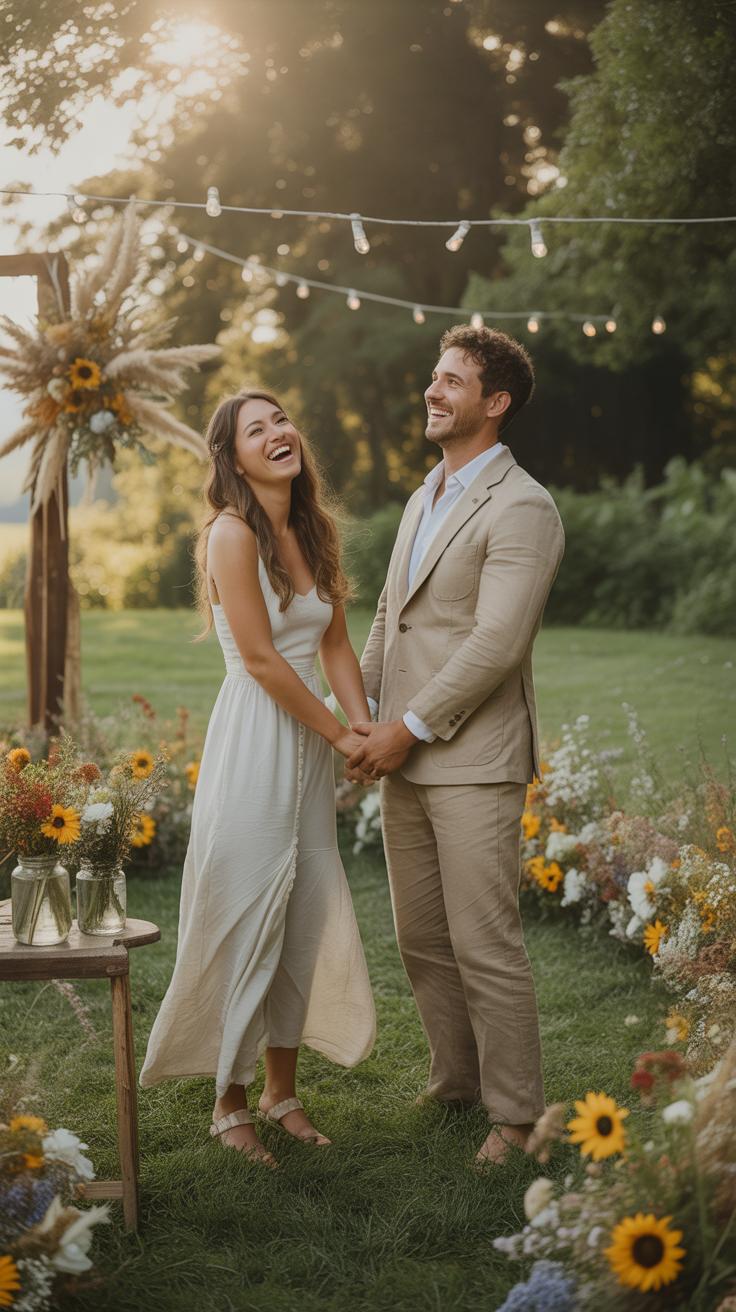
The couple found that digital invitations and a simple venue saved the most time and money. Communication with vendors remained the biggest hurdle throughout the process. Most professional caterers defaulted to plastic wrap and disposables out of habit. The couple had to enforce strict rules on packaging before deliveries arrived. Their commitment to a compostable event actually simplified several logistical decisions during the final weeks.
They would change their approach to guest gift bags next time. Many guests left those items behind because they did not want more physical stuff. This created unexpected clutter. The couple felt surprised by how many guests appreciated the minimal decor. People focused on the conversation rather than the centerpieces. Most guests did not notice the absence of traditional party favors until the night ended.
Their Top Actionable Tips For Couples Planning A Low Waste Wedding Today
Planning a sustainable event requires you to vet every supplier before signing a contract. You must demand transparency regarding their disposal methods and packaging materials. Do not assume a vendor knows what zero waste means. Use specific language like no plastic film or no single-use containers. This clarity prevents waste from entering the venue site in the first place.
- Rent or Borrow Everything: Avoid buying new items for a one-day event. Use local rental companies for plates, chairs, and linens to eliminate shipping waste. Borrowing glass jars from neighbors creates a unique look for zero cost and zero environmental impact.
- Digital Guest Management: Eliminate paper trails by using a website for RSVPs and details. Digital systems track dietary needs more accurately than handwritten cards. This reduces printing costs and saves on postage while keeping all wedding data in one central digital location.
- Bulk Food Sourcing: Order food in bulk to reduce the ratio of packaging to product. Work with local farmers or wholesalers who allow you to return crates or bins. This tactic cuts down on cardboard waste and often lowers the total food budget significantly.
- Compost and Recycle Stations: Label bins clearly so guests do not contaminate the streams. Hire a dedicated team or ask friends to monitor the stations during the reception. Proper sorting ensures that your organic waste actually reaches a composting facility instead of a landfill.
- Edible or Plantable Decor: Use potted plants or seasonal fruits for table displays instead of cut flowers. Guests can take these items home to grow or eat. This strategy eliminates the high carbon footprint and chemical waste associated with the commercial floral industry.

Focus on the guest experience rather than physical objects. Most wedding trash comes from cheap decorations and half-eaten food served on plastic. Scale back the menu to high-quality portions to reduce plate waste. Smaller, well-executed events are easier to manage than large, plastic-filled parties. Stick to your budget by prioritizing reusable materials that have a life after the wedding ceremony ends.
Frequently Asked Questions

What exactly defines a zero waste wedding in a real-world setting?
A zero waste wedding focuses on eliminating trash by opting for reusable, compostable, or recyclable materials. It involves rethinking every tradition, from digital invitations to plastic-free catering. As seen in this zero waste wedding real story, the goal isn’t necessarily absolute perfection, but rather a conscious effort to ensure that nothing from your special day ends up in a landfill, prioritizing the planet alongside your celebration.
How can we manage food and decor to minimize trash effectively?
To reduce waste, prioritize seasonal, locally sourced vegetarian menus and use cloth napkins instead of paper. For decor, browse thrift stores or rent items rather than buying new. This zero waste wedding real story highlights how using potted plants as centerpieces and composting leftover scraps can drastically lower your environmental footprint. Always coordinate with your venue beforehand to ensure they have the proper bins for recycling and organic waste.
Is it actually possible to host an eco-friendly wedding on a tight budget?
Absolutely! Sustainability often leads to savings because you are consuming less. By choosing a public park or backyard, wearing vintage attire, and DIYing your floral arrangements from wildflowers, you can keep costs incredibly low. Cutting out single-use “disposables” eliminates recurring expenses, proving that a beautiful, earth-friendly ceremony is accessible even if you have a strict budget of under $6000 for your entire event.