Introduction
Yoga Studio Design Trends And Metrics For Modern Health Spaces are essential for creating environments that promote wellness and comfort. Designing a yoga studio requires attention to detail on layout, lighting, air quality, and aesthetics. Your space should support both physical activity and mental relaxation.
This article will guide you through what makes a good yoga studio, the layout features you should consider, and cost elements to manage within your budget. It also covers how to measure your studio’s success and offers actionable tips for your design process.
Key Elements Of Yoga Studio Design
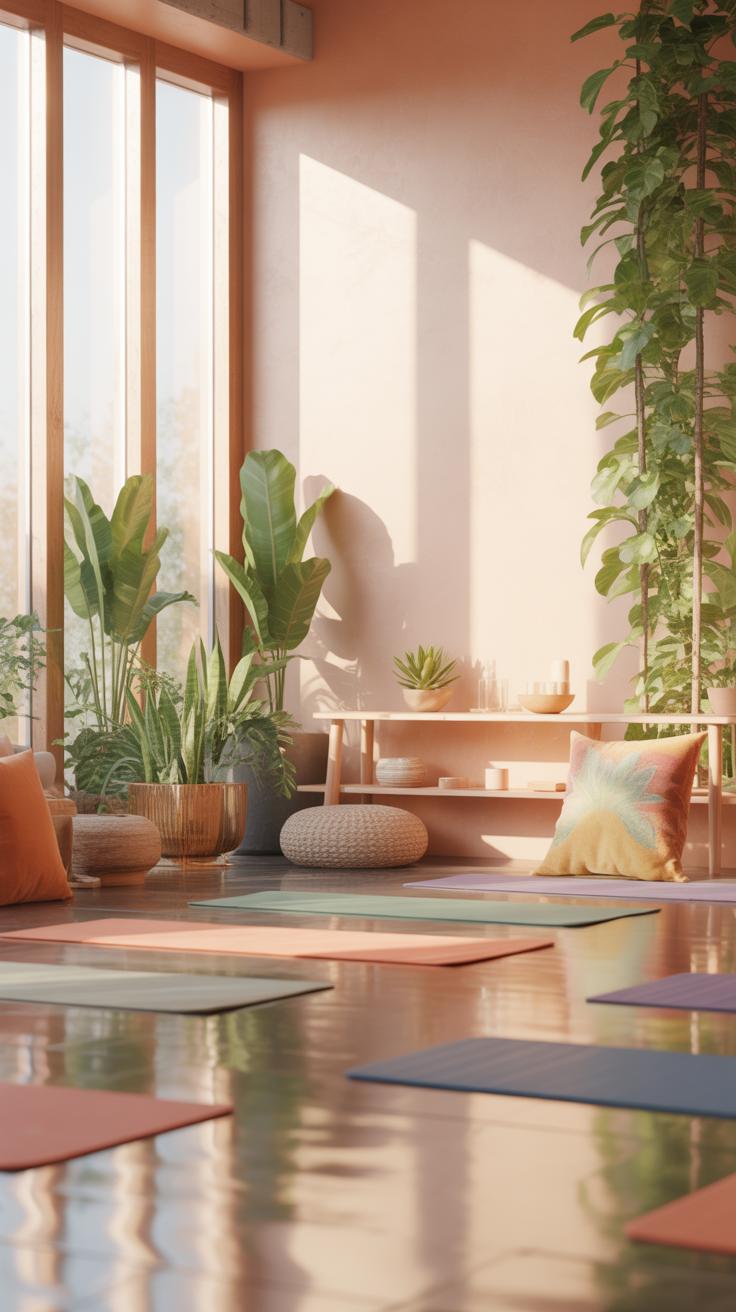
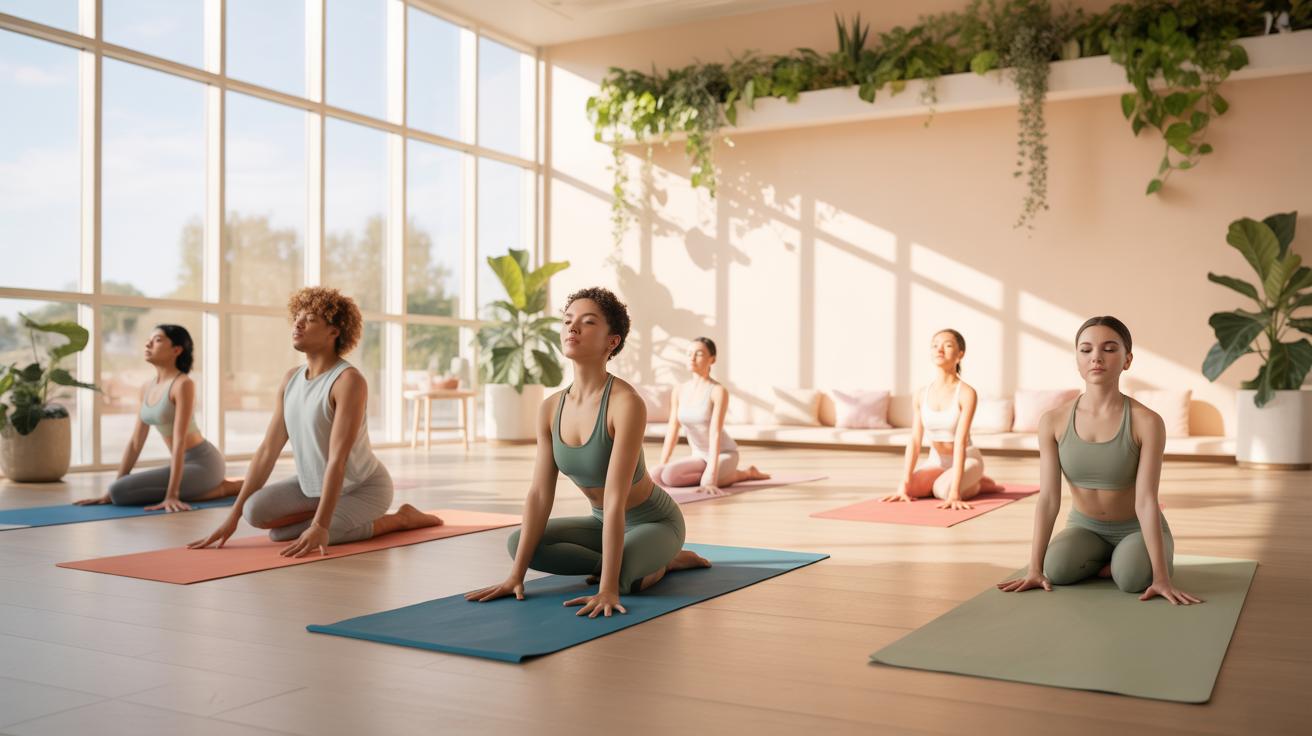
When you think about yoga studio design, the basics like space, light, air, and decor come immediately to mind. Space is crucial—you need enough room for people to stretch out without feeling cramped, but also some breathing room between mats to keep a sense of calm. It’s not just about fitting bodies but about creating a physical openness that inspires mental openness too.
Lighting plays a subtle but important role. Too harsh, and it can distract or even strain the eyes. Soft, diffused natural light works best, but adjustable lighting options help set the mood for different types of classes—from energizing morning flow to calming evening sessions.
Ventilation often gets overlooked, yet it’s vital. Proper airflow refreshes the room and keeps the atmosphere comfortable—stale or overly humid air can sap energy and make concentration harder. Decor ties it all together. You want it to feel welcoming and uncluttered without being sterile. Natural elements like plants or wooden finishes add warmth, while colors matter, too—muted, soothing tones usually work better than anything too bright or flashy.
Ultimately, these elements matter not just for function but for setting the ambiance that supports practice and peace.
Essential Features For Effective Studio Layout

Designing a yoga studio layout isn’t simply about carving out an open floor. It involves thinking through how every inch will be used and flow together. Space for movement is obvious—you need enough area for poses, transitions, and instructors to guide comfortably.

Seating might not seem like a priority, but having a dedicated area for rest or waiting creates a more inviting environment. Storage is another must-have—clutter can seriously distract, so built-in shelves or lockers for mats, blocks, and props help keep things neat.
The flow of the studio matters too. You want a layout that naturally guides people from entrance to changing areas, then into the practice space without confusion. Avoiding bottlenecks or awkward corners makes the experience smoother and more intuitive.
Think about how people enter and exit, whether there’s a reception area distinct from the practice zones, and how instructors can move freely during class. All these details make the difference between a studio that works and one that just looks good on paper.
Budget Considerations For Starting Studio Design

Starting the design of a yoga studio means grappling with budgets early on. Costs can sneak up especially if you underestimate essentials like ventilation upgrades or quality flooring suited for yoga. To manage this, start with a detailed breakdown of needs versus wants.

Allocate your budget first to structural and comfort-related elements—space, lighting, air circulation—these are non-negotiables if you want a pleasant, functional studio. After covering these, you can reserve funds for decor and extras like sound systems or specialized furniture.
Keep a buffer for unexpected expenses; even small changes add up quickly.
One trick is to phase your design. Begin with a basic setup that works well, then slowly introduce enhancements over time as the studio grows. This prevents overspending upfront and lets you adjust based on actual client preferences and usage.
So, careful planning and flexibility in budgeting can steer your design project clear of financial surprises that throw off your vision.
Creating Comfortable Atmosphere With Lighting
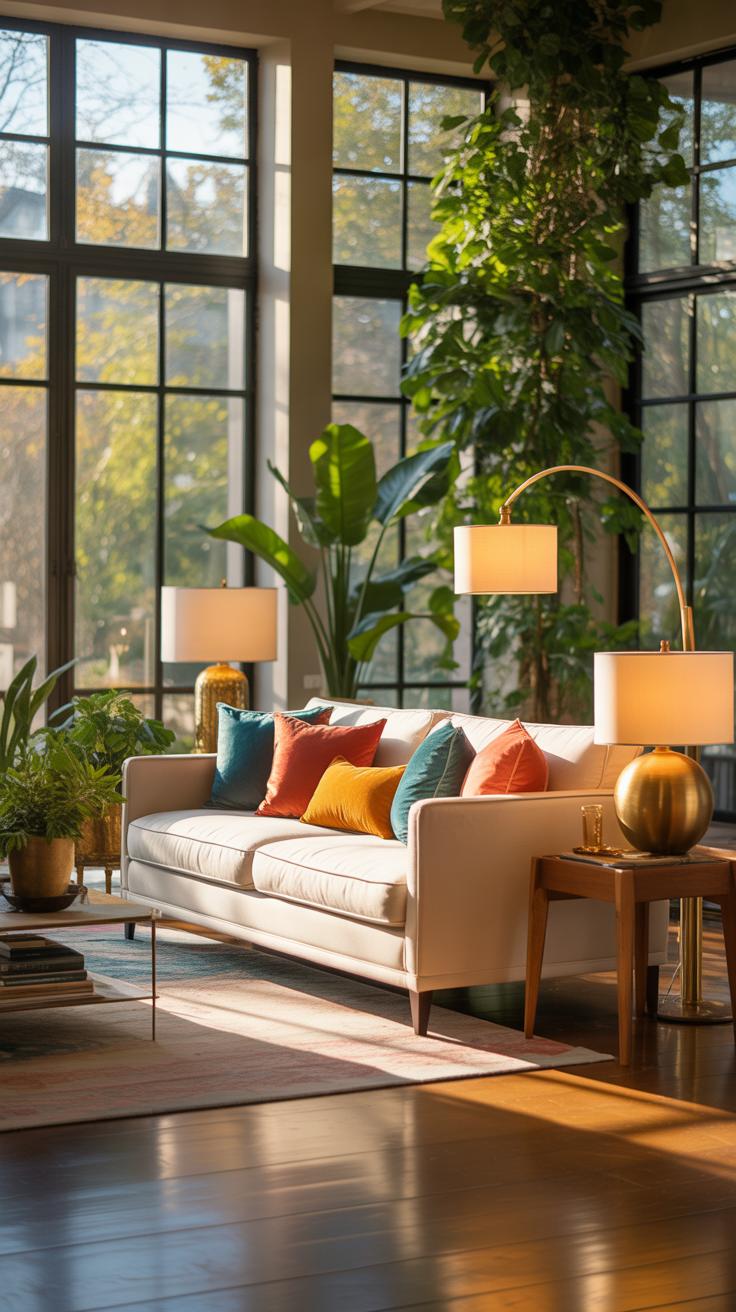
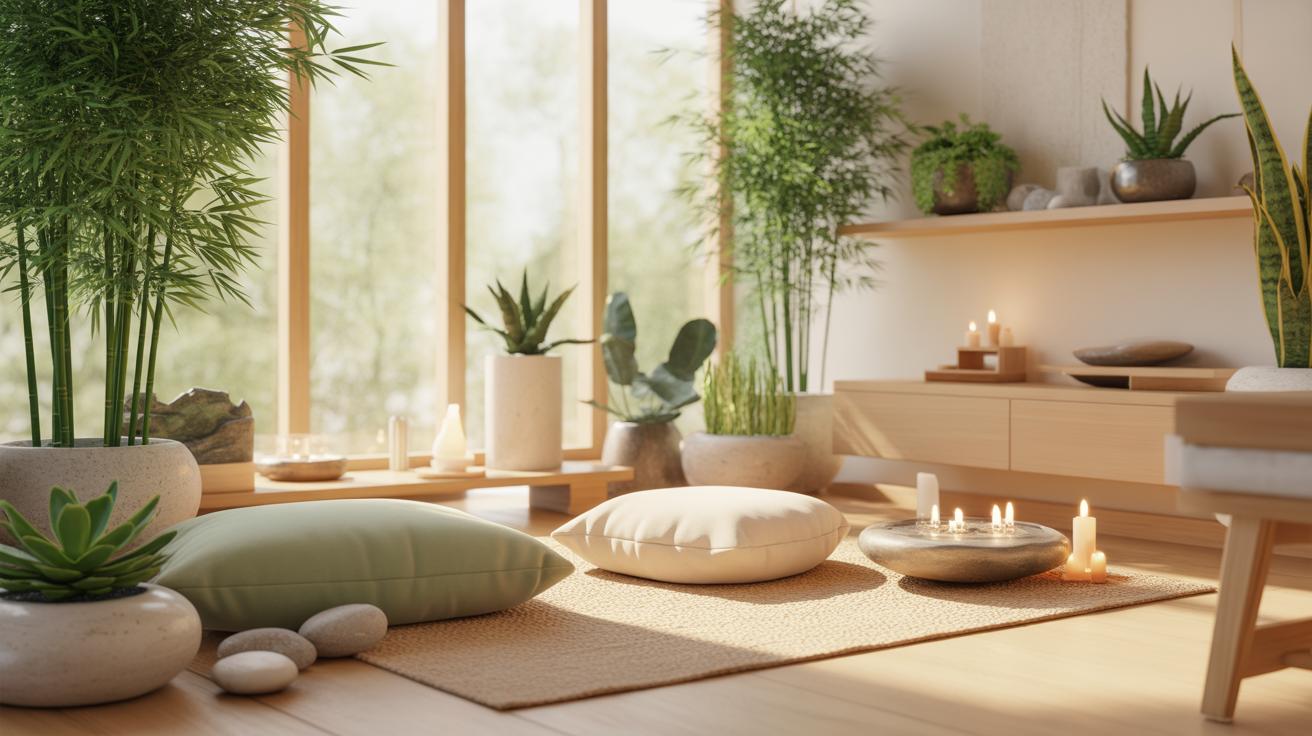
Lighting in a yoga studio isn’t just about visibility; it shapes the entire mood and influences how comfortable your practice feels. Different lighting choices impact focus, relaxation, and energy levels, which means picking the right lights can be quite the balancing act. A glaring environment can distract or tire, while dim lighting might help some relax but cause others to strain their eyes. Many studios opt for warm, soft lights that mimic natural sunlight but without harsh shadows. Sometimes, adjustable options like lamps with dimmers provide the flexibility to set the tone depending on the class or time of day.
Natural Versus Artificial Light In Studios
Natural light brings a freshness and energy that’s hard to replicate artificially. It enhances mood and leaves practitioners feeling more connected to the outside world – maybe even uplifting. But it’s not always possible to rely on sunlight alone. Clouds, changing seasons, or the studio’s location can limit it. Artificial lights, in turn, offer control and consistency, letting you tailor the studio’s ambiance regardless of time or weather. The challenge is figuring out how much natural light to invite in and how to complement it with the right artificial lighting—too much of either can feel off, and too little makes the space dull and uninspiring.
Light Positioning And Control Options
Where you place your lights matters just as much as what kind of bulbs you use. Lighting that’s too direct, say a bright ceiling light overhead, can create harsh glare and shadows. Ideally, lights should spread evenly, avoiding strong contrasts that might unsettle someone mid-pose. Indirect lighting, like lights behind frosted glass or bounced off walls, offers a gentler effect. Plus, having dimmers or adjustable lighting systems means you can easily shift the vibe—from energetic morning flows to calming evening sessions. Some studios also use smart lighting controls to pre-set scenes, making transitions smooth without interrupting the practice with manual changes.
Ensuring Air Quality And Ventilation
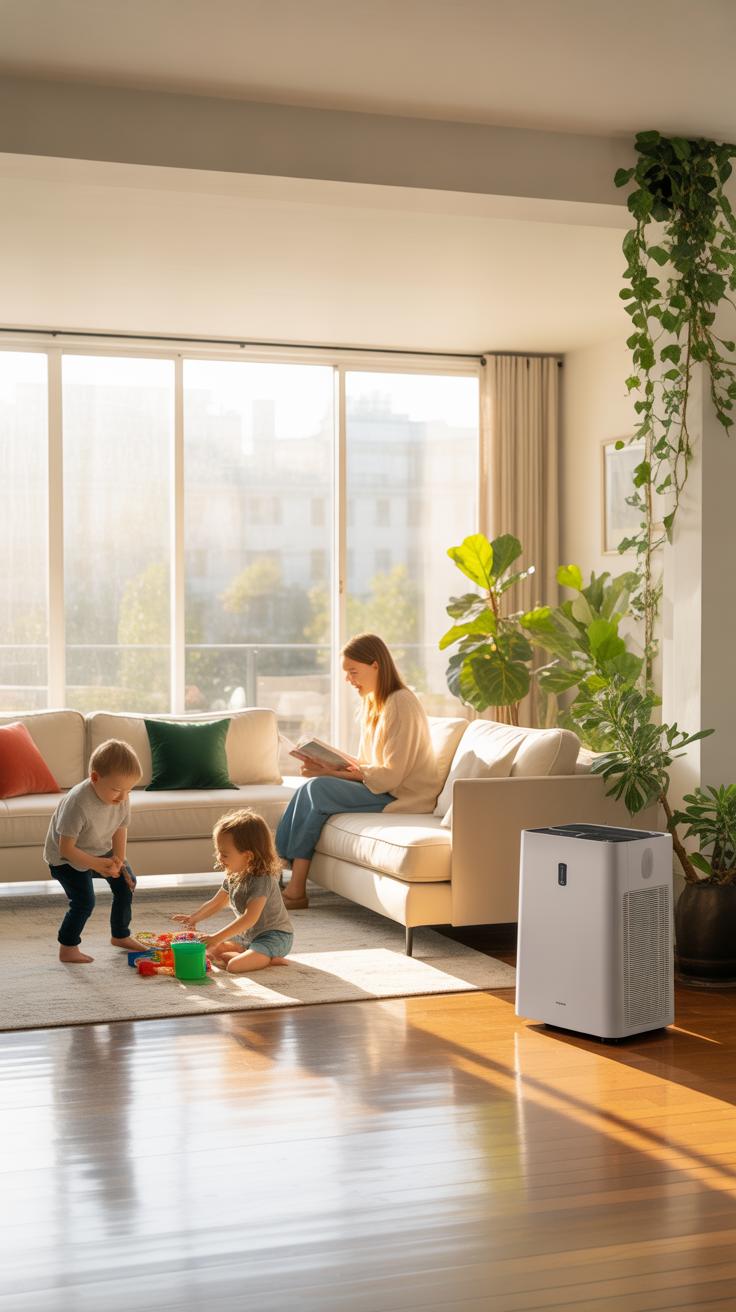
Air quality in yoga studios isn’t just a background detail—it’s a core part of the practice. Poor air can negatively affect breathing exercises and cause discomfort during sessions. You might notice headaches or fatigue if the air feels stale, which compromises the calm atmosphere every studio aims for. Yet, striking a balance with ventilation is tricky. Too much airflow can bring distracting drafts, while too little might let odors and carbon dioxide build up.
One approach is controlled natural ventilation: opening windows during breaks or at specific times to refresh the air but avoiding constant airflow that chills practitioners. Ceiling fans and strategically placed vents can help maintain gentle circulation without direct gusts. Another method involves mechanical systems designed for quiet, adjustable airflow, keeping the environment comfortable and consistent. The key is flexibility—being able to respond based on class size, outside weather, and studio layout.
Use Of Plants And Air Purifiers
Indoor plants often get praised just for aesthetics, but they can do more. Certain varieties absorb pollutants and produce oxygen, creating a fresher atmosphere. Snake plants, pothos, and peace lilies are popular choices because they’re hardy and effective. Still, there’s a question of scale—can plants alone really keep air clean in a busy studio? Probably not; they’re best paired with air purifiers.
Air purifiers equipped with HEPA filters can tackle tiny particles and allergens that plants can’t. They can reduce dust, pollen, and even some bacteria, which is a real bonus for shared spaces where people come and go. The combination of greenery and filtration creates a more inviting and health-conscious space. That said, purifiers need proper maintenance and placement to be effective—having one in a corner isn’t enough to cycle through all the air efficiently.
Ventilation Systems To Consider
When thinking about ventilation systems for yoga studios, a few options stand out. Heat recovery ventilators (HRVs) and energy recovery ventilators (ERVs) are popular because they refresh air without losing warmth or humidity, which is important for studios aiming to stay cozy. These systems exchange stale indoor air with fresh outdoor air while minimizing energy loss. It’s clever technology but can be pricey and requires professional installation.
Another alternative is demand-controlled ventilation, which adjusts airflow based on occupancy and CO2 levels—ideally suited to studios with variable class sizes. Portable fans and window exhausts work but are less precise and can affect temperature control. Whichever system you lean towards, ensuring the vents and intakes are positioned so airflow doesn’t hit practitioners directly is crucial—no one wants distracting drafts during a balance pose.
Choosing Materials For Flooring And Walls

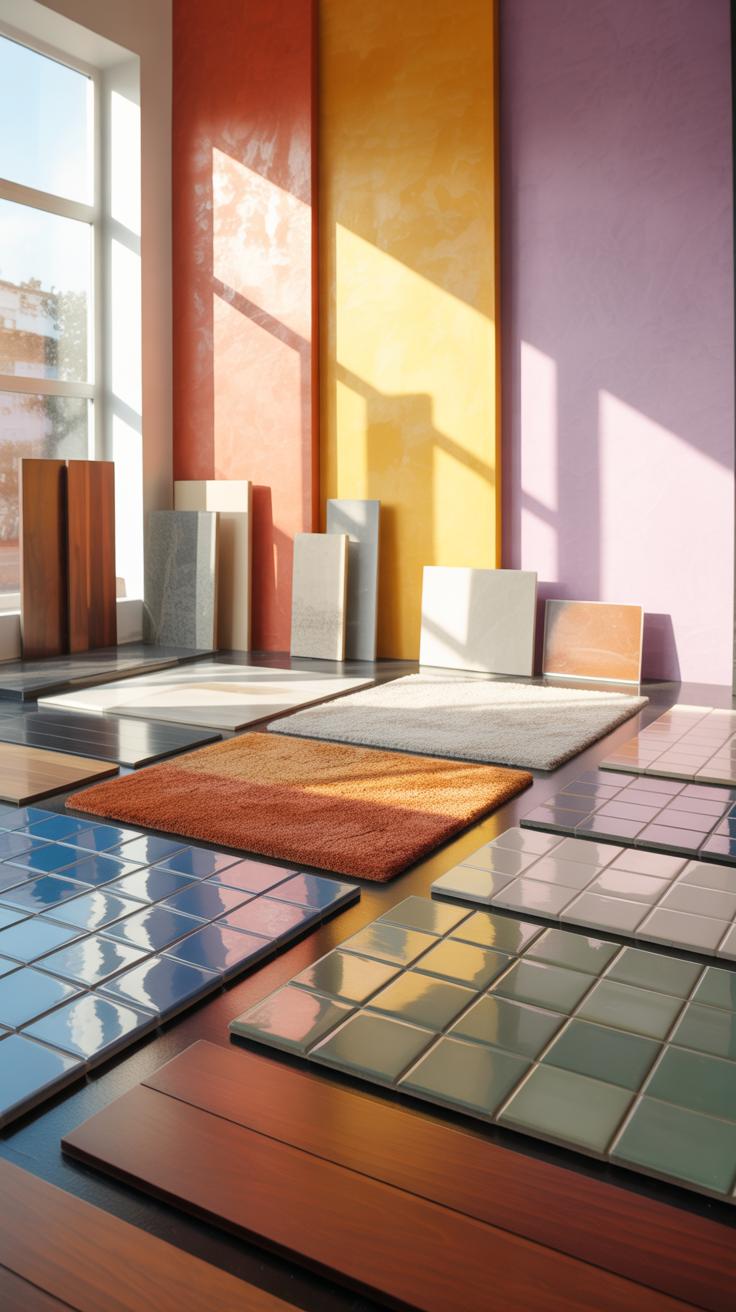
When it comes to designing a yoga studio, the materials you pick for flooring and walls really shape the experience. Floors must strike a balance between comfort and safety, especially because practitioners spend a lot of time barefoot. Comfort without sacrificing durability is key—yoga spaces get a fair bit of foot traffic and movement, after all.
Non-slip flooring is a must-have. You want something grippy enough to keep practitioners stable but not so rough it irritates the skin. Some common options include:
- Natural cork: Soft underfoot and eco-friendly, cork also has natural antimicrobial properties. It’s a bit springy, which can help joints, but it may dent under heavy use.
- Rubber: Highly slip-resistant and cushioned, rubber floors absorb impact well. They might feel a little industrial though, and some people find the scent off-putting initially.
- Bamboo or hardwood with textured finishes: These promote wobble-proof stances but can be harder on knees. Surface treatment is vital to prevent slipping.
As for walls, thoughtful choices contribute to both acoustics and mood. Quiet, peaceful spaces encourage focus—walls that absorb sound work better than bare, reflective surfaces. Materials like acoustic panels, cork, or soft wood help muffle distracting noises.
Visually, walls should invite calm without overwhelming the senses. Gentle tones, nature-inspired textures, or simple murals can add an artistic touch without diverting attention. Some studios experiment with living green walls, which boost air quality and foster relaxation, though those require upkeep.

You might wonder how much you sacrifice aesthetics for practicality. It’s a tricky balance—what feels serene to one person might feel bland or even dull to another. So, when choosing materials, consider the vibe your studio aims to foster as much as the performance characteristics.
Measuring Studio Success With Metrics

When it comes to judging how well a yoga studio is performing, relying solely on intuition falls short. You need tangible markers—key performance indicators (KPIs)—to get an honest picture. Client satisfaction remains crucial, but what does that really mean? You could measure it through regular surveys, informal chats, or even analyzing online reviews. It’s about understanding if your clients feel comfortable with the studio’s atmosphere and services.
Attendance rates offer another layer of insight. Tracking how many people show up for each class can reveal patterns—are morning sessions more popular than evening ones? This might influence everything from your schedule to how you allocate your cleaning staff. And don’t overlook space utilization: How effectively are you using all the corners of your studio? If certain areas stay empty while others crowd, you might want to reconsider your layout or class size.
It’s a bit tricky. Sometimes metrics don’t tell the full story. You might find high attendance but low overall satisfaction. What then? That’s why blending numbers with real feedback is so necessary. It’s a slow process, but tracking these elements consistently will guide your decisions and maybe spark some unexpected improvements.
Tracking Client Satisfaction And Feedback

Gathering client feedback isn’t just about handing out forms at the end of class. You might want to mix methods: anonymous surveys, suggestion boxes, and face-to-face conversations all have their place. Each approach can reveal different layers of what your clients think and feel. And responses might surprise you. For example, some might love the studio’s aesthetics but find the temperature or lighting uncomfortable.
Once you collect feedback, the challenge is turning it into action. You could prioritize changes based on frequency or intensity of comments. Maybe clients often mention that the music is too loud or the mats are too thin. Acting on these small details can elevate their experience significantly. You have to be patient though, because sometimes feedback contradicts itself; what pleases one may bother another.
Utilization Rates And Attendance Metrics
Keeping a close eye on attendance can help you spot trends that might not be obvious otherwise. For example, if a particular time slot consistently underperforms, you might need to rethink its purpose—perhaps replacing a big class with a niche workshop could draw more interest. Similarly, observing space usage helps avoid overcrowding or underuse, which impacts both safety and ambiance.
Sometimes, you might find that a lot of clients prefer to use certain parts of the studio, like near windows or away from mirrors. This information could guide rearranging equipment or furniture. It can also inform how many people your studio can comfortably serve, preventing overcrowding that can ruin the experience.
In the end, data collection isn’t about creating charts for the sake of it. It’s about listening to your space and your clients to help your studio grow—not just in numbers, but as a community hub for wellness.
Key Elements Of Yoga Studio Design
Designing a yoga studio isn’t just about picking nice colors or trendy mats, there’s a lot more that goes into creating a space that really supports practice. You want to think carefully about how the room feels, physically and emotionally. For starters, flooring needs to offer the right support and cushioning — too hard, and it can be tough on joints; too soft, and balance can suffer.
Another thing that might be overlooked is storage. It’s tempting to cram a studio with equipment, but clutter can kill the calm vibe. You need smart storage solutions that keep props handy but out of the way, so the space stays open and inviting.
Materials matter too. Natural, breathable fabrics and finishes are a safe bet over synthetic options which can trap moisture or feel cold. Reflective surfaces might seem appealing but can distract or cause glare if placed poorly.
Then there’s the general layout. You want a flexible setup that allows for different class sizes and styles, from meditation to more dynamic sequences. Think about the flow, how students move between poses, and how instructors can see and support everyone easily.
And I guess no design is perfect, so expect to tweak things after some use — what looks good on paper might work differently once you’re rolling out mats for real. It’s a balance between aesthetics, functionality, and a welcoming spirit, all in one space.
Step By Step Yoga Studio Setup Checklist
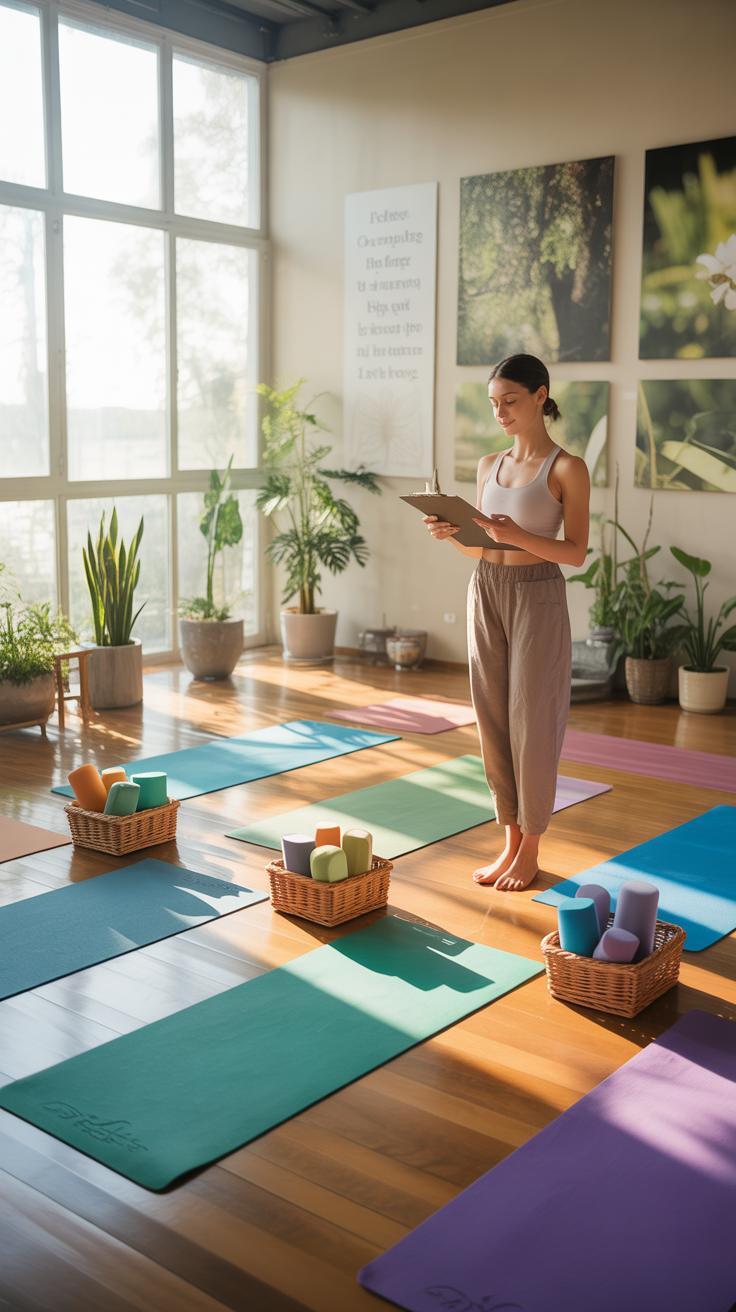
Setting up your yoga studio demands a thoughtful approach. Begin by carefully selecting a space that fits your expected number of clients and the style of yoga you intend to offer. Think about natural light, ventilation, and how noise travels—quiet is a must. Next, plan your studio’s layout with client experience in mind: sufficient space between mats, calm transition zones, areas for shoes and belongings, and clear entry and exit paths to avoid crowding.
When you plan the space, measure twice. Sounds basic, but you’d be surprised how easily a few inches can make a difference in comfort and flow. Consider clients’ comfort and movement patterns carefully; cramped spaces kill a good session vibe. Your layout should feel open yet intimate.
Once the structure is in place, focus on furnishings and finishes. Choose simple, durable furniture like storage cubbies and benches that complement your studio’s purpose. Decorate with calming colors and natural textures but keep things uncluttered—your studio isn’t a gallery, after all. Lighting should be adjustable; dim for meditation, bright enough for more active classes. Small touches, like welcoming plants or delicate scents, can make a surprising difference, but don’t overdo it. The aim? A functional sanctuary that invites clients in, encourages relaxation, and supports their practice without distractions.
Real World Yoga Studio Design Examples
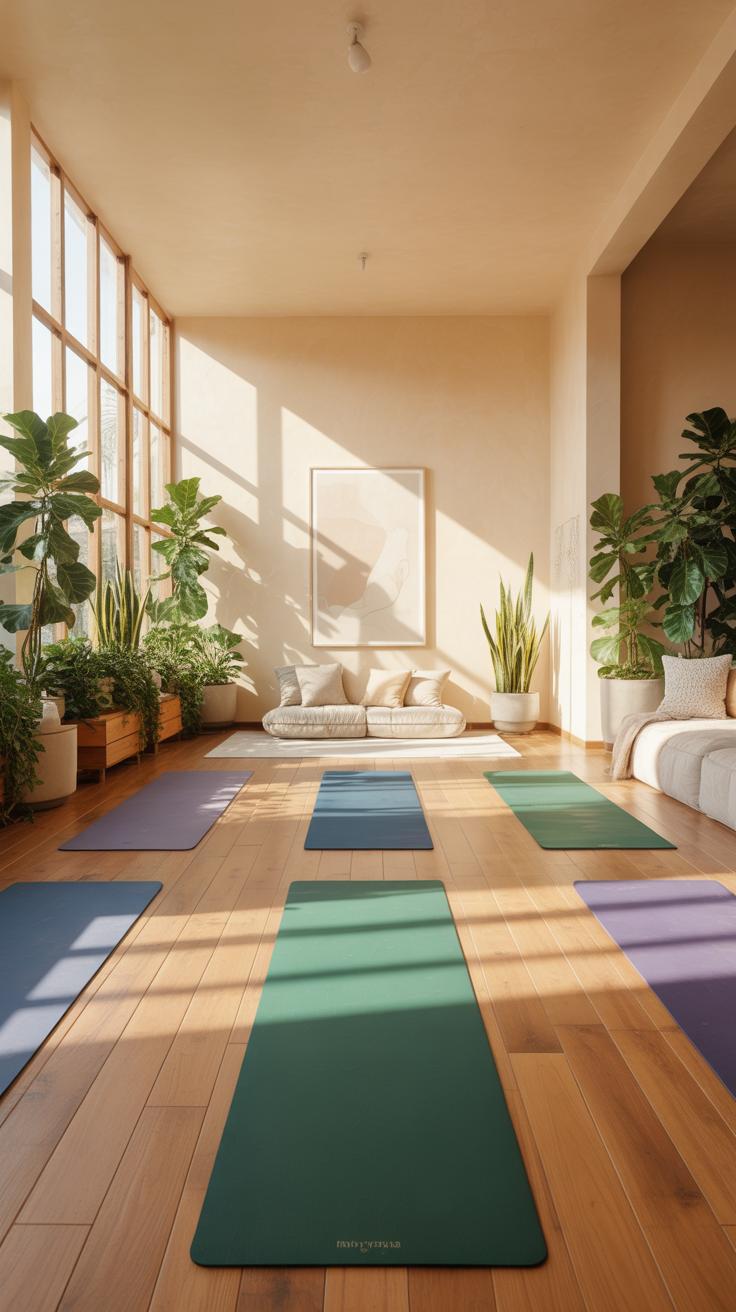
Looking at actual yoga studios tells you a lot about what works in practice. For instance, there’s a small studio in San Francisco, tucked under 500 square feet, that manages to feel open rather than cramped. The key is smart use of mirrors and natural light, plus minimal furniture—just cubbies on one wall and a compact desk for check-ins. The floor-to-ceiling windows give a sense of connection to the outside, which I think really helps with calmness.
On the flip side, large studios, like those in busy cities, often have multiple rooms or zones. They might use movable partitions to create flexibility, so the space can adapt from a quiet meditation class to an active vinyasa flow session. Soundproofing becomes important here, especially when different types of classes are happening simultaneously. One example I saw had an impressive ventilation system too, ensuring fresh air despite a full house.
For smaller spaces, comfort comes from details like soft lighting, non-slip mats aligned neatly, and wall colors chosen to soothe. Instead of cramming equipment, they focus mainly on open floor areas, which can be surprisingly inviting.
Large spaces tend to incorporate waiting areas or social zones, which small studios often lack. This changes the dynamic, turning the studio not just into a place to practice, but also to connect with others—though sometimes this can make things feel less intimate. It really depends on what feels right to you and the clientele you want to serve.
Conclusions
Good yoga studio design improves client experience and supports practitioner wellness. Careful studio layout, natural lighting, proper ventilation, and quality materials play important roles.
Tracking design metrics helps maintain quality and client satisfaction. Following a clear design plan and budget ensures your space meets both your goals and your clients’ needs.