Introduction
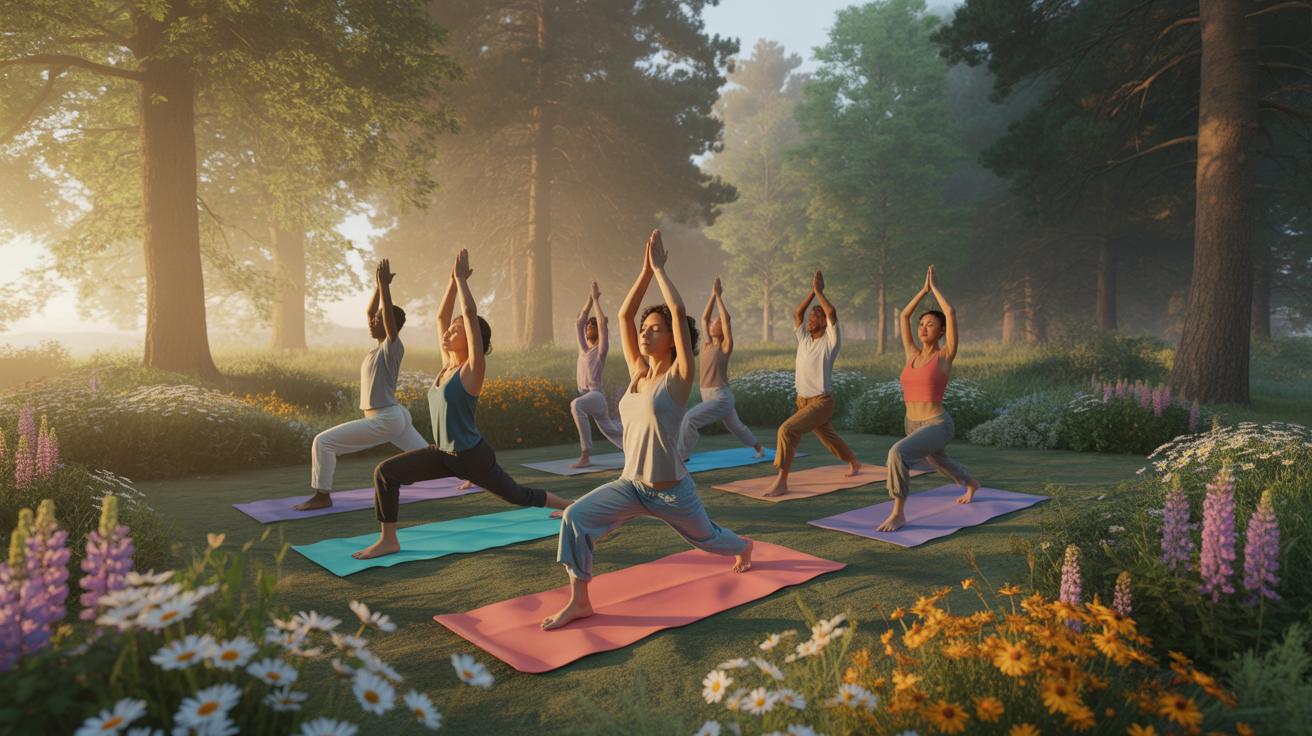
Outdoor Yoga Retreat Inspiration For A Unique Yoga Retreat Experience offers you a new way to combine nature and yoga. This type of retreat transports your yoga practice outdoors, letting you connect with fresh air, natural sounds, and beautiful landscapes. It shapes a unique and refreshing setting, different from indoor yoga studios.
This article guides you through choosing locations, comparing styles, planning logistics, and what to expect from outdoor retreats. Each section provides useful tips to help craft your perfect outdoor yoga journey.
Choosing The Perfect Yoga Retreat Location
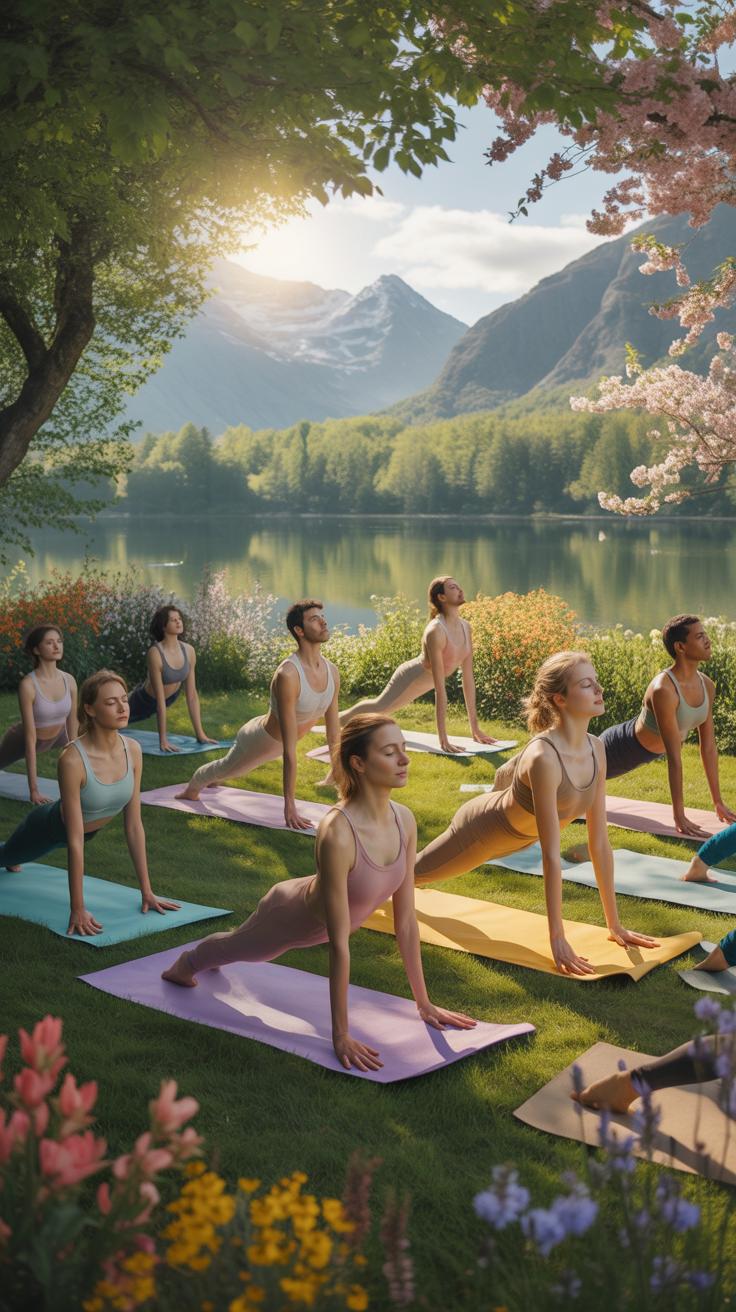
Picking the right spot for your outdoor yoga retreat is more than just finding a pretty place. Climate plays a big role—you want weather that’s comfortable and predictable enough to keep your practice pleasant, right? Think about the seasons and whether rain or heat could interrupt sessions.

Accessibility is another aspect you might overlook until you’re planning travel. Is the site easy to reach by public transport, car or even a plane? It matters if attendees struggle just to get there—it can be exhausting before you even start.
Nearby amenities also matter—not just for convenience, but for safety too. Medical facilities, food options, and basic stores are things most people need without hassle. Quiet natural features like forests, rivers or mountains can enhance your connection with nature, but don’t pick a spot where noise or distractions creep in unexpectedly.
Don’t forget how the environment feels throughout the day. A beautiful view might be great in the morning, but what about midday sun or evening chill? These practical considerations shape your overall experience more than you might expect.
Factors To Consider When Selecting Retreat Spots
When you narrow down your choices, several things need a close look. Weather is a big deal. Avoid places known for wild temperature swings or sudden storms unless you want your yoga interrupted. Safety can’t be overstated—good lighting, secure surroundings, and reliable emergency services are key.
Natural beauty is a huge draw, but sometimes being truly isolated can help deepen your practice. So, think about whether there will be enough quiet spaces away from other visitors or traffic. It’s tricky balancing peaceful solitude and practical safety measures—they don’t always go hand in hand.

Consider also the local culture or community attitudes towards yoga and visitors. A welcoming place enriches the retreat; a tense environment might detract from the calm you seek.
Top Outdoor Yoga Retreat Destinations
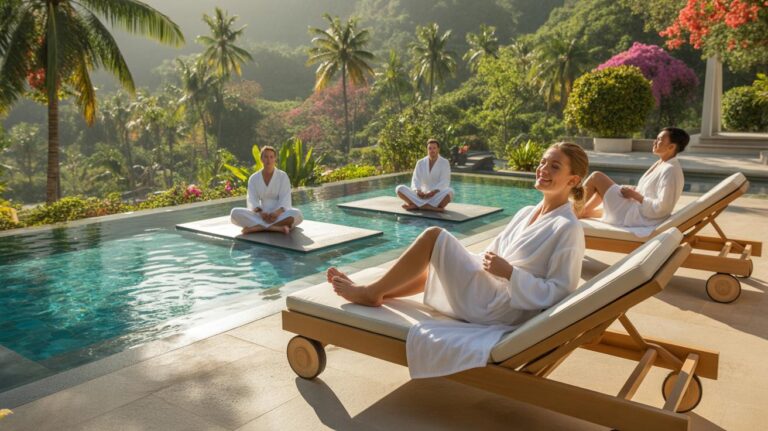
Some spots have become famous for outdoor yoga, each offering unique charms that might inspire you. Bali, Indonesia, for example, boasts lush tropical surroundings and a spiritual vibe that many find uplifting, though it can get busy. Costa Rica offers pristine beaches and rainforests, good for adventurous spirits wanting more nature around them.
In Europe, places like the south of France or Tuscany combine beautiful countryside with a temperate climate and charming local culture—think rolling hills and vineyards more than wild wilderness. The Himalayas offer something different entirely: high altitude, crisp air, and a sense of pilgrimage that adds depth but requires some adjustment.
In the US, spots like Sedona, Arizona, are praised for their natural beauty and distinctive energy, while coastal locations in California provide varied settings from beaches to redwood forests. Ultimately, what makes a place special depends on what fits your group’s energy, expectations, and what you want from the retreat experience.
Setting Goals For Your Retreat Experience

When you think about attending a yoga retreat, it’s easy to get caught up in the excitement of beautiful surroundings and quiet moments. But what helps make that experience truly meaningful is having clear personal goals. Without them, you might find your mind wandering or feeling a bit lost, unsure what you want to take away from your time there.

Setting goals gives you something to focus on—whether it’s calming your mind, increasing your physical strength, or exploring your spiritual side. These goals don’t have to be rigid, but they offer direction that can deepen your practice and make each session feel more purposeful.
Common objectives might include:
- Reducing stress and escaping daily pressures.
- Improving flexibility or physical endurance.
- Learning meditation or breathing techniques.
- Connecting more deeply with yourself or others.
Each of these reflects different layers of the retreat experience. You may start with one goal and discover new ones along the way. It’s not always clear-cut, and that’s okay. The important part is having something to gently guide your intentions during your stay. That little clarity can turn a pleasant getaway into a more fulfilling and reflective journey.
Comparing Indoor And Outdoor Yoga Benefits
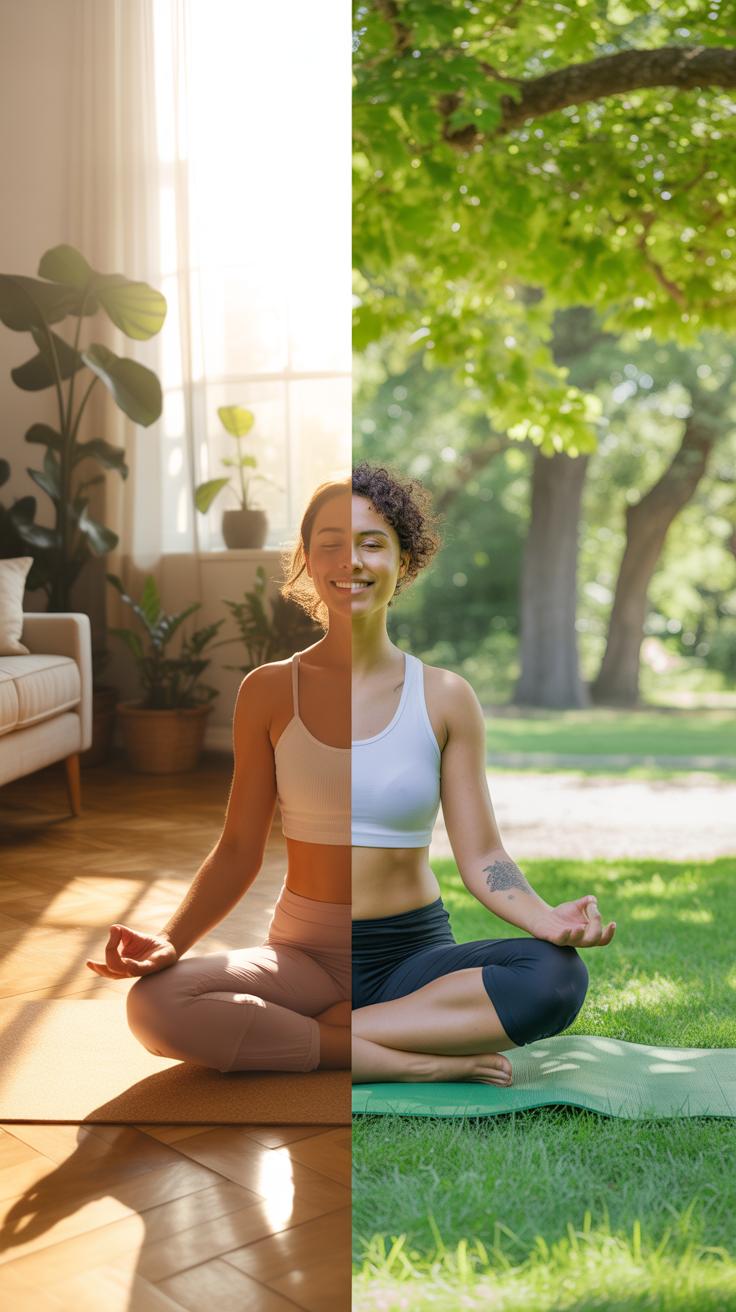
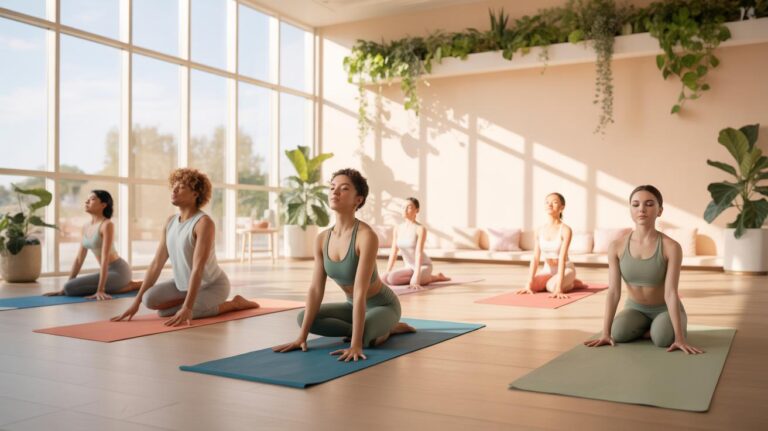
When you think about yoga, where does your mind go? A serene studio with soft lighting and a smooth floor or a quiet park with the rustle of leaves and an open sky? Each setting shapes your practice in unique ways.
Doing yoga outdoors offers something studios can’t quite replicate. Fresh air fills your lungs differently, invigorating and calming at once. Nature’s irregular sounds—birdsong, wind—create a kind of unpredictable soundtrack. Some find this distracting, others deeply grounding. The spaciousness around you invites expansive movements, letting your body breathe in new directions. Meanwhile, the changing light and scenery can lift moods naturally, perhaps sparking a sense of being part of something larger.
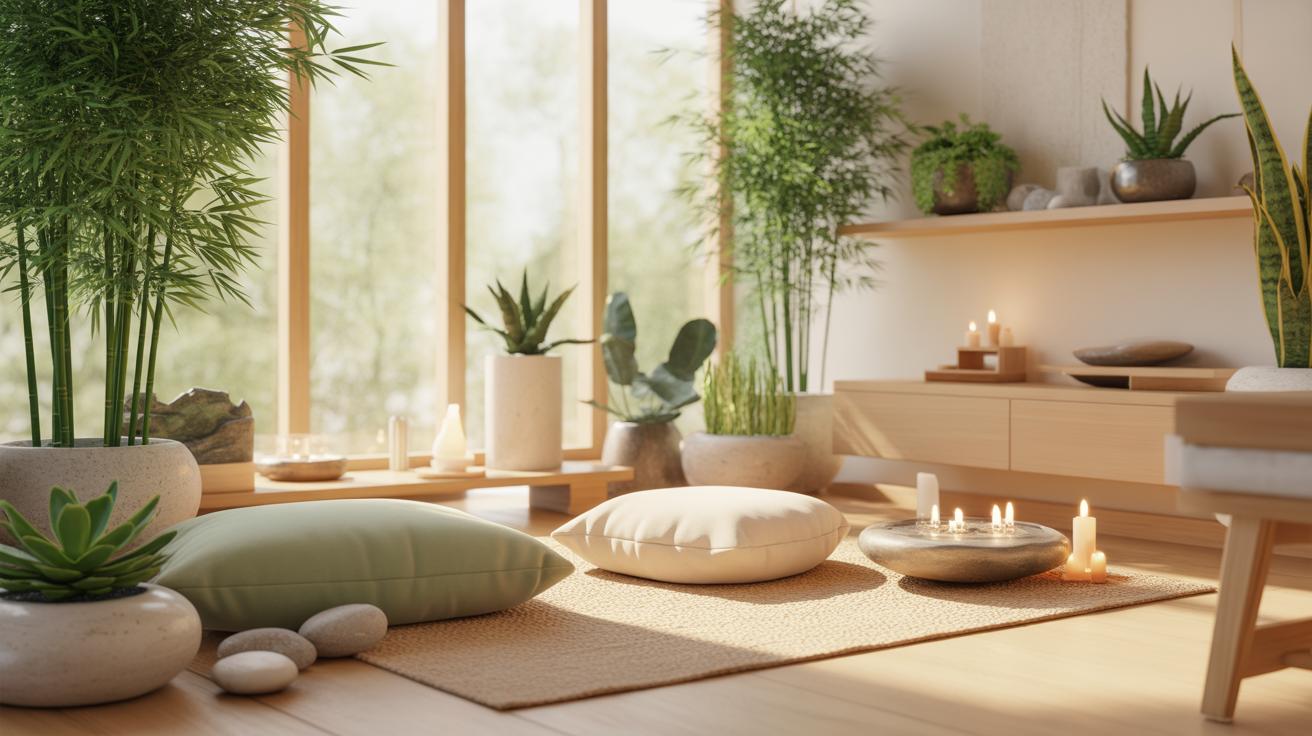
Indoor yoga studios have their perks too. Protection from weather means your session isn’t at the mercy of rain or cold winds. Controlled lighting and temperature can aid concentration when the outdoor environment feels too chaotic. The enclosed space can feel like a cocoon, encouraging introspection without the interruptions of bugs or passersby. Though some might feel confined, others relish the predictability and comfort.
Both places bring valuable, yet distinct qualities to your practice. Maybe the best choice depends on your mood, goals, or even the season. Do you crave connection with nature or a steady, distraction-free atmosphere? The answer might shift over time—just like your yoga itself.
What To Pack For Your Outdoor Yoga Retreat
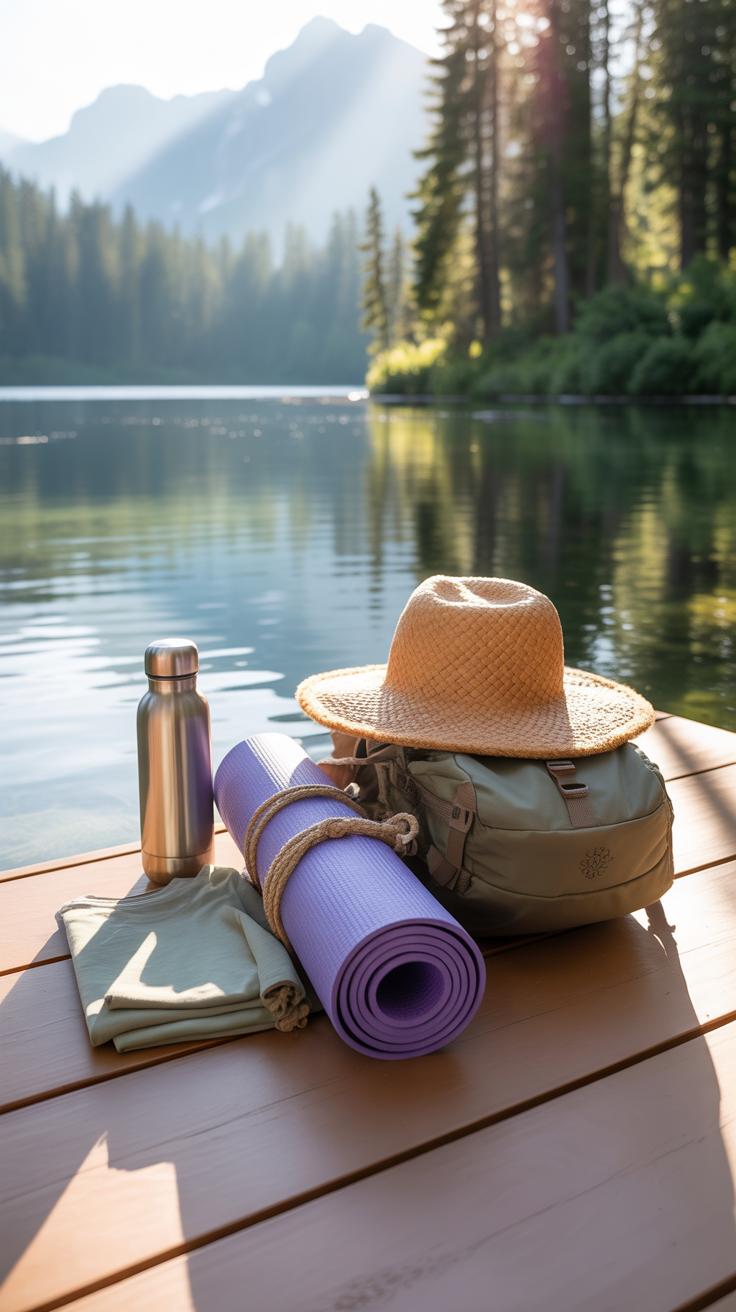
Heading to an outdoor yoga retreat means you want to be prepared without lugging around too much. What’s essential, though? First, think yoga gear. Your mat isn’t just a cushion; it’s your foundation. Bringing a lightweight, durable mat that grips well on uneven ground is smarter than a bulky one. Blocks support tricky postures and make transitions smoother. Chances are, you want at least one—maybe two—foldable blocks. A strap is handy too, especially for flexibility aids.
Now, let’s talk clothing. Breathable, stretchy layers win every time. Mornings might be chilly, afternoons warm. Think moisture-wicking tops, a cozy hoodie or wrap, and multiple bottoms for comfort and movement freedom. Don’t forget a hat or headband to catch stray hair and shield from sun or breezes.
Comfort and weather readiness matter. A lightweight rain jacket or poncho is a must if the forecast’s uncertain. Also, consider insect repellent, sunscreen, and a reusable water bottle. Dry socks or sandals for after practice can save sore feet too. Your personal items – maybe a journal, a small towel, lip balm, and snacks – round out your kit.
What about tech? Maybe leave devices behind, or limit use. Nature calls for attention. But an e-reader with a yoga book or a playlist for reflection might sneak in.
Packing is about balance. Bring what keeps you grounded, focused, and comfortable—but nothing to weigh you down. After all, the retreat’s about the experience, not the baggage.
Daily Schedule Examples For Retreats
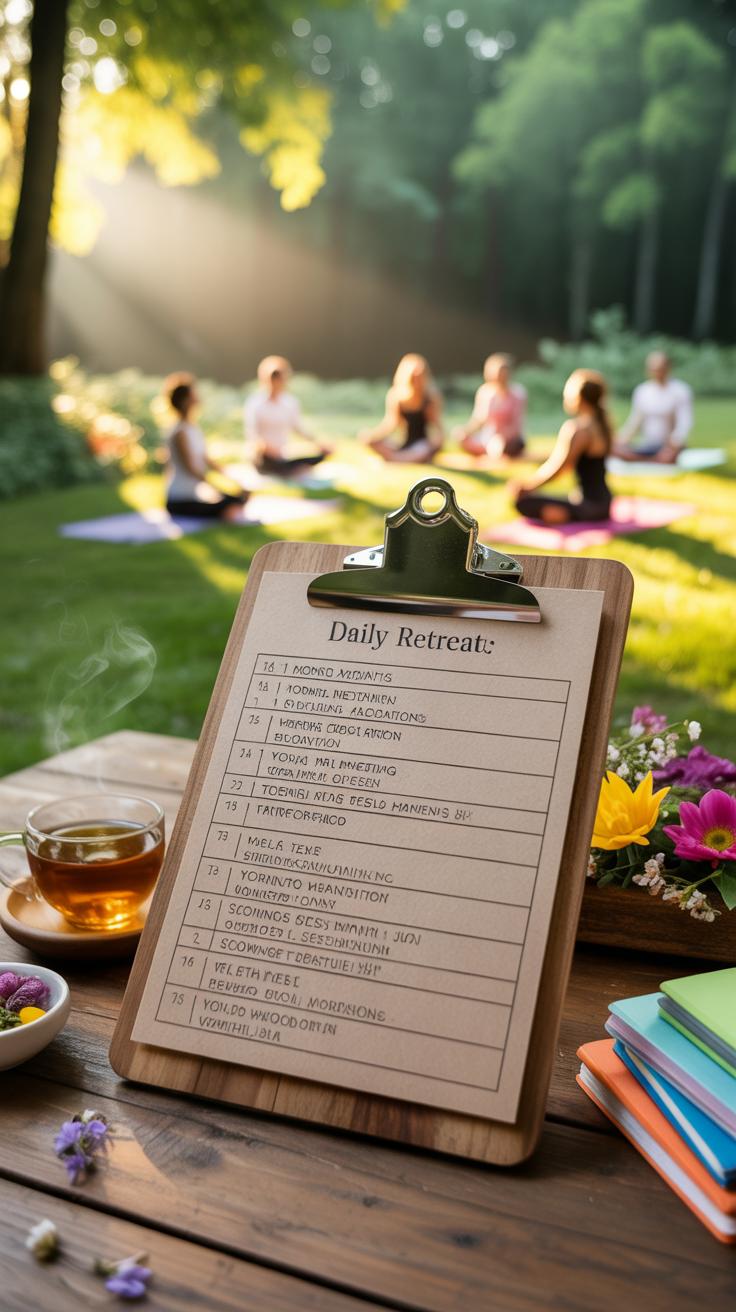
Visualizing a day at an outdoor yoga retreat can help you picture what such a unique experience offers. Mornings often start quietly, with a gentle yoga flow tailored to wake your body without strain. You might begin seated or lying down, focusing on breath and simple stretches that connect you to the natural surroundings. Meditation sessions are usually brief but meaningful, aiming to ground your attention and set a calm tone for the day ahead.
Afternoons tend to balance learning and leisure. Workshops could explore topics like breathwork, partner yoga, or mindful nutrition. These sessions are often interactive and paced to avoid fatigue. Between workshops, free time invites you to wander nearby trails, journal your thoughts, or just rest. This blend of structure and openness lets you engage deeply with yoga while also giving space for reflection and personal pace.

The schedule isn’t rigid. Some mornings might feel too cool or misty for outdoor practice, in which case mindful movement indoors or simple breathing exercises fill that space. Perhaps one afternoon you’ll find yourself drawn to a quiet corner instead of joining a workshop. Retreat days can be flexible, shaped by how you feel and the rhythm of the retreat community.
How To Choose A Yoga Instructor For Outdoors
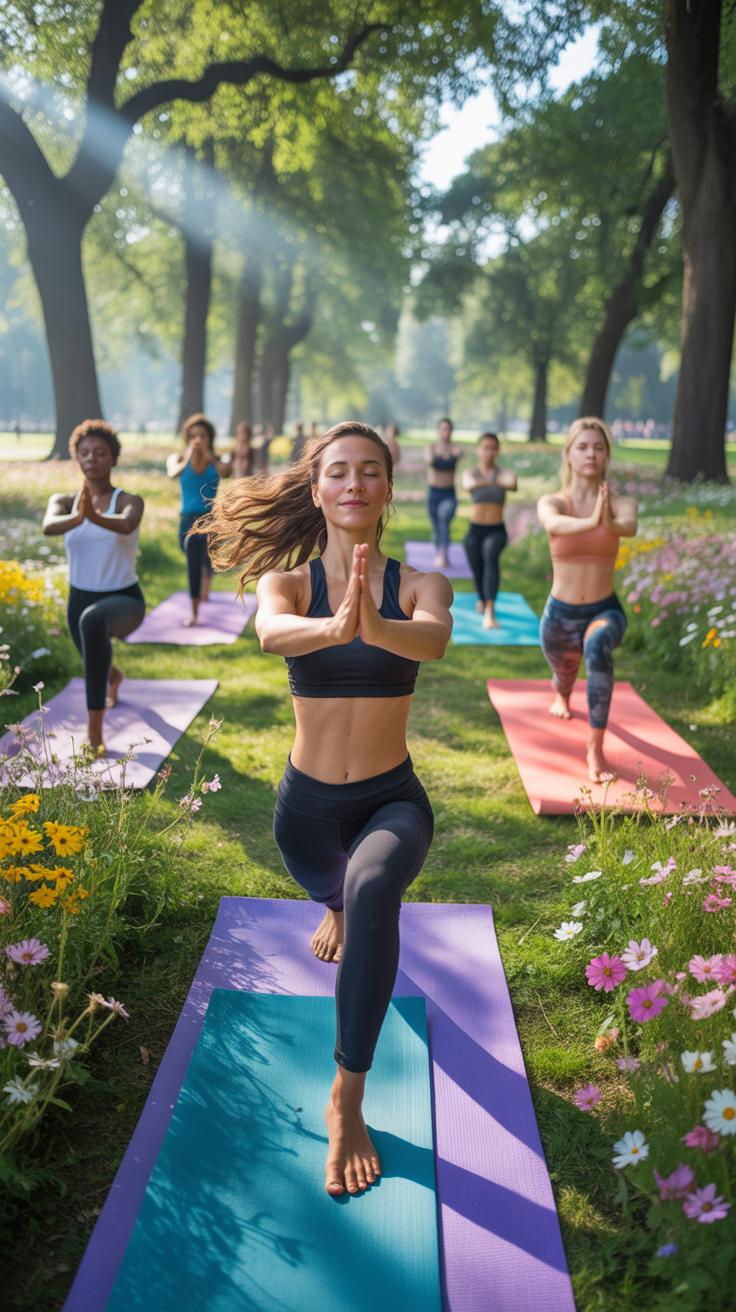
Choosing the right yoga instructor for an outdoor retreat might feel trickier than it seems. Outdoor yoga isn’t just yoga outside — it asks for a teacher who knows how to handle unpredictable elements like wind, uneven ground, or sudden weather changes. So, experience matters a lot. You want someone who’s practiced outside and can adapt a session easily, maybe shifting poses or pacing the class according to what nature throws at you.
Look for versatility in teaching style too — can they customize sessions if you prefer meditation over vigorous flow? Or if your group ranges from beginners to advanced? Flexibility in approach reveals a teacher’s readiness for the outdoor setting.
Instructor Qualifications And Style
When it comes to credentials, certified training in yoga is a must, but that’s just the start. Outdoor yoga often requires more than just certification; the instructor’s personal style should resonate with the environment. Do they incorporate natural surroundings into teaching? Are they calm, encouraging, and mindful of each individual’s pace? These are qualities that can make or break your outdoor yoga experience.
It’s okay if the instructor’s style feels a bit different than what you expected. Sometimes the best outdoor sessions come from a teacher who embraces imperfection and spontaneity instead of strict routines.
Communicating Your Needs

Don’t hesitate to be clear about what you want before the retreat. Discussing your goals upfront — whether it’s deep stretching, stress relief, or mindful breathing — helps instructors tailor sessions to your preferences. Share any concerns too, like injury history or sensitivity to sun or cold. A good teacher listens and adjusts accordingly.
Sometimes we think we want a certain style, but saying it out loud can open up new possibilities. Maybe you prefer quiet meditation but hadn’t considered how a dynamic flow might refresh your outdoor practice. Open dialogue with your instructor can lead to a more fulfilling experience.
Handling Weather And Environmental Challenges

Outdoor yoga brings you closer to nature, but it also means dealing with the elements more directly. Weather and environment can throw unexpected challenges your way. Sunlight can be both energizing and harsh. Wind might gently sway you or distract your balance. Bugs and uneven terrain can disrupt your flow. It’s not always just about perfect poses; sometimes it’s about adapting to what’s around you.
Dealing With Sun And Wind
Sun exposure during yoga is tricky—you want the warmth, but too much direct sun risks sunburn or overheating. Try finding shaded spots or use lightweight, breathable clothing with UV protection. Bringing along a hat or applying natural sunscreen before practice can help avoid discomfort. Wind adds another layer of difficulty; it can toss your mat or challenge your stability. Consider setting up your space with a natural windbreak like bushes or rocks. Sometimes, positioning yourself with the wind at your back makes a noticeable difference. It’s a bit of trial and error, really—each location behaves differently.
Choosing Safe Outdoor Spots

Picking a safe spot isn’t just about a pretty view. You want the ground to be flat enough to avoid ankle twists or uneven postures. Rocky or root-covered areas might seem picturesque but can quickly become hazardous. Plus, be mindful of insects—some areas drown in mosquitoes or ticks, while others might have less trouble. Bringing a simple insect repellent or practicing in places with fewer bugs can really enhance the experience. Think about accessibility too; shouldn’t your yoga spot make you feel secure, so all your attention can be on your breath and balance?
Nutrition Tips For Retreat Success

Nutrition plays a quiet but crucial role in getting the most from your outdoor yoga retreat. What you eat before and during your practice can affect your energy levels, concentration, and overall experience.
Pre-Retreat Meal Ideas
Think about meals that fuel your body gently yet effectively. A light breakfast such as oatmeal topped with fresh fruit and a handful of nuts offers slow-release energy that won’t weigh you down. Maybe a smoothie with spinach, banana, and protein powder? It feels easy to digest and keeps energy steady. Avoid heavy, greasy foods that might make you sluggish or uncomfortable during practice. Keeping protein balanced with carbs and healthy fats is key—like a quinoa salad with veggies and avocado or a simple nut butter sandwich on whole-grain bread.
Hydration Strategies For Outdoor Practice
Water intake is far more important outdoors, especially when doing yoga in the sun or wind. Don’t just wait until you feel thirsty—that’s often too late. Carry water with you and sip frequently. Electrolyte drinks can be helpful if you’re sweating a lot, but plain water generally does the trick. Sometimes it’s tempting to drink too much at once; instead, little and often maintains hydration without feeling heavy. Remember, staying hydrated supports muscle function and mental clarity, which are both essential for a focused session.
These tips might seem basic, but it’s surprising how many overlook nutrition until after fatigue sets in. Have you noticed how a balanced meal and steady hydration can transform your yoga retreat? It’s a small adjustment that really nudges your performance forward.
Evaluating Retreat Costs And Value

When thinking about costs for an outdoor yoga retreat, it’s easy to focus only on the price tag and miss some details that affect the real value. So, what goes into the cost? You have the basics like accommodation and food, sure, but then there’s all sorts of other things: guided sessions, workshops, sometimes transportation, even little extras like yoga mats or spa treatments.
Prices vary quite a bit. A weekend retreat in a nearby nature spot might be around a few hundred dollars. More immersive week-long retreats, especially in exotic locations, can climb into the thousands. Sometimes, luxury resorts charge even more, but that doesn’t always guarantee a better experience. So, think about what you want out of it.
Here’s what you might expect is included:
- Daily yoga classes and meditation sessions
- Nutritious meals, often organic or catered to special diets
- Accommodation—could be rustic cabins or comfortable lodges
- Access to wellness amenities like saunas or hot tubs
- Guided excursions or nature walks
- Sometimes airport transfers or local transportation
Not every retreat details exactly what’s included upfront, so it’s good to ask questions. Are meals included? What’s the lodging like? Are there any additional costs for workshops or spa treatments? These factors all shape whether the retreat fits your budget and expectations. It might be more than just the price; sometimes the value comes from the unique setting or the instructors’ expertise.
Budgeting should also consider travel costs and gear you’ll need to bring. Thinking ahead can help you avoid surprises and make the retreat a truly rewarding investment.
How To Continue Yoga After Your Retreat
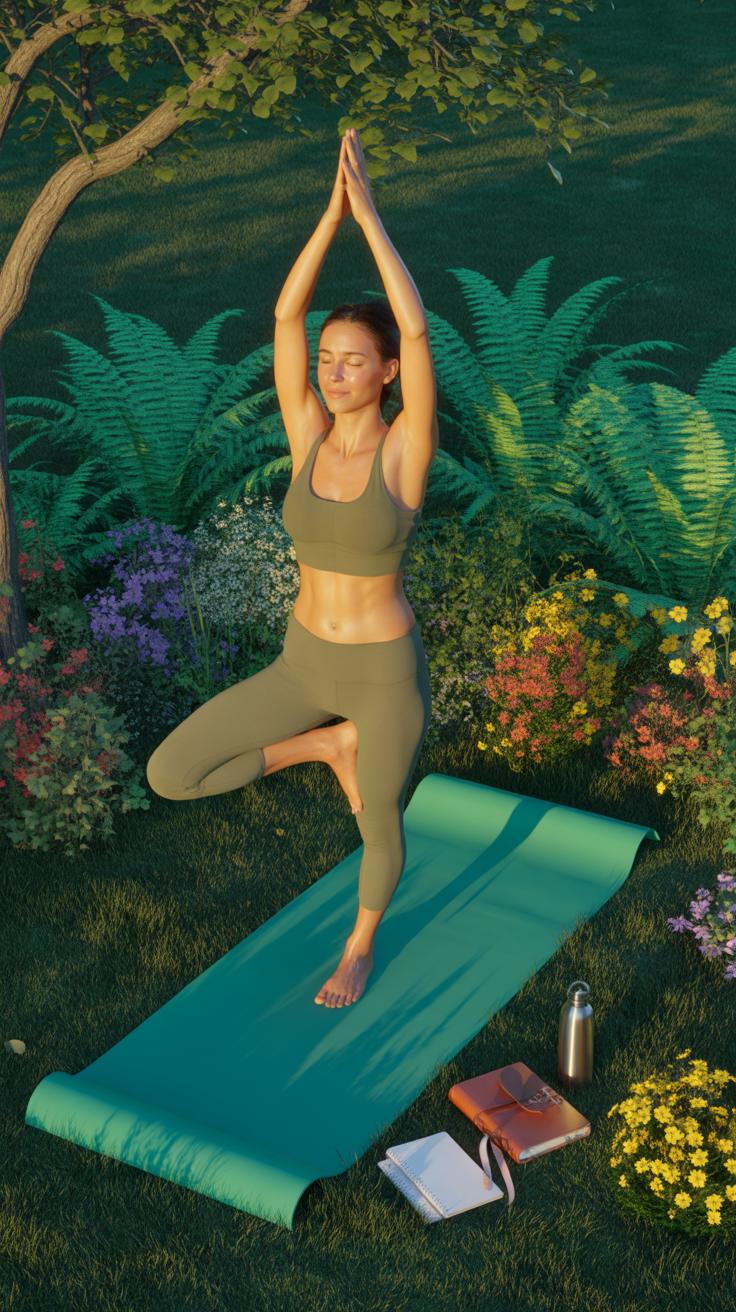
Leaving a yoga retreat can feel like stepping out of a serene bubble and into a busy world where finding time for yoga again might be tough. But it doesn’t have to stop with the retreat. Keeping your practice consistent and enjoyable is definitely possible—though it might take a little effort and creativity.
Creating A Home Practice Space
One way to keep yoga a part of your life is by setting up a simple, dedicated space at home or nearby outdoors. It doesn’t need to be fancy or large. Here are some tips:
- Choose a quiet corner or a spot with natural light, maybe near a window or in your garden.
- Gather your essentials—like a yoga mat, blocks, or straps—but keep it minimal to encourage quick setups.
- Consider adding a small speaker if guided sessions help you stay motivated, or simply enjoy the sounds of nature.
- Personal touches, like a plant or calming images, can enhance the ambiance without distracting you.
- Make the space inviting but flexible, so it feels like a retreat within your daily environment.
Finding Local Classes And Groups
Another key to sustaining your practice is community support. You might want to explore local yoga studios offering classes that fit your style or ability. Even if you enjoyed a particular style at the retreat, experimenting with new types can keep things interesting.
- Seek out community centers or gyms where classes might be more affordable.
- Look for yoga meetup groups or clubs through social media or apps—sometimes informal gatherings can feel less intimidating.
- Join workshops or retreats closer to home to reconnect and deepen your practice.
- Sometimes, just sharing your yoga journey with friends can motivate both of you to stay on track.
It’s worth asking yourself: which way feels genuinely supportive without pressure? After all, yoga is meant to be a path you enjoy, not a checklist. Would a quiet solo practice at home work better for you than group classes? Or could mixing both bring balance? Try small steps—and see what sustains your enthusiasm over time.
Conclusions
Outdoor yoga retreats provide more than just exercise; they immerse you in nature’s calm. You learn how to find the right place and style that suits you. The steps covered help you plan your retreat carefully.
By following the advice here, you can create a unique yoga practice in the great outdoors. Embrace this chance to deepen your yoga in new settings, improve your wellbeing, and enjoy the natural world around you.