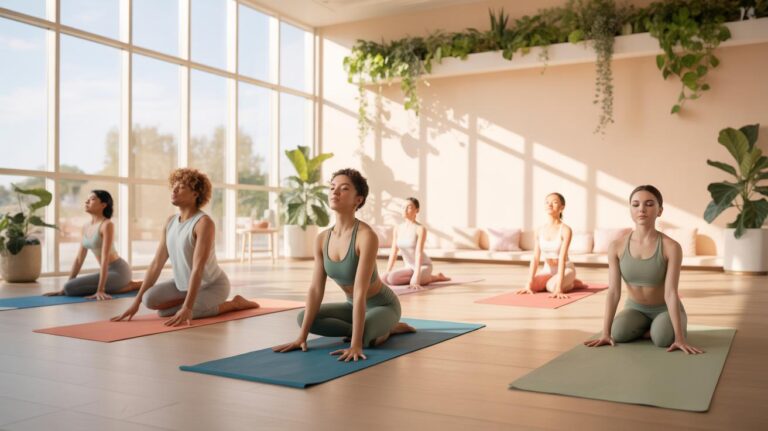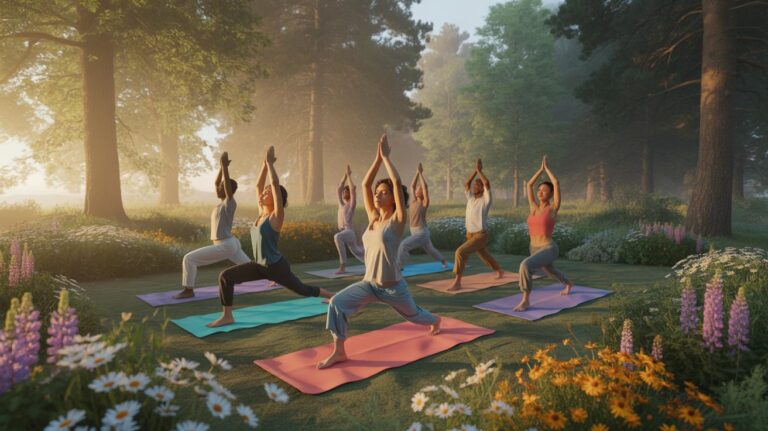
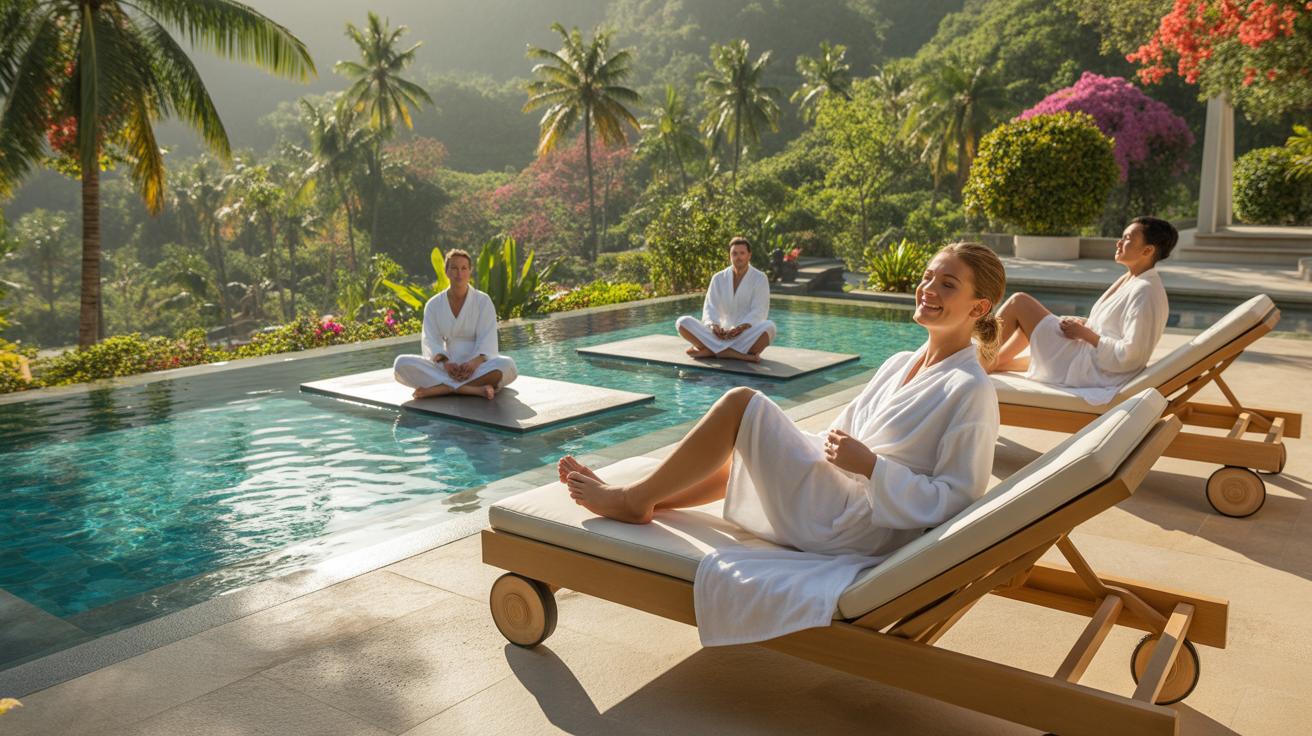
Introduction
Luxury wellness retreats offer a unique chance to pause and focus on your health and well-being. These retreats combine comfort, expert care, and natural surroundings to provide a refreshing experience for spa retreat enthusiasts. By stepping away from daily stress, you can recharge both your body and mind in a serene environment.
In this article, you will learn about the benefits of luxury wellness retreats. We will cover what makes these retreats special, the health improvements they offer, and practical tips to choose the right retreat for your needs. Whether you want relaxation, detox, or rejuvenation, these retreats offer options to support your goals.
Defining Wellness Retreats
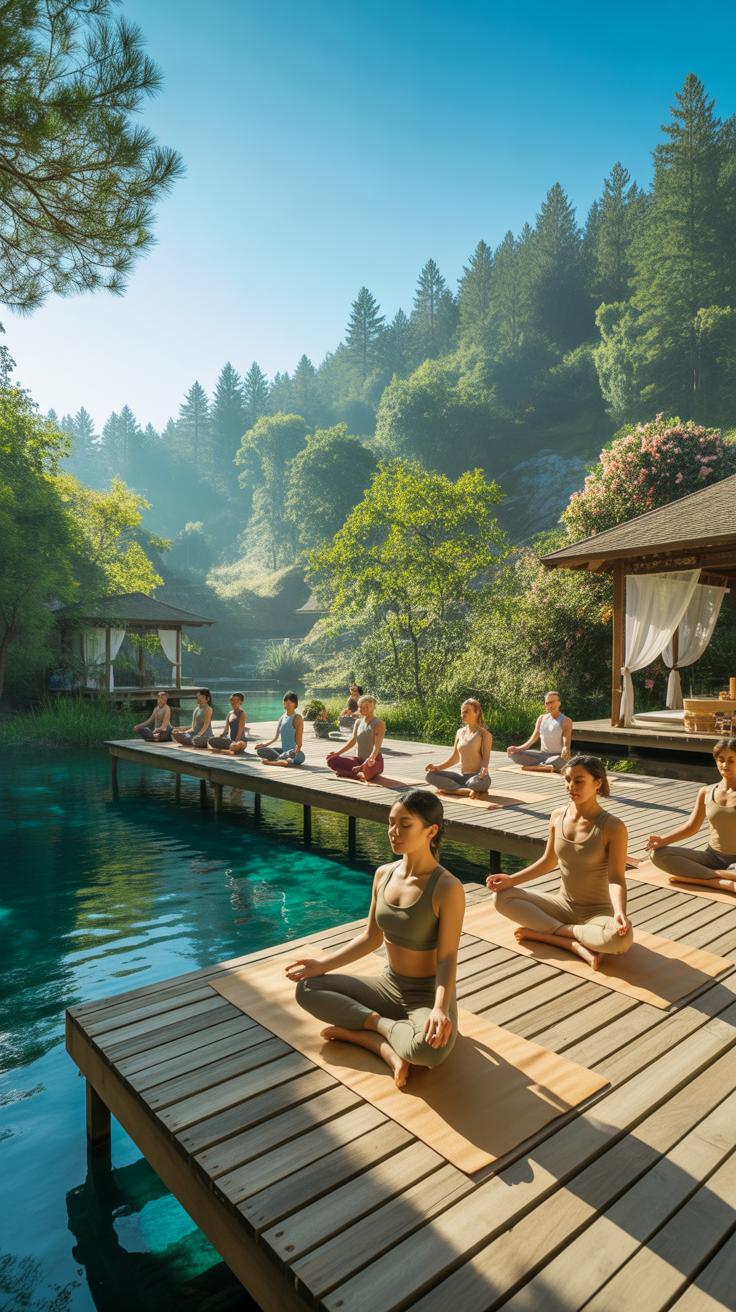
Wellness retreats are specialized getaways that focus primarily on enhancing your physical, mental, and emotional well-being. Unlike your typical vacation that might emphasize sightseeing or relaxation only, wellness retreats offer structured programs aimed at improving health and balance. They can vary widely—ranging from spa and detox retreats to yoga and mindfulness-focused experiences. Each type targets different aspects of wellness, so you can choose one based on your personal needs or interests.

These retreats typically include activities like guided meditation, nutritious meals, professional wellness therapies, and workshops on healthy living. What sets them apart is the intentional approach to self-care during a stay away from daily stressors. It might feel like a holiday in some ways, but the main goal is transformation or healing rather than just taking a break.
Wellness Retreat Types

There’s quite a range when it comes to wellness retreats, each with its unique emphasis:
- Spa Retreats: Focus on relaxation through massages, hydrotherapy, and other treatments.
- Yoga Retreats: Combine physical postures, breathing exercises, and meditation to cultivate mind-body harmony.
- Detox Retreats: Aim to cleanse the body using special diets, fasting, or juicing combined with holistic therapies.
- Mindfulness Retreats: Prioritize mental clarity and stress reduction via meditation and conscious living practices.
You might stumble upon hybrid retreats blending elements from several types, which can be a bit overwhelming but also flexible.
Retreat Vs Vacation


You might wonder, “How different is a wellness retreat from my usual vacation?” In essence, vacations are typically about taking time off for leisure, entertainment, or exploration. The activities are often spontaneous and focused on enjoyment or escape. Wellness retreats, though, have a clearer purpose: fostering well-being, self-awareness, or healing.
While a vacation’s success might be measured by memorable moments or relaxation, a wellness retreat might leave you with new habits, a calm mind, or physical improvements. You’ll find structured schedules and guided sessions rather than just free time.
Of course, that doesn’t mean retreats are rigid or dull—they often include pleasant surroundings and leisurely moments too. It’s just that the intention behind your stay is more focused, which might change how you approach your time away.
Benefits Of Spa Treatments
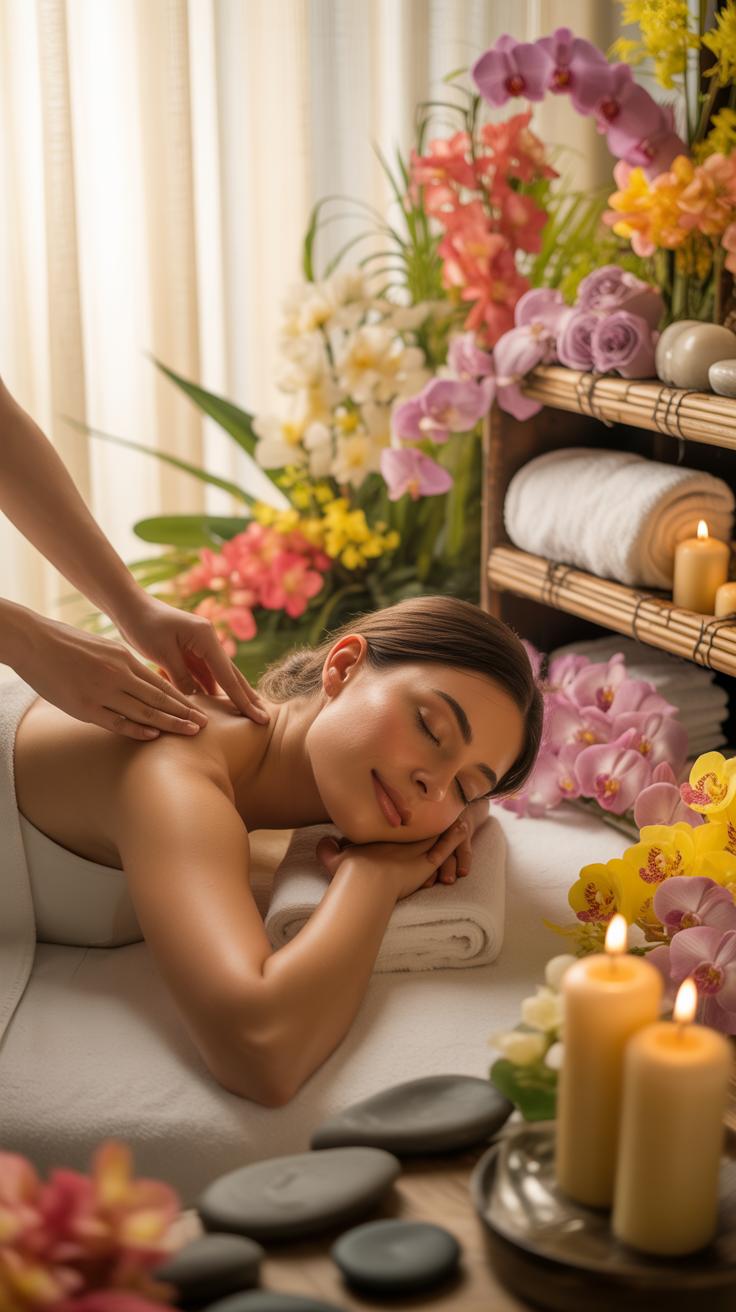
Spa treatments during wellness retreats offer several physical benefits you might not realize. For instance, massages help relax tense muscles, which, frankly, can feel like a small miracle after long days of activity or constant stress. Improved circulation is another gain — better blood flow means nutrients and oxygen reach your cells more efficiently, encouraging healing and boosting energy. Plus, many spa treatments contribute to skin health by deeply cleansing, exfoliating, and hydrating, leaving your skin healthier and more vibrant. It’s not just surface-level either; these effects can enhance your overall physical wellbeing.

On the mental front, the effect of spa treatments can be surprisingly profound. They help reduce stress hormones—those pesky chemicals that build up when you’re overwhelmed. This reduction often leads to a notable improvement in mood and relaxation. Many people find their worries slowly recede while enjoying a calming facial, wrap, or soak. It’s like a mental reset button that clears out tension, although some days the stress might return quicker than you wish. Still, those moments of calm? Worth it.
Have you noticed how even a short session can shift your mood? This hints that spa treatments aren’t just luxuries; they play a role in mental wellness by encouraging mindfulness and quiet moments amid busy lives.
Choosing The Right Retreat
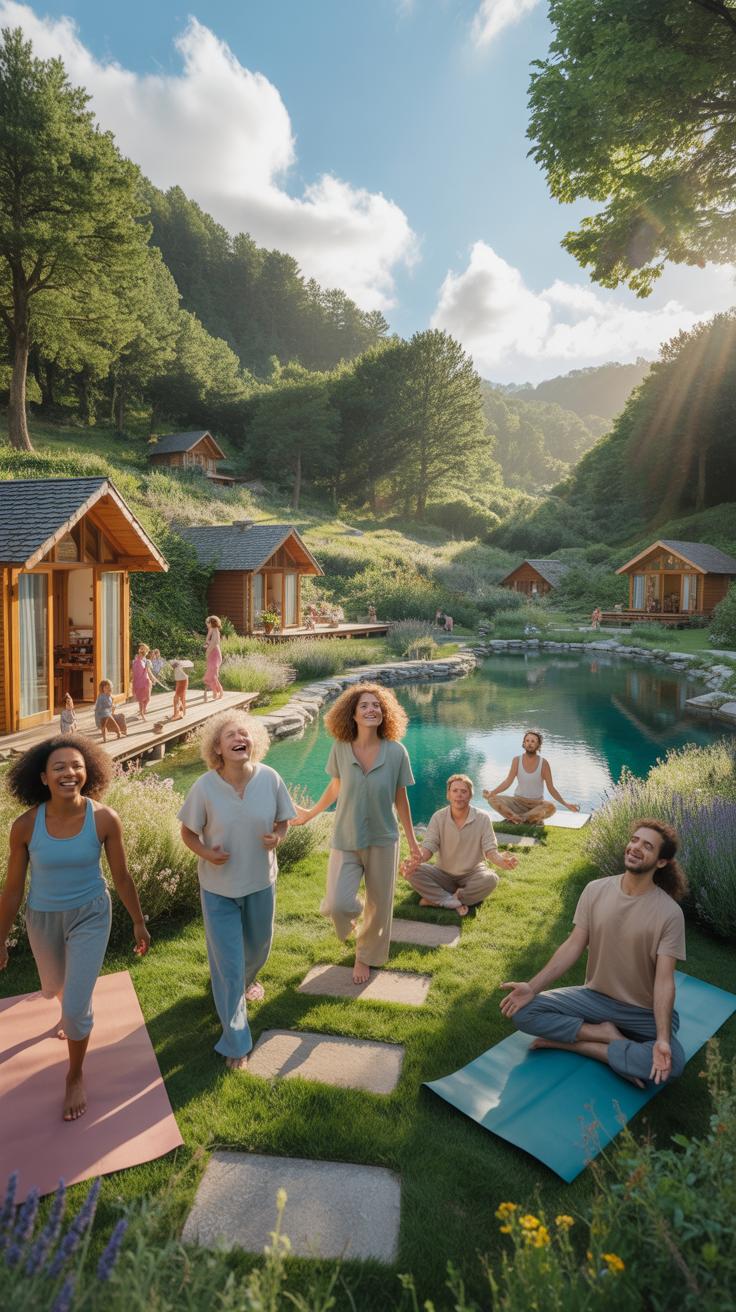
When selecting a wellness retreat, it’s really about what you want from the experience. So, start by asking yourself: What am I hoping to achieve or feel by the end of this retreat? Maybe you want to lower stress, detoxify your body, improve mental clarity, or even develop a consistent wellness practice. Pinpointing your goals helps narrow down options. It might help to write these down or talk them out with a friend.
Next, take a close look at what the retreat offers. Do they have the specific wellness services or programs you need? Check if their staff is qualified—with certifications for yoga instructors, nutritionists, or therapists—and if their approach resonates with you. It’s okay to be picky. The environment matters too: Does the location feel peaceful and supportive, or more commercial? Sometimes photos and reviews don’t tell the whole story, so trust your instincts.
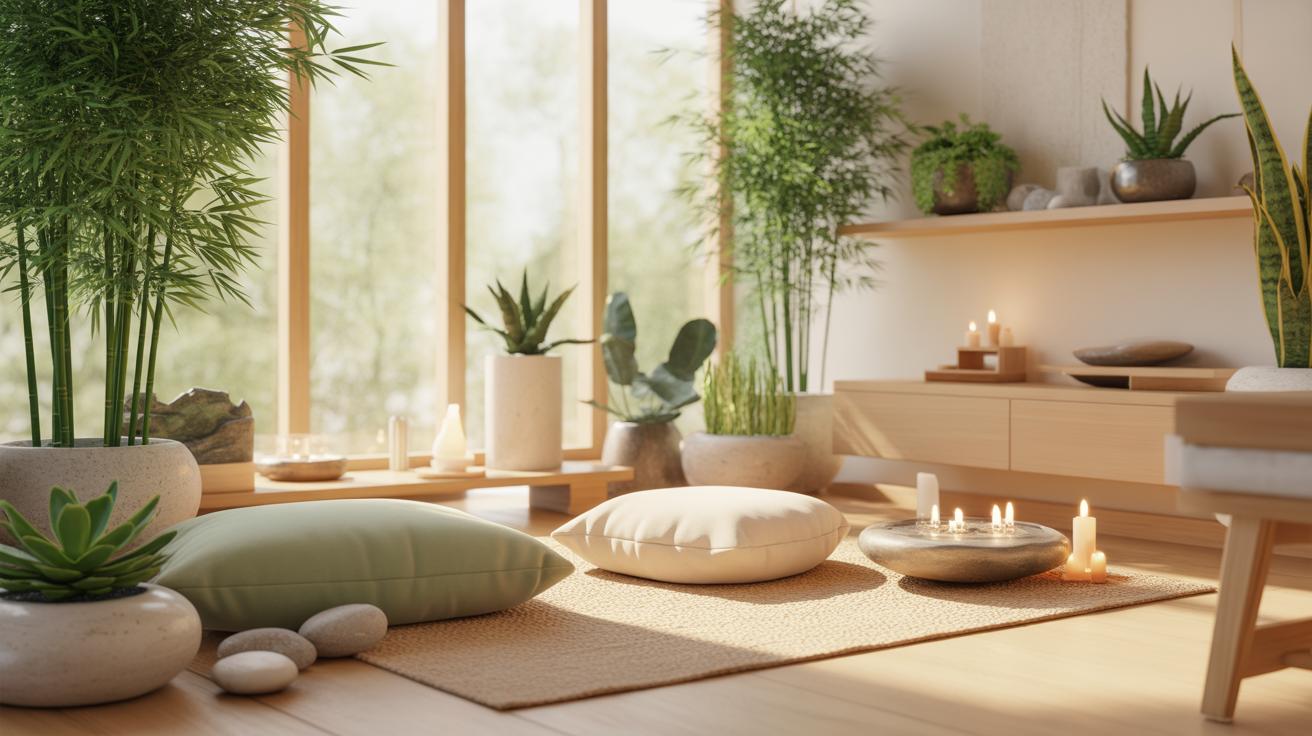
Consider practicalities like accessibility, duration, and what’s included. Can you ask for a sample schedule? Seeing daily activities might reveal if it’s too intense or not engaging enough. Remember, this is your time for renewal—choose a place that respects that need, even if it means skipping the popular or trendy spots.
Daily Wellness Activities
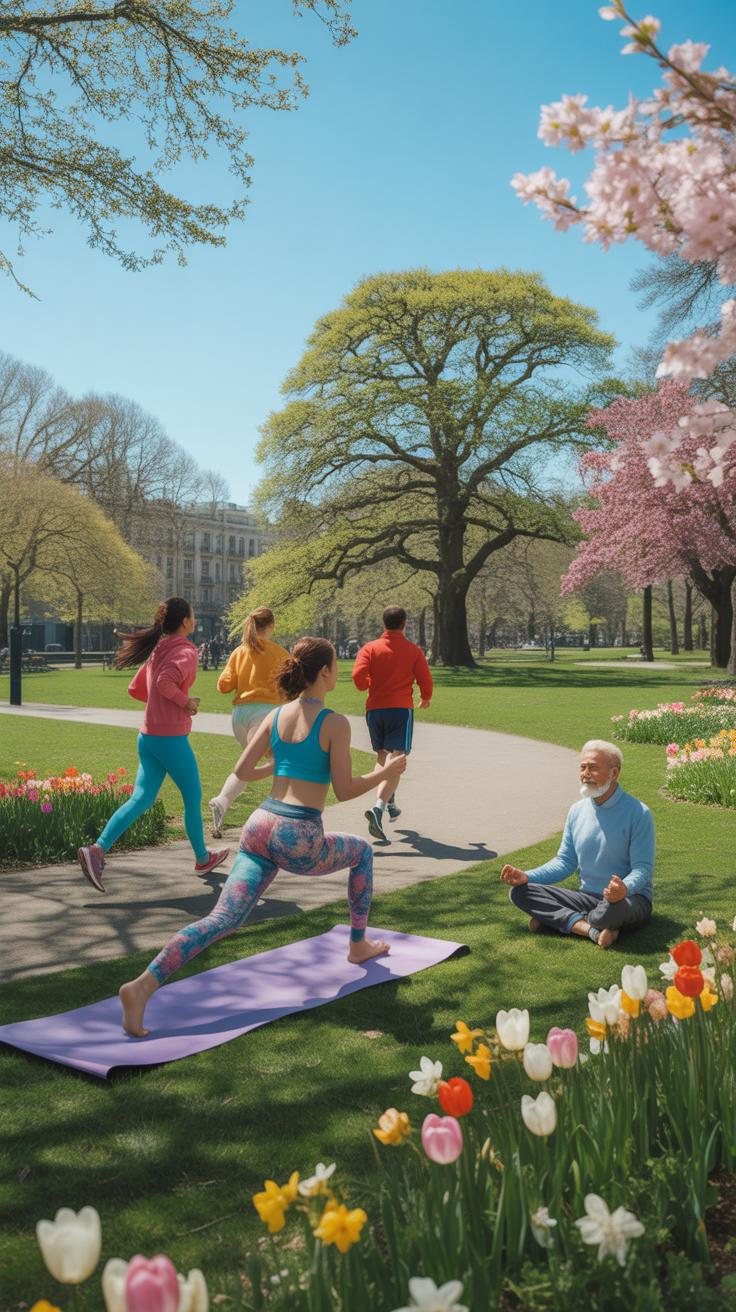
When you attend a wellness retreat, your day typically follows a thoughtful rhythm that balances activity and relaxation. Mornings often begin early, around sunrise, with gentle yoga or meditation sessions to help you wake up gradually and set a calm tone for the day.
Mid-morning might be reserved for workshops or group activities—perhaps a class on mindfulness, nutrition, or breathwork. These sessions offer both education and practical skills, but they’re never so intense that you leave feeling overwhelmed.
Around midday, meals play a crucial role. Expect wholesome, often plant-based dining experiences designed to nourish without taxing your system.
Afternoons usually blend therapeutic treatments like massages or hydrotherapy with free time. This rest period is important; your body needs it to absorb and integrate the benefits of the treatments.
Later, nature walks or gentle movement classes reconnect you with the outdoors. Such activities aren’t just exercise; they invite presence, reflection, and a break from screens or daily worries.
Evenings can include calming sessions like guided meditation or sound baths, winding the day down softly before rest. A balanced wellness retreat schedule helps maintain energy without feeling too busy or too idle. The mix of movement, nourishment, connection, and solitude is what makes it effective, though the exact flow can vary from place to place and person to person.
Nutrition At Wellness Retreats

Explain the role of healthy nutrition and diet during retreats and how it supports wellness goals
Nutrition is often a cornerstone of wellness retreats, shaping your experience in more ways than you might expect. It’s not just about eating—it’s about fueling your body thoughtfully to support the goals of healing, relaxation, and rejuvenation that bring you here in the first place. Often, these retreats encourage a diet that minimizes processed foods, sugars, and unhealthy fats, which can cloud the body’s natural rhythms and energy levels.

Your body requires nutrients to repair, detoxify, and maintain balance. When you’re in a retreat setting—surrounded by nature, calm, and mindful practices—your nutritional intake can strengthen these efforts, enhancing sleep quality, digestion, and mental clarity. Some people report feeling lighter and more focused after just a few days, though experiences vary.
Types Of Meals Served
Meals at these retreats mostly emphasize organic ingredients, full of vitamins and minerals without the pesticides or additives found in conventional farming. You’ll often find vegetarian dishes, some vegan, alongside detox menus specially crafted to cleanse and reset digestive systems. It’s not unusual to come across smoothies packed with greens, grain bowls rich in fiber, and herbal teas believed to soothe or energize.
This thoughtful curation isn’t random but based on principles of nourishment and balance—the kind that you might not prioritize amid daily life’s hustle. Yet, every retreat differs, and while some focus heavily on plant-based options, others include light, high-quality animal proteins if that suits your wellness plan.
How Diet Enhances Results
Nutrition directly impacts your energy and capacity for healing during a retreat. Proper nutrients can help reduce inflammation, aid detoxification pathways, and support mental wellbeing, all crucial for making the most out of treatments and activities. It’s tempting to think the retreat’s massages or meditation alone carry all the benefits, but without the right fuel, your body might not respond as well.
Still, it’s not always straightforward. What works wonders for one person might feel limiting or even unsettling for another. Paying attention to how your body reacts—not just what you eat—is integral. Your diet at the retreat can either enhance your sense of vitality or, if mishandled, leave you drained. It’s a delicate balance worth considering as part of your wellness journey.
Luxury Amenities And Comforts

Spa Facilities Offered
Stepping into a luxury wellness retreat, you’re often greeted by pools that aren’t just for swimming—they’re spaces where water therapy meets tranquility. Some pools might be saltwater, others temperature-controlled to soothe tired muscles. Saunas here range from traditional Finnish types to infrared, each offering a different kind of heat experience. You might wonder which suits you best. Massage rooms often go beyond the usual setup, with ambient lighting, calming scents, and specially designed beds aiming to enhance relaxation. And relaxation areas, well, they often boast cozy lounges or quiet nooks with soft music or the gentle sound of flowing water. These spots create an atmosphere where stress seems to melt away slowly, though not every facility strikes that perfect balance.
Accommodations And Services

The rooms at top-tier retreats often combine comfort with subtle elegance. Think plush bedding that actually helps you sleep better and large windows offering calming views. Personalized services can range from tailored meal plans to one-on-one wellness coaching, which some guests find invaluable while others might not fully use. Extra perks might include things like aromatherapy kits in your room or on-demand yoga sessions, adding layers of comfort. Sometimes, these extras feel a bit much, but then again, for a spa retreat enthusiast, isn’t the whole point to indulge in every little detail that could nudge you closer to relaxation?
Measuring Retreat Success

After a wellness retreat, you might wonder how to really tell if it helped. Tracking changes isn’t always straightforward, but focusing on a few key areas can paint a clearer picture.
Physical Signs To Note
Pay attention to your body—sometimes it communicates better than words. Notice if any persistent pain feels less intense or even disappears. Are you sleeping deeper or waking up feeling more refreshed than before? These shifts suggest your body is responding positively. Energy levels are another good indicator. Perhaps you find you can get through a day without feeling drained, which could signal meaningful benefits. It helps to keep a simple journal or checklist to record how you feel day by day, especially in the first weeks after the retreat.
Mental And Emotional Changes
Wellness retreats often aim to calm the mind, but measuring this can be tricky. Reflect on your mood across different moments—is there more calm or joy than usual? Notice whether stress feels less overwhelming or if anxious thoughts come and go without gripping you. Sometimes, these shifts happen gradually or fluctuate, so patience is key here. Writing down moments of peace or small wins in emotional balance can make these improvements tangible. It’s a personal journey, and your experience might differ from others, which is an important part of understanding how the retreat fits into your life.
Costs And Budget Planning


Average Expense Breakdown
When you’re thinking about a luxury wellness retreat, the costs often stretch beyond just the stay. Accommodation usually forms the biggest share of your budget, varying widely depending on location and luxury level. Treatments add another layer—massages, facials, or specialized therapies can sometimes seem endless in their options and prices. And then there’s meals, where some retreats include organic, gourmet dining in the package, but others may charge separately for certain experiences.
Some retreats also charge for extras like fitness classes or excursions, so it’s good to keep those in mind. Don’t forget taxes and tips—they can quietly add up. Honestly, it can feel a little daunting breaking down all these fees, but checking each category carefully will help avoid surprises.
Budget Tips For Savings
One way to save money might be to consider booking during the off-season, when rates often drop, and the crowd thins out. Package deals are another path; they bundle accommodation, meals, and treatments, sometimes giving you a better overall rate than separate bookings. It’s tempting to go for the first appealing offer, but comparing options across different retreats can really pay off.
You might wonder if cutting costs means skimping on quality. Not always. Sometimes less busy times mean more attentive service. What I find tricky though is balancing splurges on treatments with daily budgeting. Trying to stick to a rough estimate before booking helps keep things manageable, but flexibility is key since things can change.
Examples Of Popular Retreats

Wellness retreats attract spa enthusiasts for various reasons, depending on what each retreat prioritizes and offers. For example, the likes of the Four Seasons Resorts are known for their integration of luxury accommodations with holistic spa treatments, making them quite appealing for those who want comfort alongside wellness. Aman Resorts often emphasize a connection with nature and ancient healing traditions, which makes their offerings unique and sought-after by travelers seeking deeper, culturally rich experiences.
Some retreats are famous for specializing in detox and mindfulness, such as the renowned SHA Wellness Clinic in Spain, blending modern medicine with natural therapies. Others, like Chiva-Som in Thailand, lean heavily on medical wellness, incorporating clinical assessments to tailor treatments. For spa lovers, these options mean a choice not just of location, but of the wellness path they wish to explore.
Top Worldwide Destinations
Globally, certain destinations keep popping up as top picks. Bali holds a reputation for yoga, meditation, and natural spa therapies, drawing many to its peaceful landscapes. Switzerland’s health resorts, famous for their alpine air and mineral-rich waters, cater well to those who look for medical and detox retreats.
The United States has multiple hotspots: California’s wellness culture thrives with innovative spas and holistic health centers, while Sedona’s red rock scenery offers spiritual renewal and a variety of healing programs. Then, there’s India, the birthplace of Ayurveda and yoga, offering authentic ancient practices alongside luxury stays.
Unique Features Highlighted
What makes a retreat stand out? Often, it’s the specialized programs or unique wellness experiences on offer. Some focus on immersive silence retreats, allowing guests to disconnect entirely and engage in deep meditation. Others provide rigorous detox plans combining diet, hydrotherapy, acupuncture, and physical activity.
There are also retreats focusing on longevity with anti-aging therapies, or digital detox programs that encourage guests to unplug from electronic devices. Spa enthusiasts might find themselves drawn to innovative treatments using local herbs or traditional massage styles not easily found elsewhere.
When exploring retreats, consider what type of wellness journey matches your personal goals. Is it physical renewal, mental clarity, or perhaps a spiritual awakening? The varied global options ensure there’s something for everyone, but sometimes the choice itself can be a journey.
Conclusions
Luxury wellness retreats provide more than just relaxation; they support lasting health benefits. By carefully selecting a retreat that fits your needs, you can enjoy expert care, healthy practices, and a peaceful setting that all work together to boost your well-being. Many find renewed energy and reduced stress after their stay.
If you want to improve your health or simply escape daily pressures, consider trying a wellness retreat. Understanding the key features and what to expect can help you make the best choice. Your well-being is worth investing in a retreat experience that refreshes your body and mind.